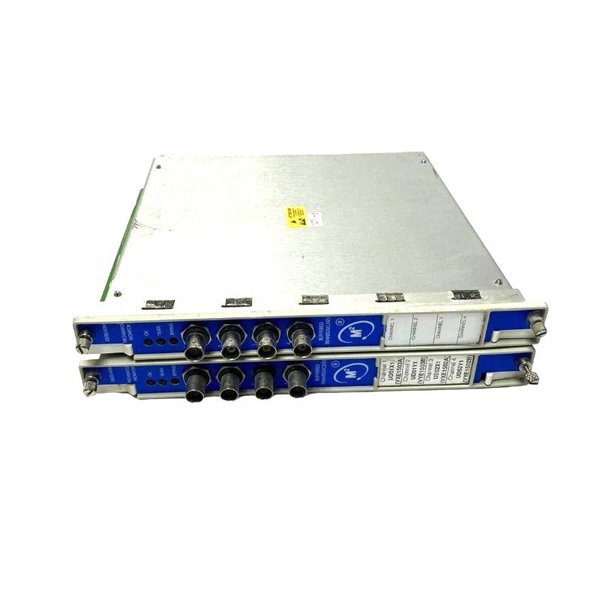
Introduction to Discrete I/O Module
The Discrete I/O Module is a core switching signal accessory in industrial automation control systems, also defined as on-off signal input and output module. It is mainly used to transmit simple digital switching signals between field equipment and PLC main control units.
Core Functional Features
-
Switch signal collection: Capture on-off feedback signals from limit switches, proximity sensors and button components
-
Switch signal output: Control solenoid valves, relays, indicator lights and contactors through discrete command signals
-
Electrical isolation protection: Isolate interference from field circuits to protect the main control system from voltage impact
-
Signal stabilization processing: Filter abnormal jitter signals to ensure accurate and stable signal transmission on site
Main Classification Types
-
Discrete Input Module: Specialized for collecting passive and active switching signals from on-site detection devices
-
Discrete Output Module: Responsible for issuing discrete control commands to various executive mechanical components
-
Integrated Discrete I/O Module: Combine input and output channels to simplify the layout of small and medium control systems
Common Industrial Application
-
Automated assembly lines and mechanical manufacturing production equipment
-
Packaging machinery, conveying equipment and logistics handling automation systems
-
Water treatment, environmental protection equipment and basic process control projects
-
Low voltage power distribution supporting automation and conventional mechanical control circuits
The industrial-grade Discrete I/O Module adopts anti-interference design with stable operation and easy installation. It is the most basic and essential component for expanding switching signal control in various PLC automation projects.