
Our Products
Comprehensive industrial automation solutions for global industries
Contact us
If you are interested in our products and want to know more details,please Contact us,we will reply you as soon as we can.
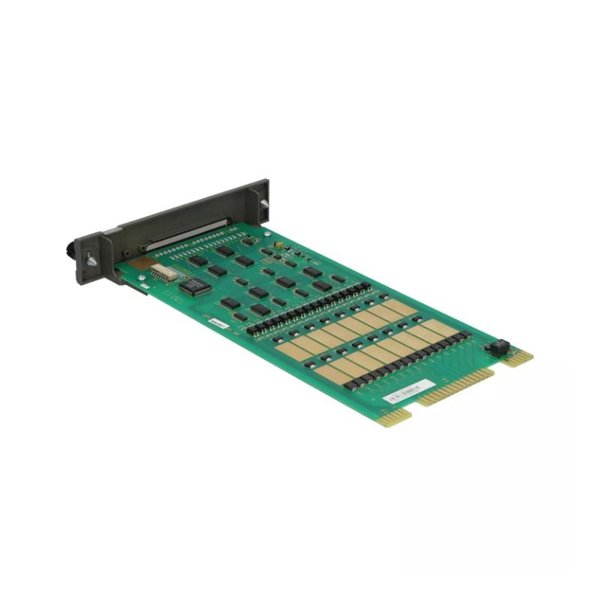
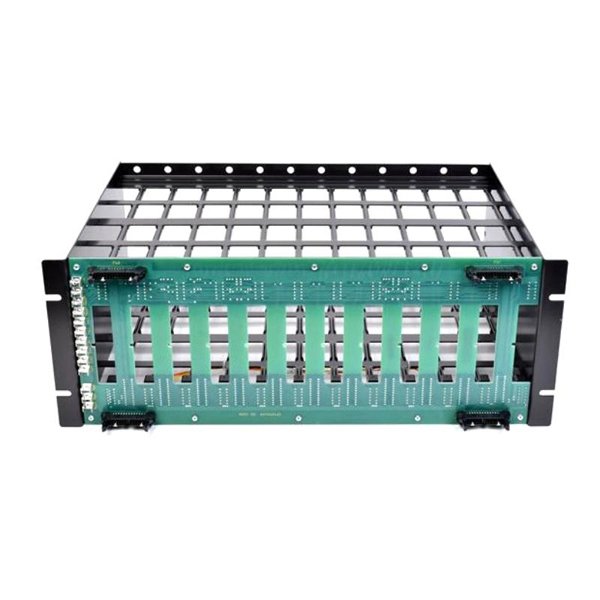
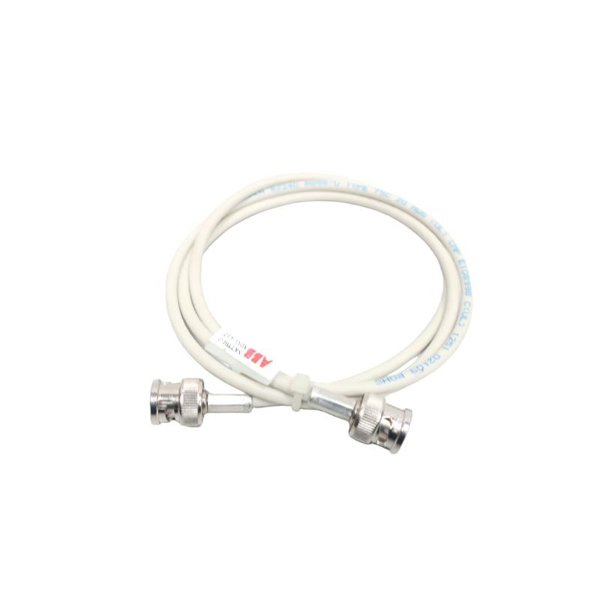
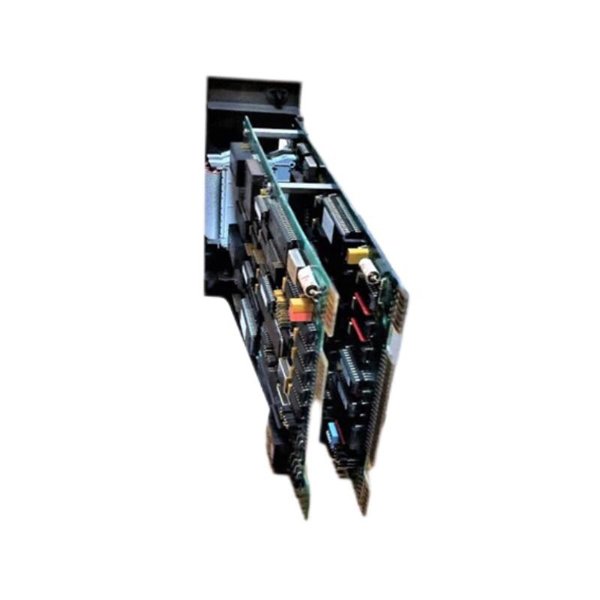
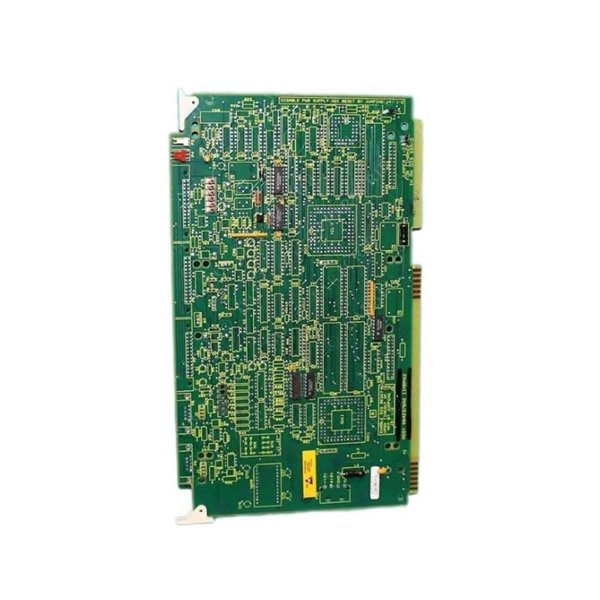
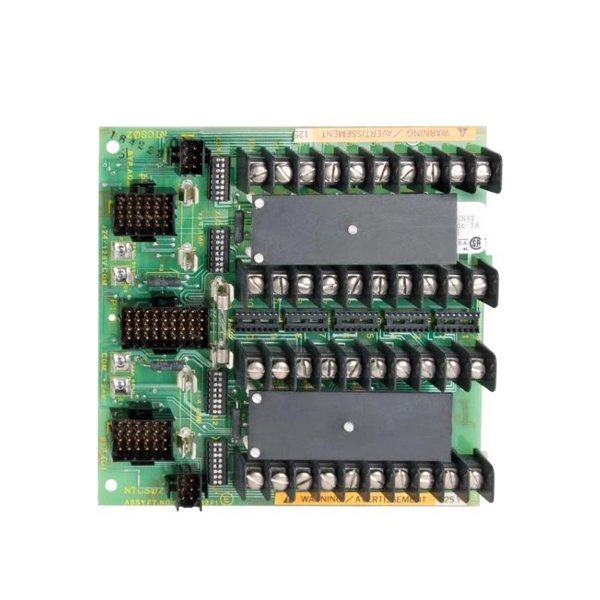
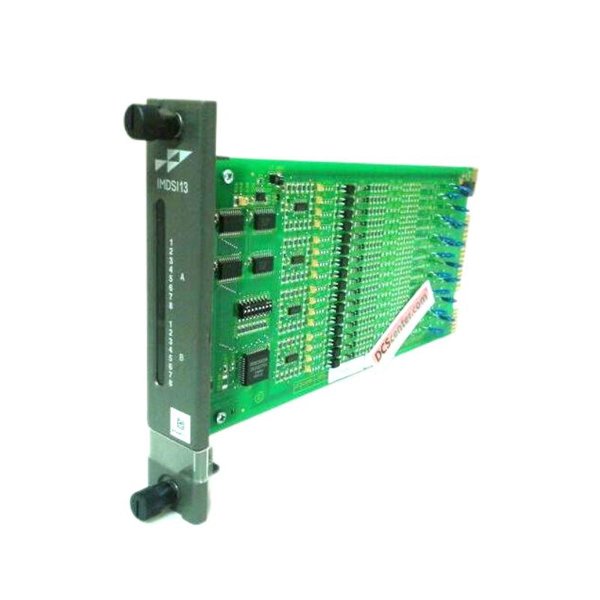
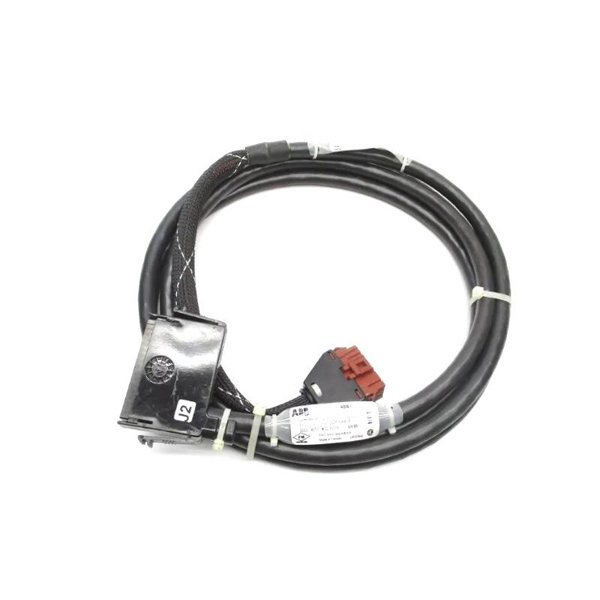
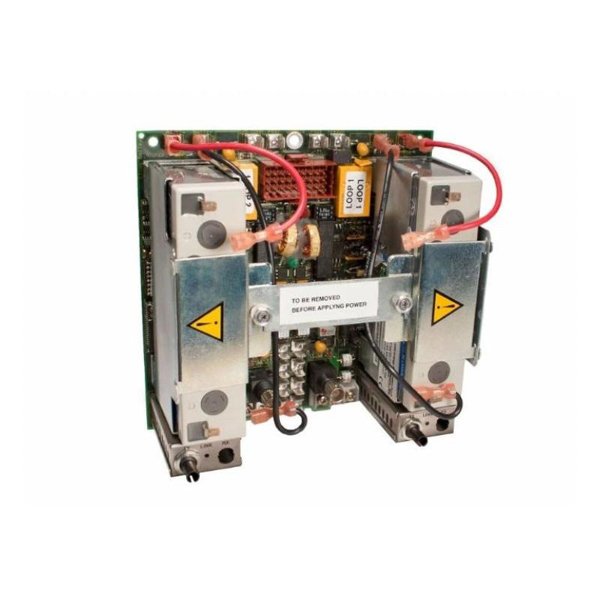
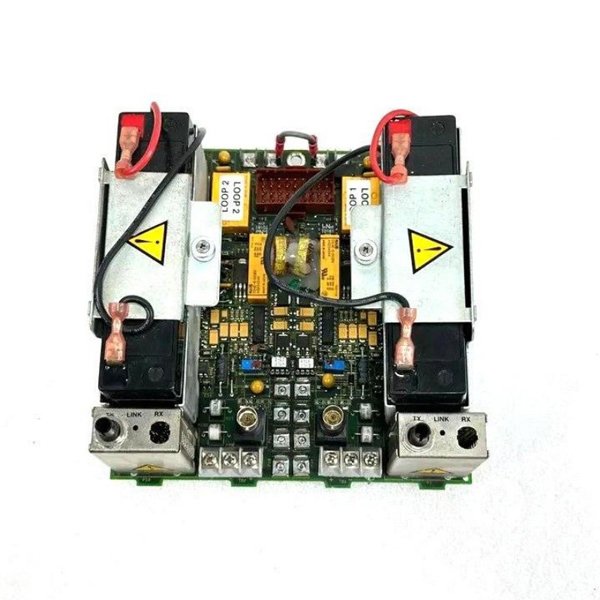
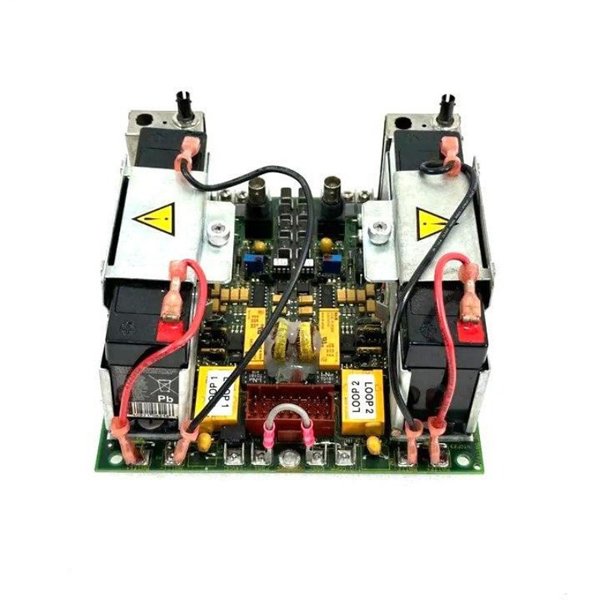
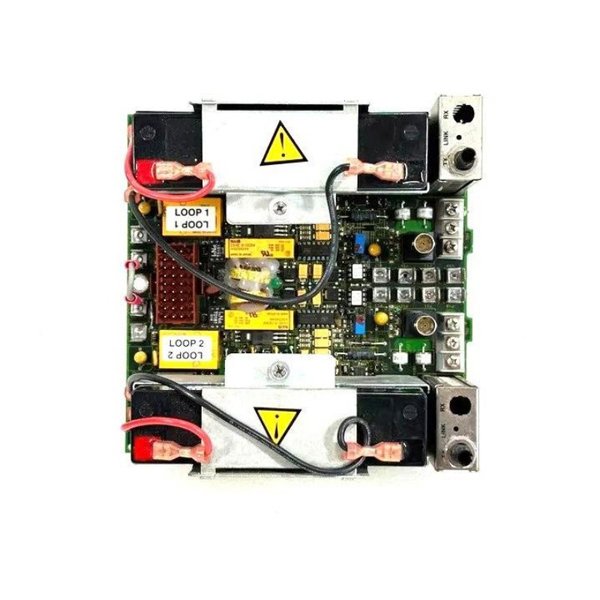
ABB Bailey NTCF23 Infi 90 INFI-Net Optic-to-Electric Termination Unit
Manufacturer:ABB Bailey
Product Number:NTCF23
Product Type:INFI-Net Optic-to-Electric Termination Unit
Origin:Sweden (SE)
Dimensions:160.02 x 228.6 x 213.36 mm
Weight:0.65 kg
Views:31
Payment Methods:T/T, PayPal, Western Union
Condition:New & In Stock
Warranty:1 Year
Lead Time:1-3 Working Days
Certificate:COO
Courier partners:DHL, UPS, TNT, FedEx and EMS.
Business hours:7*24
Product Description
The ABB Bailey NTCF23 is a key component of the Infi 90 Distributed Control System (DCS), designed to convert optical fiber INFI-Net signals into standard electrical signals. It acts as a termination point between the fiber optic backbone and copper-based controllers or modules, ensuring signal integrity and communication reliability.
Technical Specifications
| Parameter | Description |
|---|---|
| Product Model | NTCF23 |
| Function | Optic-to-Electric Termination Unit |
| Network Type | INFI-Net |
| Signal Conversion | Fiber Optic to Electrical |
| Mounting | Rack Mount |
| Operating Voltage | 5 VDC (typical) |
| Operating Temperature | 0°C to 60°C |
| Dimensions | 160.02 x 228.6 x 213.36 mm |
| Weight | 0.65 kg |
Applications
-
Fiber-to-copper transition in Infi 90 networks
-
Signal distribution within INFI-Net topology
-
Industrial automation systems
-
Power plant and utility control environments
Advantages
-
Stable conversion of optic to electrical signals
-
Enhances communication reliability in DCS networks
-
Simple rack mounting design for easy integration
-
High durability and ABB quality assurance
FAQs
Q1: What is the main function of the NTCF23 unit?
A1: It converts optical INFI-Net signals to electrical signals for Infi 90 systems.
Q2: Can the NTCF23 be used in other ABB control systems?
A2: It is specifically designed for the Infi 90 system and may not be compatible with other systems.
Q3: What type of connectors does it use?
A3: It uses standard fiber optic and electrical signal connectors designed for ABB DCS infrastructure.
Q4: Is it suitable for harsh environments?
A4: It operates reliably in industrial settings with 0°C to 60°C temperature range.
Q5: How is it mounted?
A5: It is a rack-mountable module designed for standard Infi 90 enclosures.
Q6: What happens if this unit fails?
A6: Communication over the INFI-Net may be disrupted, requiring immediate replacement.
Q7: Is this unit hot-swappable?
A7: No, power must be removed before replacement or installation.
Q8: Does it support redundancy?
A8: Redundancy depends on system configuration, not solely on the unit.
Q9: How can I identify a faulty NTCF23?
A9: Indicators like loss of communication or error LEDs signal potential faults.
Q10: How often does it need maintenance?
A10: It requires minimal maintenance, typically limited to periodic inspection.
 Loading comments...
ABB Bailey NTCF23 Infi 90 INFI-Net Optic-to-Electric Termination Unit
Manufacturer:ABB Bailey
Product Number:NTCF23
Product Type:INFI-Net Optic-to-Electric Termination Unit
Origin:Sweden (SE)
Dimensions:160.02 x 228.6 x 213.36 mm
Weight:0.65 kg
Views:31
Payment Methods:T/T, PayPal, Western Union
Condition:New & In Stock
Warranty:1 Year
Lead Time:1-3 Working Days
Certificate:COO
Courier partners:DHL, UPS, TNT, FedEx and EMS.
Business hours:7*24
Product Description
The ABB Bailey NTCF23 is a key component of the Infi 90 Distributed Control System (DCS), designed to convert optical fiber INFI-Net signals into standard electrical signals. It acts as a termination point between the fiber optic backbone and copper-based controllers or modules, ensuring signal integrity and communication reliability.
Technical Specifications
| Parameter | Description |
|---|---|
| Product Model | NTCF23 |
| Function | Optic-to-Electric Termination Unit |
| Network Type | INFI-Net |
| Signal Conversion | Fiber Optic to Electrical |
| Mounting | Rack Mount |
| Operating Voltage | 5 VDC (typical) |
| Operating Temperature | 0°C to 60°C |
| Dimensions | 160.02 x 228.6 x 213.36 mm |
| Weight | 0.65 kg |
Applications
-
Fiber-to-copper transition in Infi 90 networks
-
Signal distribution within INFI-Net topology
-
Industrial automation systems
-
Power plant and utility control environments
Advantages
-
Stable conversion of optic to electrical signals
-
Enhances communication reliability in DCS networks
-
Simple rack mounting design for easy integration
-
High durability and ABB quality assurance
FAQs
Q1: What is the main function of the NTCF23 unit?
A1: It converts optical INFI-Net signals to electrical signals for Infi 90 systems.
Q2: Can the NTCF23 be used in other ABB control systems?
A2: It is specifically designed for the Infi 90 system and may not be compatible with other systems.
Q3: What type of connectors does it use?
A3: It uses standard fiber optic and electrical signal connectors designed for ABB DCS infrastructure.
Q4: Is it suitable for harsh environments?
A4: It operates reliably in industrial settings with 0°C to 60°C temperature range.
Q5: How is it mounted?
A5: It is a rack-mountable module designed for standard Infi 90 enclosures.
Q6: What happens if this unit fails?
A6: Communication over the INFI-Net may be disrupted, requiring immediate replacement.
Q7: Is this unit hot-swappable?
A7: No, power must be removed before replacement or installation.
Q8: Does it support redundancy?
A8: Redundancy depends on system configuration, not solely on the unit.
Q9: How can I identify a faulty NTCF23?
A9: Indicators like loss of communication or error LEDs signal potential faults.
Q10: How often does it need maintenance?
A10: It requires minimal maintenance, typically limited to periodic inspection.
Need a Custom Automation Solution?
Our team of experts can design and implement a tailored automation system to meet your specific requirements.