
Our Products
Comprehensive industrial automation solutions for global industries
Contact us
If you are interested in our products and want to know more details,please Contact us,we will reply you as soon as we can.
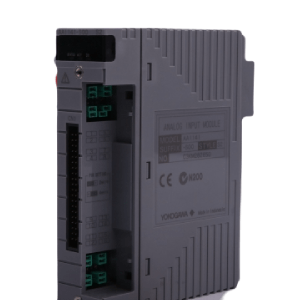
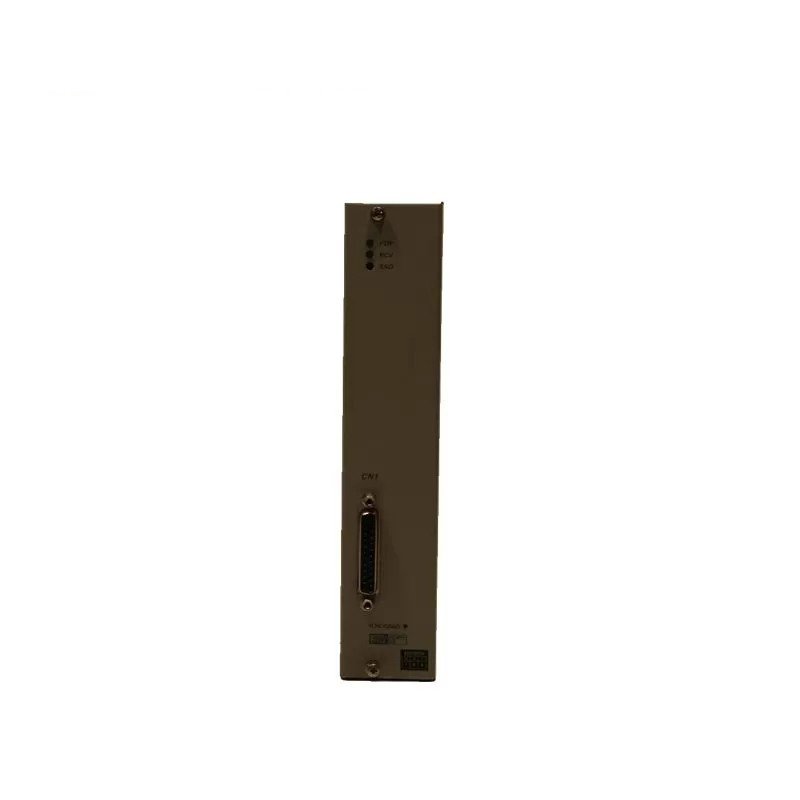
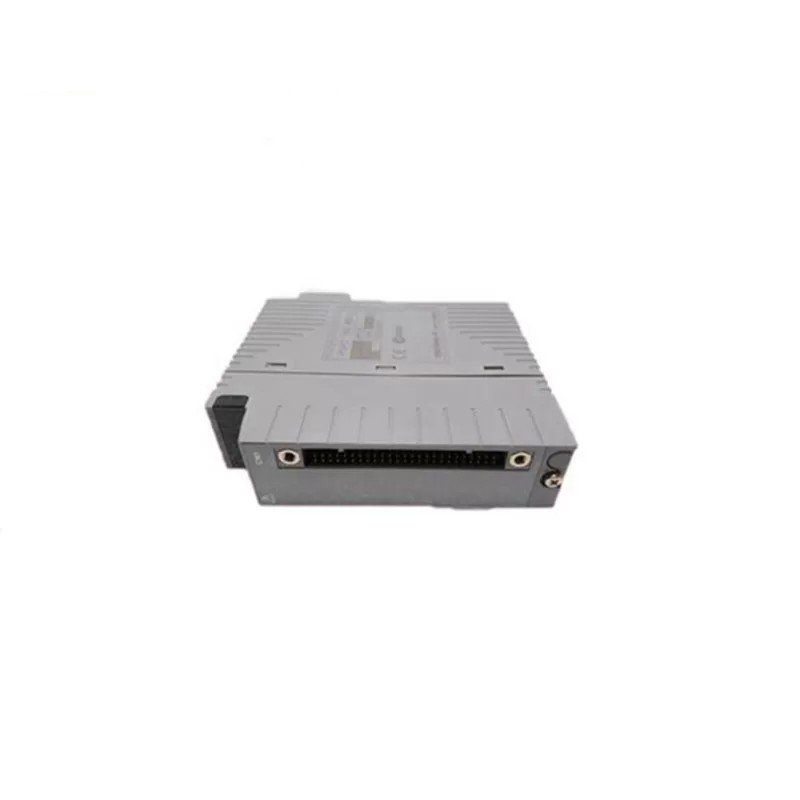
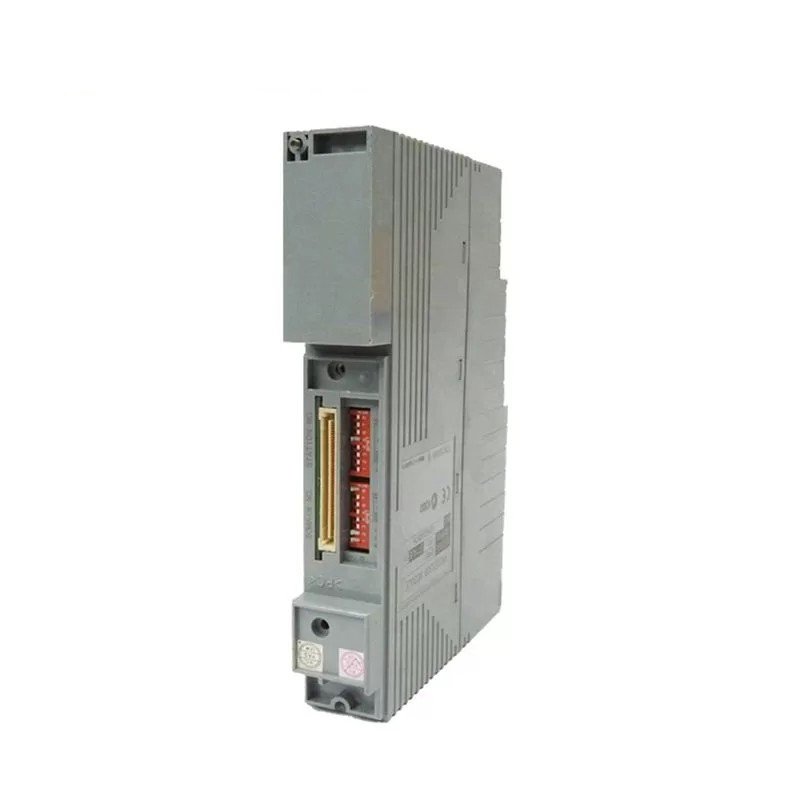
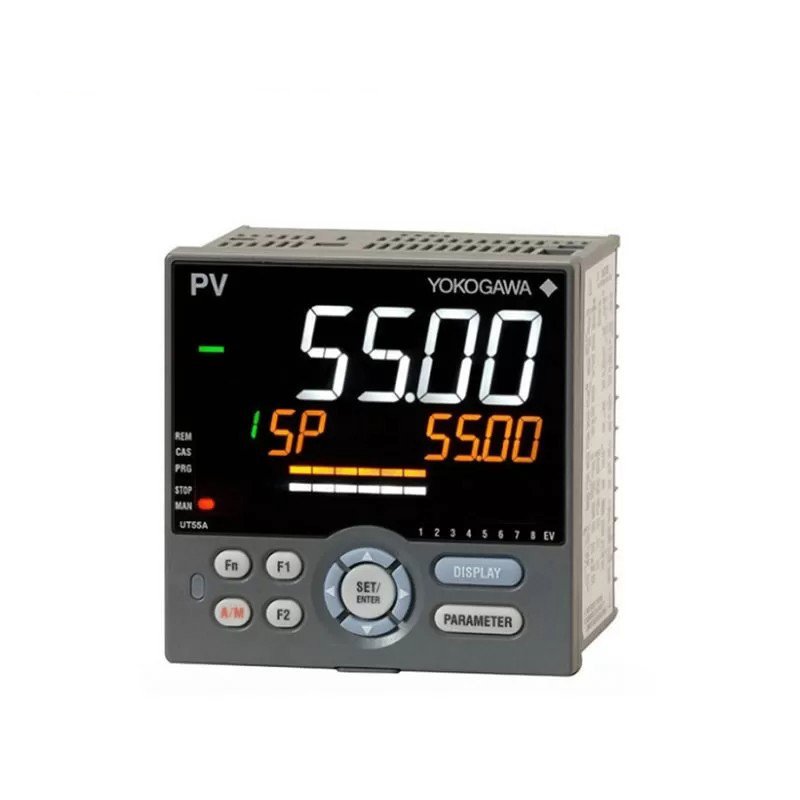
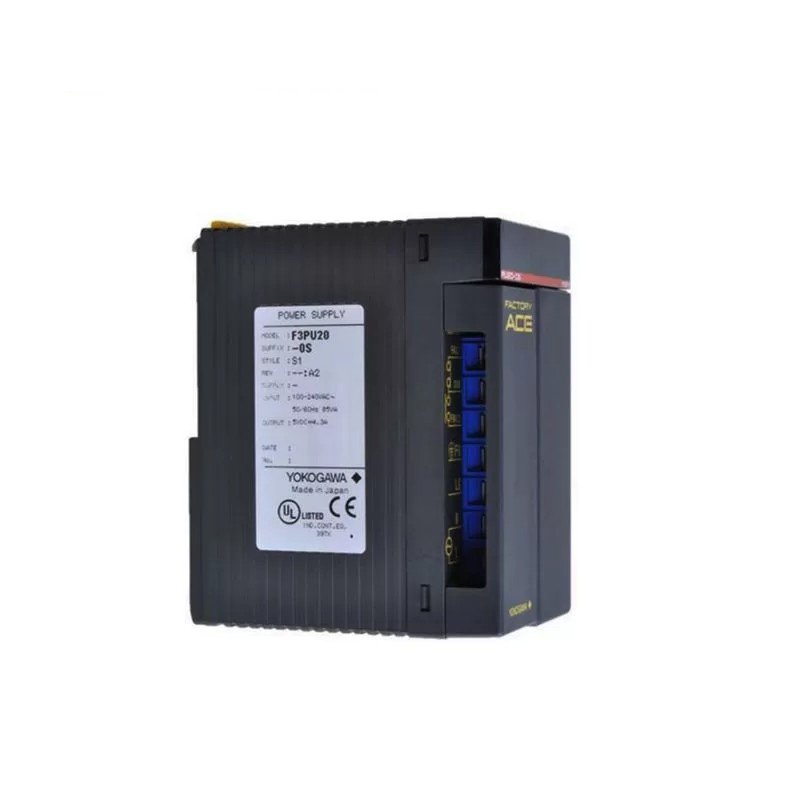
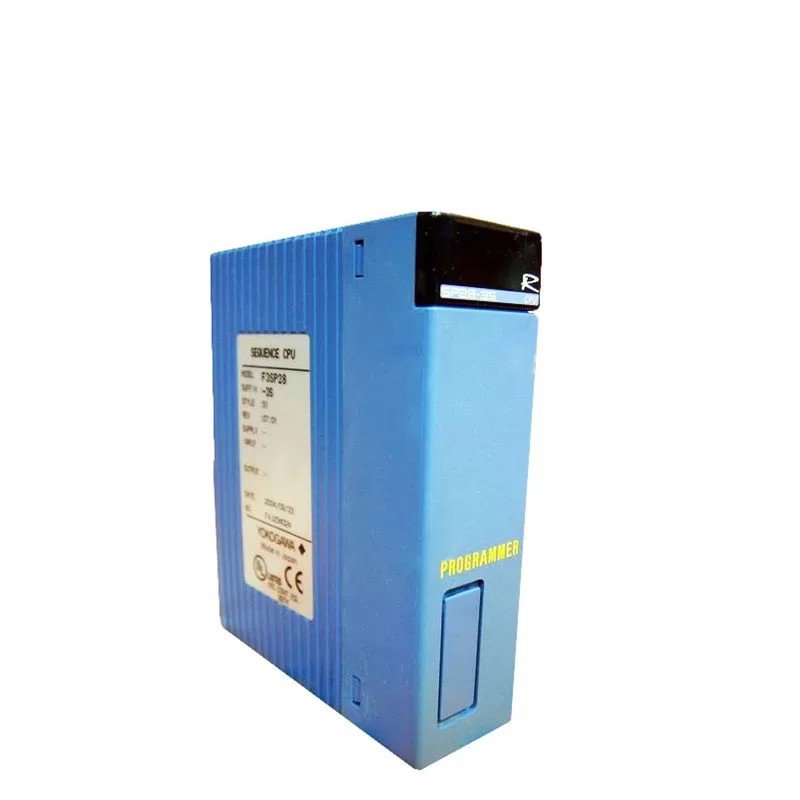
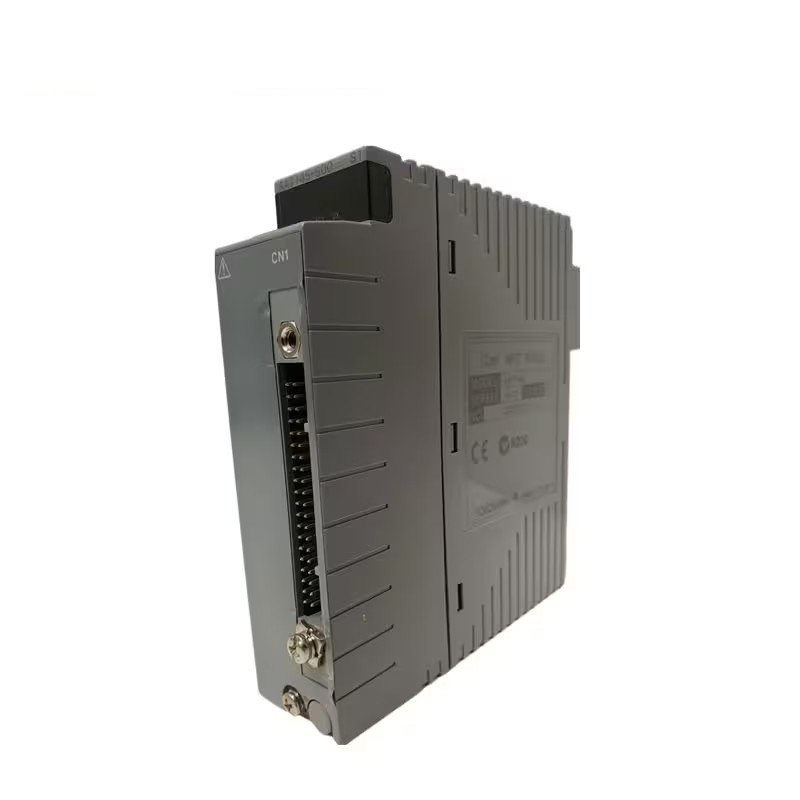
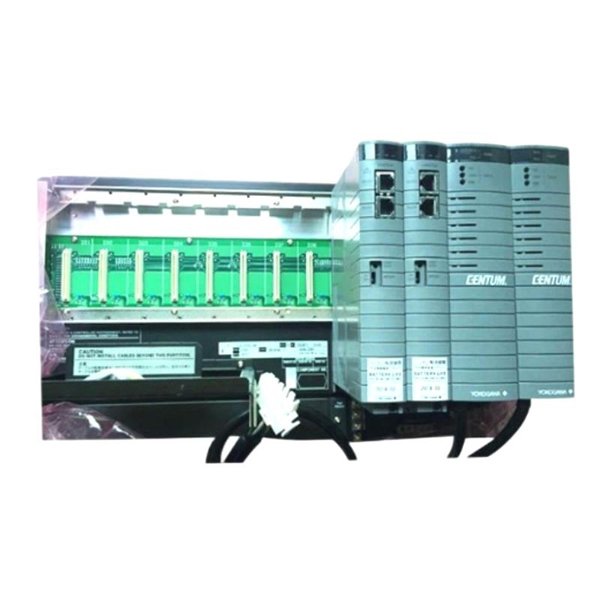
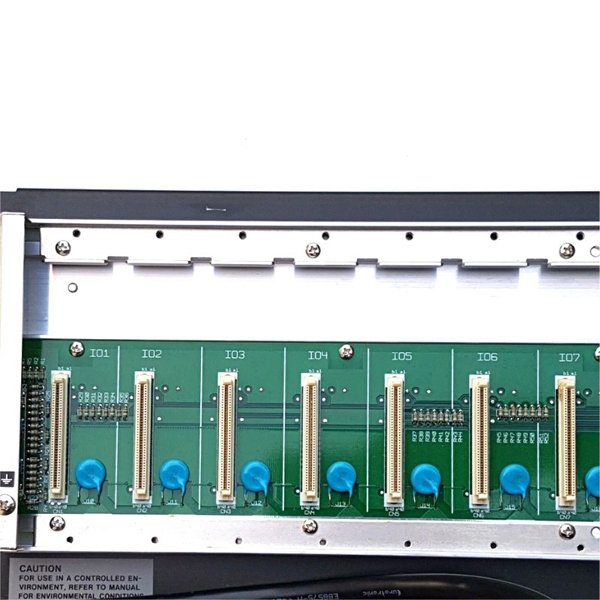
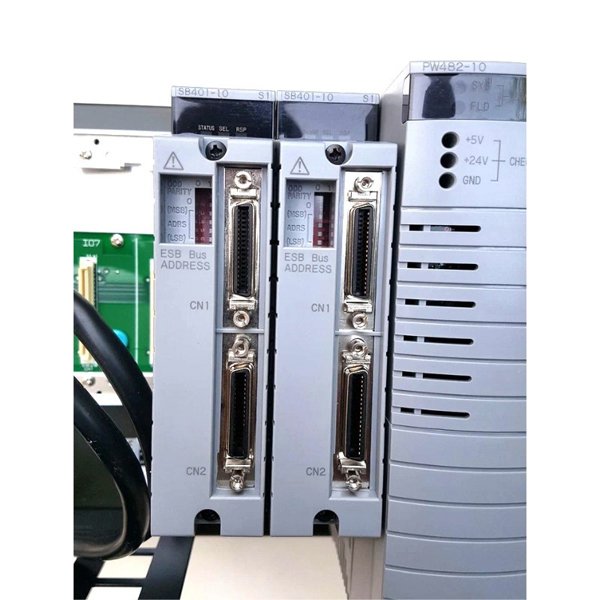
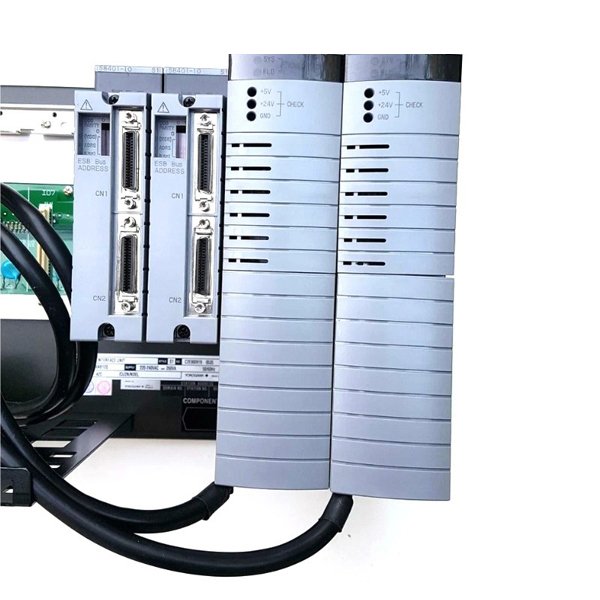
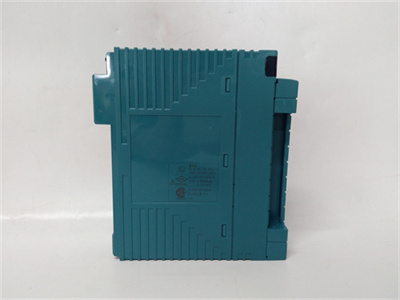
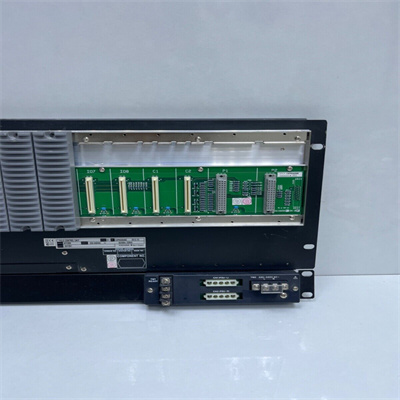
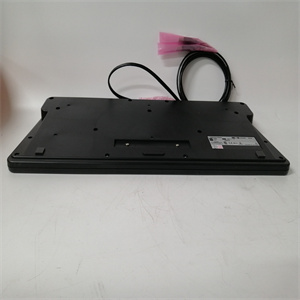
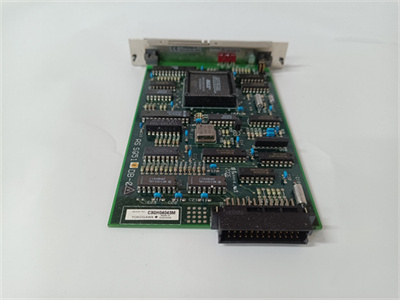
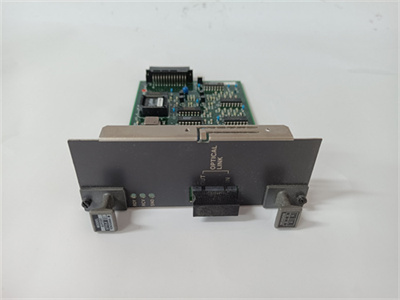
Yokogawa ANB11D-615/BU2A Fiber optic ESB bus node unit
Manufacturer:Yokogawa
Product Number:ANB11D-615/BU2A
Product Type:Fiber optic ESB bus node unit
Origin:Japan
Dimensions:482.6 × 221.5 × 205 mm
Weight :10 kg
Views:100
Payment Methods:T/T, PayPal, Western Union
Condition:New & In Stock
Warranty:1 Year
Lead Time:1-3 Working Days
Certificate:COO
Courier partners:DHL, UPS, TNT, FedEx and EMS.
Business hours:7*24
Product Description
By leveraging fiber optic technology, the ANB11D-615/BU2A eliminates electrical noise interference, enabling operation in harsh industrial conditions, including areas with high electromagnetic interference (EMI) or long-distance data transmission requirements. This product is widely adopted in power generation, chemical processing, and large-scale manufacturing facilities.
Technical Specifications
| Parameter | Specification |
|---|---|
| Model Number | ANB11D-615/BU2A |
| Product Type | Fiber Optic ESB Bus Node Unit |
| Communication Protocol | ESB (Extended Segment Bus) |
| Fiber Type | Single-mode and Multi-mode compatible |
| Transmission Speed | Up to 125 Mbps |
| Operating Temperature | 0°C to 55°C |
| Storage Temperature | -20°C to 70°C |
| Humidity | 5% to 95% RH, non-condensing |
| Power Supply | 24 VDC ± 10% |
| Power Consumption | 5 W typical |
| Dimensions | 482.6 × 221.5 × 205 mm |
| Weight | 10 kg |
| Mounting | DIN Rail or Panel Mount |
| LED Indicators | Power, Communication Status, Fault |
Product Applications
The ANB11D-615/BU2A Fiber Optic ESB Bus Node Unit is widely applied in industrial automation and process control. Its key applications include:
Distributed Control Systems (DCS): Acts as an interface between field devices and the central control system.
Process Monitoring: Enables high-speed and interference-free data acquisition from sensors and actuators.
Power Plants: Supports remote monitoring and control of turbines, generators, and auxiliary equipment.
Chemical and Petrochemical Industries: Ensures reliable communication in hazardous and EMI-prone environments.
Large Manufacturing Facilities: Integrates multiple ESB segments over long distances with fiber optic cabling.
High-Reliability Systems: Provides redundancy and fault detection in critical industrial processes.
Product Advantages
High Noise Immunity – Fiber optic communication eliminates susceptibility to electromagnetic and radio frequency interference.
Long-Distance Communication – Supports single-mode fiber transmission up to 10 km, ideal for large plants or remote segments.
Deterministic Data Transfer – Ensures predictable and reliable communication, essential for process-critical systems.
Compact and Lightweight Design – The small form factor allows flexible installation in control cabinets or panels.
Energy Efficient – Low power consumption reduces system energy demands.
Flexible Mounting Options – Can be mounted on DIN rails or panels, providing installation versatility.
Diagnostic Features – LED indicators for power, communication status, and fault enable quick visual verification.
Seamless Integration – Fully compatible with Yokogawa CENTUM ESB network systems for plug-and-play deployment.
FAQ
Q1: What type of fiber optic cables are compatible with this unit?
A1: The ANB11D-615/BU2A supports both single-mode and multi-mode fiber optic cables, allowing flexibility in installation distance and infrastructure.
Q2: Can this bus node unit handle redundant ESB network configurations?
A2: Yes, it supports network redundancy, allowing seamless switching between primary and secondary fiber optic paths to ensure continuous operation.
Q3: What is the maximum data transmission speed of this unit?
A3: The maximum communication speed supported is 125 Mbps, which meets the requirements for high-speed fieldbus operations.
Q4: How is the unit powered, and what are the voltage tolerances?
A4: The unit is powered by 24 VDC, with a tolerance of ±10%, providing stable operation within industrial power supply variations.
Q5: Does it support diagnostic monitoring of the ESB network?
A5: Yes, LED indicators provide real-time diagnostics for communication status, power presence, and fault conditions.
Q6: What environmental conditions can the unit withstand?
A6: The unit operates reliably within 0°C to 55°C and 5% to 95% relative humidity, non-condensing. Storage temperatures can range from -20°C to 70°C.
Q7: Is this unit compatible with other Yokogawa ESB devices?
A7: Yes, it is fully compatible with all Yokogawa ESB network modules, allowing seamless integration into existing systems.
Q8: How long can the unit transmit data over fiber optic cables?
A8: The maximum transmission distance is up to 10 km for single-mode fiber and 2 km for multi-mode fiber.
Q9: Can the unit be mounted in tight control panels?
A9: Yes, its compact dimensions (482.6 × 221.5 × 205 mm) and DIN rail/panel mounting flexibility make it suitable for confined spaces.
Q10: How is the unit connected to field devices?
A10: Field devices connect through the ESB network via fiber optic cables, with automatic recognition and data mapping handled by the DCS.
 Loading comments...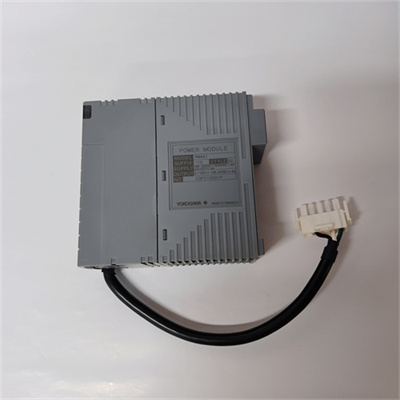
Yokogawa ANB11D-615/BU2A Fiber optic ESB bus node unit
Manufacturer:Yokogawa
Product Number:ANB11D-615/BU2A
Product Type:Fiber optic ESB bus node unit
Origin:Japan
Dimensions:482.6 × 221.5 × 205 mm
Weight :10 kg
Views:100
Payment Methods:T/T, PayPal, Western Union
Condition:New & In Stock
Warranty:1 Year
Lead Time:1-3 Working Days
Certificate:COO
Courier partners:DHL, UPS, TNT, FedEx and EMS.
Business hours:7*24
Product Description
By leveraging fiber optic technology, the ANB11D-615/BU2A eliminates electrical noise interference, enabling operation in harsh industrial conditions, including areas with high electromagnetic interference (EMI) or long-distance data transmission requirements. This product is widely adopted in power generation, chemical processing, and large-scale manufacturing facilities.
Technical Specifications
| Parameter | Specification |
|---|---|
| Model Number | ANB11D-615/BU2A |
| Product Type | Fiber Optic ESB Bus Node Unit |
| Communication Protocol | ESB (Extended Segment Bus) |
| Fiber Type | Single-mode and Multi-mode compatible |
| Transmission Speed | Up to 125 Mbps |
| Operating Temperature | 0°C to 55°C |
| Storage Temperature | -20°C to 70°C |
| Humidity | 5% to 95% RH, non-condensing |
| Power Supply | 24 VDC ± 10% |
| Power Consumption | 5 W typical |
| Dimensions | 482.6 × 221.5 × 205 mm |
| Weight | 10 kg |
| Mounting | DIN Rail or Panel Mount |
| LED Indicators | Power, Communication Status, Fault |
Product Applications
The ANB11D-615/BU2A Fiber Optic ESB Bus Node Unit is widely applied in industrial automation and process control. Its key applications include:
Distributed Control Systems (DCS): Acts as an interface between field devices and the central control system.
Process Monitoring: Enables high-speed and interference-free data acquisition from sensors and actuators.
Power Plants: Supports remote monitoring and control of turbines, generators, and auxiliary equipment.
Chemical and Petrochemical Industries: Ensures reliable communication in hazardous and EMI-prone environments.
Large Manufacturing Facilities: Integrates multiple ESB segments over long distances with fiber optic cabling.
High-Reliability Systems: Provides redundancy and fault detection in critical industrial processes.
Product Advantages
High Noise Immunity – Fiber optic communication eliminates susceptibility to electromagnetic and radio frequency interference.
Long-Distance Communication – Supports single-mode fiber transmission up to 10 km, ideal for large plants or remote segments.
Deterministic Data Transfer – Ensures predictable and reliable communication, essential for process-critical systems.
Compact and Lightweight Design – The small form factor allows flexible installation in control cabinets or panels.
Energy Efficient – Low power consumption reduces system energy demands.
Flexible Mounting Options – Can be mounted on DIN rails or panels, providing installation versatility.
Diagnostic Features – LED indicators for power, communication status, and fault enable quick visual verification.
Seamless Integration – Fully compatible with Yokogawa CENTUM ESB network systems for plug-and-play deployment.
FAQ
Q1: What type of fiber optic cables are compatible with this unit?
A1: The ANB11D-615/BU2A supports both single-mode and multi-mode fiber optic cables, allowing flexibility in installation distance and infrastructure.
Q2: Can this bus node unit handle redundant ESB network configurations?
A2: Yes, it supports network redundancy, allowing seamless switching between primary and secondary fiber optic paths to ensure continuous operation.
Q3: What is the maximum data transmission speed of this unit?
A3: The maximum communication speed supported is 125 Mbps, which meets the requirements for high-speed fieldbus operations.
Q4: How is the unit powered, and what are the voltage tolerances?
A4: The unit is powered by 24 VDC, with a tolerance of ±10%, providing stable operation within industrial power supply variations.
Q5: Does it support diagnostic monitoring of the ESB network?
A5: Yes, LED indicators provide real-time diagnostics for communication status, power presence, and fault conditions.
Q6: What environmental conditions can the unit withstand?
A6: The unit operates reliably within 0°C to 55°C and 5% to 95% relative humidity, non-condensing. Storage temperatures can range from -20°C to 70°C.
Q7: Is this unit compatible with other Yokogawa ESB devices?
A7: Yes, it is fully compatible with all Yokogawa ESB network modules, allowing seamless integration into existing systems.
Q8: How long can the unit transmit data over fiber optic cables?
A8: The maximum transmission distance is up to 10 km for single-mode fiber and 2 km for multi-mode fiber.
Q9: Can the unit be mounted in tight control panels?
A9: Yes, its compact dimensions (482.6 × 221.5 × 205 mm) and DIN rail/panel mounting flexibility make it suitable for confined spaces.
Q10: How is the unit connected to field devices?
A10: Field devices connect through the ESB network via fiber optic cables, with automatic recognition and data mapping handled by the DCS.
Need a Custom Automation Solution?
Our team of experts can design and implement a tailored automation system to meet your specific requirements.