
Our Products
Comprehensive industrial automation solutions for global industries
Contact us
If you are interested in our products and want to know more details,please Contact us,we will reply you as soon as we can.
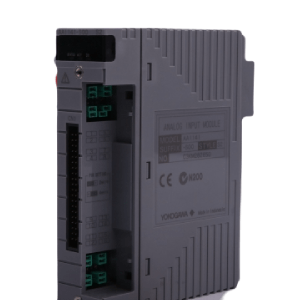
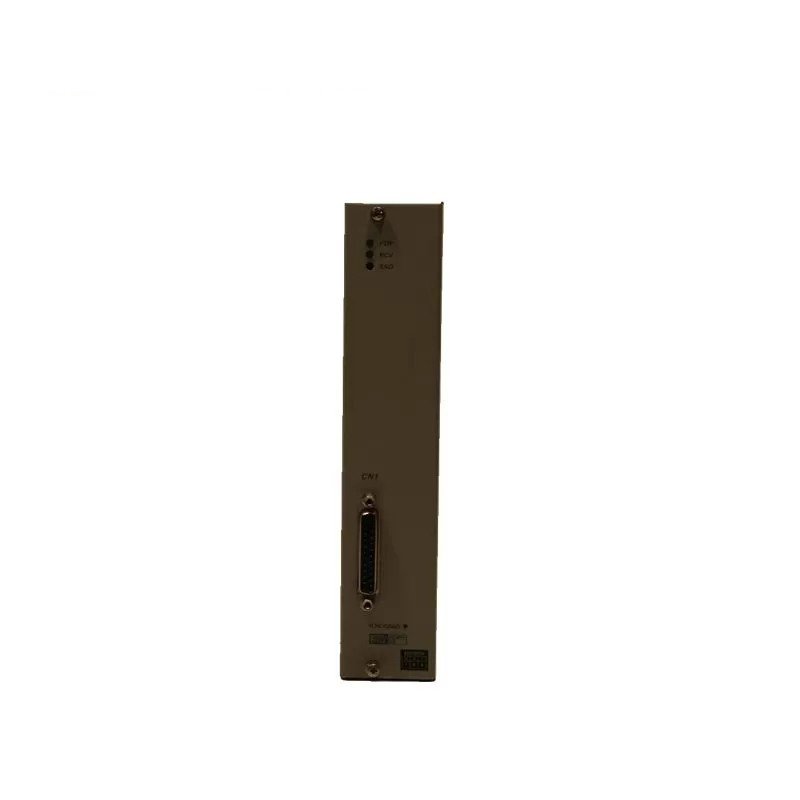
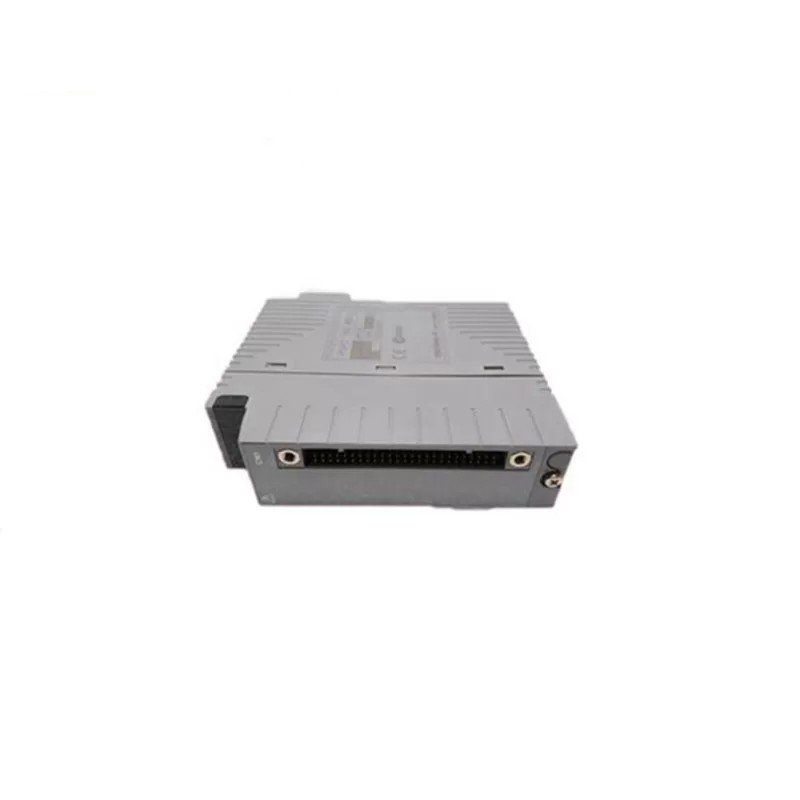
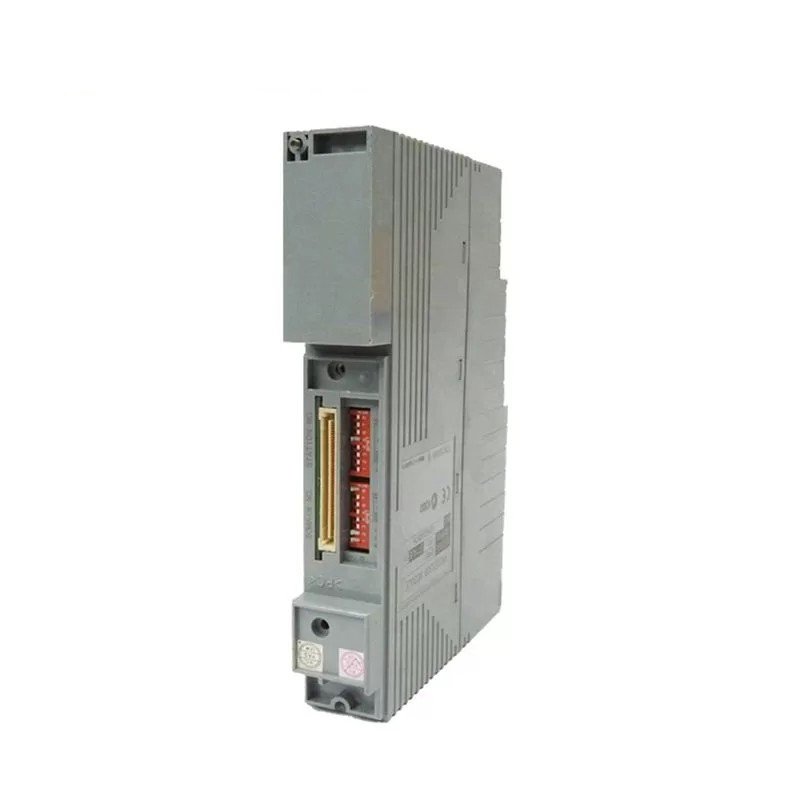
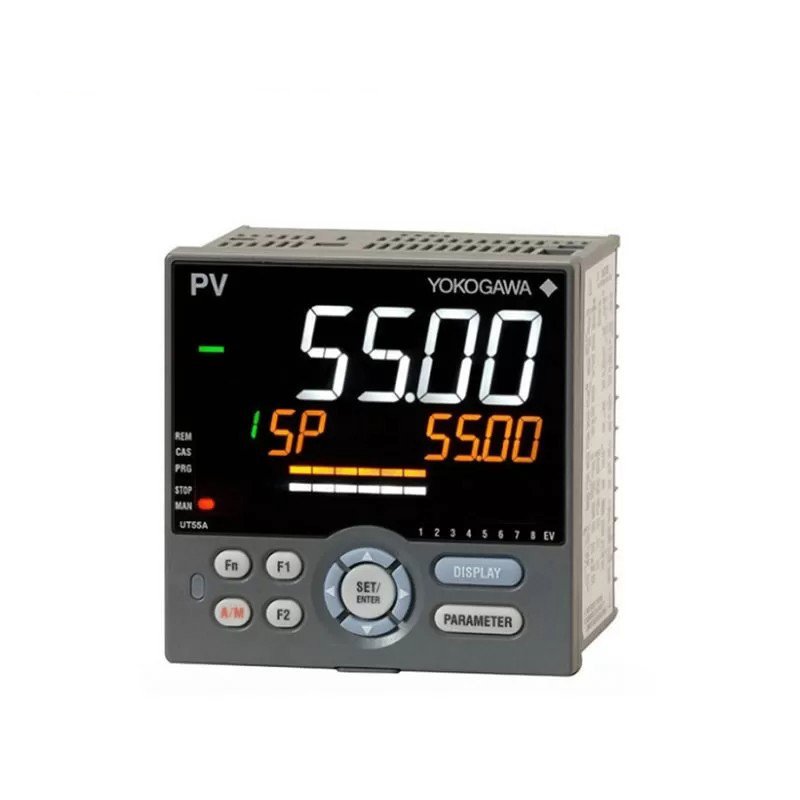
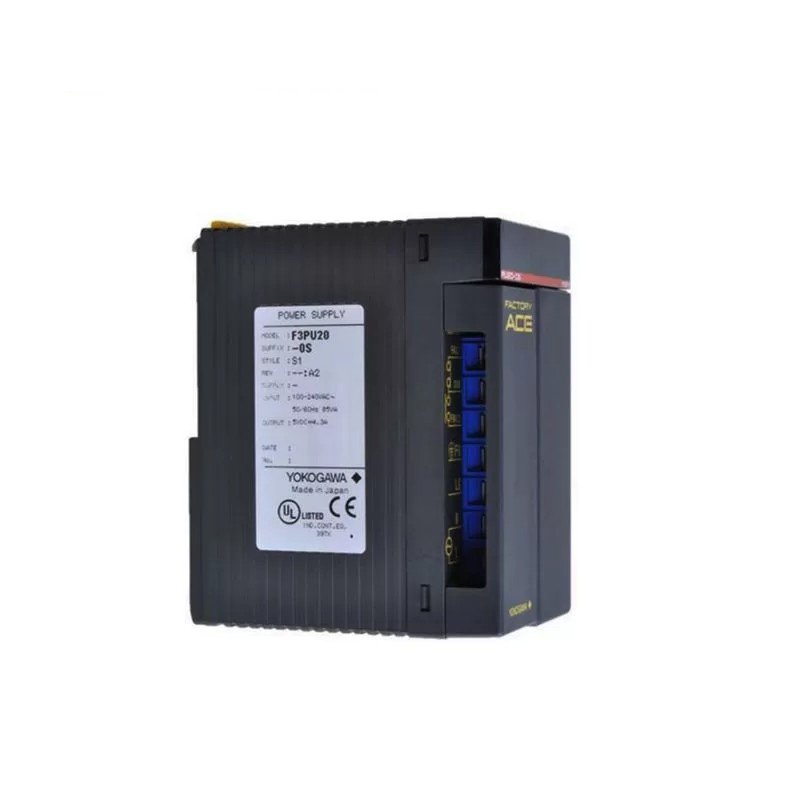
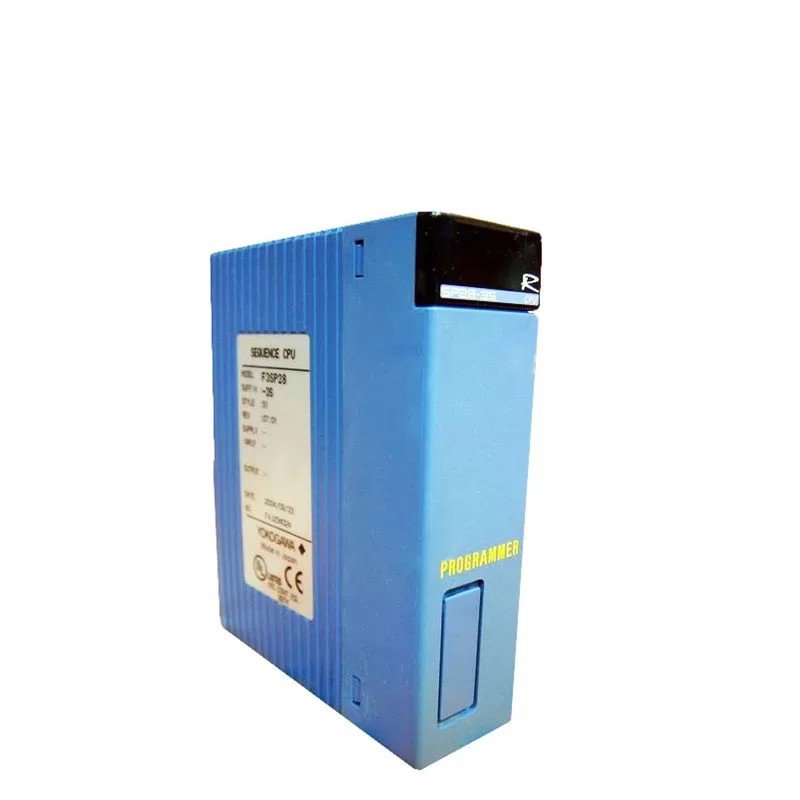
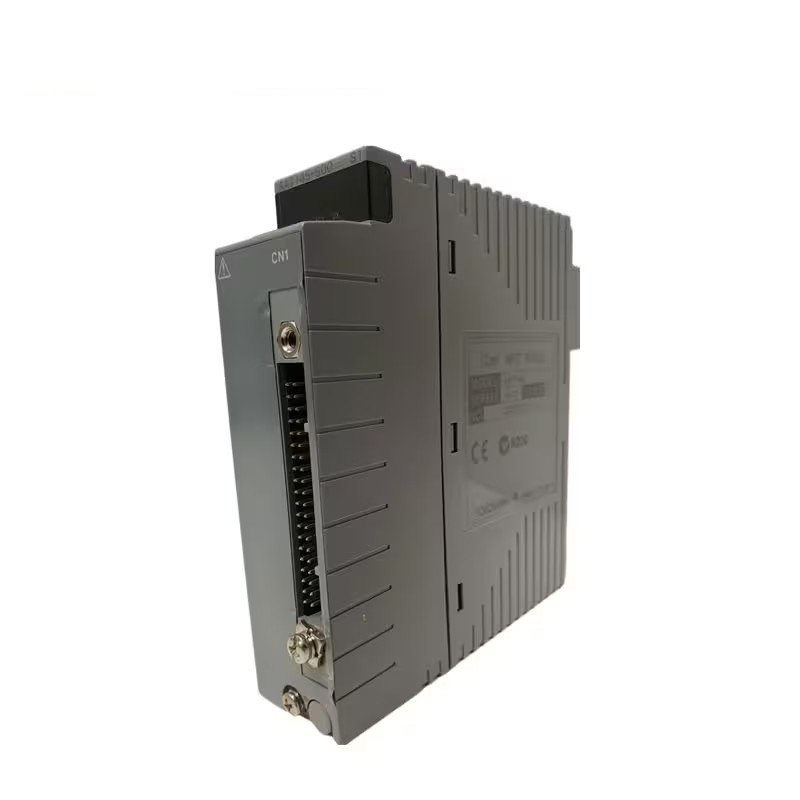
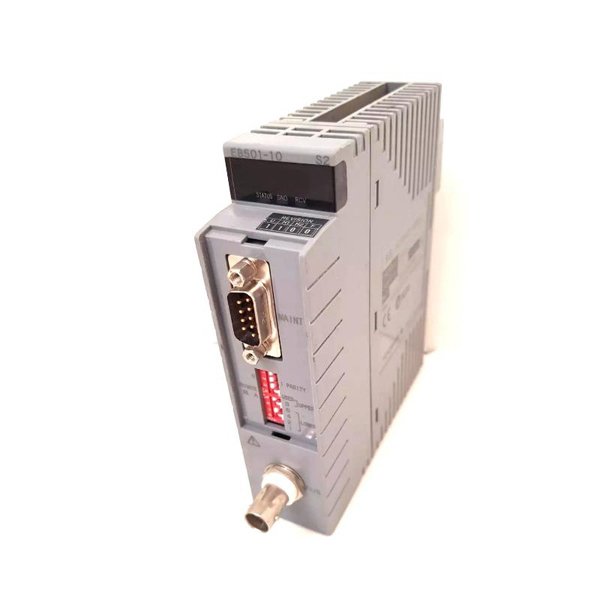
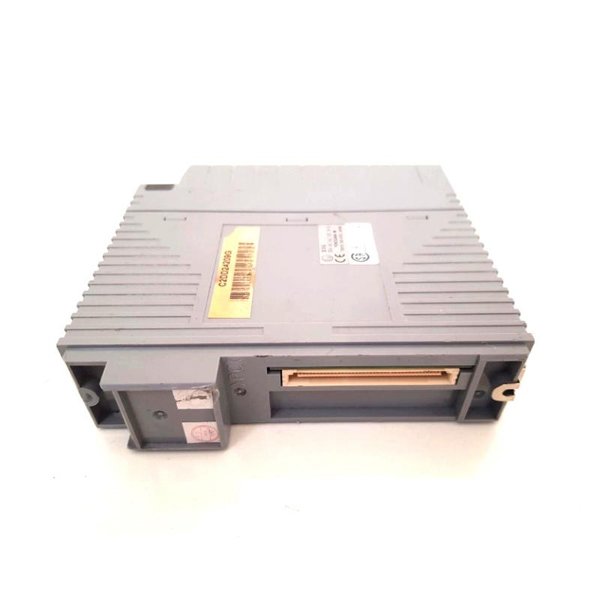
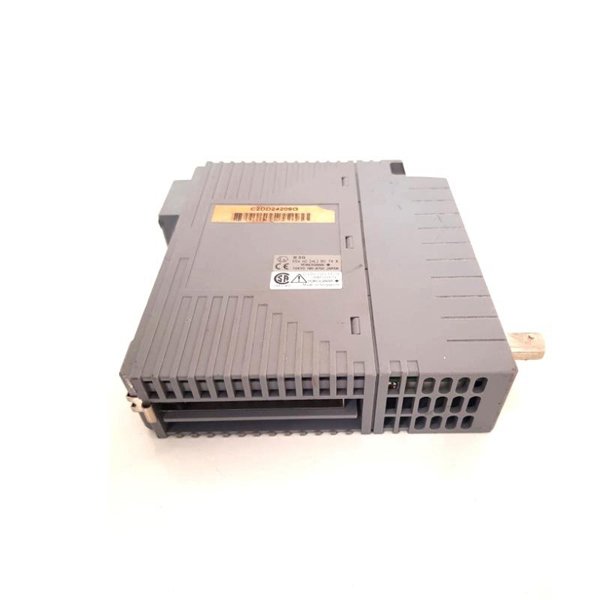
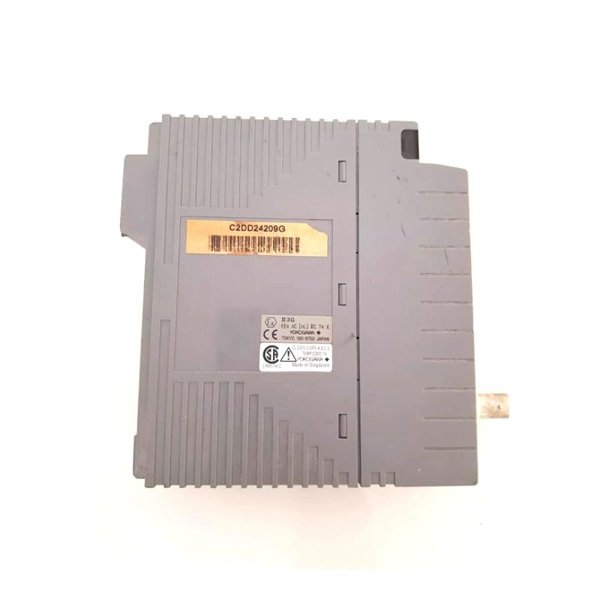
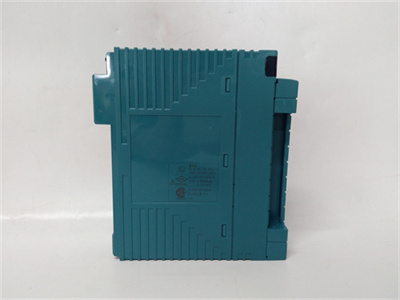
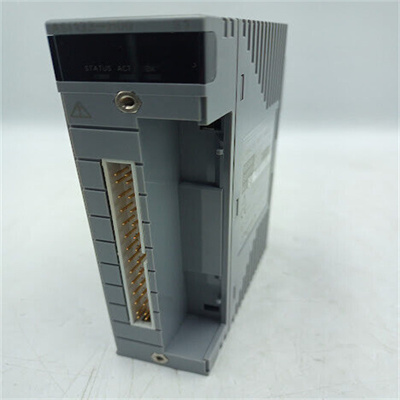
Yokogawa EB501-10 ER Bus Interface Slave Module
Manufacturer:Yokogawa
Product Number:EB501-10
Product Type:ER Bus Interface Slave Module
Origin:Japan
Dimensions:144.65 x 130 x 32.8mm
Weight:0.3 kg
Views:42
Payment Methods:T/T, PayPal, Western Union
Condition:New & In Stock
Warranty:1 Year
Lead Time:1-3 Working Days
Certificate:COO
Courier partners:DHL, UPS, TNT, FedEx and EMS.
Business hours:7*24
Product Description
The Yokogawa EB501-10 is a high-performance ER Bus Interface Slave Module, engineered for integration within the CENTUM CS 3000 Field Control Station (FCS) environment. It plays a critical role in the remote node communication over ER Bus, functioning as a slave module in remote node configurations. Designed for robust field network communication, the EB501-10 ensures reliable data transmission between local and remote I/O nodes in distributed control architectures.
This module is especially vital for users implementing remote field I/O configurations using the ER Bus, connecting distributed I/O nodes with minimal latency and high synchronization accuracy. It supports dual-redundant operation for enhanced reliability in mission-critical applications, aligning with Yokogawa’s commitment to system availability and operational safety.
Technical Specifications
| Parameter | Description |
|---|---|
| Model | EB501-10 |
| Function | ER Bus Interface Slave Module (for Remote Node) |
| Application | Remote Node connectivity on ER bus |
| Communication Type | Bus topology (Coaxial cable YCB141/YCB311) |
| Transmission Speed | 10 Mbps |
| Transmission Distance | Up to 185 m (YCB141) or calculated via repeater limits |
| Redundancy | Dual-redundant support available |
| Installation | Mounted in Remote Node Unit (e.g., ANR10D) |
| Operating Temperature | 0 to 50°C |
| Relative Humidity | 10–90% RH (non-condensing) |
| Dimensions (W x H x D) | 144.65 x 130 x 32.8 mm |
| Weight | 0.3 kg |
| Regulatory Compliance | CE, CSA, FM (non-incendive), ATEX (Type n) |
| Safety Category | SIL3 compatible (via ProSafe-RS integration) |
| Compatible Systems | CENTUM CS 3000, ProSafe-RS |
Applications
-
Distributed control systems (DCS) requiring remote I/O nodes
-
Oil and gas processing facilities with extended field installations
-
Power plants and utilities needing fault-tolerant communication
-
Chemical and pharmaceutical manufacturing plants
-
Remote field device integration in hazardous environments
-
Redundant communication architectures with high availability demands
Advantages
High reliability: Dual-redundant communication paths enhance system uptime.
Fast and deterministic communication over the ER Bus ensures real-time responsiveness.
Compact size allows easy integration within remote I/O cabinets.
Long transmission distances supported with bus repeater configurations.
Integration with Yokogawa ProSafe-RS for safety-critical systems (SIL3 compliant).
Industrial ruggedness: Designed for use in harsh operating environments.
Modular architecture: Facilitates scalable expansion in distributed systems.
Frequently Asked Questions (FAQ)
Q1: What is the primary function of the EB501-10?
A1: It serves as an ER Bus interface slave module that allows remote I/O nodes to connect to the Field Control Station in the Yokogawa CENTUM CS 3000 system.
Q2: Which bus topology does the EB501-10 use?
A2: It uses a bus topology via the ER Bus, commonly with coaxial cables like YCB141 or YCB311.
Q3: Is the EB501-10 module hot-swappable?
A3: No, for safety and system stability, power-down procedures are recommended before module replacement.
Q4: Can the EB501-10 be used in redundant configurations?
A4: Yes, it supports dual-redundant connections to enhance communication reliability in critical applications.
Q5: What is the maximum communication distance of the EB501-10?
A5: Using YCB141 cable, the distance is up to 185 m per segment. Greater distances require optical or electrical repeaters.
Q6: Is this module compatible with safety instrumented systems?
A6: Yes, when used in conjunction with Yokogawa’s ProSafe-RS, it contributes to SIL3 compliant safety solutions.
Q7: In which industries is the EB501-10 most commonly used?
A7: It is widely applied in industries such as oil & gas, petrochemical, pharmaceuticals, and power generation.
Q8: What installation conditions are required?
A8: The operating temperature should be 0–50°C, and humidity should remain within 10–90% RH, non-condensing.
Q9: Is the EB501-10 suitable for hazardous environments?
A9: Yes, it complies with standards for non-incendive and intrinsically safe equipment, such as ATEX and FM Class I Div 2.
Q10: What systems support the EB501-10?
A10: It is supported in CENTUM CS 3000 and ProSafe-RS remote I/O system configurations.
 Loading comments...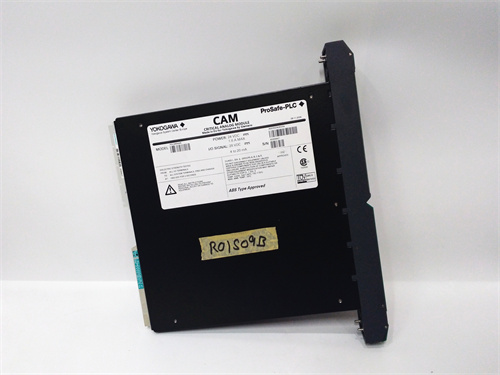
Yokogawa EB501-10 ER Bus Interface Slave Module
Manufacturer:Yokogawa
Product Number:EB501-10
Product Type:ER Bus Interface Slave Module
Origin:Japan
Dimensions:144.65 x 130 x 32.8mm
Weight:0.3 kg
Views:42
Payment Methods:T/T, PayPal, Western Union
Condition:New & In Stock
Warranty:1 Year
Lead Time:1-3 Working Days
Certificate:COO
Courier partners:DHL, UPS, TNT, FedEx and EMS.
Business hours:7*24
Product Description
The Yokogawa EB501-10 is a high-performance ER Bus Interface Slave Module, engineered for integration within the CENTUM CS 3000 Field Control Station (FCS) environment. It plays a critical role in the remote node communication over ER Bus, functioning as a slave module in remote node configurations. Designed for robust field network communication, the EB501-10 ensures reliable data transmission between local and remote I/O nodes in distributed control architectures.
This module is especially vital for users implementing remote field I/O configurations using the ER Bus, connecting distributed I/O nodes with minimal latency and high synchronization accuracy. It supports dual-redundant operation for enhanced reliability in mission-critical applications, aligning with Yokogawa’s commitment to system availability and operational safety.
Technical Specifications
| Parameter | Description |
|---|---|
| Model | EB501-10 |
| Function | ER Bus Interface Slave Module (for Remote Node) |
| Application | Remote Node connectivity on ER bus |
| Communication Type | Bus topology (Coaxial cable YCB141/YCB311) |
| Transmission Speed | 10 Mbps |
| Transmission Distance | Up to 185 m (YCB141) or calculated via repeater limits |
| Redundancy | Dual-redundant support available |
| Installation | Mounted in Remote Node Unit (e.g., ANR10D) |
| Operating Temperature | 0 to 50°C |
| Relative Humidity | 10–90% RH (non-condensing) |
| Dimensions (W x H x D) | 144.65 x 130 x 32.8 mm |
| Weight | 0.3 kg |
| Regulatory Compliance | CE, CSA, FM (non-incendive), ATEX (Type n) |
| Safety Category | SIL3 compatible (via ProSafe-RS integration) |
| Compatible Systems | CENTUM CS 3000, ProSafe-RS |
Applications
-
Distributed control systems (DCS) requiring remote I/O nodes
-
Oil and gas processing facilities with extended field installations
-
Power plants and utilities needing fault-tolerant communication
-
Chemical and pharmaceutical manufacturing plants
-
Remote field device integration in hazardous environments
-
Redundant communication architectures with high availability demands
Advantages
High reliability: Dual-redundant communication paths enhance system uptime.
Fast and deterministic communication over the ER Bus ensures real-time responsiveness.
Compact size allows easy integration within remote I/O cabinets.
Long transmission distances supported with bus repeater configurations.
Integration with Yokogawa ProSafe-RS for safety-critical systems (SIL3 compliant).
Industrial ruggedness: Designed for use in harsh operating environments.
Modular architecture: Facilitates scalable expansion in distributed systems.
Frequently Asked Questions (FAQ)
Q1: What is the primary function of the EB501-10?
A1: It serves as an ER Bus interface slave module that allows remote I/O nodes to connect to the Field Control Station in the Yokogawa CENTUM CS 3000 system.
Q2: Which bus topology does the EB501-10 use?
A2: It uses a bus topology via the ER Bus, commonly with coaxial cables like YCB141 or YCB311.
Q3: Is the EB501-10 module hot-swappable?
A3: No, for safety and system stability, power-down procedures are recommended before module replacement.
Q4: Can the EB501-10 be used in redundant configurations?
A4: Yes, it supports dual-redundant connections to enhance communication reliability in critical applications.
Q5: What is the maximum communication distance of the EB501-10?
A5: Using YCB141 cable, the distance is up to 185 m per segment. Greater distances require optical or electrical repeaters.
Q6: Is this module compatible with safety instrumented systems?
A6: Yes, when used in conjunction with Yokogawa’s ProSafe-RS, it contributes to SIL3 compliant safety solutions.
Q7: In which industries is the EB501-10 most commonly used?
A7: It is widely applied in industries such as oil & gas, petrochemical, pharmaceuticals, and power generation.
Q8: What installation conditions are required?
A8: The operating temperature should be 0–50°C, and humidity should remain within 10–90% RH, non-condensing.
Q9: Is the EB501-10 suitable for hazardous environments?
A9: Yes, it complies with standards for non-incendive and intrinsically safe equipment, such as ATEX and FM Class I Div 2.
Q10: What systems support the EB501-10?
A10: It is supported in CENTUM CS 3000 and ProSafe-RS remote I/O system configurations.
Need a Custom Automation Solution?
Our team of experts can design and implement a tailored automation system to meet your specific requirements.