
Our Products
Comprehensive industrial automation solutions for global industries
Contact us
If you are interested in our products and want to know more details,please Contact us,we will reply you as soon as we can.
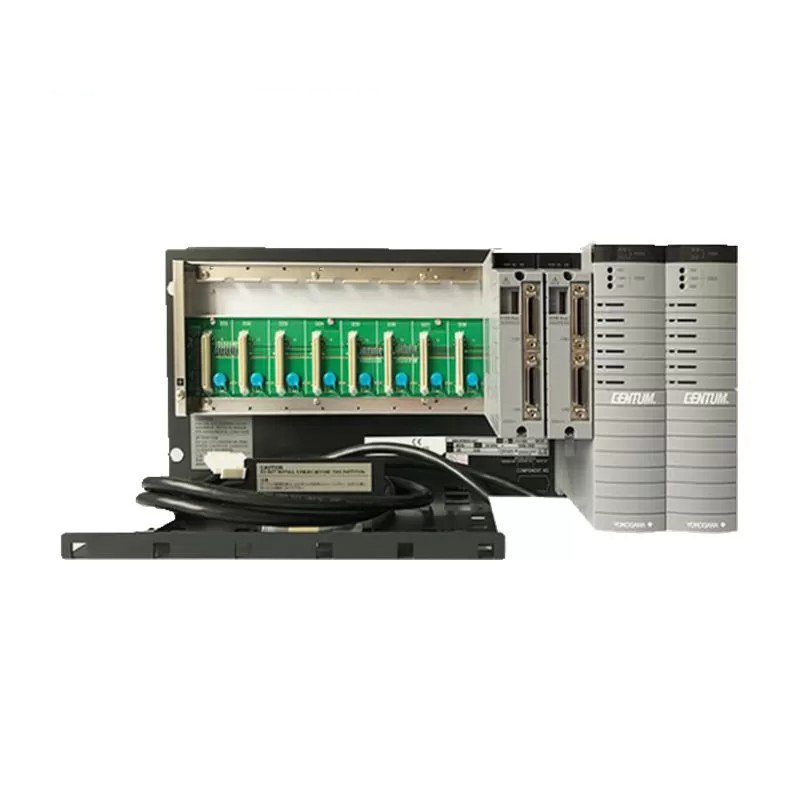
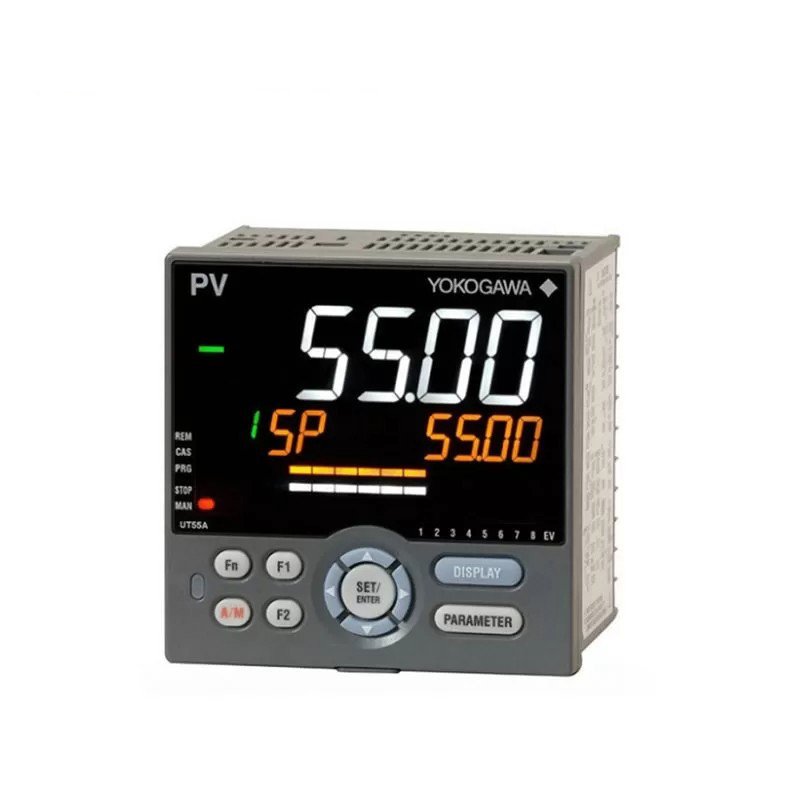
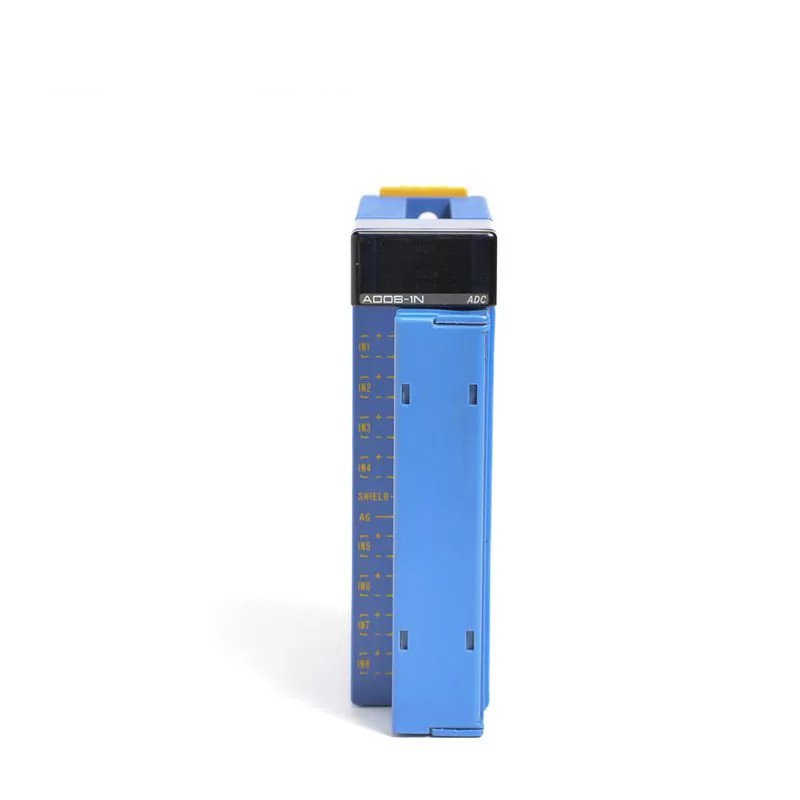
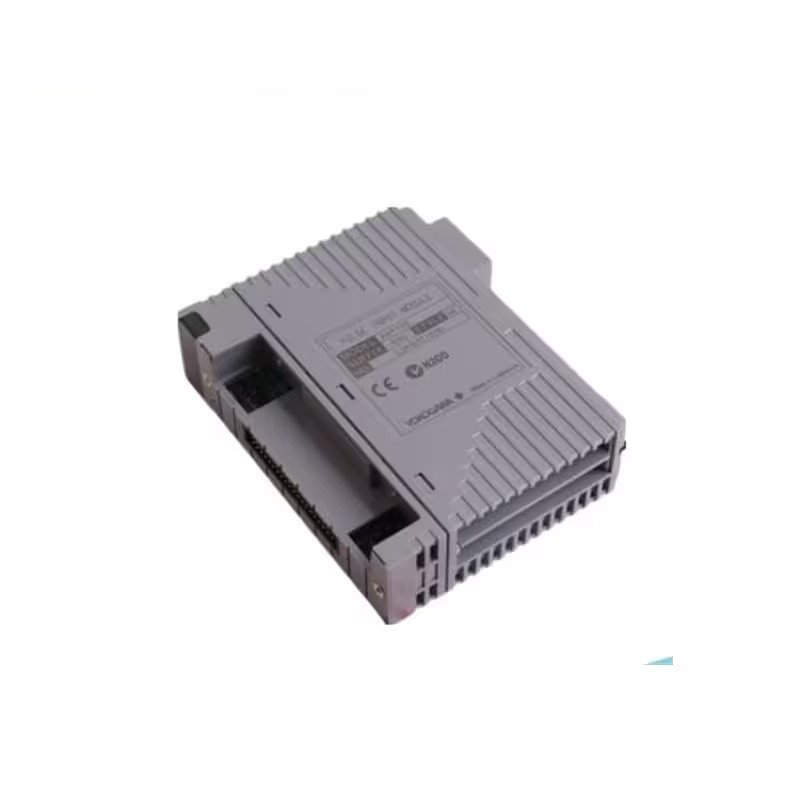
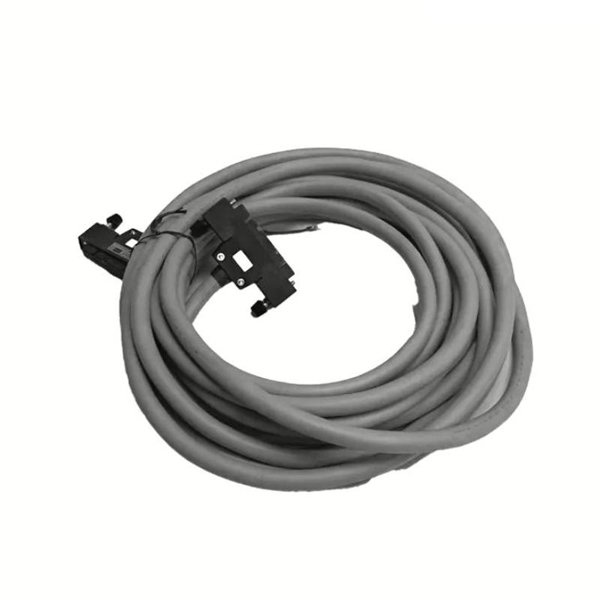
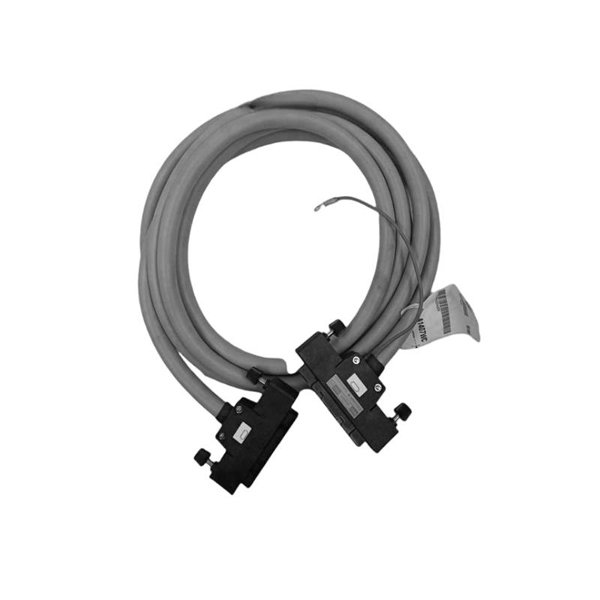
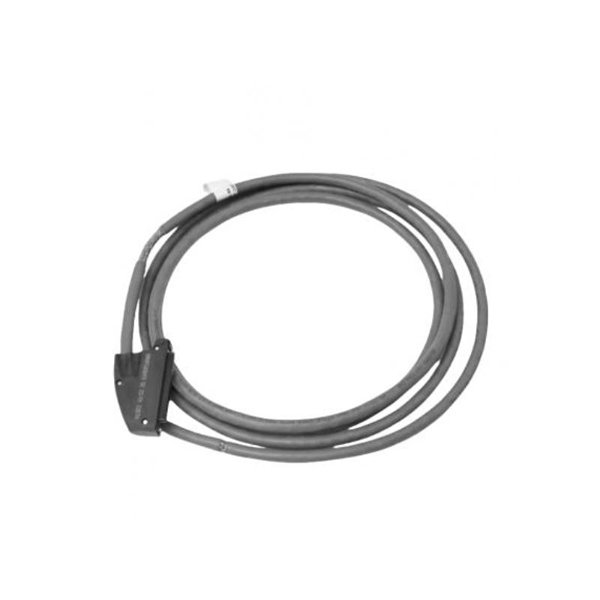
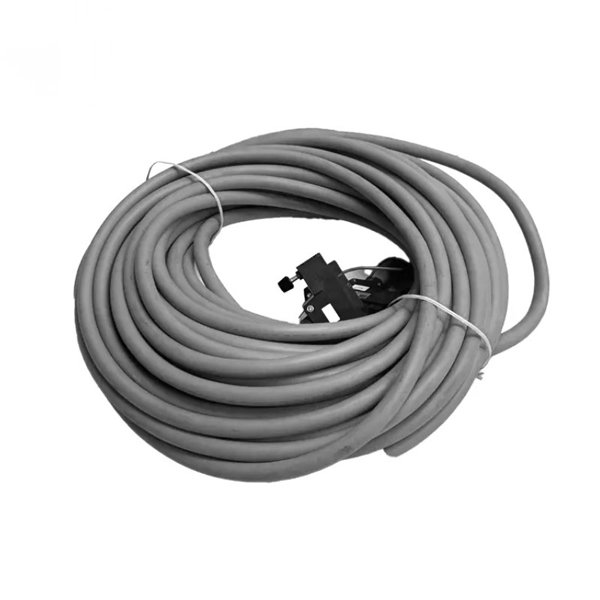
Yokogawa YCB301-C600 ESB Bus Cable
Manufacturer:Yokogawa
Product Number:YCB301-C600
Product Type:ESB Bus Cable
Origin:Japan
Cable length:6 m
Weight :3 kg
Views:37
Payment Methods:T/T, PayPal, Western Union
Condition:New & In Stock
Warranty:1 Year
Lead Time:1-3 Working Days
Certificate:COO
Courier partners:DHL, UPS, TNT, FedEx and EMS.
Business hours:7*24
Product Description
The Yokogawa YCB301-C600 ESB Bus Cable is a specialized communication cable designed to support high-reliability data transmission in Yokogawa’s control systems. As part of the ESB (Enhanced Serial Bus) architecture, this cable is engineered to connect controllers, I/O modules, and other field control units, ensuring stable and noise-resistant data exchange in industrial automation environments.
Its rugged design, shielding, and compliance with Yokogawa’s strict industrial standards make it an ideal choice for critical process industries such as power generation, oil & gas, petrochemical, and manufacturing. The YCB301-C600 provides optimized performance with reduced signal loss, long-distance transmission capability, and compatibility with ESB bus protocols.
Technical Parameters
| Parameter | Specification |
|---|---|
| Product Model | YCB301-C600 |
| Cable Type | ESB Bus Communication Cable |
| Cable length | 6 meters |
| Weight | 3 kg |
| Conductor Material | High-purity copper with tin plating |
| Insulation Material | Flame-retardant polyethylene (FR-PE) |
| Shielding | Double shielded (aluminum foil + braided copper shield) |
| Voltage Rating | 300 V (nominal signal level compliance) |
| Operating Temperature | -20 °C to +75 °C |
| Connector Type | Factory-fitted Yokogawa standard ESB connectors |
| Signal Transmission | Differential signal optimized for ESB bus protocol |
| Standards Compliance | IEC, JIS, and Yokogawa ESB Bus specification compliance |
Product Applications
The YCB301-C600 is specifically designed for use in distributed control systems and high-availability automation environments. Its applications include:
-
DCS Systems: Connecting Field Control Stations (FCS) and I/O modules within Yokogawa CENTUM systems.
-
Plant Automation: Reliable signal transmission for petrochemical, refinery, and power plants.
-
Redundant Control Networks: Ensuring stable data communication in mission-critical control systems.
-
Long-distance ESB Connections: Designed for up to 6 meters with strong shielding against noise and interference.
-
Upgrades & Expansions: Suitable for adding modules or controllers into existing Yokogawa ESB-based architectures.
Product Advantages
-
High Reliability: Double shielding design ensures excellent protection against electromagnetic interference.
-
Optimized for Yokogawa Systems: Fully compliant with Yokogawa’s ESB bus protocol, ensuring seamless integration.
-
Durability: Flame-retardant insulation and robust construction for long-term stability in harsh industrial environments.
-
Low Signal Loss: Maintains data integrity across the full cable length, reducing transmission errors.
-
Ease of Installation: Factory-fitted connectors eliminate field termination errors.
-
Scalability: Supports expansions and modifications in existing ESB architectures without compatibility issues.
FAQ
Q1: What type of communication protocol does the YCB301-C600 support?
A1: It is designed specifically for the ESB (Enhanced Serial Bus) communication protocol used in Yokogawa DCS systems.
Q2: How does the shielding improve signal quality?
A2: The double shielding (aluminum foil and braided copper) minimizes electromagnetic interference, ensuring stable and noise-free data transmission.
Q3: Can this cable be used with non-Yokogawa equipment?
A3: While it is optimized for Yokogawa ESB bus systems, technically it can be used in other environments if the electrical characteristics match, but compatibility is not guaranteed.
Q4: What is the maximum supported data rate for ESB communication with this cable?
A4: It supports data transfer speeds as defined in the ESB bus standard, typically in the Mbps range sufficient for high-speed control communication.
Q5: Does the cable require termination resistors?
A5: Yes, proper termination is required at both ends of the ESB bus network for stable communication.
Q6: Can this cable be used in redundant bus configurations?
A6: Yes, it is suitable for both primary and redundant ESB channels in Yokogawa’s high-availability architectures.
Q7: How does the cable handle grounding in industrial environments?
A7: The braided shield provides effective grounding, and correct installation ensures minimized ground loops.
Q8: What is the recommended bend radius for this cable?
A8: The bend radius should typically be more than 10 times the cable diameter to avoid signal degradation and physical damage.
Q9: Is the cable hot-swappable in a live system?
A9: While the cable itself can be disconnected and reconnected, it should be done under system maintenance conditions to avoid communication interruption.
Q10: How does this cable contribute to system redundancy and fault tolerance?
A10: By maintaining reliable communication even in noisy environments, it supports redundant system designs where continuous availability is required.
 Loading comments...
Yokogawa YCB301-C600 ESB Bus Cable
Manufacturer:Yokogawa
Product Number:YCB301-C600
Product Type:ESB Bus Cable
Origin:Japan
Cable length:6 m
Weight :3 kg
Views:37
Payment Methods:T/T, PayPal, Western Union
Condition:New & In Stock
Warranty:1 Year
Lead Time:1-3 Working Days
Certificate:COO
Courier partners:DHL, UPS, TNT, FedEx and EMS.
Business hours:7*24
Product Description
The Yokogawa YCB301-C600 ESB Bus Cable is a specialized communication cable designed to support high-reliability data transmission in Yokogawa’s control systems. As part of the ESB (Enhanced Serial Bus) architecture, this cable is engineered to connect controllers, I/O modules, and other field control units, ensuring stable and noise-resistant data exchange in industrial automation environments.
Its rugged design, shielding, and compliance with Yokogawa’s strict industrial standards make it an ideal choice for critical process industries such as power generation, oil & gas, petrochemical, and manufacturing. The YCB301-C600 provides optimized performance with reduced signal loss, long-distance transmission capability, and compatibility with ESB bus protocols.
Technical Parameters
| Parameter | Specification |
|---|---|
| Product Model | YCB301-C600 |
| Cable Type | ESB Bus Communication Cable |
| Cable length | 6 meters |
| Weight | 3 kg |
| Conductor Material | High-purity copper with tin plating |
| Insulation Material | Flame-retardant polyethylene (FR-PE) |
| Shielding | Double shielded (aluminum foil + braided copper shield) |
| Voltage Rating | 300 V (nominal signal level compliance) |
| Operating Temperature | -20 °C to +75 °C |
| Connector Type | Factory-fitted Yokogawa standard ESB connectors |
| Signal Transmission | Differential signal optimized for ESB bus protocol |
| Standards Compliance | IEC, JIS, and Yokogawa ESB Bus specification compliance |
Product Applications
The YCB301-C600 is specifically designed for use in distributed control systems and high-availability automation environments. Its applications include:
-
DCS Systems: Connecting Field Control Stations (FCS) and I/O modules within Yokogawa CENTUM systems.
-
Plant Automation: Reliable signal transmission for petrochemical, refinery, and power plants.
-
Redundant Control Networks: Ensuring stable data communication in mission-critical control systems.
-
Long-distance ESB Connections: Designed for up to 6 meters with strong shielding against noise and interference.
-
Upgrades & Expansions: Suitable for adding modules or controllers into existing Yokogawa ESB-based architectures.
Product Advantages
-
High Reliability: Double shielding design ensures excellent protection against electromagnetic interference.
-
Optimized for Yokogawa Systems: Fully compliant with Yokogawa’s ESB bus protocol, ensuring seamless integration.
-
Durability: Flame-retardant insulation and robust construction for long-term stability in harsh industrial environments.
-
Low Signal Loss: Maintains data integrity across the full cable length, reducing transmission errors.
-
Ease of Installation: Factory-fitted connectors eliminate field termination errors.
-
Scalability: Supports expansions and modifications in existing ESB architectures without compatibility issues.
FAQ
Q1: What type of communication protocol does the YCB301-C600 support?
A1: It is designed specifically for the ESB (Enhanced Serial Bus) communication protocol used in Yokogawa DCS systems.
Q2: How does the shielding improve signal quality?
A2: The double shielding (aluminum foil and braided copper) minimizes electromagnetic interference, ensuring stable and noise-free data transmission.
Q3: Can this cable be used with non-Yokogawa equipment?
A3: While it is optimized for Yokogawa ESB bus systems, technically it can be used in other environments if the electrical characteristics match, but compatibility is not guaranteed.
Q4: What is the maximum supported data rate for ESB communication with this cable?
A4: It supports data transfer speeds as defined in the ESB bus standard, typically in the Mbps range sufficient for high-speed control communication.
Q5: Does the cable require termination resistors?
A5: Yes, proper termination is required at both ends of the ESB bus network for stable communication.
Q6: Can this cable be used in redundant bus configurations?
A6: Yes, it is suitable for both primary and redundant ESB channels in Yokogawa’s high-availability architectures.
Q7: How does the cable handle grounding in industrial environments?
A7: The braided shield provides effective grounding, and correct installation ensures minimized ground loops.
Q8: What is the recommended bend radius for this cable?
A8: The bend radius should typically be more than 10 times the cable diameter to avoid signal degradation and physical damage.
Q9: Is the cable hot-swappable in a live system?
A9: While the cable itself can be disconnected and reconnected, it should be done under system maintenance conditions to avoid communication interruption.
Q10: How does this cable contribute to system redundancy and fault tolerance?
A10: By maintaining reliable communication even in noisy environments, it supports redundant system designs where continuous availability is required.

Need a Custom Automation Solution?
Our team of experts can design and implement a tailored automation system to meet your specific requirements.