
Our Products
Comprehensive industrial automation solutions for global industries
Contact us
If you are interested in our products and want to know more details,please Contact us,we will reply you as soon as we can.
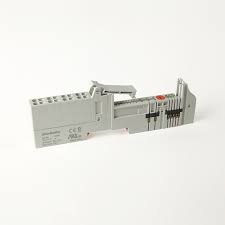
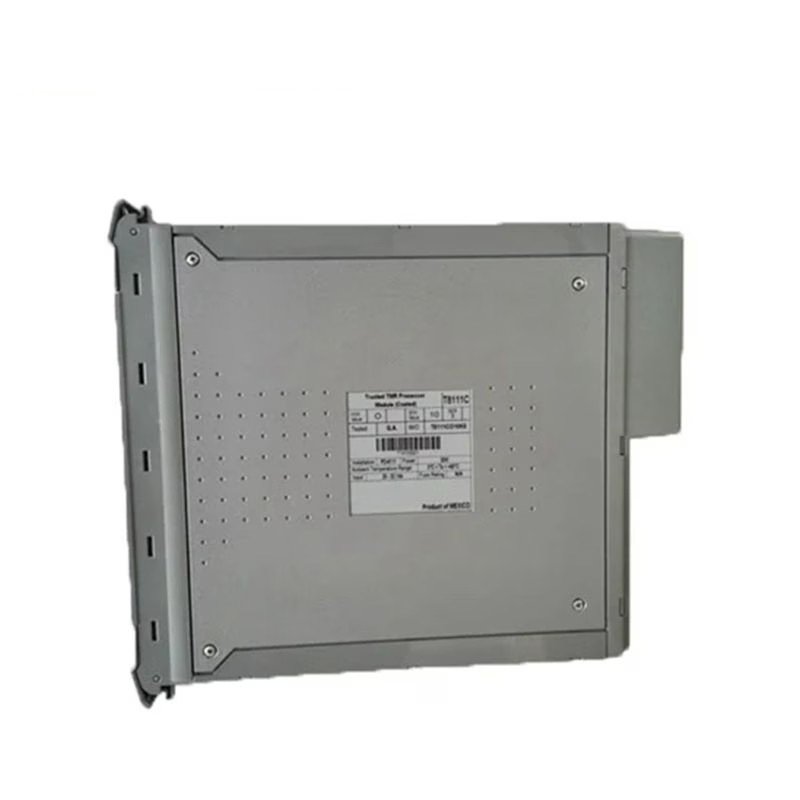
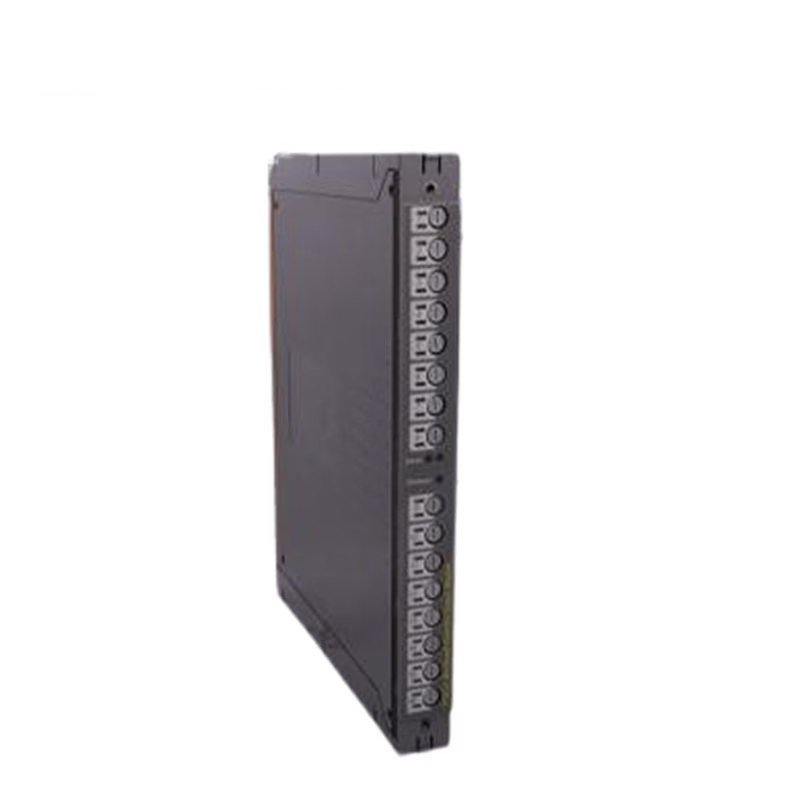
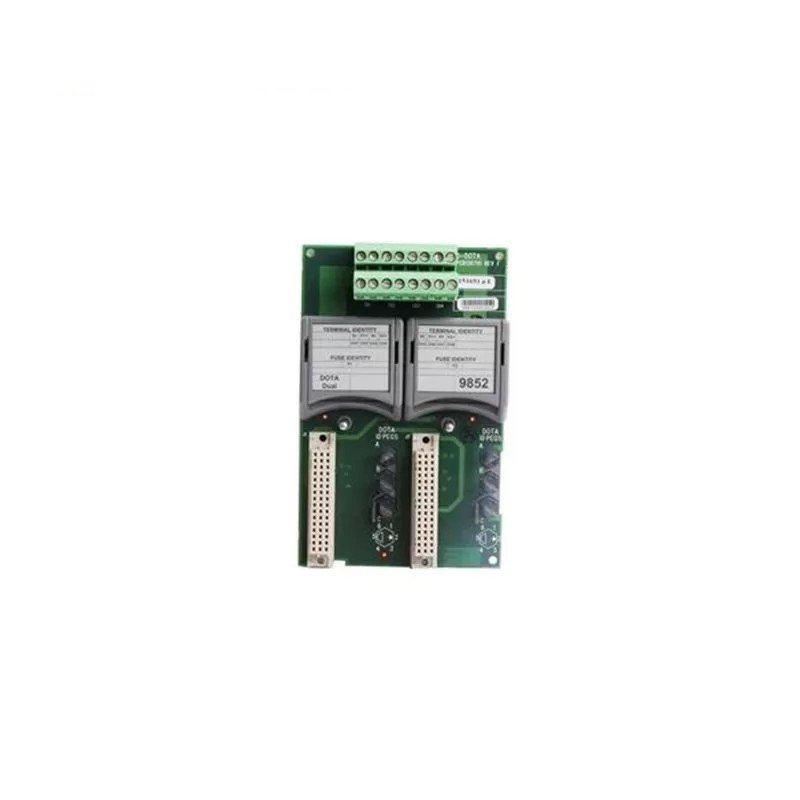
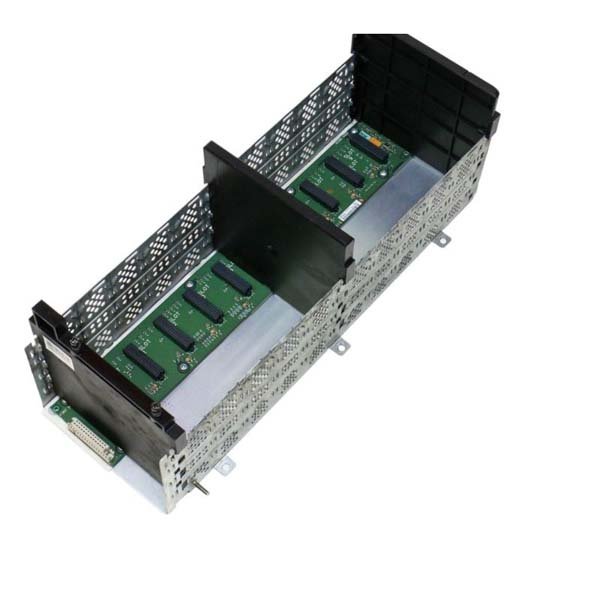
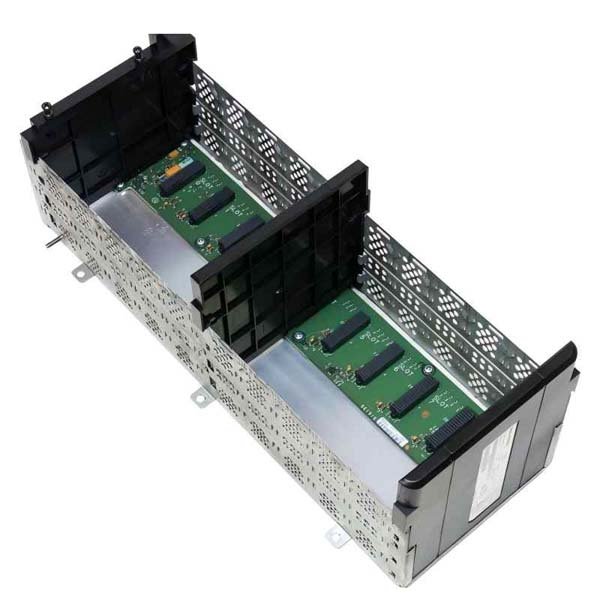
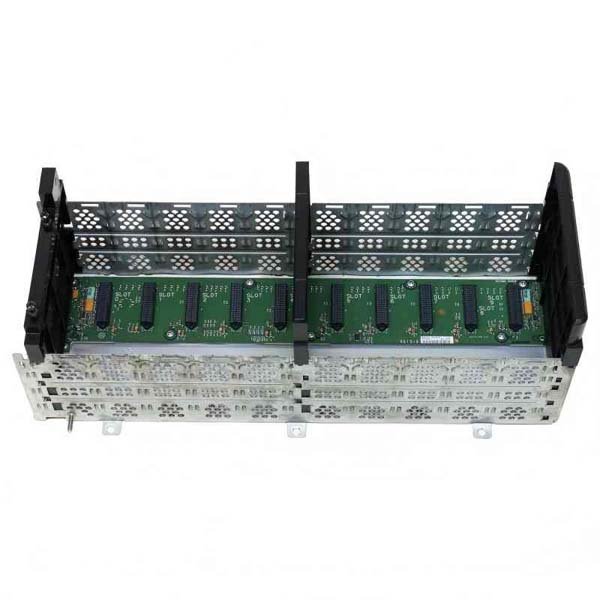
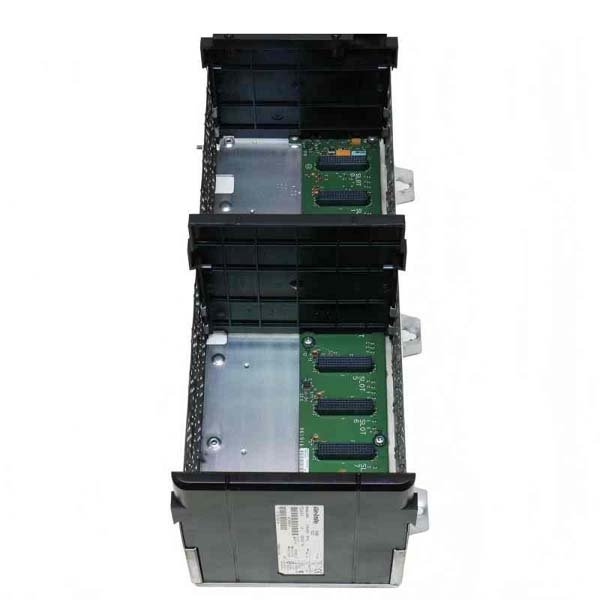
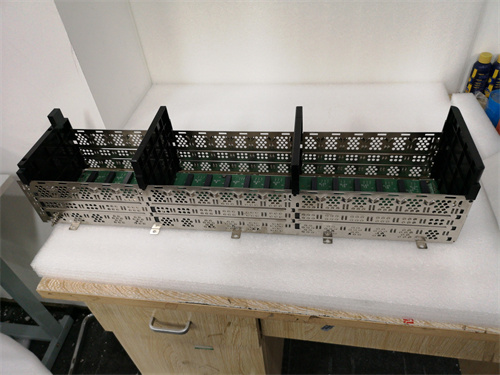
Allen Bradley 1756‑A10 modular rack/chassis unit designed
Manufacturer:Allen Bradley
Product Number:1756‑A10
Product Type:modular rack/chassis unit designed
Origin:USA
Dimensions:50.8 × 76.2 × 20.3 cm
Weight:1.45 kg
Views:224
Payment Methods:T/T, PayPal, Western Union
Condition:New & In Stock
Warranty:1 Year
Lead Time:1-3 Working Days
Certificate:COO
Courier partners:DHL, UPS, TNT, FedEx and EMS.
Business hours:7*24
Product Description
The Allen Bradley 1756‑A10 is a modular rack/chassis unit designed for the ControlLogix® system family, engineered by Rockwell Automation. It supports up to 10 plug‑in I/O or communication modules, offering a flexible infrastructure for industrial automation, control, and monitoring systems. As a horizontally mounted back‑panel chassis, it forms the backbone of the ControlLogix architecture, delivering high‑speed backplane communication and reliable power distribution to the modules inside.
The chassis meets demanding industrial standards, provides ease of maintenance, and supports future expansion thanks to its slot‑based architecture. With convection cooling and open‑style enclosure (in typical installations), it is suited for control‑panel environments where modularity and scalability matter.
Product Parameters
| Parameter | Value | Notes / Comments |
|---|---|---|
| Number of slots | 10 | Capacity for up to ten modules. |
| Cooling method | Convection | No forced‑air required; relies on panel airflow. |
| Mounting orientation | Horizontal only | The chassis is designed for horizontal back‑panel mounting. |
| Minimum enclosure size (HxWxD) | 50.8 × 76.2 × 20.3 cm (20 × 30 × 8 in) | For standard power‑supply version. |
| Approximate weight | 1.45 kg (3.2 lb) | Base chassis only; modules and power supply add to total. |
| Backplane current rating (chassis/slot) @ 1.2 V DC | 1.5 A / 1.5 A | |
| Backplane current rating @ 3.3 V DC | 4 A / 4 A | |
| Backplane current rating @ 5.1 V DC | 15 A / 6 A | |
| Backplane current rating @ 24 V DC | 2.8 A / 2.8 A | |
| Power dissipation (max) | 5 W | For the chassis itself under typical loads. |
| Operating temperature range | 0 °C to +60 °C (32 °F to 140 °F) | Standard environment. |
| Storage (non‑operating) temperature | –40 °C to +85 °C (–40 °F to 185 °F) | |
| Relative humidity (non‑condensing) | 5 % to 95 % RH | |
| Vibration (operating) | 2 g @ 10–500 Hz | |
| Shock (operating) | 30 g (unpackaged) |
Application Scenarios
The 1756‑A10 chassis is suited to a variety of industrial automation environments. Typical applications include:
-
Large‑scale production lines or process plants where multiple I/O modules, communication adapters and specialty modules (motion, safety, high‑speed counter) are required.
-
OEM machine builders who need a modular rack to host a mix of control modules (digital I/O, analog I/O, communication, motion, safety) inside the same backplane infrastructure.
-
Distributed I/O architectures where remote racks feed back to a master controller via network modules inserted into the chassis.
-
Applications where future expansion is anticipated: starting with fewer modules and leaving unused slots available for future add‑ons helps reduce redesign cost.
-
Harsh industrial environments where the chassis will support modules that require robust power and backplane connectivity, as well as standard ambient conditions rated to 60 °C and strong vibration/shock tolerance.
Advantages (Key Strengths)
The 1756‑A10 offers several compelling advantages:
-
Modularity & Scalability: With 10 slots in one rack, you can mix and match a wide range of modules (I/O, communications, motion, safety). This flexibility reduces panel‑count and simplifies wiring architecture.
-
Unified Backplane Architecture: The backplane serves both data and power distribution, simplifying high‑speed communication between modules and reducing module-to-module wiring.
-
Expansion capability: Choosing a 10‑slot chassis offers future head‑room: you may initially populate fewer slots, leaving others free for growth without panel modification.
-
High reliability / industrial rating: The chassis meets rigorous environmental standards (vibration, shock, temperature, humidity) and employs horizontal mounting and convection cooling for longevity in industrial settings.
-
Standardized installation: Horizontal mounting, standard panel dimensions, and full compatibility with the ControlLogix ecosystem means easier integration, reduced engineering time and simplified stocking.
-
Efficient power distribution: By specifying chassis current ratings and power dissipation values, system designers can size the power supply and cooling appropriately.
-
Strong vendor support & ecosystem: Being a core component of the ControlLogix family ensures accessory availability (slot fillers, power supplies, adapters, documentation) and long‑term serviceability.
FAQ
-
Q: Can modules of different series (e.g., Series C vs Series B) be mixed in a 1756‑A10 chassis?
A: Caution is required. While many modules are backward compatible, Rockwell’s documentation specifies that certain modules (e.g., safety I/O) require Series C chassis.
-
Q: Does the 10‑slot count include the power supply slot?
A: No. The slot count refers to I/O/communication module slots. The power supply is typically mounted separately and does not consume one of the 10 slots.
-
Q: What clearance is required for side‑by‑side chassis installations?
A: For mounting side by side, a clearance of 7.7 cm (3.0 in) plus the width of the power supply is required between adjacent chassis.
-
Q: How is the functional earth and protective earth grounding specified?
A: The chassis requires termination of a Functional Earth Ground using copper wire sized 8.3 mm² (8 AWG) rated at 90 °C or higher.
-
Q: What is the maximum ambient temperature for operation?
A: The standard operating ambient is 0 °C to +60 °C (32 °F to 140 °F).
-
Q: What is the maximum power dissipation of the chassis itself?
A: For this model, the maximum power dissipation is approximately 5 W.
-
Q: Is forced‑air (fan) cooling mandatory for the chassis?
A: No, the chassis uses convection cooling. However, sufficient panel ventilation must be maintained.
-
Q: Can the chassis be mounted vertically?
A: No — the ControlLogix standard chassis are designed for horizontal back‑panel mounting only.
-
Q: How many I/O modules can I realistically install given backplane current limits?
A: The number of modules depends on individual module current draw. Always consult the module spec sheet and compare with power supply capacity.
-
Q: Are slot‑fillers required for unused slots?
A: Yes — the documentation recommends installing slot fillers (or blanking plates) for any unused slots to ensure proper airflow and secure mechanical retention of modules.
 Loading comments...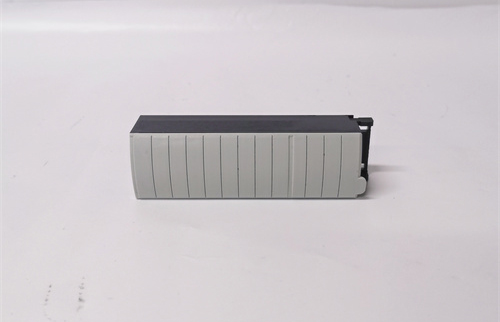
Allen Bradley 1756‑A10 modular rack/chassis unit designed
Manufacturer:Allen Bradley
Product Number:1756‑A10
Product Type:modular rack/chassis unit designed
Origin:USA
Dimensions:50.8 × 76.2 × 20.3 cm
Weight:1.45 kg
Views:224
Payment Methods:T/T, PayPal, Western Union
Condition:New & In Stock
Warranty:1 Year
Lead Time:1-3 Working Days
Certificate:COO
Courier partners:DHL, UPS, TNT, FedEx and EMS.
Business hours:7*24
Product Description
The Allen Bradley 1756‑A10 is a modular rack/chassis unit designed for the ControlLogix® system family, engineered by Rockwell Automation. It supports up to 10 plug‑in I/O or communication modules, offering a flexible infrastructure for industrial automation, control, and monitoring systems. As a horizontally mounted back‑panel chassis, it forms the backbone of the ControlLogix architecture, delivering high‑speed backplane communication and reliable power distribution to the modules inside.
The chassis meets demanding industrial standards, provides ease of maintenance, and supports future expansion thanks to its slot‑based architecture. With convection cooling and open‑style enclosure (in typical installations), it is suited for control‑panel environments where modularity and scalability matter.
Product Parameters
| Parameter | Value | Notes / Comments |
|---|---|---|
| Number of slots | 10 | Capacity for up to ten modules. |
| Cooling method | Convection | No forced‑air required; relies on panel airflow. |
| Mounting orientation | Horizontal only | The chassis is designed for horizontal back‑panel mounting. |
| Minimum enclosure size (HxWxD) | 50.8 × 76.2 × 20.3 cm (20 × 30 × 8 in) | For standard power‑supply version. |
| Approximate weight | 1.45 kg (3.2 lb) | Base chassis only; modules and power supply add to total. |
| Backplane current rating (chassis/slot) @ 1.2 V DC | 1.5 A / 1.5 A | |
| Backplane current rating @ 3.3 V DC | 4 A / 4 A | |
| Backplane current rating @ 5.1 V DC | 15 A / 6 A | |
| Backplane current rating @ 24 V DC | 2.8 A / 2.8 A | |
| Power dissipation (max) | 5 W | For the chassis itself under typical loads. |
| Operating temperature range | 0 °C to +60 °C (32 °F to 140 °F) | Standard environment. |
| Storage (non‑operating) temperature | –40 °C to +85 °C (–40 °F to 185 °F) | |
| Relative humidity (non‑condensing) | 5 % to 95 % RH | |
| Vibration (operating) | 2 g @ 10–500 Hz | |
| Shock (operating) | 30 g (unpackaged) |
Application Scenarios
The 1756‑A10 chassis is suited to a variety of industrial automation environments. Typical applications include:
-
Large‑scale production lines or process plants where multiple I/O modules, communication adapters and specialty modules (motion, safety, high‑speed counter) are required.
-
OEM machine builders who need a modular rack to host a mix of control modules (digital I/O, analog I/O, communication, motion, safety) inside the same backplane infrastructure.
-
Distributed I/O architectures where remote racks feed back to a master controller via network modules inserted into the chassis.
-
Applications where future expansion is anticipated: starting with fewer modules and leaving unused slots available for future add‑ons helps reduce redesign cost.
-
Harsh industrial environments where the chassis will support modules that require robust power and backplane connectivity, as well as standard ambient conditions rated to 60 °C and strong vibration/shock tolerance.
Advantages (Key Strengths)
The 1756‑A10 offers several compelling advantages:
-
Modularity & Scalability: With 10 slots in one rack, you can mix and match a wide range of modules (I/O, communications, motion, safety). This flexibility reduces panel‑count and simplifies wiring architecture.
-
Unified Backplane Architecture: The backplane serves both data and power distribution, simplifying high‑speed communication between modules and reducing module-to-module wiring.
-
Expansion capability: Choosing a 10‑slot chassis offers future head‑room: you may initially populate fewer slots, leaving others free for growth without panel modification.
-
High reliability / industrial rating: The chassis meets rigorous environmental standards (vibration, shock, temperature, humidity) and employs horizontal mounting and convection cooling for longevity in industrial settings.
-
Standardized installation: Horizontal mounting, standard panel dimensions, and full compatibility with the ControlLogix ecosystem means easier integration, reduced engineering time and simplified stocking.
-
Efficient power distribution: By specifying chassis current ratings and power dissipation values, system designers can size the power supply and cooling appropriately.
-
Strong vendor support & ecosystem: Being a core component of the ControlLogix family ensures accessory availability (slot fillers, power supplies, adapters, documentation) and long‑term serviceability.
FAQ
-
Q: Can modules of different series (e.g., Series C vs Series B) be mixed in a 1756‑A10 chassis?
A: Caution is required. While many modules are backward compatible, Rockwell’s documentation specifies that certain modules (e.g., safety I/O) require Series C chassis.
-
Q: Does the 10‑slot count include the power supply slot?
A: No. The slot count refers to I/O/communication module slots. The power supply is typically mounted separately and does not consume one of the 10 slots.
-
Q: What clearance is required for side‑by‑side chassis installations?
A: For mounting side by side, a clearance of 7.7 cm (3.0 in) plus the width of the power supply is required between adjacent chassis.
-
Q: How is the functional earth and protective earth grounding specified?
A: The chassis requires termination of a Functional Earth Ground using copper wire sized 8.3 mm² (8 AWG) rated at 90 °C or higher.
-
Q: What is the maximum ambient temperature for operation?
A: The standard operating ambient is 0 °C to +60 °C (32 °F to 140 °F).
-
Q: What is the maximum power dissipation of the chassis itself?
A: For this model, the maximum power dissipation is approximately 5 W.
-
Q: Is forced‑air (fan) cooling mandatory for the chassis?
A: No, the chassis uses convection cooling. However, sufficient panel ventilation must be maintained.
-
Q: Can the chassis be mounted vertically?
A: No — the ControlLogix standard chassis are designed for horizontal back‑panel mounting only.
-
Q: How many I/O modules can I realistically install given backplane current limits?
A: The number of modules depends on individual module current draw. Always consult the module spec sheet and compare with power supply capacity.
-
Q: Are slot‑fillers required for unused slots?
A: Yes — the documentation recommends installing slot fillers (or blanking plates) for any unused slots to ensure proper airflow and secure mechanical retention of modules.
Need a Custom Automation Solution?
Our team of experts can design and implement a tailored automation system to meet your specific requirements.