
Our Products
Comprehensive industrial automation solutions for global industries
Contact us
If you are interested in our products and want to know more details,please Contact us,we will reply you as soon as we can.
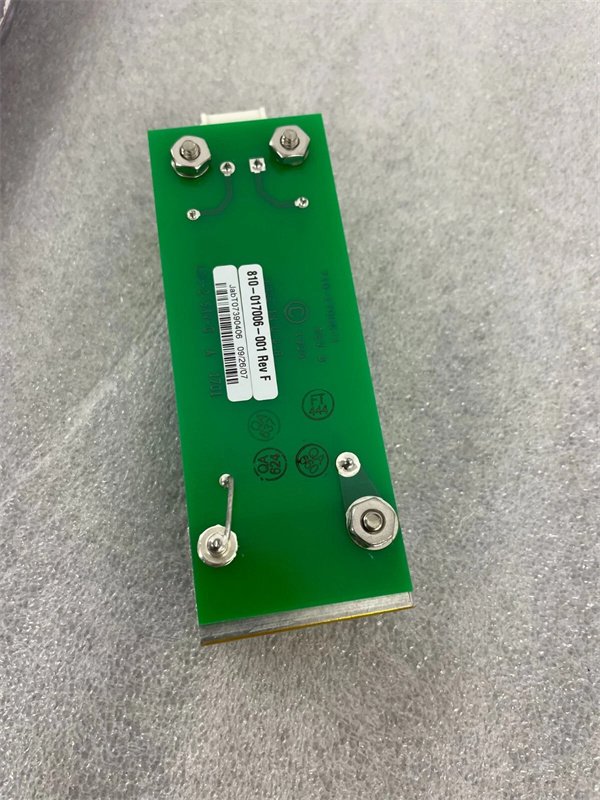
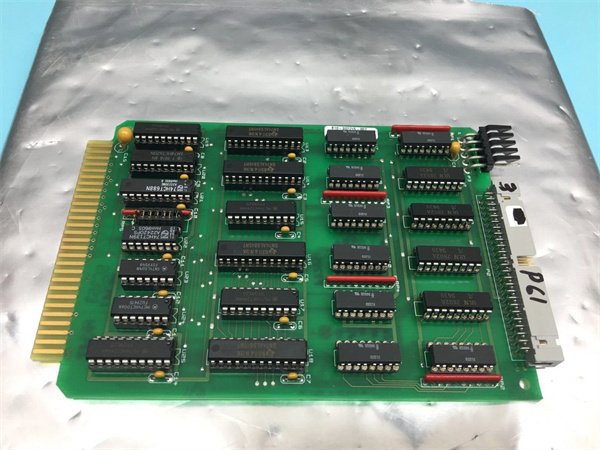
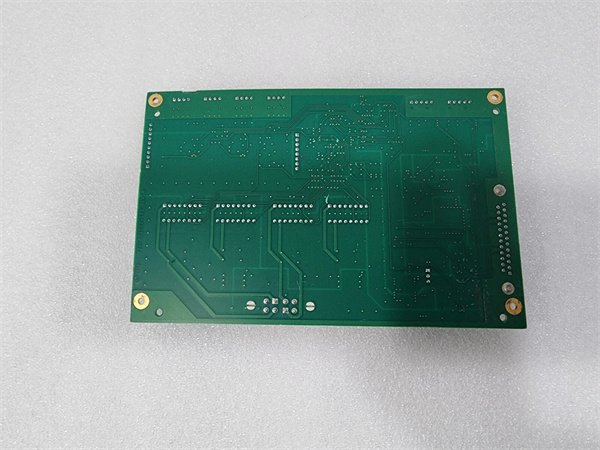
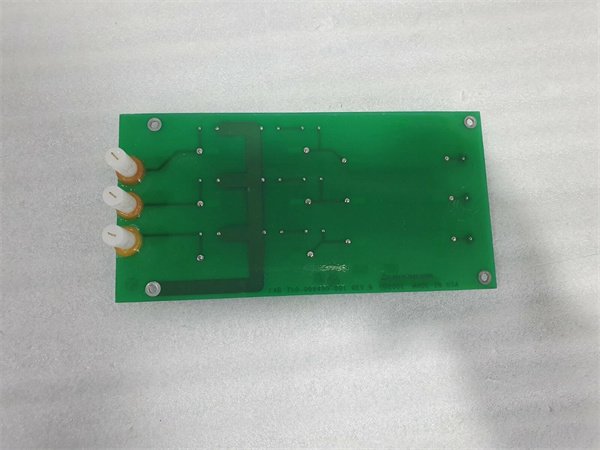
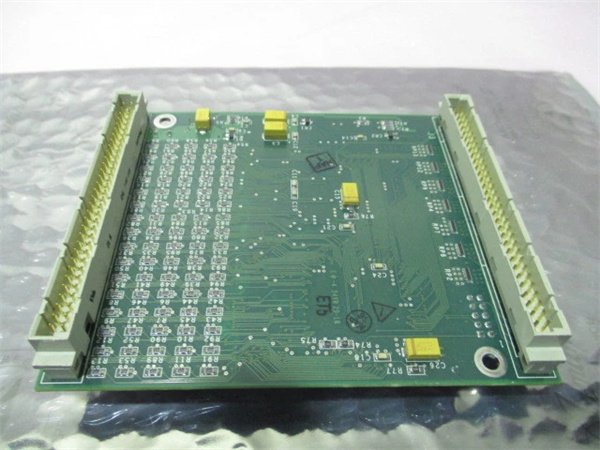
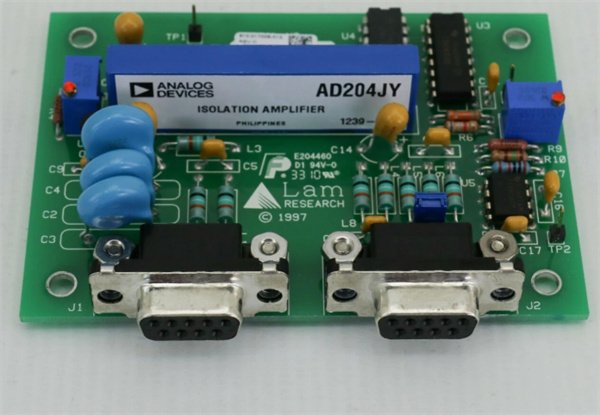
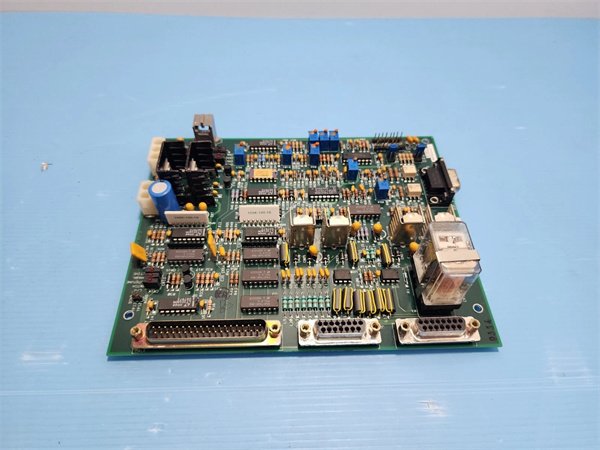
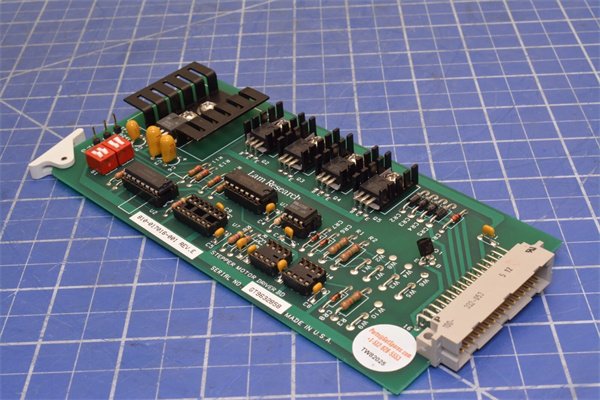
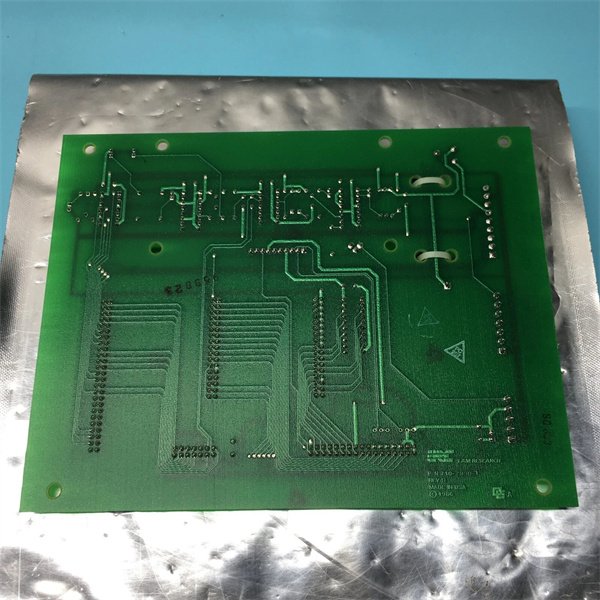
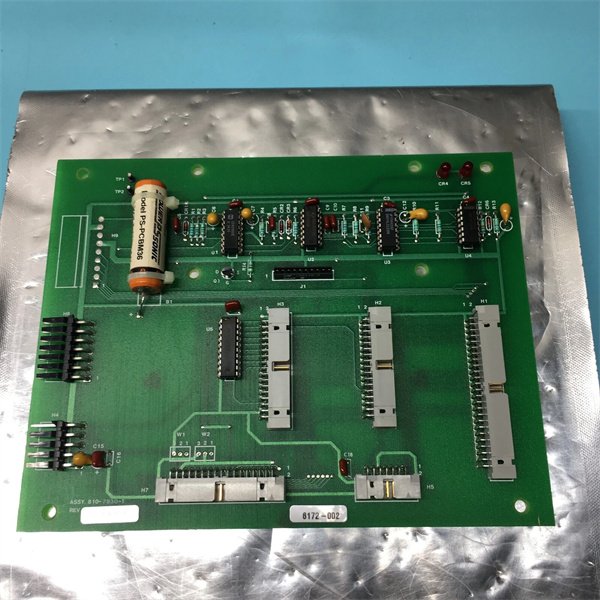
LAM 810-007930-001 Transitional Vacuum Pressure Control Module
Manufacturer:LAM
Product Number:LAM 810-007930-001
Payment Methods:T/T, PayPal, Western Union
Condition:New & In Stock
Warranty:1 Year
Lead Time:1-3 Working Days
Certificate:COO
Courier partners:DHL, UPS, TNT, FedEx and EMS.
Business hours:7*24
Product Description
LAM 810-007930-001 is a transitional vacuum pressure control module developed by LAM Research, specifically engineered to address the core challenge of fabs transitioning from 28nm–90nm mature nodes to 14nm–28nm advanced mature nodes: the need for a single module that can handle both legacy non-critical workflows and emerging precision processes, without requiring full tool replacement. As a bridge component in LAM’s Vacuum Ecosystem, it fills the gap between entry-level advanced modules (e.g., LAM 810-006490-005) limited to non-fluorinated gases and mid-range modules (e.g., LAM 810-066590-004) with higher costs—making it ideal for mixed-process fabs running both 45nm passive components and 28nm low-volume logic chips.
Unlike entry-level modules with single sensors and brass valves, LAM 810-007930-001 features dual-sensor redundancy (capacitance manometer + ionization gauge) to ensure reliability in 14nm–28nm precision workflows, while 316L stainless steel valves enable compatibility with weak fluorinated gases (≤12% NF₃/CF₄)—a critical upgrade for fabs adding 28nm etch processes. The auto-range switching (200 ms response) and 40 Hz dynamic sampling mode also capture fast pressure transients (e.g., ±0.3×10⁻⁷ Torr during wafer load/unload) that entry-level modules miss, preventing plasma instability in advanced etch.
In practical application, this module acts as a “flexible vacuum hub” for mixed-process lines: it can seamlessly switch between controlling 90nm dielectric deposition (paired with LAM 810-006490-005 for multi-chamber coordination) and 28nm precision etch (synced with LAM 839-009888-003 MFC). For fabs with 15+ mixed legacy/advanced tools, LAM 810-007930-001 avoids $220k+ in duplicate module costs (entry-level + mid-range), making it a cost-effective solution to balance transition needs and operational efficiency.
Detailed Parameter Table
| Parameter Name | Parameter Value |
| Product model | LAM 810-007930-001 |
| Manufacturer | LAM Research Corporation |
| Product category | Transitional Vacuum Pressure Control Module (Mature-to-Advanced Node 14nm–28nm Compatibility) |
| Vacuum Control Range | 5×10⁻³ Torr–1×10⁻⁹ Torr (covers medium to ultra-high vacuum); Auto-range switching (200 ms response, 3 ranges: 5×10⁻³–1×10⁻⁵ / 1×10⁻⁵–1×10⁻⁷ / 1×10⁻⁷–1×10⁻⁹ Torr) |
| Pressure Regulation Accuracy | ±1.8% of setpoint (5×10⁻³–1×10⁻⁵ Torr); ±3.0% of setpoint (1×10⁻⁵–1×10⁻⁷ Torr); ±4.5% of setpoint (1×10⁻⁷–1×10⁻⁹ Torr) |
| Pressure Sensing Technology | Dual-sensor redundancy: Primary capacitance manometer (5×10⁻³–1×10⁻⁹ Torr, accuracy class 1.0); Secondary ionization gauge (1×10⁻⁵–1×10⁻⁹ Torr); Both with anti-EMI + anti-contamination coating; Sampling rate: 15 Hz (standard mode), 40 Hz (dynamic mode) |
| Control Outputs | 2× analog 0–10 V DC (throttle valve control, 12-bit resolution); 1× PWM output (turbomolecular pump speed control, 0–100%); 3× digital I/O (interlock with MFCs, chambers, fault alert) |
| Communication Protocols | RS-485 (Modbus RTU, error-corrected data transmission); EtherNet/IP (100 Mbps, optional for MES integration); Compatible with LAM PCS v4.5+ and v6.0+ (dual software support) |
| Electrical Requirements | 24 VDC (±12% tolerance); Power consumption: ≤16 W (idle); ≤32 W (full load, valve actuation + pump control); ≤7 W (sensor standby) |
| Environmental Ratings | Operating temp: 8°C–45°C (active temperature compensation, ±0.06°C drift max); Humidity: 5–85% RH (non-condensing); Vibration: ≤0.12 g (10–2000 Hz); IP52 protection; ISO Class 3 cleanroom compatible |
| Physical Dimensions | 120 mm (L) × 75 mm (W) × 42 mm (H); Weight: 0.72 kg (1.59 lbs); Mounting: DIN rail / panel-mount (stainless steel anti-vibration brackets included) |
| Material Specifications | – Enclosure: 316L stainless steel (electropolished, Ra ≤0.15 μm, EP-passivated per SEMI F20)- Internal Valves: PTFE-sealed 316L stainless steel (low outgassing, weak fluorinated gas compatible ≤12% NF₃/CF₄)- Seals: Viton® FKM (operating temp: -15°C–130°C, low outgassing grade)- Sensor Housing: Ceramic-insulated nickel (corrosion resistance for mixed gas environments) |
| Safety Certifications | SEMI S2, SEMI F47, CE, RoHS 3.0; Overcurrent (2.5 A) protection; Over-temperature (≥68°C) shutdown; Leak rate: ≤1×10⁻¹⁰ SCCM (helium test, per SEMI F20); ESD protection (±25 kV contact); Sensor fault auto-switching |
| Integration Compatibility | Natively supports legacy LAM 790 Series (low-end/middle etch, 2010–2018 models), LAM 2300 Series (basic/standard deposition); Works with LAM 810-006490-005 (entry advanced module), LAM 839-009888-003 (mid-range MFC), LAM 853-015130-002-M-3609 (multi-channel filter) |
Core Advantages and Technical Highlights
Dual-Sensor Redundancy + Mixed Gas Compatibility
The module’s dual-sensor design (accuracy class 1.0 capacitance manometer + ionization gauge) ensures uninterrupted operation across 14nm–28nm workflows, while 316L valves and anti-contamination coatings support up to 12% NF₃/CF₄—enabling fabs to run both legacy inert gas and advanced fluorinated gas processes. A Southeast Asian mixed-process fab reported that this feature eliminated the need to swap modules between 45nm Ar deposition and 28nm 10% NF₃ etch tools, cutting changeover time by 90% (from 2 hours to 12 minutes) and increasing daily throughput by 12%. The ±1.8%–±4.5% regulation accuracy also meets 28nm low-volume production specs without mid-range costs.
Dual Software Compatibility + Easy Transition
Designed to work with both LAM PCS v4.5+ (legacy tools) and v6.0+ (advanced tools), LAM 810-007930-001 requires no software reconfiguration when switching between workflows— a critical advantage over entry-level modules (v4.5+ only) or mid-range modules (v6.0+ only). A U.S. fab transitioning to 28nm noted that this feature saved $60k in software upgrade costs for 10 legacy LAM 790 tools, while the optional EtherNet/IP interface allowed gradual integration with MES systems (for advanced process logging) without disrupting legacy operations.
Auto-Range Switching + Fast Dynamic Response
Auto-range switching (200 ms response) and 40 Hz dynamic sampling eliminate manual intervention and capture subtle pressure transients—key for 28nm precision etch where ±0.2×10⁻⁷ Torr spikes cause 3% yield loss. A European 28nm low-volume logic fab reported that the module reduced pressure overshoot during etch process transitions by 65% (from ±0.5×10⁻⁷ Torr to ±0.18×10⁻⁷ Torr), cutting CD variation by 30% (from ±0.6 nm to ±0.42 nm) and lifting wafer pass rates from 91% to 94.5%. The anti-EMI coating on sensors also ensures stable readings near legacy RF generators, avoiding false alarms common with uncoated modules.
Typical Application Scenarios
28nm Low-Volume Logic Chip Etch (LAM 790 Middle Etch Series)
In a fab running 28nm low-volume logic chip production via 2015-era LAM 790 middle etch tools, LAM 810-007930-001 maintains chamber pressure at 4×10⁻⁷ Torr ±3.0% during 12% NF₃ gate etch. Its dual sensors ensure redundancy—during a 48-hour production run, the secondary ionization gauge took over when the primary manometer drifted by 1.0%, avoiding a 3-hour outage. The 40 Hz dynamic sampling captures pressure spikes from gas injection (e.g., +0.25×10⁻⁷ Torr) and adjusts throttle valves in 180 ms, keeping etch CD variation ≤0.42 nm (meeting logic chip specs). Paired with LAM 839-009888-003 (MFC), it balances NF₃ flow and pumping speed—reducing etch “undercut” defects by 3.2% and enabling the fab to scale 28nm production without new tools.
45nm/28nm Mixed Deposition (LAM 2300 Basic/Standard Series)
For a mixed-process fab using 2012-era LAM 2300 tools to run both 45nm SiO₂ deposition (inert gas) and 28nm HfO₂ deposition (weak fluorinated gas), LAM 810-007930-001 seamlessly switches between pressure control modes. For 45nm deposition, it maintains 6×10⁻⁶ Torr ±1.8% (paired with LAM 810-006490-005 for multi-chamber coordination); for 28nm deposition, it adjusts to 8×10⁻⁸ Torr ±4.5% (synced with LAM 853-015130-002-M-3609 filter). The module’s dual software compatibility (LAM PCS v4.5+ for 45nm, v6.0+ for 28nm) eliminates reconfiguration, cutting batch changeover time by 40%. The fab reported a 15% increase in tool utilization, as each LAM 2300 now handles two node processes.
Installation Preparation
Before installing LAM 810-007930-001, confirm compatibility with your LAM tool (790 low-end/middle etch, 2300 basic/standard deposition, 2010–2018 models) and target gases (inert + ≤12% NF₃/CF₄). Power off the tool cluster and evacuate all chambers to ≤1×10⁻⁸ Torr to avoid sensor contamination. Mount the module via stainless steel anti-vibration brackets (DIN rail/panel-mount), ensuring ≥10cm clearance from heat sources (e.g., RF generators) and ≥8cm from other components (to minimize EMI). Connect vacuum lines: Use 1/4” VCR fittings (electropolished, Ra ≤0.15 μm) for inlets (chamber pressure taps) and outlets (throttle valves/pumps), torqued to 15 in-lbs ±0.5 in-lb with a calibrated torque wrench. For integration: Connect RS-485 to LAM PCS v4.5+/v6.0+, optional EtherNet/IP to MES, and digital I/O to MFCs/robots. Verify 24 VDC power (dedicated 2.5 A circuit with surge protection) and perform a helium leak test (target ≤1×10⁻¹⁰ SCCM per chamber) before commissioning.
Commissioning Steps
Power on the module and select LAM PCS version (v4.5+/v6.0+) via the LCD; confirm the module is detected with no communication errors.
Test auto-range switching: Evacuate the chamber from 5×10⁻³ Torr to 1×10⁻⁹ Torr, ensuring smooth transitions between 3 ranges (response time ≤200 ms per transition).
Calibrate regulation accuracy:
For 45nm workflows: Set 2×10⁻⁴ Torr, verify deviation ≤±1.8% for 1 hour.
For 28nm workflows: Set 5×10⁻⁷ Torr, verify deviation ≤±3.0% for 1 hour.
Test sensor redundancy: Disable the primary manometer via PCS, confirm secondary gauge takes over within 1 second (deviation ≤±1% of setpoint).
 Loading comments...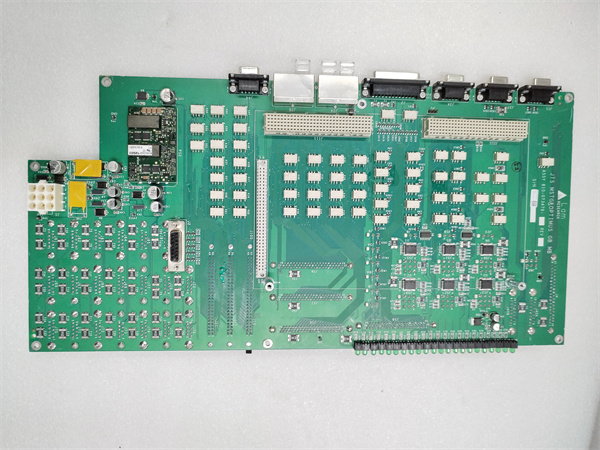
LAM 810-007930-001 Transitional Vacuum Pressure Control Module
Manufacturer:LAM
Product Number:LAM 810-007930-001
Payment Methods:T/T, PayPal, Western Union
Condition:New & In Stock
Warranty:1 Year
Lead Time:1-3 Working Days
Certificate:COO
Courier partners:DHL, UPS, TNT, FedEx and EMS.
Business hours:7*24
Product Description
LAM 810-007930-001 is a transitional vacuum pressure control module developed by LAM Research, specifically engineered to address the core challenge of fabs transitioning from 28nm–90nm mature nodes to 14nm–28nm advanced mature nodes: the need for a single module that can handle both legacy non-critical workflows and emerging precision processes, without requiring full tool replacement. As a bridge component in LAM’s Vacuum Ecosystem, it fills the gap between entry-level advanced modules (e.g., LAM 810-006490-005) limited to non-fluorinated gases and mid-range modules (e.g., LAM 810-066590-004) with higher costs—making it ideal for mixed-process fabs running both 45nm passive components and 28nm low-volume logic chips.
Unlike entry-level modules with single sensors and brass valves, LAM 810-007930-001 features dual-sensor redundancy (capacitance manometer + ionization gauge) to ensure reliability in 14nm–28nm precision workflows, while 316L stainless steel valves enable compatibility with weak fluorinated gases (≤12% NF₃/CF₄)—a critical upgrade for fabs adding 28nm etch processes. The auto-range switching (200 ms response) and 40 Hz dynamic sampling mode also capture fast pressure transients (e.g., ±0.3×10⁻⁷ Torr during wafer load/unload) that entry-level modules miss, preventing plasma instability in advanced etch.
In practical application, this module acts as a “flexible vacuum hub” for mixed-process lines: it can seamlessly switch between controlling 90nm dielectric deposition (paired with LAM 810-006490-005 for multi-chamber coordination) and 28nm precision etch (synced with LAM 839-009888-003 MFC). For fabs with 15+ mixed legacy/advanced tools, LAM 810-007930-001 avoids $220k+ in duplicate module costs (entry-level + mid-range), making it a cost-effective solution to balance transition needs and operational efficiency.
Detailed Parameter Table
| Parameter Name | Parameter Value |
| Product model | LAM 810-007930-001 |
| Manufacturer | LAM Research Corporation |
| Product category | Transitional Vacuum Pressure Control Module (Mature-to-Advanced Node 14nm–28nm Compatibility) |
| Vacuum Control Range | 5×10⁻³ Torr–1×10⁻⁹ Torr (covers medium to ultra-high vacuum); Auto-range switching (200 ms response, 3 ranges: 5×10⁻³–1×10⁻⁵ / 1×10⁻⁵–1×10⁻⁷ / 1×10⁻⁷–1×10⁻⁹ Torr) |
| Pressure Regulation Accuracy | ±1.8% of setpoint (5×10⁻³–1×10⁻⁵ Torr); ±3.0% of setpoint (1×10⁻⁵–1×10⁻⁷ Torr); ±4.5% of setpoint (1×10⁻⁷–1×10⁻⁹ Torr) |
| Pressure Sensing Technology | Dual-sensor redundancy: Primary capacitance manometer (5×10⁻³–1×10⁻⁹ Torr, accuracy class 1.0); Secondary ionization gauge (1×10⁻⁵–1×10⁻⁹ Torr); Both with anti-EMI + anti-contamination coating; Sampling rate: 15 Hz (standard mode), 40 Hz (dynamic mode) |
| Control Outputs | 2× analog 0–10 V DC (throttle valve control, 12-bit resolution); 1× PWM output (turbomolecular pump speed control, 0–100%); 3× digital I/O (interlock with MFCs, chambers, fault alert) |
| Communication Protocols | RS-485 (Modbus RTU, error-corrected data transmission); EtherNet/IP (100 Mbps, optional for MES integration); Compatible with LAM PCS v4.5+ and v6.0+ (dual software support) |
| Electrical Requirements | 24 VDC (±12% tolerance); Power consumption: ≤16 W (idle); ≤32 W (full load, valve actuation + pump control); ≤7 W (sensor standby) |
| Environmental Ratings | Operating temp: 8°C–45°C (active temperature compensation, ±0.06°C drift max); Humidity: 5–85% RH (non-condensing); Vibration: ≤0.12 g (10–2000 Hz); IP52 protection; ISO Class 3 cleanroom compatible |
| Physical Dimensions | 120 mm (L) × 75 mm (W) × 42 mm (H); Weight: 0.72 kg (1.59 lbs); Mounting: DIN rail / panel-mount (stainless steel anti-vibration brackets included) |
| Material Specifications | – Enclosure: 316L stainless steel (electropolished, Ra ≤0.15 μm, EP-passivated per SEMI F20)- Internal Valves: PTFE-sealed 316L stainless steel (low outgassing, weak fluorinated gas compatible ≤12% NF₃/CF₄)- Seals: Viton® FKM (operating temp: -15°C–130°C, low outgassing grade)- Sensor Housing: Ceramic-insulated nickel (corrosion resistance for mixed gas environments) |
| Safety Certifications | SEMI S2, SEMI F47, CE, RoHS 3.0; Overcurrent (2.5 A) protection; Over-temperature (≥68°C) shutdown; Leak rate: ≤1×10⁻¹⁰ SCCM (helium test, per SEMI F20); ESD protection (±25 kV contact); Sensor fault auto-switching |
| Integration Compatibility | Natively supports legacy LAM 790 Series (low-end/middle etch, 2010–2018 models), LAM 2300 Series (basic/standard deposition); Works with LAM 810-006490-005 (entry advanced module), LAM 839-009888-003 (mid-range MFC), LAM 853-015130-002-M-3609 (multi-channel filter) |
Core Advantages and Technical Highlights
Dual-Sensor Redundancy + Mixed Gas Compatibility
The module’s dual-sensor design (accuracy class 1.0 capacitance manometer + ionization gauge) ensures uninterrupted operation across 14nm–28nm workflows, while 316L valves and anti-contamination coatings support up to 12% NF₃/CF₄—enabling fabs to run both legacy inert gas and advanced fluorinated gas processes. A Southeast Asian mixed-process fab reported that this feature eliminated the need to swap modules between 45nm Ar deposition and 28nm 10% NF₃ etch tools, cutting changeover time by 90% (from 2 hours to 12 minutes) and increasing daily throughput by 12%. The ±1.8%–±4.5% regulation accuracy also meets 28nm low-volume production specs without mid-range costs.
Dual Software Compatibility + Easy Transition
Designed to work with both LAM PCS v4.5+ (legacy tools) and v6.0+ (advanced tools), LAM 810-007930-001 requires no software reconfiguration when switching between workflows— a critical advantage over entry-level modules (v4.5+ only) or mid-range modules (v6.0+ only). A U.S. fab transitioning to 28nm noted that this feature saved $60k in software upgrade costs for 10 legacy LAM 790 tools, while the optional EtherNet/IP interface allowed gradual integration with MES systems (for advanced process logging) without disrupting legacy operations.
Auto-Range Switching + Fast Dynamic Response
Auto-range switching (200 ms response) and 40 Hz dynamic sampling eliminate manual intervention and capture subtle pressure transients—key for 28nm precision etch where ±0.2×10⁻⁷ Torr spikes cause 3% yield loss. A European 28nm low-volume logic fab reported that the module reduced pressure overshoot during etch process transitions by 65% (from ±0.5×10⁻⁷ Torr to ±0.18×10⁻⁷ Torr), cutting CD variation by 30% (from ±0.6 nm to ±0.42 nm) and lifting wafer pass rates from 91% to 94.5%. The anti-EMI coating on sensors also ensures stable readings near legacy RF generators, avoiding false alarms common with uncoated modules.
Typical Application Scenarios
28nm Low-Volume Logic Chip Etch (LAM 790 Middle Etch Series)
In a fab running 28nm low-volume logic chip production via 2015-era LAM 790 middle etch tools, LAM 810-007930-001 maintains chamber pressure at 4×10⁻⁷ Torr ±3.0% during 12% NF₃ gate etch. Its dual sensors ensure redundancy—during a 48-hour production run, the secondary ionization gauge took over when the primary manometer drifted by 1.0%, avoiding a 3-hour outage. The 40 Hz dynamic sampling captures pressure spikes from gas injection (e.g., +0.25×10⁻⁷ Torr) and adjusts throttle valves in 180 ms, keeping etch CD variation ≤0.42 nm (meeting logic chip specs). Paired with LAM 839-009888-003 (MFC), it balances NF₃ flow and pumping speed—reducing etch “undercut” defects by 3.2% and enabling the fab to scale 28nm production without new tools.
45nm/28nm Mixed Deposition (LAM 2300 Basic/Standard Series)
For a mixed-process fab using 2012-era LAM 2300 tools to run both 45nm SiO₂ deposition (inert gas) and 28nm HfO₂ deposition (weak fluorinated gas), LAM 810-007930-001 seamlessly switches between pressure control modes. For 45nm deposition, it maintains 6×10⁻⁶ Torr ±1.8% (paired with LAM 810-006490-005 for multi-chamber coordination); for 28nm deposition, it adjusts to 8×10⁻⁸ Torr ±4.5% (synced with LAM 853-015130-002-M-3609 filter). The module’s dual software compatibility (LAM PCS v4.5+ for 45nm, v6.0+ for 28nm) eliminates reconfiguration, cutting batch changeover time by 40%. The fab reported a 15% increase in tool utilization, as each LAM 2300 now handles two node processes.
Installation Preparation
Before installing LAM 810-007930-001, confirm compatibility with your LAM tool (790 low-end/middle etch, 2300 basic/standard deposition, 2010–2018 models) and target gases (inert + ≤12% NF₃/CF₄). Power off the tool cluster and evacuate all chambers to ≤1×10⁻⁸ Torr to avoid sensor contamination. Mount the module via stainless steel anti-vibration brackets (DIN rail/panel-mount), ensuring ≥10cm clearance from heat sources (e.g., RF generators) and ≥8cm from other components (to minimize EMI). Connect vacuum lines: Use 1/4” VCR fittings (electropolished, Ra ≤0.15 μm) for inlets (chamber pressure taps) and outlets (throttle valves/pumps), torqued to 15 in-lbs ±0.5 in-lb with a calibrated torque wrench. For integration: Connect RS-485 to LAM PCS v4.5+/v6.0+, optional EtherNet/IP to MES, and digital I/O to MFCs/robots. Verify 24 VDC power (dedicated 2.5 A circuit with surge protection) and perform a helium leak test (target ≤1×10⁻¹⁰ SCCM per chamber) before commissioning.
Commissioning Steps
Power on the module and select LAM PCS version (v4.5+/v6.0+) via the LCD; confirm the module is detected with no communication errors.
Test auto-range switching: Evacuate the chamber from 5×10⁻³ Torr to 1×10⁻⁹ Torr, ensuring smooth transitions between 3 ranges (response time ≤200 ms per transition).
Calibrate regulation accuracy:
For 45nm workflows: Set 2×10⁻⁴ Torr, verify deviation ≤±1.8% for 1 hour.
For 28nm workflows: Set 5×10⁻⁷ Torr, verify deviation ≤±3.0% for 1 hour.
Test sensor redundancy: Disable the primary manometer via PCS, confirm secondary gauge takes over within 1 second (deviation ≤±1% of setpoint).
Need a Custom Automation Solution?
Our team of experts can design and implement a tailored automation system to meet your specific requirements.