
Our Products
Comprehensive industrial automation solutions for global industries
Contact us
If you are interested in our products and want to know more details,please Contact us,we will reply you as soon as we can.
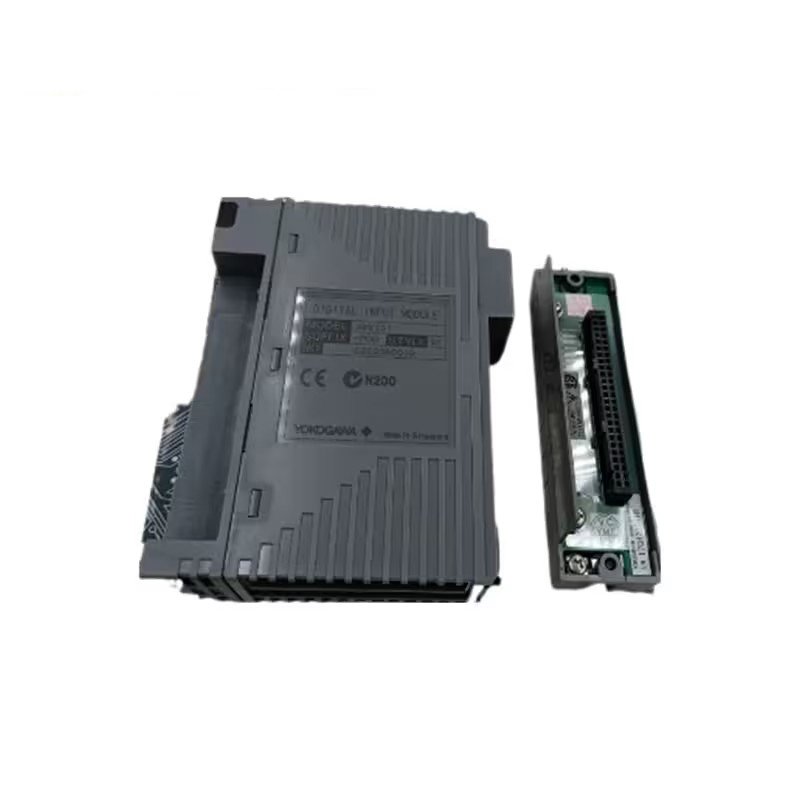
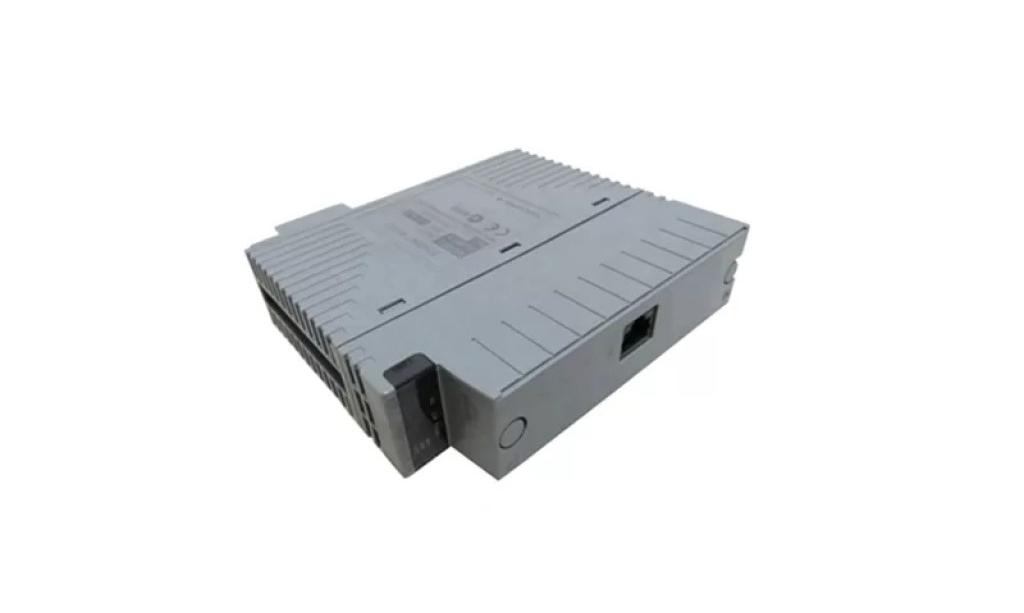
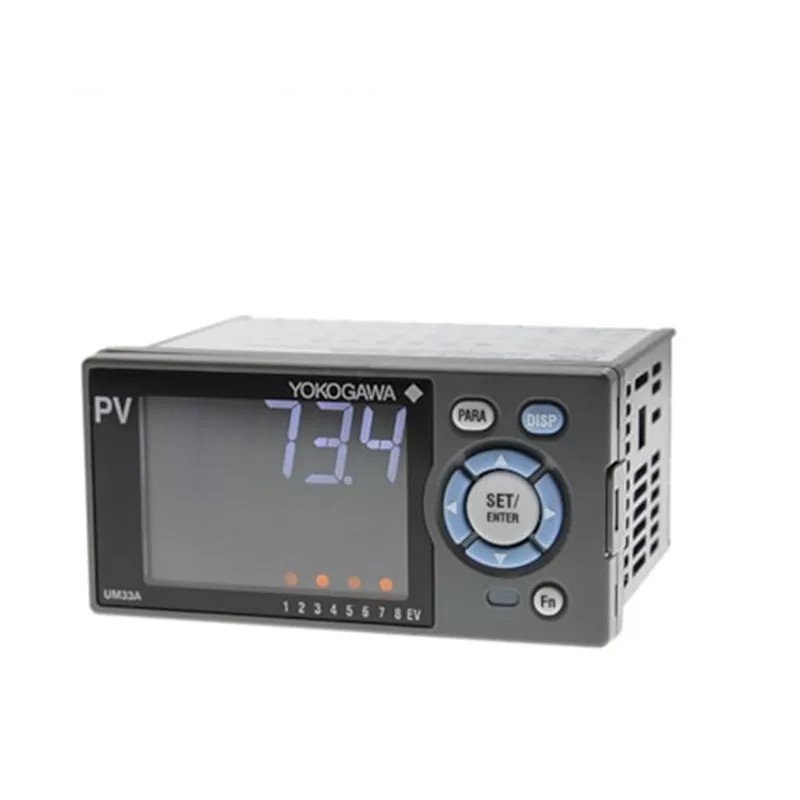
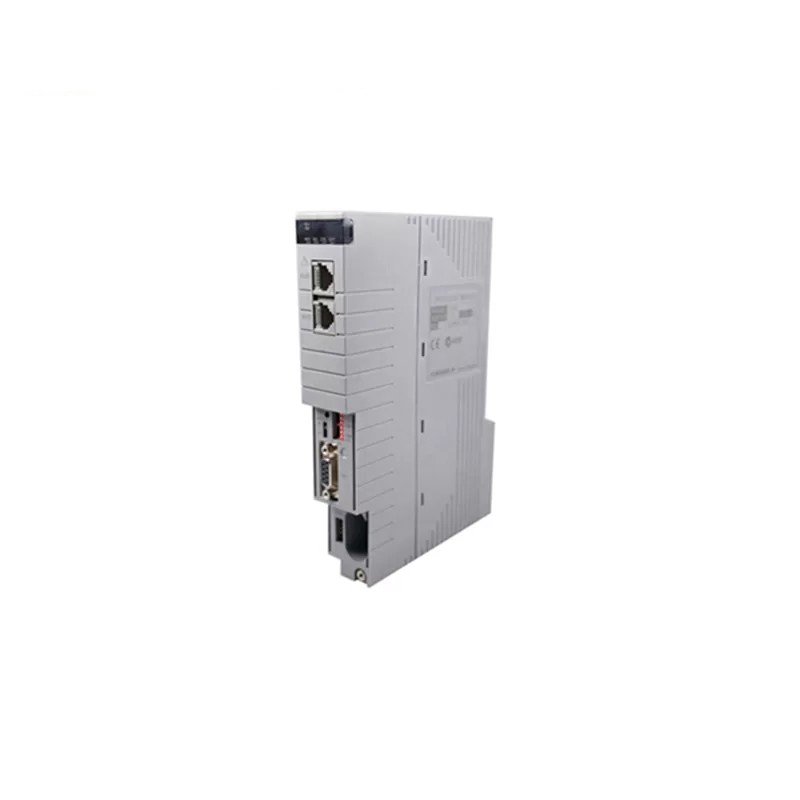
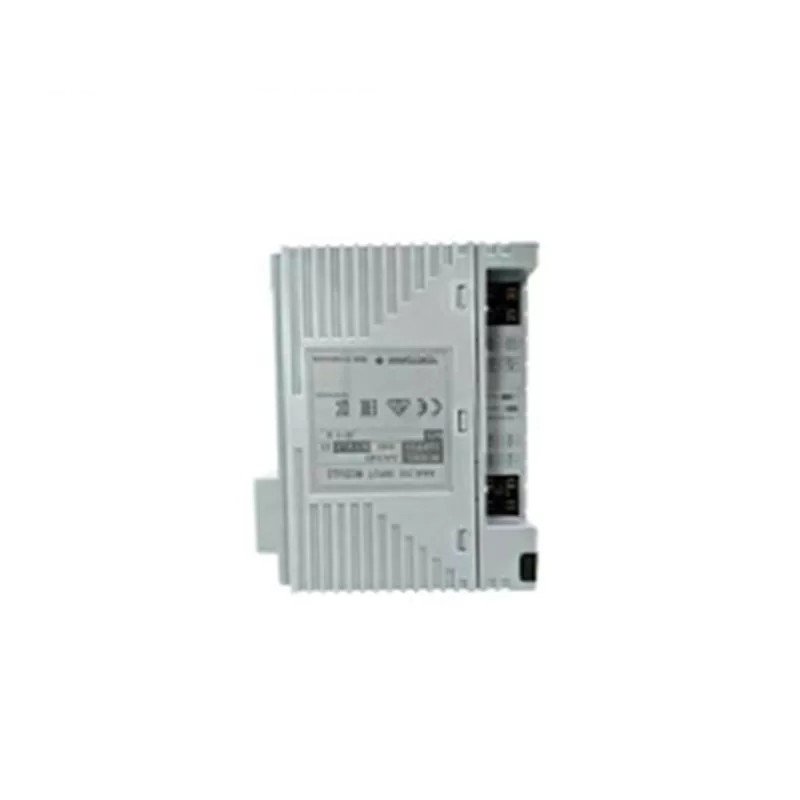
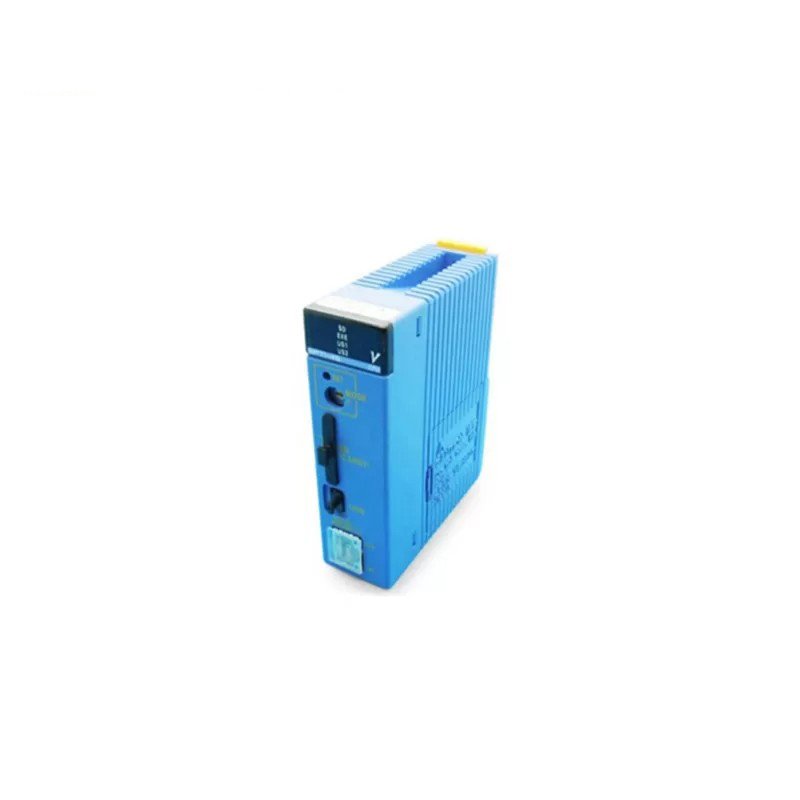
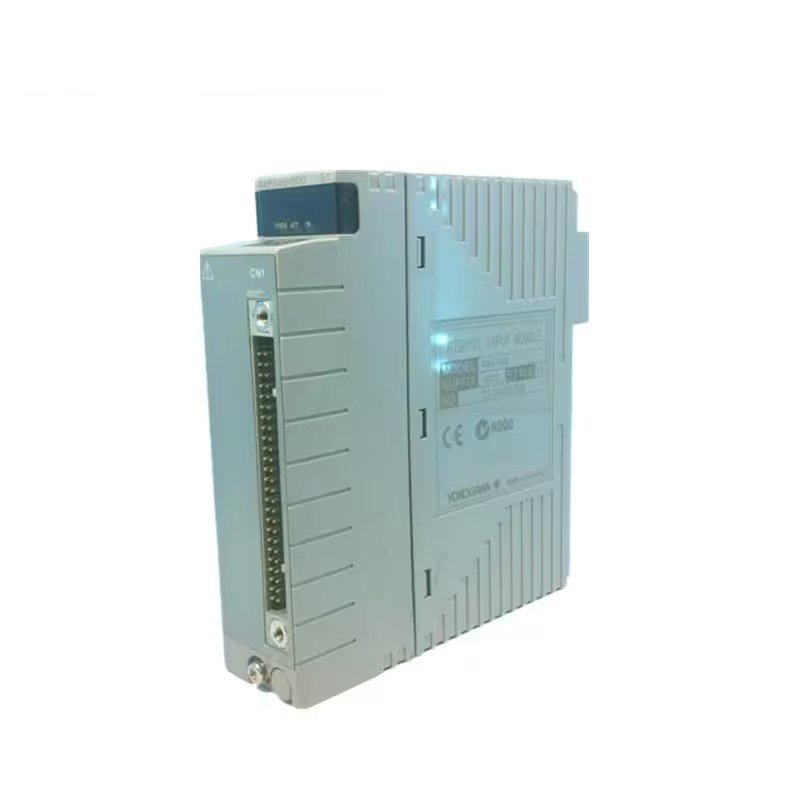
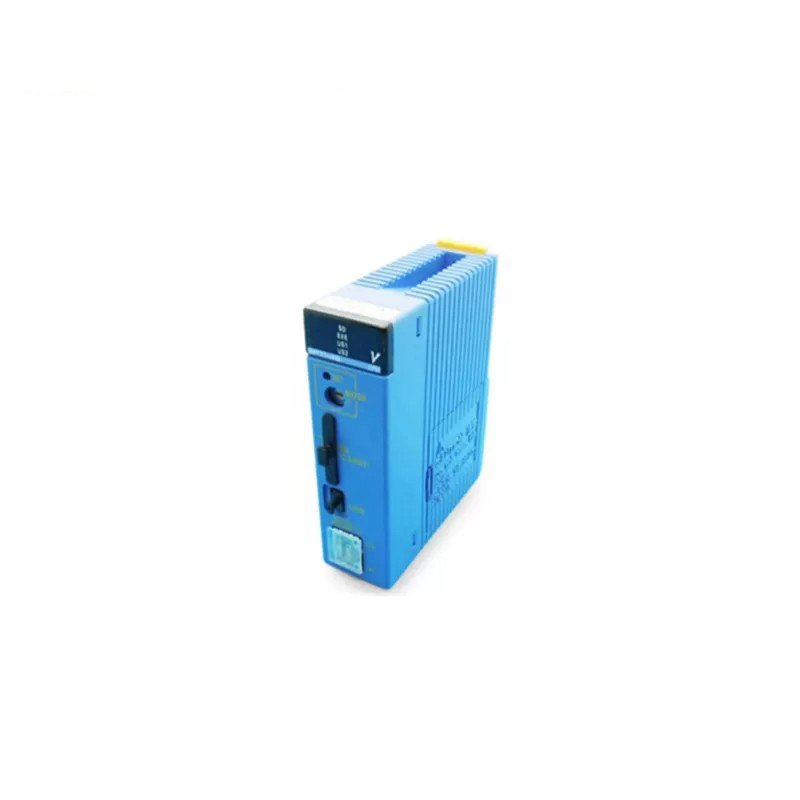
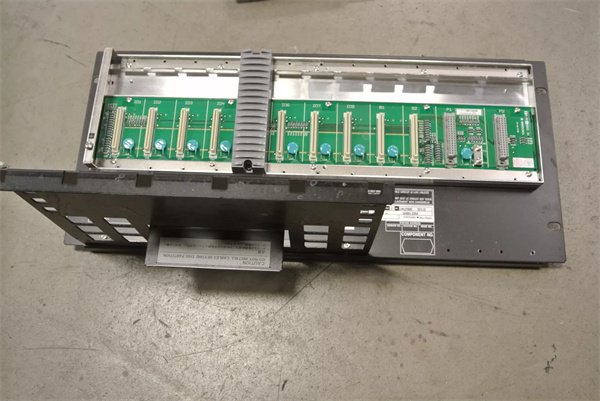
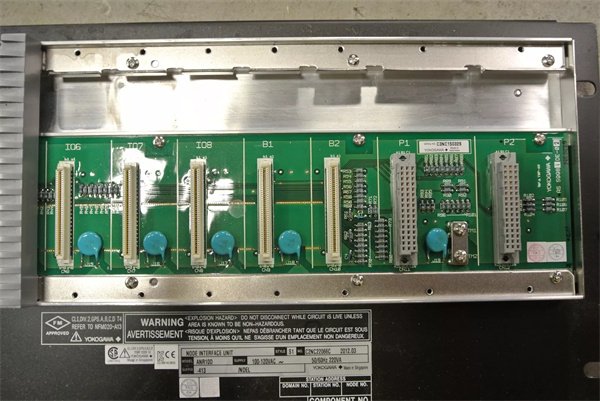
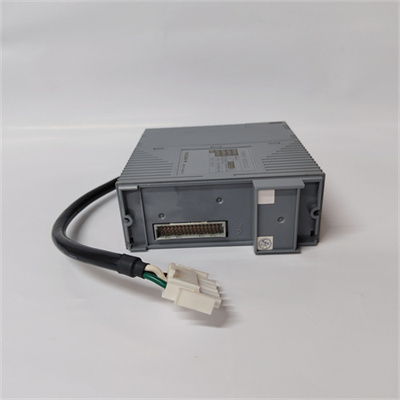
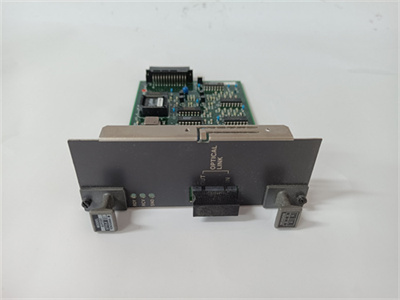
Yokogawa ANR10D ESB Bus Node Unit
Manufacturer:Yokogawa
Product Number:Yokogawa ANR10D
Payment Methods:T/T, PayPal, Western Union
Condition:New & In Stock
Warranty:1 Year
Lead Time:1-3 Working Days
Certificate:COO
Courier partners:DHL, UPS, TNT, FedEx and EMS.
Business hours:7*24
Product Description
TheANR10Dis an ESB bus node unit with a dual-redundant power supply system (suffix code “4”), delivering uninterrupted operation even during single power failures. It operates on a 220–240 V AC power supply (suffix code “2”) and features a basic explosion protection design (suffix code “0”). With a weight of approximately 0.20 kg, the module offers lightweight installation and compatibility with Yokogawa’s Centum VP and ProSafe-RS platforms. Key functions include bus communication, power distribution, and support for multiple modules in a chassis configuration (e.g., with PW482 power modules).
Technical Parameters
| Parameter | Specification |
|---|---|
| Product Type | ESB Bus Node Unit |
| Power Supply | 220–240 V AC (50/60 Hz), dual-redundant |
| Output Voltage | 5.1 V DC (7.8 A), 24 V DC (1.7 A) (via optional power modules like PW482) |
| Current Consumption | Dependent on connected modules; power module PW482: 1.3 A (220–240 V AC) |
| Weight | ~0.20 kg (unit only); chassis weight varies (e.g., 7.7 kg with modules) |
| Explosion Protection | Basic type (no explosion protection; suffix “0”); optional configurations available |
| Compatibility | Yokogawa Centum VP, ProSafe-RS systems |
| Dimensions | Chassis-dependent (e.g., standard rack-mount form factor) |
| Standards | Compliance with industrial safety and EMI/EMC standards |
Advantages and Characteristics
- Dual-Redundant Power Supply: Ensures uninterrupted operation in critical applications, minimizing downtime risks.
- Compact and Lightweight: 0.20 kg design for easy installation in space-constrained environments.
- Scalability: Supports multiple modules in a chassis (e.g., digital/analog I/O, communication modules).
- Stable Power Management: 220–240 V AC input with wide voltage tolerance (±10%) for global industrial use.
- Reliability: Robust construction for harsh conditions (temperature: -20°C to 70°C, corrosion resistance).
Application Areas and Cases
- Industries: Energy, chemical processing, manufacturing, and oil & gas.
- Scenarios: DCS communication hubs, remote terminal units (RTUs), and distributed control in hazardous locations.
- Case Study: A chemical plant deployed the ANR10D with dual-redundant power supply to manage 32 I/O modules in a corrosive environment. The unit’s redundant architecture and 2 kV isolation prevented power interruptions, ensuring 99.99% uptime over 3 years.
Competitor Comparison
Compared to similar bus node units, the ANR10D offers superior power redundancy (dual supply standard) and compatibility with Yokogawa’s legacy and modern systems. Its lightweight design (0.20 kg vs. 0.3–0.5 kg for competitors) and integrated explosion protection options reduce installation complexity and cost in hazardous zones.
Selection Recommendations
- Power Requirements: Verify voltage (220–240 V AC) and redundancy needs (dual supply for critical systems).
- Environment: Choose chassis and modules suitable for temperature (-20°C to 70°C) and corrosion (ISA G3) conditions.
- Scalability: Plan chassis configuration (e.g., ANR10D-420 with PW482 power module) based on I/O density.
- Compatibility: Ensure integration with Yokogawa DCS (Centum VP, ProSafe-RS) and third-party devices via ESB bus.
Precautions
- Installation: Follow chassis wiring diagrams; ensure proper grounding for EMI protection.
- Power Modules: Use approved modules (e.g., PW482) for stable 5.1 V/24 V DC output.
- Redundancy Testing: Regularly test dual-power supply failover to maintain system reliability.
- Explosion Zones: For hazardous environments, select certified explosion-proof variants (non-standard on ANR10D-0).
 Loading comments...
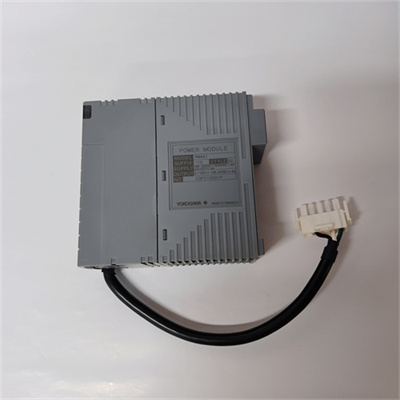
Yokogawa ANR10D ESB Bus Node Unit
Manufacturer:Yokogawa
Product Number:Yokogawa ANR10D
Payment Methods:T/T, PayPal, Western Union
Condition:New & In Stock
Warranty:1 Year
Lead Time:1-3 Working Days
Certificate:COO
Courier partners:DHL, UPS, TNT, FedEx and EMS.
Business hours:7*24
Product Description
TheANR10Dis an ESB bus node unit with a dual-redundant power supply system (suffix code “4”), delivering uninterrupted operation even during single power failures. It operates on a 220–240 V AC power supply (suffix code “2”) and features a basic explosion protection design (suffix code “0”). With a weight of approximately 0.20 kg, the module offers lightweight installation and compatibility with Yokogawa’s Centum VP and ProSafe-RS platforms. Key functions include bus communication, power distribution, and support for multiple modules in a chassis configuration (e.g., with PW482 power modules).
Technical Parameters
| Parameter | Specification |
|---|---|
| Product Type | ESB Bus Node Unit |
| Power Supply | 220–240 V AC (50/60 Hz), dual-redundant |
| Output Voltage | 5.1 V DC (7.8 A), 24 V DC (1.7 A) (via optional power modules like PW482) |
| Current Consumption | Dependent on connected modules; power module PW482: 1.3 A (220–240 V AC) |
| Weight | ~0.20 kg (unit only); chassis weight varies (e.g., 7.7 kg with modules) |
| Explosion Protection | Basic type (no explosion protection; suffix “0”); optional configurations available |
| Compatibility | Yokogawa Centum VP, ProSafe-RS systems |
| Dimensions | Chassis-dependent (e.g., standard rack-mount form factor) |
| Standards | Compliance with industrial safety and EMI/EMC standards |
Advantages and Characteristics
- Dual-Redundant Power Supply: Ensures uninterrupted operation in critical applications, minimizing downtime risks.
- Compact and Lightweight: 0.20 kg design for easy installation in space-constrained environments.
- Scalability: Supports multiple modules in a chassis (e.g., digital/analog I/O, communication modules).
- Stable Power Management: 220–240 V AC input with wide voltage tolerance (±10%) for global industrial use.
- Reliability: Robust construction for harsh conditions (temperature: -20°C to 70°C, corrosion resistance).
Application Areas and Cases
- Industries: Energy, chemical processing, manufacturing, and oil & gas.
- Scenarios: DCS communication hubs, remote terminal units (RTUs), and distributed control in hazardous locations.
- Case Study: A chemical plant deployed the ANR10D with dual-redundant power supply to manage 32 I/O modules in a corrosive environment. The unit’s redundant architecture and 2 kV isolation prevented power interruptions, ensuring 99.99% uptime over 3 years.
Competitor Comparison
Compared to similar bus node units, the ANR10D offers superior power redundancy (dual supply standard) and compatibility with Yokogawa’s legacy and modern systems. Its lightweight design (0.20 kg vs. 0.3–0.5 kg for competitors) and integrated explosion protection options reduce installation complexity and cost in hazardous zones.
Selection Recommendations
- Power Requirements: Verify voltage (220–240 V AC) and redundancy needs (dual supply for critical systems).
- Environment: Choose chassis and modules suitable for temperature (-20°C to 70°C) and corrosion (ISA G3) conditions.
- Scalability: Plan chassis configuration (e.g., ANR10D-420 with PW482 power module) based on I/O density.
- Compatibility: Ensure integration with Yokogawa DCS (Centum VP, ProSafe-RS) and third-party devices via ESB bus.
Precautions
- Installation: Follow chassis wiring diagrams; ensure proper grounding for EMI protection.
- Power Modules: Use approved modules (e.g., PW482) for stable 5.1 V/24 V DC output.
- Redundancy Testing: Regularly test dual-power supply failover to maintain system reliability.
- Explosion Zones: For hazardous environments, select certified explosion-proof variants (non-standard on ANR10D-0).
Need a Custom Automation Solution?
Our team of experts can design and implement a tailored automation system to meet your specific requirements.