
Our Products
Comprehensive industrial automation solutions for global industries
Contact us
If you are interested in our products and want to know more details,please Contact us,we will reply you as soon as we can.
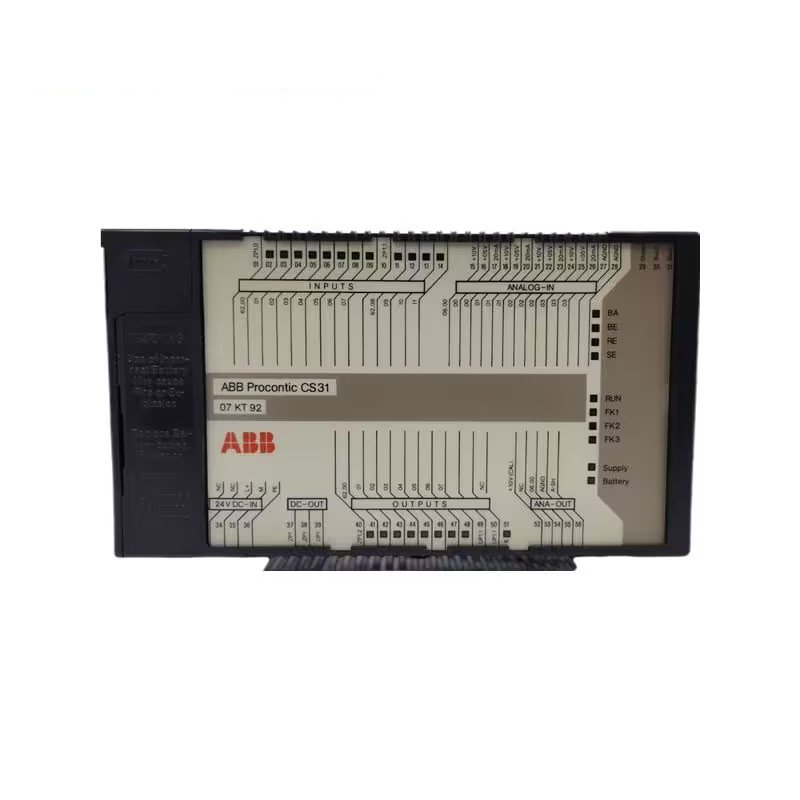
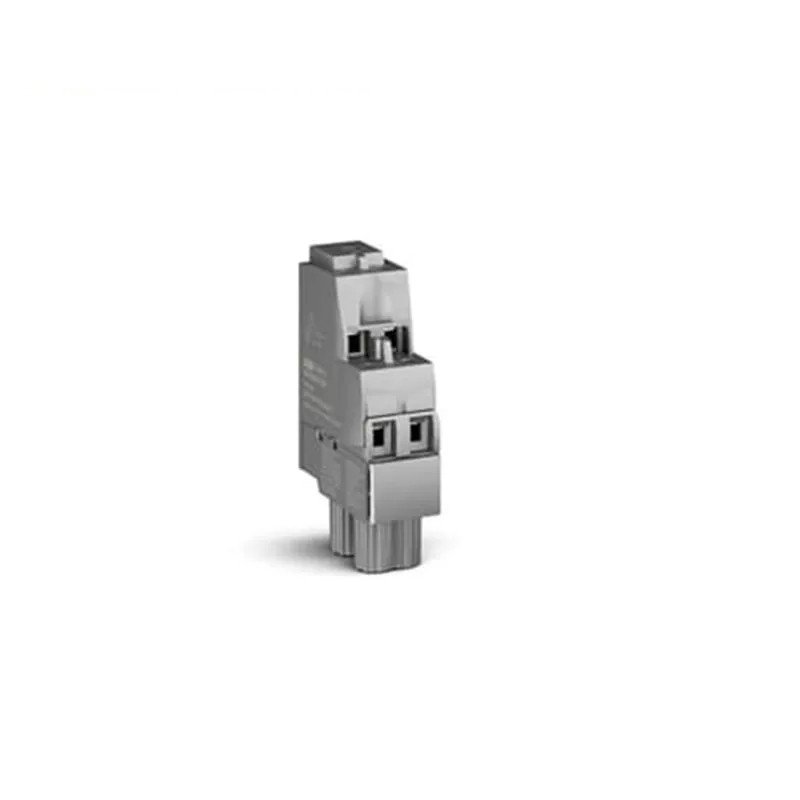
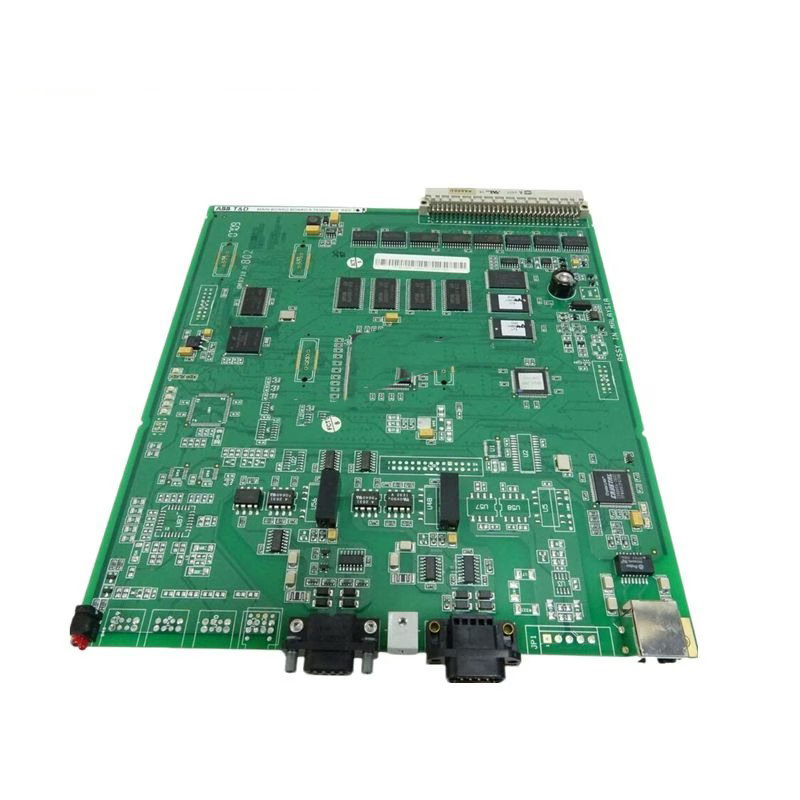
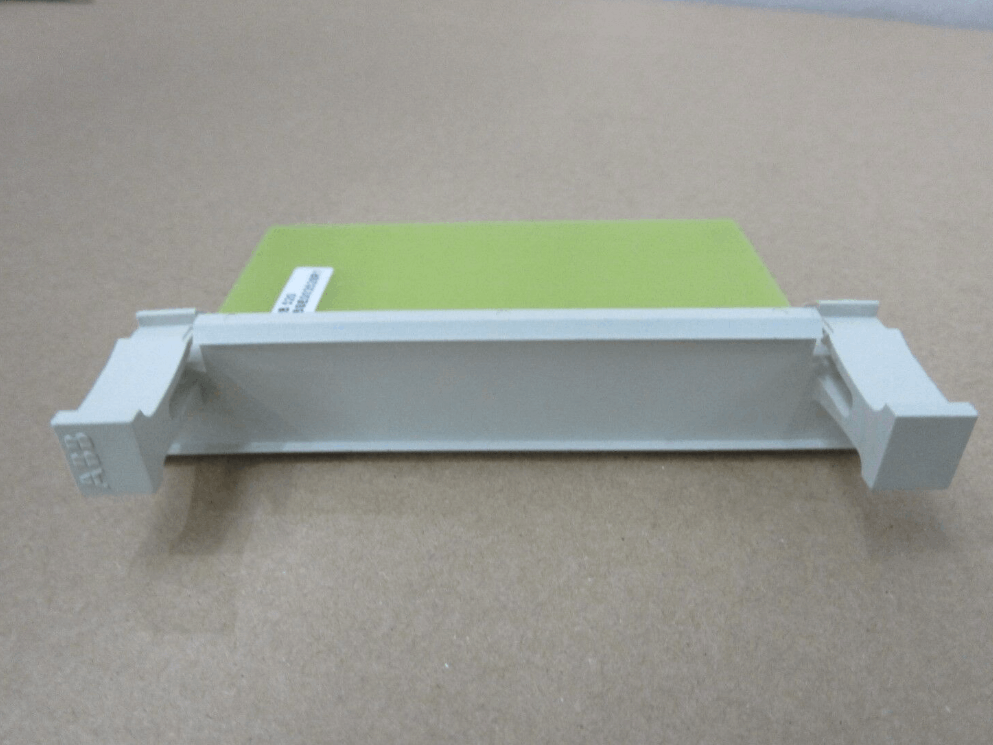
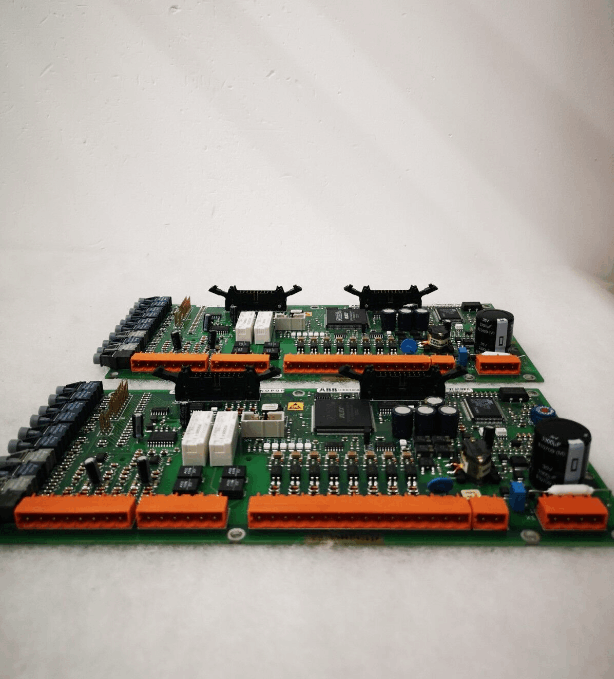
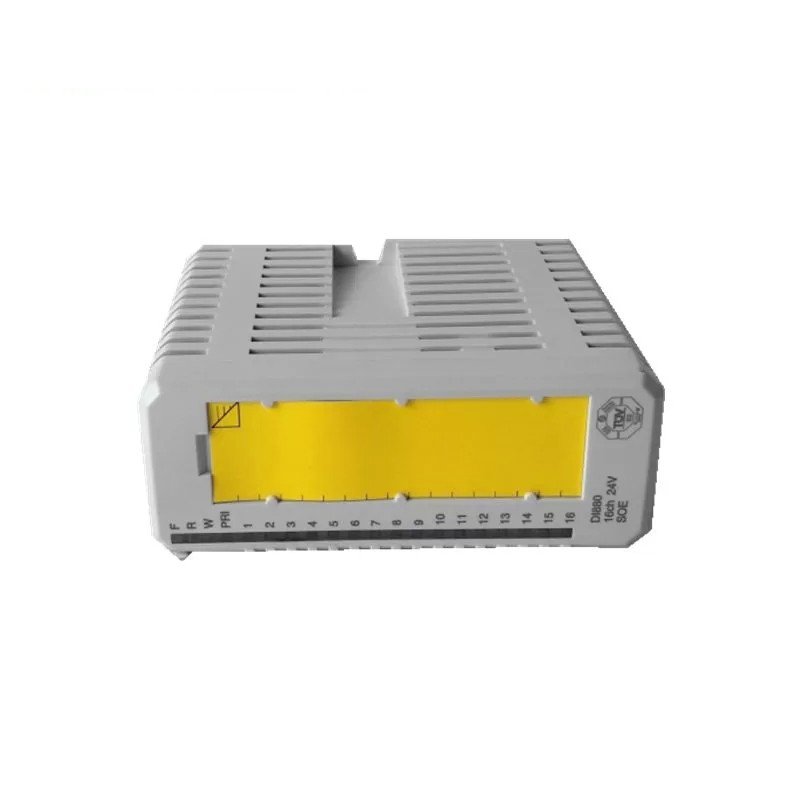
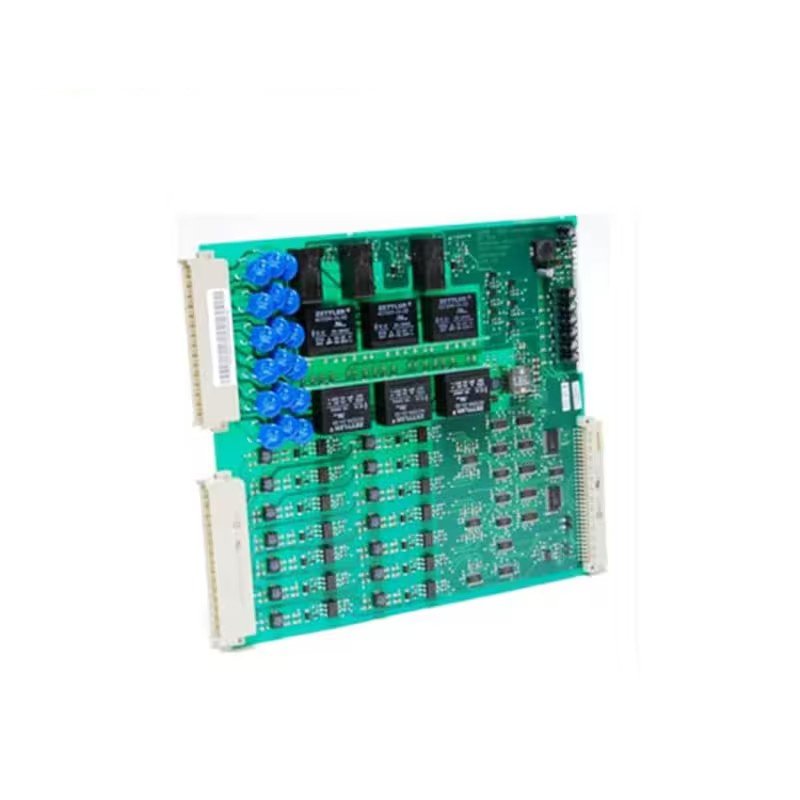
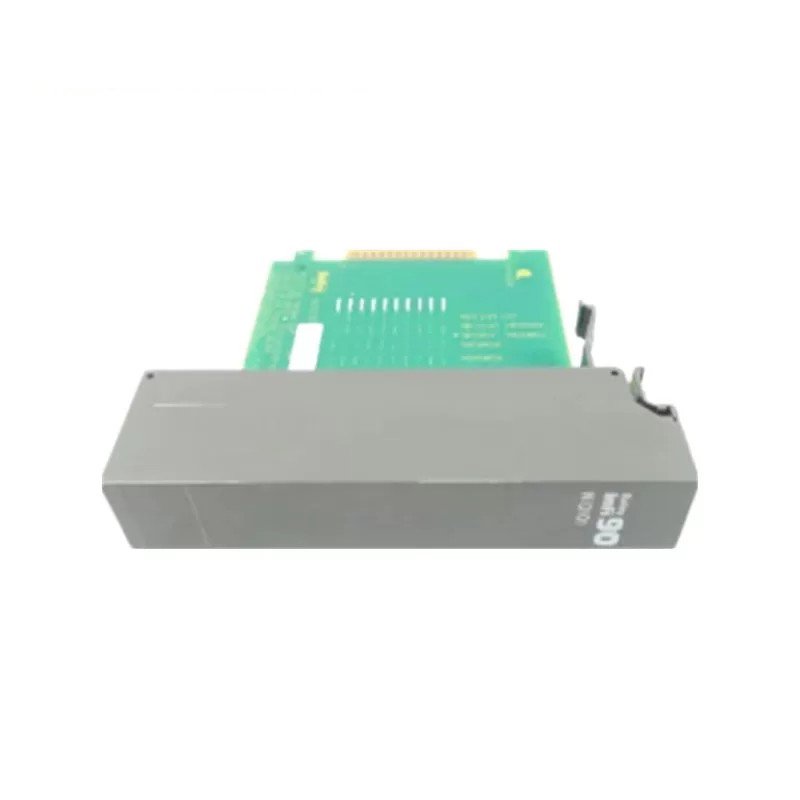
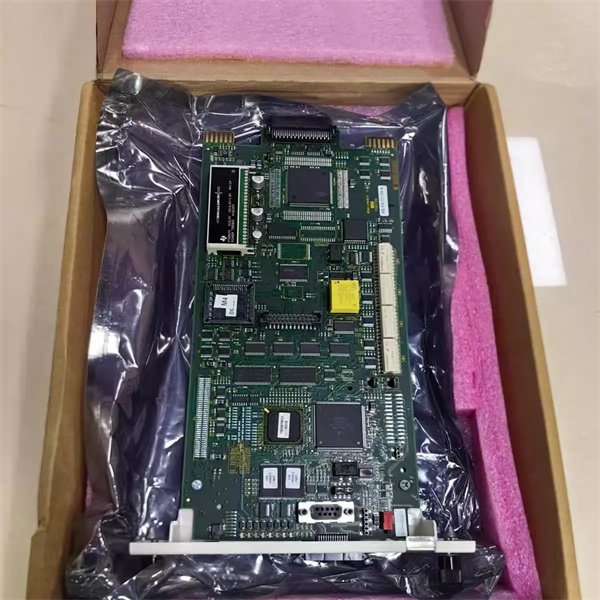
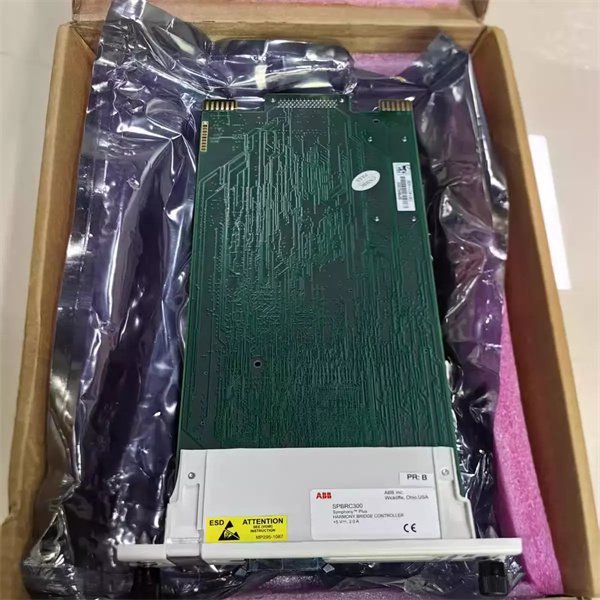
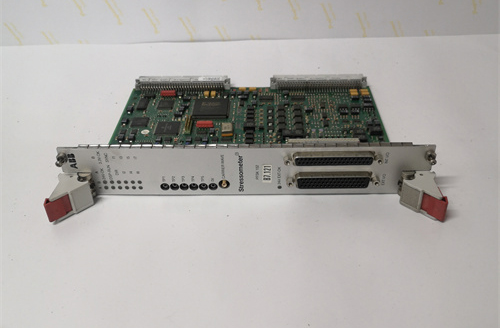
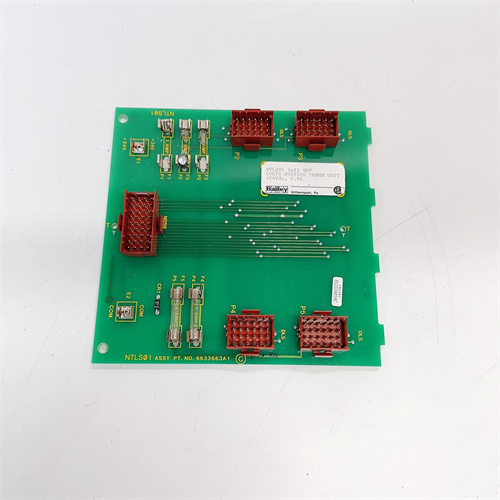
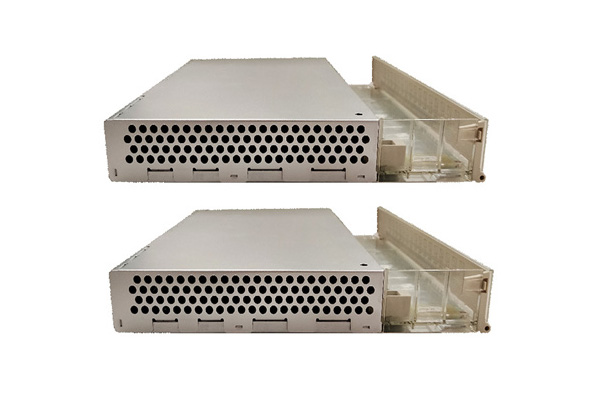
ABB SPBRC300 bridge controller
Manufacturer: ABB
Product Number: SPBRC300
Category: Bridge Controller
System Compatibility: ABB Symphony Plus automation platform
Application: Distributed control systems (DCS) requiring seamless communication
Function: Enables seamless communication and data integration between control systems
Product Description
The ABB SPBRC300 is a high-performance bridge controller designed for distributed control systems (DCS), serving as a critical component in ABB’s Symphony Plus automation platform. Engineered to enable seamless communication and data integration across industrial networks, the SPBRC300 facilitates real-time data exchange between controllers, I/O modules, and higher-level systems. This module supports multiple communication protocols, ensuring compatibility with diverse field devices and legacy systems while delivering reliable performance in harsh industrial environments. The ABB SPBRC300 is ideal for large-scale applications in industries such as power generation, oil & gas, and chemical processing, where robust connectivity and scalability are essential.
Product Parameters
| Parameter | Details |
|---|---|
| Protocol Support | PROFIBUS DP, Ethernet/IP, Modbus TCP, OPC UA |
| Power Supply | 100–240 V AC (50/60 Hz), 24 V DC redundant option |
| Data Throughput | Up to 100 Mbps |
| Operating Temperature | -40°C to +85°C (-40°F to +185°F) |
| Humidity | 5–95% RH (non-condensing) |
| Dimensions (W×H×D) | 297 mm × 36 mm × 175 mm |
| Weight | 0.6 kg |
| Certifications | CE, UL, cUL, ATEX (for hazardous areas) |
Advantages and Characteristics
- Multi-Protocol Flexibility: The SPBRC300 supports up to four simultaneous communication protocols, reducing the need for multiple interface modules and simplifying system architecture. For example, in a petrochemical plant, it seamlessly connected PROFIBUS-based field instruments with an Ethernet/IP-based SCADA system, cutting integration costs by 30%.
- Redundancy Design: Optional dual-power inputs and communication ports ensure high availability, with automatic failover mechanisms that maintain system operation even during component failures.
- Scalability: Capable of managing up to 10,000 data points, the module adapts to growing system requirements, making it suitable for both small-scale setups and large industrial complexes.
- Rugged Construction: Built to withstand vibration (5 g, IEC 60068-2-6) and electromagnetic interference (EN 61000), the SPBRC300 ensures stable performance in extreme environments, such as offshore platforms or steel mills.
Application Fields and Application Cases
Industry Applications:
- Power Generation: Integrates turbine control systems with plant-wide DCS for real-time monitoring and load balancing.
- Oil & Gas: Manages data exchange between wellhead sensors, pipeline controllers, and central monitoring stations in upstream and downstream operations.
- Chemical Processing: Enables batch process automation by connecting reactors, valves, and analytical instruments to a centralized control system.
Application Case:
A major utility company deployed the ABB SPBRC300 in a combined cycle power plant to bridge its Symphony Plus DCS with third-party boiler control systems. The module’s Modbus TCP support and redundancy features ensured uninterrupted data flow between the DCS and boiler safety systems, improving response times to critical events by 40% and reducing annual downtime by 250 hours.
Competitor Comparison
Compared to similar bridge controllers, the ABB SPBRC300 offers broader protocol coverage and deeper integration with ABB’s ecosystem, such as seamless compatibility with ABB drives and safety systems. Its wide temperature range and ATEX certification make it uniquely suitable for hazardous environments, while its modular design reduces installation time by up to 50% compared to non-integrated solutions.
Selection Suggestions
- Protocol Requirements: Confirm that the SPBRC300 supports all necessary protocols for your existing devices (e.g., PROFIBUS for legacy instruments, Ethernet/IP for modern PLCs).
- Redundancy Needs: For critical applications, opt for the dual-power and dual-communication port configuration to eliminate single points of failure.
- Environmental Conditions: Verify the module’s temperature and EMI ratings against your facility’s specifications, especially for outdoor or high-vibration settings.
- Scalability Planning: Assess current and future data point requirements to ensure the module’s processing capacity aligns with your system’s growth trajectory.
Precautions
- Installation: Mount the module on a DIN rail using recommended torque (2.5 N·m) and separate power/signal cables to minimize EMI interference.
- Wiring: Use shielded twisted-pair cables for long-distance communication links and follow ABB’s grounding guidelines to maintain signal integrity.
- Firmware Management: Regularly update firmware via ABB’s software tools to access security patches and new features, but test updates in a non-production environment first.
- Maintenance: Perform quarterly visual inspections for loose connections or physical damage, and schedule annual functional tests to validate redundancy and protocol performance.
 Loading comments...
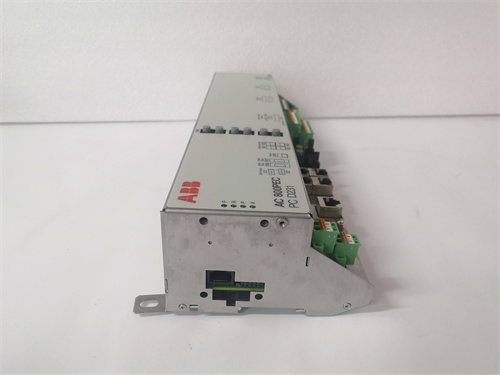
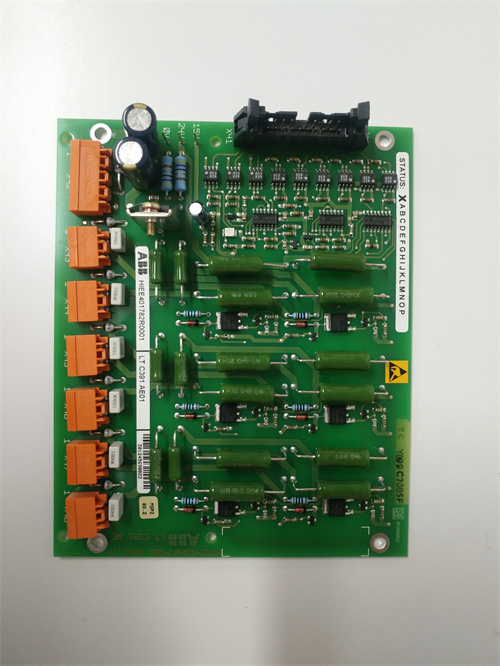
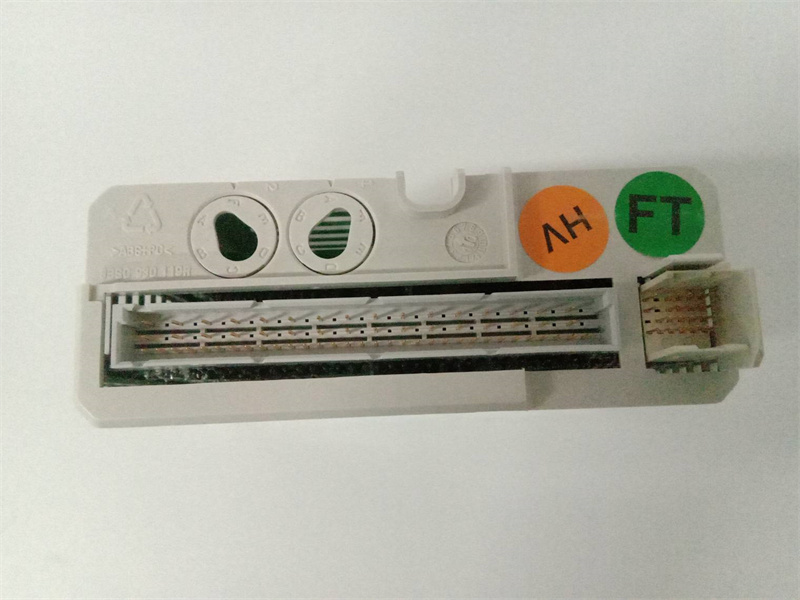
ABB SPBRC300 bridge controller
Manufacturer: ABB
Product Number: SPBRC300
Category: Bridge Controller
System Compatibility: ABB Symphony Plus automation platform
Application: Distributed control systems (DCS) requiring seamless communication
Function: Enables seamless communication and data integration between control systems
Product Description
The ABB SPBRC300 is a high-performance bridge controller designed for distributed control systems (DCS), serving as a critical component in ABB’s Symphony Plus automation platform. Engineered to enable seamless communication and data integration across industrial networks, the SPBRC300 facilitates real-time data exchange between controllers, I/O modules, and higher-level systems. This module supports multiple communication protocols, ensuring compatibility with diverse field devices and legacy systems while delivering reliable performance in harsh industrial environments. The ABB SPBRC300 is ideal for large-scale applications in industries such as power generation, oil & gas, and chemical processing, where robust connectivity and scalability are essential.
Product Parameters
| Parameter | Details |
|---|---|
| Protocol Support | PROFIBUS DP, Ethernet/IP, Modbus TCP, OPC UA |
| Power Supply | 100–240 V AC (50/60 Hz), 24 V DC redundant option |
| Data Throughput | Up to 100 Mbps |
| Operating Temperature | -40°C to +85°C (-40°F to +185°F) |
| Humidity | 5–95% RH (non-condensing) |
| Dimensions (W×H×D) | 297 mm × 36 mm × 175 mm |
| Weight | 0.6 kg |
| Certifications | CE, UL, cUL, ATEX (for hazardous areas) |
Advantages and Characteristics
- Multi-Protocol Flexibility: The SPBRC300 supports up to four simultaneous communication protocols, reducing the need for multiple interface modules and simplifying system architecture. For example, in a petrochemical plant, it seamlessly connected PROFIBUS-based field instruments with an Ethernet/IP-based SCADA system, cutting integration costs by 30%.
- Redundancy Design: Optional dual-power inputs and communication ports ensure high availability, with automatic failover mechanisms that maintain system operation even during component failures.
- Scalability: Capable of managing up to 10,000 data points, the module adapts to growing system requirements, making it suitable for both small-scale setups and large industrial complexes.
- Rugged Construction: Built to withstand vibration (5 g, IEC 60068-2-6) and electromagnetic interference (EN 61000), the SPBRC300 ensures stable performance in extreme environments, such as offshore platforms or steel mills.
Application Fields and Application Cases
Industry Applications:
- Power Generation: Integrates turbine control systems with plant-wide DCS for real-time monitoring and load balancing.
- Oil & Gas: Manages data exchange between wellhead sensors, pipeline controllers, and central monitoring stations in upstream and downstream operations.
- Chemical Processing: Enables batch process automation by connecting reactors, valves, and analytical instruments to a centralized control system.
Application Case:
A major utility company deployed the ABB SPBRC300 in a combined cycle power plant to bridge its Symphony Plus DCS with third-party boiler control systems. The module’s Modbus TCP support and redundancy features ensured uninterrupted data flow between the DCS and boiler safety systems, improving response times to critical events by 40% and reducing annual downtime by 250 hours.
Competitor Comparison
Compared to similar bridge controllers, the ABB SPBRC300 offers broader protocol coverage and deeper integration with ABB’s ecosystem, such as seamless compatibility with ABB drives and safety systems. Its wide temperature range and ATEX certification make it uniquely suitable for hazardous environments, while its modular design reduces installation time by up to 50% compared to non-integrated solutions.
Selection Suggestions
- Protocol Requirements: Confirm that the SPBRC300 supports all necessary protocols for your existing devices (e.g., PROFIBUS for legacy instruments, Ethernet/IP for modern PLCs).
- Redundancy Needs: For critical applications, opt for the dual-power and dual-communication port configuration to eliminate single points of failure.
- Environmental Conditions: Verify the module’s temperature and EMI ratings against your facility’s specifications, especially for outdoor or high-vibration settings.
- Scalability Planning: Assess current and future data point requirements to ensure the module’s processing capacity aligns with your system’s growth trajectory.
Precautions
- Installation: Mount the module on a DIN rail using recommended torque (2.5 N·m) and separate power/signal cables to minimize EMI interference.
- Wiring: Use shielded twisted-pair cables for long-distance communication links and follow ABB’s grounding guidelines to maintain signal integrity.
- Firmware Management: Regularly update firmware via ABB’s software tools to access security patches and new features, but test updates in a non-production environment first.
- Maintenance: Perform quarterly visual inspections for loose connections or physical damage, and schedule annual functional tests to validate redundancy and protocol performance.
Need a Custom Automation Solution?
Our team of experts can design and implement a tailored automation system to meet your specific requirements.