
Our Products
Comprehensive industrial automation solutions for global industries
Contact us
If you are interested in our products and want to know more details,please Contact us,we will reply you as soon as we can.
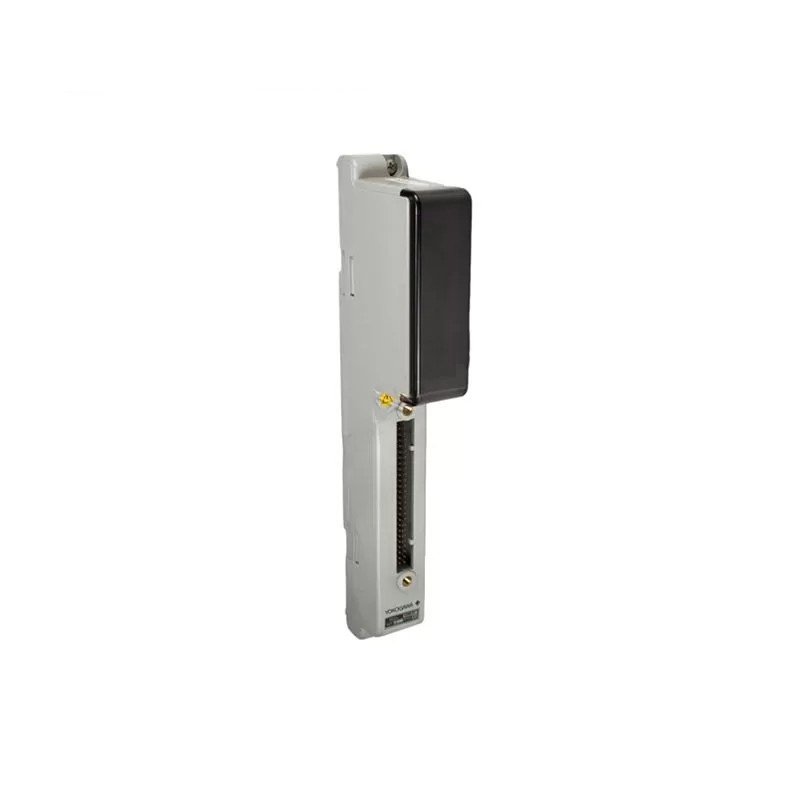
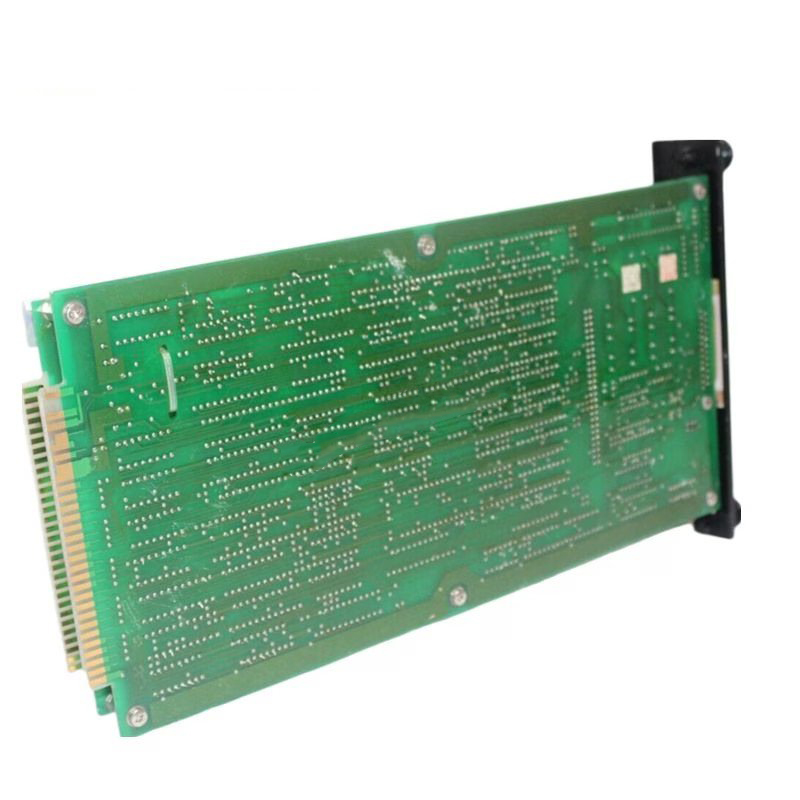
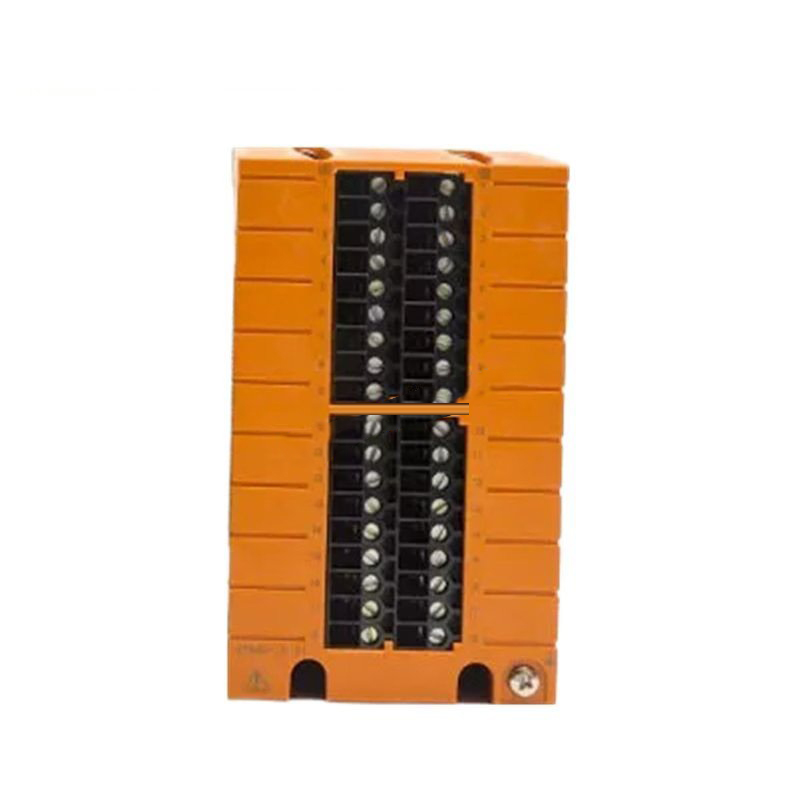
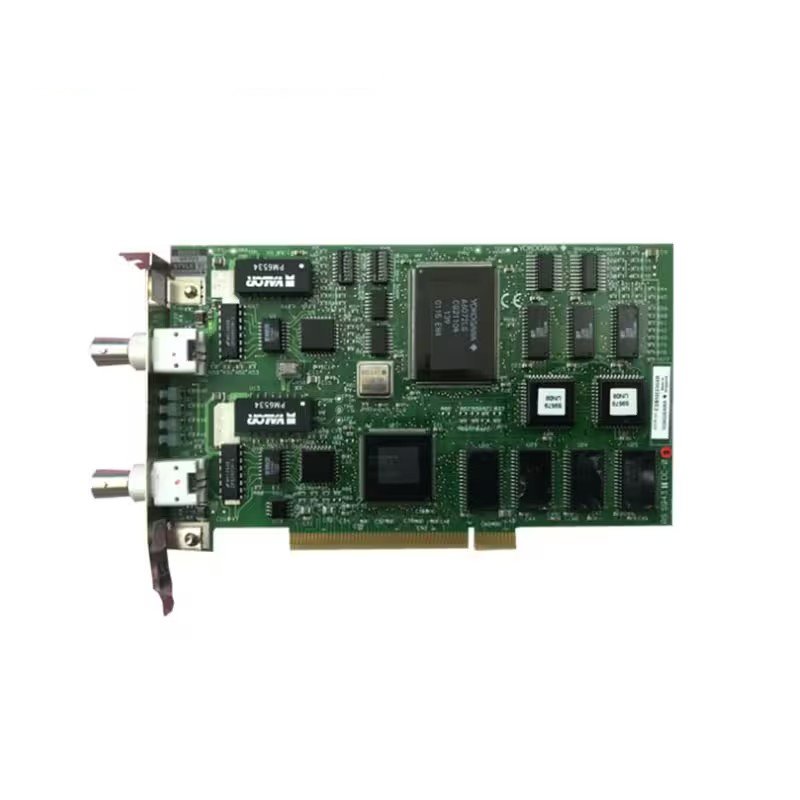
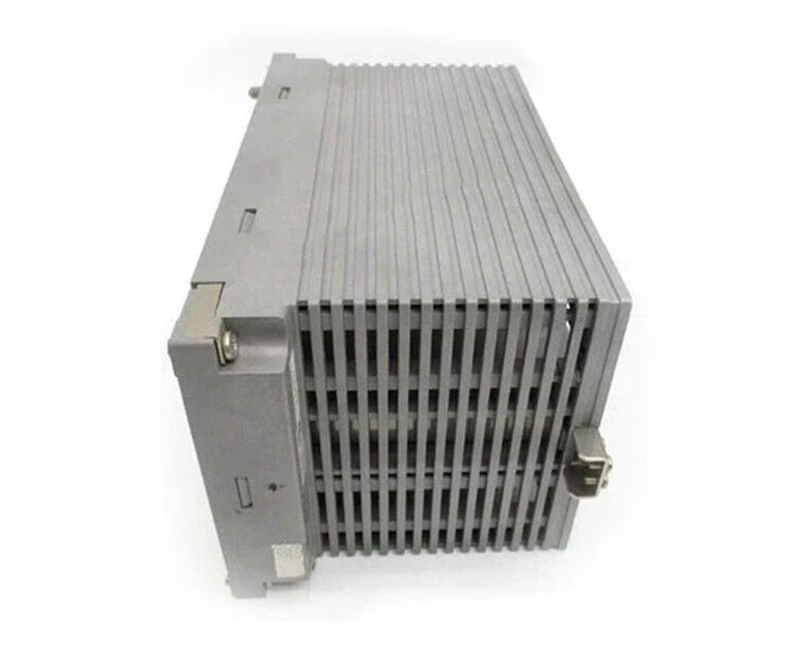
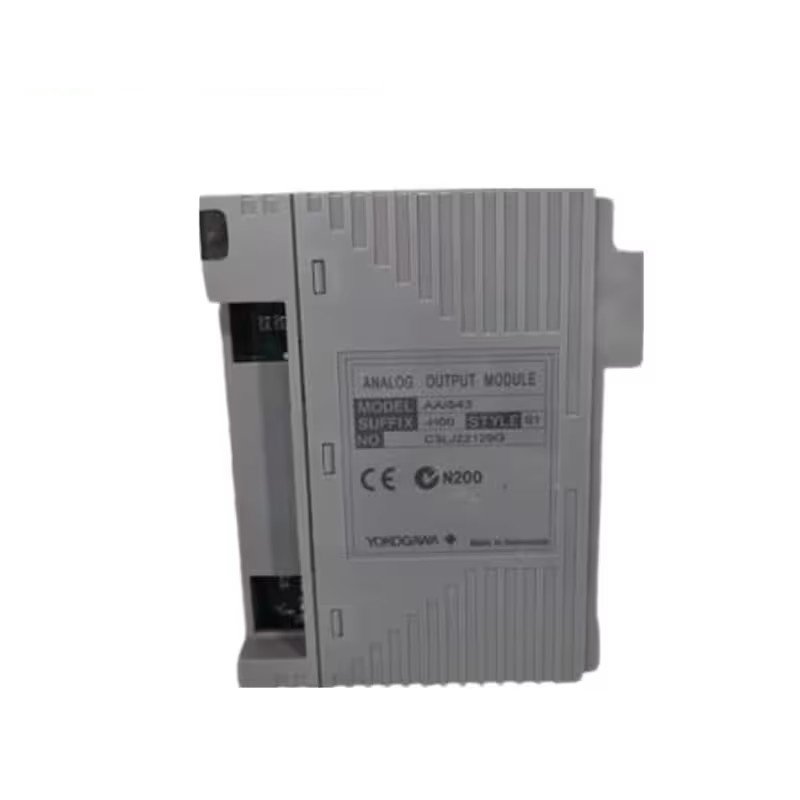
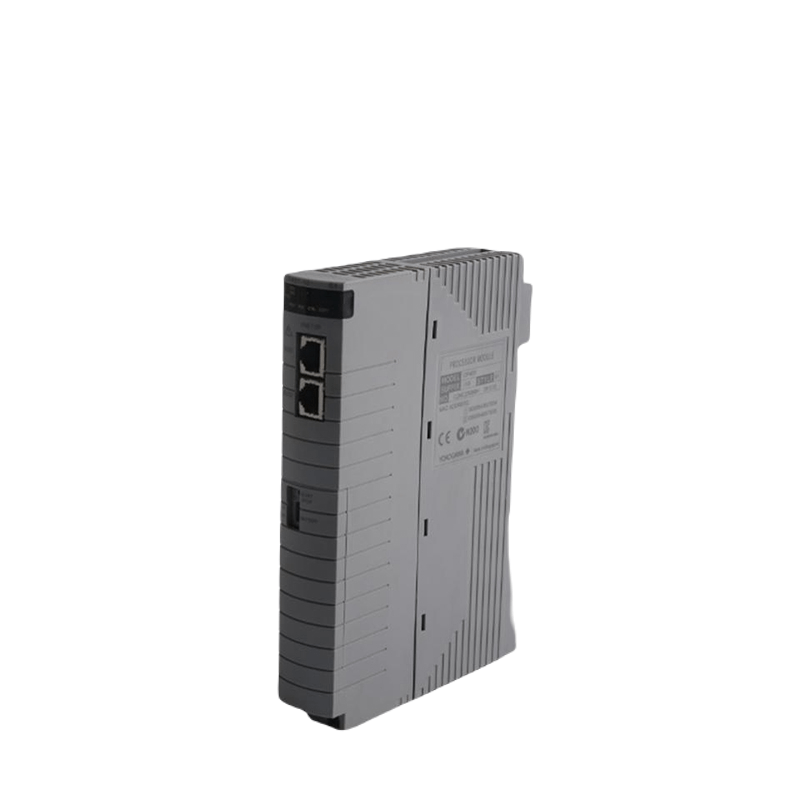
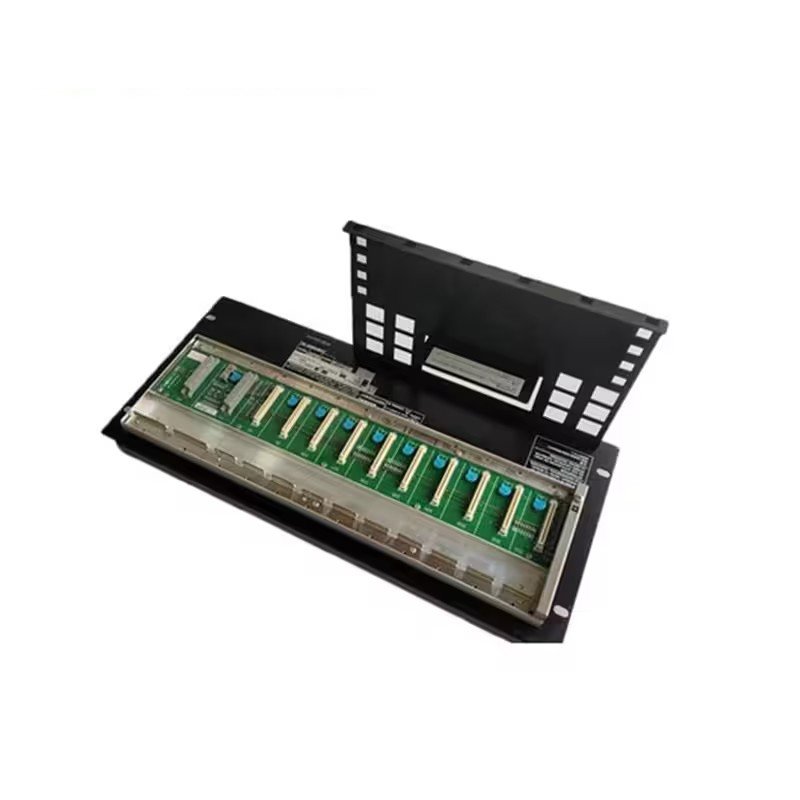
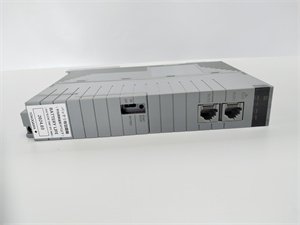
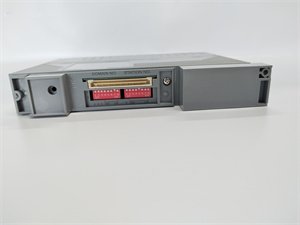
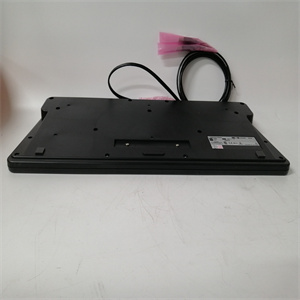
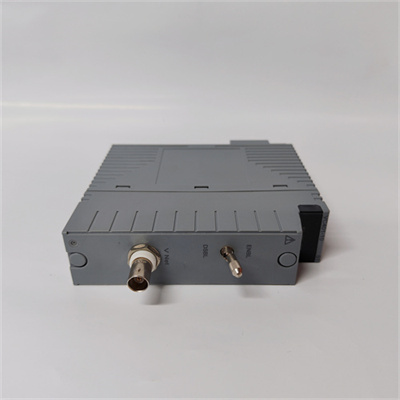
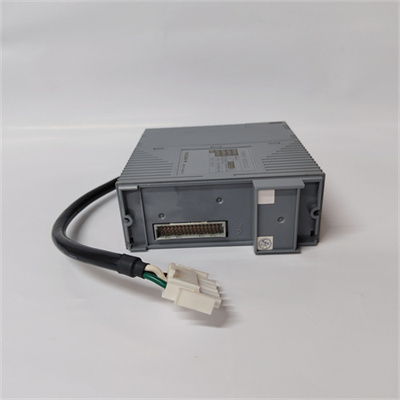
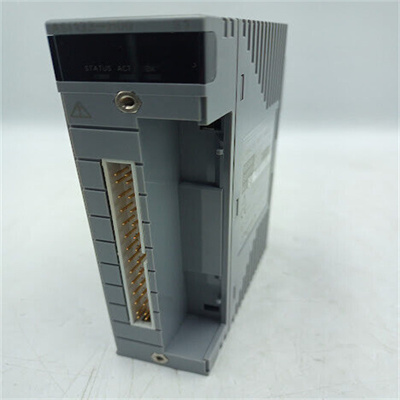
Yokogawa CP401-10 controller module
Manufacturer: Yokogawa
Product Number: CP401-10
Category: Controller Module
System Compatibility: Yokogawa Centum VP distributed control system (DCS)
Application: Industrial automation requiring real-time data processing
Function: Manages real-time data processing, I/O control, and communication functions
Design: Core controller for distributed control applications
Product Description
The Yokogawa CP401-10 is a high-performance controller module designed for industrial automation systems, specifically the Centum VP distributed control system (DCS). As a core component, it manages real-time data processing, input/output (I/O) operations, and communication between field devices and the DCS network. With dual-core processing and support for 16 I/O modules per controller, the CP401-10 ensures seamless integration of analog/digital signals, alarm handling, and control logic execution. Its compact design, redundant configuration capability, and compatibility with Yokogawa’s extensive I/O lineup make it ideal for applications requiring high-speed control and reliability in industries like energy, manufacturing, and chemical processing.
Key Technical Parameters
| Parameter | Specification |
|---|---|
| Model | CP401-10 |
| System Compatibility | Centum VP (R6.03.00 and later) |
| Processor | Dual-core 64-bit RISC (400 MHz) |
| Memory | 2 GB (user program), 1 GB (data) |
| I/O Capacity | Up to 16 I/O modules (e.g., AI, AO, DI, DO) |
| Communication Interfaces | Ethernet (100BASE-TX), Serial (RS-232/422/485), PROFIBUS DP/V1 |
| Redundancy | 1:1 dual redundancy (hot standby) |
| Cycle Time | 1–100 ms (programmable) |
| Power Supply | 24 V DC (1.5 A max) |
| Operating Temperature | -10°C to +50°C |
| Weight | 1.2 kg |
| Certifications | CE, UL, CSA, IEC 61508 (SIL 2 compliant) |
Advantages and Features
- High-Speed Processing: Dual-core architecture reduces cycle time by 30% compared to single-core controllers, enabling rapid response to dynamic processes.
- Redundancy Excellence: 1:1 hot standby redundancy ensures zero downtime during controller failures, with automatic switchover in <50 ms.
- Flexible I/O Integration: Supports mixed I/O configurations (analog/digital) and fieldbus protocols (PROFIBUS), minimizing cabling complexity.
- Advanced Diagnostics: Built-in self-diagnostic functions (e.g., watchdog timer, memory check) reduce maintenance costs by 25%.
- Scalability: Expandable to 8000 I/O points per system, suitable for small-scale machines to large industrial plants.
Application Areas and Use Cases
- Industries: Power generation (coal/gas turbines), oil & gas (refineries), water treatment, and food & beverage.
- Scenarios: Process control loops, machine automation, and safety-critical systems (SIL 2 compliant).
- Case Study: A European power plant deployed CP401-10 controllers in a 1:1 redundant configuration for turbine monitoring. The system achieved 99.99% uptime over 3 years, with faster alarm response (20 ms vs. industry standard 50 ms).
Competitor Comparison
Compared to similar DCS controllers:
- Faster Redundancy Switching: 50 ms (vs. 80–100 ms in alternatives).
- Higher I/O Density: 16 modules per controller (vs. 8–12 in most competitors).
- Native Fieldbus Support: Built-in PROFIBUS DP/V1 eliminates need for add-on cards.
- Energy Efficiency: 24 V DC operation (1.5 A) reduces power consumption by 15% compared to 48 V DC models.
Selection Recommendations
- System Size: Choose CP401-10 for medium-to-large systems (500–8000 I/O points); use smaller models (e.g., CP301) for <500 points.
- Redundancy Needs: Opt for 1:1 redundancy (CP401-10R) for critical processes; single configuration (CP401-10S) for non-critical applications.
- Environment: Ensure compliance with temperature (-10°C to +50°C) and humidity (5–95% non-condensing) requirements.
- Budget: Balance cost with features (e.g., PROFIBUS support is standard, avoiding add-on expenses).
Installation and Maintenance Notes
-
Wiring: Use shielded cables for signal lines; separate power/communication cables to prevent interference.
-
Redundancy Setup: Follow Yokogawa’s redundancy guidelines (e.g., identical firmware versions, dedicated communication links).
-
Firmware Updates: Regularly update firmware (via Centum VP Engineering Workstation) to access new features and security patches.
-
Cooling: Ensure adequate airflow (20–50 L/min) for controllers in racks; avoid dust accumulation.
-
Spare Parts: Stock compatible accessories (e.g., CX401 communication cables, power supply modules) for quick replacements.
 Loading comments...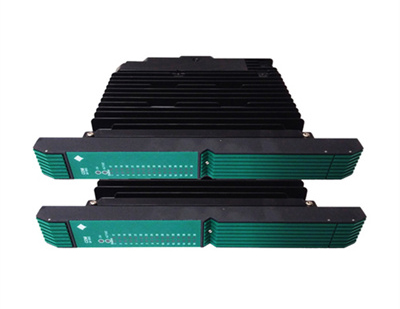
Yokogawa CP401-10 controller module
Manufacturer: Yokogawa
Product Number: CP401-10
Category: Controller Module
System Compatibility: Yokogawa Centum VP distributed control system (DCS)
Application: Industrial automation requiring real-time data processing
Function: Manages real-time data processing, I/O control, and communication functions
Design: Core controller for distributed control applications
Product Description
The Yokogawa CP401-10 is a high-performance controller module designed for industrial automation systems, specifically the Centum VP distributed control system (DCS). As a core component, it manages real-time data processing, input/output (I/O) operations, and communication between field devices and the DCS network. With dual-core processing and support for 16 I/O modules per controller, the CP401-10 ensures seamless integration of analog/digital signals, alarm handling, and control logic execution. Its compact design, redundant configuration capability, and compatibility with Yokogawa’s extensive I/O lineup make it ideal for applications requiring high-speed control and reliability in industries like energy, manufacturing, and chemical processing.
Key Technical Parameters
| Parameter | Specification |
|---|---|
| Model | CP401-10 |
| System Compatibility | Centum VP (R6.03.00 and later) |
| Processor | Dual-core 64-bit RISC (400 MHz) |
| Memory | 2 GB (user program), 1 GB (data) |
| I/O Capacity | Up to 16 I/O modules (e.g., AI, AO, DI, DO) |
| Communication Interfaces | Ethernet (100BASE-TX), Serial (RS-232/422/485), PROFIBUS DP/V1 |
| Redundancy | 1:1 dual redundancy (hot standby) |
| Cycle Time | 1–100 ms (programmable) |
| Power Supply | 24 V DC (1.5 A max) |
| Operating Temperature | -10°C to +50°C |
| Weight | 1.2 kg |
| Certifications | CE, UL, CSA, IEC 61508 (SIL 2 compliant) |
Advantages and Features
- High-Speed Processing: Dual-core architecture reduces cycle time by 30% compared to single-core controllers, enabling rapid response to dynamic processes.
- Redundancy Excellence: 1:1 hot standby redundancy ensures zero downtime during controller failures, with automatic switchover in <50 ms.
- Flexible I/O Integration: Supports mixed I/O configurations (analog/digital) and fieldbus protocols (PROFIBUS), minimizing cabling complexity.
- Advanced Diagnostics: Built-in self-diagnostic functions (e.g., watchdog timer, memory check) reduce maintenance costs by 25%.
- Scalability: Expandable to 8000 I/O points per system, suitable for small-scale machines to large industrial plants.
Application Areas and Use Cases
- Industries: Power generation (coal/gas turbines), oil & gas (refineries), water treatment, and food & beverage.
- Scenarios: Process control loops, machine automation, and safety-critical systems (SIL 2 compliant).
- Case Study: A European power plant deployed CP401-10 controllers in a 1:1 redundant configuration for turbine monitoring. The system achieved 99.99% uptime over 3 years, with faster alarm response (20 ms vs. industry standard 50 ms).
Competitor Comparison
Compared to similar DCS controllers:
- Faster Redundancy Switching: 50 ms (vs. 80–100 ms in alternatives).
- Higher I/O Density: 16 modules per controller (vs. 8–12 in most competitors).
- Native Fieldbus Support: Built-in PROFIBUS DP/V1 eliminates need for add-on cards.
- Energy Efficiency: 24 V DC operation (1.5 A) reduces power consumption by 15% compared to 48 V DC models.
Selection Recommendations
- System Size: Choose CP401-10 for medium-to-large systems (500–8000 I/O points); use smaller models (e.g., CP301) for <500 points.
- Redundancy Needs: Opt for 1:1 redundancy (CP401-10R) for critical processes; single configuration (CP401-10S) for non-critical applications.
- Environment: Ensure compliance with temperature (-10°C to +50°C) and humidity (5–95% non-condensing) requirements.
- Budget: Balance cost with features (e.g., PROFIBUS support is standard, avoiding add-on expenses).
Installation and Maintenance Notes
-
Wiring: Use shielded cables for signal lines; separate power/communication cables to prevent interference.
-
Redundancy Setup: Follow Yokogawa’s redundancy guidelines (e.g., identical firmware versions, dedicated communication links).
-
Firmware Updates: Regularly update firmware (via Centum VP Engineering Workstation) to access new features and security patches.
-
Cooling: Ensure adequate airflow (20–50 L/min) for controllers in racks; avoid dust accumulation.
-
Spare Parts: Stock compatible accessories (e.g., CX401 communication cables, power supply modules) for quick replacements.
Need a Custom Automation Solution?
Our team of experts can design and implement a tailored automation system to meet your specific requirements.