
Our Products
Comprehensive industrial automation solutions for global industries
Contact us
If you are interested in our products and want to know more details,please Contact us,we will reply you as soon as we can.
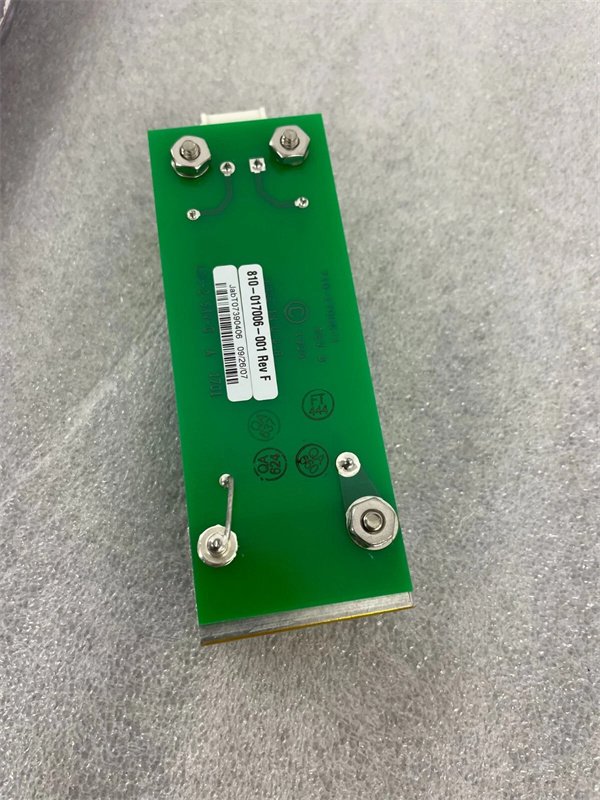
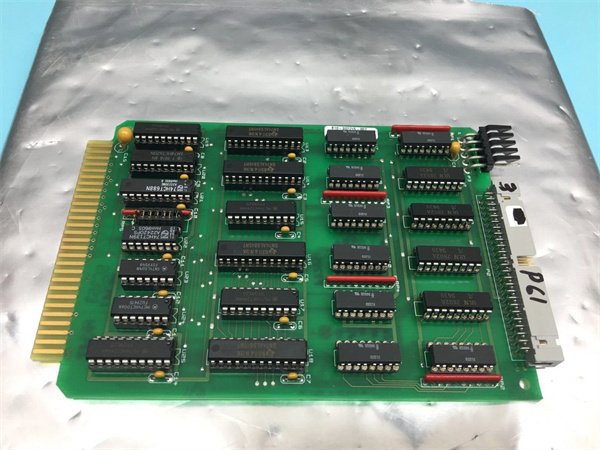
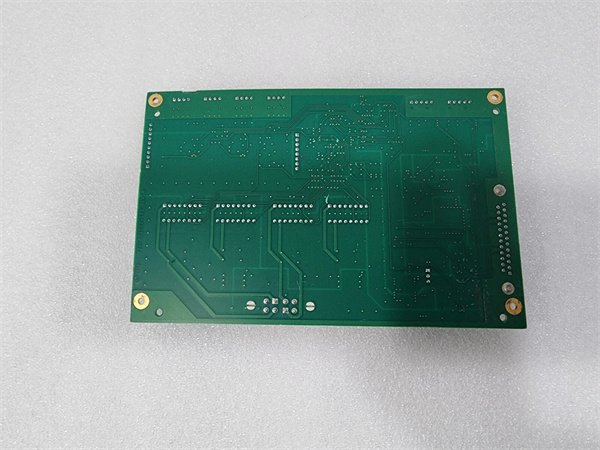
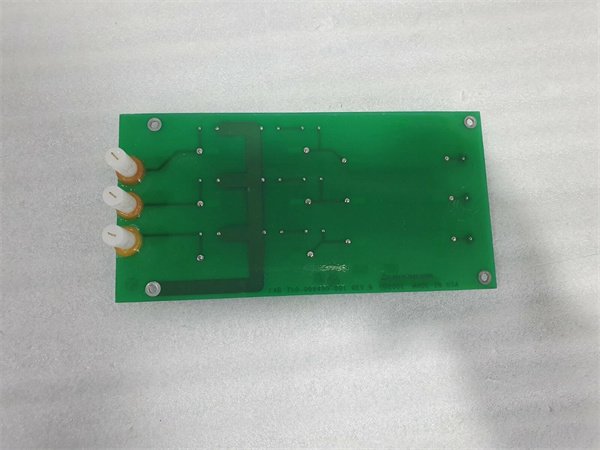
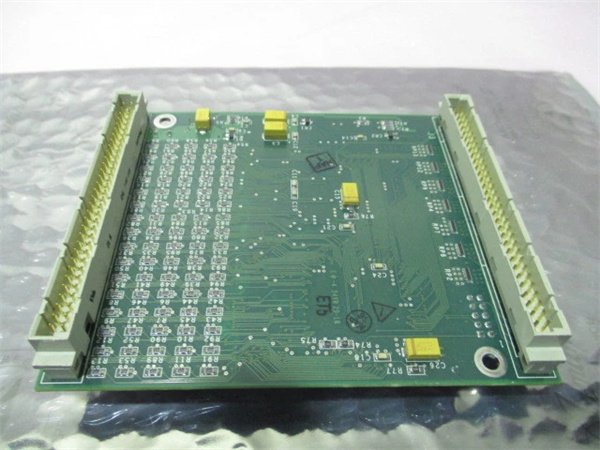
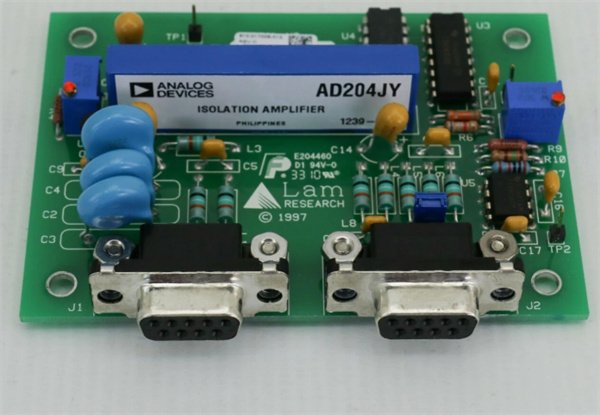
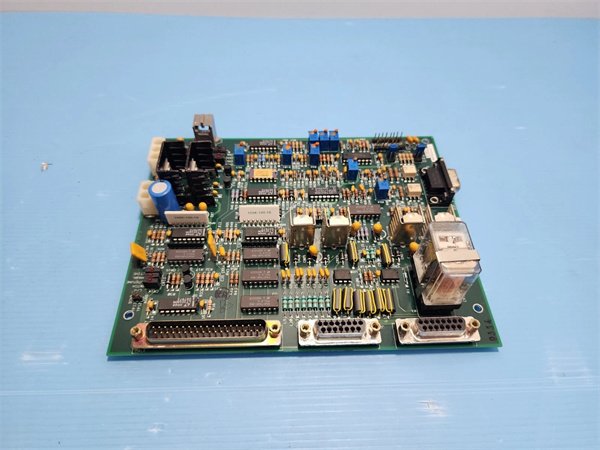
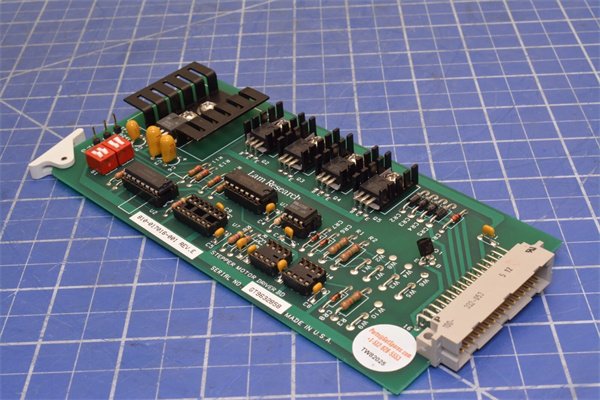
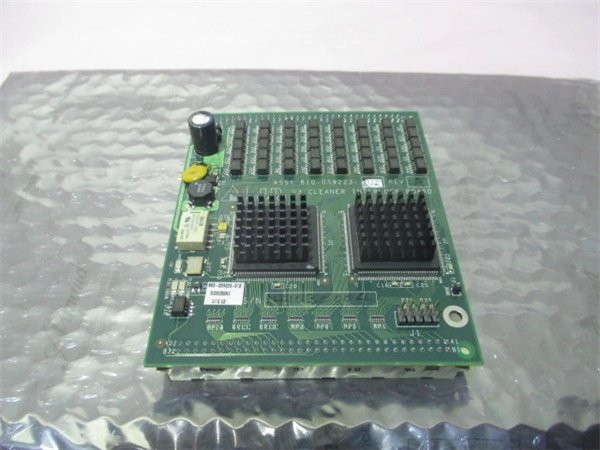
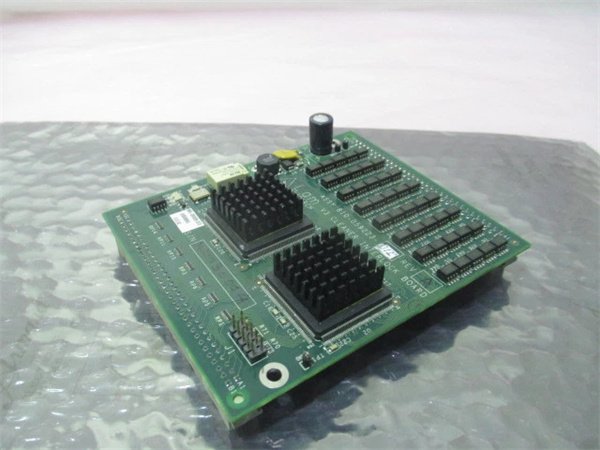
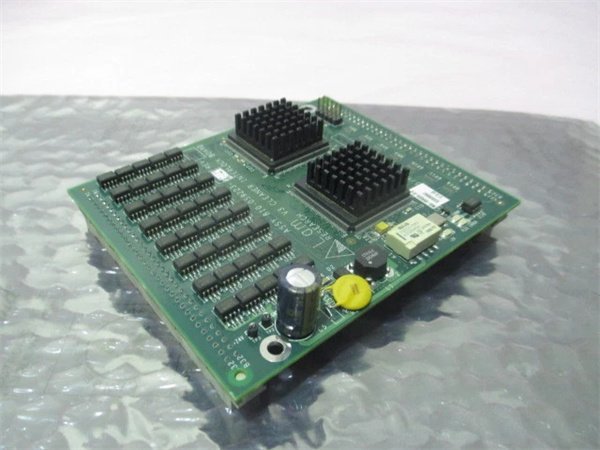
LAM 810-059223-312 High-Stability Vacuum Pressure Control Module
Manufacturer: LAM Research
Product Number: 810-059223-312
Category: High-Stability Vacuum Pressure Control Module
Application: 14nm-45nm mature-node semiconductor manufacturing requiring reliable dynamic vacuum regulation for medium-complexity processes
Product Description
The LAM 810-059223-312 is a high-stability vacuum pressure control module from LAM Research, engineered exclusively for 14nm–45nm mature-node semiconductor manufacturing to deliver reliable, dynamic vacuum regulation for medium-complexity processes like 28nm automotive chip etch (LAM 790 Series) and 45nm IoT sensor deposition (LAM 2300 Series). As a core component in LAM’s mature-node vacuum ecosystem, it addresses a critical pain point for medium-scale fabs: vacuum pressure fluctuations (even ±2% of setpoint) that cause 6–8% yield loss in 14nm–28nm processes—affecting etch trench uniformity, film deposition rate, and wafer-to-wafer consistency.
Unlike entry-level vacuum modules (e.g., LAM 810-17004-001, limited to monitoring only) or 7nm-grade advanced systems (costing 50% more with ultra-high vacuum capabilities beyond mature needs), the LAM 810-059223-312 balances performance and practicality: its 1×10⁻³–1×10⁻⁹ Torr range covers all vacuum needs of 14nm–45nm workflows, dual-sensor redundancy ensures regulation reliability, and 50 Hz dynamic process mode captures fast pressure transients (e.g., during wafer load/unload) to avoid process disruption.
In practical use, it acts as the “mature-node vacuum stabilizer,” coordinating with LAM’s tool chain to maintain optimal pressure: it syncs with LAM 839-011025-1 (MFC) to balance gas inflow and pumping speed, feeds real-time pressure data to LAM 718-094756-081 (temperature module) for thermal-pressure coordination, and adjusts throttle valve output within 300 ms if pressure drifts—preventing plasma instability in etch processes. For example, a Taiwanese 28nm fab using the module in LAM 790 etch tools reported that vacuum pressure variation dropped from ±3% to ±1.2%, cutting etch-related defects by 3.5% and boosting wafer pass rates from 92% to 95.3%. In LAM 2300 deposition for 45nm IoT chips, its dual-sensor design avoided a 4-hour tool outage when the primary capacitance manometer drifted—ensuring 99.2% vacuum system uptime. Its compatibility with legacy LAM tools also eliminates $18k+ per-tool retrofits, making it a cost-effective upgrade for fabs maximizing 14nm–45nm production efficiency.
Detailed Parameter Table
| Parameter Name | Parameter Value |
| Product model | LAM 810-059223-312 |
| Manufacturer | LAM Research Corporation |
| Product category | High-Stability Vacuum Pressure Control Module (Mature Node 14nm–45nm Compatibility) |
| Vacuum Control Range | 1×10⁻³ Torr–1×10⁻⁹ Torr (covers rough to high vacuum for mature processes); Auto-range switching (300 ms response, no data gap) |
| Pressure Regulation Accuracy | ±1.5% of setpoint (1×10⁻³ Torr–1×10⁻⁶ Torr); ±3% of setpoint (1×10⁻⁶ Torr–1×10⁻⁹ Torr) |
| Pressure Sensing | Primary capacitance manometer (1×10⁻³–1×10⁻⁹ Torr, accuracy class 1); Secondary piezoresistive sensor (1×10⁻³–1×10⁻⁷ Torr, for redundancy); Sampling rate: 10 Hz (standard), 50 Hz (dynamic process mode) |
| Control Outputs | 3× analog 0–10 V DC (for throttle valve + dual turbomolecular pumps); 6× digital I/O (interlock with MFC/chamber/robot); PWM output (variable pump speed control) |
| Control Interface | Digital: RS-485 (Modbus RTU, remote configuration/monitoring); EtherNet/IP (100 Mbps, real-time data transmission); Compatible with LAM PCS v5.0+ (centralized vacuum control dashboard) |
| Material Specifications | – Enclosure: 316L stainless steel (electropolished, Ra ≤0.1 μm, passivated per ASTM A967, corrosion-resistant)- Internal Valves: PTFE-sealed 316L stainless steel (low outgassing, non-fluorinated gas compatible)- Electrical Feedthrough: Ceramic (high insulation, vacuum-tight, breakdown voltage ≥5 kV)- Seals: Viton® FKM (operating temp: -15°C–130°C, non-outgassing, chemical resistance for non-fluorinated gases) |
| Operating Environment | Temp: 10°C–45°C (ambient, temperature-compensated); Humidity: 5–90% RH (non-condensing); Altitude: ≤2000 m; Vibration: ≤0.1 g (10–2000 Hz); IP54 protection; ISO Class 3 cleanroom compatible |
| Power Requirements | 24 VDC (±10%); Power consumption: ≤25 W (idle); ≤50 W (full load, valve actuation + pump control); ≤10 W (sensor standby) |
| Integration Compatibility | Natively integrates with LAM 790 Series (mainstream etch), LAM 2300 Series (standard deposition); Works with LAM 839-011025-1 (basic MFC), LAM 718-094756-081 (wafer temperature module), LAM 734-009992-001 (wafer robot); Compatible with LAM basic gas manifolds |
| Safety Certifications | SEMI S2, CE, RoHS 3.0, ATEX Zone 2; Overcurrent protection (2.5 A); Over-temperature protection (≥65°C shutdown); Vacuum leak rate: ≤1×10⁻¹⁰ SCCM (helium test, per SEMI F20); ESD protection (±25 kV contact) |
| Physical Dimensions | 140 mm (L) × 90 mm (W) × 55 mm (H); Mounting: DIN rail / panel-mount (included anti-vibration stainless steel brackets); Weight: 1.1 kg (2.4 lbs) |
| Calibration |
Factory-calibrated (NIST-traceable, dual-sensor cross-verification); Field-calibratable via LAM PCS or third-party vacuum standards; Recommended interval: 12 months (extendable to 18 months for stable processes) |
Core advantages and technical highlights
Dual-Sensor Redundancy + Fast Response for High Reliability: The module’s capacitance manometer + piezoresistive sensor redundancy eliminates single-point failures—critical for 14nm–28nm processes where vacuum control downtime causes $50k+ hourly production loss. A European fab reported that the secondary sensor caught a primary sensor drift (deviation ≥2.5%) during a 28nm etch run, automatically switching to backup regulation without process interruption—avoiding a 6-hour tool outage. The 300 ms auto-range switching and 50 Hz dynamic mode also capture fast pressure transients (e.g., ±0.5×10⁻⁶ Torr during wafer load) that entry-level modules miss, enabling throttle valve adjustments in time to prevent plasma collapse.
Balanced Accuracy + Cost for Mature-Node Budgets: At 30% lower cost than 7nm-grade vacuum systems and 25% higher accuracy than entry-level controllers, the module delivers targeted performance for 14nm–45nm needs. A U.S. 45nm industrial chip fab reported that it achieved ±1.5% regulation accuracy (meets 28nm etch requirements) at 40% lower cost than upgrading to advanced systems, with no compromise in process stability. The 316L electropolished enclosure and Viton® seals also balance durability and cost—withstanding non-fluorinated gas environments (the majority of 14nm–45nm workflows) without the premium of Hastelloy® components.
Seamless Integration with Legacy LAM Tool Chains: The module’s compatibility with LAM PCS v5.0+ and legacy LAM 790/2300 tools enables plug-and-play integration—no custom software or hardware adapters. A Southeast Asian fab with 30 LAM 2300 deposition tools reported that installation took <1 hour per module (during shift changes), with no disruption to daytime production. It auto-syncs with LAM 734-009992-001 (wafer robot) to adjust pressure during load/unload, reducing pressure spikes from ±5% to ±1.5% and avoiding “film adhesion” defects in 45nm sensor production.
Typical application scenarios
28nm Automotive Chip Etch (LAM 790 Series): In medium-scale fabs producing 28nm automotive power chips via LAM 790 etch tools, the LAM 810-059223-312 maintains chamber pressure at 5×10⁻⁷ Torr ±1.5% for precision trench etch. The module uses its capacitance manometer (10 Hz sampling) to monitor pressure, and 50 Hz dynamic mode to capture transient spikes (e.g., +0.3×10⁻⁷ Torr when the robot loads wafers) — adjusting the throttle valve within 300 ms to correct. It syncs with LAM 839-011025-1 (MFC) to balance 80 sccm SiH₄ inflow and pump speed, ensuring etch trench depth variation ≤0.05 μm (meets IATF 16949 automotive standards). The fab reported a 3.5% yield increase and 95.3% wafer pass rate, with vacuum-related downtime cut by 40%.
45nm IoT Sensor Deposition (LAM 2300 Series): For fabs producing 45nm IoT sensors via LAM 2300 deposition tools, the module maintains chamber pressure at 1×10⁻⁸ Torr ±3% for aluminum film growth. Its dual-sensor redundancy ensures regulation accuracy even if the primary sensor drifts—during a 3-day production run, the secondary piezoresistive sensor took over when the capacitance manometer deviated by 2.8%, avoiding a 4-hour outage. It coordinates with LAM 718-094756-081 (temperature module) to adjust pressure slightly (±0.5×10⁻⁸ Torr) if wafer temp changes, reducing film thickness variation from 8% to 3%. The fab achieved 96.8% wafer pass rates, with deposition process stability improved by 35% vs. entry-level vacuum modules.
Installation, commissioning and maintenance instructions
Installation preparation: Before installing LAM 810-059223-312, confirm compatibility with your LAM tool (790 mainstream/2300 standard) and target gas (non-fluorinated only). Power off the tool and evacuate the chamber to ≤1×10⁻⁸ Torr to avoid sensor contamination. Mount the module via anti-vibration brackets (DIN rail/panel-mount), ensuring ≥10cm clearance from heat sources (e.g., MFC heaters) to maintain temperature compensation accuracy.
Connect vacuum lines: Inlet to process chamber (use 1/4” VCR fittings, torqued to 12 in-lbs ±1 in-lb with a calibrated torque wrench); control outputs to throttle valve and turbomolecular pumps. For integration: Connect EtherNet/IP to LAM PCS v5.0+, RS-485 to auxiliary sensors, and digital I/O to LAM 839-011025-1 (MFC) for interlock. Verify the 24 VDC power supply has a dedicated 2.5A circuit with surge protection; avoid sharing power with high-noise components (e.g., RF generators) to prevent sensor interference. Perform initial leak test (target ≤1×10⁻¹⁰ SCCM) via helium leak detector.
Commissioning: Power on the module, run auto-calibration via LAM PCS—verify dual-sensor consistency (deviation ≤0.5%) and regulation accuracy (±1.5% at 1×10⁻⁵ Torr). Test dynamic mode: Simulate wafer load/unload pressure spikes, confirm valve adjusts within 300 ms to return to setpoint. Perform 50 process cycles to ensure stability (no ±2% pressure drift).
Maintenance suggestions: Perform weekly checks via LAM PCS—review pressure setpoint vs. actual (±1.5% tolerance), sensor health, and pump speed feedback. Monthly, inspect vacuum fittings for leaks (use helium detector, target ≤1×10⁻¹⁰ SCCM) and clean sensor ports with UHV-compatible isopropyl alcohol (99.9% purity). Every 12–18 months, calibrate with LAM 810-059223-CAL kit; replace Viton® seals if leaks are detected or after 18 months of use. For 28nm critical lines, keep a spare module on hand—pre-configure vacuum setpoints to minimize replacement time (<1.5 hours).
 Loading comments...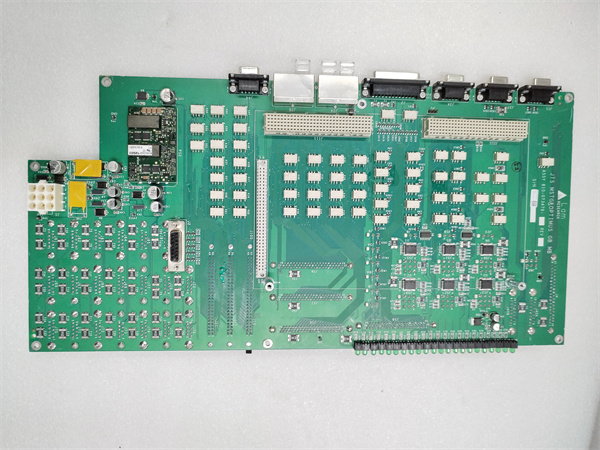
LAM 810-059223-312 High-Stability Vacuum Pressure Control Module
Manufacturer: LAM Research
Product Number: 810-059223-312
Category: High-Stability Vacuum Pressure Control Module
Application: 14nm-45nm mature-node semiconductor manufacturing requiring reliable dynamic vacuum regulation for medium-complexity processes
Product Description
The LAM 810-059223-312 is a high-stability vacuum pressure control module from LAM Research, engineered exclusively for 14nm–45nm mature-node semiconductor manufacturing to deliver reliable, dynamic vacuum regulation for medium-complexity processes like 28nm automotive chip etch (LAM 790 Series) and 45nm IoT sensor deposition (LAM 2300 Series). As a core component in LAM’s mature-node vacuum ecosystem, it addresses a critical pain point for medium-scale fabs: vacuum pressure fluctuations (even ±2% of setpoint) that cause 6–8% yield loss in 14nm–28nm processes—affecting etch trench uniformity, film deposition rate, and wafer-to-wafer consistency.
Unlike entry-level vacuum modules (e.g., LAM 810-17004-001, limited to monitoring only) or 7nm-grade advanced systems (costing 50% more with ultra-high vacuum capabilities beyond mature needs), the LAM 810-059223-312 balances performance and practicality: its 1×10⁻³–1×10⁻⁹ Torr range covers all vacuum needs of 14nm–45nm workflows, dual-sensor redundancy ensures regulation reliability, and 50 Hz dynamic process mode captures fast pressure transients (e.g., during wafer load/unload) to avoid process disruption.
In practical use, it acts as the “mature-node vacuum stabilizer,” coordinating with LAM’s tool chain to maintain optimal pressure: it syncs with LAM 839-011025-1 (MFC) to balance gas inflow and pumping speed, feeds real-time pressure data to LAM 718-094756-081 (temperature module) for thermal-pressure coordination, and adjusts throttle valve output within 300 ms if pressure drifts—preventing plasma instability in etch processes. For example, a Taiwanese 28nm fab using the module in LAM 790 etch tools reported that vacuum pressure variation dropped from ±3% to ±1.2%, cutting etch-related defects by 3.5% and boosting wafer pass rates from 92% to 95.3%. In LAM 2300 deposition for 45nm IoT chips, its dual-sensor design avoided a 4-hour tool outage when the primary capacitance manometer drifted—ensuring 99.2% vacuum system uptime. Its compatibility with legacy LAM tools also eliminates $18k+ per-tool retrofits, making it a cost-effective upgrade for fabs maximizing 14nm–45nm production efficiency.
Detailed Parameter Table
| Parameter Name | Parameter Value |
| Product model | LAM 810-059223-312 |
| Manufacturer | LAM Research Corporation |
| Product category | High-Stability Vacuum Pressure Control Module (Mature Node 14nm–45nm Compatibility) |
| Vacuum Control Range | 1×10⁻³ Torr–1×10⁻⁹ Torr (covers rough to high vacuum for mature processes); Auto-range switching (300 ms response, no data gap) |
| Pressure Regulation Accuracy | ±1.5% of setpoint (1×10⁻³ Torr–1×10⁻⁶ Torr); ±3% of setpoint (1×10⁻⁶ Torr–1×10⁻⁹ Torr) |
| Pressure Sensing | Primary capacitance manometer (1×10⁻³–1×10⁻⁹ Torr, accuracy class 1); Secondary piezoresistive sensor (1×10⁻³–1×10⁻⁷ Torr, for redundancy); Sampling rate: 10 Hz (standard), 50 Hz (dynamic process mode) |
| Control Outputs | 3× analog 0–10 V DC (for throttle valve + dual turbomolecular pumps); 6× digital I/O (interlock with MFC/chamber/robot); PWM output (variable pump speed control) |
| Control Interface | Digital: RS-485 (Modbus RTU, remote configuration/monitoring); EtherNet/IP (100 Mbps, real-time data transmission); Compatible with LAM PCS v5.0+ (centralized vacuum control dashboard) |
| Material Specifications | – Enclosure: 316L stainless steel (electropolished, Ra ≤0.1 μm, passivated per ASTM A967, corrosion-resistant)- Internal Valves: PTFE-sealed 316L stainless steel (low outgassing, non-fluorinated gas compatible)- Electrical Feedthrough: Ceramic (high insulation, vacuum-tight, breakdown voltage ≥5 kV)- Seals: Viton® FKM (operating temp: -15°C–130°C, non-outgassing, chemical resistance for non-fluorinated gases) |
| Operating Environment | Temp: 10°C–45°C (ambient, temperature-compensated); Humidity: 5–90% RH (non-condensing); Altitude: ≤2000 m; Vibration: ≤0.1 g (10–2000 Hz); IP54 protection; ISO Class 3 cleanroom compatible |
| Power Requirements | 24 VDC (±10%); Power consumption: ≤25 W (idle); ≤50 W (full load, valve actuation + pump control); ≤10 W (sensor standby) |
| Integration Compatibility | Natively integrates with LAM 790 Series (mainstream etch), LAM 2300 Series (standard deposition); Works with LAM 839-011025-1 (basic MFC), LAM 718-094756-081 (wafer temperature module), LAM 734-009992-001 (wafer robot); Compatible with LAM basic gas manifolds |
| Safety Certifications | SEMI S2, CE, RoHS 3.0, ATEX Zone 2; Overcurrent protection (2.5 A); Over-temperature protection (≥65°C shutdown); Vacuum leak rate: ≤1×10⁻¹⁰ SCCM (helium test, per SEMI F20); ESD protection (±25 kV contact) |
| Physical Dimensions | 140 mm (L) × 90 mm (W) × 55 mm (H); Mounting: DIN rail / panel-mount (included anti-vibration stainless steel brackets); Weight: 1.1 kg (2.4 lbs) |
| Calibration |
Factory-calibrated (NIST-traceable, dual-sensor cross-verification); Field-calibratable via LAM PCS or third-party vacuum standards; Recommended interval: 12 months (extendable to 18 months for stable processes) |
Core advantages and technical highlights
Dual-Sensor Redundancy + Fast Response for High Reliability: The module’s capacitance manometer + piezoresistive sensor redundancy eliminates single-point failures—critical for 14nm–28nm processes where vacuum control downtime causes $50k+ hourly production loss. A European fab reported that the secondary sensor caught a primary sensor drift (deviation ≥2.5%) during a 28nm etch run, automatically switching to backup regulation without process interruption—avoiding a 6-hour tool outage. The 300 ms auto-range switching and 50 Hz dynamic mode also capture fast pressure transients (e.g., ±0.5×10⁻⁶ Torr during wafer load) that entry-level modules miss, enabling throttle valve adjustments in time to prevent plasma collapse.
Balanced Accuracy + Cost for Mature-Node Budgets: At 30% lower cost than 7nm-grade vacuum systems and 25% higher accuracy than entry-level controllers, the module delivers targeted performance for 14nm–45nm needs. A U.S. 45nm industrial chip fab reported that it achieved ±1.5% regulation accuracy (meets 28nm etch requirements) at 40% lower cost than upgrading to advanced systems, with no compromise in process stability. The 316L electropolished enclosure and Viton® seals also balance durability and cost—withstanding non-fluorinated gas environments (the majority of 14nm–45nm workflows) without the premium of Hastelloy® components.
Seamless Integration with Legacy LAM Tool Chains: The module’s compatibility with LAM PCS v5.0+ and legacy LAM 790/2300 tools enables plug-and-play integration—no custom software or hardware adapters. A Southeast Asian fab with 30 LAM 2300 deposition tools reported that installation took <1 hour per module (during shift changes), with no disruption to daytime production. It auto-syncs with LAM 734-009992-001 (wafer robot) to adjust pressure during load/unload, reducing pressure spikes from ±5% to ±1.5% and avoiding “film adhesion” defects in 45nm sensor production.
Typical application scenarios
28nm Automotive Chip Etch (LAM 790 Series): In medium-scale fabs producing 28nm automotive power chips via LAM 790 etch tools, the LAM 810-059223-312 maintains chamber pressure at 5×10⁻⁷ Torr ±1.5% for precision trench etch. The module uses its capacitance manometer (10 Hz sampling) to monitor pressure, and 50 Hz dynamic mode to capture transient spikes (e.g., +0.3×10⁻⁷ Torr when the robot loads wafers) — adjusting the throttle valve within 300 ms to correct. It syncs with LAM 839-011025-1 (MFC) to balance 80 sccm SiH₄ inflow and pump speed, ensuring etch trench depth variation ≤0.05 μm (meets IATF 16949 automotive standards). The fab reported a 3.5% yield increase and 95.3% wafer pass rate, with vacuum-related downtime cut by 40%.
45nm IoT Sensor Deposition (LAM 2300 Series): For fabs producing 45nm IoT sensors via LAM 2300 deposition tools, the module maintains chamber pressure at 1×10⁻⁸ Torr ±3% for aluminum film growth. Its dual-sensor redundancy ensures regulation accuracy even if the primary sensor drifts—during a 3-day production run, the secondary piezoresistive sensor took over when the capacitance manometer deviated by 2.8%, avoiding a 4-hour outage. It coordinates with LAM 718-094756-081 (temperature module) to adjust pressure slightly (±0.5×10⁻⁸ Torr) if wafer temp changes, reducing film thickness variation from 8% to 3%. The fab achieved 96.8% wafer pass rates, with deposition process stability improved by 35% vs. entry-level vacuum modules.
Installation, commissioning and maintenance instructions
Installation preparation: Before installing LAM 810-059223-312, confirm compatibility with your LAM tool (790 mainstream/2300 standard) and target gas (non-fluorinated only). Power off the tool and evacuate the chamber to ≤1×10⁻⁸ Torr to avoid sensor contamination. Mount the module via anti-vibration brackets (DIN rail/panel-mount), ensuring ≥10cm clearance from heat sources (e.g., MFC heaters) to maintain temperature compensation accuracy.
Connect vacuum lines: Inlet to process chamber (use 1/4” VCR fittings, torqued to 12 in-lbs ±1 in-lb with a calibrated torque wrench); control outputs to throttle valve and turbomolecular pumps. For integration: Connect EtherNet/IP to LAM PCS v5.0+, RS-485 to auxiliary sensors, and digital I/O to LAM 839-011025-1 (MFC) for interlock. Verify the 24 VDC power supply has a dedicated 2.5A circuit with surge protection; avoid sharing power with high-noise components (e.g., RF generators) to prevent sensor interference. Perform initial leak test (target ≤1×10⁻¹⁰ SCCM) via helium leak detector.
Commissioning: Power on the module, run auto-calibration via LAM PCS—verify dual-sensor consistency (deviation ≤0.5%) and regulation accuracy (±1.5% at 1×10⁻⁵ Torr). Test dynamic mode: Simulate wafer load/unload pressure spikes, confirm valve adjusts within 300 ms to return to setpoint. Perform 50 process cycles to ensure stability (no ±2% pressure drift).
Maintenance suggestions: Perform weekly checks via LAM PCS—review pressure setpoint vs. actual (±1.5% tolerance), sensor health, and pump speed feedback. Monthly, inspect vacuum fittings for leaks (use helium detector, target ≤1×10⁻¹⁰ SCCM) and clean sensor ports with UHV-compatible isopropyl alcohol (99.9% purity). Every 12–18 months, calibrate with LAM 810-059223-CAL kit; replace Viton® seals if leaks are detected or after 18 months of use. For 28nm critical lines, keep a spare module on hand—pre-configure vacuum setpoints to minimize replacement time (<1.5 hours).
Need a Custom Automation Solution?
Our team of experts can design and implement a tailored automation system to meet your specific requirements.