
Our Products
Comprehensive industrial automation solutions for global industries
Contact us
If you are interested in our products and want to know more details,please Contact us,we will reply you as soon as we can.
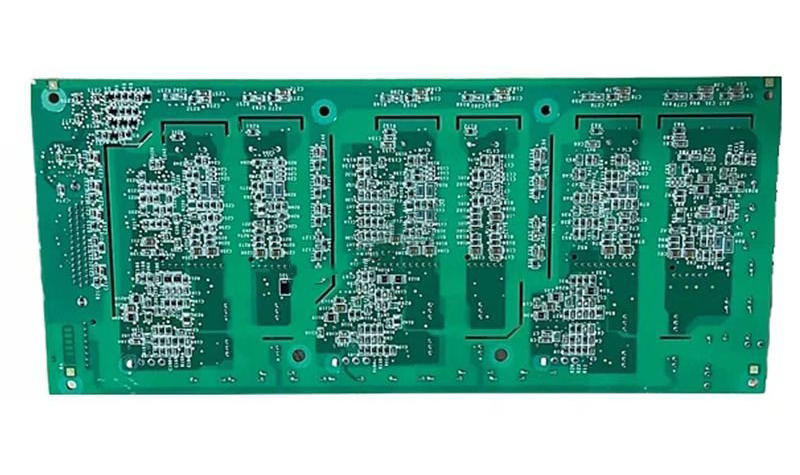
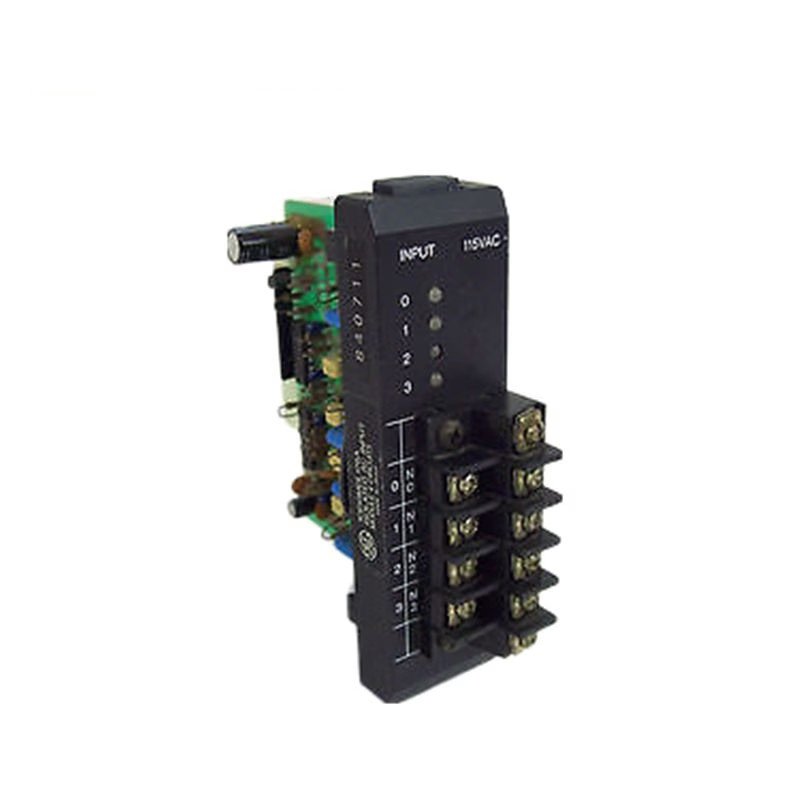
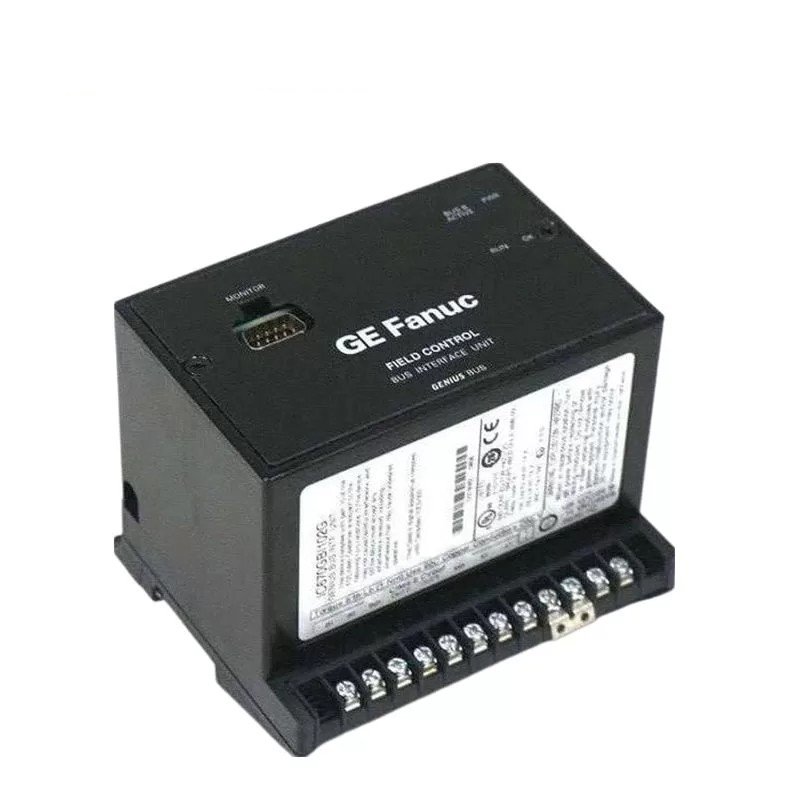
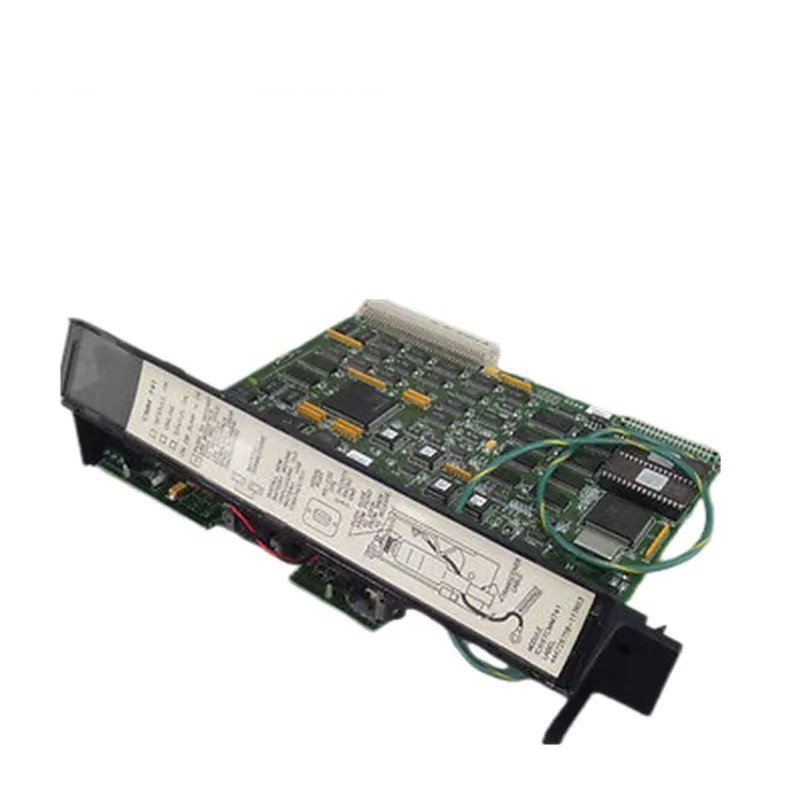
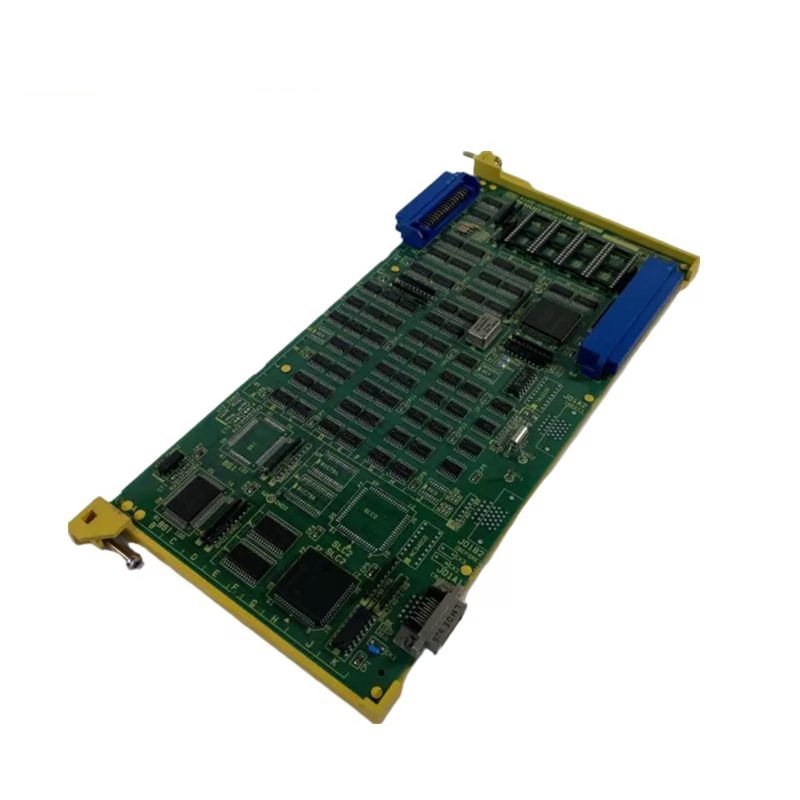
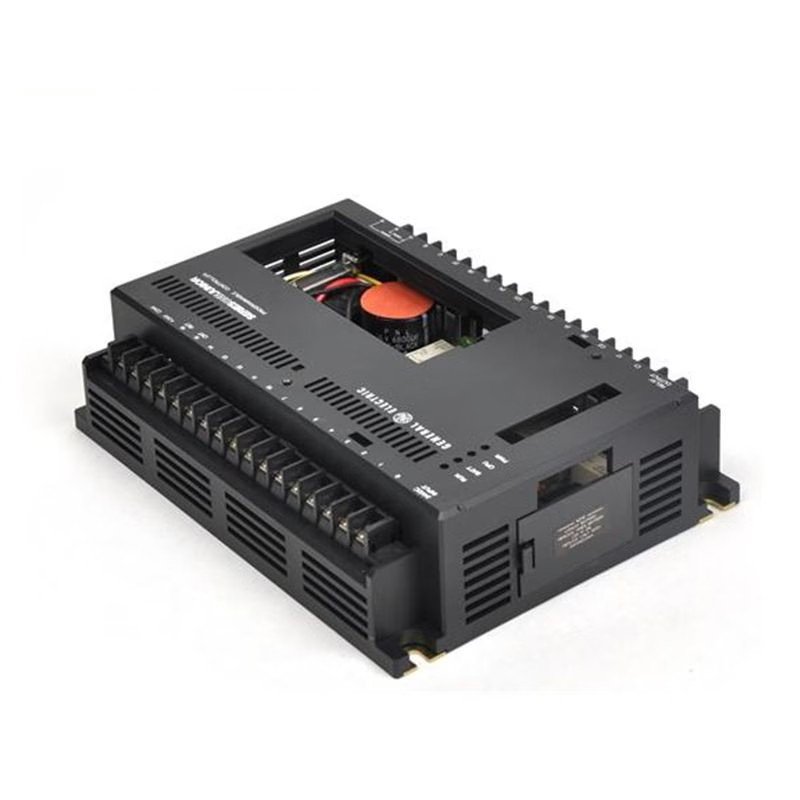
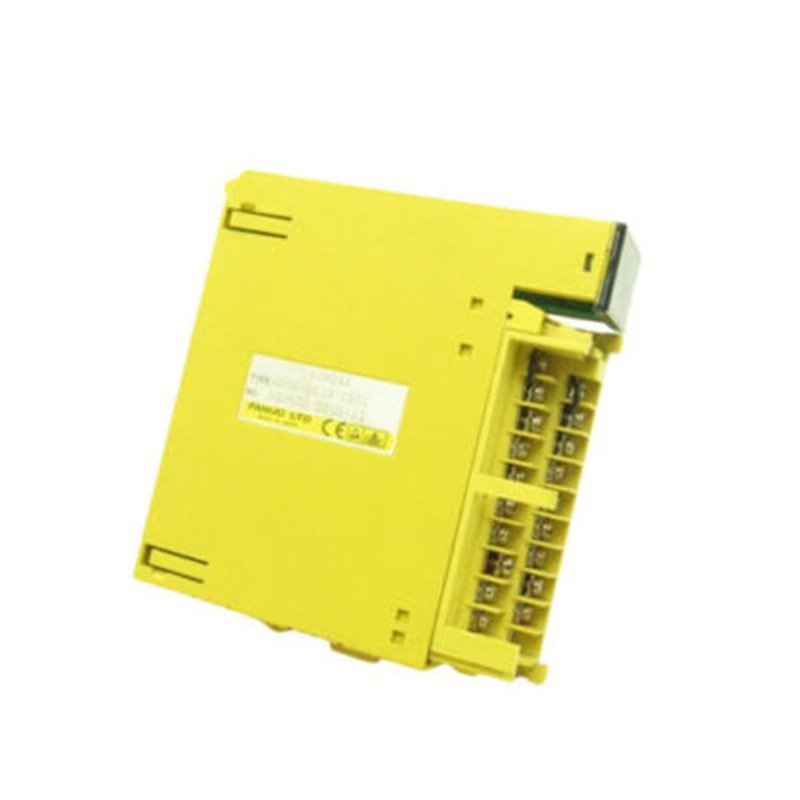
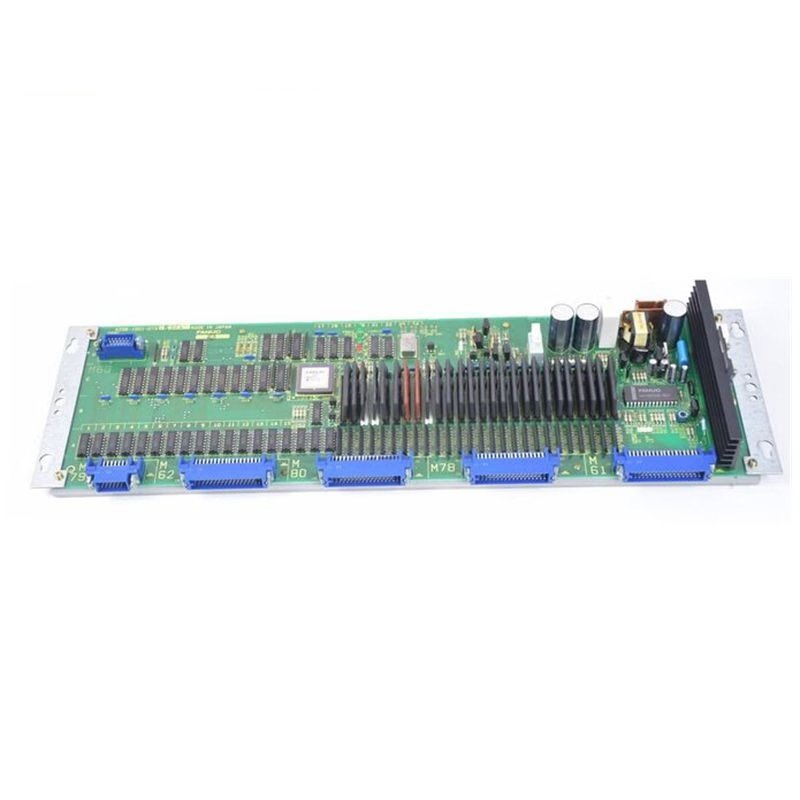
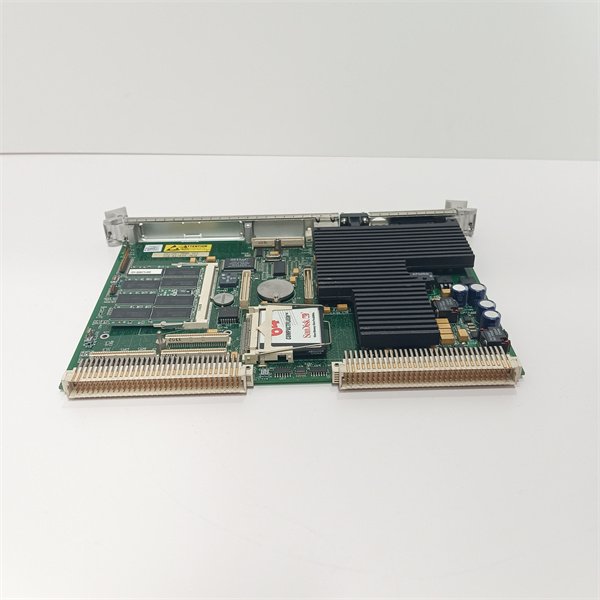
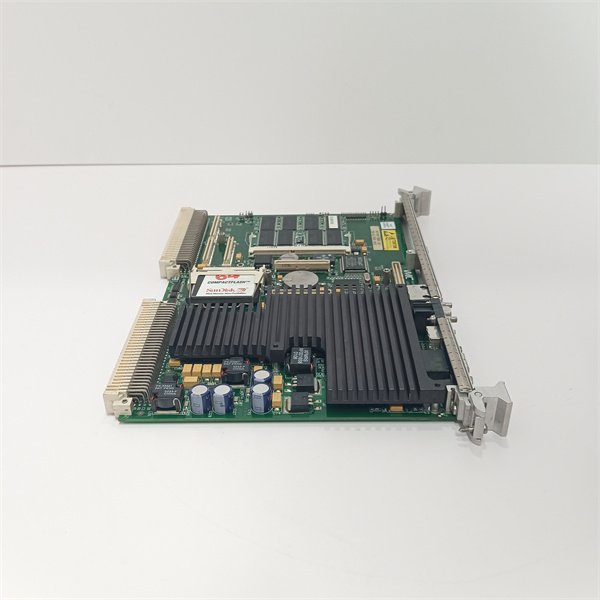
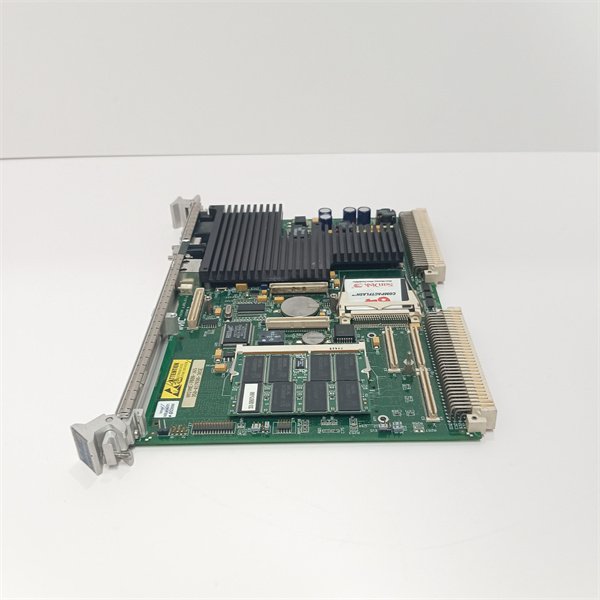
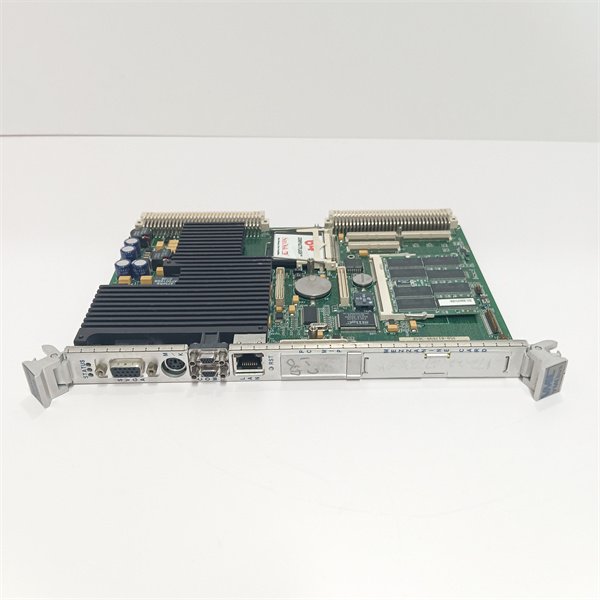
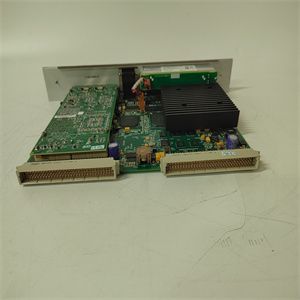
General Electric VMIVME-7698 VMEbus Serial Communication Board
Manufacturer: General Electric
Product Number: VMIVME-7698
Category: VMEbus Serial Communication Board
Number of Serial Ports: 4
Interface Types: RS-232, RS-422, RS-485
Baud Rate: Up to 115.2 kbps
Form Factor: 6U VMEbus
Operating Temperature: 0°C to +70°C
Power Supply: 5 V DC (from backplane)
Product Description
The GE VMIVME – 7698 is a high – performance serial communication board engineered for VMEbus – based systems. It is a testament to GE’s expertise in providing advanced solutions for industrial and embedded applications that require reliable and high – speed serial data transfer. This board simplifies the process of integrating multiple serial devices into a single VME – based system, making it an ideal choice for a wide range of industries, from manufacturing and automation to telecommunications and data acquisition.
Detailed Parameter Table
| Parameter name | Parameter value |
| Product model | VMIVME – 7698 |
| Manufacturer | GE (General Electric) |
| Product category | High – Performance VMEbus Serial Communication Board |
| Serial ports | 8 independent serial ports |
| Communication protocols | Supports RS – 232, RS – 422, and RS – 485 protocols; configurable for each port |
| Data rates | Programmable data rates from 300 bps to 921.6 kbps |
| Baud rate accuracy | ±0.25% |
| Data bits | 5 – 8 bits selectable per port |
| Stop bits | 1, 1.5, or 2 bits selectable per port |
| Parity | None, odd, even, mark, or space parity selectable per port |
| Buffer memory | On – board FIFO (First – In – First – Out) buffers for each port; typically 256 bytes per FIFO |
| Isolation | Opto – isolation for all serial ports, isolation voltage up to 2500 VDC |
| Bus interface | VMEbus, compliant with VME32 standard |
| Form factor | Single eurocard |
| Operating temperature range | – 40 °C to 85 °C |
| Storage temperature range | – 55 °C to 125 °C |
| Humidity | 5% – 95% RH non – condensing |
| Dimensions | Approximately 6.8″ x 4.3″ |
| Weight | Approximately 350 g |
| Warranty | 12 months |
Core Advantages and Technical Highlights
Multiple high – speed serial ports: Equipped with 8 independent serial ports, the VMIVME – 7698 can simultaneously interface with a large number of serial – connected devices. This is extremely useful in industrial settings where there are numerous sensors, actuators, or other peripherals that communicate via serial protocols. Each port can be configured to support different serial communication protocols (RS – 232, RS – 422, or RS – 485), allowing for seamless integration with a diverse range of devices. The ability to operate at data rates from 300 bps to 921.6 kbps ensures that the board can handle both slow – speed and high – speed serial data transfer requirements.
Flexible protocol and parameter configuration: The board offers extensive flexibility in terms of protocol and parameter settings. For each port, users can select the number of data bits (5 – 8 bits), the number of stop bits (1, 1.5, or 2 bits), and the type of parity (none, odd, even, mark, or space parity). This level of configurability enables the VMIVME – 7698 to be easily adapted to different serial communication standards and device requirements. Whether it’s communicating with legacy equipment that uses a specific combination of data bits and parity or with modern high – speed serial devices, the board can be customized to meet the needs of the application.
Optical isolation for enhanced reliability: Similar to other GE industrial products, the VMIVME – 7698 incorporates opto – isolation technology for all its serial ports. With an isolation voltage of up to 2500 VDC, this isolation effectively protects the board and connected devices from electrical noise, ground loops, and voltage transients. In industrial environments where electrical interference is common, this feature ensures stable and error – free serial communication. It also helps to prevent damage to the board and connected equipment in case of electrical malfunctions, increasing the overall reliability and lifespan of the system.
On – board buffer memory: Each serial port on the VMIVME – 7698 is equipped with an on – board FIFO buffer, typically 256 bytes in size. These buffers play a crucial role in managing the data flow between the serial devices and the VMEbus. They can temporarily store incoming and outgoing data, reducing the likelihood of data loss during high – speed data transfer or when the host system is busy. The FIFO buffers help to smooth out any differences in data transfer rates between the serial devices and the VMEbus, ensuring efficient and reliable communication.
Typical Application Scenarios
Industrial automation: In manufacturing plants, the VMIVME – 7698 can be used to connect a variety of serial – based devices such as programmable logic controllers (PLCs), sensors, and actuators. For example, it can communicate with temperature sensors, pressure sensors, and flow meters that use serial communication protocols to send data to a central control system. The board can also be used to control serial – controlled actuators like solenoid valves or stepper motors. By integrating multiple serial devices into a single VME – based system, it enables more efficient monitoring and control of industrial processes, improving productivity and reducing the complexity of the overall system.
Telecommunications: In telecommunications infrastructure, the VMIVME – 7698 can be used to interface with various serial – based communication devices. It can connect to modems, multiplexers, or other serial – based networking equipment. For instance, in a remote communication station, the board can be used to manage the serial data transfer between different communication modules, ensuring seamless communication between the station and other parts of the network. The board’s ability to support multiple serial ports and different communication protocols makes it suitable for handling the diverse serial communication requirements in telecommunications applications.
Data acquisition systems: In data acquisition setups, the VMIVME – 7698 can be used to collect data from a large number of serial – connected sensors. In environmental monitoring applications, it can interface with sensors that measure humidity, air quality, and weather conditions, all of which may use serial communication to transmit data. The board can then transfer this data to a data acquisition computer for further analysis. The high – speed data transfer capabilities and multiple port configuration of the VMIVME – 7698 allow for efficient and simultaneous data collection from multiple sensors, enabling real – time monitoring and accurate data logging.
Installation Commissioning and Maintenance Instructions
Installation preparation: Before installing the VMIVME – 7698, ensure that the VMEbus backplane in which it will be installed is powered off. Use anti – static wristbands and other static – control measures to prevent electrostatic discharge (ESD) damage to the board. Check that the physical dimensions of the installation location are compatible with the board’s single eurocard form factor. Verify that the power supply in the system can meet the board’s power requirements.
Commissioning: Once installed, power on the system. Use the appropriate software or control interface to configure the serial port parameters for each port, including the communication protocol (RS – 232, RS – 422, or RS – 485), data rate, data bits, stop bits, and parity. Test each serial port by sending and receiving data to a known serial device and verifying the data integrity. Check for any signs of overheating or abnormal operation during the initial testing phase.
Maintenance suggestions: Regularly perform visual inspections of the VMIVME – 7698 for any signs of physical damage, such as bent pins or discolored components. Check for loose connections on the board and in the VMEbus backplane. Monitor the operating temperature of the board, especially in high – temperature environments, to ensure it remains within the specified range. If any serial ports fail to operate correctly, use diagnostic tools to check for electrical faults, such as short – circuits or open – circuits. Replace the board if any irreparable damage is detected.
 Loading comments...
General Electric VMIVME-7698 VMEbus Serial Communication Board
Manufacturer: General Electric
Product Number: VMIVME-7698
Category: VMEbus Serial Communication Board
Number of Serial Ports: 4
Interface Types: RS-232, RS-422, RS-485
Baud Rate: Up to 115.2 kbps
Form Factor: 6U VMEbus
Operating Temperature: 0°C to +70°C
Power Supply: 5 V DC (from backplane)
Product Description
The GE VMIVME – 7698 is a high – performance serial communication board engineered for VMEbus – based systems. It is a testament to GE’s expertise in providing advanced solutions for industrial and embedded applications that require reliable and high – speed serial data transfer. This board simplifies the process of integrating multiple serial devices into a single VME – based system, making it an ideal choice for a wide range of industries, from manufacturing and automation to telecommunications and data acquisition.
Detailed Parameter Table
| Parameter name | Parameter value |
| Product model | VMIVME – 7698 |
| Manufacturer | GE (General Electric) |
| Product category | High – Performance VMEbus Serial Communication Board |
| Serial ports | 8 independent serial ports |
| Communication protocols | Supports RS – 232, RS – 422, and RS – 485 protocols; configurable for each port |
| Data rates | Programmable data rates from 300 bps to 921.6 kbps |
| Baud rate accuracy | ±0.25% |
| Data bits | 5 – 8 bits selectable per port |
| Stop bits | 1, 1.5, or 2 bits selectable per port |
| Parity | None, odd, even, mark, or space parity selectable per port |
| Buffer memory | On – board FIFO (First – In – First – Out) buffers for each port; typically 256 bytes per FIFO |
| Isolation | Opto – isolation for all serial ports, isolation voltage up to 2500 VDC |
| Bus interface | VMEbus, compliant with VME32 standard |
| Form factor | Single eurocard |
| Operating temperature range | – 40 °C to 85 °C |
| Storage temperature range | – 55 °C to 125 °C |
| Humidity | 5% – 95% RH non – condensing |
| Dimensions | Approximately 6.8″ x 4.3″ |
| Weight | Approximately 350 g |
| Warranty | 12 months |
Core Advantages and Technical Highlights
Multiple high – speed serial ports: Equipped with 8 independent serial ports, the VMIVME – 7698 can simultaneously interface with a large number of serial – connected devices. This is extremely useful in industrial settings where there are numerous sensors, actuators, or other peripherals that communicate via serial protocols. Each port can be configured to support different serial communication protocols (RS – 232, RS – 422, or RS – 485), allowing for seamless integration with a diverse range of devices. The ability to operate at data rates from 300 bps to 921.6 kbps ensures that the board can handle both slow – speed and high – speed serial data transfer requirements.
Flexible protocol and parameter configuration: The board offers extensive flexibility in terms of protocol and parameter settings. For each port, users can select the number of data bits (5 – 8 bits), the number of stop bits (1, 1.5, or 2 bits), and the type of parity (none, odd, even, mark, or space parity). This level of configurability enables the VMIVME – 7698 to be easily adapted to different serial communication standards and device requirements. Whether it’s communicating with legacy equipment that uses a specific combination of data bits and parity or with modern high – speed serial devices, the board can be customized to meet the needs of the application.
Optical isolation for enhanced reliability: Similar to other GE industrial products, the VMIVME – 7698 incorporates opto – isolation technology for all its serial ports. With an isolation voltage of up to 2500 VDC, this isolation effectively protects the board and connected devices from electrical noise, ground loops, and voltage transients. In industrial environments where electrical interference is common, this feature ensures stable and error – free serial communication. It also helps to prevent damage to the board and connected equipment in case of electrical malfunctions, increasing the overall reliability and lifespan of the system.
On – board buffer memory: Each serial port on the VMIVME – 7698 is equipped with an on – board FIFO buffer, typically 256 bytes in size. These buffers play a crucial role in managing the data flow between the serial devices and the VMEbus. They can temporarily store incoming and outgoing data, reducing the likelihood of data loss during high – speed data transfer or when the host system is busy. The FIFO buffers help to smooth out any differences in data transfer rates between the serial devices and the VMEbus, ensuring efficient and reliable communication.
Typical Application Scenarios
Industrial automation: In manufacturing plants, the VMIVME – 7698 can be used to connect a variety of serial – based devices such as programmable logic controllers (PLCs), sensors, and actuators. For example, it can communicate with temperature sensors, pressure sensors, and flow meters that use serial communication protocols to send data to a central control system. The board can also be used to control serial – controlled actuators like solenoid valves or stepper motors. By integrating multiple serial devices into a single VME – based system, it enables more efficient monitoring and control of industrial processes, improving productivity and reducing the complexity of the overall system.
Telecommunications: In telecommunications infrastructure, the VMIVME – 7698 can be used to interface with various serial – based communication devices. It can connect to modems, multiplexers, or other serial – based networking equipment. For instance, in a remote communication station, the board can be used to manage the serial data transfer between different communication modules, ensuring seamless communication between the station and other parts of the network. The board’s ability to support multiple serial ports and different communication protocols makes it suitable for handling the diverse serial communication requirements in telecommunications applications.
Data acquisition systems: In data acquisition setups, the VMIVME – 7698 can be used to collect data from a large number of serial – connected sensors. In environmental monitoring applications, it can interface with sensors that measure humidity, air quality, and weather conditions, all of which may use serial communication to transmit data. The board can then transfer this data to a data acquisition computer for further analysis. The high – speed data transfer capabilities and multiple port configuration of the VMIVME – 7698 allow for efficient and simultaneous data collection from multiple sensors, enabling real – time monitoring and accurate data logging.
Installation Commissioning and Maintenance Instructions
Installation preparation: Before installing the VMIVME – 7698, ensure that the VMEbus backplane in which it will be installed is powered off. Use anti – static wristbands and other static – control measures to prevent electrostatic discharge (ESD) damage to the board. Check that the physical dimensions of the installation location are compatible with the board’s single eurocard form factor. Verify that the power supply in the system can meet the board’s power requirements.
Commissioning: Once installed, power on the system. Use the appropriate software or control interface to configure the serial port parameters for each port, including the communication protocol (RS – 232, RS – 422, or RS – 485), data rate, data bits, stop bits, and parity. Test each serial port by sending and receiving data to a known serial device and verifying the data integrity. Check for any signs of overheating or abnormal operation during the initial testing phase.
Maintenance suggestions: Regularly perform visual inspections of the VMIVME – 7698 for any signs of physical damage, such as bent pins or discolored components. Check for loose connections on the board and in the VMEbus backplane. Monitor the operating temperature of the board, especially in high – temperature environments, to ensure it remains within the specified range. If any serial ports fail to operate correctly, use diagnostic tools to check for electrical faults, such as short – circuits or open – circuits. Replace the board if any irreparable damage is detected.
Need a Custom Automation Solution?
Our team of experts can design and implement a tailored automation system to meet your specific requirements.