
Our Products
Comprehensive industrial automation solutions for global industries
Contact us
If you are interested in our products and want to know more details,please Contact us,we will reply you as soon as we can.
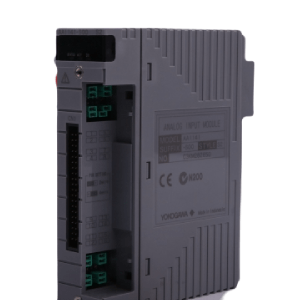
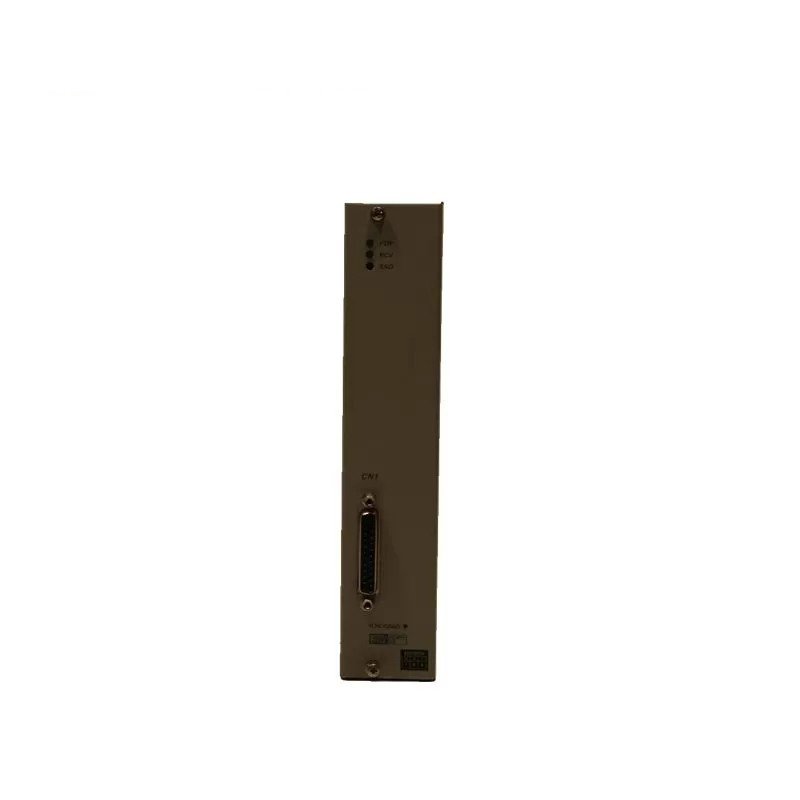
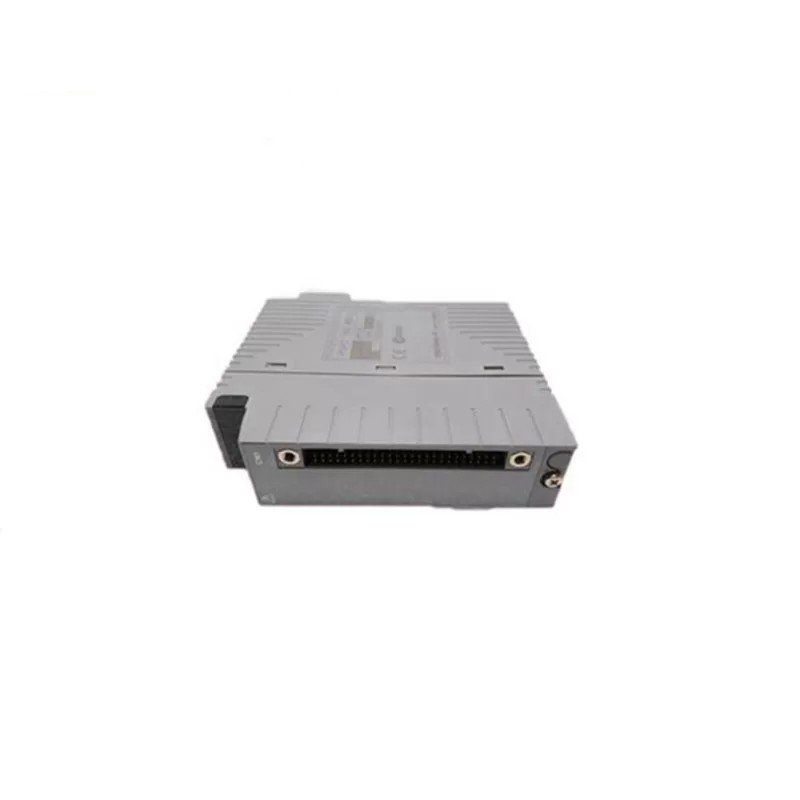

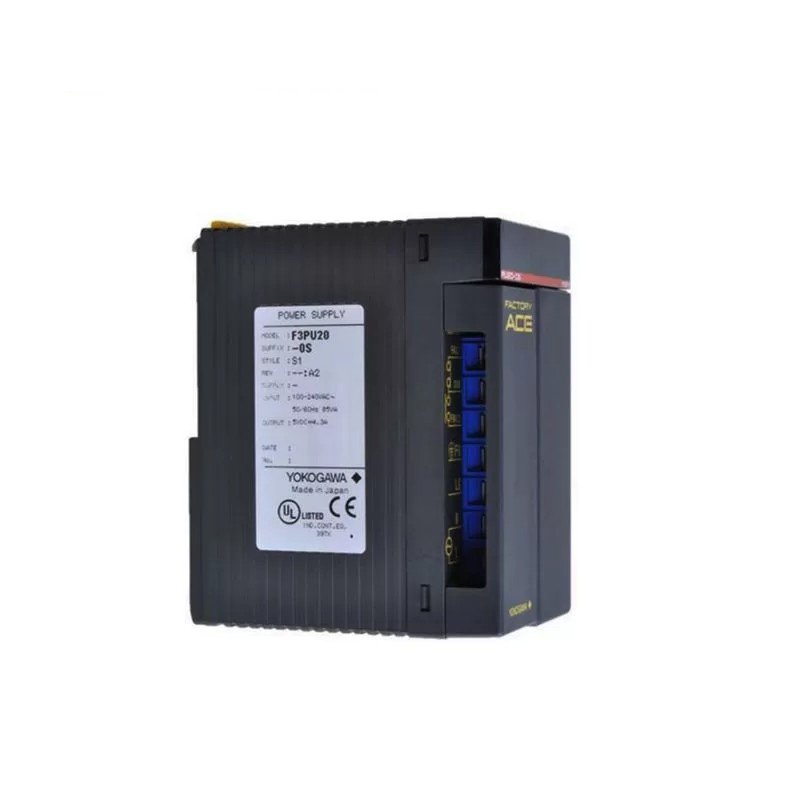
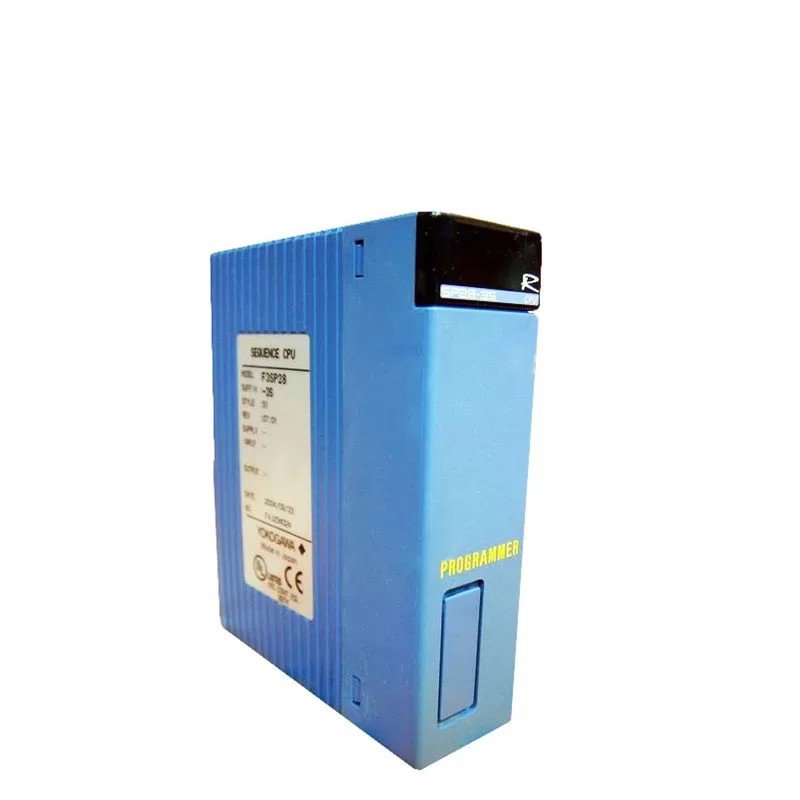
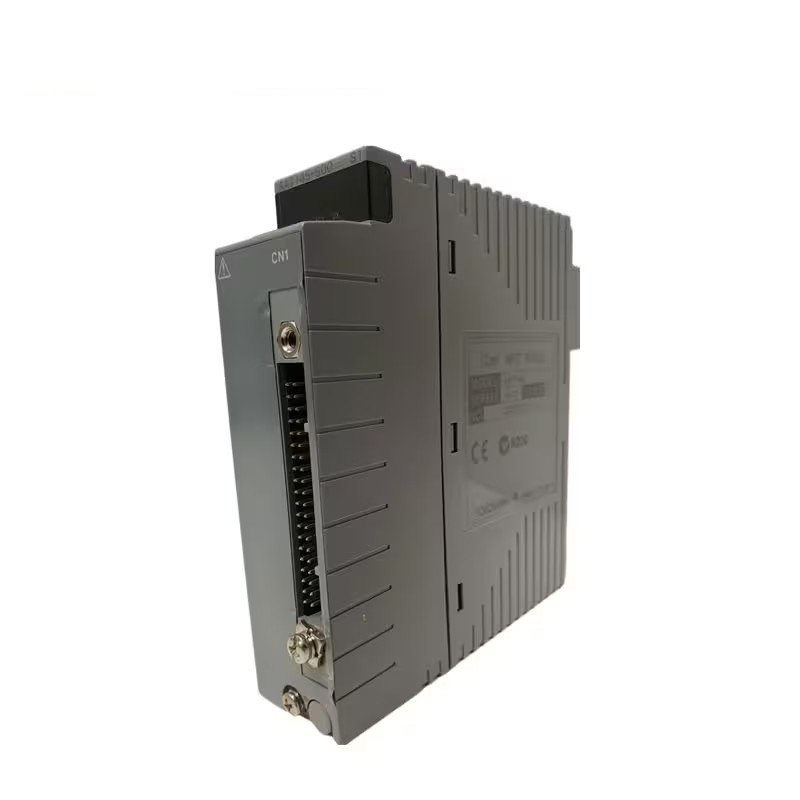
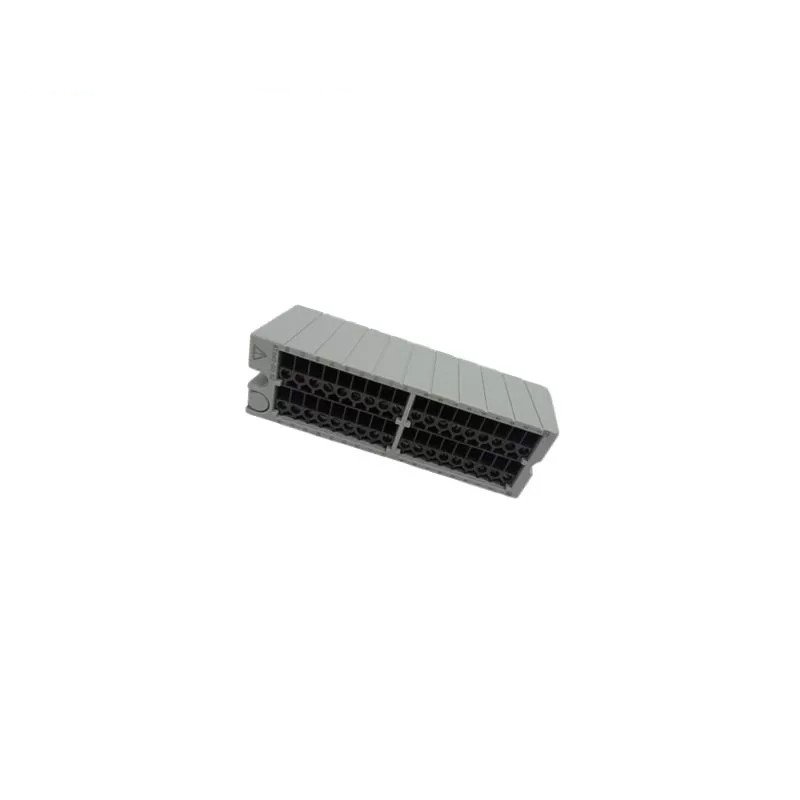

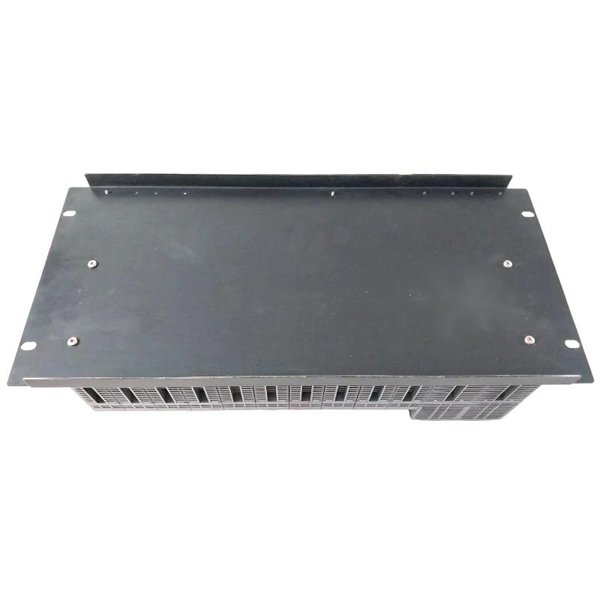

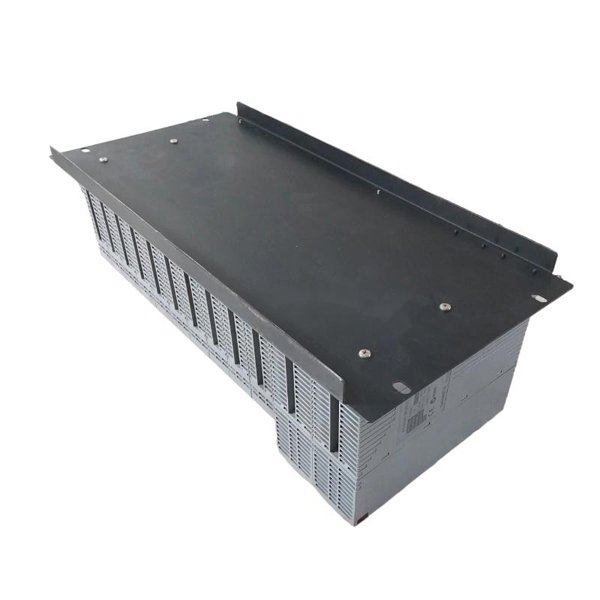
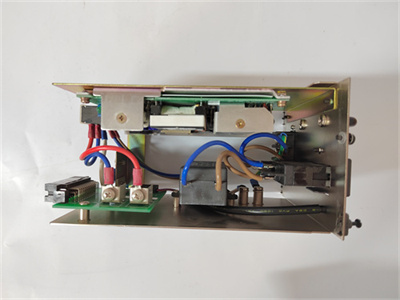
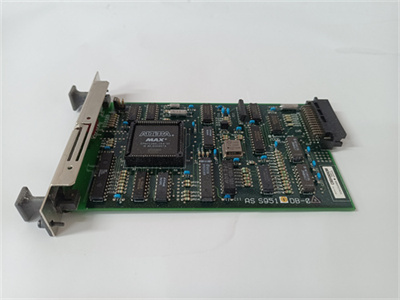
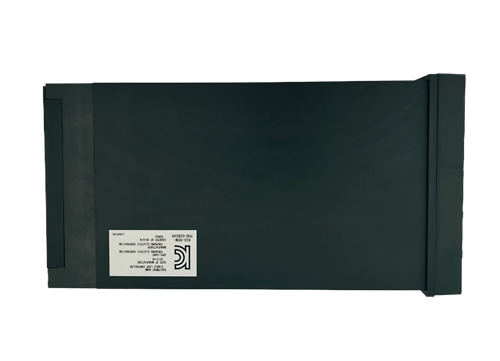
Yokogawa ANR11D-410 Optical ESB Bus Node Unit
Manufacturer:Yokogawa
Product Number:ANR11D-410
Product Type:Optical ESB Bus Node Unit
Origin:Japan
Dimensions:130 x 100 x 40 mm
Weight:0.4 kg
Views:30
Payment Methods:T/T, PayPal, Western Union
Condition:New & In Stock
Warranty:1 Year
Lead Time:1-3 Working Days
Certificate:COO
Courier partners:DHL, UPS, TNT, FedEx and EMS.
Business hours:7*24
Product Description
The Yokogawa ANR11D-410 Optical ESB Bus Node Unit is an advanced communication component designed for integration into Yokogawa’s distributed control system (DCS) architecture. It serves as a critical node in an Optical ESB (Enhanced System Bus) network, providing high-speed, deterministic data transfer for demanding industrial automation environments. By leveraging optical communication technology, the unit ensures superior signal integrity, immunity to electromagnetic interference, and long-distance data transmission capability.
Engineered for use in mission-critical control applications, the ANR11D-410 offers robust connectivity between controllers, I/O modules, and other network components, making it ideal for systems requiring exceptional reliability and fault tolerance. This unit plays a key role in process industries, ensuring seamless and redundant communication channels for real-time process monitoring and control.
Product Specifications
| Parameter | Value |
|---|---|
| Model Number | ANR11D-410 |
| Manufacturer | Yokogawa Electric Corporation |
| Function | Optical ESB Bus Node Unit for networked control |
| Communication Protocol | Optical ESB (Enhanced System Bus) |
| Transmission Medium | Fiber Optic Cable (Single-Mode/Multimode supported) |
| Data Transmission Rate | High-speed, deterministic for real-time control |
| Network Topology | Redundant ring architecture |
| Power Supply | 24 V DC (Nominal) |
| Power Consumption | Approx. 8 W |
| Operating Temperature | -20°C to +60°C |
| Storage Temperature | -40°C to +85°C |
| Humidity Range | 5% to 95% RH (Non-condensing) |
| Protection Rating | IP20 |
| Compliance & Certification | CE, UL, CSA |
| Mounting Options | DIN rail or panel mount |
| Indicators | Power, link, communication, and fault status LEDs |
| Dimensions (H × W × D) | 130 x 100 x 40 mm |
| Weight | 0.4 kg |
Product Applications
The ANR11D-410 Optical ESB Bus Node Unit is widely deployed in systems where high-speed, interference-free communication is essential. Common applications include:
-
Power Generation: Facilitates seamless data transfer in turbine control and distributed energy systems.
-
Oil & Gas Industry: Provides robust connectivity for refining, pipeline monitoring, and offshore platforms.
-
Chemical and Petrochemical Plants: Enables real-time data exchange in hazardous environments where EMI immunity is critical.
-
Pharmaceutical Manufacturing: Ensures reliable communication for batch process automation.
-
Heavy Manufacturing & Process Control: Integrates field devices and controllers for efficient and safe operation.
Product Advantages
-
High-Speed Optical Communication: Delivers fast and stable data transmission, ensuring system responsiveness.
-
Superior EMI Immunity: Optical fiber technology eliminates electromagnetic interference issues.
-
Redundant Network Architecture: Built-in redundancy guarantees continuous operation even during link failures.
-
Extended Transmission Distance: Supports long-distance communication without signal degradation.
-
Advanced Diagnostics: LED indicators and self-monitoring features simplify maintenance and fault isolation.
-
Durable Industrial Design: Withstands harsh environmental conditions, ensuring reliability in critical processes.
Frequently Asked Questions (FAQ)
-
What type of communication protocol does the ANR11D-410 use?
It uses the Optical ESB (Enhanced System Bus) protocol.
-
What is the main advantage of optical communication in this unit?
It ensures high-speed, interference-free data transfer over long distances.
-
Does this unit support network redundancy?
Yes, it supports a redundant ring network architecture for fault tolerance.
-
Which fiber optic cables are compatible with this unit?
It supports both single-mode and multimode fiber optic cables.
-
Can the ANR11D-410 integrate with Yokogawa CENTUM VP systems?
Yes, it is fully compatible with Yokogawa’s CENTUM VP DCS.
-
What indicators are available for status monitoring?
LEDs for power, communication, link integrity, and fault detection.
-
Does it require a specific power supply?
Yes, it operates on a nominal 24 V DC power supply.
-
Is it possible to upgrade the firmware?
Yes, firmware upgrades can be performed via the Optical ESB interface.
-
What is the typical power consumption of this unit?
Approximately 8 W under normal operating conditions.
-
How does it ensure communication reliability?
Through redundant communication paths and robust error-checking mechanisms.
 Loading comments...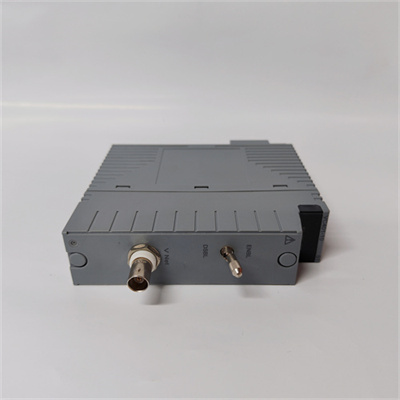
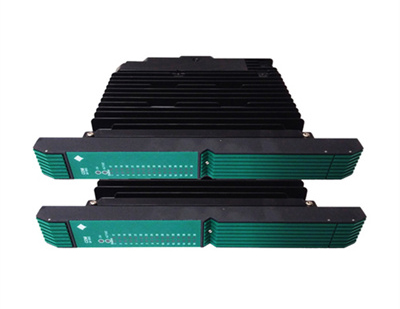
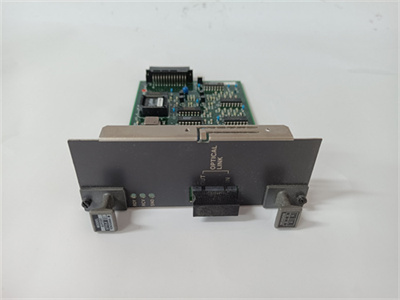
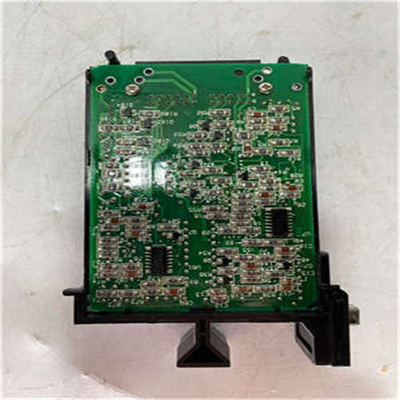
Yokogawa ANR11D-410 Optical ESB Bus Node Unit
Manufacturer:Yokogawa
Product Number:ANR11D-410
Product Type:Optical ESB Bus Node Unit
Origin:Japan
Dimensions:130 x 100 x 40 mm
Weight:0.4 kg
Views:30
Payment Methods:T/T, PayPal, Western Union
Condition:New & In Stock
Warranty:1 Year
Lead Time:1-3 Working Days
Certificate:COO
Courier partners:DHL, UPS, TNT, FedEx and EMS.
Business hours:7*24
Product Description
The Yokogawa ANR11D-410 Optical ESB Bus Node Unit is an advanced communication component designed for integration into Yokogawa’s distributed control system (DCS) architecture. It serves as a critical node in an Optical ESB (Enhanced System Bus) network, providing high-speed, deterministic data transfer for demanding industrial automation environments. By leveraging optical communication technology, the unit ensures superior signal integrity, immunity to electromagnetic interference, and long-distance data transmission capability.
Engineered for use in mission-critical control applications, the ANR11D-410 offers robust connectivity between controllers, I/O modules, and other network components, making it ideal for systems requiring exceptional reliability and fault tolerance. This unit plays a key role in process industries, ensuring seamless and redundant communication channels for real-time process monitoring and control.
Product Specifications
| Parameter | Value |
|---|---|
| Model Number | ANR11D-410 |
| Manufacturer | Yokogawa Electric Corporation |
| Function | Optical ESB Bus Node Unit for networked control |
| Communication Protocol | Optical ESB (Enhanced System Bus) |
| Transmission Medium | Fiber Optic Cable (Single-Mode/Multimode supported) |
| Data Transmission Rate | High-speed, deterministic for real-time control |
| Network Topology | Redundant ring architecture |
| Power Supply | 24 V DC (Nominal) |
| Power Consumption | Approx. 8 W |
| Operating Temperature | -20°C to +60°C |
| Storage Temperature | -40°C to +85°C |
| Humidity Range | 5% to 95% RH (Non-condensing) |
| Protection Rating | IP20 |
| Compliance & Certification | CE, UL, CSA |
| Mounting Options | DIN rail or panel mount |
| Indicators | Power, link, communication, and fault status LEDs |
| Dimensions (H × W × D) | 130 x 100 x 40 mm |
| Weight | 0.4 kg |
Product Applications
The ANR11D-410 Optical ESB Bus Node Unit is widely deployed in systems where high-speed, interference-free communication is essential. Common applications include:
-
Power Generation: Facilitates seamless data transfer in turbine control and distributed energy systems.
-
Oil & Gas Industry: Provides robust connectivity for refining, pipeline monitoring, and offshore platforms.
-
Chemical and Petrochemical Plants: Enables real-time data exchange in hazardous environments where EMI immunity is critical.
-
Pharmaceutical Manufacturing: Ensures reliable communication for batch process automation.
-
Heavy Manufacturing & Process Control: Integrates field devices and controllers for efficient and safe operation.
Product Advantages
-
High-Speed Optical Communication: Delivers fast and stable data transmission, ensuring system responsiveness.
-
Superior EMI Immunity: Optical fiber technology eliminates electromagnetic interference issues.
-
Redundant Network Architecture: Built-in redundancy guarantees continuous operation even during link failures.
-
Extended Transmission Distance: Supports long-distance communication without signal degradation.
-
Advanced Diagnostics: LED indicators and self-monitoring features simplify maintenance and fault isolation.
-
Durable Industrial Design: Withstands harsh environmental conditions, ensuring reliability in critical processes.
Frequently Asked Questions (FAQ)
-
What type of communication protocol does the ANR11D-410 use?
It uses the Optical ESB (Enhanced System Bus) protocol.
-
What is the main advantage of optical communication in this unit?
It ensures high-speed, interference-free data transfer over long distances.
-
Does this unit support network redundancy?
Yes, it supports a redundant ring network architecture for fault tolerance.
-
Which fiber optic cables are compatible with this unit?
It supports both single-mode and multimode fiber optic cables.
-
Can the ANR11D-410 integrate with Yokogawa CENTUM VP systems?
Yes, it is fully compatible with Yokogawa’s CENTUM VP DCS.
-
What indicators are available for status monitoring?
LEDs for power, communication, link integrity, and fault detection.
-
Does it require a specific power supply?
Yes, it operates on a nominal 24 V DC power supply.
-
Is it possible to upgrade the firmware?
Yes, firmware upgrades can be performed via the Optical ESB interface.
-
What is the typical power consumption of this unit?
Approximately 8 W under normal operating conditions.
-
How does it ensure communication reliability?
Through redundant communication paths and robust error-checking mechanisms.
Need a Custom Automation Solution?
Our team of experts can design and implement a tailored automation system to meet your specific requirements.