
Our Products
Comprehensive industrial automation solutions for global industries
Contact us
If you are interested in our products and want to know more details,please Contact us,we will reply you as soon as we can.
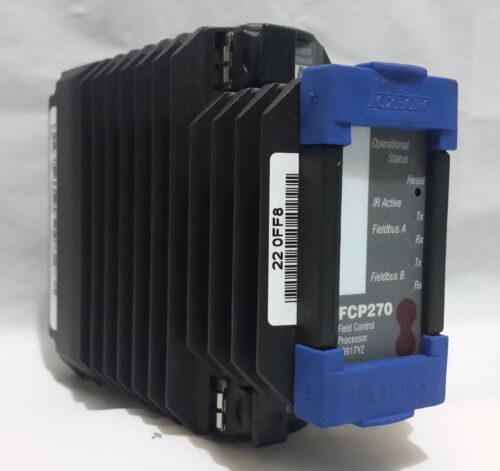
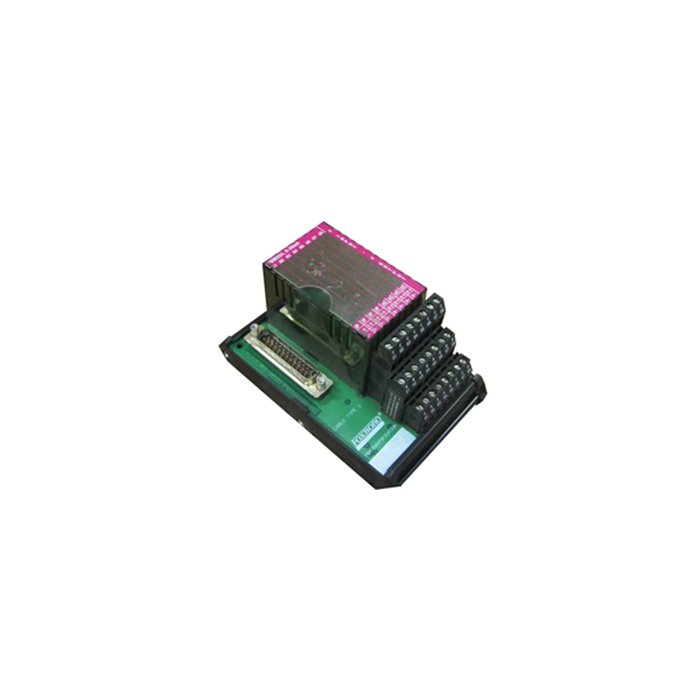
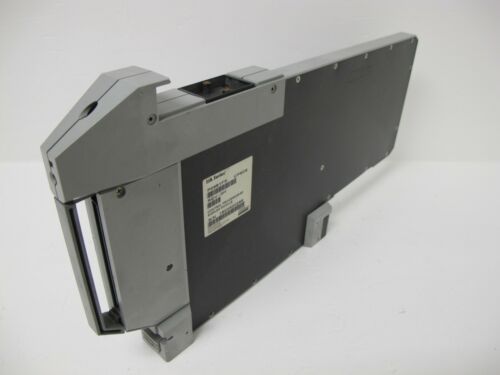
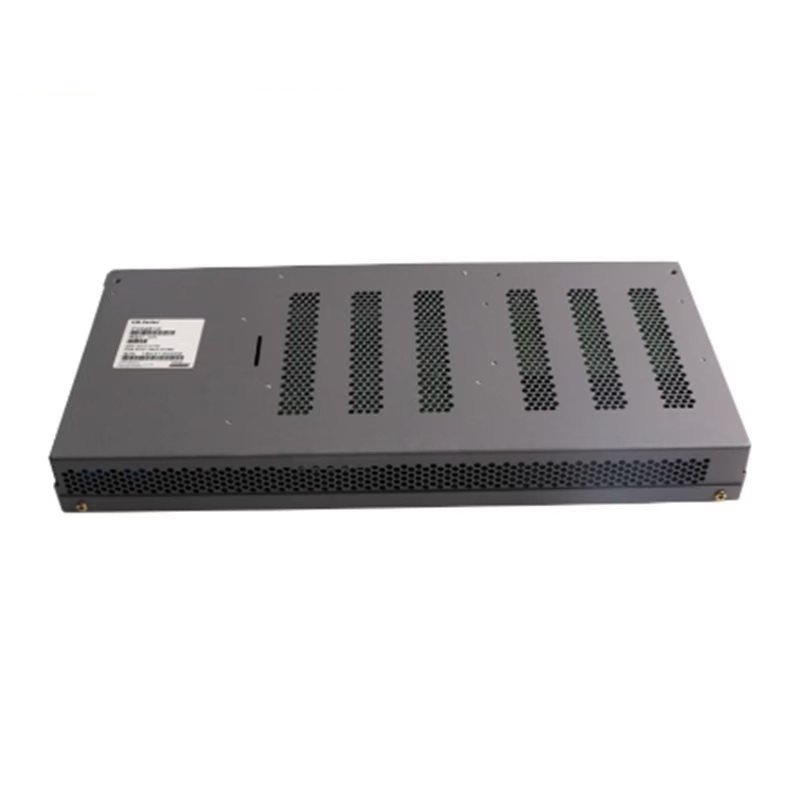
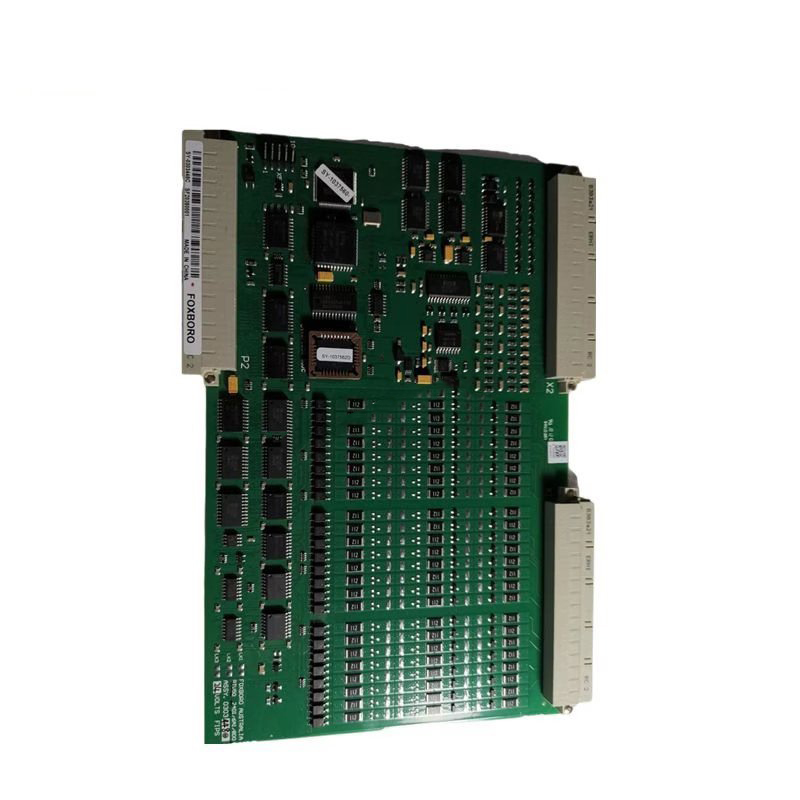
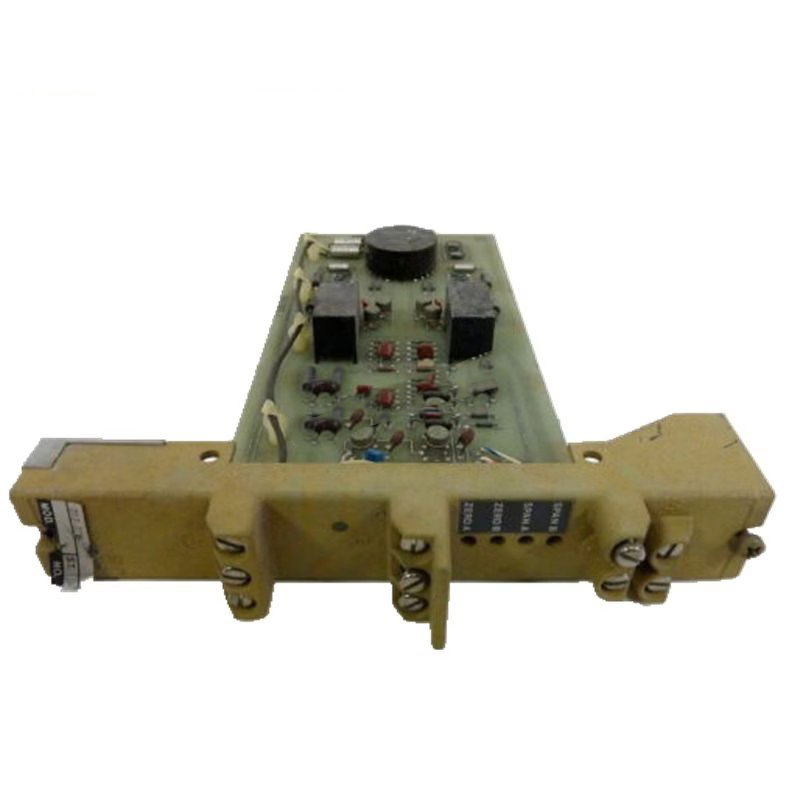
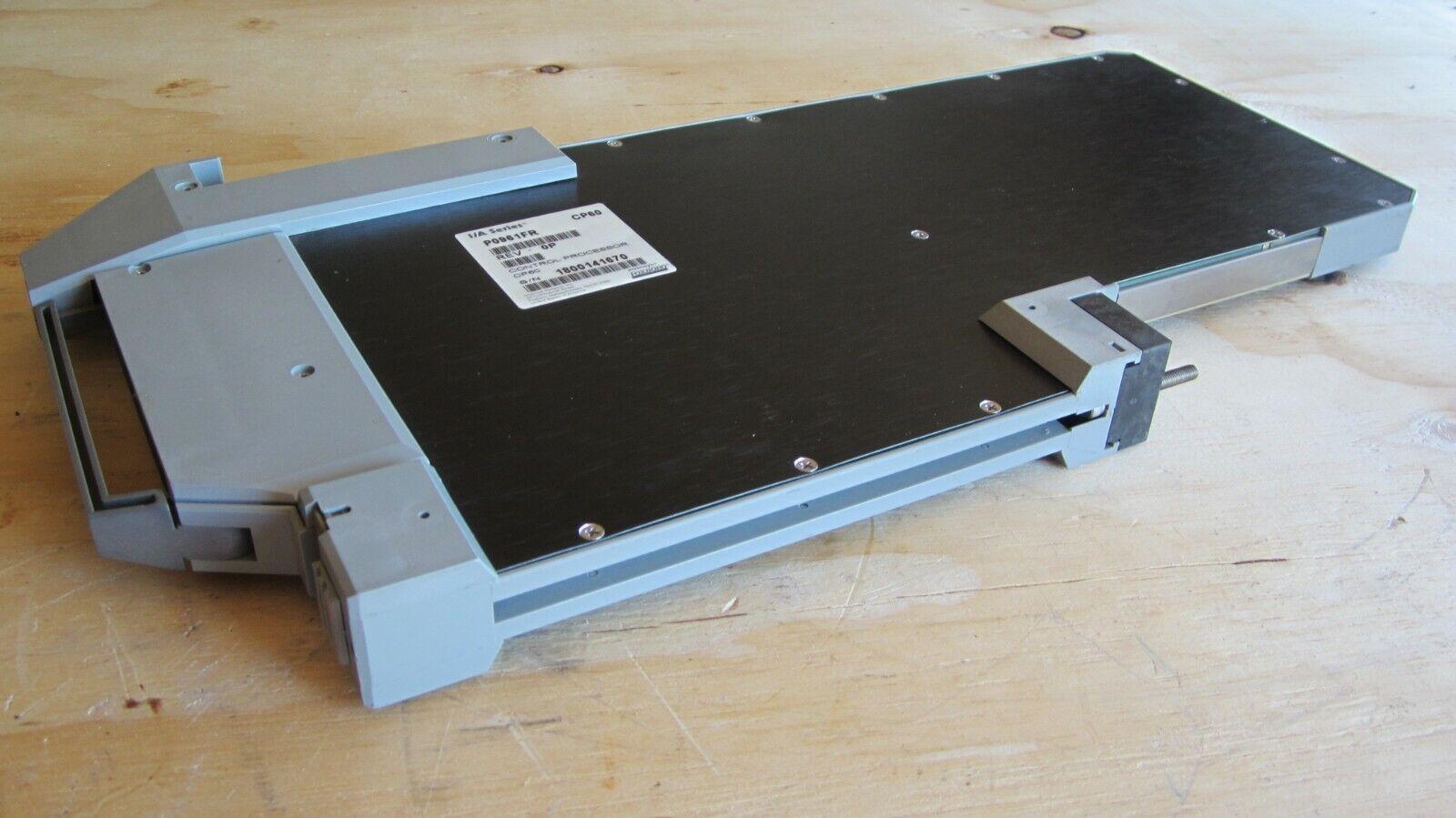
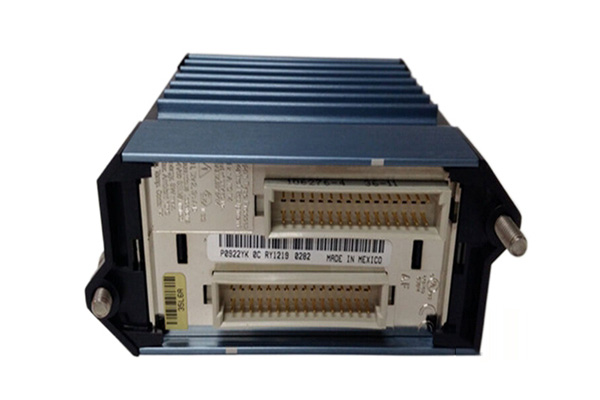
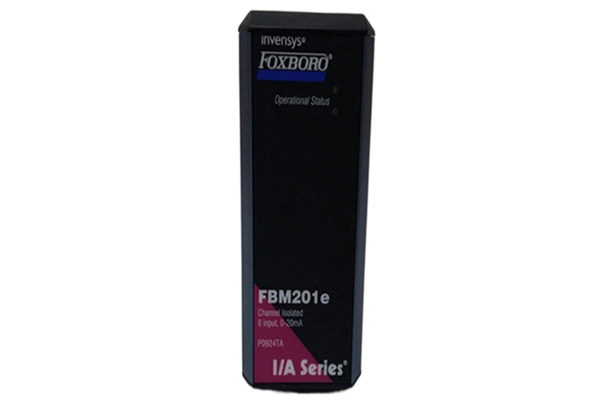
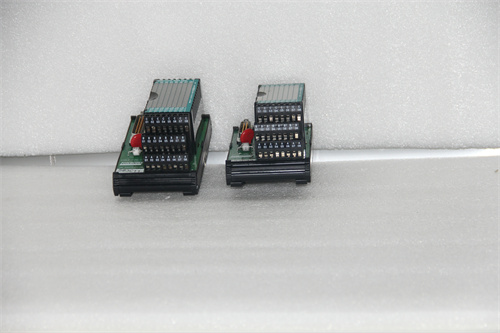
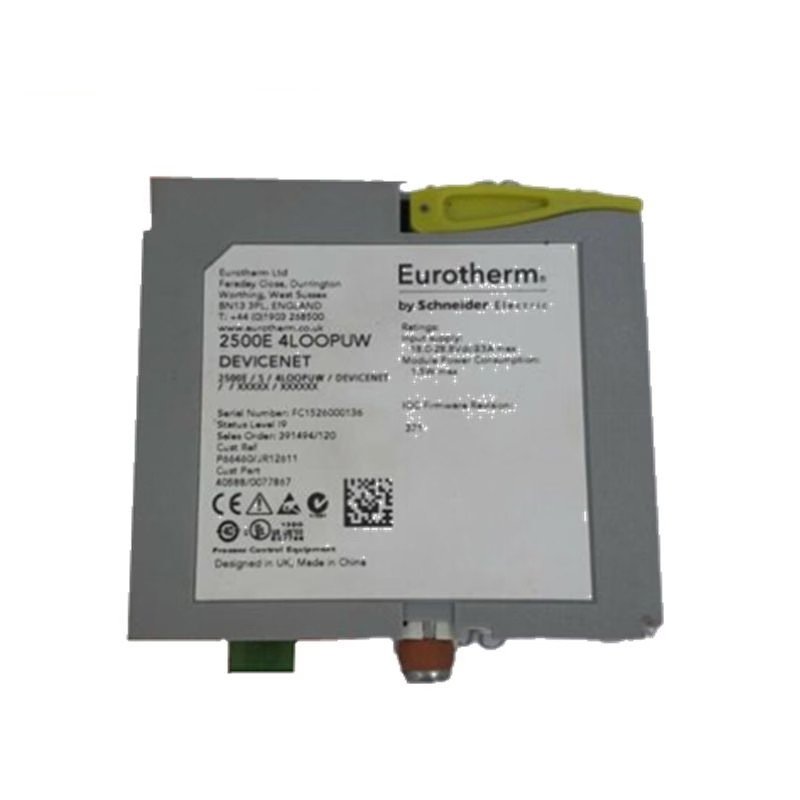
Foxboro FBM201 Gate Level Netlist Module
Module Number:FBM201
Product status:Discontinued
Delivery time:In stock
Sales country:All over the world
Product situation:Brandnew , one year warranty
Product Description
The function of FBM201 synthesis is to read the designed RTL code and, based on timing constraints, synthesize the RTL code to the structure level to generate a mapped gate level netlist. One important step is to specify the synthesis library used, which is generally provided by the chip manufacturer. The library contains information such as pin to pin timing, area, pin type, and power consumption, The units in the synthesized gate level netlist are the units defined in the library.
The reinforcement process of the third mock examination redundancy is actually to generate two redundant triggers for each trigger in the design and add voting logic, which cannot be reflected in the FBM201 code. Therefore, we can modify the gate level netlist after the original design is integrated, change the trigger to the third mock examination redundant trigger, and use the gate level description to write the the third mock examination redundant trigger module, Then, it can be integrated with the modified netlist again to get the netlist file after the third mock examination redundancy reinforcement. It is worth noting that there are many types of triggers in the DC comprehensive library, such as SDFF, EDFF, SEDFF, JK, DFF. Even if only DFF triggers are limited in the comprehensive script, there will be several types. Therefore, corresponding the third mock examination redundant trigger modules should be written for different units (their structures are shown in Figure 1). In addition, due to the presence of three clock signals, a clock generation module needs to be developed, whose function is to generate two clock signals with mutual delays by FBM201 .
 Loading comments...
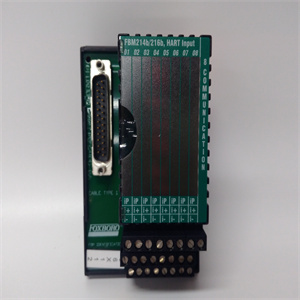
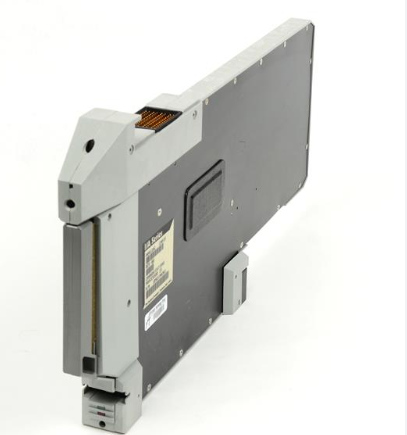
Foxboro FBM201 Gate Level Netlist Module
Module Number:FBM201
Product status:Discontinued
Delivery time:In stock
Sales country:All over the world
Product situation:Brandnew , one year warranty
Product Description
The function of FBM201 synthesis is to read the designed RTL code and, based on timing constraints, synthesize the RTL code to the structure level to generate a mapped gate level netlist. One important step is to specify the synthesis library used, which is generally provided by the chip manufacturer. The library contains information such as pin to pin timing, area, pin type, and power consumption, The units in the synthesized gate level netlist are the units defined in the library.
The reinforcement process of the third mock examination redundancy is actually to generate two redundant triggers for each trigger in the design and add voting logic, which cannot be reflected in the FBM201 code. Therefore, we can modify the gate level netlist after the original design is integrated, change the trigger to the third mock examination redundant trigger, and use the gate level description to write the the third mock examination redundant trigger module, Then, it can be integrated with the modified netlist again to get the netlist file after the third mock examination redundancy reinforcement. It is worth noting that there are many types of triggers in the DC comprehensive library, such as SDFF, EDFF, SEDFF, JK, DFF. Even if only DFF triggers are limited in the comprehensive script, there will be several types. Therefore, corresponding the third mock examination redundant trigger modules should be written for different units (their structures are shown in Figure 1). In addition, due to the presence of three clock signals, a clock generation module needs to be developed, whose function is to generate two clock signals with mutual delays by FBM201 .
Need a Custom Automation Solution?
Our team of experts can design and implement a tailored automation system to meet your specific requirements.