
Our Products
Comprehensive industrial automation solutions for global industries
Contact us
If you are interested in our products and want to know more details,please Contact us,we will reply you as soon as we can.
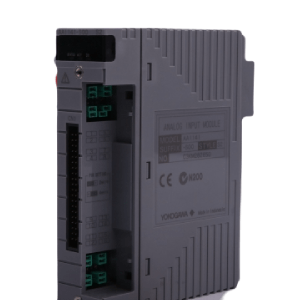
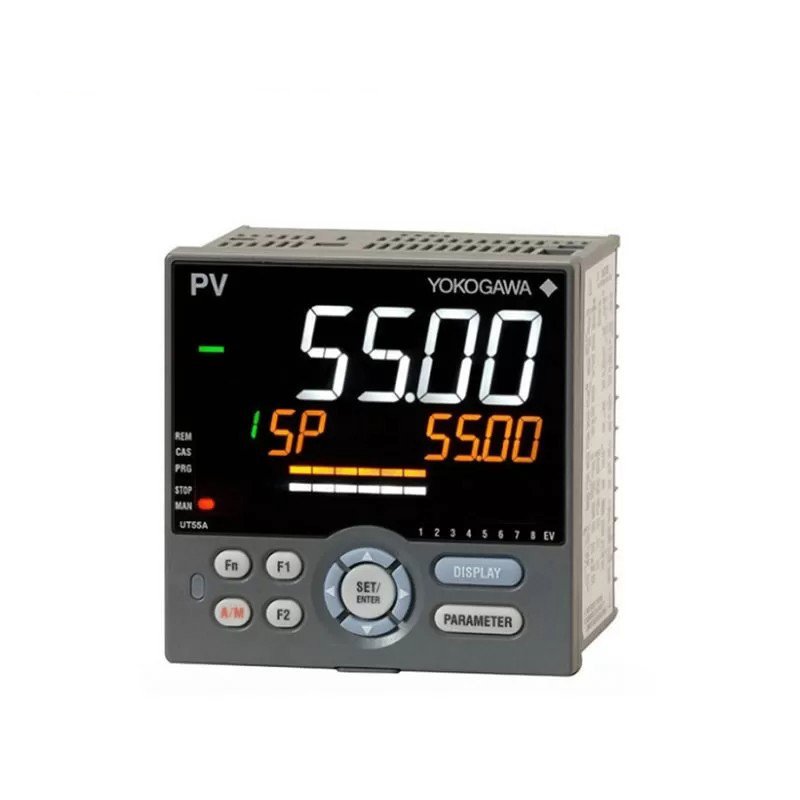
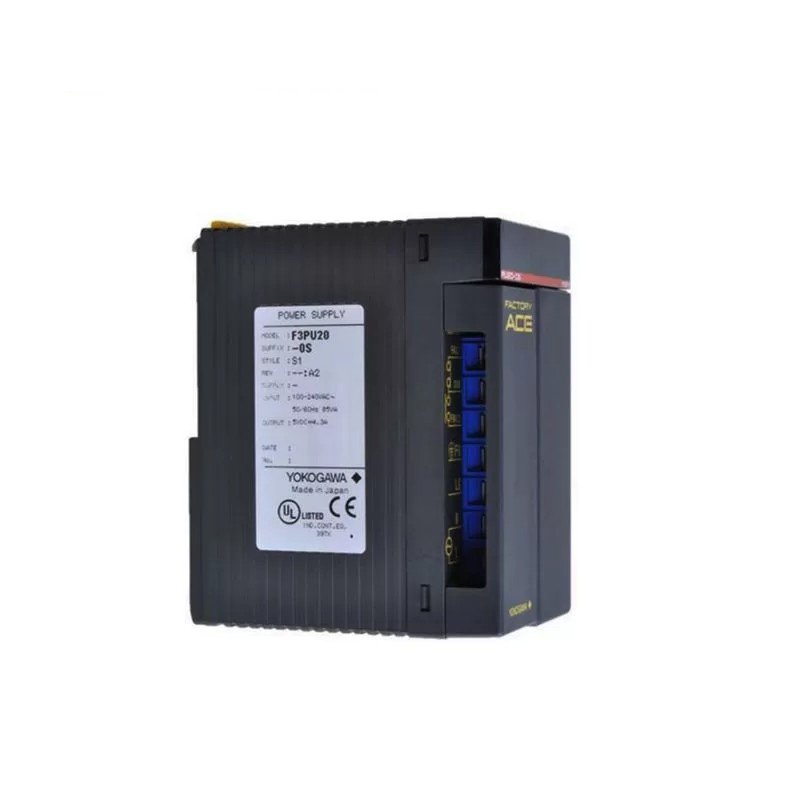
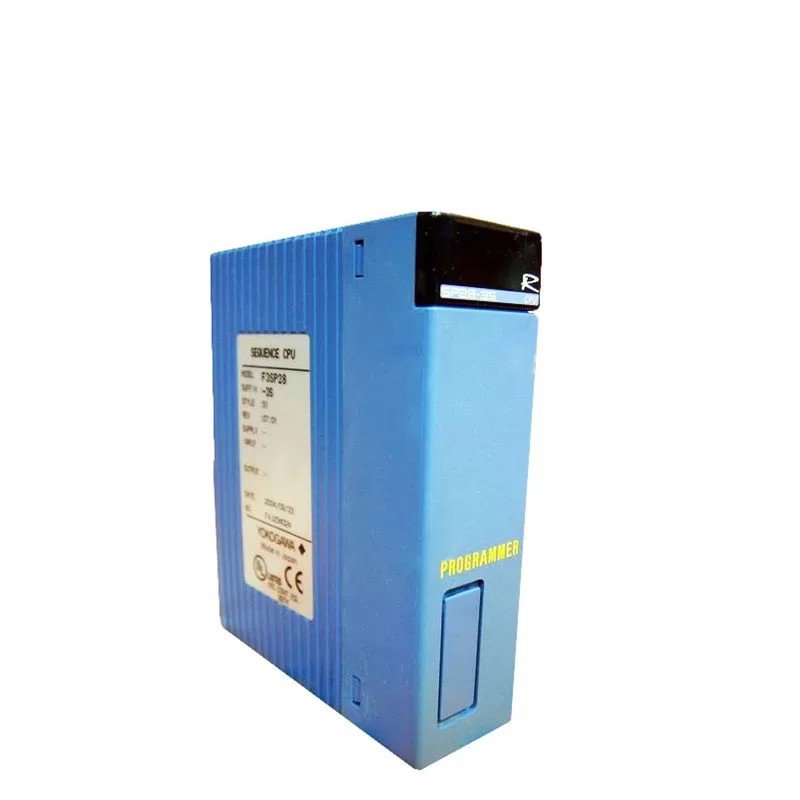
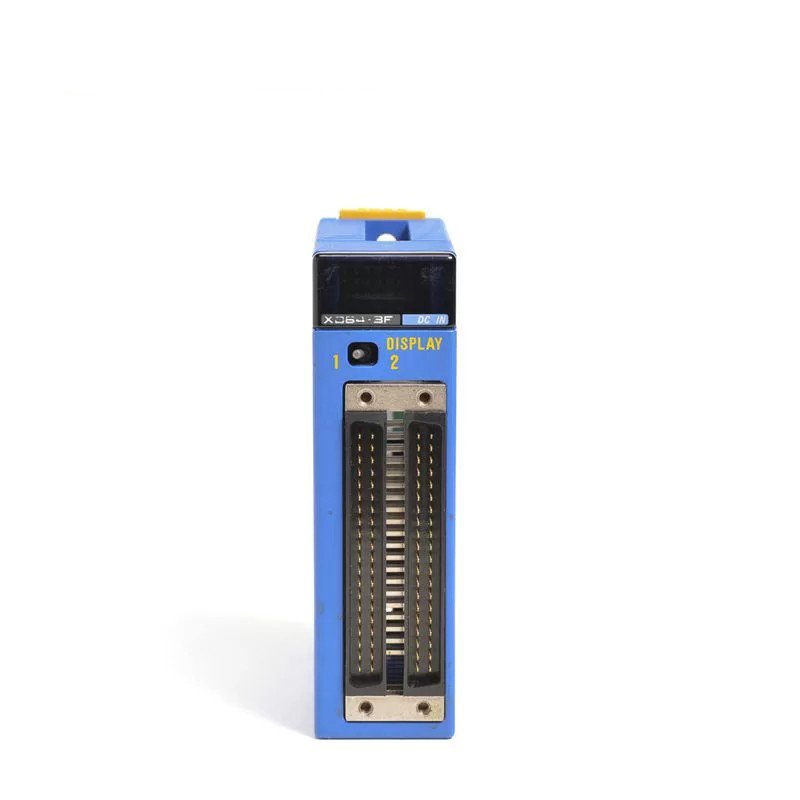
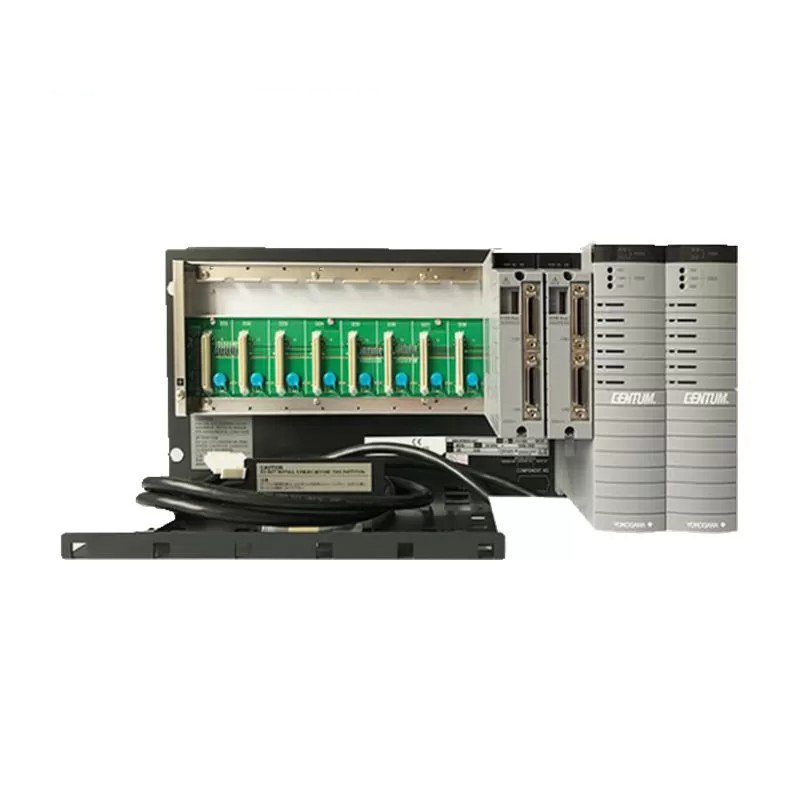
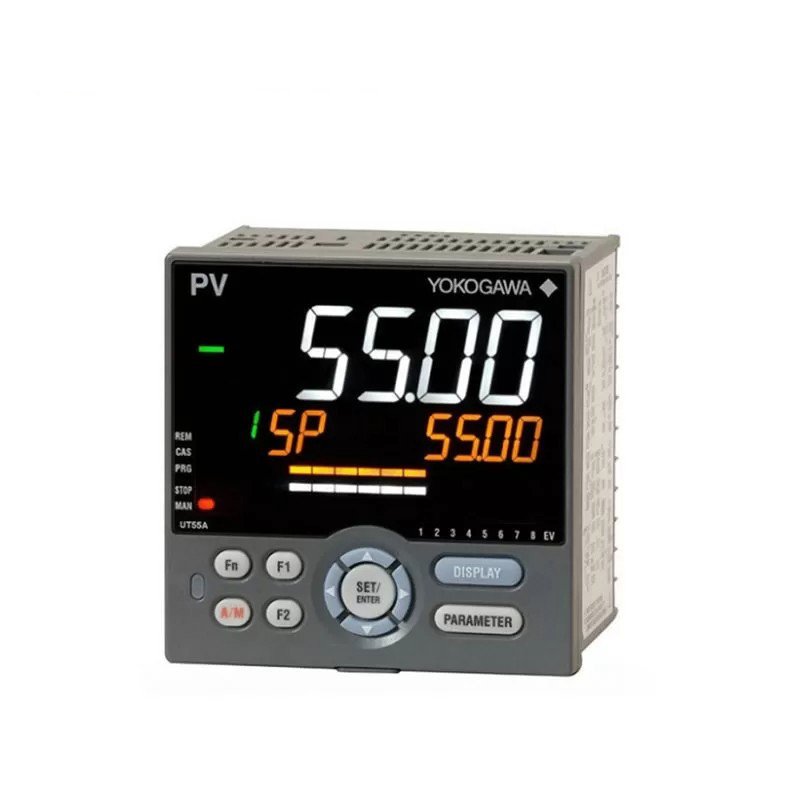
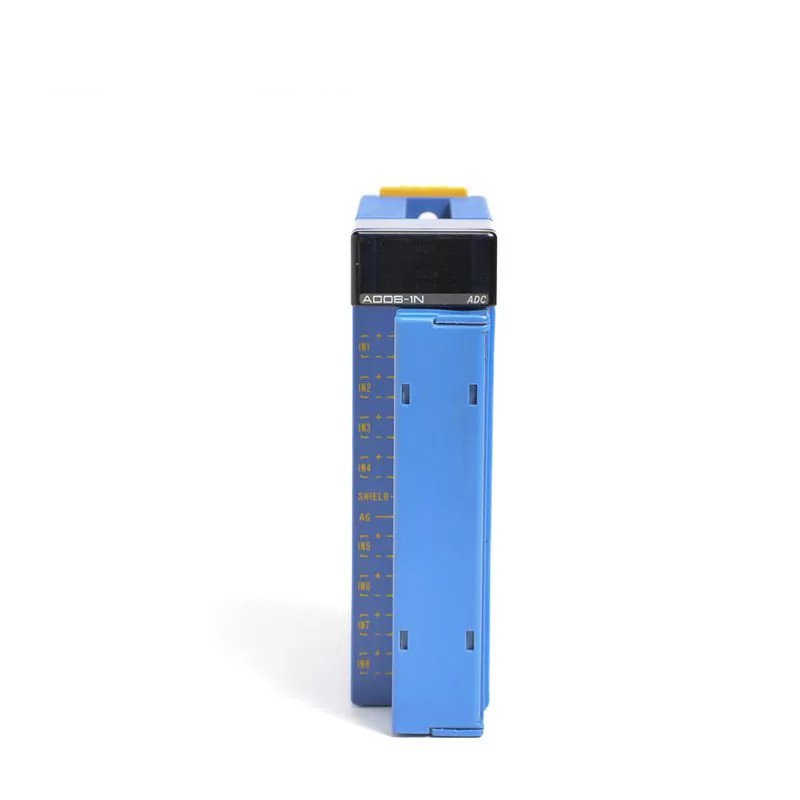
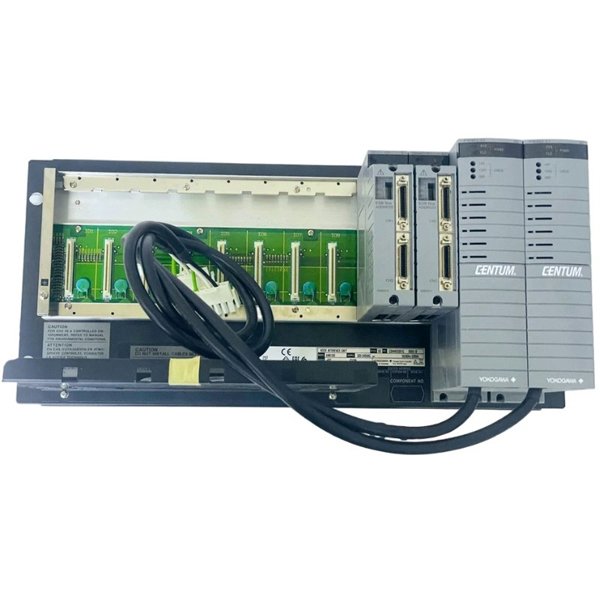
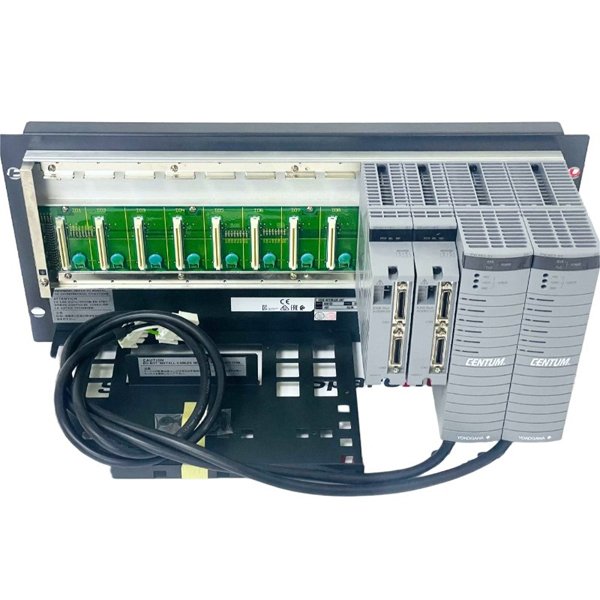
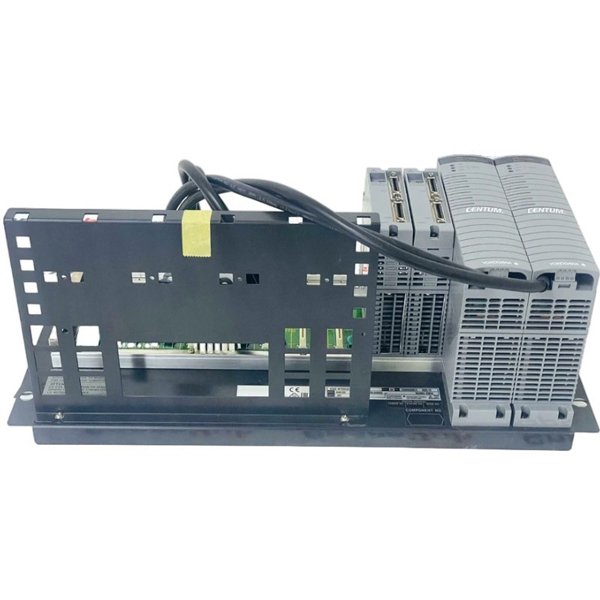
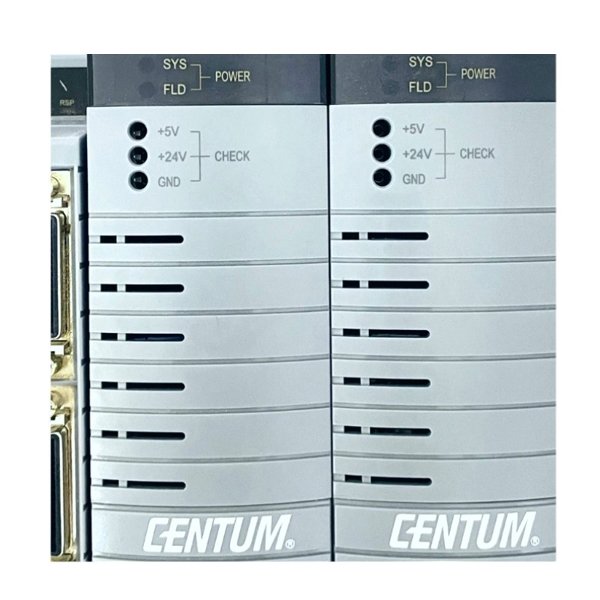
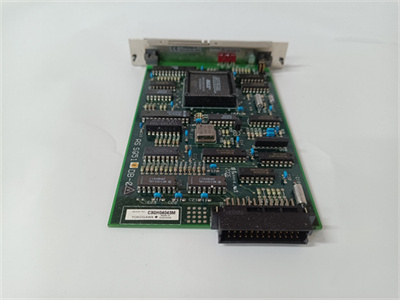
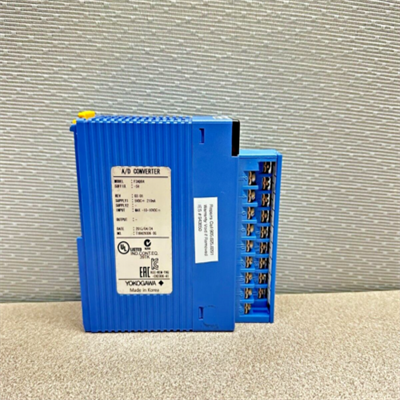
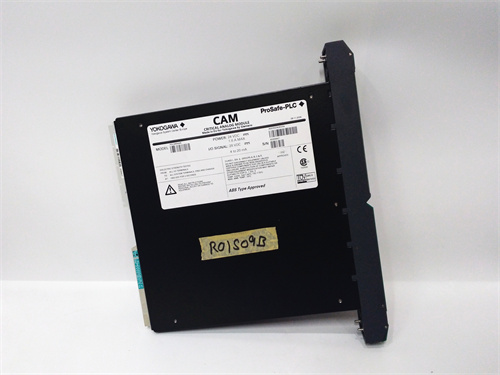
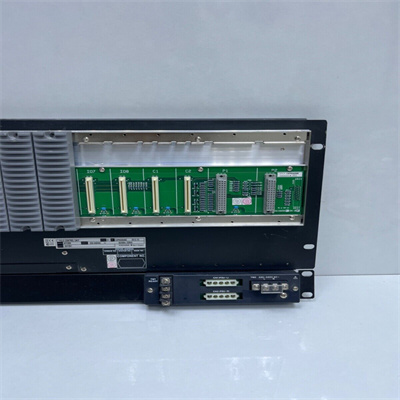
Yokogawa ANB11D-B25/BU2A Fiber optic ESB bus node unit
Manufacturer:Yokogawa
Product Number: ANB11D-B25/BU2A
Product Type:Fiber optic ESB bus node unit
Origin:Japan
Dimensions:482.6 × 221.5 × 205 mm
Weight :10 kg
Views:108
Payment Methods:T/T, PayPal, Western Union
Condition:New & In Stock
Warranty:1 Year
Lead Time:1-3 Working Days
Certificate:COO
Courier partners:DHL, UPS, TNT, FedEx and EMS.
Business hours:7*24
Product Description
The Yokogawa ANB11D-B25/BU2A Fiber Optic ESB Bus Node Unit is an advanced communication interface device designed for high-reliability industrial automation systems. This unit operates as a node within the Extended Segment Bus (ESB) network, enabling secure, fast, and stable data transmission between controllers and field devices. Utilizing fiber optic technology, it ensures immunity to electromagnetic interference and long-distance signal integrity, which is critical in large-scale plant environments such as power generation, petrochemical, and water treatment facilities.
The ANB11D-B25/BU2A is optimized for Yokogawa’s CENTUM series systems, providing seamless integration with analog and digital I/O units, controllers, and supervisory software. Its compact and robust design allows installation in control cabinets, reducing cabling complexity and enhancing overall network reliability.
Technical Specifications
| Parameter | Specification |
|---|---|
| Model | ANB11D-B25/BU2A |
| Function | Fiber Optic ESB Bus Node Unit |
| Communication Protocol | ESB (Extended Segment Bus) |
| Interface | Fiber optic (multimode) |
| Maximum Distance | 2 km (typical fiber optic network) |
| Baud Rate | 500 kbps (typical ESB communication) |
| Power Supply | 24 V DC ± 10% |
| Power Consumption | 2.5 W typical |
| Operating Temperature | 0–55°C |
| Storage Temperature | -20–70°C |
| Humidity | 10–90% RH (non-condensing) |
| MTBF | 150,000 hours (industrial standard) |
| Dimensions | 482.6 × 221.5 × 205 mm |
| Weight | 10 kg |
| Mounting | DIN rail or panel mount |
| LED Indicators | Power, Communication Status, Error |
Product Applications
-
Industrial Automation Networks: Enables reliable data communication between controllers, I/O modules, and field devices.
-
Process Control Systems: Ensures high-speed and interference-free communication in CENTUM systems.
-
Power Plants: Used in turbine, generator, and auxiliary system monitoring networks.
-
Petrochemical Plants: Provides long-distance communication across large facilities where electromagnetic interference is common.
-
Water Treatment Plants: Connects distributed I/O units for precise monitoring and control of chemical dosing, pumps, and flow sensors.
-
Oil & Gas: Integrates with safety and monitoring systems requiring reliable fiber optic data links.
Product Advantages
-
Fiber Optic Communication: Offers immunity to electromagnetic interference, ensuring reliable performance in harsh industrial environments.
-
Long-Distance Connectivity: Supports extended network distances up to 2 km without signal degradation.
-
High Reliability: Designed for industrial environments with robust construction and high MTBF.
-
Seamless Integration: Compatible with CENTUM CS 3000/EX and other Yokogawa control systems, facilitating system-wide communication.
-
Compact Design: Small form factor reduces cabinet space usage and simplifies network layout.
-
LED Status Indicators: Provides clear, immediate feedback on power, communication status, and errors, simplifying maintenance.
-
Flexible Mounting: Can be installed on DIN rails or panels, supporting various industrial layouts.
FAQ
Q1: What type of fiber does the ANB11D-B25/BU2A support?
A1: The unit supports multimode fiber with ST connectors, optimized for industrial ESB communication.
Q2: Can multiple nodes be connected in series on the ESB network?
A2: Yes, up to 32 nodes can be linked on a single ESB segment, following Yokogawa network guidelines.
Q3: What is the maximum data transmission distance?
A3: The unit can reliably communicate over fiber optic distances up to 2 km.
Q4: How is network status monitored on the device?
A4: The unit has LED indicators for Power, Communication, and Error status.
Q5: Can this unit operate in high-temperature industrial environments?
A5: Yes, it operates within 0–55°C and can tolerate temporary exposure to higher ambient temperatures during shutdowns.
Q6: What happens if communication fails on a node?
A6: The ESB network detects a communication error, indicated via LED, and controllers can isolate or bypass the faulty node.
Q7: Is the ANB11D-B25/BU2A compatible with legacy analog I/O units?
A7: Yes, it interfaces with both analog and digital I/O units via the ESB network protocol.
Q8: What type of power supply is required?
A8: A 24 V DC ±10% power supply is required, typically sourced from the control cabinet bus.
Q9: How does the unit handle electromagnetic interference?
A9: The fiber optic interface provides complete immunity to electromagnetic interference from nearby equipment.
Q10: Can the device firmware be upgraded in the field?
A10: Yes, Yokogawa supports firmware updates via the network using service software tools.
 Loading comments...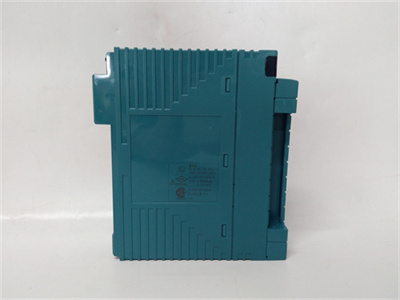
Yokogawa ANB11D-B25/BU2A Fiber optic ESB bus node unit
Manufacturer:Yokogawa
Product Number: ANB11D-B25/BU2A
Product Type:Fiber optic ESB bus node unit
Origin:Japan
Dimensions:482.6 × 221.5 × 205 mm
Weight :10 kg
Views:108
Payment Methods:T/T, PayPal, Western Union
Condition:New & In Stock
Warranty:1 Year
Lead Time:1-3 Working Days
Certificate:COO
Courier partners:DHL, UPS, TNT, FedEx and EMS.
Business hours:7*24
Product Description
The Yokogawa ANB11D-B25/BU2A Fiber Optic ESB Bus Node Unit is an advanced communication interface device designed for high-reliability industrial automation systems. This unit operates as a node within the Extended Segment Bus (ESB) network, enabling secure, fast, and stable data transmission between controllers and field devices. Utilizing fiber optic technology, it ensures immunity to electromagnetic interference and long-distance signal integrity, which is critical in large-scale plant environments such as power generation, petrochemical, and water treatment facilities.
The ANB11D-B25/BU2A is optimized for Yokogawa’s CENTUM series systems, providing seamless integration with analog and digital I/O units, controllers, and supervisory software. Its compact and robust design allows installation in control cabinets, reducing cabling complexity and enhancing overall network reliability.
Technical Specifications
| Parameter | Specification |
|---|---|
| Model | ANB11D-B25/BU2A |
| Function | Fiber Optic ESB Bus Node Unit |
| Communication Protocol | ESB (Extended Segment Bus) |
| Interface | Fiber optic (multimode) |
| Maximum Distance | 2 km (typical fiber optic network) |
| Baud Rate | 500 kbps (typical ESB communication) |
| Power Supply | 24 V DC ± 10% |
| Power Consumption | 2.5 W typical |
| Operating Temperature | 0–55°C |
| Storage Temperature | -20–70°C |
| Humidity | 10–90% RH (non-condensing) |
| MTBF | 150,000 hours (industrial standard) |
| Dimensions | 482.6 × 221.5 × 205 mm |
| Weight | 10 kg |
| Mounting | DIN rail or panel mount |
| LED Indicators | Power, Communication Status, Error |
Product Applications
-
Industrial Automation Networks: Enables reliable data communication between controllers, I/O modules, and field devices.
-
Process Control Systems: Ensures high-speed and interference-free communication in CENTUM systems.
-
Power Plants: Used in turbine, generator, and auxiliary system monitoring networks.
-
Petrochemical Plants: Provides long-distance communication across large facilities where electromagnetic interference is common.
-
Water Treatment Plants: Connects distributed I/O units for precise monitoring and control of chemical dosing, pumps, and flow sensors.
-
Oil & Gas: Integrates with safety and monitoring systems requiring reliable fiber optic data links.
Product Advantages
-
Fiber Optic Communication: Offers immunity to electromagnetic interference, ensuring reliable performance in harsh industrial environments.
-
Long-Distance Connectivity: Supports extended network distances up to 2 km without signal degradation.
-
High Reliability: Designed for industrial environments with robust construction and high MTBF.
-
Seamless Integration: Compatible with CENTUM CS 3000/EX and other Yokogawa control systems, facilitating system-wide communication.
-
Compact Design: Small form factor reduces cabinet space usage and simplifies network layout.
-
LED Status Indicators: Provides clear, immediate feedback on power, communication status, and errors, simplifying maintenance.
-
Flexible Mounting: Can be installed on DIN rails or panels, supporting various industrial layouts.
FAQ
Q1: What type of fiber does the ANB11D-B25/BU2A support?
A1: The unit supports multimode fiber with ST connectors, optimized for industrial ESB communication.
Q2: Can multiple nodes be connected in series on the ESB network?
A2: Yes, up to 32 nodes can be linked on a single ESB segment, following Yokogawa network guidelines.
Q3: What is the maximum data transmission distance?
A3: The unit can reliably communicate over fiber optic distances up to 2 km.
Q4: How is network status monitored on the device?
A4: The unit has LED indicators for Power, Communication, and Error status.
Q5: Can this unit operate in high-temperature industrial environments?
A5: Yes, it operates within 0–55°C and can tolerate temporary exposure to higher ambient temperatures during shutdowns.
Q6: What happens if communication fails on a node?
A6: The ESB network detects a communication error, indicated via LED, and controllers can isolate or bypass the faulty node.
Q7: Is the ANB11D-B25/BU2A compatible with legacy analog I/O units?
A7: Yes, it interfaces with both analog and digital I/O units via the ESB network protocol.
Q8: What type of power supply is required?
A8: A 24 V DC ±10% power supply is required, typically sourced from the control cabinet bus.
Q9: How does the unit handle electromagnetic interference?
A9: The fiber optic interface provides complete immunity to electromagnetic interference from nearby equipment.
Q10: Can the device firmware be upgraded in the field?
A10: Yes, Yokogawa supports firmware updates via the network using service software tools.
Need a Custom Automation Solution?
Our team of experts can design and implement a tailored automation system to meet your specific requirements.