
Our Products
Comprehensive industrial automation solutions for global industries
Contact us
If you are interested in our products and want to know more details,please Contact us,we will reply you as soon as we can.
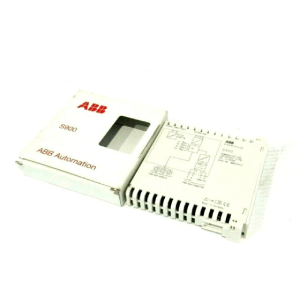
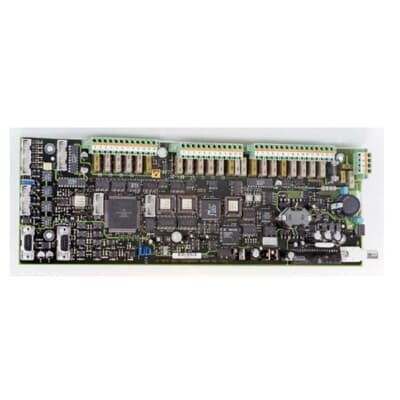
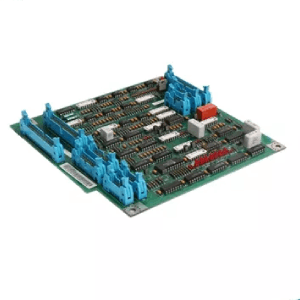
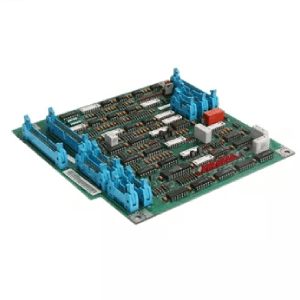
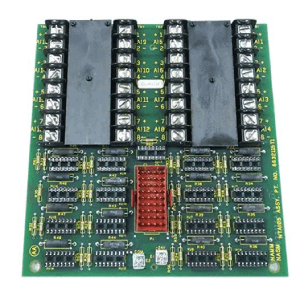
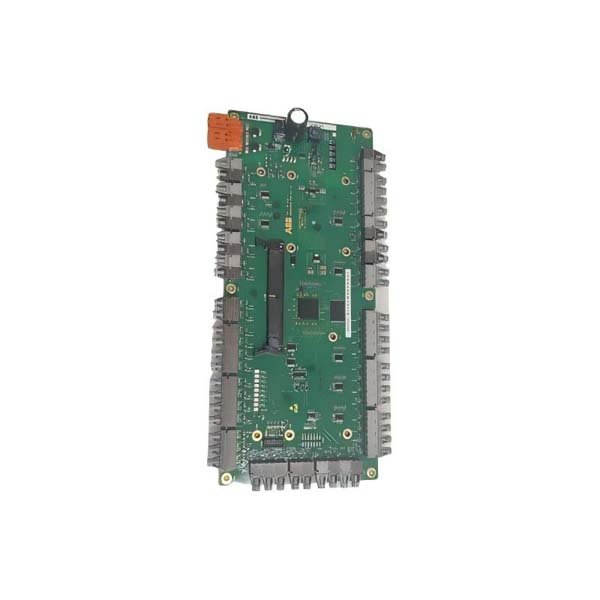
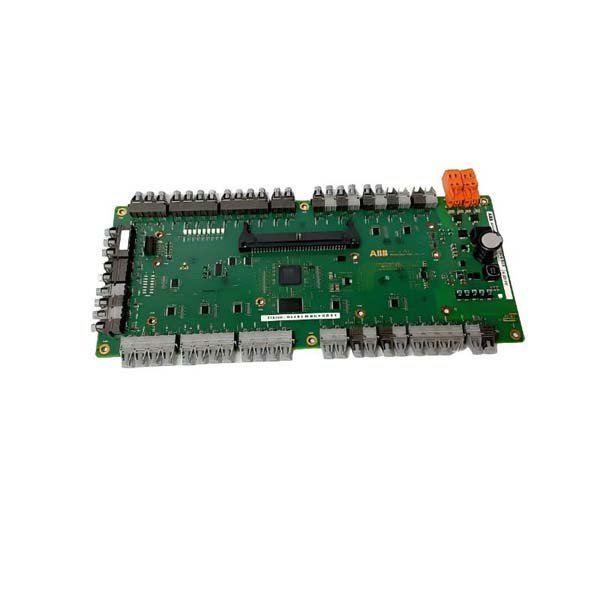
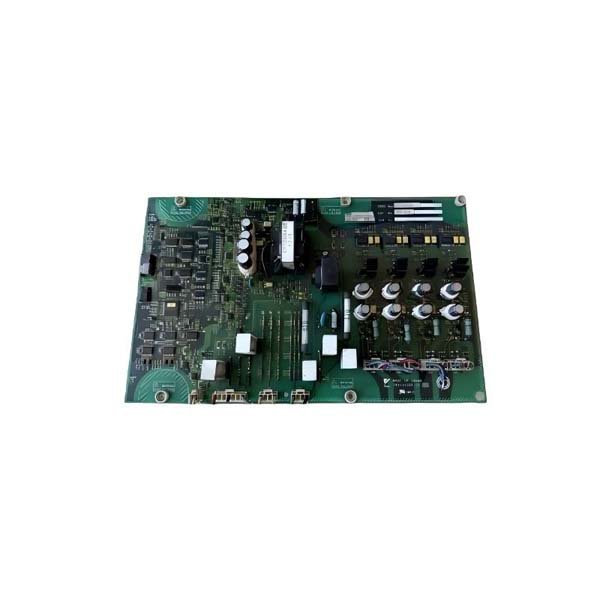
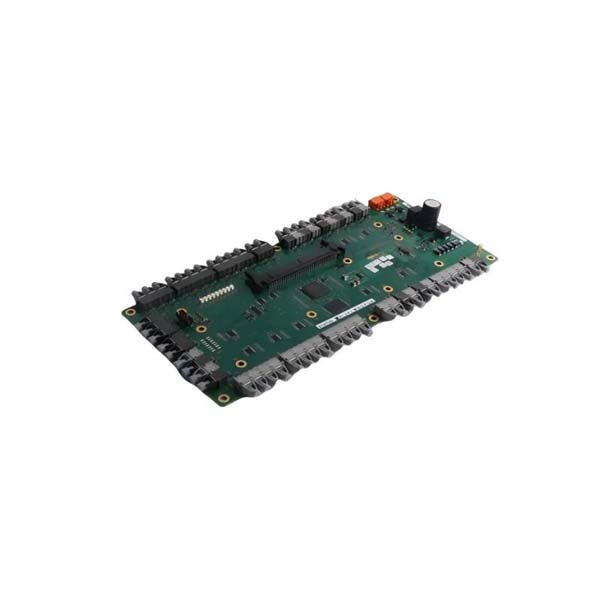
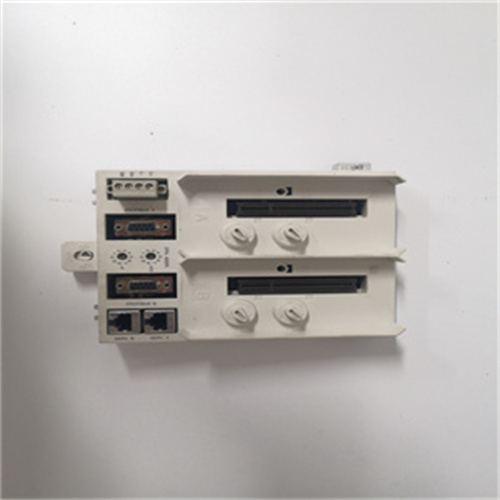
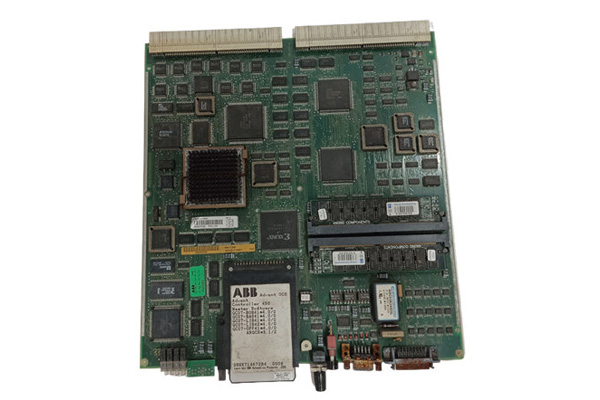
ABB UF C921 A103 Communication Processor Module
Manufacturer:ABB
Product Number:UF C921 A103
Product Type:Communication Processor Module
Origin:Sweden
Dimensions:120 mm × 35 mm × 150 mm
Weight:0.47 kg
Views:171
Payment Methods:T/T, PayPal, Western Union
Condition:New & In Stock
Warranty:1 Year
Lead Time:1-3 Working Days
Certificate:COO
Courier partners:DHL, UPS, TNT, FedEx and EMS.
Business hours:7*24
Product Description
The ABB UF C921 A103 (3BHE024855R0103) is a high-performance communication processor module purpose-built for ABB’s Symphony Plus and Advant Distributed Control Systems (DCS). This module is designed to act as a bridge between process controllers, I/O networks, and supervisory systems, ensuring robust, deterministic, and secure data exchange across complex industrial networks.
With its advanced architecture, redundant communication paths, and extensive protocol support, the UF C921 A103 is ideal for large-scale process automation environments such as power generation, oil & gas, and chemical production. Its reliability, configurability, and noise immunity make it a cornerstone component for system integrators seeking efficient, scalable communication within ABB’s industrial control ecosystem.
Technical Specifications
| Parameter | Specification | Description |
|---|---|---|
| Product Type | Communication Processor Module | Provides data routing and network management for ABB DCS |
| Model Number | UF C921 A103 | Intelligent communication interface |
| Part Number | 3BHE024855R0103 | ABB internal reference |
| Primary Function | Process and controller communication bridge | Enables synchronization between distributed nodes |
| Processor | 32-bit RISC-based communication CPU | Real-time deterministic communication management |
| Memory Capacity | 256 MB RAM / 128 MB Flash | Stores communication tables and diagnostics data |
| Network Interfaces | Dual Ethernet, RS-485, System Bus | Provides redundant and multi-protocol connectivity |
| Supported Protocols | Modbus TCP/IP, OPC, PROFIBUS DP, ABB Control Network | Supports both ABB and third-party devices |
| Configuration Tools | ABB Control Builder / Symphony Plus Engineering Suite | Simplified setup, monitoring, and diagnostics |
| Power Supply | 24 VDC nominal (range 19–30 VDC) | Industrial-grade power input |
| Power Consumption | 11 W typical | Energy-efficient and thermally stable |
| Operating Temperature | 0°C to +55°C | Suitable for continuous industrial service |
| Storage Temperature | -40°C to +85°C | Long-term spare storage protection |
| Humidity Range | 5%–95% non-condensing | Designed for harsh environmental conditions |
| Mounting Type | DIN-rail or rack-mountable | Flexible integration for control cabinets |
| Diagnostics | LED indicators and self-diagnostic test | Continuous health and communication status monitoring |
| Compliance | CE, RoHS, IEC/EN 61000-6-2 / 61000-6-4 | Meets international EMC and safety standards |
| Dimensions (H × W × D) | 120 mm × 35 mm × 150 mm (4.72″ × 1.38″ × 5.91″) | Compact modular construction |
| Weight | 0.47 kg (1.04 lb) | Lightweight yet durable industrial-grade casing |
Application Domains
-
Power Generation Plants: Real-time communication between turbine governors, excitation systems, and operator stations.
-
Oil & Gas Pipelines: Redundant network control for distributed compressor and metering stations.
-
Chemical and Petrochemical Processes: Synchronization between production and safety control systems.
-
Water & Wastewater Plants: Efficient data management between local control stations and central SCADA.
-
Mining and Metallurgy: Network integration for remote I/O control and monitoring.
-
Marine and Offshore Platforms: Reliable process communication in vibration-intensive environments.
-
Manufacturing Automation: Unified communication backbone for multi-zone production systems.
Engineering Advantages
-
Robust Network Redundancy: Dual Ethernet architecture ensures communication continuity.
-
High Processing Speed: Dedicated CPU enables fast data transfer and low latency.
-
Protocol Versatility: Compatible with both ABB proprietary and open industry standards.
-
Field Diagnostics: Integrated LEDs and self-tests simplify maintenance.
-
Scalable System Integration: Easily connects with additional ABB controllers and network nodes.
-
Low Power Design: Optimized energy efficiency for continuous operation.
-
Resilient Industrial Build: Withstands temperature fluctuations and EMI interference.
-
Remote Configuration Capability: Supports Ethernet-based setup and firmware updates.
-
Compact & Modular Form Factor: Saves panel space without compromising performance.
-
Global ABB Support: Backed by ABB’s worldwide technical assistance network.
FAQs
-
Q: Which ABB systems support the UF C921 A103 module?
A: It is compatible with ABB Symphony Plus and Advant DCS platforms.
-
Q: Can it operate in redundant communication configurations?
A: Yes, it supports full Ethernet redundancy for fault-tolerant communication.
-
Q: What industrial protocols are supported?
A: Modbus TCP/IP, OPC, PROFIBUS DP, and ABB Control Network.
-
Q: How can diagnostic data be accessed?
A: Through Control Builder software and onboard LED indicators.
-
Q: Is it compatible with older ABB communication modules?
A: Yes, it can coexist with previous UF C911 and C760 modules.
-
Q: Does it support firmware updates via Ethernet?
A: Yes, firmware upgrades are performed remotely through ABB configuration tools.
-
Q: What is the nominal operating voltage?
A: 24 VDC nominal, with an acceptable range from 19–30 VDC.
-
Q: Can it be used with third-party devices?
A: Yes, via Modbus TCP/IP and OPC integration.
-
Q: What are its installation options?
A: Both DIN-rail and rack-mount installations are supported.
-
Q: How does it handle communication interruptions?
A: Automatic failover mechanisms maintain data flow during single-path failure.
 Loading comments...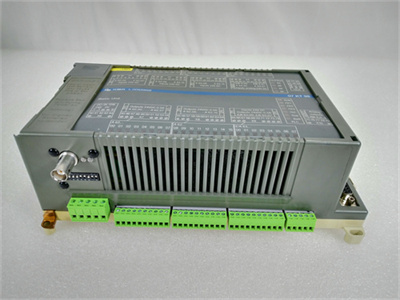
ABB UF C921 A103 Communication Processor Module
Manufacturer:ABB
Product Number:UF C921 A103
Product Type:Communication Processor Module
Origin:Sweden
Dimensions:120 mm × 35 mm × 150 mm
Weight:0.47 kg
Views:171
Payment Methods:T/T, PayPal, Western Union
Condition:New & In Stock
Warranty:1 Year
Lead Time:1-3 Working Days
Certificate:COO
Courier partners:DHL, UPS, TNT, FedEx and EMS.
Business hours:7*24
Product Description
The ABB UF C921 A103 (3BHE024855R0103) is a high-performance communication processor module purpose-built for ABB’s Symphony Plus and Advant Distributed Control Systems (DCS). This module is designed to act as a bridge between process controllers, I/O networks, and supervisory systems, ensuring robust, deterministic, and secure data exchange across complex industrial networks.
With its advanced architecture, redundant communication paths, and extensive protocol support, the UF C921 A103 is ideal for large-scale process automation environments such as power generation, oil & gas, and chemical production. Its reliability, configurability, and noise immunity make it a cornerstone component for system integrators seeking efficient, scalable communication within ABB’s industrial control ecosystem.
Technical Specifications
| Parameter | Specification | Description |
|---|---|---|
| Product Type | Communication Processor Module | Provides data routing and network management for ABB DCS |
| Model Number | UF C921 A103 | Intelligent communication interface |
| Part Number | 3BHE024855R0103 | ABB internal reference |
| Primary Function | Process and controller communication bridge | Enables synchronization between distributed nodes |
| Processor | 32-bit RISC-based communication CPU | Real-time deterministic communication management |
| Memory Capacity | 256 MB RAM / 128 MB Flash | Stores communication tables and diagnostics data |
| Network Interfaces | Dual Ethernet, RS-485, System Bus | Provides redundant and multi-protocol connectivity |
| Supported Protocols | Modbus TCP/IP, OPC, PROFIBUS DP, ABB Control Network | Supports both ABB and third-party devices |
| Configuration Tools | ABB Control Builder / Symphony Plus Engineering Suite | Simplified setup, monitoring, and diagnostics |
| Power Supply | 24 VDC nominal (range 19–30 VDC) | Industrial-grade power input |
| Power Consumption | 11 W typical | Energy-efficient and thermally stable |
| Operating Temperature | 0°C to +55°C | Suitable for continuous industrial service |
| Storage Temperature | -40°C to +85°C | Long-term spare storage protection |
| Humidity Range | 5%–95% non-condensing | Designed for harsh environmental conditions |
| Mounting Type | DIN-rail or rack-mountable | Flexible integration for control cabinets |
| Diagnostics | LED indicators and self-diagnostic test | Continuous health and communication status monitoring |
| Compliance | CE, RoHS, IEC/EN 61000-6-2 / 61000-6-4 | Meets international EMC and safety standards |
| Dimensions (H × W × D) | 120 mm × 35 mm × 150 mm (4.72″ × 1.38″ × 5.91″) | Compact modular construction |
| Weight | 0.47 kg (1.04 lb) | Lightweight yet durable industrial-grade casing |
Application Domains
-
Power Generation Plants: Real-time communication between turbine governors, excitation systems, and operator stations.
-
Oil & Gas Pipelines: Redundant network control for distributed compressor and metering stations.
-
Chemical and Petrochemical Processes: Synchronization between production and safety control systems.
-
Water & Wastewater Plants: Efficient data management between local control stations and central SCADA.
-
Mining and Metallurgy: Network integration for remote I/O control and monitoring.
-
Marine and Offshore Platforms: Reliable process communication in vibration-intensive environments.
-
Manufacturing Automation: Unified communication backbone for multi-zone production systems.
Engineering Advantages
-
Robust Network Redundancy: Dual Ethernet architecture ensures communication continuity.
-
High Processing Speed: Dedicated CPU enables fast data transfer and low latency.
-
Protocol Versatility: Compatible with both ABB proprietary and open industry standards.
-
Field Diagnostics: Integrated LEDs and self-tests simplify maintenance.
-
Scalable System Integration: Easily connects with additional ABB controllers and network nodes.
-
Low Power Design: Optimized energy efficiency for continuous operation.
-
Resilient Industrial Build: Withstands temperature fluctuations and EMI interference.
-
Remote Configuration Capability: Supports Ethernet-based setup and firmware updates.
-
Compact & Modular Form Factor: Saves panel space without compromising performance.
-
Global ABB Support: Backed by ABB’s worldwide technical assistance network.
FAQs
-
Q: Which ABB systems support the UF C921 A103 module?
A: It is compatible with ABB Symphony Plus and Advant DCS platforms.
-
Q: Can it operate in redundant communication configurations?
A: Yes, it supports full Ethernet redundancy for fault-tolerant communication.
-
Q: What industrial protocols are supported?
A: Modbus TCP/IP, OPC, PROFIBUS DP, and ABB Control Network.
-
Q: How can diagnostic data be accessed?
A: Through Control Builder software and onboard LED indicators.
-
Q: Is it compatible with older ABB communication modules?
A: Yes, it can coexist with previous UF C911 and C760 modules.
-
Q: Does it support firmware updates via Ethernet?
A: Yes, firmware upgrades are performed remotely through ABB configuration tools.
-
Q: What is the nominal operating voltage?
A: 24 VDC nominal, with an acceptable range from 19–30 VDC.
-
Q: Can it be used with third-party devices?
A: Yes, via Modbus TCP/IP and OPC integration.
-
Q: What are its installation options?
A: Both DIN-rail and rack-mount installations are supported.
-
Q: How does it handle communication interruptions?
A: Automatic failover mechanisms maintain data flow during single-path failure.
Need a Custom Automation Solution?
Our team of experts can design and implement a tailored automation system to meet your specific requirements.