
Our Products
Comprehensive industrial automation solutions for global industries
Contact us
If you are interested in our products and want to know more details,please Contact us,we will reply you as soon as we can.
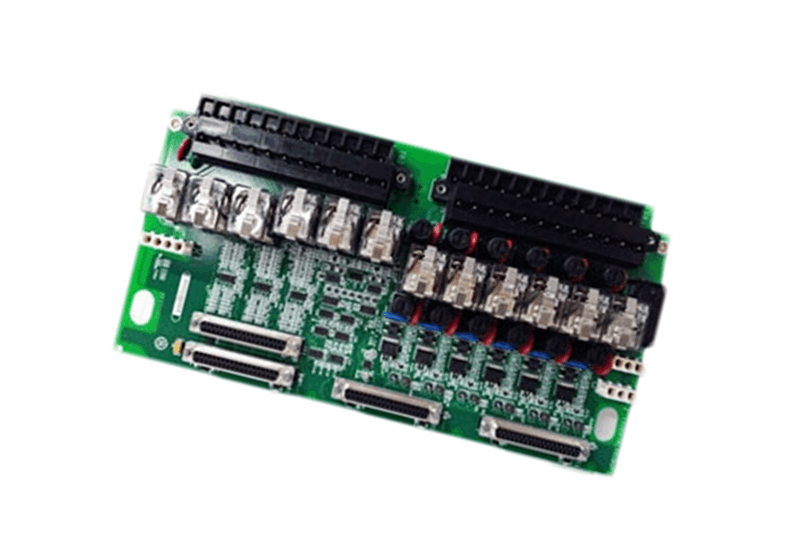
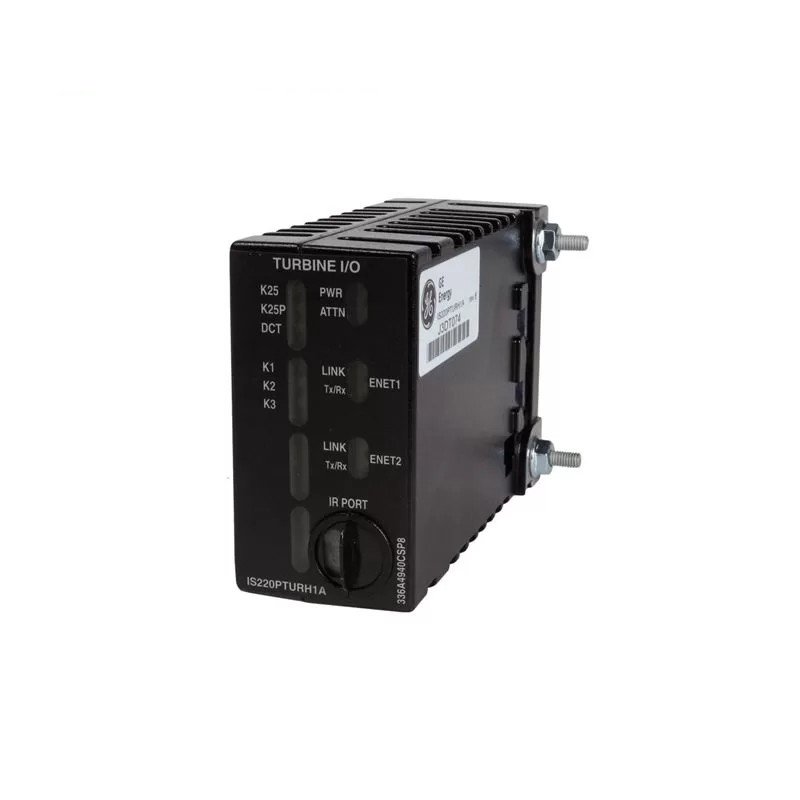
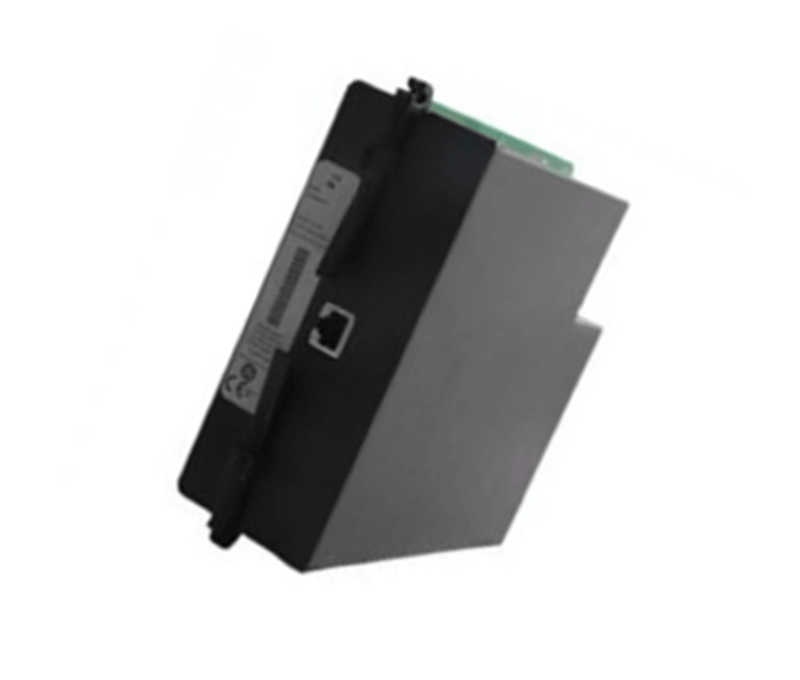
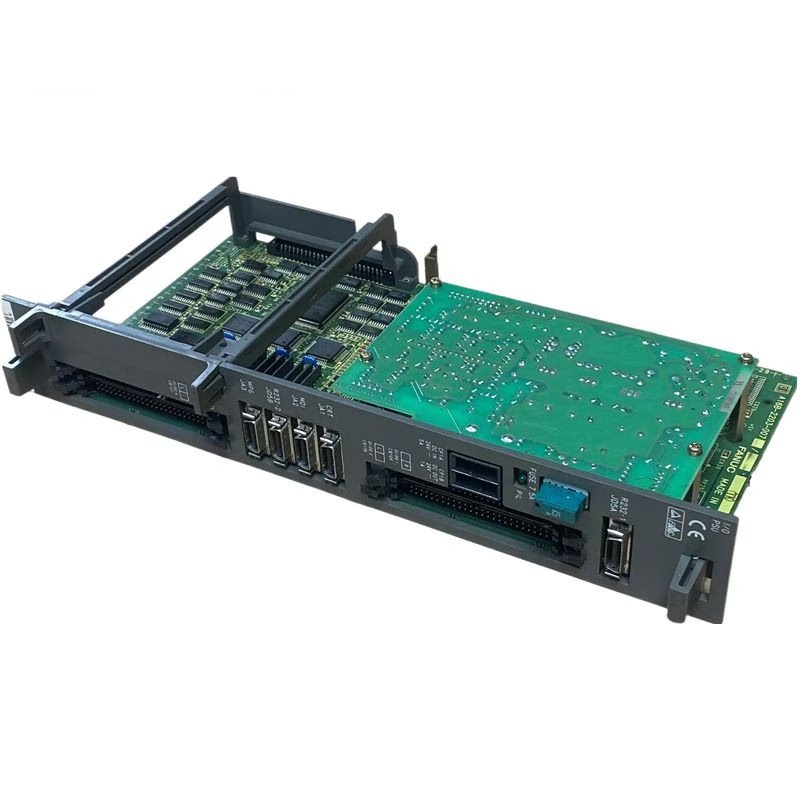
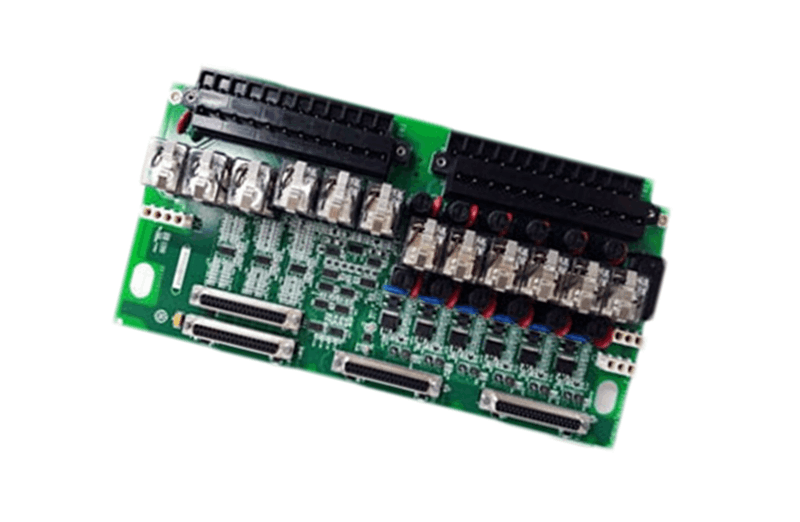
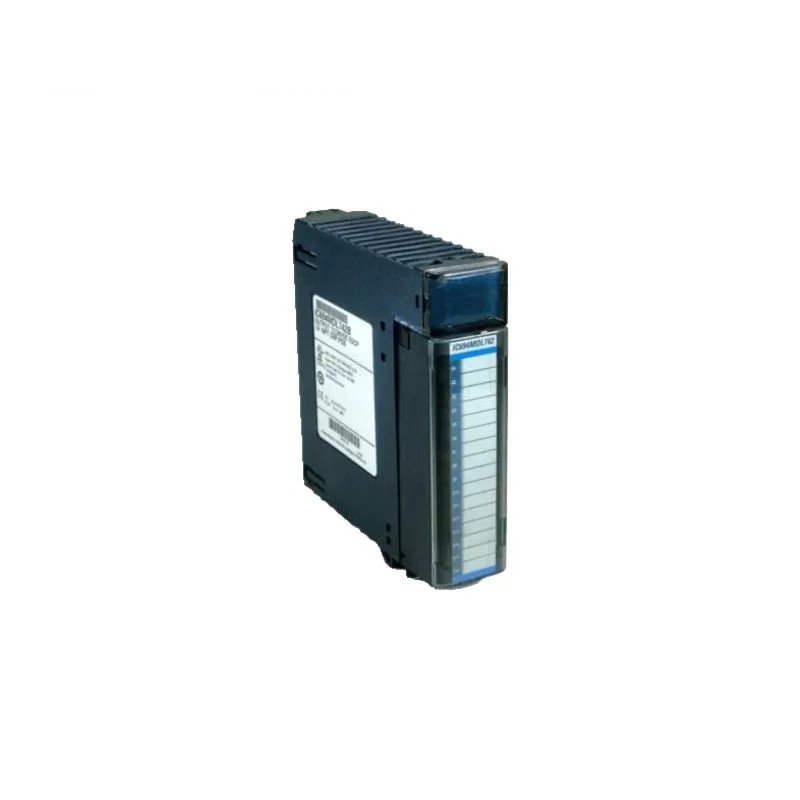
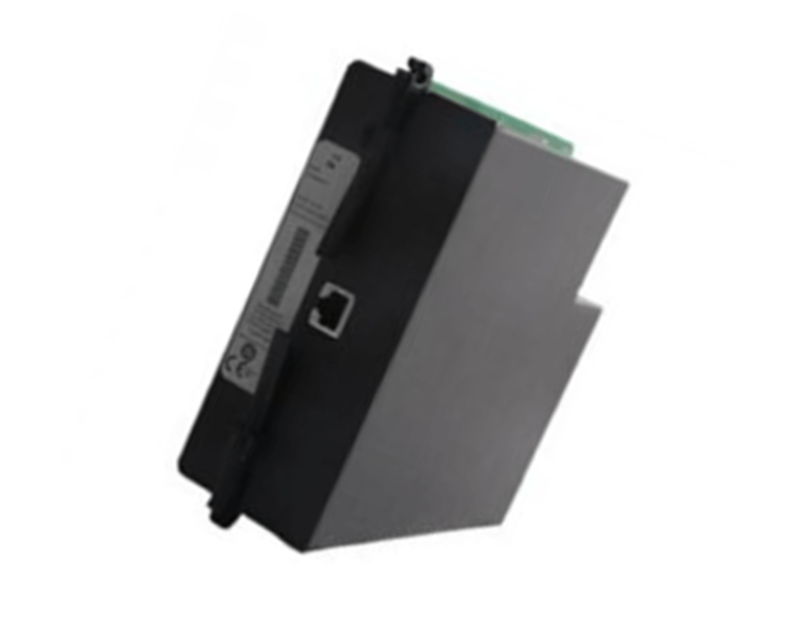
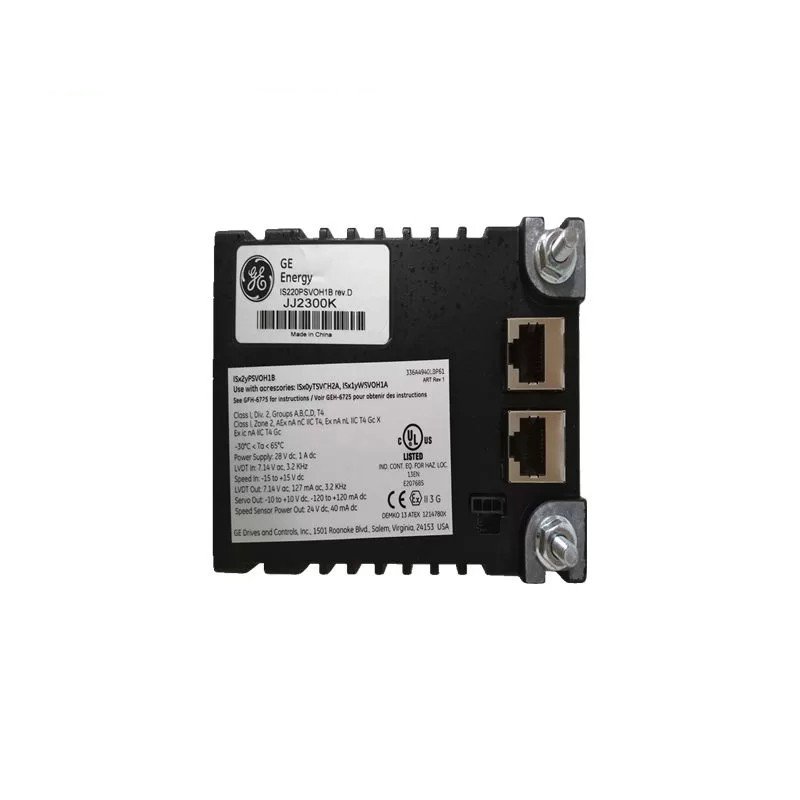
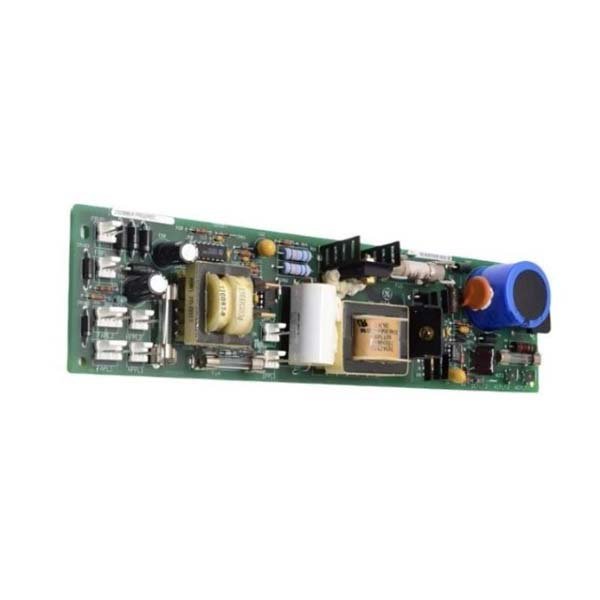
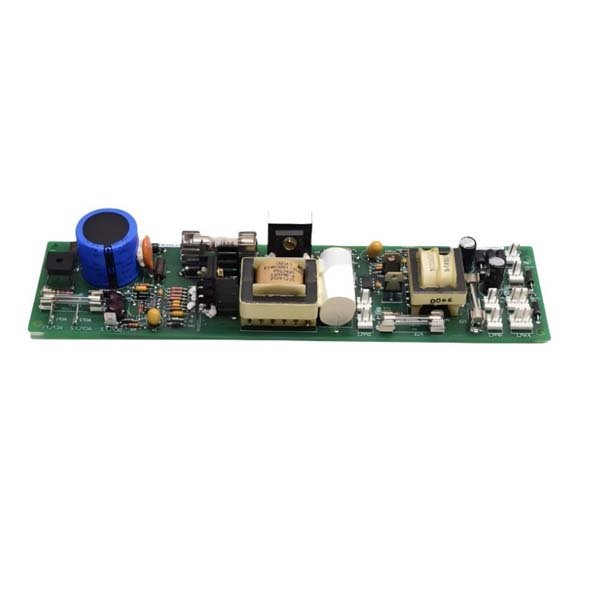
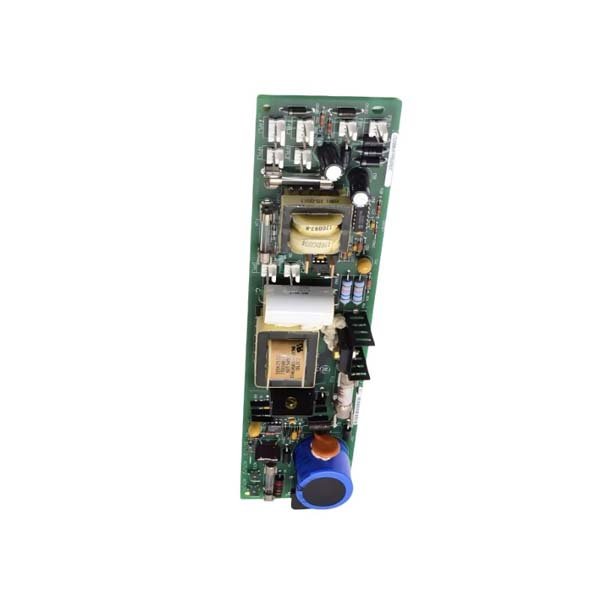
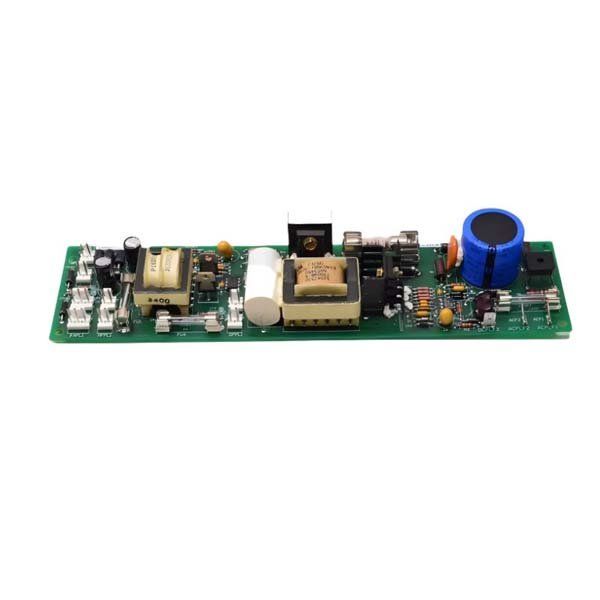
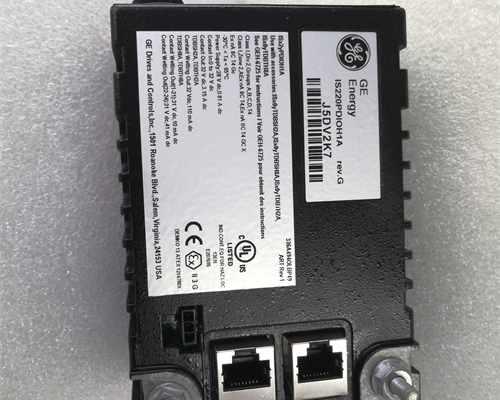
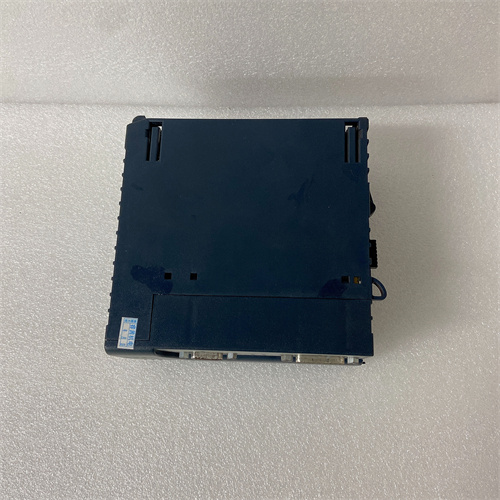
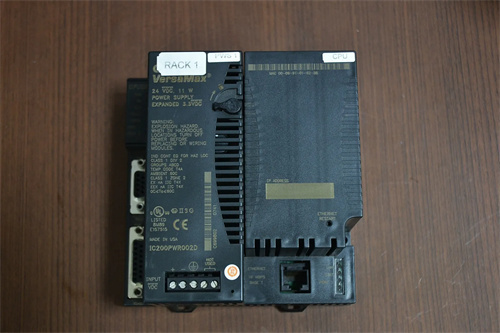
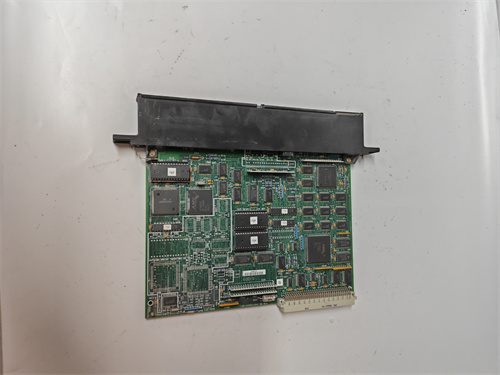
General Electric IS200HFPAG1ADC High-Frequency Protection & Analysis Module
Manufacturer:GE Fanuc
Product Number:IS200HFPAG1ADC
Product Type:Protective Analysis Module
Origin:USA
Dimensions:207 mm × 131 mm × 37 mm
Weight:0.75 kg
Views:105
Payment Methods:T/T, PayPal, Western Union
Condition:New & In Stock
Warranty:1 Year
Lead Time:1-3 Working Days
Certificate:COO
Courier partners:DHL, UPS, TNT, FedEx and EMS.
Business hours:7*24
Product Description
The IS200HFPAG1ADC is a high-frequency protection and analytical interface module developed for GE Mark VI and Mark VIe turbine control platforms. It is designed to interpret rapid analog events, detect transient conditions, and support protective logic that depends on precise high-speed measurements. In many control architectures, this board acts as the analytical bridge between raw sensing hardware and the turbine’s protective core logic, ensuring accurate and timely system responses.
Technical Specifications and Physical Details
| Parameter | Details |
|---|---|
| Brand | GE |
| Model | IS200HFPAG1ADC |
| Module Type | High-Frequency Processing / Protective Analysis Module |
| Signal Capability | High-frequency analog input conditioning |
| Processing Function | Filtering, event detection, transient interpretation |
| Operating Voltage | 5V / 24V depending on circuit path |
| Isolation Architecture | Channel-to-ground and channel-to-channel isolation |
| Dimensions (L × W × H) | 207 mm × 131 mm × 37 mm |
| Weight | 0.75 kg |
| Temperature Range | -20°C to 65°C |
| Installation Format | Standard Mark VI/VIe rack module |
Engineering Use Cases
The IS200HFPAG1ADC is typically deployed in environments where the turbine’s control system must react to rapidly changing mechanical or electrical conditions. Examples include:
-
Overspeed and high-frequency vibration monitoring
-
Transient event capture for rotating machinery
-
High-resolution diagnostic feedback during load transitions
-
Condition monitoring for safety-critical turbine protection paths
-
System upgrades replacing early HFPA revisions in Mark VI frames
Its responsiveness makes it valuable in modern plants that focus on predictive maintenance and early anomaly detection.
Design Advantages for System Performance
The module incorporates a high-bandwidth filtering structure that maintains signal integrity even when electrical noise and vibration are present. This allows the control system to operate with confidence during rapid turbine acceleration or load shifts. The isolation layers contribute to clean data paths, reducing the likelihood of false protection triggers. Engineers often select this revision because it provides a stable analytical foundation without requiring additional signal conditioning hardware.
FAQs
-
What type of signals does the IS200HFPAG1ADC process?
High-frequency analog signals for diagnostic and protective analysis.
-
Is this board compatible with Mark VIe panels?
Yes, it is widely used across both Mark VI and Mark VIe configurations.
-
Does the module support transient detection?
Yes, it is designed for rapid event interpretation and high-speed changes.
-
Are there major differences from G2 or ADC revisions?
Variations exist in filtering profiles and board layout; users should check rack compatibility.
-
Is firmware needed for operation?
No firmware; it functions as a hardware signal-processing component.
-
Does the module require calibration?
Not for standard installations; factory calibration is sufficient.
-
What symptoms indicate module degradation?
Loss of high-frequency sensitivity, unstable readings, or missing transient data.
-
Can it be used in redundant protection chains?
Yes, it integrates seamlessly with redundant Mark VI/VIe protection lanes.
-
How resistant is the board to electrical noise?
Its filtering and isolation architecture provide strong noise mitigation.
-
Is it field-repairable?
Typically no; replacement is the recommended approach.
 Loading comments...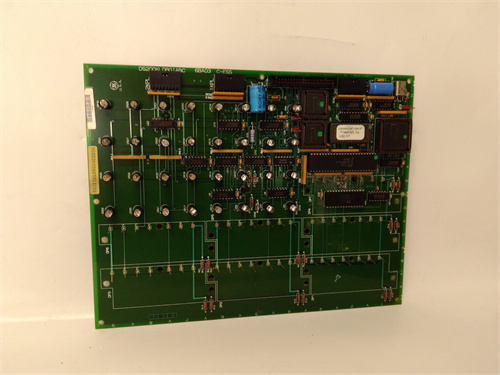
General Electric IS200HFPAG1ADC High-Frequency Protection & Analysis Module
Manufacturer:GE Fanuc
Product Number:IS200HFPAG1ADC
Product Type:Protective Analysis Module
Origin:USA
Dimensions:207 mm × 131 mm × 37 mm
Weight:0.75 kg
Views:105
Payment Methods:T/T, PayPal, Western Union
Condition:New & In Stock
Warranty:1 Year
Lead Time:1-3 Working Days
Certificate:COO
Courier partners:DHL, UPS, TNT, FedEx and EMS.
Business hours:7*24
Product Description
The IS200HFPAG1ADC is a high-frequency protection and analytical interface module developed for GE Mark VI and Mark VIe turbine control platforms. It is designed to interpret rapid analog events, detect transient conditions, and support protective logic that depends on precise high-speed measurements. In many control architectures, this board acts as the analytical bridge between raw sensing hardware and the turbine’s protective core logic, ensuring accurate and timely system responses.
Technical Specifications and Physical Details
| Parameter | Details |
|---|---|
| Brand | GE |
| Model | IS200HFPAG1ADC |
| Module Type | High-Frequency Processing / Protective Analysis Module |
| Signal Capability | High-frequency analog input conditioning |
| Processing Function | Filtering, event detection, transient interpretation |
| Operating Voltage | 5V / 24V depending on circuit path |
| Isolation Architecture | Channel-to-ground and channel-to-channel isolation |
| Dimensions (L × W × H) | 207 mm × 131 mm × 37 mm |
| Weight | 0.75 kg |
| Temperature Range | -20°C to 65°C |
| Installation Format | Standard Mark VI/VIe rack module |
Engineering Use Cases
The IS200HFPAG1ADC is typically deployed in environments where the turbine’s control system must react to rapidly changing mechanical or electrical conditions. Examples include:
-
Overspeed and high-frequency vibration monitoring
-
Transient event capture for rotating machinery
-
High-resolution diagnostic feedback during load transitions
-
Condition monitoring for safety-critical turbine protection paths
-
System upgrades replacing early HFPA revisions in Mark VI frames
Its responsiveness makes it valuable in modern plants that focus on predictive maintenance and early anomaly detection.
Design Advantages for System Performance
The module incorporates a high-bandwidth filtering structure that maintains signal integrity even when electrical noise and vibration are present. This allows the control system to operate with confidence during rapid turbine acceleration or load shifts. The isolation layers contribute to clean data paths, reducing the likelihood of false protection triggers. Engineers often select this revision because it provides a stable analytical foundation without requiring additional signal conditioning hardware.
FAQs
-
What type of signals does the IS200HFPAG1ADC process?
High-frequency analog signals for diagnostic and protective analysis.
-
Is this board compatible with Mark VIe panels?
Yes, it is widely used across both Mark VI and Mark VIe configurations.
-
Does the module support transient detection?
Yes, it is designed for rapid event interpretation and high-speed changes.
-
Are there major differences from G2 or ADC revisions?
Variations exist in filtering profiles and board layout; users should check rack compatibility.
-
Is firmware needed for operation?
No firmware; it functions as a hardware signal-processing component.
-
Does the module require calibration?
Not for standard installations; factory calibration is sufficient.
-
What symptoms indicate module degradation?
Loss of high-frequency sensitivity, unstable readings, or missing transient data.
-
Can it be used in redundant protection chains?
Yes, it integrates seamlessly with redundant Mark VI/VIe protection lanes.
-
How resistant is the board to electrical noise?
Its filtering and isolation architecture provide strong noise mitigation.
-
Is it field-repairable?
Typically no; replacement is the recommended approach.
Need a Custom Automation Solution?
Our team of experts can design and implement a tailored automation system to meet your specific requirements.