
Our Products
Comprehensive industrial automation solutions for global industries
Contact us
If you are interested in our products and want to know more details,please Contact us,we will reply you as soon as we can.
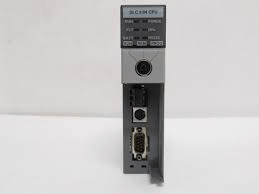
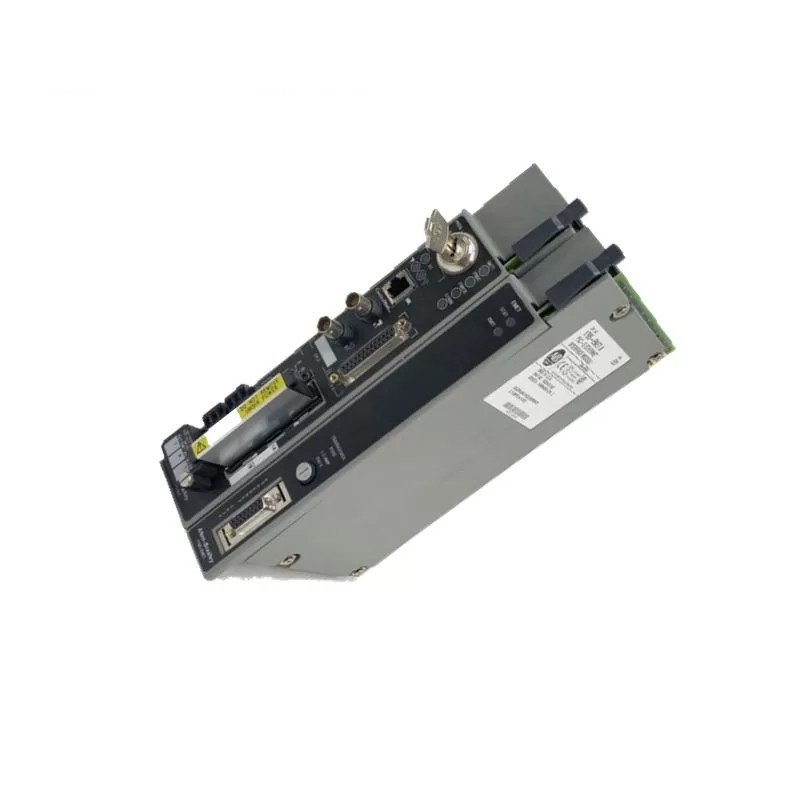
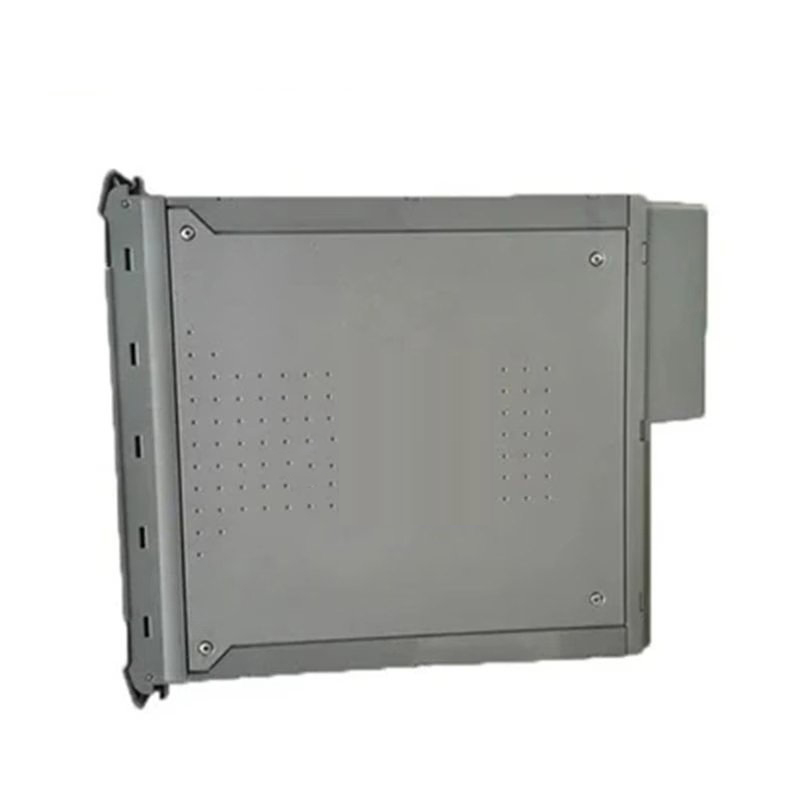
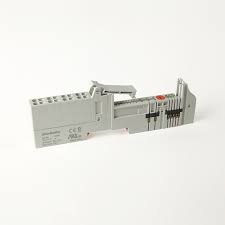
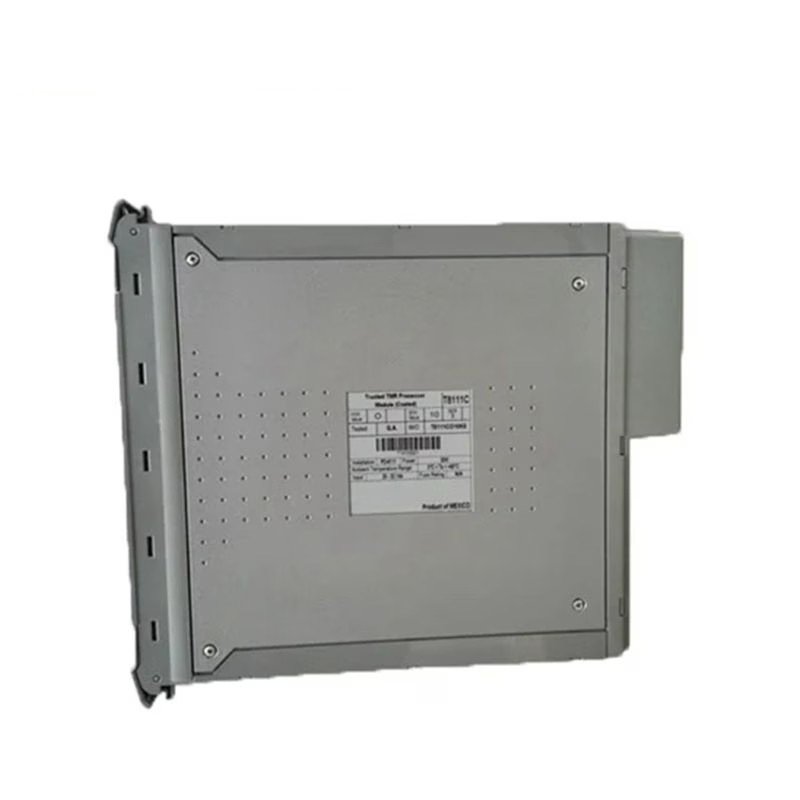
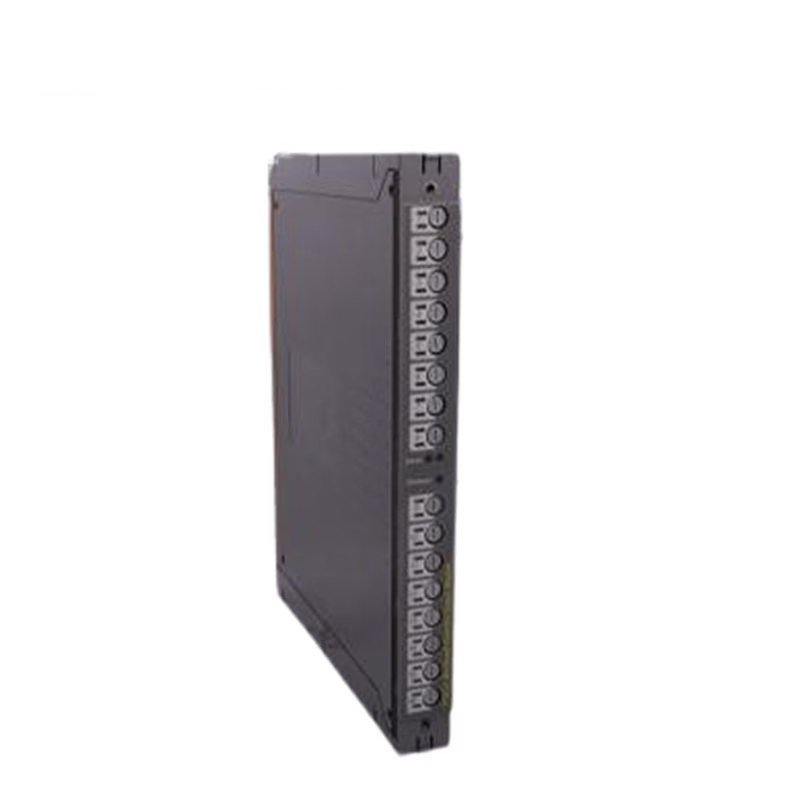
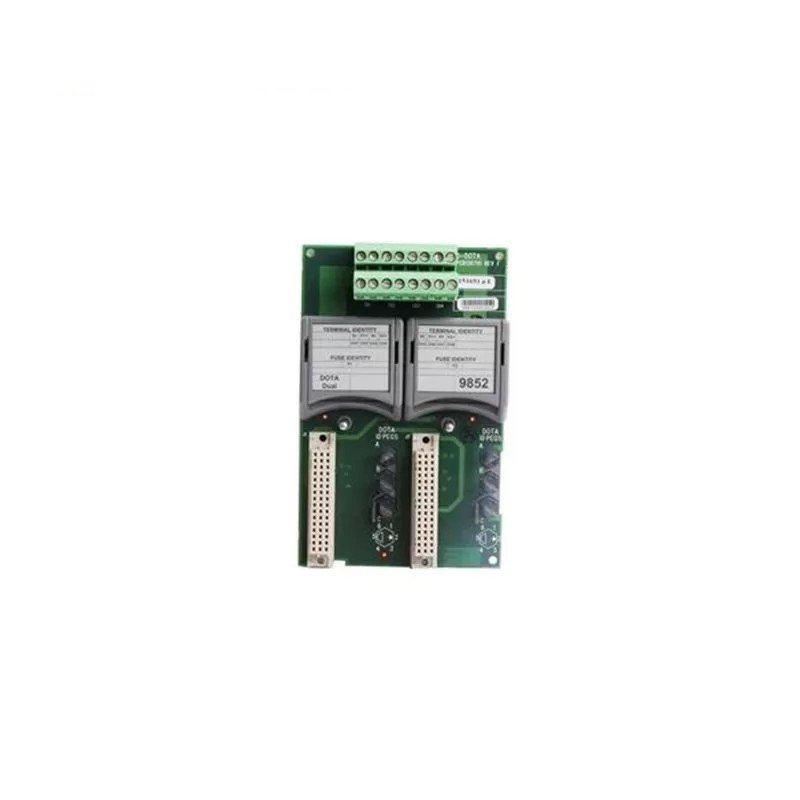
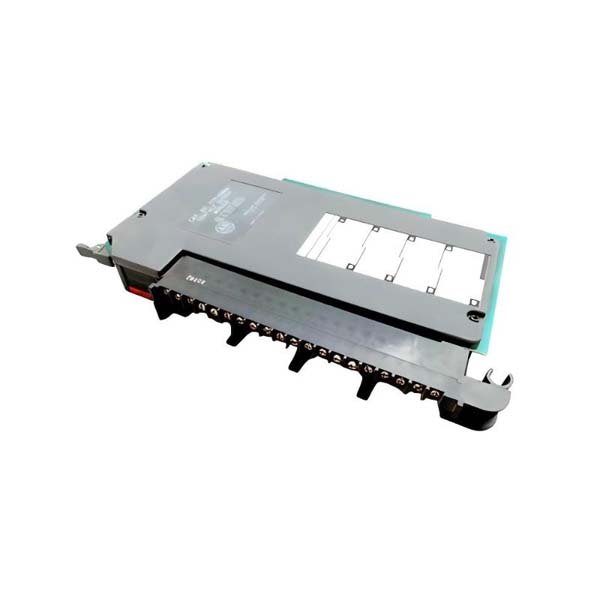
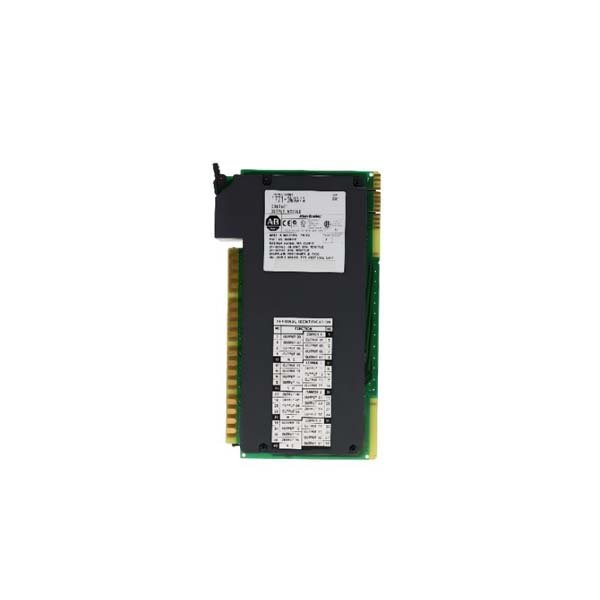
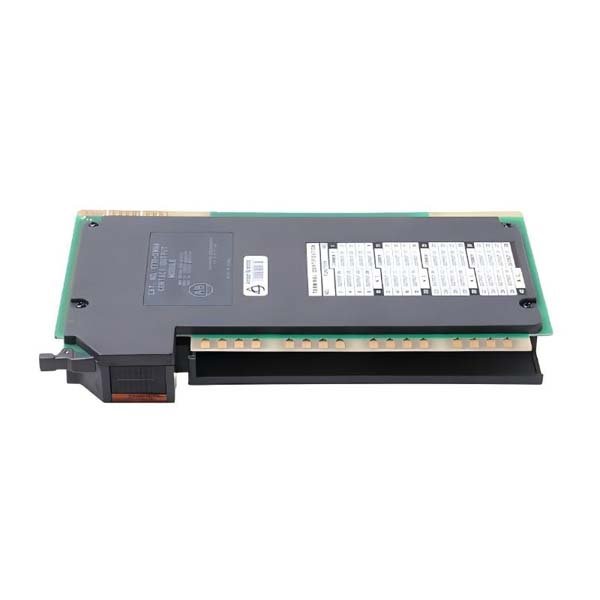
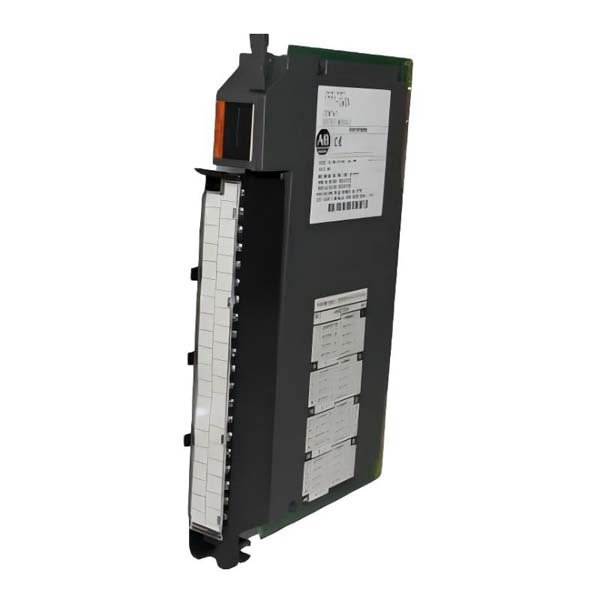
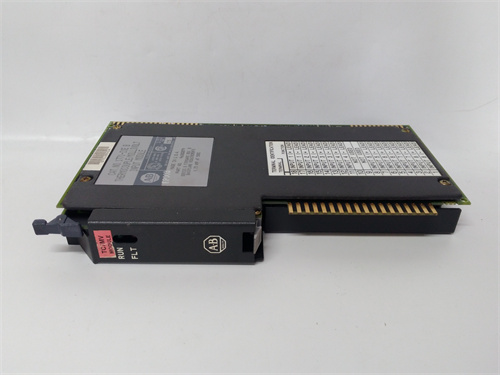
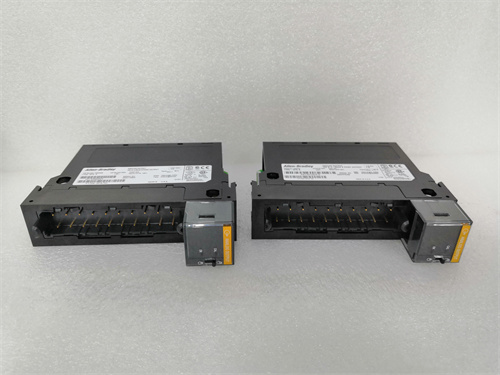
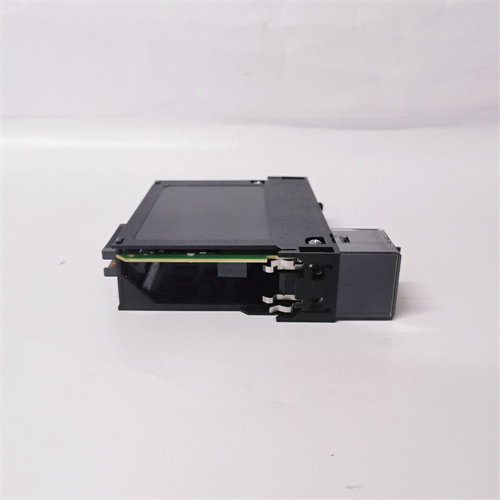
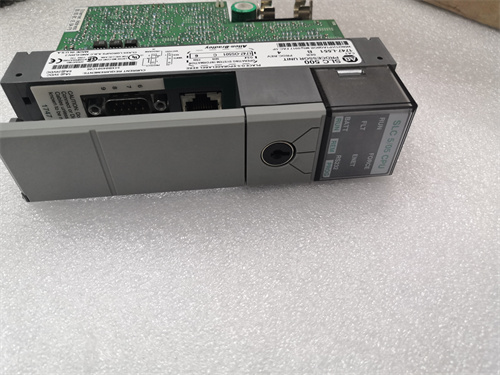
Allen-Bradley 1771-OWNA Relay Output Module
Manufacturer:Allen Bradley
Product Number:1771-OWNA
Product Type:Relay Output Module
Origin:USA
Dimensions:178 mm × 50 mm × 180 mm
Weight:0.82 kg
Views:145
Payment Methods:T/T, PayPal, Western Union
Condition:New & In Stock
Warranty:1 Year
Lead Time:1-3 Working Days
Certificate:COO
Courier partners:DHL, UPS, TNT, FedEx and EMS.
Business hours:7*24
Product Description
The Allen-Bradley 1771-OWNA Relay Output Module stands as a durable and flexible output solution within the 1771 I/O series, offering dependable relay-based switching for both AC and DC loads. Engineered for industrial automation environments, it provides electrical isolation between field devices and controller logic, ensuring stable and safe operation. This module is particularly valued in systems where mechanical relay output is preferred for handling higher current loads or for compatibility with mixed signal types.
Core Technical Specifications
| Parameter | Specification |
|---|---|
| Brand | Allen-Bradley / Rockwell Automation |
| Product Type | Relay Output Module |
| Series | 1771 I/O Series |
| Output Channels | 8 Individually Isolated Relays |
| Output Voltage Range | 5–265 VAC or 5–30 VDC |
| Output Current (per channel) | 2 A at 120 VAC or 2 A at 24 VDC |
| Switching Type | Mechanical Relay Contact |
| Isolation Voltage | 1500 V RMS for 1 minute |
| Response Time | 10 ms (typical) |
| Power Consumption | 2.0 W (approx.) |
| Operating Temperature | 0°C to 60°C (32°F to 140°F) |
| Storage Temperature | -40°C to 85°C (-40°F to 185°F) |
| Humidity | 5–95% non-condensing |
| Dimensions (H × W × D) | 178 mm × 50 mm × 180 mm (7.0 in × 2.0 in × 7.1 in) |
| Weight | 0.82 kg (1.8 lb) |
| Mounting Type | 1771 Chassis Mount |
| Certifications | UL, CE, CSA |
Application Scenarios
The 1771-OWNA is extensively used in industrial control systems, especially where electromechanical actuation or mixed voltage signal switching is required. Common uses include operating solenoids, relays, indicator lamps, contactors, and motor starters. Because it provides mechanical relay isolation, it is ideal for systems that interface between high and low voltage control components without risk of signal crossover.
Key Advantages
-
Broad Compatibility: Supports both AC and DC load switching, reducing the need for multiple module types.
-
Reliable Isolation: Mechanical relay contacts ensure electrical isolation between field and control sides.
-
Rugged Construction: Built to withstand vibration and electrical noise in harsh environments.
-
Flexible Integration: Fully compatible with PLC-5 and the entire 1771 I/O chassis system.
-
Field-Proven Longevity: Designed for long operational life even under repetitive load conditions.
FAQs
-
Can the 1771-OWNA handle inductive loads like solenoids or contactors?
Yes, with proper suppression (flyback diodes for DC, snubbers for AC).
-
Is each output channel isolated from the others?
Each relay channel is individually isolated, ensuring independent operation.
-
Does it support mixed voltage operation on different channels?
Yes, each channel can independently switch AC or DC voltages.
-
What is the contact material used in the relays?
The relays use silver-cadmium oxide contacts for enhanced conductivity and durability.
-
How is relay life affected by load type?
Resistive loads allow maximum rated cycles; inductive loads reduce mechanical lifespan.
-
Can the module detect output contact failure?
The module itself doesn’t monitor contact wear, but diagnostics can be implemented at the PLC level.
-
Is there a specific fuse requirement for protection?
Allen-Bradley recommends external fusing for each output line for overload protection.
-
What are the minimum load requirements per relay?
Minimum load typically 10 mA at 5 VDC for proper contact reliability.
-
Can the module operate in hazardous environments?
It’s certified for general industrial use; for hazardous zones, use within approved enclosures.
-
Is relay chattering an issue in high-frequency applications?
Not recommended for high-frequency switching; solid-state modules are better suited.
 Loading comments...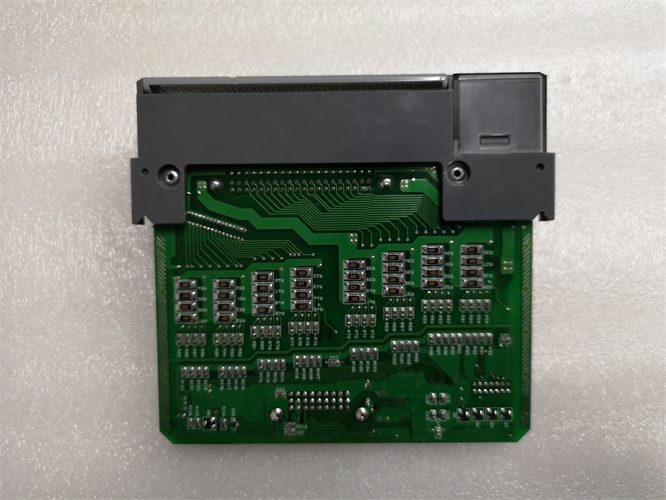
Allen-Bradley 1771-OWNA Relay Output Module
Manufacturer:Allen Bradley
Product Number:1771-OWNA
Product Type:Relay Output Module
Origin:USA
Dimensions:178 mm × 50 mm × 180 mm
Weight:0.82 kg
Views:145
Payment Methods:T/T, PayPal, Western Union
Condition:New & In Stock
Warranty:1 Year
Lead Time:1-3 Working Days
Certificate:COO
Courier partners:DHL, UPS, TNT, FedEx and EMS.
Business hours:7*24
Product Description
The Allen-Bradley 1771-OWNA Relay Output Module stands as a durable and flexible output solution within the 1771 I/O series, offering dependable relay-based switching for both AC and DC loads. Engineered for industrial automation environments, it provides electrical isolation between field devices and controller logic, ensuring stable and safe operation. This module is particularly valued in systems where mechanical relay output is preferred for handling higher current loads or for compatibility with mixed signal types.
Core Technical Specifications
| Parameter | Specification |
|---|---|
| Brand | Allen-Bradley / Rockwell Automation |
| Product Type | Relay Output Module |
| Series | 1771 I/O Series |
| Output Channels | 8 Individually Isolated Relays |
| Output Voltage Range | 5–265 VAC or 5–30 VDC |
| Output Current (per channel) | 2 A at 120 VAC or 2 A at 24 VDC |
| Switching Type | Mechanical Relay Contact |
| Isolation Voltage | 1500 V RMS for 1 minute |
| Response Time | 10 ms (typical) |
| Power Consumption | 2.0 W (approx.) |
| Operating Temperature | 0°C to 60°C (32°F to 140°F) |
| Storage Temperature | -40°C to 85°C (-40°F to 185°F) |
| Humidity | 5–95% non-condensing |
| Dimensions (H × W × D) | 178 mm × 50 mm × 180 mm (7.0 in × 2.0 in × 7.1 in) |
| Weight | 0.82 kg (1.8 lb) |
| Mounting Type | 1771 Chassis Mount |
| Certifications | UL, CE, CSA |
Application Scenarios
The 1771-OWNA is extensively used in industrial control systems, especially where electromechanical actuation or mixed voltage signal switching is required. Common uses include operating solenoids, relays, indicator lamps, contactors, and motor starters. Because it provides mechanical relay isolation, it is ideal for systems that interface between high and low voltage control components without risk of signal crossover.
Key Advantages
-
Broad Compatibility: Supports both AC and DC load switching, reducing the need for multiple module types.
-
Reliable Isolation: Mechanical relay contacts ensure electrical isolation between field and control sides.
-
Rugged Construction: Built to withstand vibration and electrical noise in harsh environments.
-
Flexible Integration: Fully compatible with PLC-5 and the entire 1771 I/O chassis system.
-
Field-Proven Longevity: Designed for long operational life even under repetitive load conditions.
FAQs
-
Can the 1771-OWNA handle inductive loads like solenoids or contactors?
Yes, with proper suppression (flyback diodes for DC, snubbers for AC).
-
Is each output channel isolated from the others?
Each relay channel is individually isolated, ensuring independent operation.
-
Does it support mixed voltage operation on different channels?
Yes, each channel can independently switch AC or DC voltages.
-
What is the contact material used in the relays?
The relays use silver-cadmium oxide contacts for enhanced conductivity and durability.
-
How is relay life affected by load type?
Resistive loads allow maximum rated cycles; inductive loads reduce mechanical lifespan.
-
Can the module detect output contact failure?
The module itself doesn’t monitor contact wear, but diagnostics can be implemented at the PLC level.
-
Is there a specific fuse requirement for protection?
Allen-Bradley recommends external fusing for each output line for overload protection.
-
What are the minimum load requirements per relay?
Minimum load typically 10 mA at 5 VDC for proper contact reliability.
-
Can the module operate in hazardous environments?
It’s certified for general industrial use; for hazardous zones, use within approved enclosures.
-
Is relay chattering an issue in high-frequency applications?
Not recommended for high-frequency switching; solid-state modules are better suited.
Need a Custom Automation Solution?
Our team of experts can design and implement a tailored automation system to meet your specific requirements.