
Our Products
Comprehensive industrial automation solutions for global industries
Contact us
If you are interested in our products and want to know more details,please Contact us,we will reply you as soon as we can.
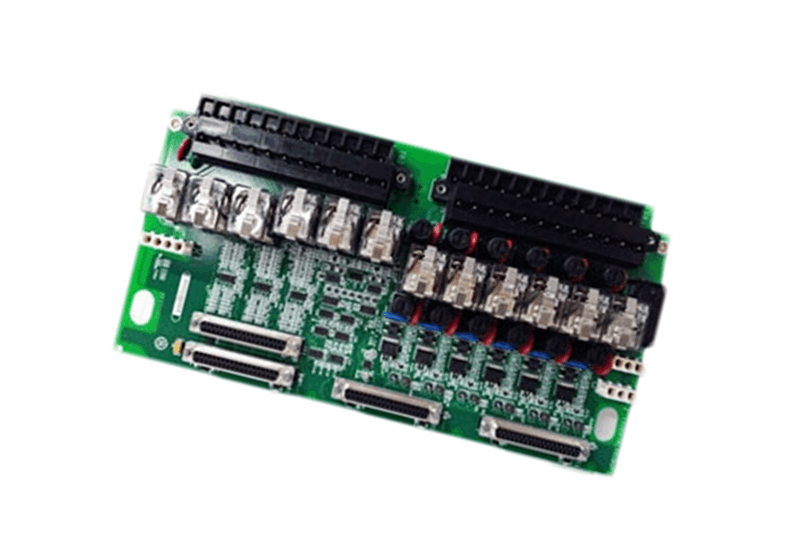
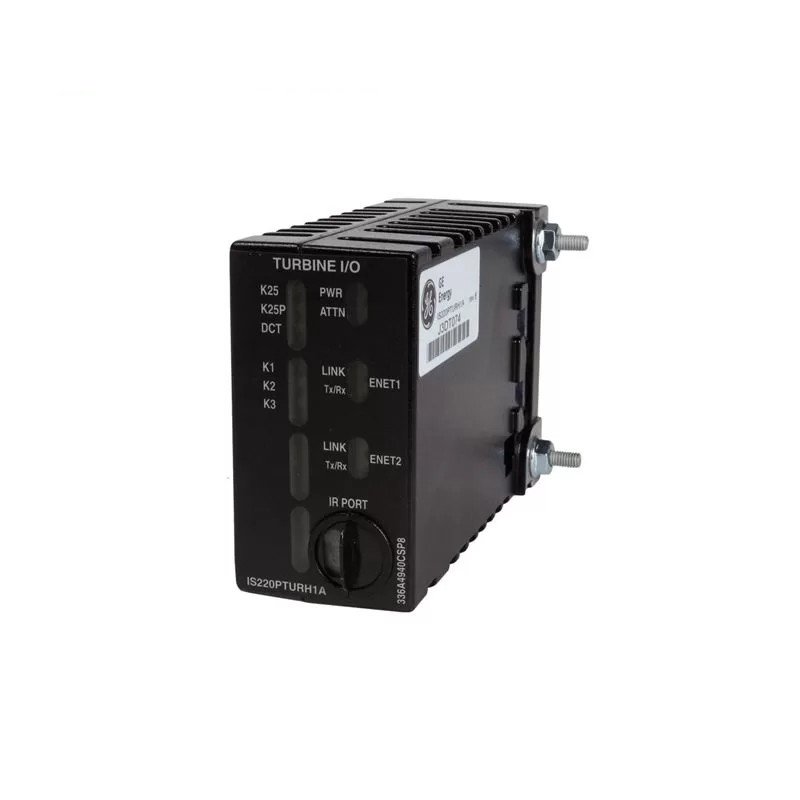
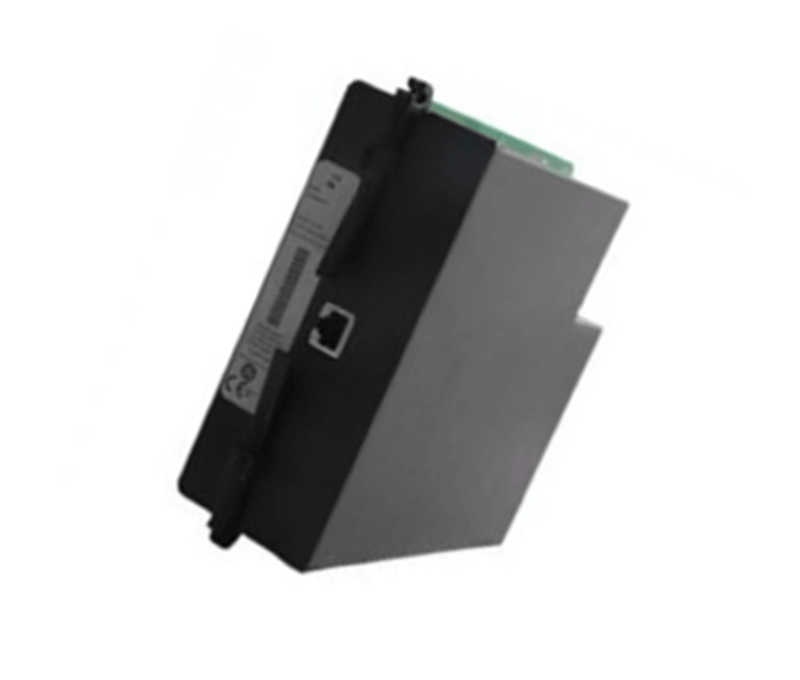
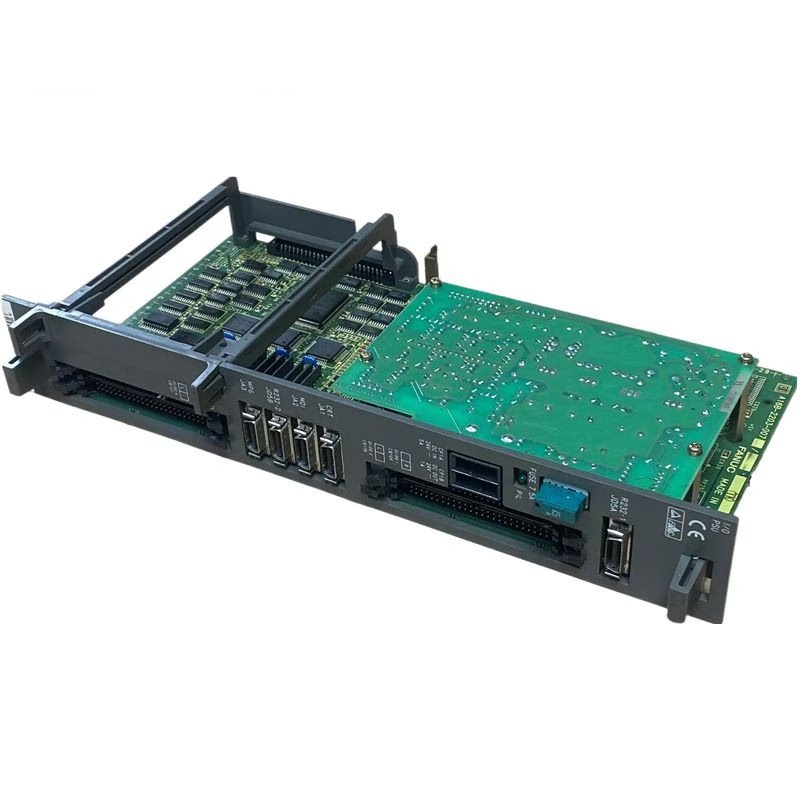
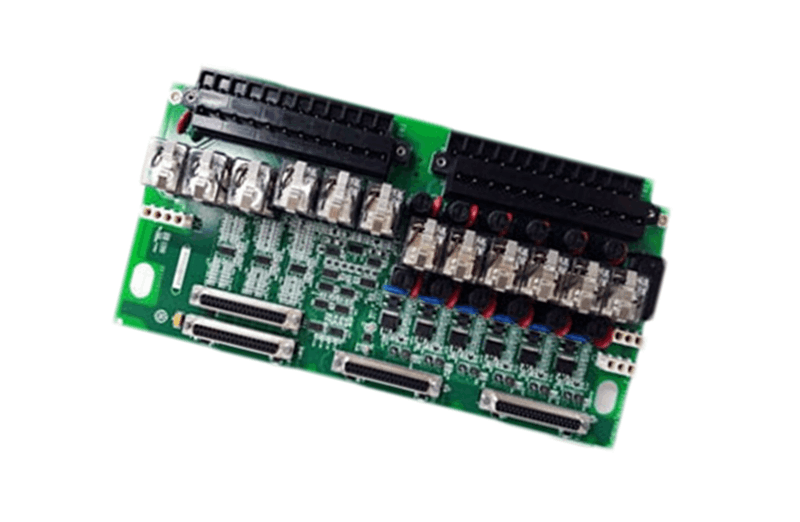
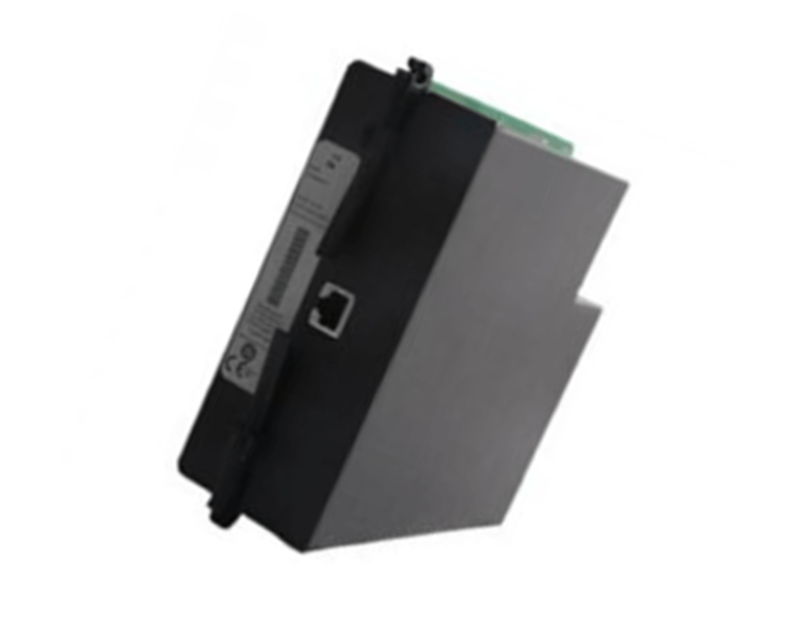

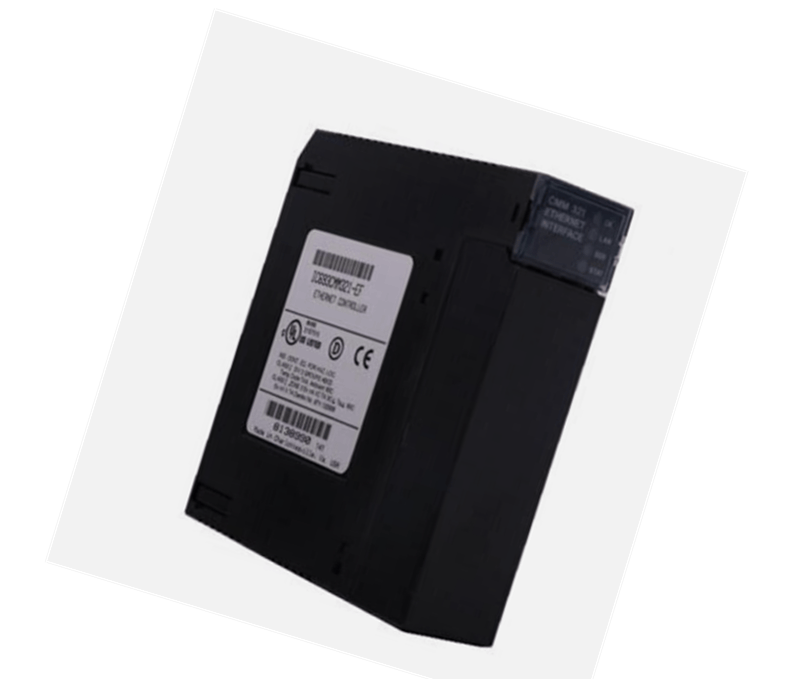
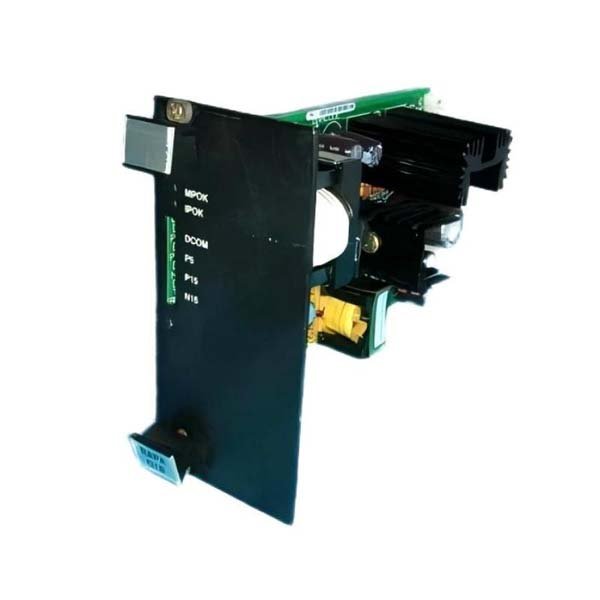
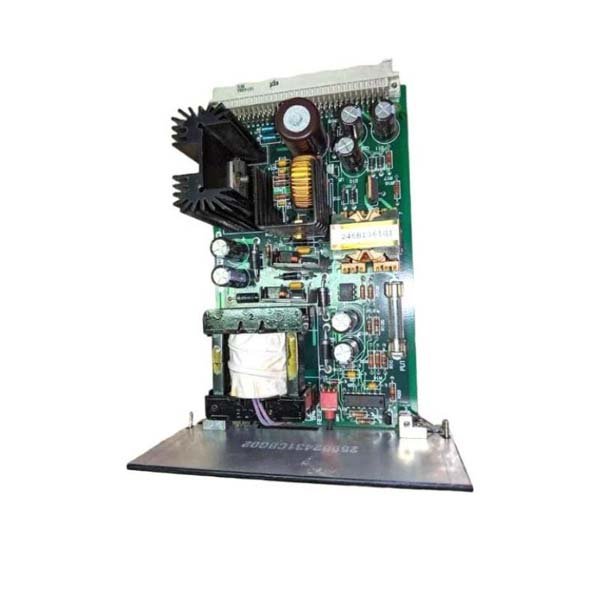
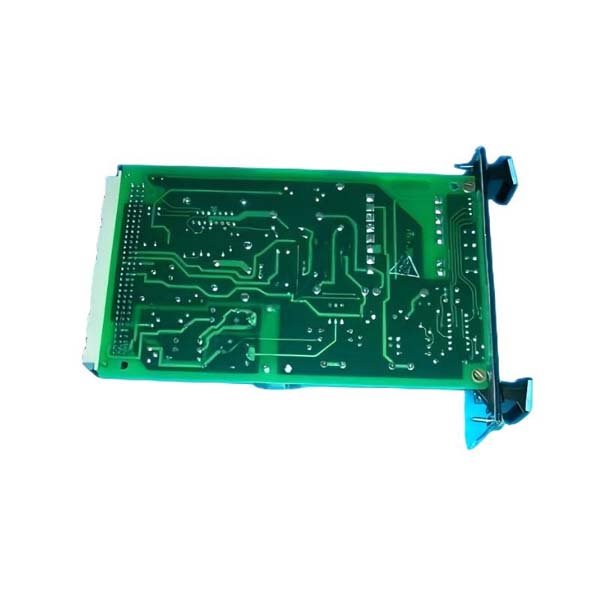
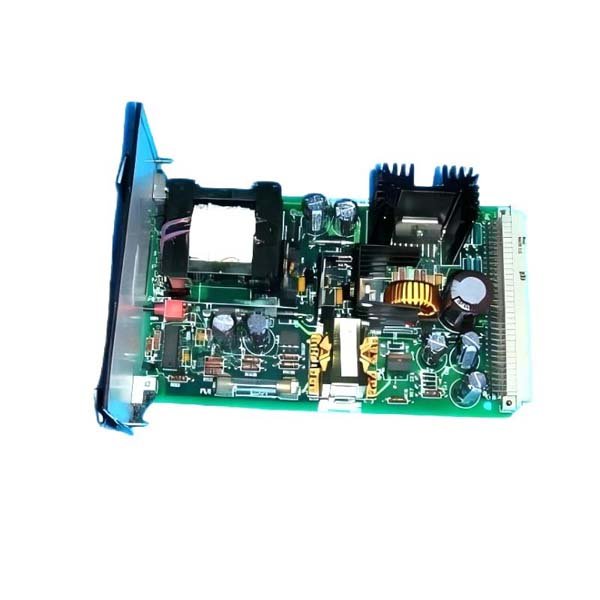
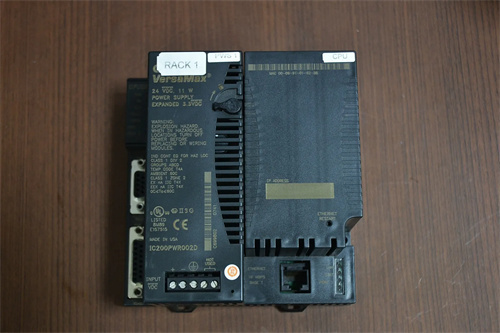
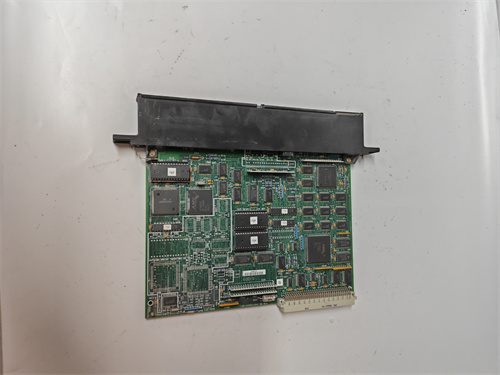
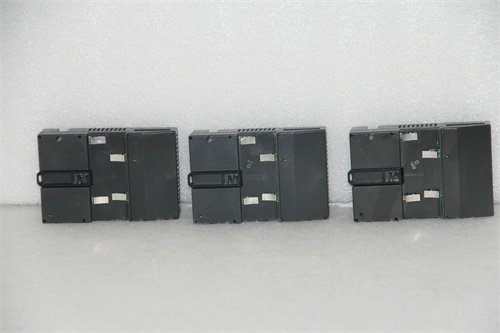
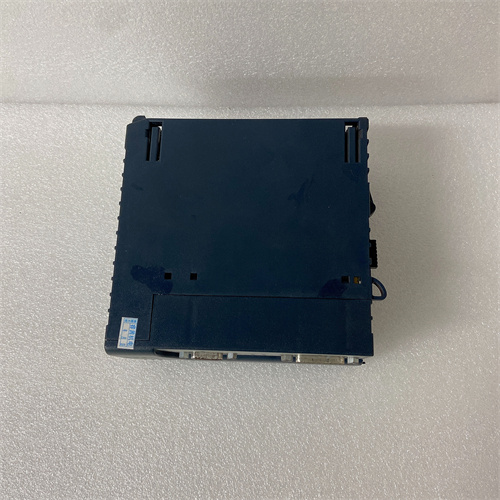
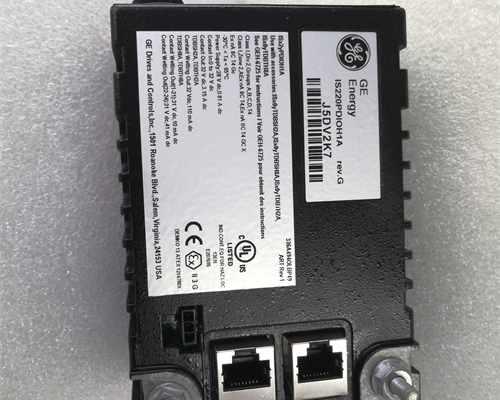
General Electric IS200RAPAG1BBA Protection Interface Module
Manufacturer:GE Fanuc
Product Number:IS200RAPAG1BBA
Product Type:Relay/Protection Interface Module
Origin:USA
Dimensions:178 mm × 110 mm × 38 mm
Weight:0.72 kg
Views:97
Payment Methods:T/T, PayPal, Western Union
Condition:New & In Stock
Warranty:1 Year
Lead Time:1-3 Working Days
Certificate:COO
Courier partners:DHL, UPS, TNT, FedEx and EMS.
Business hours:7*24
Product Description
During today’s technical session, we focus on the IS200RAPAG1BBA—a relay and protection interface module frequently encountered in GE Mark VI/VIe environments. This board is often discussed in advanced control courses because it bridges protective logic and core CPU sequencing, ensuring that shutdown, trip, and interlock signals are transmitted with uncompromised reliability.
In training environments, instructors often highlight this module to demonstrate how protective layers interact with process control modules in real-world power plant systems.
Technical Characteristics and Physical Footprint
To fully understand how the module behaves, engineers must first internalize its electrical and physical profile:
| Feature | Details |
|---|---|
| Brand | GE |
| Module Type | Relay/Protection Interface Module |
| Inputs | Multiple opto-isolated protection signal inputs |
| Outputs | Relay-driven protective command paths |
| Rated Voltage | 24V DC |
| Isolation Level | 2 kV |
| Dimensions (L × W × H) | 178 mm × 110 mm × 38 mm |
| Weight | 0.72 kg |
| Operating Temperature | -20°C to 65°C |
| Storage Temperature | -40°C to 85°C |
| Primary Use Case | Protective sequencing and relay interfacing |
The physical design is compact, allowing placement near terminal boards with minimal wiring distances—something instructors always stress during system layout exercises.
Understanding Its Role in Protective Architecture
In system protection lessons, the IS200RAPAG1BBA is used as an example of how protective inputs transition into actionable CPU events. The board’s opto-isolated inputs prevent ground noise from entering the control system, and its relay paths can enforce shutdown actions even when certain logic layers fail.
During hands-on sessions, trainees typically observe how a turbine trip signal is routed through this module before reaching the main control processor. This illustrates the broader concept that protection circuits must always remain electrically independent yet logically synchronized.
Where Engineers Commonly Use This Module
In classroom case studies, real facility examples include:
-
Turbine trip logic paths requiring deterministic relay command execution
-
Overspeed and overtemperature protection systems interfacing external sensors with CPU trip logic
-
Auxiliary equipment protection, such as lube oil skids and cooling fans
-
Redundant protection circuits, where parallel RAP modules increase fault tolerance
The module is commonly found in cabinets where quick-access wiring and clear relay status indicators are necessary for both operation and training.
Why Engineers Prefer This Module
Educators often emphasize these strengths:
-
Predictable relay actuation time, crucial for trip and interlock functions
-
Solid isolation design, preventing fault propagation
-
Straightforward diagnostic LEDs, ideal for teaching signal-path behavior
-
Durable relay hardware, capable of thousands of cycles without degradation
-
Efficient cabinet placement, aided by the board’s compact footprint
-
Full compatibility with GE Mark VI/VIe control logic layers
Frequently Asked Questions (FAQ)
-
Does the module support simultaneous relay outputs?
Yes, all outputs can activate independently without signal interference.
-
Is this module involved in normal operation control loops?
No—its primary purpose is protection logic, not analog or process control.
-
How does the module indicate input faults?
LEDs illuminate for abnormal voltage levels or missing input signals.
-
Is isolation included for all input channels?
Yes, each protective input is opto-isolated for system safety.
-
Can this module be used in redundant trip chains?
Absolutely; it integrates easily with dual or triple-redundant architectures.
-
Does it require periodic replacement of relays?
Not under normal operation; relays are designed for long service cycles.
-
Can field wiring errors damage the inputs?
The isolation barrier significantly reduces the probability of damage.
-
Is temperature drift a concern during protection events?
No, temperature stability is well within safe limits.
-
How do technicians verify relay state?
LED indicators and continuity checks are typically used.
-
Does the module interface directly with CPU modules?
Yes, through backplane communication and wiring harness connections.
 Loading comments...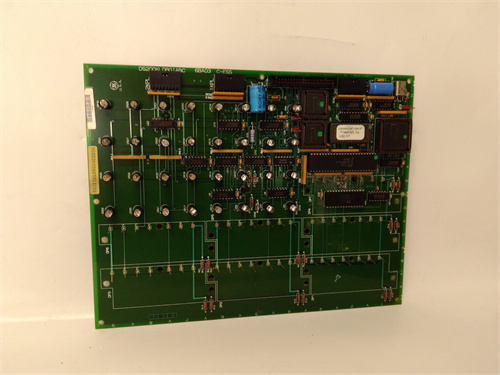
General Electric IS200RAPAG1BBA Protection Interface Module
Manufacturer:GE Fanuc
Product Number:IS200RAPAG1BBA
Product Type:Relay/Protection Interface Module
Origin:USA
Dimensions:178 mm × 110 mm × 38 mm
Weight:0.72 kg
Views:97
Payment Methods:T/T, PayPal, Western Union
Condition:New & In Stock
Warranty:1 Year
Lead Time:1-3 Working Days
Certificate:COO
Courier partners:DHL, UPS, TNT, FedEx and EMS.
Business hours:7*24
Product Description
During today’s technical session, we focus on the IS200RAPAG1BBA—a relay and protection interface module frequently encountered in GE Mark VI/VIe environments. This board is often discussed in advanced control courses because it bridges protective logic and core CPU sequencing, ensuring that shutdown, trip, and interlock signals are transmitted with uncompromised reliability.
In training environments, instructors often highlight this module to demonstrate how protective layers interact with process control modules in real-world power plant systems.
Technical Characteristics and Physical Footprint
To fully understand how the module behaves, engineers must first internalize its electrical and physical profile:
| Feature | Details |
|---|---|
| Brand | GE |
| Module Type | Relay/Protection Interface Module |
| Inputs | Multiple opto-isolated protection signal inputs |
| Outputs | Relay-driven protective command paths |
| Rated Voltage | 24V DC |
| Isolation Level | 2 kV |
| Dimensions (L × W × H) | 178 mm × 110 mm × 38 mm |
| Weight | 0.72 kg |
| Operating Temperature | -20°C to 65°C |
| Storage Temperature | -40°C to 85°C |
| Primary Use Case | Protective sequencing and relay interfacing |
The physical design is compact, allowing placement near terminal boards with minimal wiring distances—something instructors always stress during system layout exercises.
Understanding Its Role in Protective Architecture
In system protection lessons, the IS200RAPAG1BBA is used as an example of how protective inputs transition into actionable CPU events. The board’s opto-isolated inputs prevent ground noise from entering the control system, and its relay paths can enforce shutdown actions even when certain logic layers fail.
During hands-on sessions, trainees typically observe how a turbine trip signal is routed through this module before reaching the main control processor. This illustrates the broader concept that protection circuits must always remain electrically independent yet logically synchronized.
Where Engineers Commonly Use This Module
In classroom case studies, real facility examples include:
-
Turbine trip logic paths requiring deterministic relay command execution
-
Overspeed and overtemperature protection systems interfacing external sensors with CPU trip logic
-
Auxiliary equipment protection, such as lube oil skids and cooling fans
-
Redundant protection circuits, where parallel RAP modules increase fault tolerance
The module is commonly found in cabinets where quick-access wiring and clear relay status indicators are necessary for both operation and training.
Why Engineers Prefer This Module
Educators often emphasize these strengths:
-
Predictable relay actuation time, crucial for trip and interlock functions
-
Solid isolation design, preventing fault propagation
-
Straightforward diagnostic LEDs, ideal for teaching signal-path behavior
-
Durable relay hardware, capable of thousands of cycles without degradation
-
Efficient cabinet placement, aided by the board’s compact footprint
-
Full compatibility with GE Mark VI/VIe control logic layers
Frequently Asked Questions (FAQ)
-
Does the module support simultaneous relay outputs?
Yes, all outputs can activate independently without signal interference.
-
Is this module involved in normal operation control loops?
No—its primary purpose is protection logic, not analog or process control.
-
How does the module indicate input faults?
LEDs illuminate for abnormal voltage levels or missing input signals.
-
Is isolation included for all input channels?
Yes, each protective input is opto-isolated for system safety.
-
Can this module be used in redundant trip chains?
Absolutely; it integrates easily with dual or triple-redundant architectures.
-
Does it require periodic replacement of relays?
Not under normal operation; relays are designed for long service cycles.
-
Can field wiring errors damage the inputs?
The isolation barrier significantly reduces the probability of damage.
-
Is temperature drift a concern during protection events?
No, temperature stability is well within safe limits.
-
How do technicians verify relay state?
LED indicators and continuity checks are typically used.
-
Does the module interface directly with CPU modules?
Yes, through backplane communication and wiring harness connections.
Need a Custom Automation Solution?
Our team of experts can design and implement a tailored automation system to meet your specific requirements.