
Our Products
Comprehensive industrial automation solutions for global industries
Contact us
If you are interested in our products and want to know more details,please Contact us,we will reply you as soon as we can.
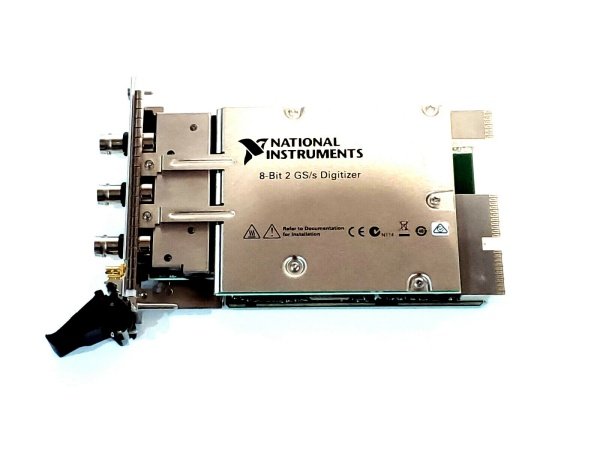
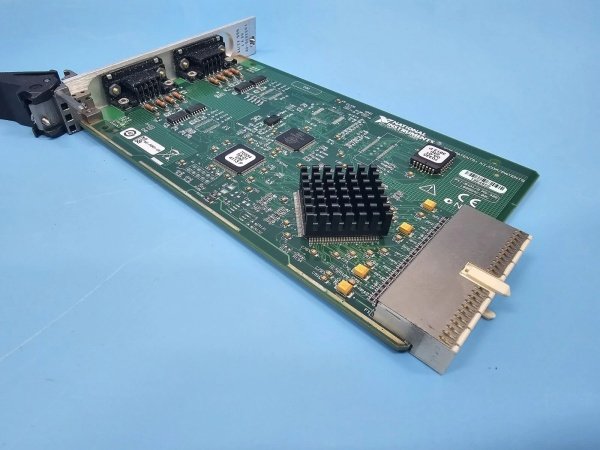
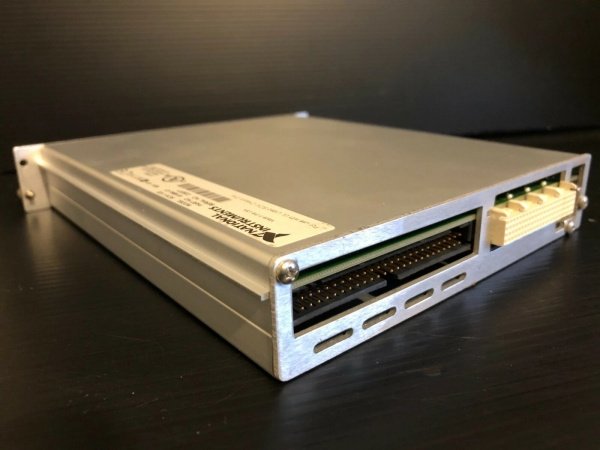
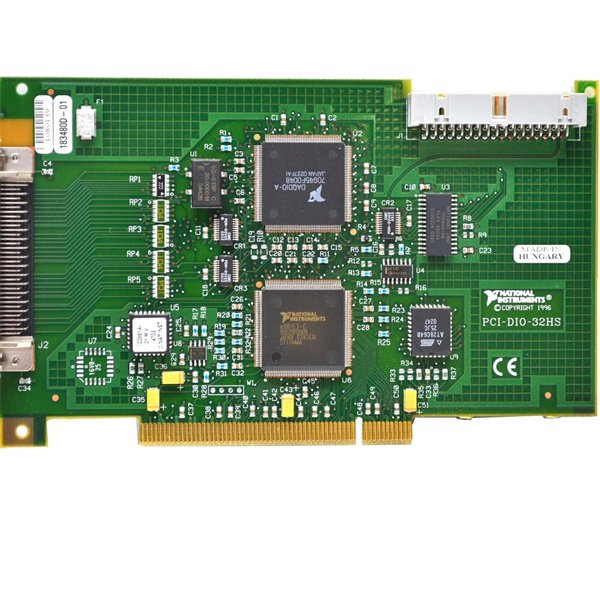
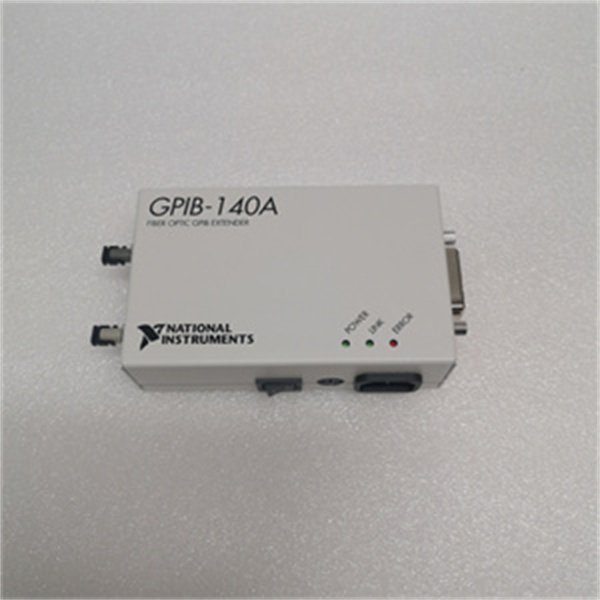
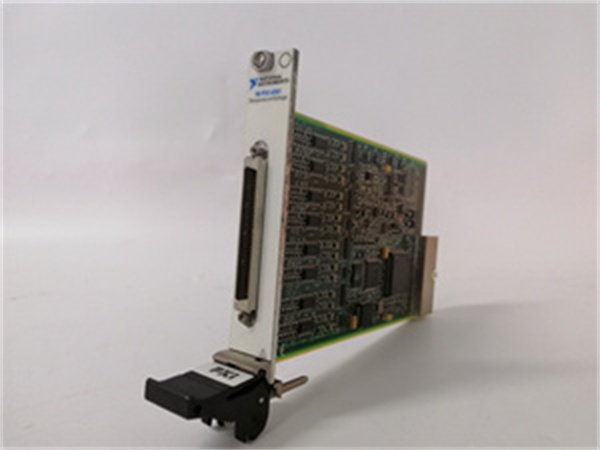
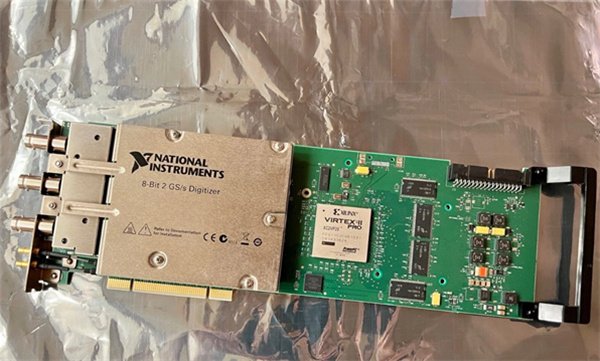
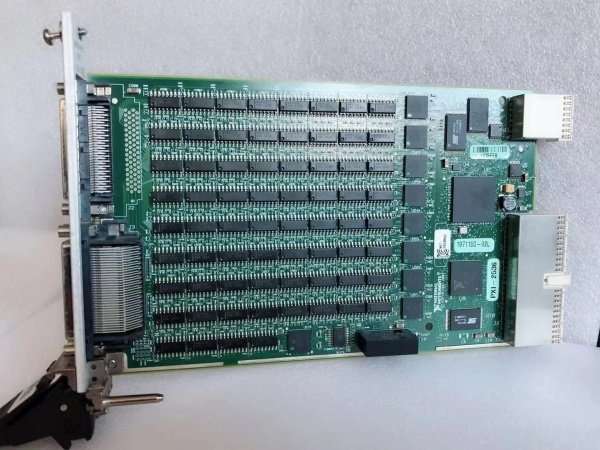
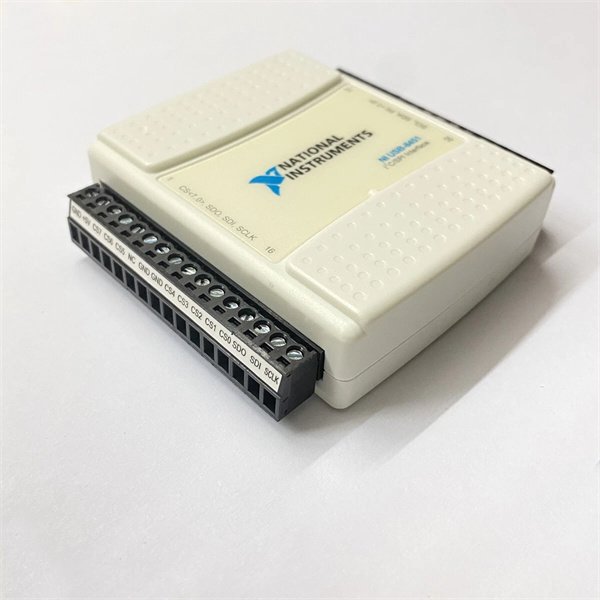
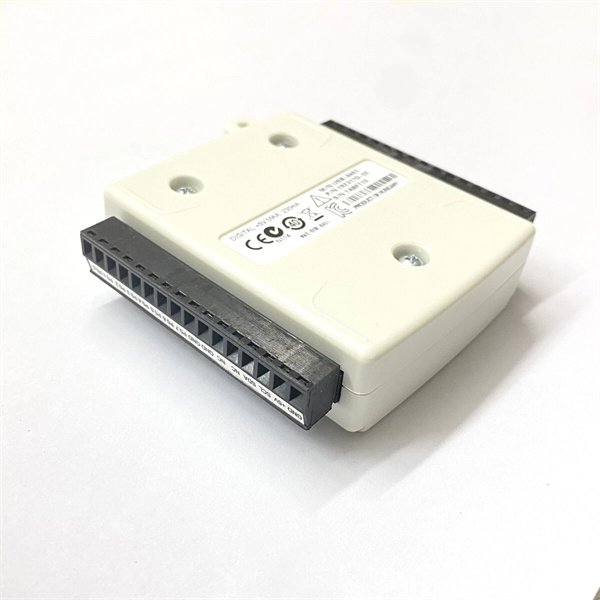
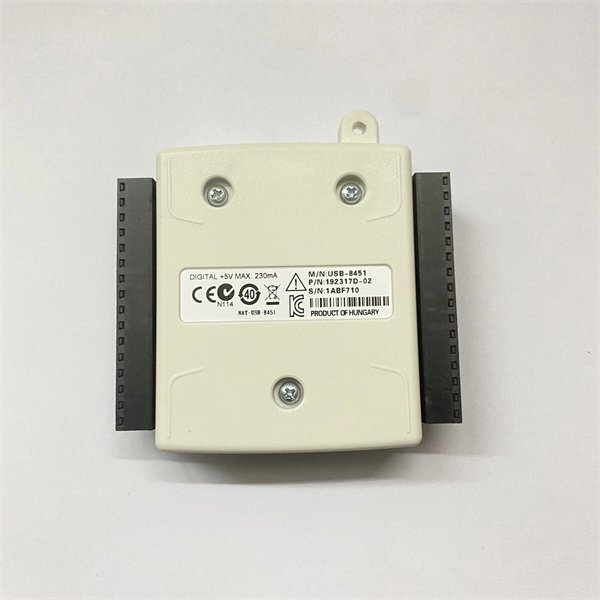
NI USB-8451 USB-to-I2C/SPI Interface Adapter
Manufacturer:NI
Product Number:NI USB-8451
Payment Methods:T/T, PayPal, Western Union
Condition:New & In Stock
Warranty:1 Year
Lead Time:1-3 Working Days
Certificate:COO
Courier partners:DHL, UPS, TNT, FedEx and EMS.
Business hours:7*24
Product Description
The NI USB-8451 is a compact, high-performance USB-to-I2C/SPI interface adapter designed to bridge the gap between computers and embedded systems using I2C or SPI communication protocols. As part of NI’s USB data acquisition family, it provides a plug-and-play solution for engineers and developers needing to interact with sensors, memory devices, ADCs, DACs, and other peripherals in embedded design, test, and automation applications.
Ideal for prototyping, debugging, and low-volume production testing, the NI USB-8451 supports I2C speeds up to 3.4 Mbps and SPI speeds up to 30 Mbps, ensuring compatibility with both legacy and high-speed devices. Its 8 bidirectional digital I/O lines add versatility, allowing control of external hardware like LEDs, relays, or reset pins. In embedded systems development, the NI USB-8451 acts as a critical tool for validating communication between microcontrollers and peripherals, enabling rapid testing and troubleshooting without requiring custom test hardware.
Detailed Parameter Table
| Parameter Name | Parameter Value |
| Product Model | USB-8451 |
| Manufacturer | National Instruments (NI) |
| Product Category | USB-to-I2C/SPI Interface Adapter |
| Supported Protocols | I2C (up to 3.4 Mbps), SPI (up to 30 Mbps) |
| I2C Features | 7-bit and 10-bit addressing, multi-master support, clock stretching |
| SPI Features | 3/4-wire mode, configurable bit order, 8/16-bit data frames, programmable polarity/phase |
| Digital I/O Lines | 8 bidirectional lines (5 V tolerant) |
| USB Interface | USB 2.0 High-Speed (480 Mbps) |
| Operating Voltage | 3.3 V (internal); 5 V tolerant inputs |
| Maximum Output Current | 50 mA total (all I/O lines) |
| Physical Dimensions | 7.6 cm x 2.5 cm x 1.3 cm (length x width x height) |
| Weight | 15 g |
| Operating Temperature Range | 0 °C to 70 °C |
| Software Compatibility | LabVIEW, C/C++, Python,.NET, LabWindows/CVI |
Core Advantages and Technical Highlights
Dual-Protocol Flexibility: The NI USB-8451 supports both I2C and SPI protocols, eliminating the need for separate adapters when working with mixed-protocol systems. This versatility is particularly valuable in IoT device development, where sensors often use I2C while memory chips may use SPI.
High-Speed Communication: With I2C speeds up to 3.4 Mbps and SPI speeds up to 30 Mbps, the NI USB-8451 handles even the fastest embedded peripherals, from high-resolution image sensors to high-speed ADCs. This performance ensures minimal test time in production environments and accurate emulation of real-world communication conditions.
Compact, Rugged Design: Measuring just 7.6 cm long and weighing 15 g, the NI USB-8451 is highly portable, fitting easily into toolkits for field debugging or lab prototyping. Its industrial temperature rating (0 °C to 70 °C) ensures reliable operation in harsh environments, from factory floors to outdoor test sites.
Comprehensive Software Support: The adapter integrates seamlessly with NI’s software ecosystem, including LabVIEW for graphical programming and Python for script-based automation. Pre-built drivers and libraries simplify development, allowing engineers to focus on application logic rather than low-level protocol implementation.
Typical Application Scenarios
Embedded System Prototyping: In microcontroller development, the NI USB-8451 enables engineers to test communication with I2C/SPI peripherals before finalizing PCB designs. For example, when developing a smart thermostat, it can validate data transfer between a temperature sensor (I2C) and an LCD display (SPI) using a PC, identifying timing issues or protocol errors early in the design cycle.
Sensor Characterization: For sensor manufacturers, the NI USB-8451 provides a standardized way to test I2C/SPI sensors during production. It can programmatically configure sensor parameters (e.g., sampling rate, resolution) via I2C, then read output data to verify performance, ensuring consistency across production lots.
Automated Test Stands: In low-volume manufacturing, the NI USB-8451 integrates into test fixtures to validate communication between PCBs and peripherals. For instance, in testing a wearable fitness tracker, it can verify SPI communication with an accelerometer and I2C communication with a heart-rate sensor, flagging units with faulty connections.
Field Debugging: Service technicians use the NI USB-8451 to diagnose communication issues in deployed embedded systems. By connecting to exposed test points on industrial equipment, it can read data from I2C memory chips or send SPI commands to actuators, identifying whether problems stem from hardware faults or firmware bugs.
Installation Commissioning and Maintenance Instructions
Installation Preparation: Before using the NI USB-8451, ensure the host computer meets the minimum requirements (USB 2.0 port, Windows/macOS/Linux). Download and install the latest NI-DAQmx or NI-845x driver package from NI’s website. Gather appropriate wiring (0.1″ jumper wires or a custom cable) and ensure the target device operates at 3.3 V or has 5 V tolerant inputs.
Commissioning Steps: Connect the NI USB-8451 to the computer’s USB port—the operating system will automatically detect it. Launch NI Measurement & Automation Explorer (MAX) to verify recognition. Use the included NI-845x Configuration Utility to test communication: for I2C, scan for connected devices; for SPI, send a test frame to a known peripheral. Configure digital I/O lines via software to verify bidirectional functionality.
Maintenance Suggestions: Inspect the NI USB-8451‘s connector periodically for bent pins, especially after frequent insertion/removal. Avoid exposing the adapter to static discharge by using grounded workstations. Do not exceed the 50 mA total output current limit to prevent damage to the internal voltage regulator. If communication errors occur, check wiring continuity, verify pull-up resistors on I2C lines, and update drivers to the latest version. Store in a static-shielded bag when not in use.
 Loading comments...
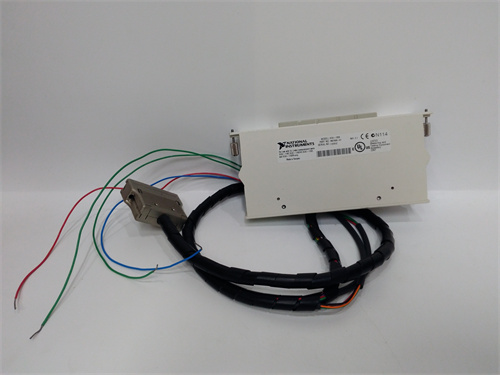
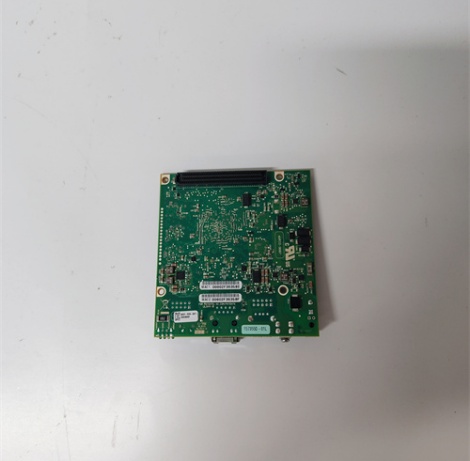
NI USB-8451 USB-to-I2C/SPI Interface Adapter
Manufacturer:NI
Product Number:NI USB-8451
Payment Methods:T/T, PayPal, Western Union
Condition:New & In Stock
Warranty:1 Year
Lead Time:1-3 Working Days
Certificate:COO
Courier partners:DHL, UPS, TNT, FedEx and EMS.
Business hours:7*24
Product Description
The NI USB-8451 is a compact, high-performance USB-to-I2C/SPI interface adapter designed to bridge the gap between computers and embedded systems using I2C or SPI communication protocols. As part of NI’s USB data acquisition family, it provides a plug-and-play solution for engineers and developers needing to interact with sensors, memory devices, ADCs, DACs, and other peripherals in embedded design, test, and automation applications.
Ideal for prototyping, debugging, and low-volume production testing, the NI USB-8451 supports I2C speeds up to 3.4 Mbps and SPI speeds up to 30 Mbps, ensuring compatibility with both legacy and high-speed devices. Its 8 bidirectional digital I/O lines add versatility, allowing control of external hardware like LEDs, relays, or reset pins. In embedded systems development, the NI USB-8451 acts as a critical tool for validating communication between microcontrollers and peripherals, enabling rapid testing and troubleshooting without requiring custom test hardware.
Detailed Parameter Table
| Parameter Name | Parameter Value |
| Product Model | USB-8451 |
| Manufacturer | National Instruments (NI) |
| Product Category | USB-to-I2C/SPI Interface Adapter |
| Supported Protocols | I2C (up to 3.4 Mbps), SPI (up to 30 Mbps) |
| I2C Features | 7-bit and 10-bit addressing, multi-master support, clock stretching |
| SPI Features | 3/4-wire mode, configurable bit order, 8/16-bit data frames, programmable polarity/phase |
| Digital I/O Lines | 8 bidirectional lines (5 V tolerant) |
| USB Interface | USB 2.0 High-Speed (480 Mbps) |
| Operating Voltage | 3.3 V (internal); 5 V tolerant inputs |
| Maximum Output Current | 50 mA total (all I/O lines) |
| Physical Dimensions | 7.6 cm x 2.5 cm x 1.3 cm (length x width x height) |
| Weight | 15 g |
| Operating Temperature Range | 0 °C to 70 °C |
| Software Compatibility | LabVIEW, C/C++, Python,.NET, LabWindows/CVI |
Core Advantages and Technical Highlights
Dual-Protocol Flexibility: The NI USB-8451 supports both I2C and SPI protocols, eliminating the need for separate adapters when working with mixed-protocol systems. This versatility is particularly valuable in IoT device development, where sensors often use I2C while memory chips may use SPI.
High-Speed Communication: With I2C speeds up to 3.4 Mbps and SPI speeds up to 30 Mbps, the NI USB-8451 handles even the fastest embedded peripherals, from high-resolution image sensors to high-speed ADCs. This performance ensures minimal test time in production environments and accurate emulation of real-world communication conditions.
Compact, Rugged Design: Measuring just 7.6 cm long and weighing 15 g, the NI USB-8451 is highly portable, fitting easily into toolkits for field debugging or lab prototyping. Its industrial temperature rating (0 °C to 70 °C) ensures reliable operation in harsh environments, from factory floors to outdoor test sites.
Comprehensive Software Support: The adapter integrates seamlessly with NI’s software ecosystem, including LabVIEW for graphical programming and Python for script-based automation. Pre-built drivers and libraries simplify development, allowing engineers to focus on application logic rather than low-level protocol implementation.
Typical Application Scenarios
Embedded System Prototyping: In microcontroller development, the NI USB-8451 enables engineers to test communication with I2C/SPI peripherals before finalizing PCB designs. For example, when developing a smart thermostat, it can validate data transfer between a temperature sensor (I2C) and an LCD display (SPI) using a PC, identifying timing issues or protocol errors early in the design cycle.
Sensor Characterization: For sensor manufacturers, the NI USB-8451 provides a standardized way to test I2C/SPI sensors during production. It can programmatically configure sensor parameters (e.g., sampling rate, resolution) via I2C, then read output data to verify performance, ensuring consistency across production lots.
Automated Test Stands: In low-volume manufacturing, the NI USB-8451 integrates into test fixtures to validate communication between PCBs and peripherals. For instance, in testing a wearable fitness tracker, it can verify SPI communication with an accelerometer and I2C communication with a heart-rate sensor, flagging units with faulty connections.
Field Debugging: Service technicians use the NI USB-8451 to diagnose communication issues in deployed embedded systems. By connecting to exposed test points on industrial equipment, it can read data from I2C memory chips or send SPI commands to actuators, identifying whether problems stem from hardware faults or firmware bugs.
Installation Commissioning and Maintenance Instructions
Installation Preparation: Before using the NI USB-8451, ensure the host computer meets the minimum requirements (USB 2.0 port, Windows/macOS/Linux). Download and install the latest NI-DAQmx or NI-845x driver package from NI’s website. Gather appropriate wiring (0.1″ jumper wires or a custom cable) and ensure the target device operates at 3.3 V or has 5 V tolerant inputs.
Commissioning Steps: Connect the NI USB-8451 to the computer’s USB port—the operating system will automatically detect it. Launch NI Measurement & Automation Explorer (MAX) to verify recognition. Use the included NI-845x Configuration Utility to test communication: for I2C, scan for connected devices; for SPI, send a test frame to a known peripheral. Configure digital I/O lines via software to verify bidirectional functionality.
Maintenance Suggestions: Inspect the NI USB-8451‘s connector periodically for bent pins, especially after frequent insertion/removal. Avoid exposing the adapter to static discharge by using grounded workstations. Do not exceed the 50 mA total output current limit to prevent damage to the internal voltage regulator. If communication errors occur, check wiring continuity, verify pull-up resistors on I2C lines, and update drivers to the latest version. Store in a static-shielded bag when not in use.
Need a Custom Automation Solution?
Our team of experts can design and implement a tailored automation system to meet your specific requirements.