
Our Products
Comprehensive industrial automation solutions for global industries
Contact us
If you are interested in our products and want to know more details,please Contact us,we will reply you as soon as we can.
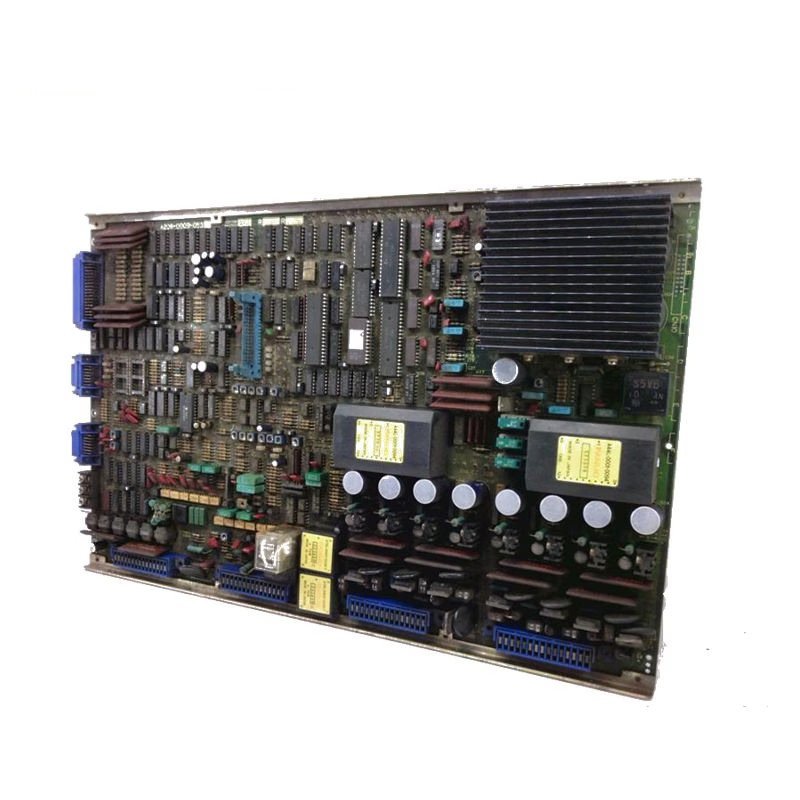
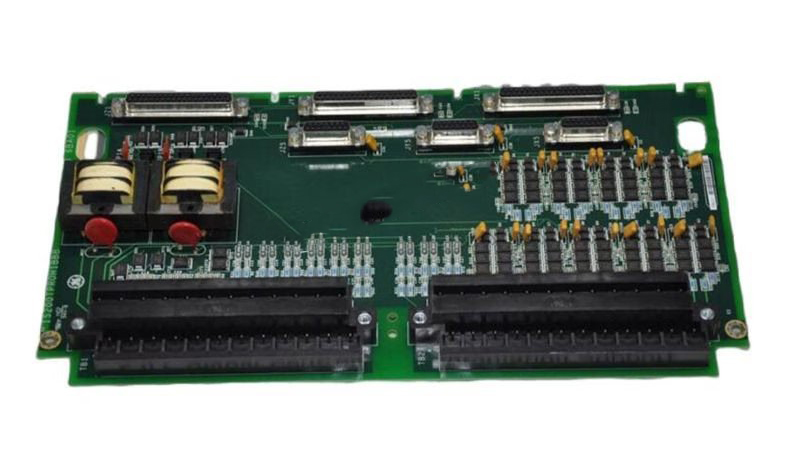
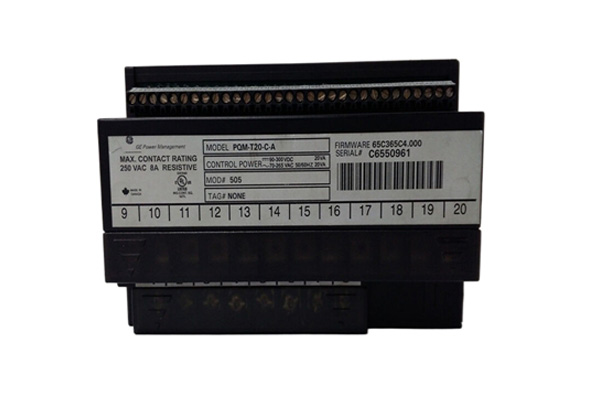
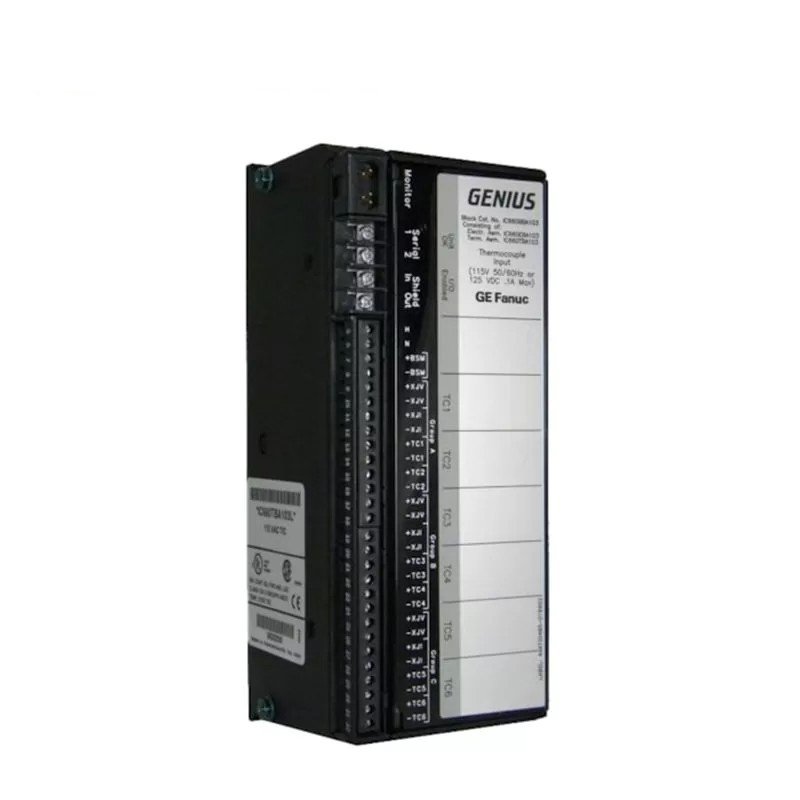
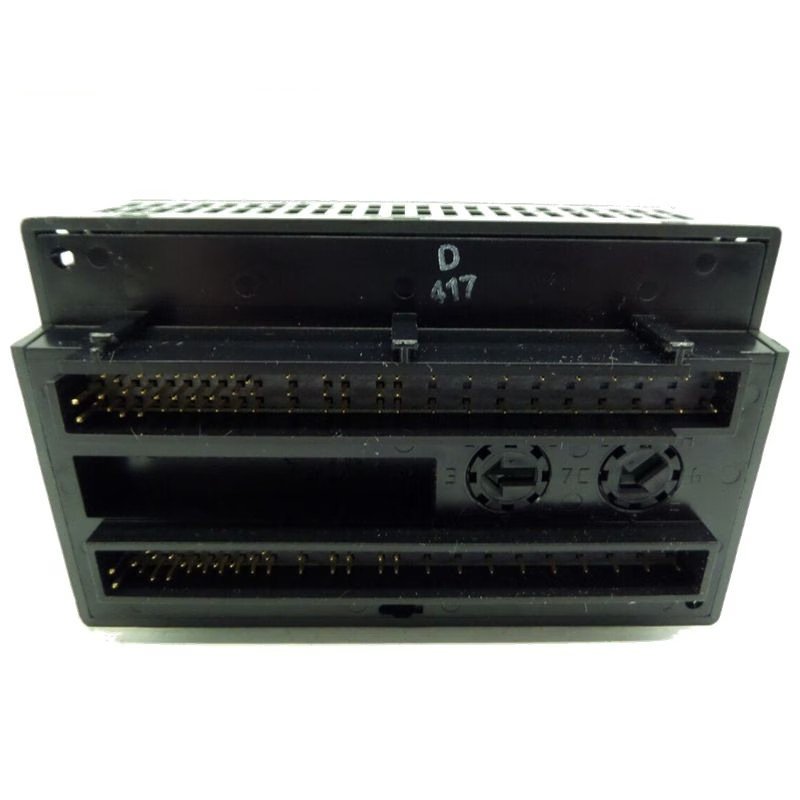
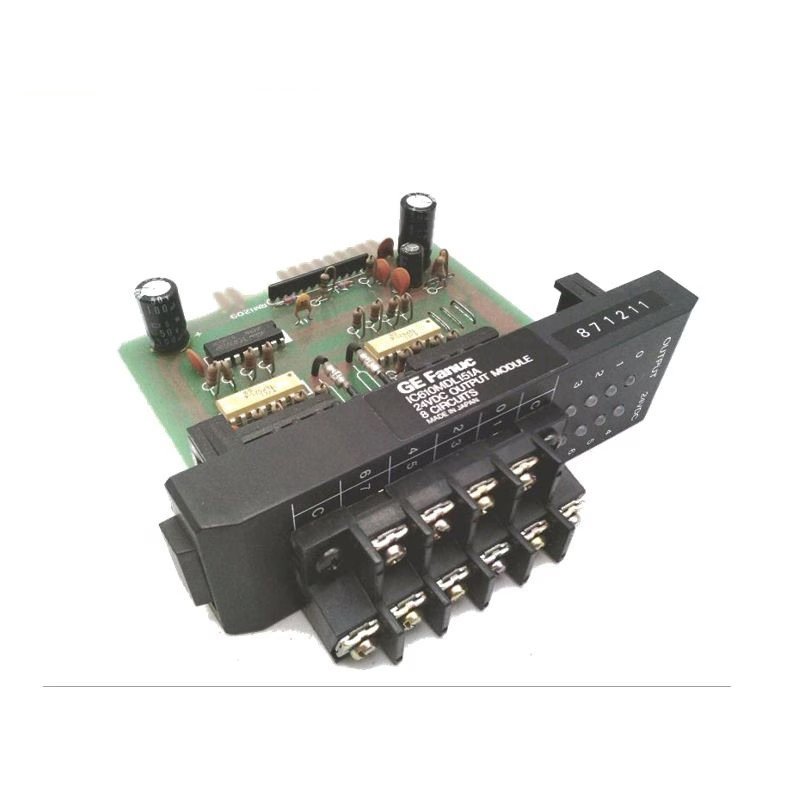
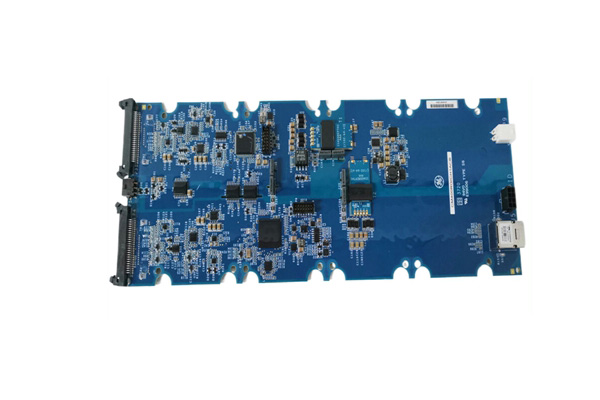
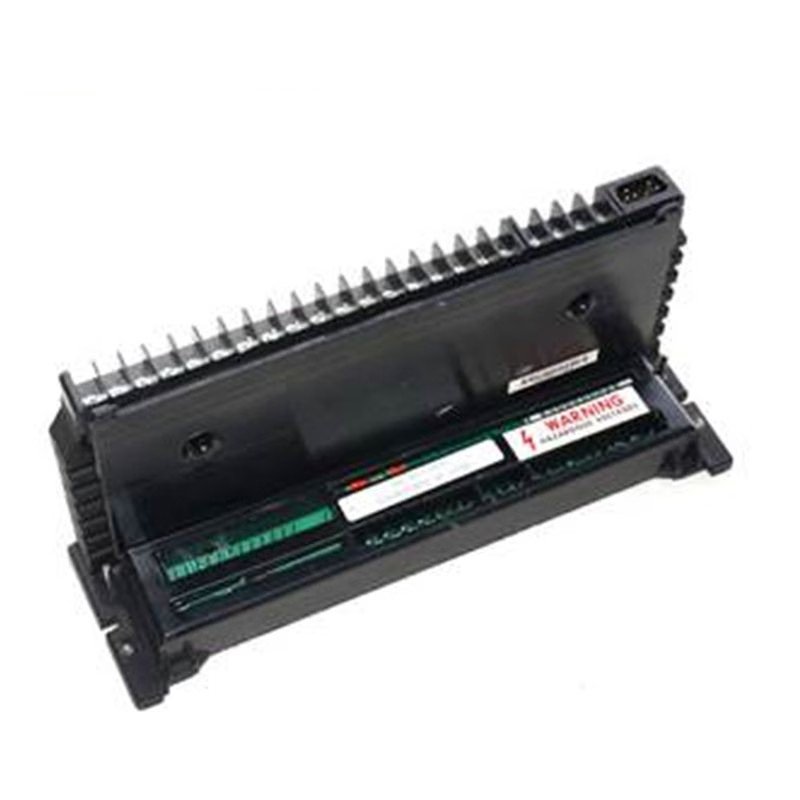
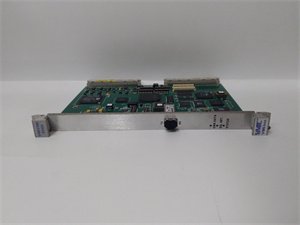
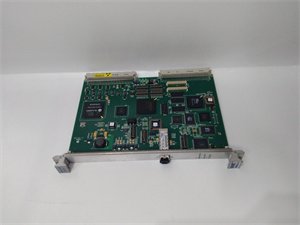
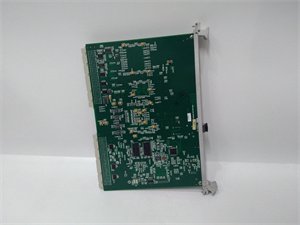
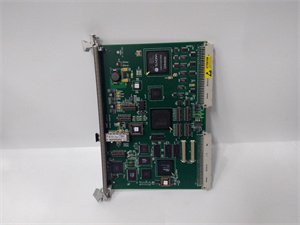
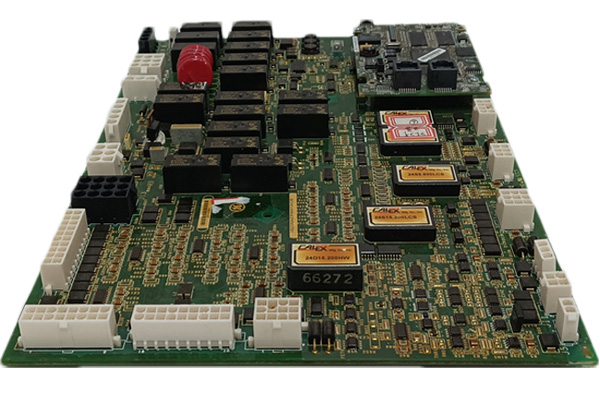
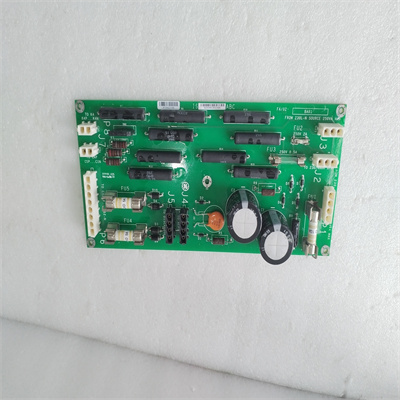
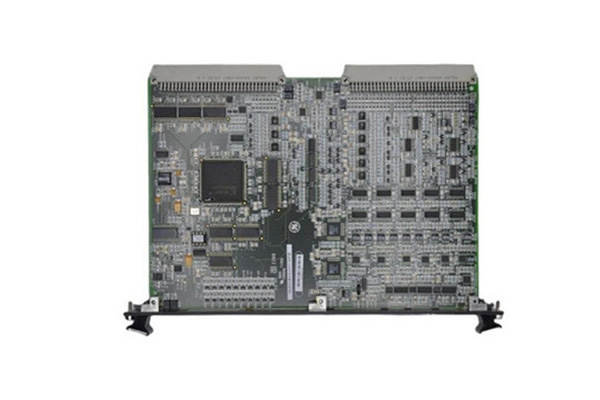
General Electric VMIVME-5565 reflective memory (RFM) module
Manufacturer:General Electric
Product Number:VMIVME-5565
Payment Methods:T/T, PayPal, Western Union
Condition:New & In Stock
Warranty:1 Year
Lead Time:1-3 Working Days
Certificate:COO
Courier partners:DHL, UPS, TNT, FedEx and EMS.
Business hours:7*24
Product Description
The VMIVME-5565 is a high-speed reflective memory (RFM) module designed by GE Fanuc for VMEbus-based industrial and embedded systems. Part of the VMxxx-5565 family (including PCI and PMC variants), this module enables real-time data sharing across up to 256 nodes via a fiber optic network, with transfer rates up to 174 MB/s. Engineered for deterministic communication, the VMIVME-5565 supports 64 MB or 128 MB SDRAM, dual DMA channels, and software-transparent data synchronization, making it ideal for distributed control systems in aerospace, defense, and industrial automation.
Technical Parameters
| Parameter | Specification |
|---|---|
| Brand | GE Fanuc |
| Model | VMIVME-5565 |
| Bus Interface | VMEbus (32-bit, 33 MHz) |
| Memory Capacity | 64 MB or 128 MB SDRAM |
| Network Type | Fiber optic (daisy chain ring) |
| Data Rate | 2.12 Gbaud (serial); 47–174 MB/s (packet) |
| Node Support | Up to 256 nodes |
| Fiber Distance | Multimode: 300 m; Single-mode: 10 km |
| Packet Size | 4–64 bytes (dynamic) |
| Interrupts | 4-level user-definable (node-specific/broadcast) |
| Voltage | +5V DC (VMEbus); +3.3V DC (module) |
| Dimensions | 160 mm × 100 mm (VME 6U form factor) |
| Operating Temperature | 0°C to +55°C (standard); -40°C to +85°C (extended, optional) |
Key Advantages & Features
- Real-Time Data Synchronization: Reflective memory writes data to all nodes simultaneously with <10 μs latency, eliminating processor intervention.
- Scalable Architecture: Daisy chain topology supports mixed node types (VME/PCI/PMC) for flexible system integration.
- Redundant Transfer Mode: Error-correcting protocol ensures data integrity in harsh environments (bit error rate <10⁻¹²).
- Low Overhead: DMA-driven operation reduces host CPU load by 90% compared to traditional TCP/IP networks.
- Hot-Swap Capability: Field replaceable without system shutdown (GE-certified: <20-minute replacement).
Application Areas & Use Cases
Industries:
- Aerospace (flight simulators, avionics networks)
- Defense (military radar, missile guidance systems)
- Industrial Automation (robotics, machine vision)
Case Study:
A U.S. defense contractor deployed VMIVME-5565 modules in a radar array system. The 256-node network synchronized sensor data at 174 MB/s, reducing processing latency by 75% compared to legacy Ethernet. Result: 99.99% uptime in thermal cycling tests (-40°C to +70°C) and 50% reduction in system weight via fiber optic cabling.
Competitor Comparison
Compared to similar VMEbus memory modules:
- Higher Node Density: 256 nodes (vs. 128 nodes in most alternatives).
- Faster Throughput: 174 MB/s (64-byte packets) vs. 100 MB/s typical for competing products.
- Dual Redundancy: Optional dual-ring topology (not standard in comparable products).
- Memory Flexibility: Configurable 64/128 MB (vs. fixed 64 MB in most models).
Selection Guidelines
- Memory Requirements: 64 MB for basic data sharing; 128 MB for high-resolution video/audio streams.
- Fiber Type: Multimode for short-range (<300 m), single-mode for long-distance (>1 km).
- Environment: Choose conformal coating (optional) for humidity/chemical exposure (IP65-rated variants available).
- Compatibility: Verify VMEbus backplane version (Revision 2.6+ recommended for 6U systems).
Installation & Maintenance Notes
-
Fiber Cabling: Use APC (angled physical contact) connectors to minimize signal loss; avoid bending radii <25 mm.
-
Node Addressing: Set unique IDs (0–255) via jumpers; verify with GE’s RFM Configuration Tool.
-
Firmware Updates: Regular updates via GE’s Proficy software (critical for protocol enhancements).
-
ESD Protection: Ground module chassis to prevent electrostatic damage (ESD sensitivity: Class 3B).
 Loading comments...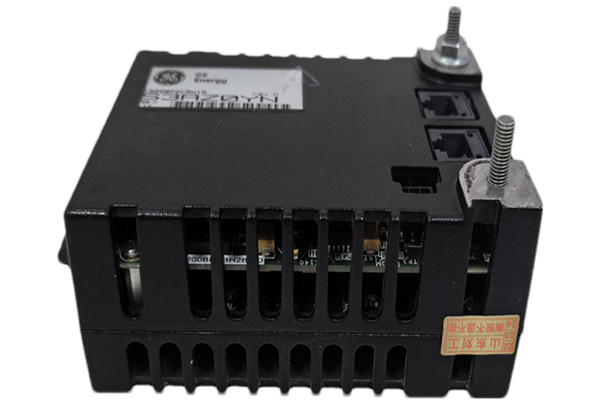
General Electric VMIVME-5565 reflective memory (RFM) module
Manufacturer:General Electric
Product Number:VMIVME-5565
Payment Methods:T/T, PayPal, Western Union
Condition:New & In Stock
Warranty:1 Year
Lead Time:1-3 Working Days
Certificate:COO
Courier partners:DHL, UPS, TNT, FedEx and EMS.
Business hours:7*24
Product Description
The VMIVME-5565 is a high-speed reflective memory (RFM) module designed by GE Fanuc for VMEbus-based industrial and embedded systems. Part of the VMxxx-5565 family (including PCI and PMC variants), this module enables real-time data sharing across up to 256 nodes via a fiber optic network, with transfer rates up to 174 MB/s. Engineered for deterministic communication, the VMIVME-5565 supports 64 MB or 128 MB SDRAM, dual DMA channels, and software-transparent data synchronization, making it ideal for distributed control systems in aerospace, defense, and industrial automation.
Technical Parameters
| Parameter | Specification |
|---|---|
| Brand | GE Fanuc |
| Model | VMIVME-5565 |
| Bus Interface | VMEbus (32-bit, 33 MHz) |
| Memory Capacity | 64 MB or 128 MB SDRAM |
| Network Type | Fiber optic (daisy chain ring) |
| Data Rate | 2.12 Gbaud (serial); 47–174 MB/s (packet) |
| Node Support | Up to 256 nodes |
| Fiber Distance | Multimode: 300 m; Single-mode: 10 km |
| Packet Size | 4–64 bytes (dynamic) |
| Interrupts | 4-level user-definable (node-specific/broadcast) |
| Voltage | +5V DC (VMEbus); +3.3V DC (module) |
| Dimensions | 160 mm × 100 mm (VME 6U form factor) |
| Operating Temperature | 0°C to +55°C (standard); -40°C to +85°C (extended, optional) |
Key Advantages & Features
- Real-Time Data Synchronization: Reflective memory writes data to all nodes simultaneously with <10 μs latency, eliminating processor intervention.
- Scalable Architecture: Daisy chain topology supports mixed node types (VME/PCI/PMC) for flexible system integration.
- Redundant Transfer Mode: Error-correcting protocol ensures data integrity in harsh environments (bit error rate <10⁻¹²).
- Low Overhead: DMA-driven operation reduces host CPU load by 90% compared to traditional TCP/IP networks.
- Hot-Swap Capability: Field replaceable without system shutdown (GE-certified: <20-minute replacement).
Application Areas & Use Cases
Industries:
- Aerospace (flight simulators, avionics networks)
- Defense (military radar, missile guidance systems)
- Industrial Automation (robotics, machine vision)
Case Study:
A U.S. defense contractor deployed VMIVME-5565 modules in a radar array system. The 256-node network synchronized sensor data at 174 MB/s, reducing processing latency by 75% compared to legacy Ethernet. Result: 99.99% uptime in thermal cycling tests (-40°C to +70°C) and 50% reduction in system weight via fiber optic cabling.
Competitor Comparison
Compared to similar VMEbus memory modules:
- Higher Node Density: 256 nodes (vs. 128 nodes in most alternatives).
- Faster Throughput: 174 MB/s (64-byte packets) vs. 100 MB/s typical for competing products.
- Dual Redundancy: Optional dual-ring topology (not standard in comparable products).
- Memory Flexibility: Configurable 64/128 MB (vs. fixed 64 MB in most models).
Selection Guidelines
- Memory Requirements: 64 MB for basic data sharing; 128 MB for high-resolution video/audio streams.
- Fiber Type: Multimode for short-range (<300 m), single-mode for long-distance (>1 km).
- Environment: Choose conformal coating (optional) for humidity/chemical exposure (IP65-rated variants available).
- Compatibility: Verify VMEbus backplane version (Revision 2.6+ recommended for 6U systems).
Installation & Maintenance Notes
-
Fiber Cabling: Use APC (angled physical contact) connectors to minimize signal loss; avoid bending radii <25 mm.
-
Node Addressing: Set unique IDs (0–255) via jumpers; verify with GE’s RFM Configuration Tool.
-
Firmware Updates: Regular updates via GE’s Proficy software (critical for protocol enhancements).
-
ESD Protection: Ground module chassis to prevent electrostatic damage (ESD sensitivity: Class 3B).
Need a Custom Automation Solution?
Our team of experts can design and implement a tailored automation system to meet your specific requirements.