
Our Products
Comprehensive industrial automation solutions for global industries
Contact us
If you are interested in our products and want to know more details,please Contact us,we will reply you as soon as we can.
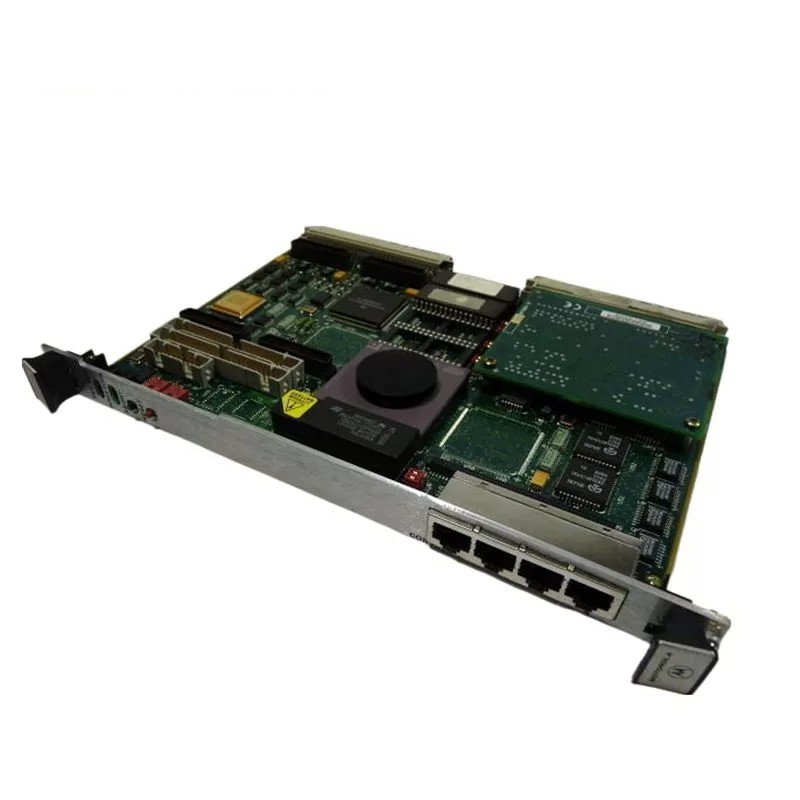
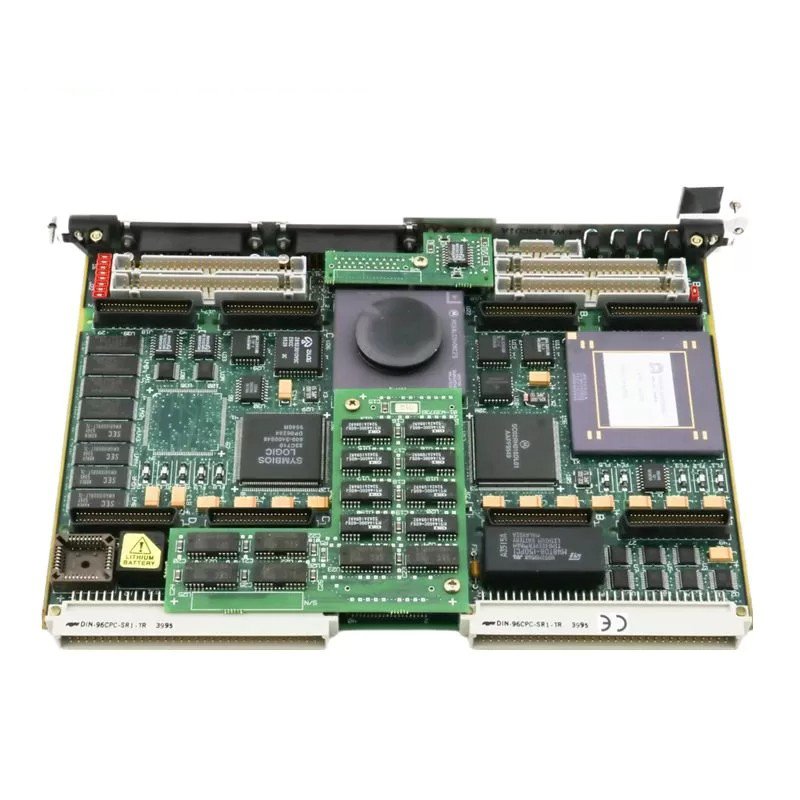
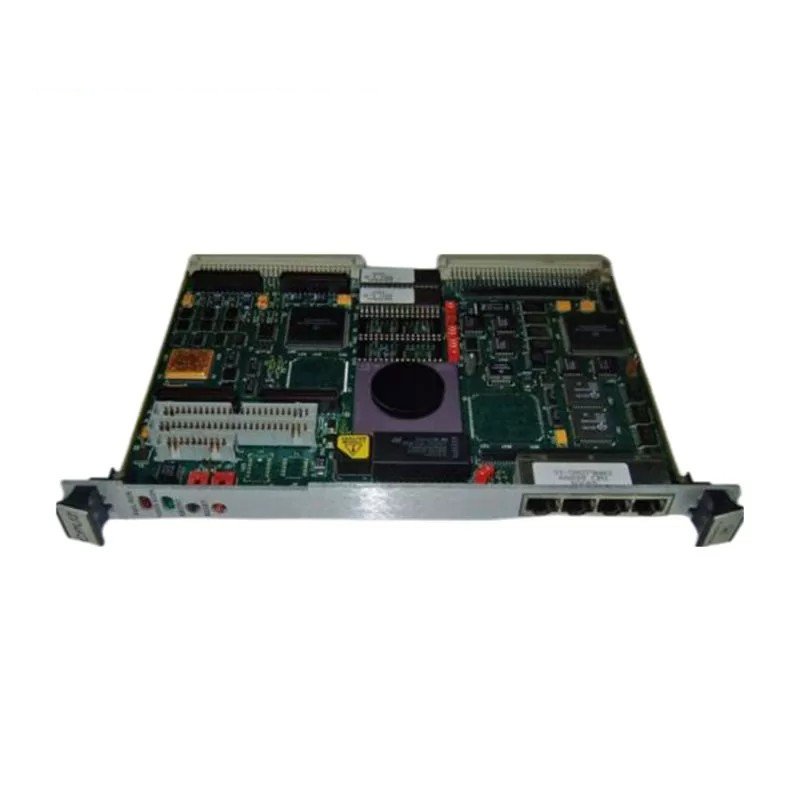
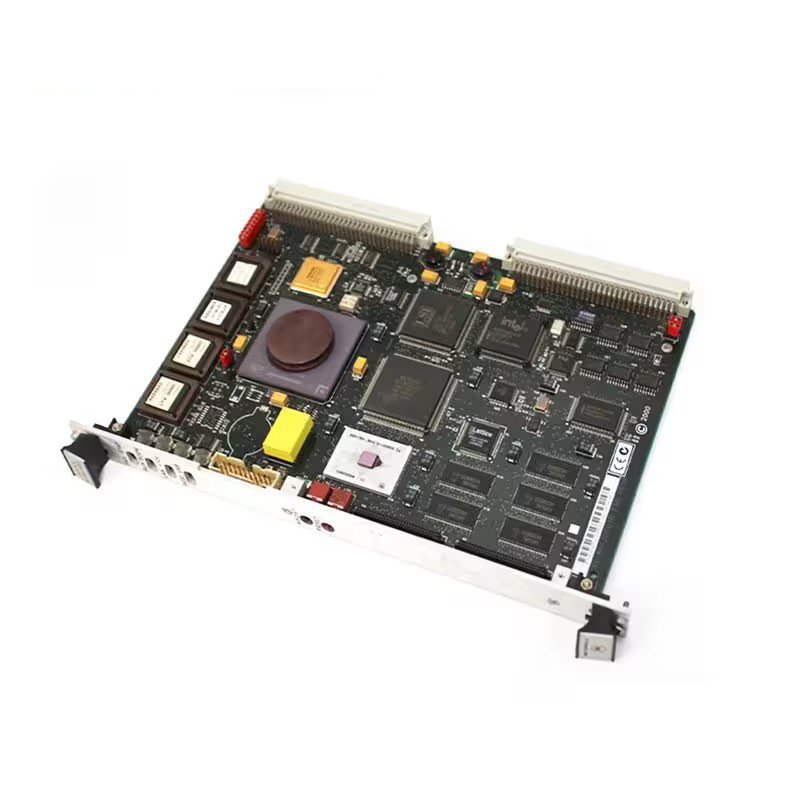
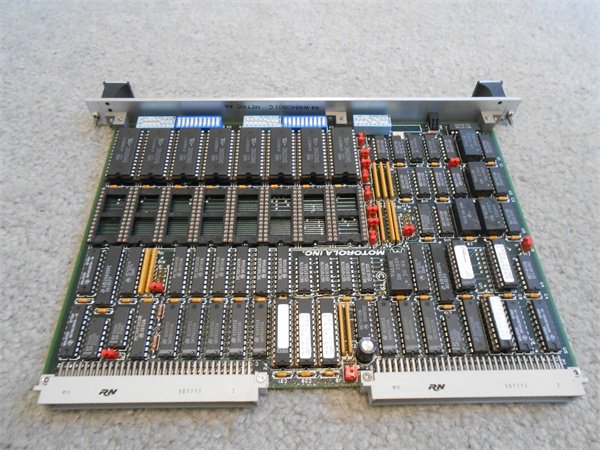
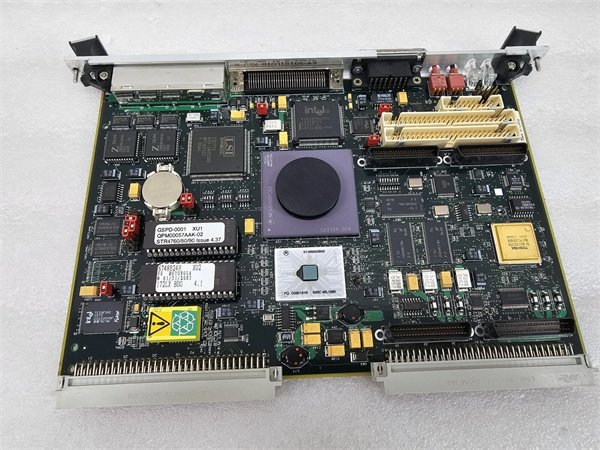
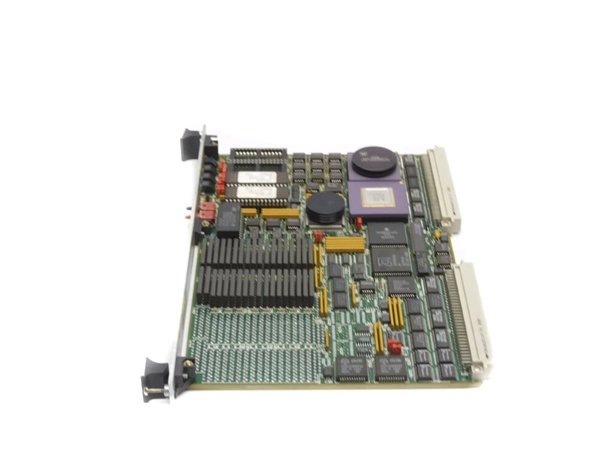
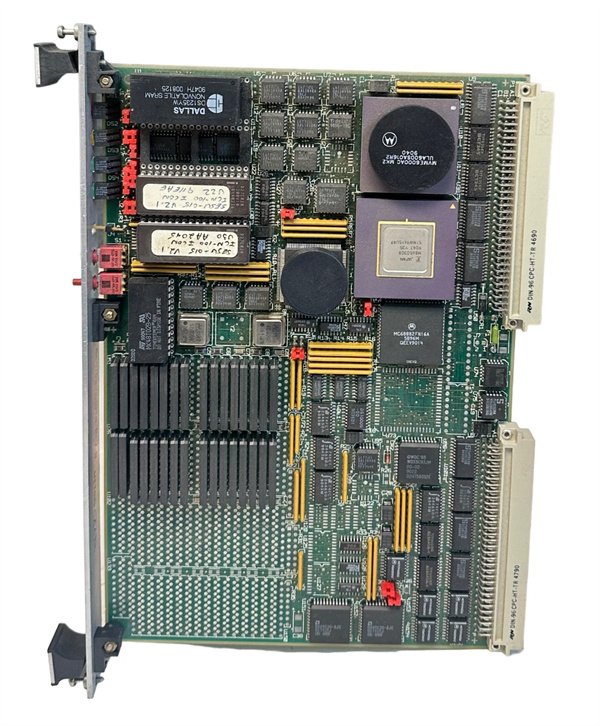
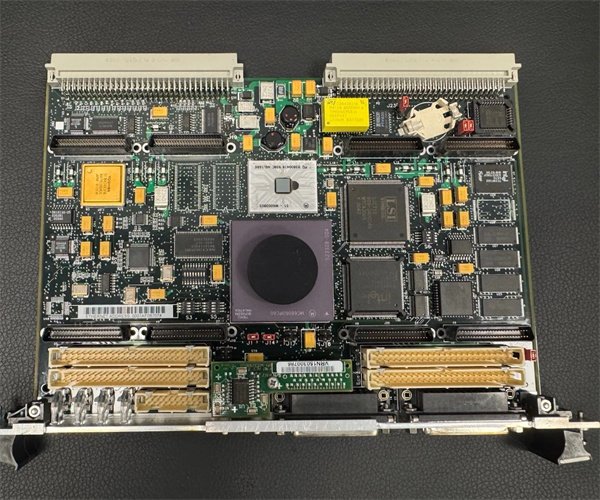
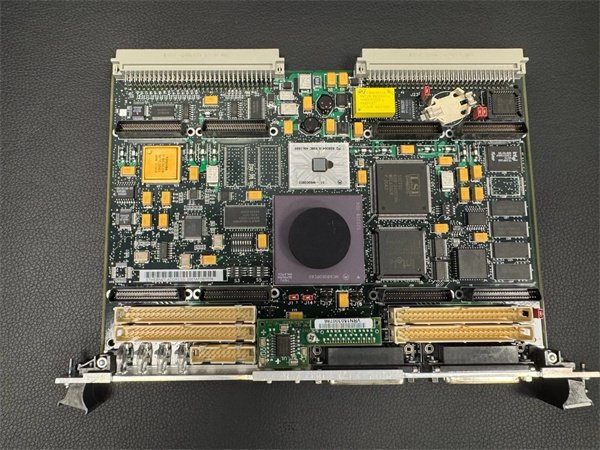
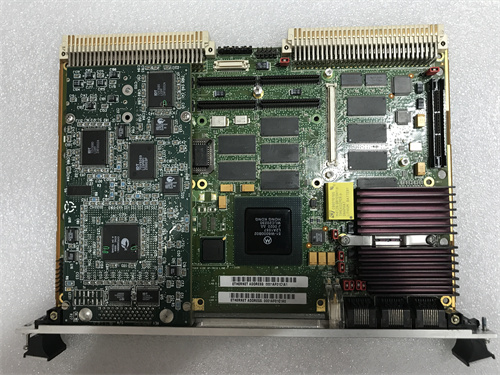
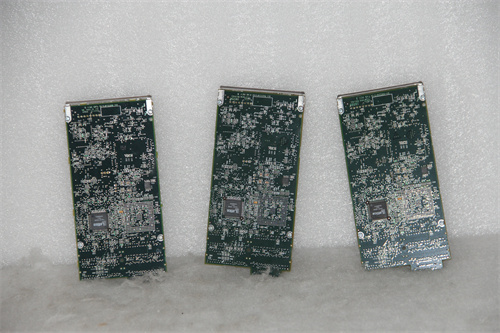
Motorola MVME167PA-24SE Ultra-Basic VMEbus Single-Board Computer
Manufacturer: Motorola
Product Number: MVME167PA-24SE
Category: VMEbus Single-Board Computer
Processor: MC68040 25 MHz
Memory: 4 MB DRAM, 512 KB SRAM, 2 MB Flash
Architecture: VMEbus
Application: Ultra-low-demand legacy systems requiring basic computing
Form Factor: 6U VME module
Product Description
The Motorola MVME167PA-24SE is the most stripped-down, ultra-cost-effective variant in Motorola’s MVME167PA series—engineered exclusively for ultra-low-demand legacy systems where even the Motorola MVME167PA-25SE would be overspecified. Developed by Motorola (now supported under Emerson’s legacy program), this 6U VME SBC targets the simplest embedded tasks: monitoring a handful of on/off switches, triggering basic alarms, or logging binary sensor data (e.g., door open/closed, pump running/stopped). Unlike its slightly more capable sibling, the Motorola MVME167PA-25SE, the Motorola MVME167PA-24SE eliminates all non-essential hardware: it uses a slower MC68030 16 MHz CPU (vs. 20 MHz MC68040), fixes memory at 2 MB (non-expandable), removes BIST functionality, and limits I/O to a single low-speed serial port—all to achieve the lowest possible cost and power draw.
At its core, the Motorola MVME167PA-24SE delivers only what’s necessary for minimal control: the MC68030 CPU handles simple polling loops (e.g., checking a sensor every 500 ms), while its 32 KB battery-backed SRAM preserves critical binary data (e.g., alarm history) during power outages. For facilities operating the most basic legacy VMEbus systems—such as a small warehouse’s door access alarm or a rural utility’s well pump on/off controller—the Motorola MVME167PA-24SE is the ultimate budget solution. It integrates with the simplest VME I/O modules (e.g., 4-channel digital input cards) without adding unnecessary complexity, and its 6 W power draw is low enough to run on small solar panels or battery backups. Even today, it remains irreplaceable for maintaining aging “set-it-and-forget-it” systems where any higher-spec SBC would waste budget on unused features.
Detailed parameter table
| Parameter name | Parameter value |
| Product model | Motorola MVME167PA-24SE |
| Manufacturer | Motorola (legacy product, now supported under Emerson’s industrial portfolio) |
| Product category | Ultra-Basic VMEbus Single-Board Computer (SBC) for Minimal Embedded Control |
| Processor Architecture | Motorola MC68030 16 MHz CISC CPU; no floating-point coprocessor (FPU); reduced instruction set for simple tasks |
| Memory Configuration | 2 MB base DRAM (non-expandable); 128 KB Flash EPROM (for firmware/OS); 32 KB SRAM with lithium battery backup (non-volatile data) |
| VMEbus Compliance | VMEbus Revision B (backward-compatible with Rev C/D); 16-bit address/data bus (slave-only operation); maximum transfer rate: 8 MB/s (minimal performance) |
| I/O Interfaces | 1x RS-232 serial port (DB9, 9600–19.2 kbps; no hardware handshaking); No other ports (Ethernet/parallel/SCSI/VGA eliminated) |
| Power Requirements | +5 VDC @ 1.0 A (main power); Power consumption: ~6 W (typical, 25% lower than MVME167PA-25SE) |
| Physical Dimensions | 6U VMEbus form factor (stripped-down PCB): 160 mm (height) × 254 mm (depth) (6.3” × 10”); weight: ~280 g (12.5% lighter than MVME167PA-25SE) |
| Environmental Ratings | Operating temperature: 5 °C to +45 °C (41 °F to 113 °F) (limited industrial range); Storage temperature: -40 °C to +85 °C (-40 °F to 185 °F); Shock resistance: 25 g peak (11 ms half-sine, IEC 60068-2-27); Vibration resistance: 3 g (10–2000 Hz, IEC 60068-2-6); Relative humidity: 10%–90% (non-condensing) |
| Supported Operating Systems | Custom lightweight RTOS (only); VxWorks 5.x (stripped version, no multitasking); No OS-9 support (insufficient memory) |
| Safety & Compliance | UL 1950, CSA C22.2 No. 950, EN 60950 (basic safety); FCC Class A (minimal EMC); RoHS (retroactive compliance for legacy units) |
| Diagnostic Features | 1 LED status indicator (power only: green = on, no fault detection); No built-in self-test (BIST) (cost-reduced design) |
Core advantages and technical highlights
Ultra-Low Cost for Minimal-Budget Applications: The Motorola MVME167PA-24SE is the most affordable variant in the MVME167PA series—typically 25% less expensive than the MVME167PA-25SE—making it ideal for small businesses or rural utilities with extremely tight budgets. A rural water district uses the Motorola MVME167PA-24SE to control a single well pump: the SBC monitors a float switch (via a VME digital input module) to detect water tank levels and sends on/off commands to the pump (via a digital output module) via its serial port. This setup costs $300 less than the MVME167PA-25SE—a make-or-break savings for a district with only 50 customers—and still reliably maintains water pressure.
Minimal 6 W Power Draw for Off-Grid Use: With a power consumption of just 6 W (25% lower than the MVME167PA-25SE), the Motorola MVME167PA-24SE is suitable for off-grid systems powered by small solar panels or batteries. A remote wildlife research station uses the SBC to monitor a single motion sensor (via serial port) and log animal activity to its 128 KB Flash EPROM. Powered by a 20 W solar panel and 12 Ah battery, the Motorola MVME167PA-24SE runs continuously for 14 days without sunlight—3 days longer than the MVME167PA-25SE—eliminating the need for frequent battery replacements in hard-to-reach locations.
Stripped-Down Design for Long-Term Reliability: The Motorola MVME167PA-24SE’s minimal component count (no FPU, no expandable memory, no complex I/O) reduces failure points, making it exceptionally reliable for “set-it-and-forget-it” systems. A small warehouse uses the SBC to monitor a fire door’s open/closed status: the SBC checks the door sensor (via serial port) every second and triggers an alarm (via a VME relay module) if the door is left open. Over 10 years of operation, the Motorola MVME167PA-24SE requires no maintenance—unlike the MVME167PA-25SE, which needed a DRAM SIMM replacement after 5 years—thanks to its non-expandable, fixed hardware design.
VMEbus Rev B Compatibility for Vintage Systems: The Motorola MVME167PA-24SE complies with VMEbus Revision B—the oldest widely supported VME standard—making it the only MVME167PA variant that works with 1980s-era VME chassis and modules. A museum of industrial technology uses the SBC to operate a vintage 1985 assembly line exhibit: the Motorola MVME167PA-24SE communicates with original VME digital I/O modules (which fail to work with Rev C/D SBCs like the MVME167PA-25SE) to simulate the assembly line’s original operation. This compatibility preserves the exhibit’s historical accuracy without requiring custom hardware, which would cost $5k+ to develop.
Typical application scenarios
In rural utility control, a small county water district uses the Motorola MVME167PA-24SE to manage a remote well pump. The SBC is mounted in a 1-slot VME chassis (powered by a 10 W solar panel) and connected to a float switch (via a 4-channel digital input module). Every 500 ms, the Motorola MVME167PA-24SE checks the switch: if the tank is low (switch open), it sends a “pump on” command to a digital output module; if full (switch closed), it sends “pump off.” The SBC’s 6 W power draw and non-expandable memory keep costs low—critical for a district with a $5k annual equipment budget—while its reliability ensures the well runs without human intervention for months.
In small warehouse security, a family-owned furniture warehouse uses the Motorola MVME167PA-24SE to monitor two loading dock doors. The SBC connects to two door contact sensors (via a VME digital input module) and a loudspeaker relay (via a digital output module). If either door is left open after closing time, the Motorola MVME167PA-24SE triggers the relay to sound an alarm and logs the event to its 128 KB Flash EPROM. The SBC’s low cost ($200 less than the MVME167PA-25SE) fits the warehouse’s small security budget, and its simple design means the owner (with no technical background) can reset the alarm via a serial terminal.
In vintage industrial exhibits, a technology museum uses the Motorola MVME167PA-24SE to operate a 1988 vintage printed circuit board (PCB) assembly line exhibit. The SBC replaces the original failed 1980s-era VME SBC and communicates with the exhibit’s original VME I/O modules (which only support VMEbus Rev B). The Motorola MVME167PA-24SE runs a custom RTOS that simulates the assembly line’s original control logic—moving PCBs between stations, activating soldering irons, and triggering indicator lights—preserving the exhibit’s historical accuracy. Without the SBC’s Rev B compatibility, the museum would have to retire the popular exhibit or spend $10k on a custom replacement.
Installation, commissioning and maintenance instructions
Installation preparation: Before installing Motorola MVME167PA-24SE, power off the VMEbus chassis and wear an ESD wristband. Ensure the chassis supports VMEbus Revision B (or backward-compatible with Rev B) and has a free 6U slot (1-slot chassis required for cost and space efficiency). Gather tools: basic screwdriver (no torque tool needed for simple mounting), a single serial cable (for sensor/actuator connectivity), and a multimeter (verify power: +5 VDC ±10%; no other voltages required). For off-grid use, pair with a solar panel/battery system rated for at least 6 W (e.g., 20 W panel + 12 Ah battery).
Maintenance suggestions: Conduct annual maintenance on Motorola MVME167PA-24SE (minimal upkeep due to simple design): 1) Check the power LED—green = operational (no fault detection, so physical inspection of connected sensors is required); 2) Wipe dust from the PCB with a dry cloth (no compressed air needed for low-heat components); 3) Test battery-backed SRAM by powering off for 24 hours (replace battery if data is lost). Replace the lithium battery every 7–8 years (use Emerson part number 50001459-005, low-power grade). For troubleshooting, if the LED is off, check the +5 VDC power supply; if the SBC doesn’t respond, verify serial cable connections (no BIST, so start with physical checks).
 Loading comments...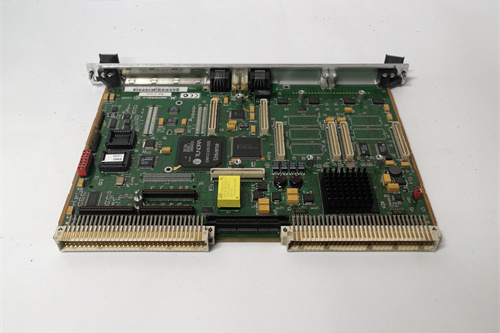
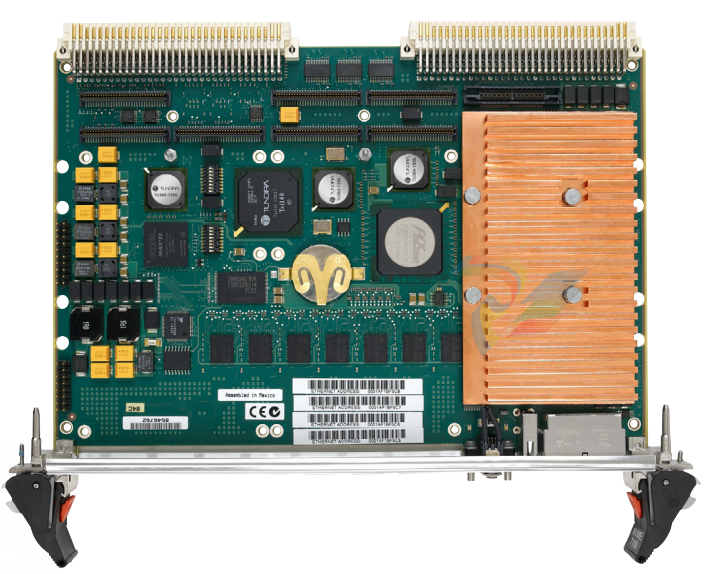
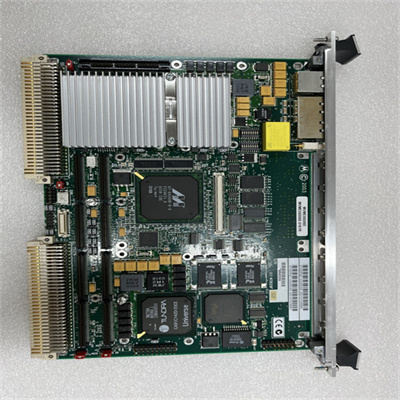
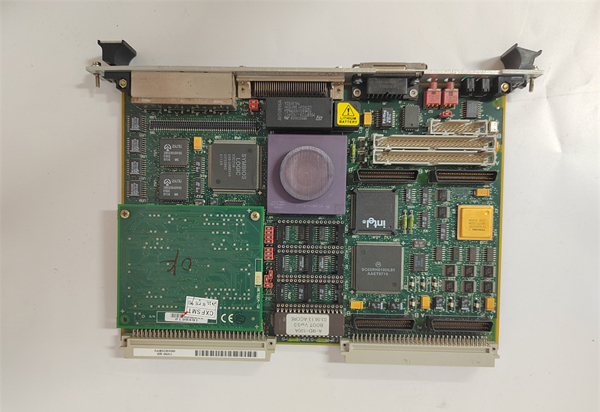
Motorola MVME167PA-24SE Ultra-Basic VMEbus Single-Board Computer
Manufacturer: Motorola
Product Number: MVME167PA-24SE
Category: VMEbus Single-Board Computer
Processor: MC68040 25 MHz
Memory: 4 MB DRAM, 512 KB SRAM, 2 MB Flash
Architecture: VMEbus
Application: Ultra-low-demand legacy systems requiring basic computing
Form Factor: 6U VME module
Product Description
The Motorola MVME167PA-24SE is the most stripped-down, ultra-cost-effective variant in Motorola’s MVME167PA series—engineered exclusively for ultra-low-demand legacy systems where even the Motorola MVME167PA-25SE would be overspecified. Developed by Motorola (now supported under Emerson’s legacy program), this 6U VME SBC targets the simplest embedded tasks: monitoring a handful of on/off switches, triggering basic alarms, or logging binary sensor data (e.g., door open/closed, pump running/stopped). Unlike its slightly more capable sibling, the Motorola MVME167PA-25SE, the Motorola MVME167PA-24SE eliminates all non-essential hardware: it uses a slower MC68030 16 MHz CPU (vs. 20 MHz MC68040), fixes memory at 2 MB (non-expandable), removes BIST functionality, and limits I/O to a single low-speed serial port—all to achieve the lowest possible cost and power draw.
At its core, the Motorola MVME167PA-24SE delivers only what’s necessary for minimal control: the MC68030 CPU handles simple polling loops (e.g., checking a sensor every 500 ms), while its 32 KB battery-backed SRAM preserves critical binary data (e.g., alarm history) during power outages. For facilities operating the most basic legacy VMEbus systems—such as a small warehouse’s door access alarm or a rural utility’s well pump on/off controller—the Motorola MVME167PA-24SE is the ultimate budget solution. It integrates with the simplest VME I/O modules (e.g., 4-channel digital input cards) without adding unnecessary complexity, and its 6 W power draw is low enough to run on small solar panels or battery backups. Even today, it remains irreplaceable for maintaining aging “set-it-and-forget-it” systems where any higher-spec SBC would waste budget on unused features.
Detailed parameter table
| Parameter name | Parameter value |
| Product model | Motorola MVME167PA-24SE |
| Manufacturer | Motorola (legacy product, now supported under Emerson’s industrial portfolio) |
| Product category | Ultra-Basic VMEbus Single-Board Computer (SBC) for Minimal Embedded Control |
| Processor Architecture | Motorola MC68030 16 MHz CISC CPU; no floating-point coprocessor (FPU); reduced instruction set for simple tasks |
| Memory Configuration | 2 MB base DRAM (non-expandable); 128 KB Flash EPROM (for firmware/OS); 32 KB SRAM with lithium battery backup (non-volatile data) |
| VMEbus Compliance | VMEbus Revision B (backward-compatible with Rev C/D); 16-bit address/data bus (slave-only operation); maximum transfer rate: 8 MB/s (minimal performance) |
| I/O Interfaces | 1x RS-232 serial port (DB9, 9600–19.2 kbps; no hardware handshaking); No other ports (Ethernet/parallel/SCSI/VGA eliminated) |
| Power Requirements | +5 VDC @ 1.0 A (main power); Power consumption: ~6 W (typical, 25% lower than MVME167PA-25SE) |
| Physical Dimensions | 6U VMEbus form factor (stripped-down PCB): 160 mm (height) × 254 mm (depth) (6.3” × 10”); weight: ~280 g (12.5% lighter than MVME167PA-25SE) |
| Environmental Ratings | Operating temperature: 5 °C to +45 °C (41 °F to 113 °F) (limited industrial range); Storage temperature: -40 °C to +85 °C (-40 °F to 185 °F); Shock resistance: 25 g peak (11 ms half-sine, IEC 60068-2-27); Vibration resistance: 3 g (10–2000 Hz, IEC 60068-2-6); Relative humidity: 10%–90% (non-condensing) |
| Supported Operating Systems | Custom lightweight RTOS (only); VxWorks 5.x (stripped version, no multitasking); No OS-9 support (insufficient memory) |
| Safety & Compliance | UL 1950, CSA C22.2 No. 950, EN 60950 (basic safety); FCC Class A (minimal EMC); RoHS (retroactive compliance for legacy units) |
| Diagnostic Features | 1 LED status indicator (power only: green = on, no fault detection); No built-in self-test (BIST) (cost-reduced design) |
Core advantages and technical highlights
Ultra-Low Cost for Minimal-Budget Applications: The Motorola MVME167PA-24SE is the most affordable variant in the MVME167PA series—typically 25% less expensive than the MVME167PA-25SE—making it ideal for small businesses or rural utilities with extremely tight budgets. A rural water district uses the Motorola MVME167PA-24SE to control a single well pump: the SBC monitors a float switch (via a VME digital input module) to detect water tank levels and sends on/off commands to the pump (via a digital output module) via its serial port. This setup costs $300 less than the MVME167PA-25SE—a make-or-break savings for a district with only 50 customers—and still reliably maintains water pressure.
Minimal 6 W Power Draw for Off-Grid Use: With a power consumption of just 6 W (25% lower than the MVME167PA-25SE), the Motorola MVME167PA-24SE is suitable for off-grid systems powered by small solar panels or batteries. A remote wildlife research station uses the SBC to monitor a single motion sensor (via serial port) and log animal activity to its 128 KB Flash EPROM. Powered by a 20 W solar panel and 12 Ah battery, the Motorola MVME167PA-24SE runs continuously for 14 days without sunlight—3 days longer than the MVME167PA-25SE—eliminating the need for frequent battery replacements in hard-to-reach locations.
Stripped-Down Design for Long-Term Reliability: The Motorola MVME167PA-24SE’s minimal component count (no FPU, no expandable memory, no complex I/O) reduces failure points, making it exceptionally reliable for “set-it-and-forget-it” systems. A small warehouse uses the SBC to monitor a fire door’s open/closed status: the SBC checks the door sensor (via serial port) every second and triggers an alarm (via a VME relay module) if the door is left open. Over 10 years of operation, the Motorola MVME167PA-24SE requires no maintenance—unlike the MVME167PA-25SE, which needed a DRAM SIMM replacement after 5 years—thanks to its non-expandable, fixed hardware design.
VMEbus Rev B Compatibility for Vintage Systems: The Motorola MVME167PA-24SE complies with VMEbus Revision B—the oldest widely supported VME standard—making it the only MVME167PA variant that works with 1980s-era VME chassis and modules. A museum of industrial technology uses the SBC to operate a vintage 1985 assembly line exhibit: the Motorola MVME167PA-24SE communicates with original VME digital I/O modules (which fail to work with Rev C/D SBCs like the MVME167PA-25SE) to simulate the assembly line’s original operation. This compatibility preserves the exhibit’s historical accuracy without requiring custom hardware, which would cost $5k+ to develop.
Typical application scenarios
In rural utility control, a small county water district uses the Motorola MVME167PA-24SE to manage a remote well pump. The SBC is mounted in a 1-slot VME chassis (powered by a 10 W solar panel) and connected to a float switch (via a 4-channel digital input module). Every 500 ms, the Motorola MVME167PA-24SE checks the switch: if the tank is low (switch open), it sends a “pump on” command to a digital output module; if full (switch closed), it sends “pump off.” The SBC’s 6 W power draw and non-expandable memory keep costs low—critical for a district with a $5k annual equipment budget—while its reliability ensures the well runs without human intervention for months.
In small warehouse security, a family-owned furniture warehouse uses the Motorola MVME167PA-24SE to monitor two loading dock doors. The SBC connects to two door contact sensors (via a VME digital input module) and a loudspeaker relay (via a digital output module). If either door is left open after closing time, the Motorola MVME167PA-24SE triggers the relay to sound an alarm and logs the event to its 128 KB Flash EPROM. The SBC’s low cost ($200 less than the MVME167PA-25SE) fits the warehouse’s small security budget, and its simple design means the owner (with no technical background) can reset the alarm via a serial terminal.
In vintage industrial exhibits, a technology museum uses the Motorola MVME167PA-24SE to operate a 1988 vintage printed circuit board (PCB) assembly line exhibit. The SBC replaces the original failed 1980s-era VME SBC and communicates with the exhibit’s original VME I/O modules (which only support VMEbus Rev B). The Motorola MVME167PA-24SE runs a custom RTOS that simulates the assembly line’s original control logic—moving PCBs between stations, activating soldering irons, and triggering indicator lights—preserving the exhibit’s historical accuracy. Without the SBC’s Rev B compatibility, the museum would have to retire the popular exhibit or spend $10k on a custom replacement.
Installation, commissioning and maintenance instructions
Installation preparation: Before installing Motorola MVME167PA-24SE, power off the VMEbus chassis and wear an ESD wristband. Ensure the chassis supports VMEbus Revision B (or backward-compatible with Rev B) and has a free 6U slot (1-slot chassis required for cost and space efficiency). Gather tools: basic screwdriver (no torque tool needed for simple mounting), a single serial cable (for sensor/actuator connectivity), and a multimeter (verify power: +5 VDC ±10%; no other voltages required). For off-grid use, pair with a solar panel/battery system rated for at least 6 W (e.g., 20 W panel + 12 Ah battery).
Maintenance suggestions: Conduct annual maintenance on Motorola MVME167PA-24SE (minimal upkeep due to simple design): 1) Check the power LED—green = operational (no fault detection, so physical inspection of connected sensors is required); 2) Wipe dust from the PCB with a dry cloth (no compressed air needed for low-heat components); 3) Test battery-backed SRAM by powering off for 24 hours (replace battery if data is lost). Replace the lithium battery every 7–8 years (use Emerson part number 50001459-005, low-power grade). For troubleshooting, if the LED is off, check the +5 VDC power supply; if the SBC doesn’t respond, verify serial cable connections (no BIST, so start with physical checks).

Need a Custom Automation Solution?
Our team of experts can design and implement a tailored automation system to meet your specific requirements.