
Our Products
Comprehensive industrial automation solutions for global industries
Contact us
If you are interested in our products and want to know more details,please Contact us,we will reply you as soon as we can.
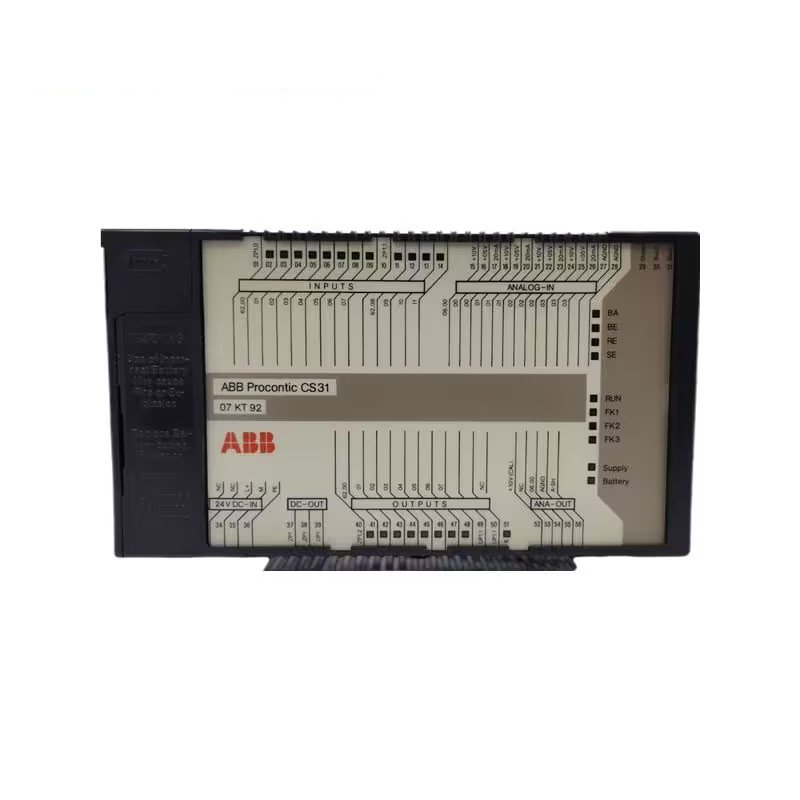
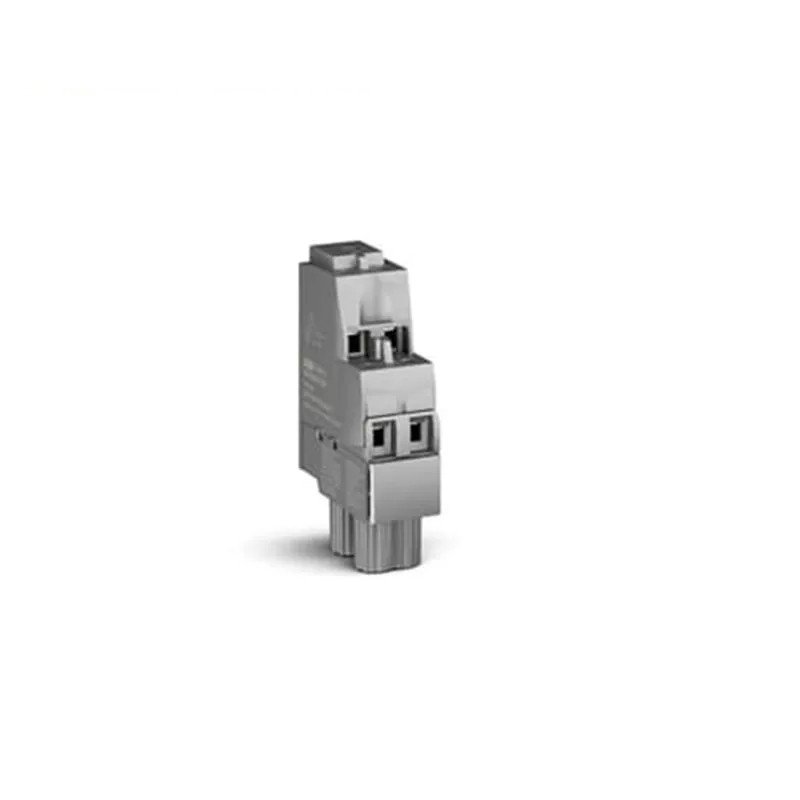
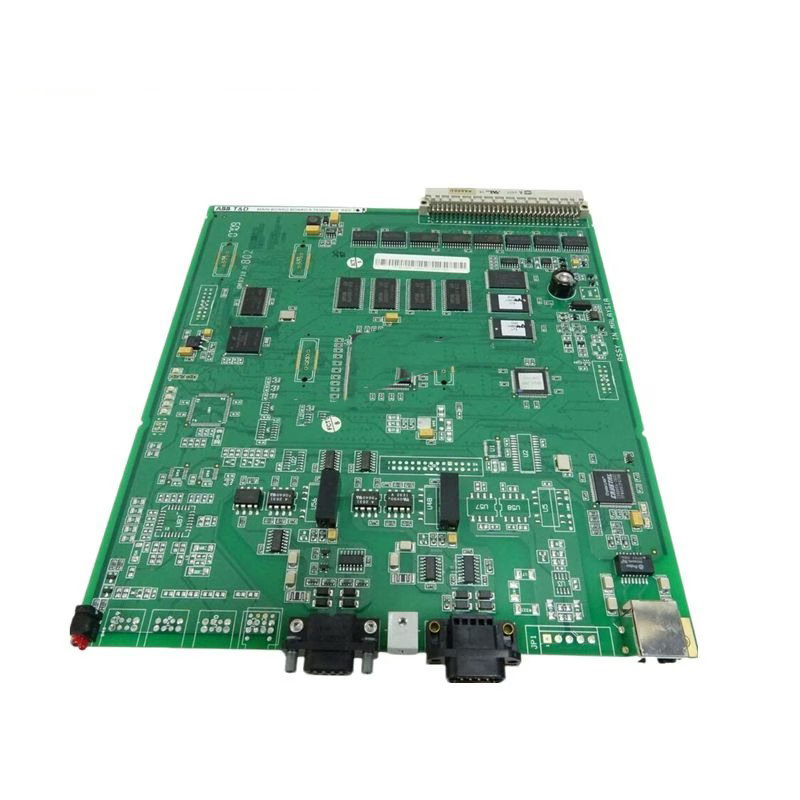
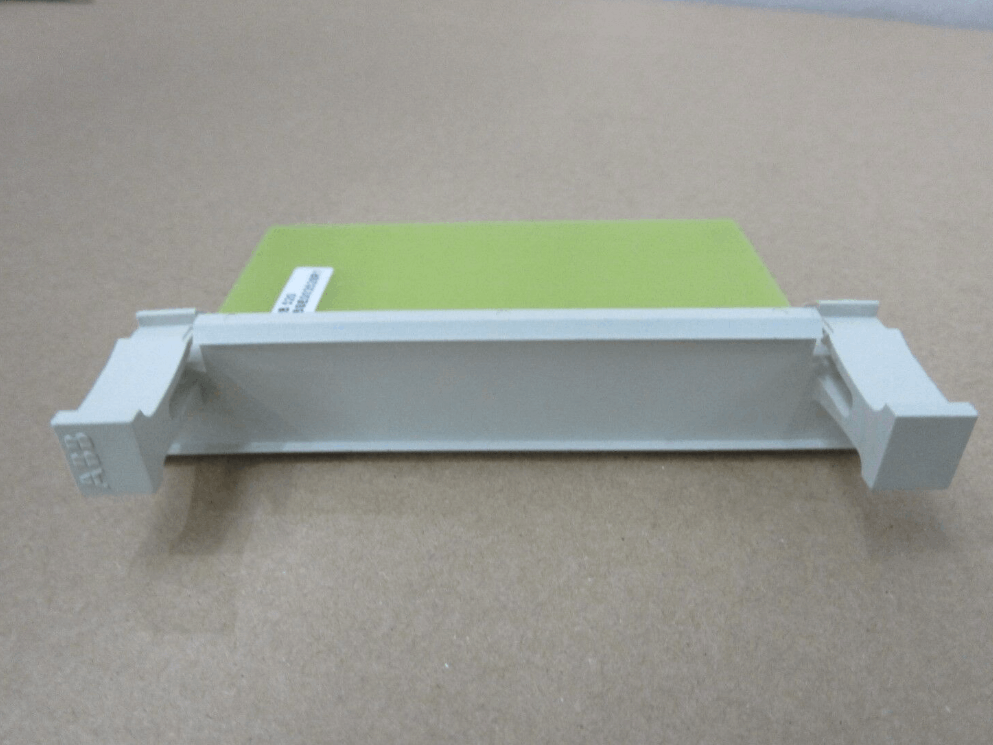
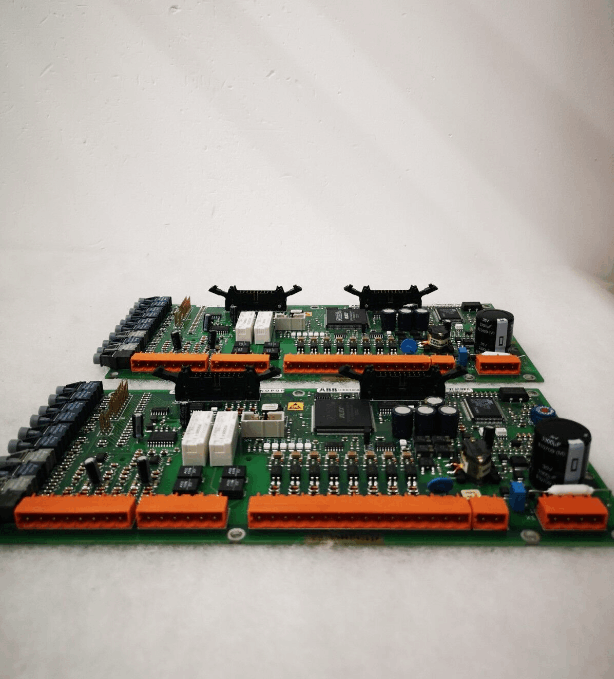
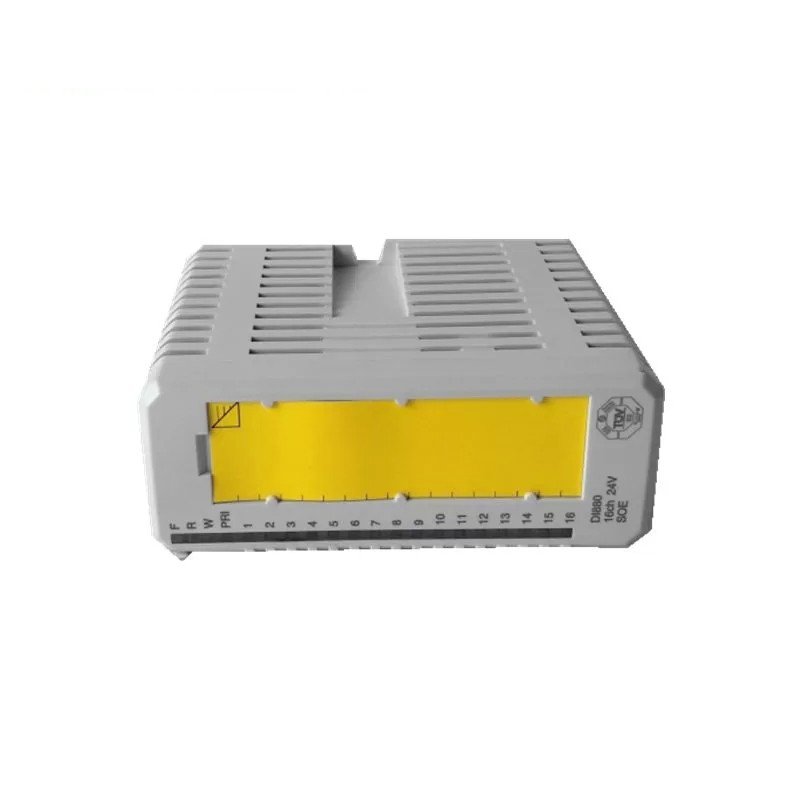
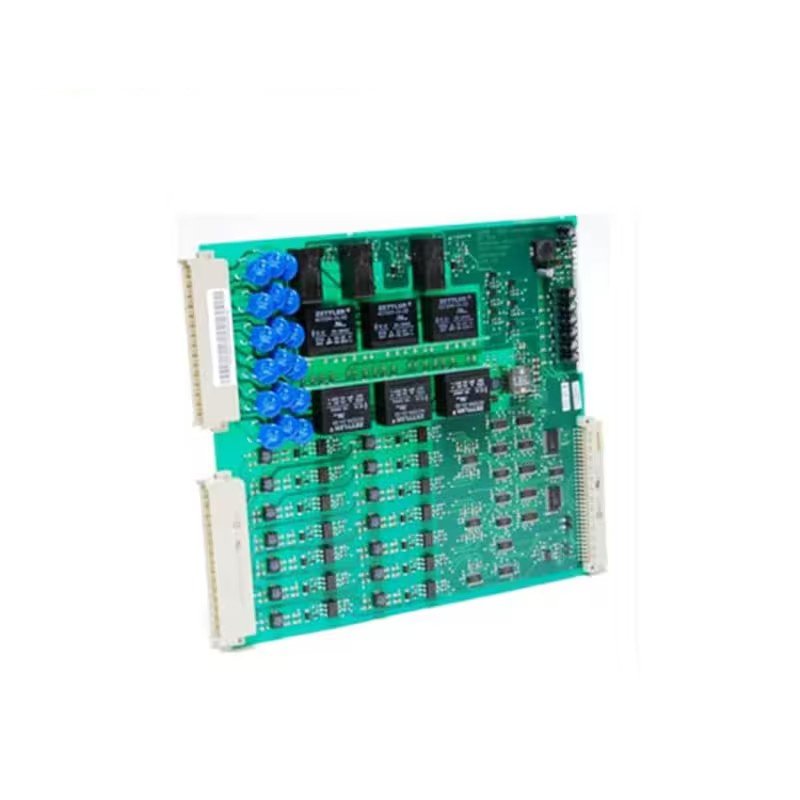
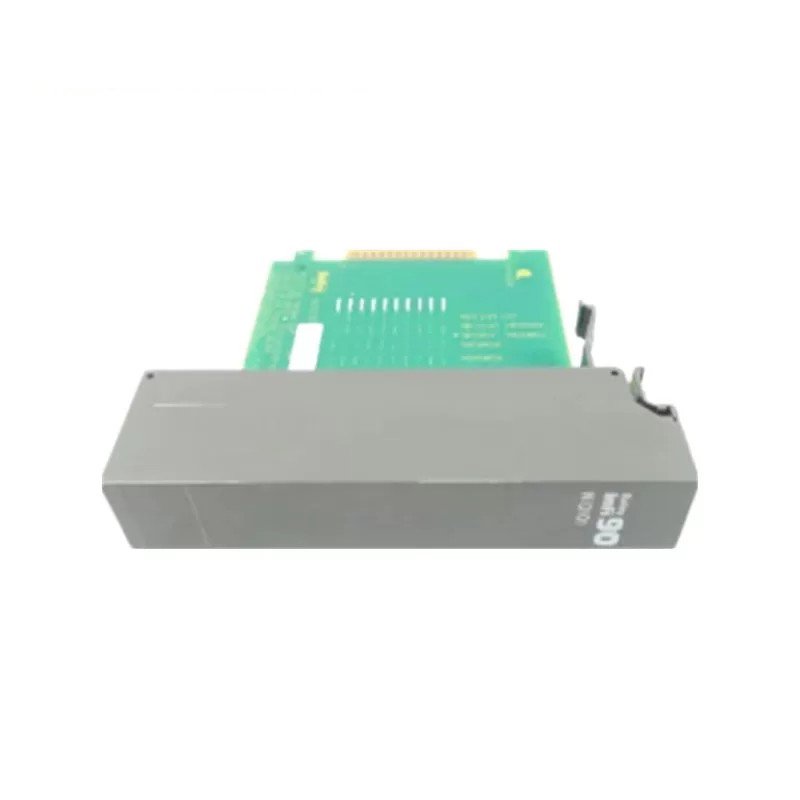
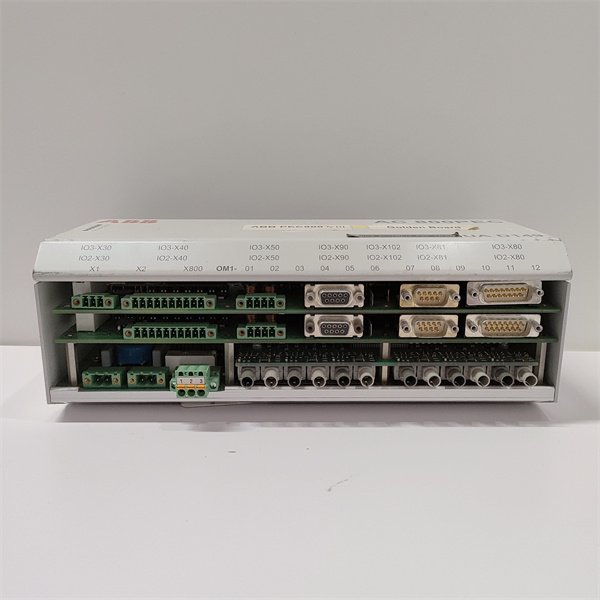
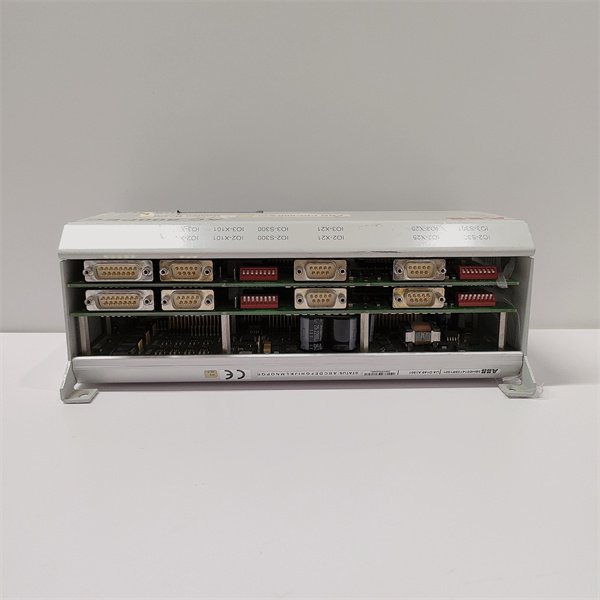
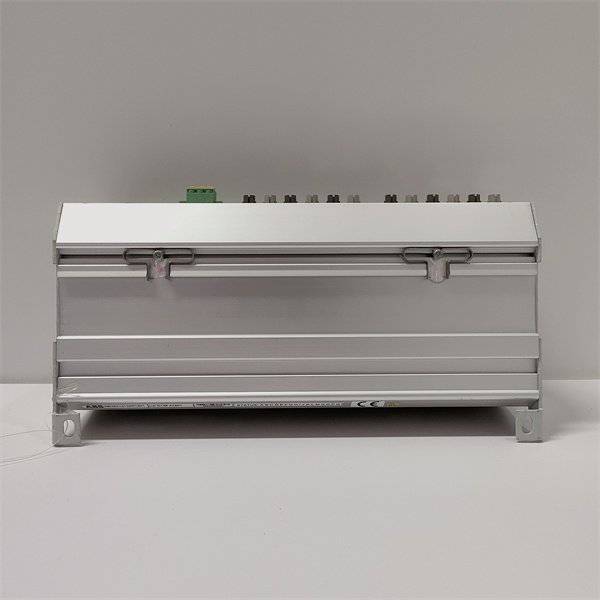
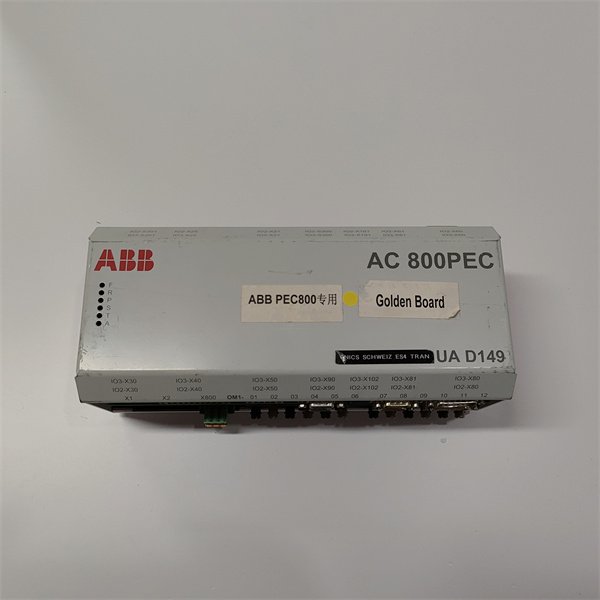
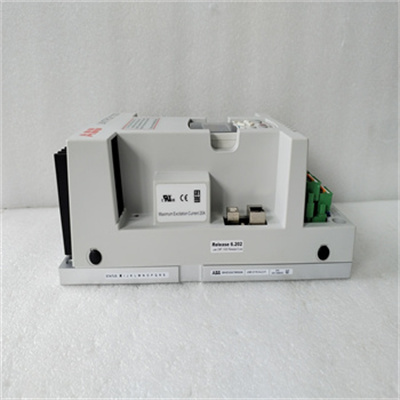
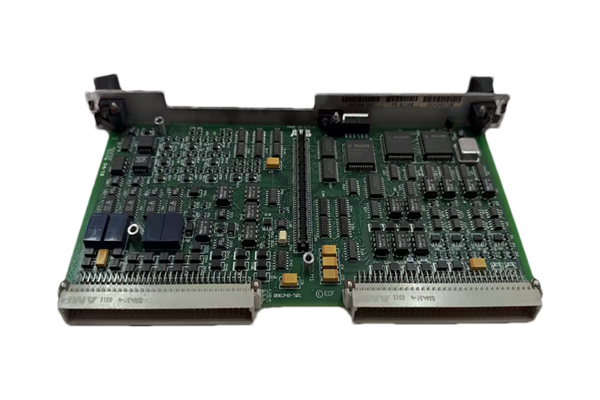
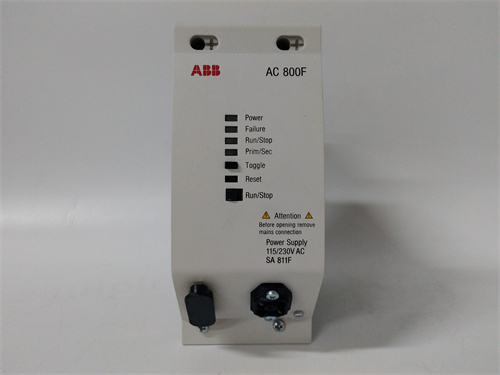
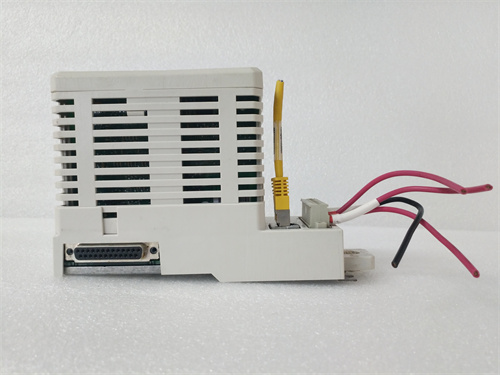
ABB UAD149A1501 3BHE014135R1501 Advanced industrial control interface module
Manufacturer: ABB
Product Number: UAD149A1501 (3BHE014135R1501)
Category: Advanced Industrial Control Interface Module
System Compatibility: ABB automation systems
Application: Complex automation systems requiring advanced interface capabilities
Function: Enhanced control interface module with improved features
Product Description
The UAD149A1501 3BHE014135R1501 is an advanced industrial control interface module from ABB, representing an upgraded variant of the UAD149A0001 3BHE014135R0001. Designed to meet the demands of complex automation systems, this module enhances signal handling capacity, communication flexibility, and environmental resilience, making it suitable for high-performance industrial applications where precision and reliability are critical.
As a next-generation interface solution, it maintains the core function of bridging field devices and control systems but expands capabilities to support more sensors and actuators. Its extended input/output channels and additional communication protocols enable integration into larger-scale automation networks, while the enhanced operating range allows deployment in harsher environments—from freezing cold storage facilities to high-temperature industrial zones. This makes it ideal for advanced manufacturing, oil and gas processing, and large-scale renewable energy plants.
Detailed parameter table
| Parameter name | Parameter value |
| Product model | UAD149A1501 3BHE014135R1501 |
| Manufacturer | ABB |
| Product category | Advanced industrial control interface module |
| Rated voltage | 24 V DC ±15% (wider range than base model) |
| Power consumption | ≤7 W |
| Input signals | 12 analog inputs (4-20 mA, 0-10 V, ±10 V) |
| Output signals | 6 analog outputs (4-20 mA, 0-10 V) |
| Communication interface | RS485 (Modbus RTU), Ethernet (Modbus TCP/IP, Profinet) |
| Operating temperature | -30°C to 70°C (extended range) |
| Dimensions | 140 mm × 90 mm × 65 mm |
| Mounting type | DIN rail mount (35 mm) |
| Protection rating | IP20, with enhanced EMI/EMC immunity |
| Certifications | IEC 61131-2, CE, UL, ATEX (for hazardous areas) |
| Response time |
≤50 ms for analog signal processing |
Core advantages and technical highlights
Expanded signal handling capacity
With 12 analog inputs (vs. 8 in the base model) and 6 analog outputs (vs. 4), the UAD149A1501 can interface with more field devices simultaneously. It adds ±10 V input support and 0-10 V output capability, enabling direct connection to a broader range of sensors and actuators—such as strain gauges (±10 V) and variable frequency drives (0-10 V speed control). In an automotive test bench, this allows monitoring of multiple pressure, temperature, and torque sensors while controlling several actuators, eliminating the need for additional modules.
Advanced communication options
Building on the base model’s RS485 and Modbus TCP, this variant adds Profinet support, a key protocol in modern industrial Ethernet networks. This enables seamless integration with Siemens-based PLCs and other Profinet-compatible devices, reducing interoperability issues in mixed-vendor systems. For example, in a semiconductor factory, it can communicate with ABB DCS via Modbus TCP and Siemens robots via Profinet, creating a unified data flow across the production line.
Enhanced environmental resilience
The module operates in a wider temperature range (-30°C to 70°C) and includes ATEX certification, making it suitable for hazardous areas like chemical plants or oil refineries. Its reinforced EMI/EMC immunity ensures stable operation near high-power equipment, such as welding machines or large motors. In a steel mill’s hot rolling facility, where ambient temperatures exceed 60°C and electrical noise is intense, it reliably processes signals from rolling force sensors.
Improved power flexibility
With a 24 V DC ±15% input range (vs. ±10% in the base model), the UAD149A1501 tolerates greater power supply fluctuations—common in remote industrial sites with unstable grids. This reduces the need for additional power conditioning equipment, lowering installation costs in off-grid renewable energy facilities.
Key differences from UAD149A0001 3BHE014135R0001
| Feature | UAD149A0001 | UAD149A1501 |
| Analog inputs | 8 (4-20 mA, 0-10 V) | 12 (4-20 mA, 0-10 V, ±10 V) |
| Analog outputs | 4 (4-20 mA) | 6 (4-20 mA, 0-10 V) |
| Communication | RS485, Modbus TCP | RS485, Modbus TCP, Profinet |
| Temp range | -20°C to 60°C | -30°C to 70°C |
| Power input tolerance | ±10% | ±15% |
| Certifications | IEC 61131-2, CE, UL | IEC 61131-2, CE, UL, ATEX |
| Response time | ≤100 ms | ≤50 ms |
Typical application scenarios
Oil and gas refinery
In a hazardous area of a refinery, the UAD149A1501 monitors pressure, flow, and temperature in a distillation column via 12 analog inputs. Its ATEX certification ensures safe operation near flammable vapors. Using Profinet, it transmits data to a central DCS, while 6 analog outputs control valve positions and heater power. The extended temperature range allows reliable operation in the refinery’s hot process areas, where ambient temperatures reach 65°C.
Large-scale wind farm
The module connects to anemometers, vibration sensors, and temperature probes across multiple wind turbines (12 inputs), aggregating data on wind speed, gearbox vibration, and generator temperature. It sends this data to a SCADA system via Modbus TCP, while outputs adjust pitch control motors (4-20 mA) and yaw drives (0-10 V). The ±15% power tolerance ensures stability despite voltage fluctuations in the farm’s off-grid power supply.
Pharmaceutical manufacturing
In a cleanroom production line, the UAD149A1501 monitors critical parameters like humidity (0-10 V), pressure differentials (4-20 mA), and mixer torque (±10 V) via its diverse inputs. It communicates with a Siemens PLC via Profinet to adjust HVAC systems and mixer speeds, ensuring compliance with strict GMP standards. The fast response time (≤50 ms) enables precise control of batch mixing processes, reducing product variability.
Installation, commissioning and maintenance instructions
Installation: Mount on a 35 mm DIN rail with 40 mm clearance for ventilation (more than base model due to higher power). Use 1.0 mm² cable for 24 V DC power (protected by 2 A fuse) to accommodate higher current. For hazardous areas, ensure wiring complies with ATEX guidelines—use flame-retardant, shielded cable with crimped terminals. Ground shields at both ends for analog and communication cables.
Commissioning: Use ABB’s Control Builder M software (updated for Profinet) to configure input/output ranges, communication protocols, and signal scaling. Calibrate with a precision signal generator to ensure ±0.05% accuracy (improved over base model). Test Profinet cyclic data exchange with PLCs to verify sub-10 ms latency. Validate ATEX compliance by checking hazardous area wiring integrity.
Maintenance: Inspect quarterly in standard environments, monthly in hazardous areas. Check for dust in ventilation grilles (use non-sparking tools in ATEX zones). Verify Profinet and Modbus communication links weekly via diagnostic software. Recalibrate annually to maintain precision. Replace fuses with ABB-approved types only—never use higher-rated fuses in hazardous areas.
 Loading comments...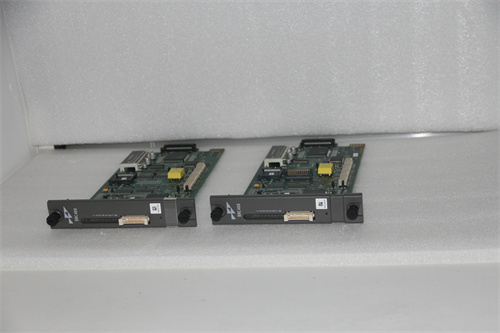
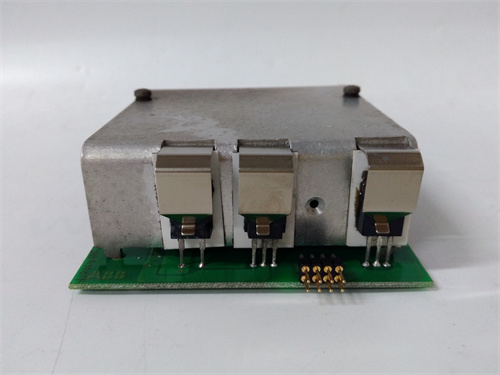
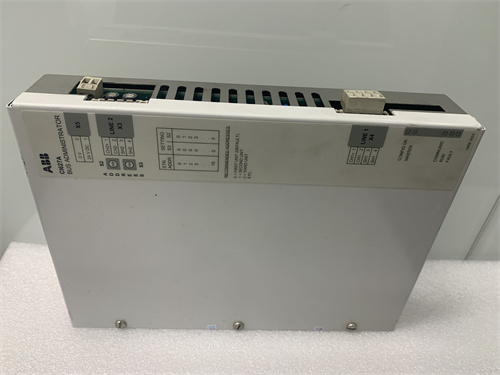
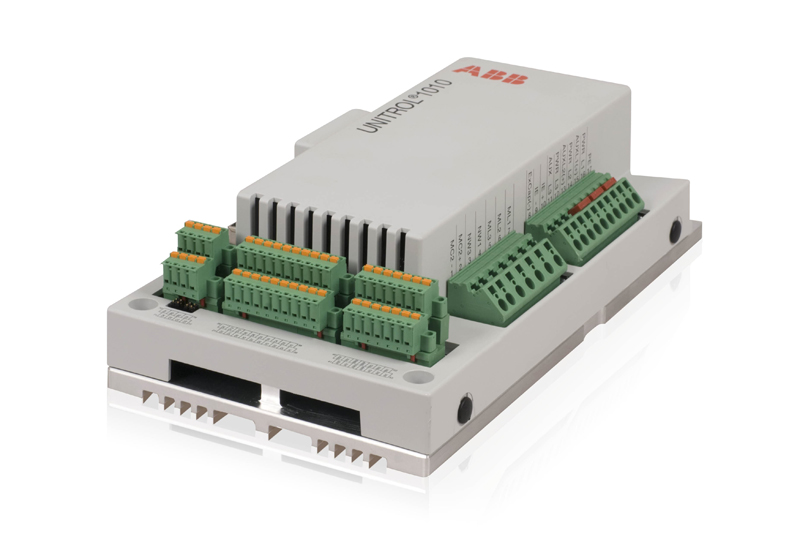
ABB UAD149A1501 3BHE014135R1501 Advanced industrial control interface module
Manufacturer: ABB
Product Number: UAD149A1501 (3BHE014135R1501)
Category: Advanced Industrial Control Interface Module
System Compatibility: ABB automation systems
Application: Complex automation systems requiring advanced interface capabilities
Function: Enhanced control interface module with improved features
Product Description
The UAD149A1501 3BHE014135R1501 is an advanced industrial control interface module from ABB, representing an upgraded variant of the UAD149A0001 3BHE014135R0001. Designed to meet the demands of complex automation systems, this module enhances signal handling capacity, communication flexibility, and environmental resilience, making it suitable for high-performance industrial applications where precision and reliability are critical.
As a next-generation interface solution, it maintains the core function of bridging field devices and control systems but expands capabilities to support more sensors and actuators. Its extended input/output channels and additional communication protocols enable integration into larger-scale automation networks, while the enhanced operating range allows deployment in harsher environments—from freezing cold storage facilities to high-temperature industrial zones. This makes it ideal for advanced manufacturing, oil and gas processing, and large-scale renewable energy plants.
Detailed parameter table
| Parameter name | Parameter value |
| Product model | UAD149A1501 3BHE014135R1501 |
| Manufacturer | ABB |
| Product category | Advanced industrial control interface module |
| Rated voltage | 24 V DC ±15% (wider range than base model) |
| Power consumption | ≤7 W |
| Input signals | 12 analog inputs (4-20 mA, 0-10 V, ±10 V) |
| Output signals | 6 analog outputs (4-20 mA, 0-10 V) |
| Communication interface | RS485 (Modbus RTU), Ethernet (Modbus TCP/IP, Profinet) |
| Operating temperature | -30°C to 70°C (extended range) |
| Dimensions | 140 mm × 90 mm × 65 mm |
| Mounting type | DIN rail mount (35 mm) |
| Protection rating | IP20, with enhanced EMI/EMC immunity |
| Certifications | IEC 61131-2, CE, UL, ATEX (for hazardous areas) |
| Response time |
≤50 ms for analog signal processing |
Core advantages and technical highlights
Expanded signal handling capacity
With 12 analog inputs (vs. 8 in the base model) and 6 analog outputs (vs. 4), the UAD149A1501 can interface with more field devices simultaneously. It adds ±10 V input support and 0-10 V output capability, enabling direct connection to a broader range of sensors and actuators—such as strain gauges (±10 V) and variable frequency drives (0-10 V speed control). In an automotive test bench, this allows monitoring of multiple pressure, temperature, and torque sensors while controlling several actuators, eliminating the need for additional modules.
Advanced communication options
Building on the base model’s RS485 and Modbus TCP, this variant adds Profinet support, a key protocol in modern industrial Ethernet networks. This enables seamless integration with Siemens-based PLCs and other Profinet-compatible devices, reducing interoperability issues in mixed-vendor systems. For example, in a semiconductor factory, it can communicate with ABB DCS via Modbus TCP and Siemens robots via Profinet, creating a unified data flow across the production line.
Enhanced environmental resilience
The module operates in a wider temperature range (-30°C to 70°C) and includes ATEX certification, making it suitable for hazardous areas like chemical plants or oil refineries. Its reinforced EMI/EMC immunity ensures stable operation near high-power equipment, such as welding machines or large motors. In a steel mill’s hot rolling facility, where ambient temperatures exceed 60°C and electrical noise is intense, it reliably processes signals from rolling force sensors.
Improved power flexibility
With a 24 V DC ±15% input range (vs. ±10% in the base model), the UAD149A1501 tolerates greater power supply fluctuations—common in remote industrial sites with unstable grids. This reduces the need for additional power conditioning equipment, lowering installation costs in off-grid renewable energy facilities.
Key differences from UAD149A0001 3BHE014135R0001
| Feature | UAD149A0001 | UAD149A1501 |
| Analog inputs | 8 (4-20 mA, 0-10 V) | 12 (4-20 mA, 0-10 V, ±10 V) |
| Analog outputs | 4 (4-20 mA) | 6 (4-20 mA, 0-10 V) |
| Communication | RS485, Modbus TCP | RS485, Modbus TCP, Profinet |
| Temp range | -20°C to 60°C | -30°C to 70°C |
| Power input tolerance | ±10% | ±15% |
| Certifications | IEC 61131-2, CE, UL | IEC 61131-2, CE, UL, ATEX |
| Response time | ≤100 ms | ≤50 ms |
Typical application scenarios
Oil and gas refinery
In a hazardous area of a refinery, the UAD149A1501 monitors pressure, flow, and temperature in a distillation column via 12 analog inputs. Its ATEX certification ensures safe operation near flammable vapors. Using Profinet, it transmits data to a central DCS, while 6 analog outputs control valve positions and heater power. The extended temperature range allows reliable operation in the refinery’s hot process areas, where ambient temperatures reach 65°C.
Large-scale wind farm
The module connects to anemometers, vibration sensors, and temperature probes across multiple wind turbines (12 inputs), aggregating data on wind speed, gearbox vibration, and generator temperature. It sends this data to a SCADA system via Modbus TCP, while outputs adjust pitch control motors (4-20 mA) and yaw drives (0-10 V). The ±15% power tolerance ensures stability despite voltage fluctuations in the farm’s off-grid power supply.
Pharmaceutical manufacturing
In a cleanroom production line, the UAD149A1501 monitors critical parameters like humidity (0-10 V), pressure differentials (4-20 mA), and mixer torque (±10 V) via its diverse inputs. It communicates with a Siemens PLC via Profinet to adjust HVAC systems and mixer speeds, ensuring compliance with strict GMP standards. The fast response time (≤50 ms) enables precise control of batch mixing processes, reducing product variability.
Installation, commissioning and maintenance instructions
Installation: Mount on a 35 mm DIN rail with 40 mm clearance for ventilation (more than base model due to higher power). Use 1.0 mm² cable for 24 V DC power (protected by 2 A fuse) to accommodate higher current. For hazardous areas, ensure wiring complies with ATEX guidelines—use flame-retardant, shielded cable with crimped terminals. Ground shields at both ends for analog and communication cables.
Commissioning: Use ABB’s Control Builder M software (updated for Profinet) to configure input/output ranges, communication protocols, and signal scaling. Calibrate with a precision signal generator to ensure ±0.05% accuracy (improved over base model). Test Profinet cyclic data exchange with PLCs to verify sub-10 ms latency. Validate ATEX compliance by checking hazardous area wiring integrity.
Maintenance: Inspect quarterly in standard environments, monthly in hazardous areas. Check for dust in ventilation grilles (use non-sparking tools in ATEX zones). Verify Profinet and Modbus communication links weekly via diagnostic software. Recalibrate annually to maintain precision. Replace fuses with ABB-approved types only—never use higher-rated fuses in hazardous areas.
Need a Custom Automation Solution?
Our team of experts can design and implement a tailored automation system to meet your specific requirements.