
Our Products
Comprehensive industrial automation solutions for global industries
Contact us
If you are interested in our products and want to know more details,please Contact us,we will reply you as soon as we can.
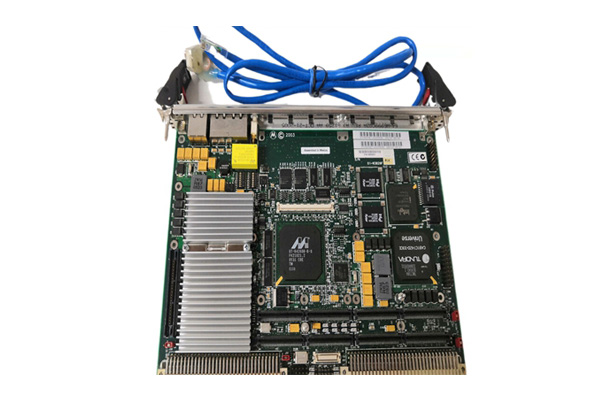
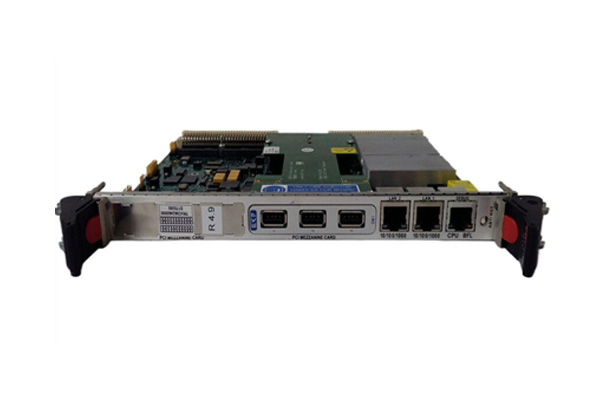
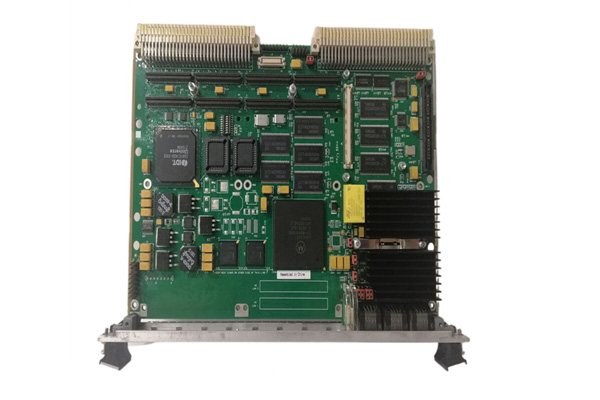
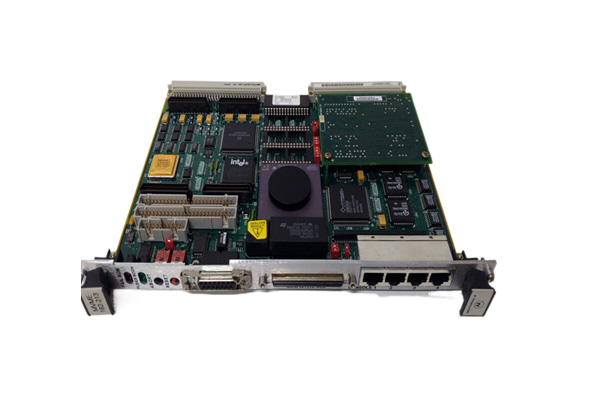
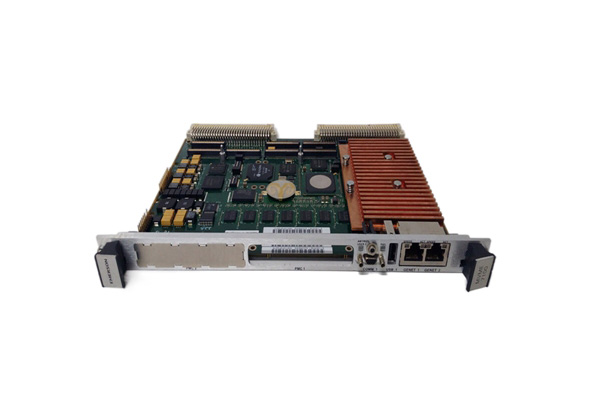
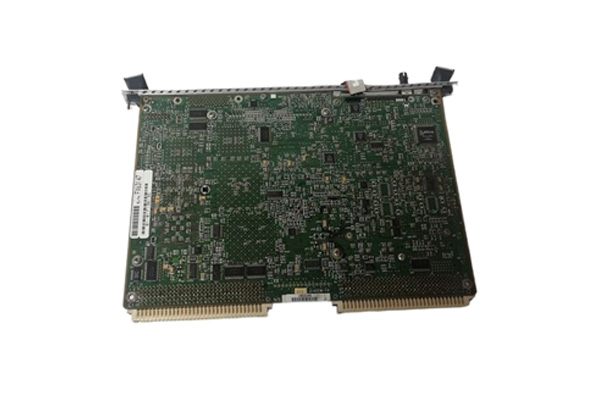
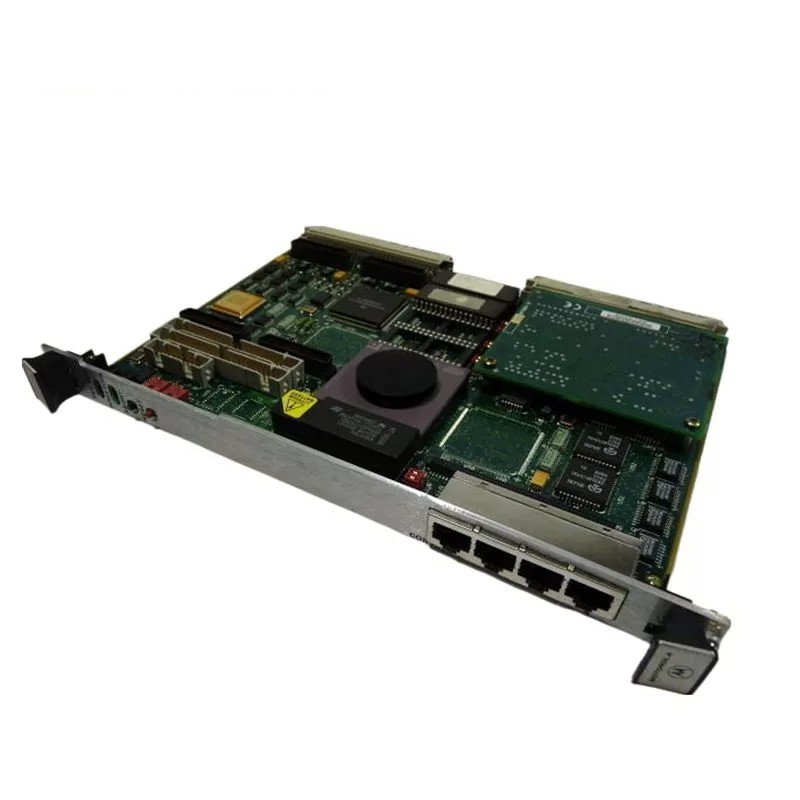
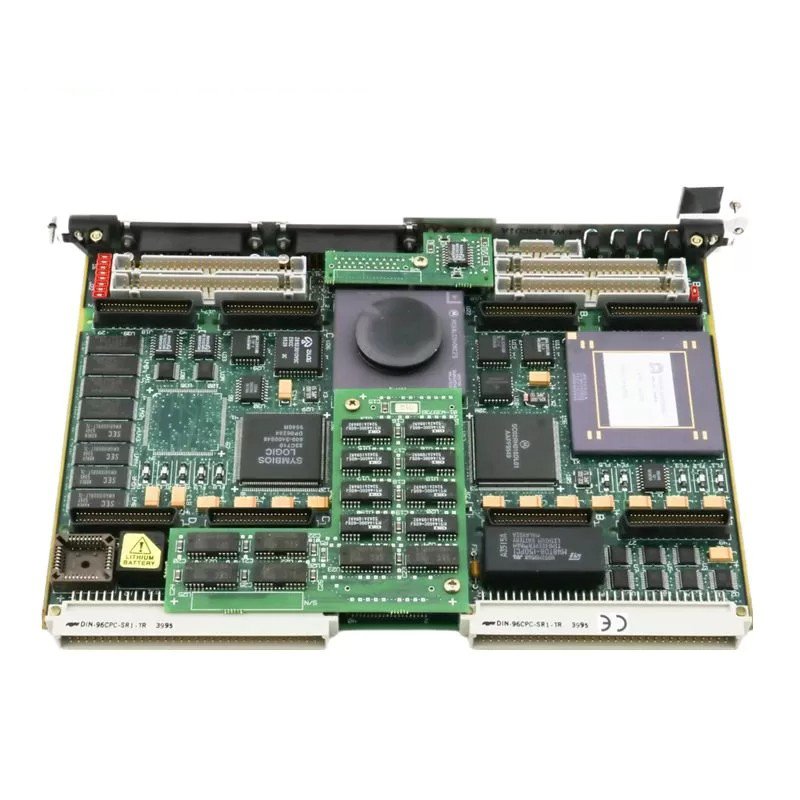
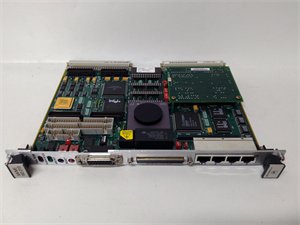
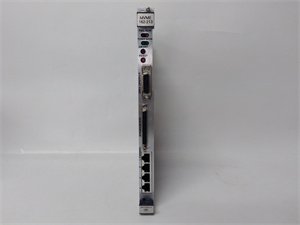
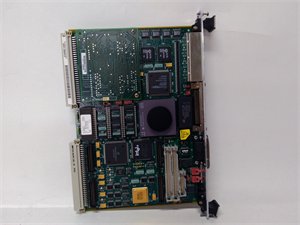
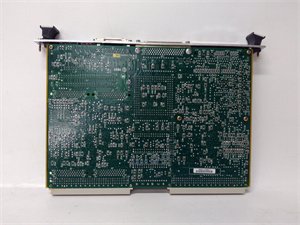
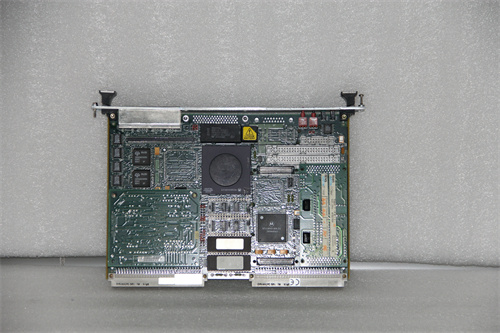
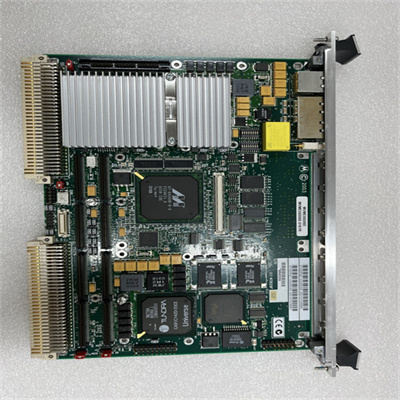
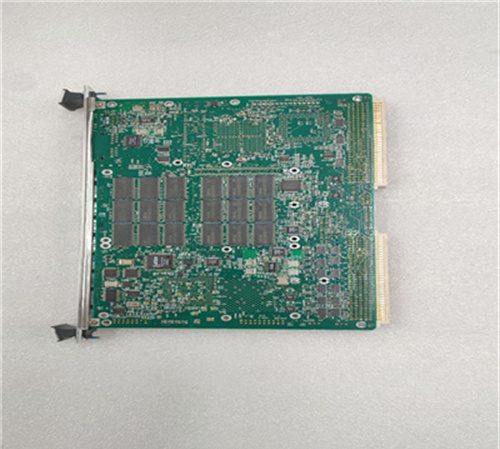
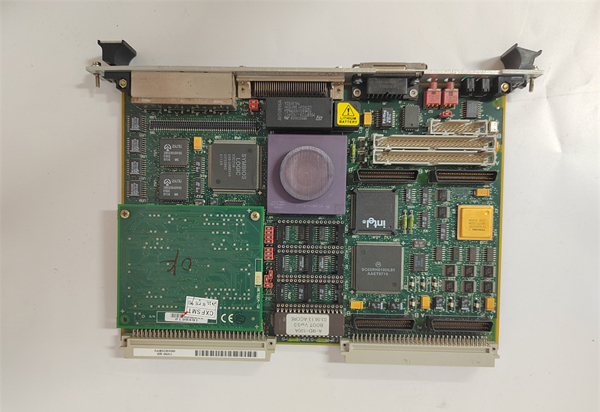
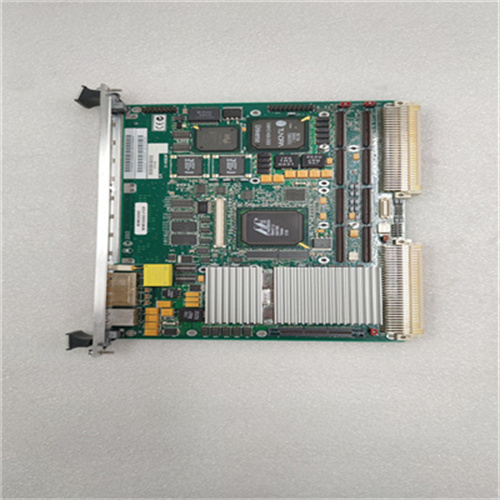
Motorola MVME162-012 Embedded controller/Single–board computer
Manufacturer: Motorola
Product Number: MVME162-012
Category: Embedded Controller / Single-Board Computer
Application: Complex demands of modern industrial automation requiring high-performance embedded control
Product Description
The Motorola MVME162 – 012 is a high – performance embedded controller and single – board computer, brought to you by Motorola, a trusted name in the industrial technology domain. This module is designed to meet the complex demands of modern industrial automation, data – intensive applications, and control systems.
Powered by the MPC7457 processor running at 1 GHz, the MVME162 – 012 is well – equipped to handle computationally intensive tasks. It offers a substantial amount of memory, with 512MB of on – board 133 MHz SDRAM ECC memory and the option to expand to 1GB using a storage mezzanine card. This makes it suitable for applications that require significant data storage and rapid data access. In industrial control systems, it can efficiently process data from various sensors and send out control signals to actuators, ensuring smooth and accurate operation of production lines. It also features a range of communication interfaces, including Gigabit Ethernet and 10/100BaseTX Ethernet, along with two serial ports, enabling seamless connectivity with other devices in the automation ecosystem.
Detailed parameter table
| Parameter name | Parameter value |
|---|---|
| Product model | MVME162 – 012 |
| Manufacturer | Motorola |
| Product category | Embedded controller / Single – board computer |
| Processor | MPC7457 running at 1 GHz |
| Power supply voltage | 145V (speculated from some sources, might need verification) |
| Output frequency | 5Hz (from some data, but needs further confirmation in context) |
| Memory | 512MB on – board 133 MHz SDRAM ECC memory, with an option for an additional 512MB via a storage mezzanine card for a total of 1GB |
| Cache | 512KB on – chip Level 2 cache and 2MB Level 3 cache |
| Communication interfaces | Gigabit Ethernet interface, 10/100BaseTX Ethernet interface, two serial ports |
| Dimensions | Not specified in available data. Similar products in the series are designed to fit standard VMEbus form – factors for easy integration into industrial cabinets |
| Weight | Not provided in current data. Usually, single – board computers of this type are lightweight for convenient installation |
| Operating temperature range | – 40 °C to + 85 °C (common for industrial – grade embedded products, but specific to this model needs verification) |
| Storage temperature range | – 40 °C to + 125 °C (again, common for such products, but double – check for MVME162 – 012) |
| Communication protocol | Supports Modbus RTU/TCP (common in industrial communication, but needs to be confirmed for this model) |
| I/O capabilities | May have multiple digital and analog I/O options, but specific details are scarce. Could potentially support interfaces for sensors, actuators, and other industrial devices |
| Power consumption | 5.3W (as per some sources, but should be validated) |
High – performance processing
The MVME162 – 012‘s 1 GHz MPC7457 processor, combined with its cache architecture (512KB on – chip Level 2 cache and 2MB Level 3 cache), allows for extremely fast data processing. This is crucial in data – intensive applications such as real – time analytics in industrial manufacturing. For example, in a high – speed production line where sensors generate a large volume of data every second, the MVME162 – 012 can quickly analyze this data to detect any anomalies or inefficiencies in the production process. The processor’s performance also enables quick response times for control signals, ensuring that industrial equipment operates precisely as required.
Abundant memory and expandability
With 512MB of on – board 133 MHz SDRAM ECC memory and the option to expand to 1GB, the MVME162 – 012 can store and manage large amounts of data. This is beneficial in applications that require long – term data logging, such as in industrial process monitoring. Additionally, the expandability feature means that as the data storage requirements of a project grow over time, the MVME162 – 012 can be easily upgraded without the need to replace the entire system. This not only saves costs but also ensures the continuity of operations.
Versatile communication interfaces
The module’s multiple communication interfaces, including Gigabit Ethernet, 10/100BaseTX Ethernet, and two serial ports, make it highly versatile in terms of connectivity. The Ethernet interfaces enable high – speed data transfer, which is essential for applications that need to communicate with other network – connected devices, such as cloud – based monitoring systems or other industrial control units. The serial ports, on the other hand, can be used to interface with legacy devices or sensors that use serial communication protocols. This wide range of communication options allows the MVME162 – 012 to be integrated into both modern and existing industrial automation setups.
Industrial automation
In industrial manufacturing plants, the Motorola MVME162 – 012 can be used to control and monitor production lines. It can receive data from sensors that detect the position, speed, and quality of products moving along the conveyor belts. Based on this data, the MVME162 – 012 can send control signals to motors, actuators, and robotic arms to adjust the production process. For example, in an automotive assembly line, it can ensure that each component is accurately placed and assembled at the right time. It can also communicate with other control systems in the plant to coordinate the overall production schedule.
Medical imaging
In the medical field, particularly in medical imaging applications such as MRI, CT, and PET scanners, the MVME162 – 012 can play a crucial role. These imaging devices generate a large amount of data that needs to be processed quickly and accurately. The high – performance processing capabilities of the MVME162 – 012 allow it to handle the complex algorithms required for image reconstruction and analysis. It can also communicate with other components of the imaging system, such as the data storage units and the display consoles, to ensure seamless operation.
Aerospace and defense
In aerospace and defense applications, the MVME162 – 012 can be used in command and control systems. It can process data from various sensors on aircraft, satellites, or military vehicles, and use this data to make real – time decisions. For example, in a reconnaissance aircraft, it can analyze data from cameras and radar systems to detect potential threats and relay this information to the ground control station. Its reliable performance and ability to operate in harsh environments make it suitable for these critical applications.
Installation preparation
Before installing the Motorola MVME162 – 012, ensure that the installation environment meets the module’s requirements. Check that the ambient temperature is within the specified operating range, typically – 40 °C to + 85 °C. Use appropriate tools such as screwdrivers and anti – static wrist straps to prevent electrostatic discharge, which can damage the sensitive components of the module. If the MVME162 – 012 is to be installed in a VMEbus system, make sure the VMEbus backboard is properly configured and functioning. Follow the wiring diagram carefully when connecting the power supply and other external devices, ensuring that the voltage and wiring connections are correct.
Maintenance suggestions
Regularly inspect the MVME162 – 012 for any signs of physical damage, such as cracks or loose components. Clean the module gently to remove dust, as dust accumulation can affect its performance, especially in environments with high – dust levels. Periodically test the communication interfaces and I/O functions to ensure they are working correctly. If any issues are detected, start by checking the wiring and connections. In case of a malfunction, consult the Motorola technical documentation or contact their support team for troubleshooting advice. When replacing parts, always use genuine Motorola replacement parts to ensure compatibility and maintain the high – quality performance of the module. Keep a record of maintenance activities and any issues encountered for future reference.
 Loading comments...
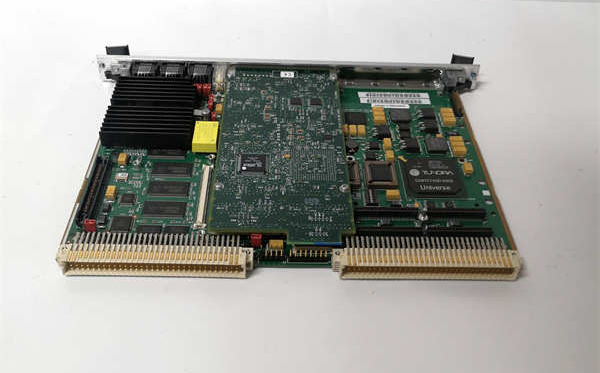
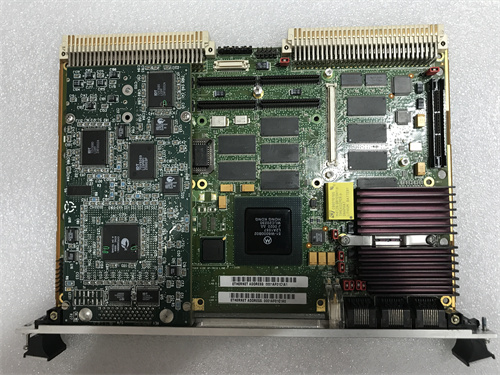
Motorola MVME162-012 Embedded controller/Single–board computer
Manufacturer: Motorola
Product Number: MVME162-012
Category: Embedded Controller / Single-Board Computer
Application: Complex demands of modern industrial automation requiring high-performance embedded control
Product Description
The Motorola MVME162 – 012 is a high – performance embedded controller and single – board computer, brought to you by Motorola, a trusted name in the industrial technology domain. This module is designed to meet the complex demands of modern industrial automation, data – intensive applications, and control systems.
Powered by the MPC7457 processor running at 1 GHz, the MVME162 – 012 is well – equipped to handle computationally intensive tasks. It offers a substantial amount of memory, with 512MB of on – board 133 MHz SDRAM ECC memory and the option to expand to 1GB using a storage mezzanine card. This makes it suitable for applications that require significant data storage and rapid data access. In industrial control systems, it can efficiently process data from various sensors and send out control signals to actuators, ensuring smooth and accurate operation of production lines. It also features a range of communication interfaces, including Gigabit Ethernet and 10/100BaseTX Ethernet, along with two serial ports, enabling seamless connectivity with other devices in the automation ecosystem.
Detailed parameter table
| Parameter name | Parameter value |
|---|---|
| Product model | MVME162 – 012 |
| Manufacturer | Motorola |
| Product category | Embedded controller / Single – board computer |
| Processor | MPC7457 running at 1 GHz |
| Power supply voltage | 145V (speculated from some sources, might need verification) |
| Output frequency | 5Hz (from some data, but needs further confirmation in context) |
| Memory | 512MB on – board 133 MHz SDRAM ECC memory, with an option for an additional 512MB via a storage mezzanine card for a total of 1GB |
| Cache | 512KB on – chip Level 2 cache and 2MB Level 3 cache |
| Communication interfaces | Gigabit Ethernet interface, 10/100BaseTX Ethernet interface, two serial ports |
| Dimensions | Not specified in available data. Similar products in the series are designed to fit standard VMEbus form – factors for easy integration into industrial cabinets |
| Weight | Not provided in current data. Usually, single – board computers of this type are lightweight for convenient installation |
| Operating temperature range | – 40 °C to + 85 °C (common for industrial – grade embedded products, but specific to this model needs verification) |
| Storage temperature range | – 40 °C to + 125 °C (again, common for such products, but double – check for MVME162 – 012) |
| Communication protocol | Supports Modbus RTU/TCP (common in industrial communication, but needs to be confirmed for this model) |
| I/O capabilities | May have multiple digital and analog I/O options, but specific details are scarce. Could potentially support interfaces for sensors, actuators, and other industrial devices |
| Power consumption | 5.3W (as per some sources, but should be validated) |
High – performance processing
The MVME162 – 012‘s 1 GHz MPC7457 processor, combined with its cache architecture (512KB on – chip Level 2 cache and 2MB Level 3 cache), allows for extremely fast data processing. This is crucial in data – intensive applications such as real – time analytics in industrial manufacturing. For example, in a high – speed production line where sensors generate a large volume of data every second, the MVME162 – 012 can quickly analyze this data to detect any anomalies or inefficiencies in the production process. The processor’s performance also enables quick response times for control signals, ensuring that industrial equipment operates precisely as required.
Abundant memory and expandability
With 512MB of on – board 133 MHz SDRAM ECC memory and the option to expand to 1GB, the MVME162 – 012 can store and manage large amounts of data. This is beneficial in applications that require long – term data logging, such as in industrial process monitoring. Additionally, the expandability feature means that as the data storage requirements of a project grow over time, the MVME162 – 012 can be easily upgraded without the need to replace the entire system. This not only saves costs but also ensures the continuity of operations.
Versatile communication interfaces
The module’s multiple communication interfaces, including Gigabit Ethernet, 10/100BaseTX Ethernet, and two serial ports, make it highly versatile in terms of connectivity. The Ethernet interfaces enable high – speed data transfer, which is essential for applications that need to communicate with other network – connected devices, such as cloud – based monitoring systems or other industrial control units. The serial ports, on the other hand, can be used to interface with legacy devices or sensors that use serial communication protocols. This wide range of communication options allows the MVME162 – 012 to be integrated into both modern and existing industrial automation setups.
Industrial automation
In industrial manufacturing plants, the Motorola MVME162 – 012 can be used to control and monitor production lines. It can receive data from sensors that detect the position, speed, and quality of products moving along the conveyor belts. Based on this data, the MVME162 – 012 can send control signals to motors, actuators, and robotic arms to adjust the production process. For example, in an automotive assembly line, it can ensure that each component is accurately placed and assembled at the right time. It can also communicate with other control systems in the plant to coordinate the overall production schedule.
Medical imaging
In the medical field, particularly in medical imaging applications such as MRI, CT, and PET scanners, the MVME162 – 012 can play a crucial role. These imaging devices generate a large amount of data that needs to be processed quickly and accurately. The high – performance processing capabilities of the MVME162 – 012 allow it to handle the complex algorithms required for image reconstruction and analysis. It can also communicate with other components of the imaging system, such as the data storage units and the display consoles, to ensure seamless operation.
Aerospace and defense
In aerospace and defense applications, the MVME162 – 012 can be used in command and control systems. It can process data from various sensors on aircraft, satellites, or military vehicles, and use this data to make real – time decisions. For example, in a reconnaissance aircraft, it can analyze data from cameras and radar systems to detect potential threats and relay this information to the ground control station. Its reliable performance and ability to operate in harsh environments make it suitable for these critical applications.
Installation preparation
Before installing the Motorola MVME162 – 012, ensure that the installation environment meets the module’s requirements. Check that the ambient temperature is within the specified operating range, typically – 40 °C to + 85 °C. Use appropriate tools such as screwdrivers and anti – static wrist straps to prevent electrostatic discharge, which can damage the sensitive components of the module. If the MVME162 – 012 is to be installed in a VMEbus system, make sure the VMEbus backboard is properly configured and functioning. Follow the wiring diagram carefully when connecting the power supply and other external devices, ensuring that the voltage and wiring connections are correct.
Maintenance suggestions
Regularly inspect the MVME162 – 012 for any signs of physical damage, such as cracks or loose components. Clean the module gently to remove dust, as dust accumulation can affect its performance, especially in environments with high – dust levels. Periodically test the communication interfaces and I/O functions to ensure they are working correctly. If any issues are detected, start by checking the wiring and connections. In case of a malfunction, consult the Motorola technical documentation or contact their support team for troubleshooting advice. When replacing parts, always use genuine Motorola replacement parts to ensure compatibility and maintain the high – quality performance of the module. Keep a record of maintenance activities and any issues encountered for future reference.
Need a Custom Automation Solution?
Our team of experts can design and implement a tailored automation system to meet your specific requirements.