
Our Products
Comprehensive industrial automation solutions for global industries
Contact us
If you are interested in our products and want to know more details,please Contact us,we will reply you as soon as we can.
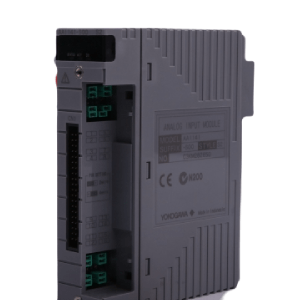
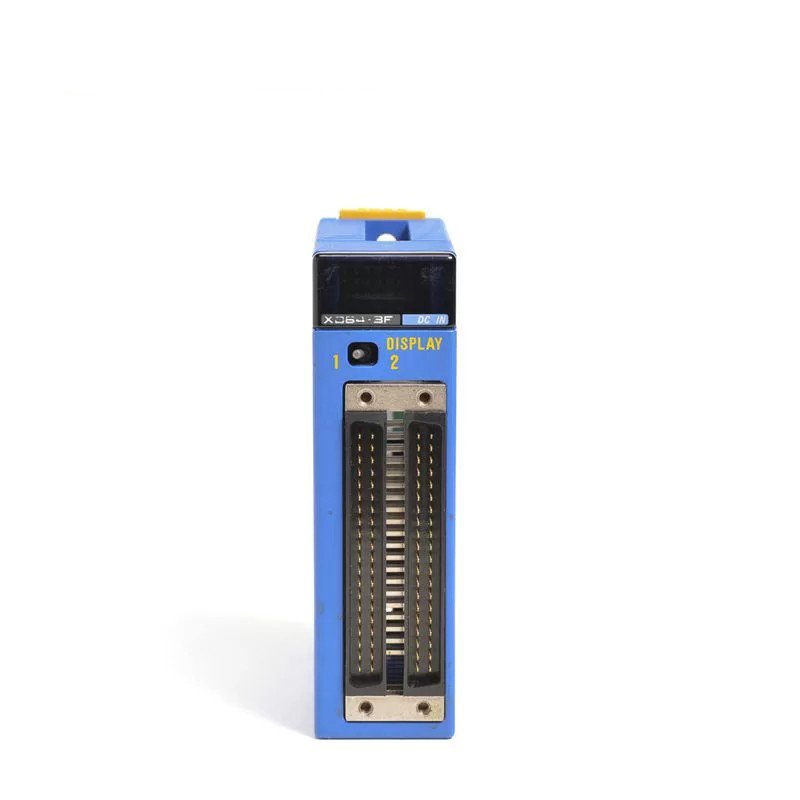
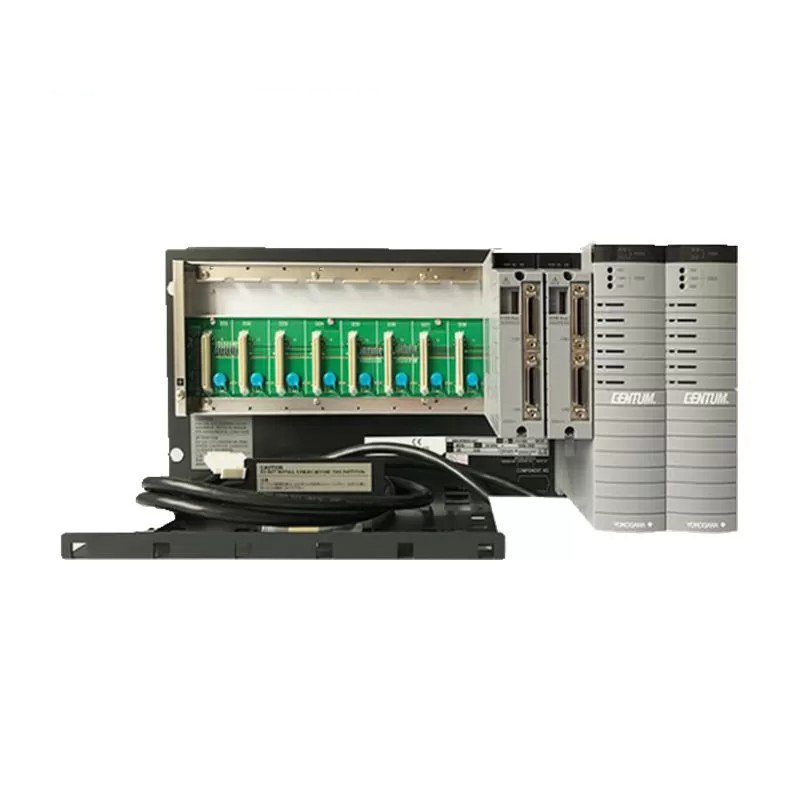
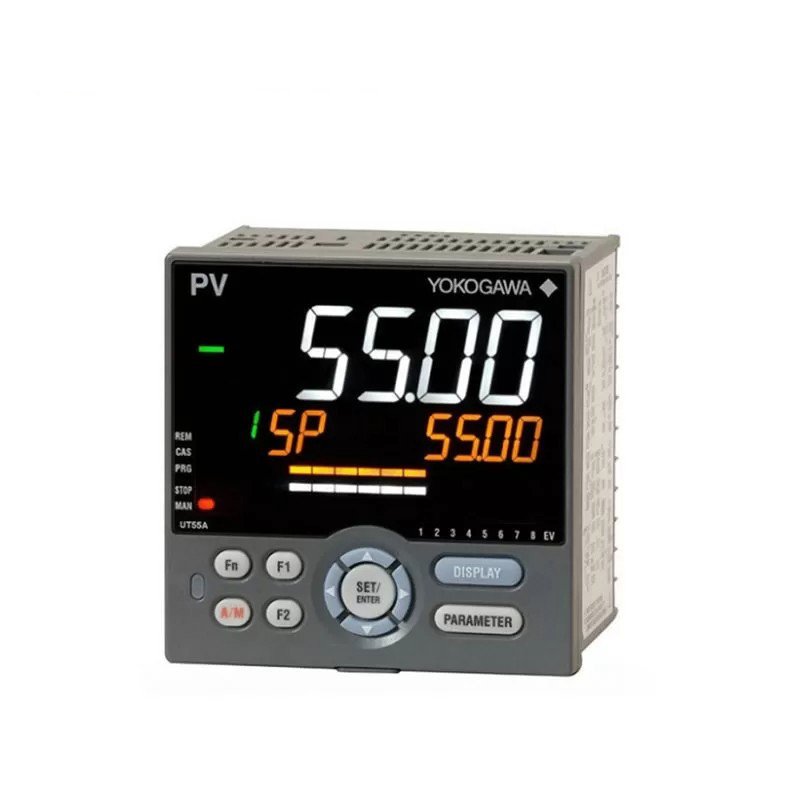
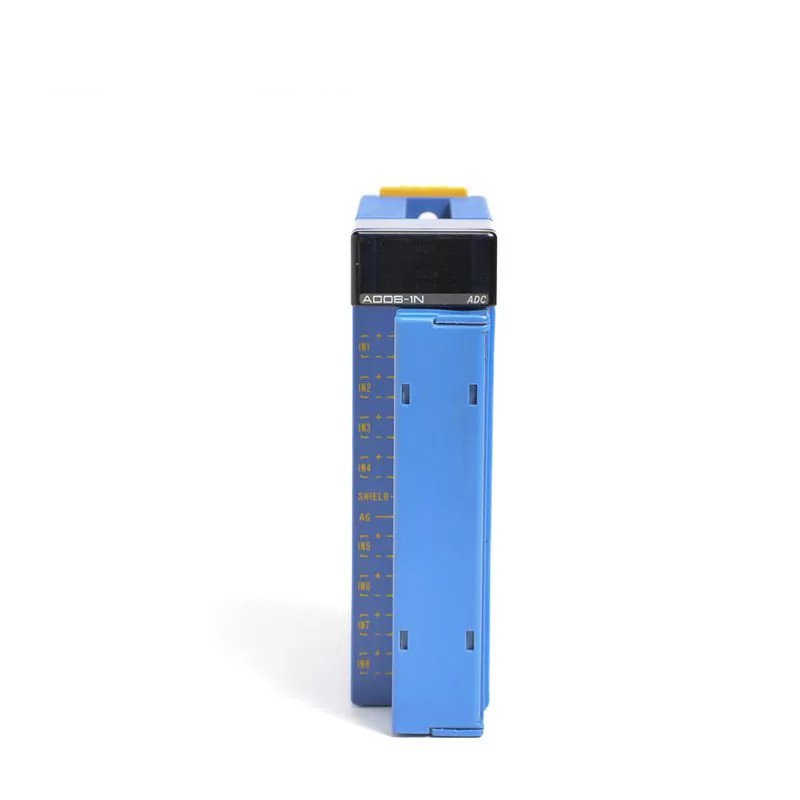
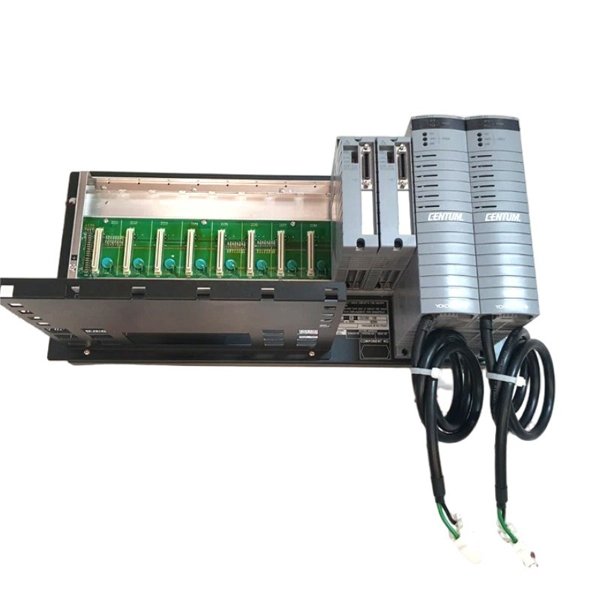
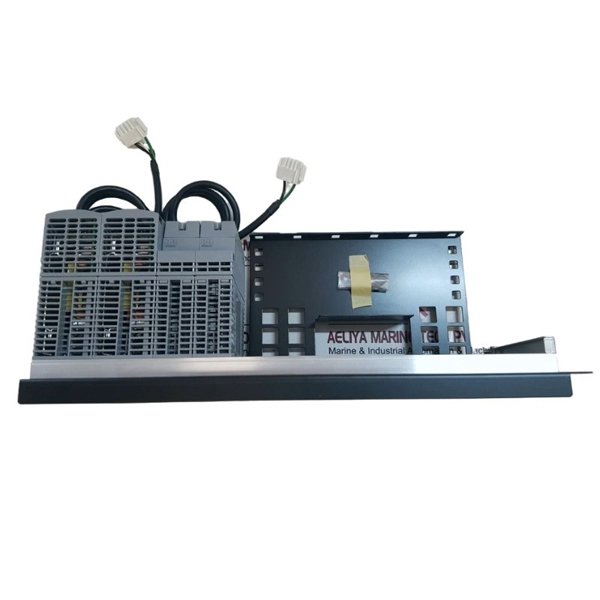
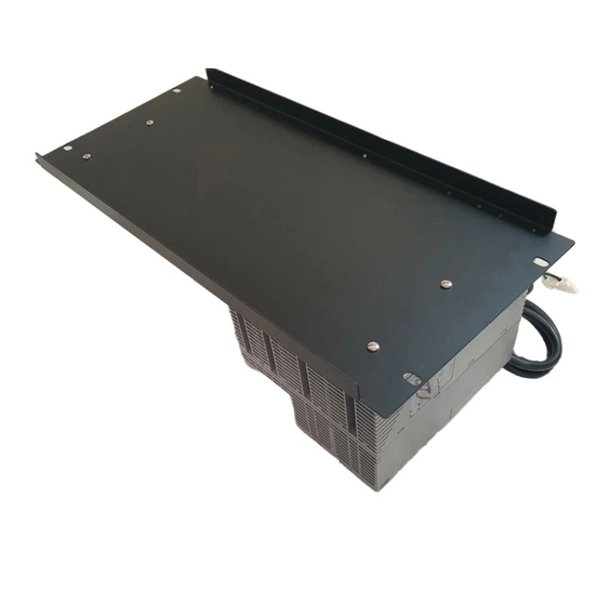
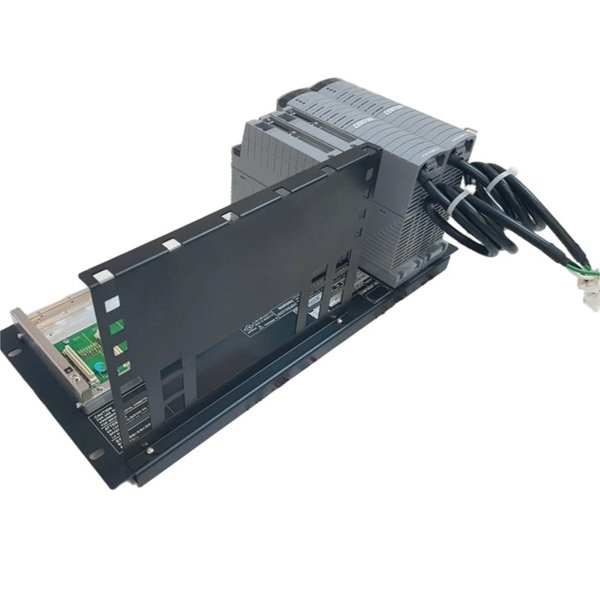
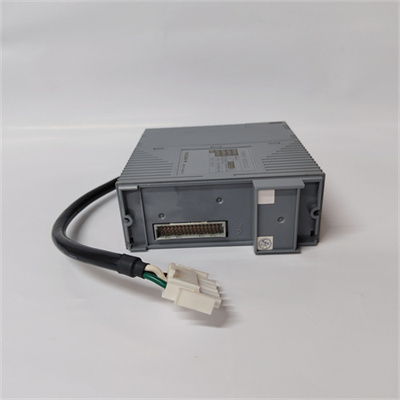
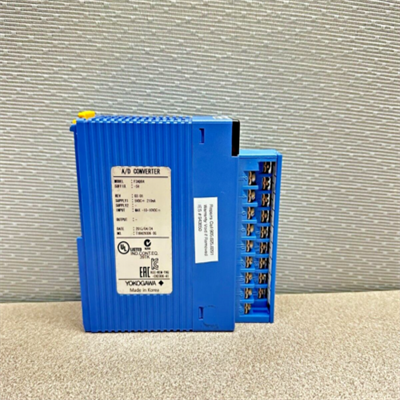
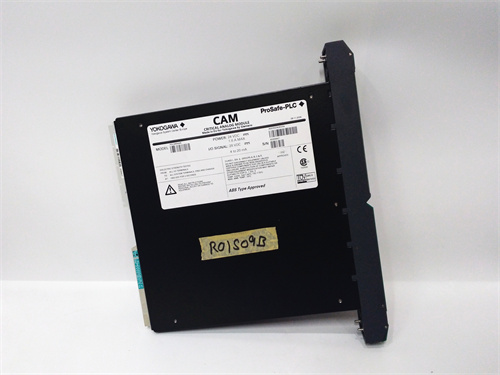
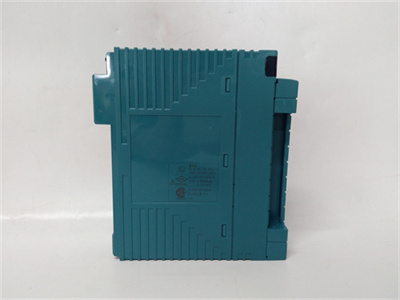
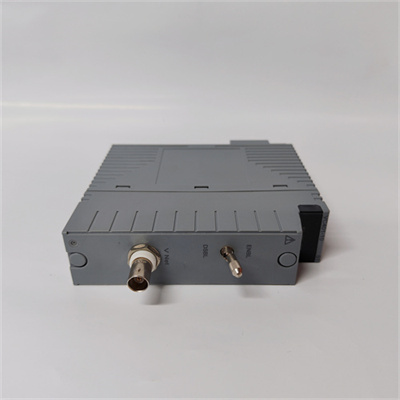
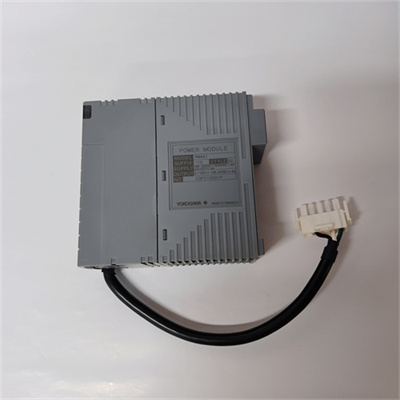
Yokogawa ANB11D-B25 Fiber optic ESB bus node unit
Manufacturer:Yokogawa
Product Number:ANB11D-B25
Product Type:Fiber optic ESB bus node unit
Origin:Japan
Dimensions:482.6 × 221.5 × 205 mm
Weight :10 kg
Views:98
Payment Methods:T/T, PayPal, Western Union
Condition:New & In Stock
Warranty:1 Year
Lead Time:1-3 Working Days
Certificate:COO
Courier partners:DHL, UPS, TNT, FedEx and EMS.
Business hours:7*24
Product Description
The Yokogawa ANB11D-B25 Fiber Optic ESB Bus Node Unit is a high-performance interface module designed for the Yokogawa DCS (Distributed Control System) network. It serves as a reliable node unit within the ESB (Enhanced Serial Bus) network, enabling robust communication between controllers, field devices, and I/O modules. The unit employs fiber optic technology to provide high-speed, low-latency communication while ensuring immunity against electromagnetic interference, making it ideal for complex industrial environments such as power plants, chemical processing facilities, and oil and gas installations.
This unit is engineered for seamless integration with Yokogawa’s CENTUM series and other compatible devices, ensuring precise data transmission and system reliability. Its design allows for easy installation in control cabinets while maintaining high operational stability under demanding industrial conditions.
Technical Specifications
| Parameter | Specification |
|---|---|
| Model | ANB11D-B25 |
| Type | Fiber Optic ESB Bus Node Unit |
| Communication Interface | Fiber Optic ESB (Enhanced Serial Bus) |
| Supported Network Topology | Multi-drop, Redundant network support |
| Data Transfer Rate | Up to 500 kbps (typical ESB speed) |
| Input Voltage | 24 V DC |
| Power Consumption | 5 W |
| Operating Temperature | 0°C to 55°C |
| Storage Temperature | -20°C to 70°C |
| Humidity | 5% to 95% RH, non-condensing |
| Dimensions | 482.6 × 221.5 × 205 mm |
| Weight | 10 kg |
| Compliance | CE, IEC 61131, UL standards |
| Mounting | DIN rail or panel mount compatible |
| Status Indicators | Power, Communication, Fault LEDs |
Applications
The ANB11D-B25 is widely used in industrial automation and process control applications, including:
-
Power Generation Plants: Monitoring and control of turbines, generators, and auxiliary systems.
-
Petrochemical and Chemical Plants: Integration with process control networks for real-time data acquisition and control.
-
Oil & Gas Facilities: Ensuring reliable communication in hazardous and high-interference environments.
-
Water and Wastewater Treatment: Managing distributed sensors and actuators across large plant areas.
-
Industrial Automation Systems: High-speed data collection and processing for critical industrial operations.
-
Refineries and Gas Processing Units: Seamless communication between multiple controllers and remote I/O modules.
Advantages
The ANB11D-B25 offers several technical benefits that distinguish it from other ESB bus node units:
-
High Reliability: Fiber optic communication ensures immunity from EMI/RFI, reducing downtime due to signal interference.
-
Redundant Network Support: Maintains system integrity in case of network path failure.
-
Scalable Architecture: Easily expandable for large process control systems.
-
Compact and Lightweight: Simplifies installation in densely packed control cabinets.
-
LED Status Indicators: Provides real-time diagnostic information for maintenance personnel.
-
Wide Temperature Tolerance: Ensures stable operation in diverse industrial environments.
-
Seamless Integration: Fully compatible with Yokogawa CENTUM and other ESB-enabled modules, facilitating standardized control architectures.
FAQ
Q1: What types of fiber optic cables are compatible with ANB11D-B25?
A1: Single-mode or multi-mode fiber optic cables with standard SC connectors are compatible.
Q2: Can this unit support redundant network configurations?
A2: Yes, it supports redundant ESB network setups to maintain continuous communication.
Q3: What is the maximum number of nodes supported on a single ESB network with this unit?
A3: Up to 32 nodes per ESB segment, depending on the overall network configuration.
Q4: How is the unit powered?
A4: It is powered via a 24 V DC supply, with low power consumption around 5 W.
Q5: What communication speed does this unit support?
A5: The ANB11D-B25 supports data transfer rates up to 500 kbps typical for ESB networks.
Q6: How are system faults indicated?
A6: Faults are indicated through dedicated LED indicators, showing power and communication status.
Q7: Is the unit compatible with all Yokogawa controllers?
A7: It is compatible with CENTUM VP, R3, and other controllers that support ESB networks.
Q8: Can the unit operate in high-humidity environments?
A8: Yes, it operates reliably at 5–95% relative humidity, non-condensing.
Q9: Does the unit require specialized mounting hardware?
A9: No, it supports standard DIN rail or panel mounting without additional hardware.
Q10: Can this node unit integrate with third-party ESB devices?
A10: Yes, provided the devices conform to the ESB communication protocol standards.
 Loading comments...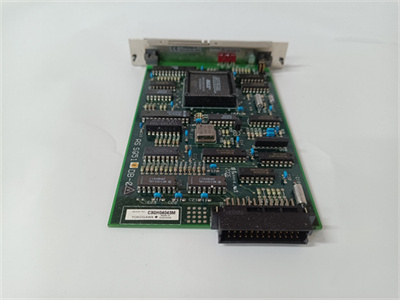

Yokogawa ANB11D-B25 Fiber optic ESB bus node unit
Manufacturer:Yokogawa
Product Number:ANB11D-B25
Product Type:Fiber optic ESB bus node unit
Origin:Japan
Dimensions:482.6 × 221.5 × 205 mm
Weight :10 kg
Views:98
Payment Methods:T/T, PayPal, Western Union
Condition:New & In Stock
Warranty:1 Year
Lead Time:1-3 Working Days
Certificate:COO
Courier partners:DHL, UPS, TNT, FedEx and EMS.
Business hours:7*24
Product Description
The Yokogawa ANB11D-B25 Fiber Optic ESB Bus Node Unit is a high-performance interface module designed for the Yokogawa DCS (Distributed Control System) network. It serves as a reliable node unit within the ESB (Enhanced Serial Bus) network, enabling robust communication between controllers, field devices, and I/O modules. The unit employs fiber optic technology to provide high-speed, low-latency communication while ensuring immunity against electromagnetic interference, making it ideal for complex industrial environments such as power plants, chemical processing facilities, and oil and gas installations.
This unit is engineered for seamless integration with Yokogawa’s CENTUM series and other compatible devices, ensuring precise data transmission and system reliability. Its design allows for easy installation in control cabinets while maintaining high operational stability under demanding industrial conditions.
Technical Specifications
| Parameter | Specification |
|---|---|
| Model | ANB11D-B25 |
| Type | Fiber Optic ESB Bus Node Unit |
| Communication Interface | Fiber Optic ESB (Enhanced Serial Bus) |
| Supported Network Topology | Multi-drop, Redundant network support |
| Data Transfer Rate | Up to 500 kbps (typical ESB speed) |
| Input Voltage | 24 V DC |
| Power Consumption | 5 W |
| Operating Temperature | 0°C to 55°C |
| Storage Temperature | -20°C to 70°C |
| Humidity | 5% to 95% RH, non-condensing |
| Dimensions | 482.6 × 221.5 × 205 mm |
| Weight | 10 kg |
| Compliance | CE, IEC 61131, UL standards |
| Mounting | DIN rail or panel mount compatible |
| Status Indicators | Power, Communication, Fault LEDs |
Applications
The ANB11D-B25 is widely used in industrial automation and process control applications, including:
-
Power Generation Plants: Monitoring and control of turbines, generators, and auxiliary systems.
-
Petrochemical and Chemical Plants: Integration with process control networks for real-time data acquisition and control.
-
Oil & Gas Facilities: Ensuring reliable communication in hazardous and high-interference environments.
-
Water and Wastewater Treatment: Managing distributed sensors and actuators across large plant areas.
-
Industrial Automation Systems: High-speed data collection and processing for critical industrial operations.
-
Refineries and Gas Processing Units: Seamless communication between multiple controllers and remote I/O modules.
Advantages
The ANB11D-B25 offers several technical benefits that distinguish it from other ESB bus node units:
-
High Reliability: Fiber optic communication ensures immunity from EMI/RFI, reducing downtime due to signal interference.
-
Redundant Network Support: Maintains system integrity in case of network path failure.
-
Scalable Architecture: Easily expandable for large process control systems.
-
Compact and Lightweight: Simplifies installation in densely packed control cabinets.
-
LED Status Indicators: Provides real-time diagnostic information for maintenance personnel.
-
Wide Temperature Tolerance: Ensures stable operation in diverse industrial environments.
-
Seamless Integration: Fully compatible with Yokogawa CENTUM and other ESB-enabled modules, facilitating standardized control architectures.
FAQ
Q1: What types of fiber optic cables are compatible with ANB11D-B25?
A1: Single-mode or multi-mode fiber optic cables with standard SC connectors are compatible.
Q2: Can this unit support redundant network configurations?
A2: Yes, it supports redundant ESB network setups to maintain continuous communication.
Q3: What is the maximum number of nodes supported on a single ESB network with this unit?
A3: Up to 32 nodes per ESB segment, depending on the overall network configuration.
Q4: How is the unit powered?
A4: It is powered via a 24 V DC supply, with low power consumption around 5 W.
Q5: What communication speed does this unit support?
A5: The ANB11D-B25 supports data transfer rates up to 500 kbps typical for ESB networks.
Q6: How are system faults indicated?
A6: Faults are indicated through dedicated LED indicators, showing power and communication status.
Q7: Is the unit compatible with all Yokogawa controllers?
A7: It is compatible with CENTUM VP, R3, and other controllers that support ESB networks.
Q8: Can the unit operate in high-humidity environments?
A8: Yes, it operates reliably at 5–95% relative humidity, non-condensing.
Q9: Does the unit require specialized mounting hardware?
A9: No, it supports standard DIN rail or panel mounting without additional hardware.
Q10: Can this node unit integrate with third-party ESB devices?
A10: Yes, provided the devices conform to the ESB communication protocol standards.
Need a Custom Automation Solution?
Our team of experts can design and implement a tailored automation system to meet your specific requirements.