
Our Products
Comprehensive industrial automation solutions for global industries
Contact us
If you are interested in our products and want to know more details,please Contact us,we will reply you as soon as we can.
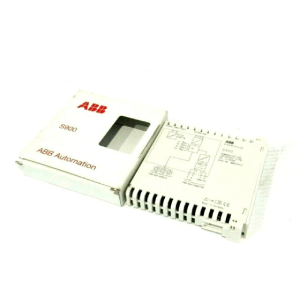
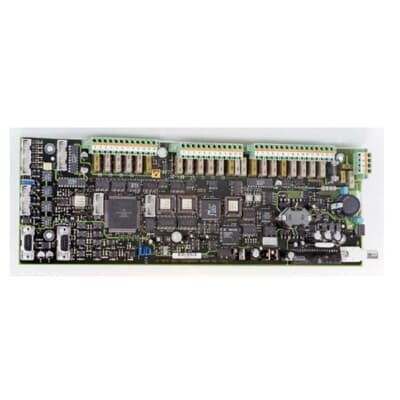
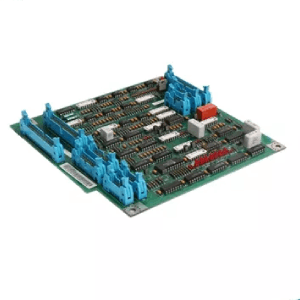
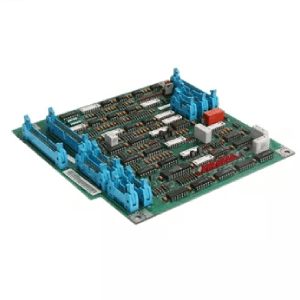
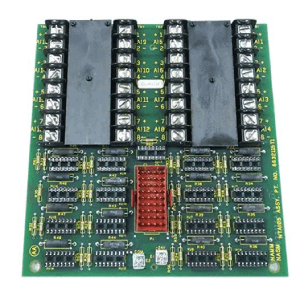
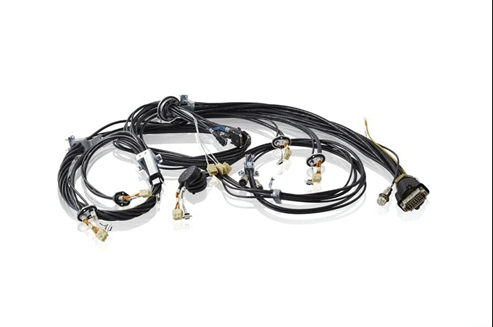
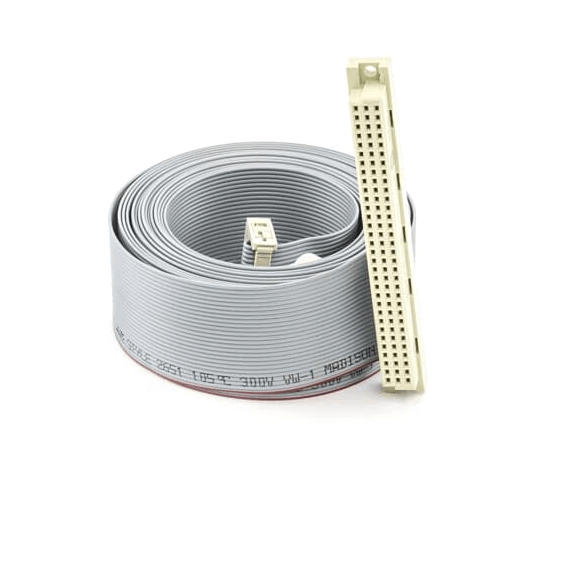
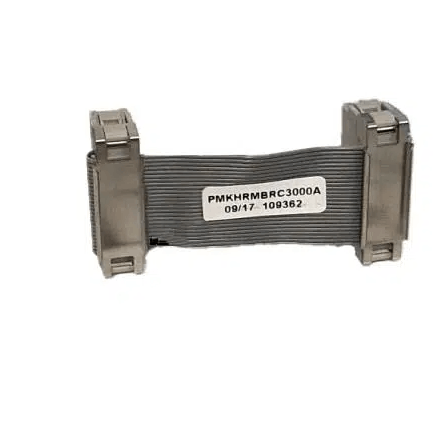
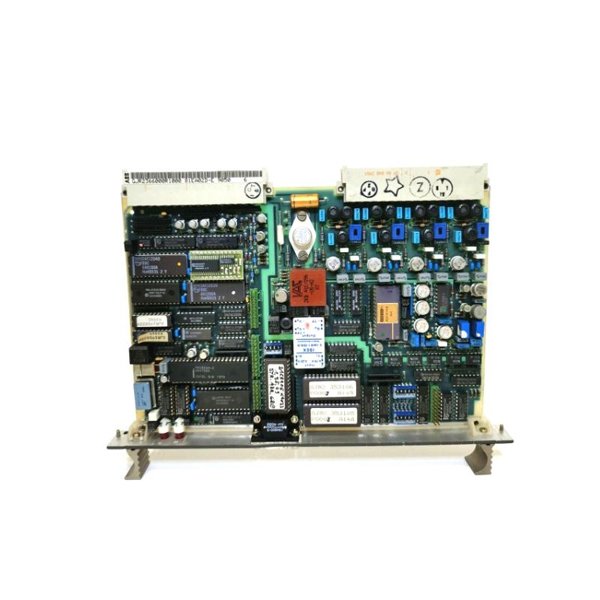
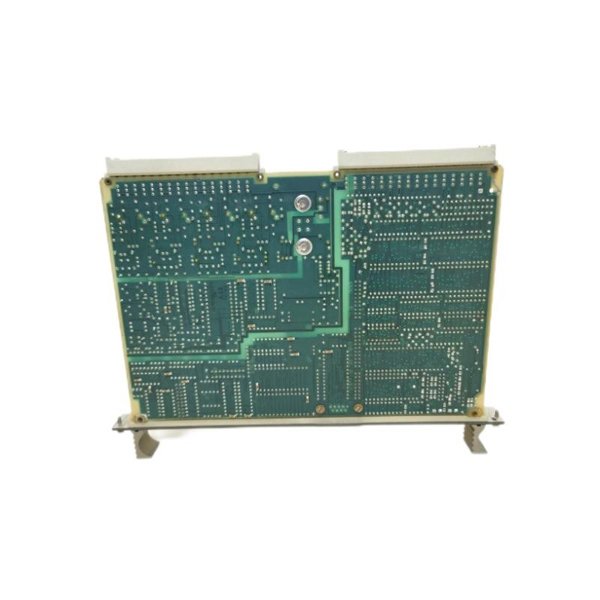
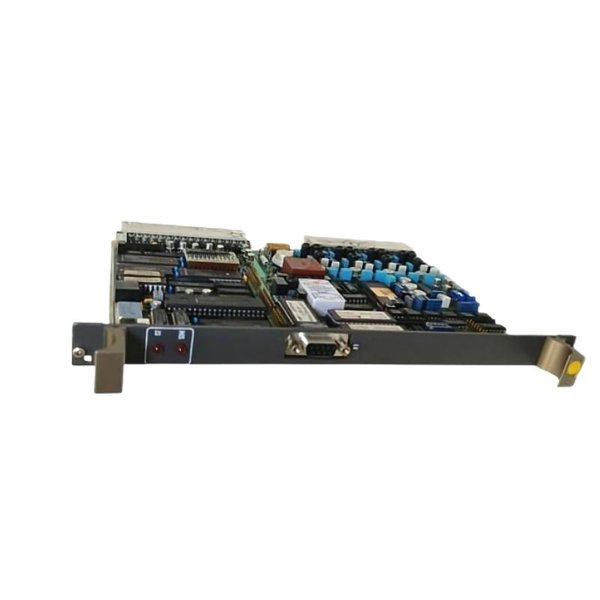
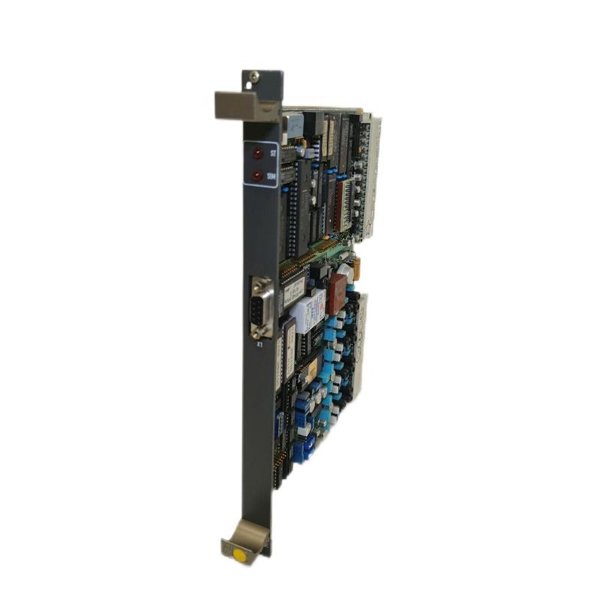
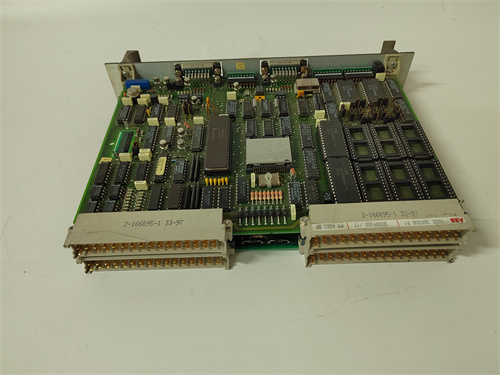
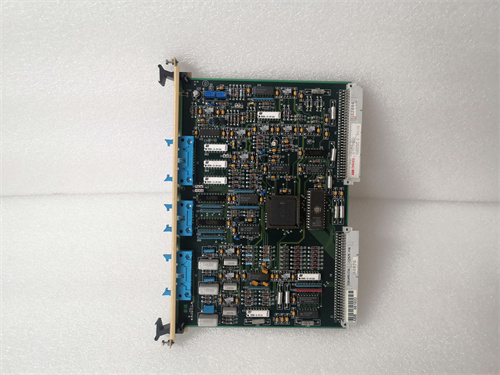
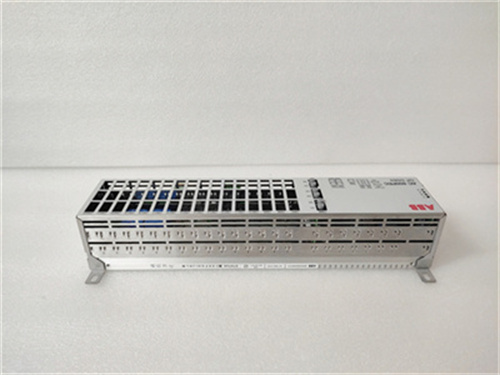
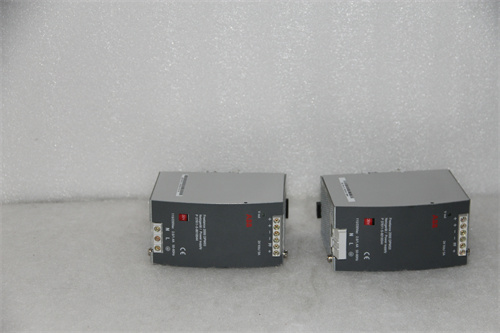
ABB 81EA02E GJR2366000R1000 Analog Input Module
Manufacturer:ABB
Product Number:81EA02E GJR2366000R1000
Product Type:Analog Input Module
Origin:Sweden
Dimensions:18 x 197 x 261 mm
Weight:0.6 kg
Views:61
Payment Methods:T/T, PayPal, Western Union
Condition:New & In Stock
Warranty:1 Year
Lead Time:1-3 Working Days
Certificate:COO
Courier partners:DHL, UPS, TNT, FedEx and EMS.
Business hours:7*24
Product Description
The ABB 81EA02E GJR2366000R1000 is a robust and high-performance analog input module designed for industrial process automation applications. This module is part of ABB’s esteemed Advant Controller 31 and 450 series and serves as a critical component in distributed control systems (DCS). Engineered with precision and reliability, the 81EA02E is tailored for accurate and real-time acquisition of analog process signals. It offers seamless integration with ABB control systems and ensures stability in data communication, signal conversion, and system diagnostics.
This module is especially suitable for high-availability systems where reliability and data integrity are paramount. It supports a wide range of analog signal inputs, including current and voltage, enabling versatile deployment across industries such as oil & gas, power generation, chemicals, and manufacturing.
Product Specifications
| Parameter | Value |
|---|---|
| Product Name | Analog Input Module |
| Model Number | 81EA02E |
| Part Number | GJR2366000R1000 |
| Input Channels | 8 Analog Inputs |
| Signal Types | 0–20 mA / 4–20 mA / 0–10 V |
| Resolution | 12-bit or higher |
| Scan Time | Typically < 10 ms |
| Input Impedance | High (>250 Ohm) for current input |
| Galvanic Isolation | Yes (Channel-to-System) |
| Power Supply | 24 VDC (via system backplane) |
| Operating Temperature | 0°C to +60°C |
| Storage Temperature | -25°C to +70°C |
| Humidity | 5% to 95% non-condensing |
| Mounting Type | DIN Rail / Rack Mount |
| Protection Class | IP20 |
| Compliance | CE, RoHS, UL, ISO9001 |
| Dimensions (W×H×D) | 18 x 197 x 261 mm |
| Weight | 0.6 kg |
Product Applications
-
Distributed Control Systems (DCS): Ideal for integrating into ABB’s Advant OCS and Symphony series for industrial control.
-
Power Generation: Used in power plants for capturing sensor outputs like temperature, pressure, and flow.
-
Oil and Gas Industry: Deployed in upstream and downstream processes for reliable signal acquisition from field instruments.
-
Water and Wastewater Management: Interfaces with sensors measuring pH, turbidity, and flow rate.
-
Chemical and Pharmaceutical Manufacturing: Ensures precise monitoring of chemical process variables.
-
HVAC and Building Automation: Integrates with analog sensors for environmental control and monitoring.
Product Advantages
-
High Signal Accuracy: Supports multiple analog signal types with high resolution, ensuring data integrity.
-
Robust Construction: Designed for demanding industrial environments, providing long-term durability.
-
Seamless ABB System Integration: Fully compatible with ABB’s legacy and modern control systems.
-
Channel Isolation: Minimizes signal interference and enhances system reliability.
-
Scalable Design: Easily expandable within system racks or cabinets for future upgrade needs.
-
Low Maintenance: Reduced calibration and diagnostics requirements translate to minimal downtime.
FAQ
-
Can the 81EA02E handle both current and voltage inputs simultaneously across different channels?
No. While the module supports both 0–10 V and 4–20 mA signals, each channel must be configured for one signal type. Mixed signal types across different channels are not supported without external conditioning or channel grouping.
-
What should I consider when wiring shielded cables to the analog input terminals?
Shielded cables should have their shield connected at one end only—preferably the system side—to avoid ground loops. Proper grounding practices are crucial for noise immunity and signal accuracy.
-
Is channel-to-channel isolation available on this module?
No. The 81EA02E provides isolation between the input group and the system, but not between individual channels. Care must be taken when connecting signals with different ground potentials.
-
How often does the module require calibration or verification?
While factory calibration is long-term stable, it is recommended to verify input accuracy annually in precision-critical applications, especially in pharmaceutical or regulated industries.
-
What happens if an input signal exceeds the rated range (e.g., 30 mA on a 4–20 mA channel)?
The module has input protection, but continuous overcurrent may degrade performance or cause damage. It’s recommended to use external fuses or protection circuits in harsh field environments.
-
How do I distinguish between hardware failure and signal loss on a specific channel?
Diagnostic indicators (via system software) can differentiate between signal out-of-range, open loop, or hardware fault. ABB’s engineering tools also allow for quick root cause identification.
-
Can this module be used in SIL-rated safety applications?
No. The 81EA02E is not certified for SIL (Safety Integrity Level) applications. For functional safety purposes, ABB offers dedicated safety I/O modules with TÜV certification.
-
Is it possible to remotely disable or override a specific analog input channel?
Not directly from the module. This function must be implemented via system logic or DCS configuration (e.g., forcing a value or bypassing logic in the control strategy).
-
What is the effect of ambient temperature drift on analog accuracy?
The module is temperature-compensated within its specified range (0°C to 60°C). However, precision may degrade slightly at temperature extremes—typically within ±0.1% of full scale.
-
What’s the recommended practice for replacing a faulty module in a live system?
Replacement should be performed during scheduled shutdowns. The 81EA02E does not support live hot-swapping, and doing so may affect system integrity or cause data loss.
 Loading comments...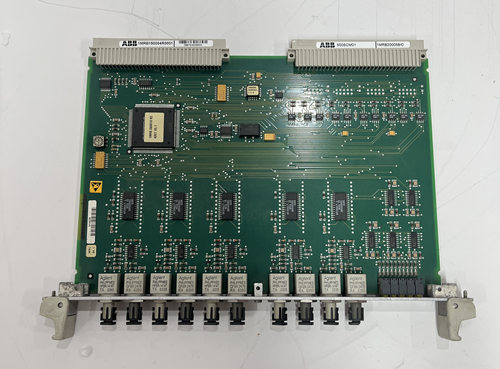
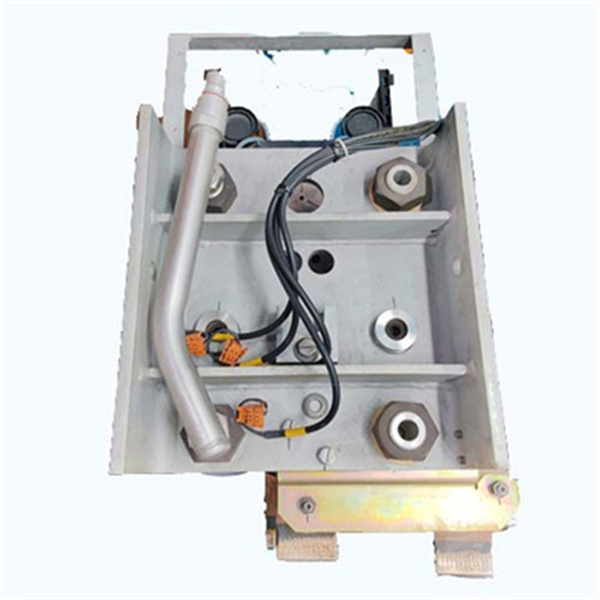
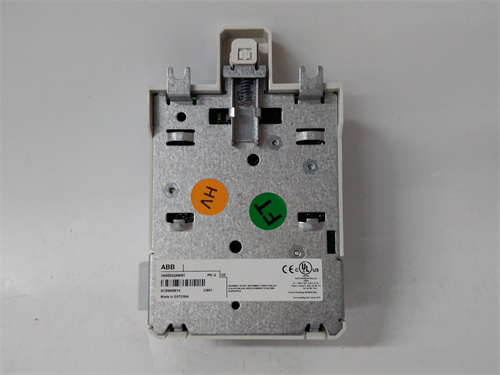
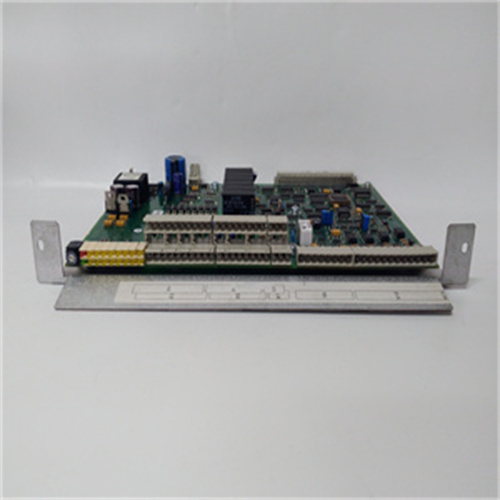
ABB 81EA02E GJR2366000R1000 Analog Input Module
Manufacturer:ABB
Product Number:81EA02E GJR2366000R1000
Product Type:Analog Input Module
Origin:Sweden
Dimensions:18 x 197 x 261 mm
Weight:0.6 kg
Views:61
Payment Methods:T/T, PayPal, Western Union
Condition:New & In Stock
Warranty:1 Year
Lead Time:1-3 Working Days
Certificate:COO
Courier partners:DHL, UPS, TNT, FedEx and EMS.
Business hours:7*24
Product Description
The ABB 81EA02E GJR2366000R1000 is a robust and high-performance analog input module designed for industrial process automation applications. This module is part of ABB’s esteemed Advant Controller 31 and 450 series and serves as a critical component in distributed control systems (DCS). Engineered with precision and reliability, the 81EA02E is tailored for accurate and real-time acquisition of analog process signals. It offers seamless integration with ABB control systems and ensures stability in data communication, signal conversion, and system diagnostics.
This module is especially suitable for high-availability systems where reliability and data integrity are paramount. It supports a wide range of analog signal inputs, including current and voltage, enabling versatile deployment across industries such as oil & gas, power generation, chemicals, and manufacturing.
Product Specifications
| Parameter | Value |
|---|---|
| Product Name | Analog Input Module |
| Model Number | 81EA02E |
| Part Number | GJR2366000R1000 |
| Input Channels | 8 Analog Inputs |
| Signal Types | 0–20 mA / 4–20 mA / 0–10 V |
| Resolution | 12-bit or higher |
| Scan Time | Typically < 10 ms |
| Input Impedance | High (>250 Ohm) for current input |
| Galvanic Isolation | Yes (Channel-to-System) |
| Power Supply | 24 VDC (via system backplane) |
| Operating Temperature | 0°C to +60°C |
| Storage Temperature | -25°C to +70°C |
| Humidity | 5% to 95% non-condensing |
| Mounting Type | DIN Rail / Rack Mount |
| Protection Class | IP20 |
| Compliance | CE, RoHS, UL, ISO9001 |
| Dimensions (W×H×D) | 18 x 197 x 261 mm |
| Weight | 0.6 kg |
Product Applications
-
Distributed Control Systems (DCS): Ideal for integrating into ABB’s Advant OCS and Symphony series for industrial control.
-
Power Generation: Used in power plants for capturing sensor outputs like temperature, pressure, and flow.
-
Oil and Gas Industry: Deployed in upstream and downstream processes for reliable signal acquisition from field instruments.
-
Water and Wastewater Management: Interfaces with sensors measuring pH, turbidity, and flow rate.
-
Chemical and Pharmaceutical Manufacturing: Ensures precise monitoring of chemical process variables.
-
HVAC and Building Automation: Integrates with analog sensors for environmental control and monitoring.
Product Advantages
-
High Signal Accuracy: Supports multiple analog signal types with high resolution, ensuring data integrity.
-
Robust Construction: Designed for demanding industrial environments, providing long-term durability.
-
Seamless ABB System Integration: Fully compatible with ABB’s legacy and modern control systems.
-
Channel Isolation: Minimizes signal interference and enhances system reliability.
-
Scalable Design: Easily expandable within system racks or cabinets for future upgrade needs.
-
Low Maintenance: Reduced calibration and diagnostics requirements translate to minimal downtime.
FAQ
-
Can the 81EA02E handle both current and voltage inputs simultaneously across different channels?
No. While the module supports both 0–10 V and 4–20 mA signals, each channel must be configured for one signal type. Mixed signal types across different channels are not supported without external conditioning or channel grouping.
-
What should I consider when wiring shielded cables to the analog input terminals?
Shielded cables should have their shield connected at one end only—preferably the system side—to avoid ground loops. Proper grounding practices are crucial for noise immunity and signal accuracy.
-
Is channel-to-channel isolation available on this module?
No. The 81EA02E provides isolation between the input group and the system, but not between individual channels. Care must be taken when connecting signals with different ground potentials.
-
How often does the module require calibration or verification?
While factory calibration is long-term stable, it is recommended to verify input accuracy annually in precision-critical applications, especially in pharmaceutical or regulated industries.
-
What happens if an input signal exceeds the rated range (e.g., 30 mA on a 4–20 mA channel)?
The module has input protection, but continuous overcurrent may degrade performance or cause damage. It’s recommended to use external fuses or protection circuits in harsh field environments.
-
How do I distinguish between hardware failure and signal loss on a specific channel?
Diagnostic indicators (via system software) can differentiate between signal out-of-range, open loop, or hardware fault. ABB’s engineering tools also allow for quick root cause identification.
-
Can this module be used in SIL-rated safety applications?
No. The 81EA02E is not certified for SIL (Safety Integrity Level) applications. For functional safety purposes, ABB offers dedicated safety I/O modules with TÜV certification.
-
Is it possible to remotely disable or override a specific analog input channel?
Not directly from the module. This function must be implemented via system logic or DCS configuration (e.g., forcing a value or bypassing logic in the control strategy).
-
What is the effect of ambient temperature drift on analog accuracy?
The module is temperature-compensated within its specified range (0°C to 60°C). However, precision may degrade slightly at temperature extremes—typically within ±0.1% of full scale.
-
What’s the recommended practice for replacing a faulty module in a live system?
Replacement should be performed during scheduled shutdowns. The 81EA02E does not support live hot-swapping, and doing so may affect system integrity or cause data loss.
Need a Custom Automation Solution?
Our team of experts can design and implement a tailored automation system to meet your specific requirements.