
Our Products
Comprehensive industrial automation solutions for global industries
Contact us
If you are interested in our products and want to know more details,please Contact us,we will reply you as soon as we can.
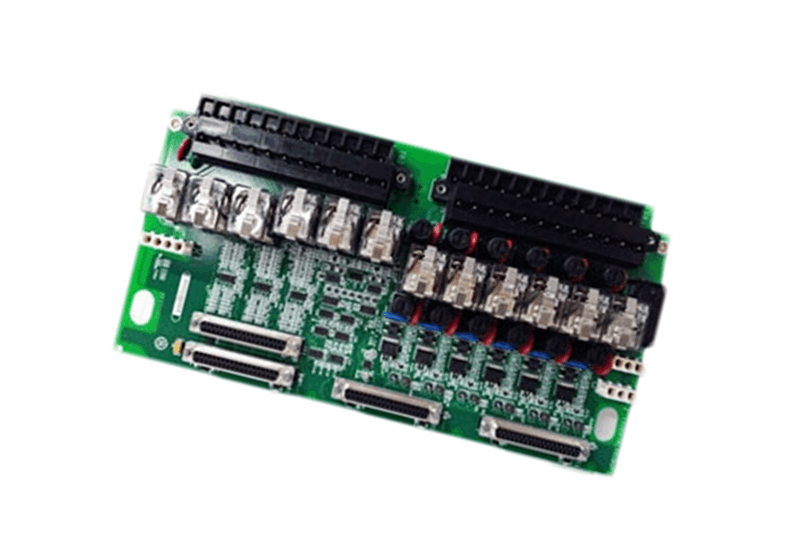
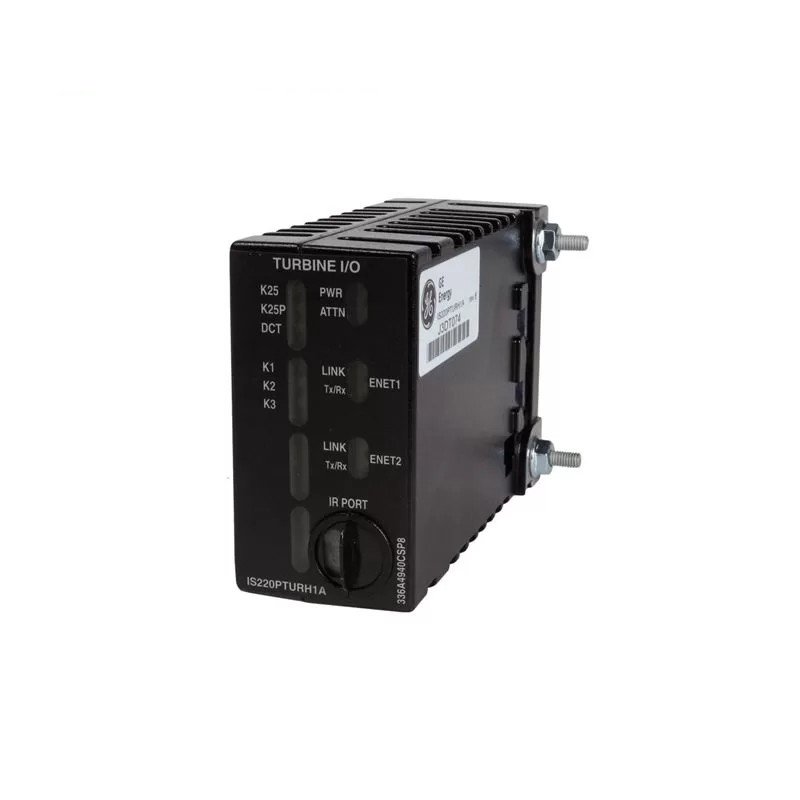
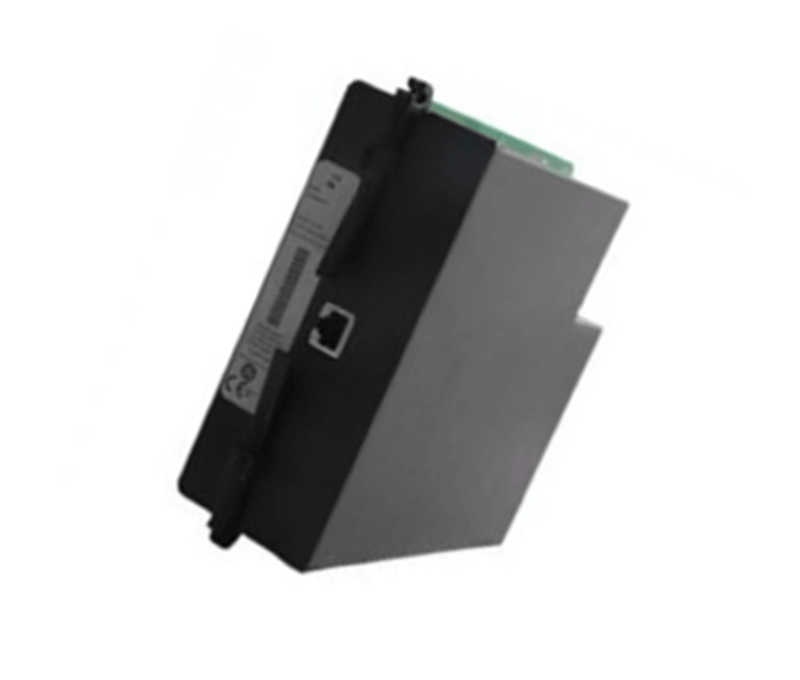
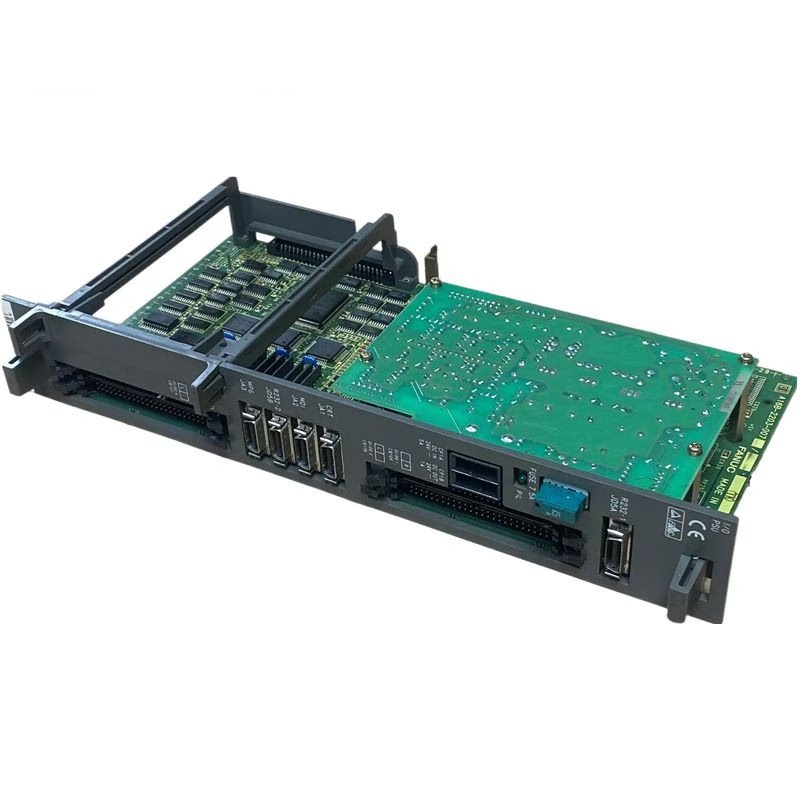
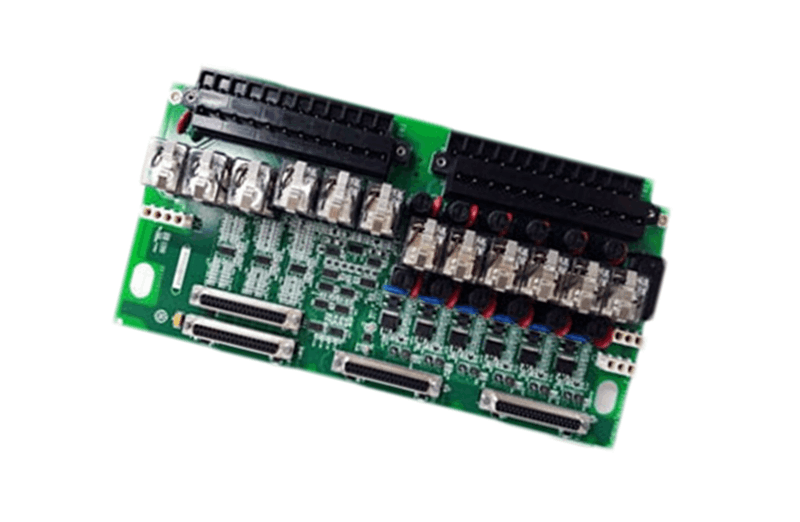
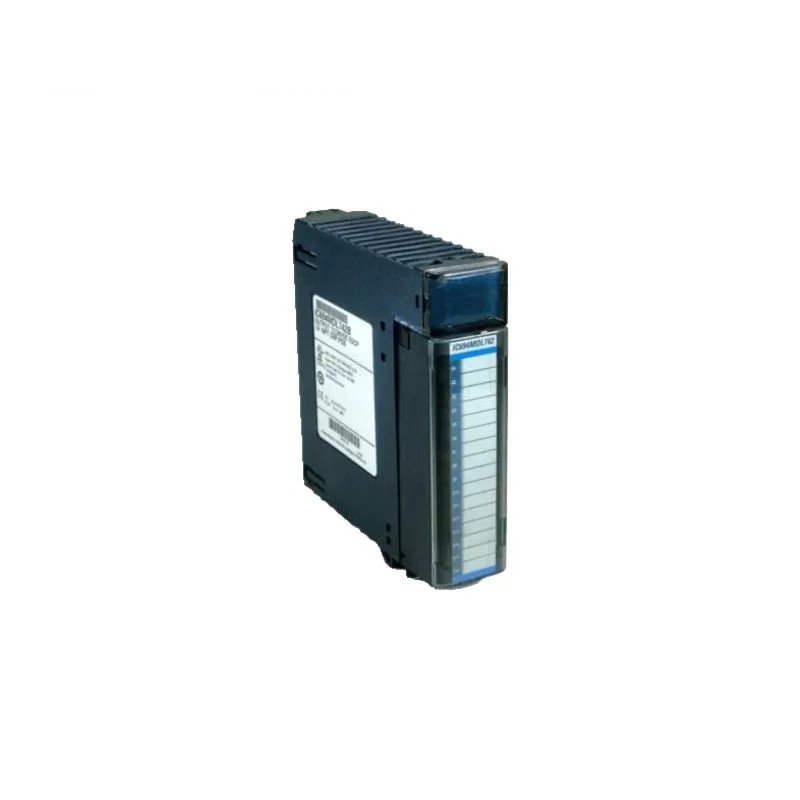
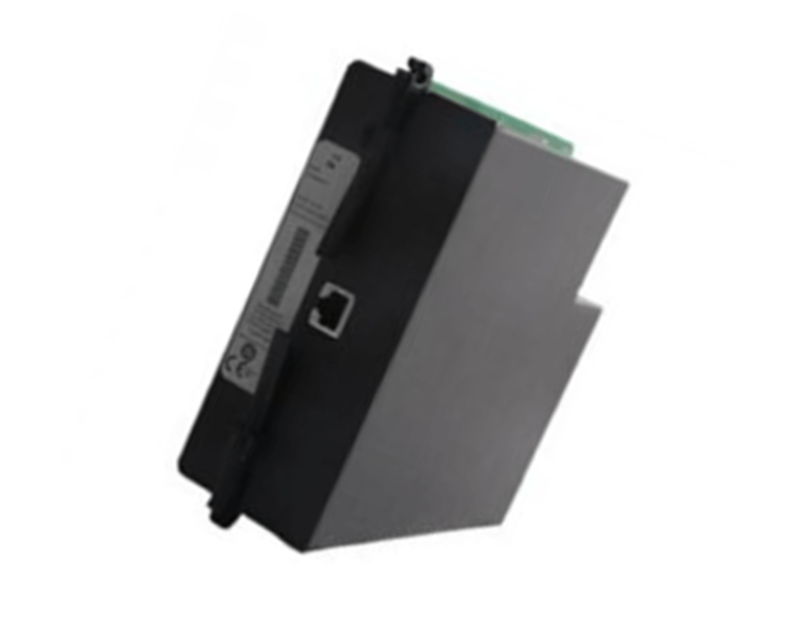
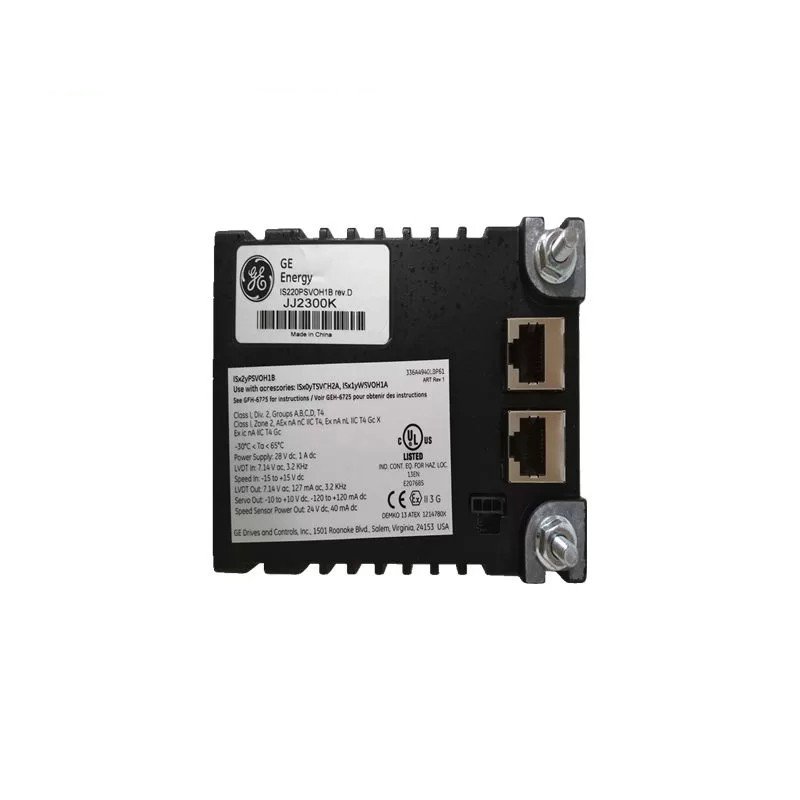
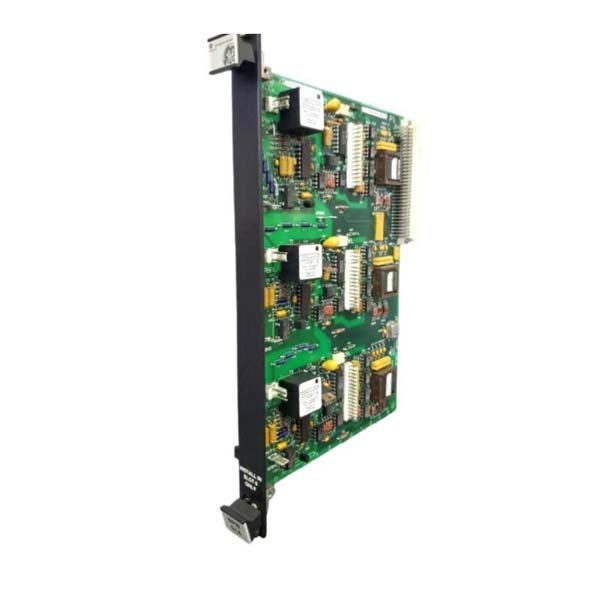
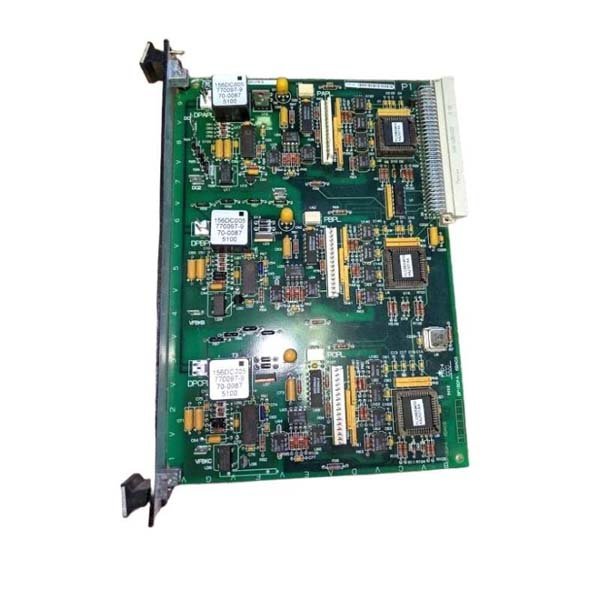
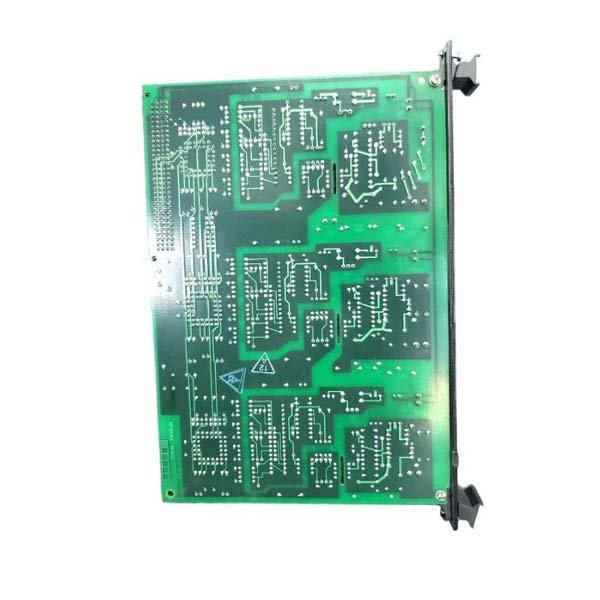
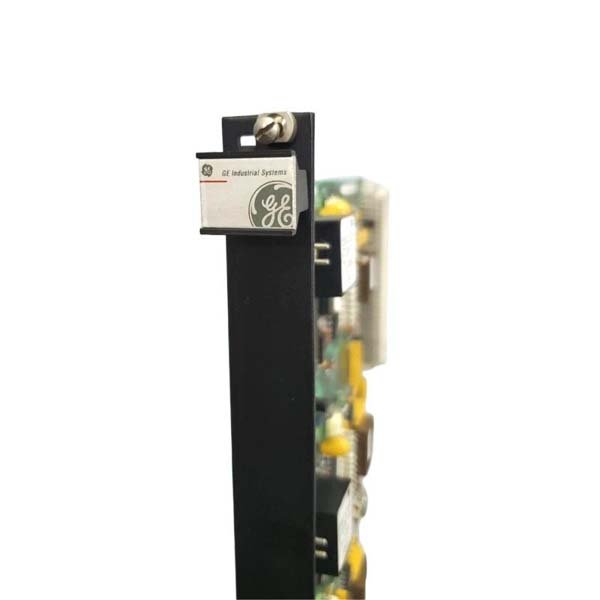
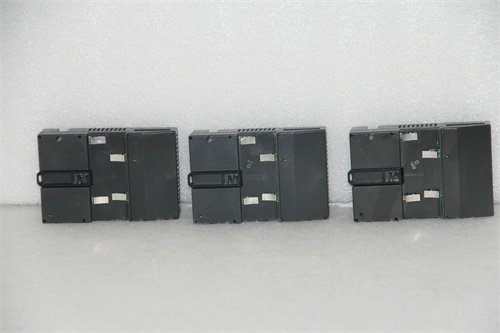
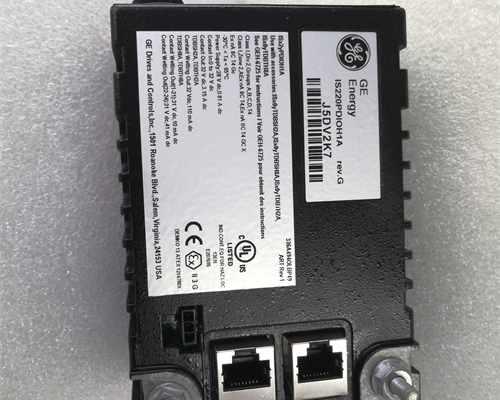
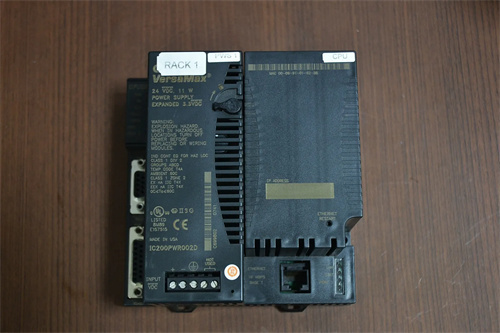
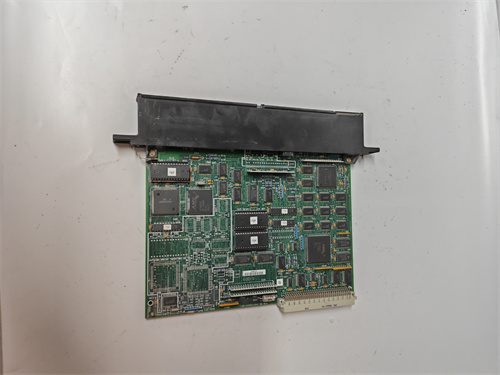
General Electric IS200BPIBG1AEB Backplane Interface Module
Manufacturer:GE Fanuc
Product Number:IS200BPIBG1AEB
Product Type:Backplane Interface Module
Origin:USA
Dimensions:155 mm × 90 mm × 42 mm
Weight:0.70 kg
Views:100
Payment Methods:T/T, PayPal, Western Union
Condition:New & In Stock
Warranty:1 Year
Lead Time:1-3 Working Days
Certificate:COO
Courier partners:DHL, UPS, TNT, FedEx and EMS.
Business hours:7*24
Product Description
In day-to-day maintenance work, the IS200BPIBG1AEB tends to be one of those modules that behaves quietly in the background—until it doesn’t. It functions as a backplane interface board, managing communication between core controllers and adjacent I/O hardware. When a system starts showing intermittent communication drops or unexplained sync delays, this module is often the first place seasoned technicians look. Its stability under fluctuating loads makes it a frequent choice in high-demand industrial environments.
Key Tech Details at a Glance
| Parameter | Details |
|---|---|
| Brand | GE |
| Module Type | Backplane Interface Module |
| Operating Voltage | 24V DC |
| Backplane Compatibility | GE Mark VI / Mark VIe systems |
| Signal Isolation | Opto-isolated pathways |
| Noise Immunity | 2 kV transient protection |
| Logic Processing | FPGA-driven arbitration |
| Dimensions (L × W × H) | 155 mm × 90 mm × 42 mm |
| Weight | 0.70 kg |
| Operating Temp | -20°C to 65°C |
| Storage Temp | -40°C to 85°C |
Field Scenarios Where It Really Helps
From the maintenance perspective, here’s where the IS200BPIBG1AEB proves its worth:
-
High-noise environments: The board maintains stable communication where cheaper boards would lose sync due to EMI.
-
Turbine control rooms: It handles timing consistency between controllers and peripheral units.
-
Large I/O clusters: Keeps the data stream predictable even when hundreds of signals come online simultaneously.
-
Aging cabinets: Its strong isolation and transient protection often compensate for older wiring issues.
Sometimes replacing this board alone restores stability to systems that previously needed repeated resets.
Why Technicians Prefer This Revision
-
Reliable grounding layout reduces stray interference.
-
Strong transient suppression lowers the risk of intermittent resets.
-
Good thermal resistance, especially useful in packed metal cabinets.
-
FPGA timing control minimizes jitter and bus arbitration delays.
-
Status LEDs simplify diagnosing backplane communication without needing full system logs.
-
Durable connectors hold up well after repeated removal and reseating.
FAQs
-
Is this board hot-swappable?
No—power down before removal or you risk bus corruption.
-
Does it work with older Mark VI revisions?
Yes, as long as connector mapping matches the backplane configuration.
-
Are grounding issues common?
Only when installed in older cabinets where panel bonding is inconsistent.
-
What’s the typical failure symptom?
Random communication drops or intermittent sync faults.
-
Can temperature extremes cause drift?
Not usually; it’s stable up to 65°C.
-
Does the module require calibration?
No user calibration—factory settings manage timing logic.
-
How long does it typically last?
MTBF hovers around 70,000 hours.
-
Should the FPGA firmware be updated?
Only when deploying in systems with newly revised controllers.
-
What’s the most common field mistake?
Poor backplane seating after maintenance or cleaning.
-
Is there surge protection built in?
Yes—2 kV-rated transient suppression.
 Loading comments...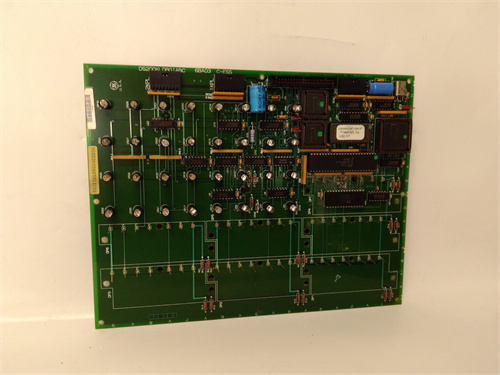
General Electric IS200BPIBG1AEB Backplane Interface Module
Manufacturer:GE Fanuc
Product Number:IS200BPIBG1AEB
Product Type:Backplane Interface Module
Origin:USA
Dimensions:155 mm × 90 mm × 42 mm
Weight:0.70 kg
Views:100
Payment Methods:T/T, PayPal, Western Union
Condition:New & In Stock
Warranty:1 Year
Lead Time:1-3 Working Days
Certificate:COO
Courier partners:DHL, UPS, TNT, FedEx and EMS.
Business hours:7*24
Product Description
In day-to-day maintenance work, the IS200BPIBG1AEB tends to be one of those modules that behaves quietly in the background—until it doesn’t. It functions as a backplane interface board, managing communication between core controllers and adjacent I/O hardware. When a system starts showing intermittent communication drops or unexplained sync delays, this module is often the first place seasoned technicians look. Its stability under fluctuating loads makes it a frequent choice in high-demand industrial environments.
Key Tech Details at a Glance
| Parameter | Details |
|---|---|
| Brand | GE |
| Module Type | Backplane Interface Module |
| Operating Voltage | 24V DC |
| Backplane Compatibility | GE Mark VI / Mark VIe systems |
| Signal Isolation | Opto-isolated pathways |
| Noise Immunity | 2 kV transient protection |
| Logic Processing | FPGA-driven arbitration |
| Dimensions (L × W × H) | 155 mm × 90 mm × 42 mm |
| Weight | 0.70 kg |
| Operating Temp | -20°C to 65°C |
| Storage Temp | -40°C to 85°C |
Field Scenarios Where It Really Helps
From the maintenance perspective, here’s where the IS200BPIBG1AEB proves its worth:
-
High-noise environments: The board maintains stable communication where cheaper boards would lose sync due to EMI.
-
Turbine control rooms: It handles timing consistency between controllers and peripheral units.
-
Large I/O clusters: Keeps the data stream predictable even when hundreds of signals come online simultaneously.
-
Aging cabinets: Its strong isolation and transient protection often compensate for older wiring issues.
Sometimes replacing this board alone restores stability to systems that previously needed repeated resets.
Why Technicians Prefer This Revision
-
Reliable grounding layout reduces stray interference.
-
Strong transient suppression lowers the risk of intermittent resets.
-
Good thermal resistance, especially useful in packed metal cabinets.
-
FPGA timing control minimizes jitter and bus arbitration delays.
-
Status LEDs simplify diagnosing backplane communication without needing full system logs.
-
Durable connectors hold up well after repeated removal and reseating.
FAQs
-
Is this board hot-swappable?
No—power down before removal or you risk bus corruption.
-
Does it work with older Mark VI revisions?
Yes, as long as connector mapping matches the backplane configuration.
-
Are grounding issues common?
Only when installed in older cabinets where panel bonding is inconsistent.
-
What’s the typical failure symptom?
Random communication drops or intermittent sync faults.
-
Can temperature extremes cause drift?
Not usually; it’s stable up to 65°C.
-
Does the module require calibration?
No user calibration—factory settings manage timing logic.
-
How long does it typically last?
MTBF hovers around 70,000 hours.
-
Should the FPGA firmware be updated?
Only when deploying in systems with newly revised controllers.
-
What’s the most common field mistake?
Poor backplane seating after maintenance or cleaning.
-
Is there surge protection built in?
Yes—2 kV-rated transient suppression.
Need a Custom Automation Solution?
Our team of experts can design and implement a tailored automation system to meet your specific requirements.