
Our Products
Comprehensive industrial automation solutions for global industries
Contact us
If you are interested in our products and want to know more details,please Contact us,we will reply you as soon as we can.
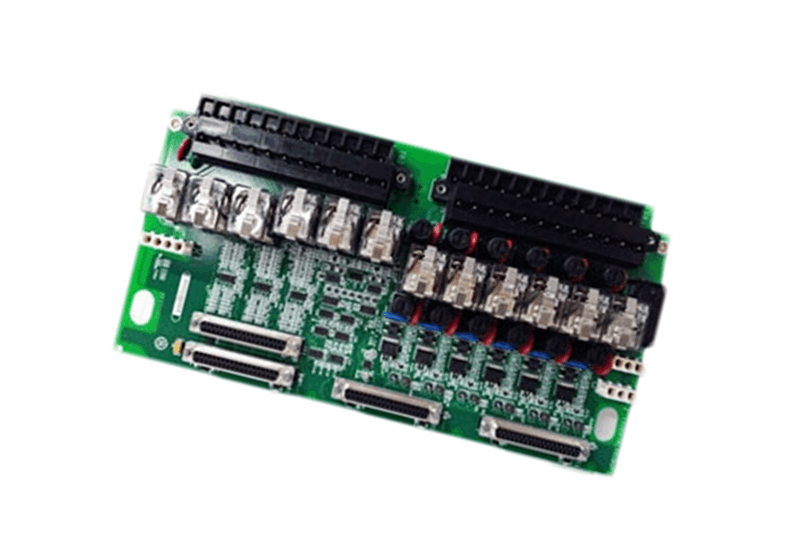
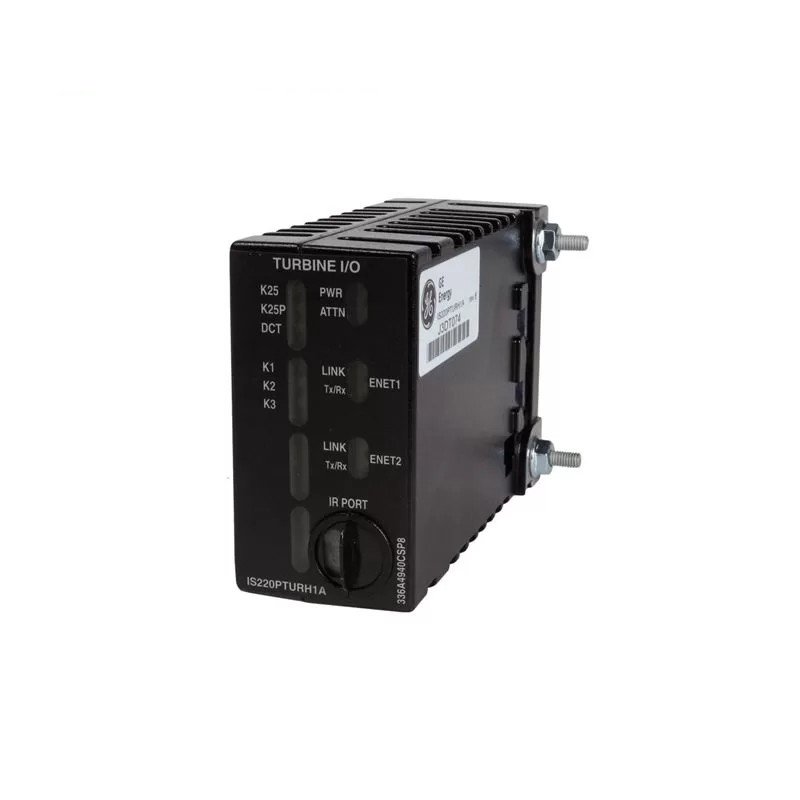
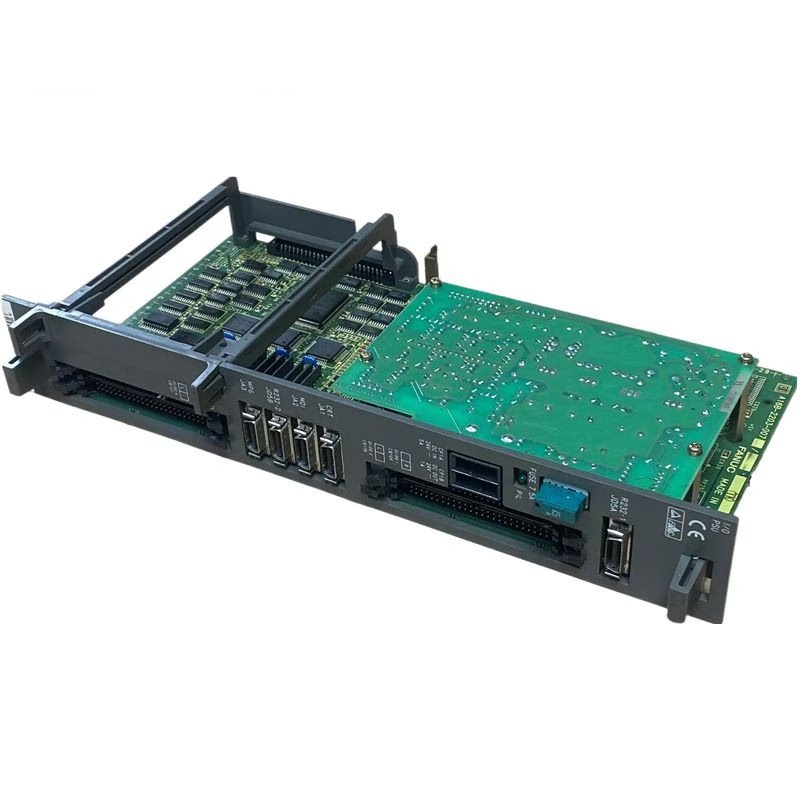
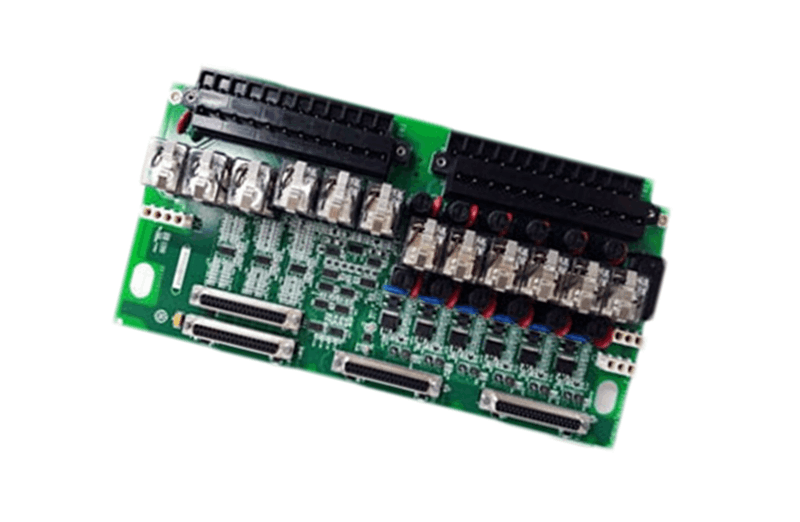
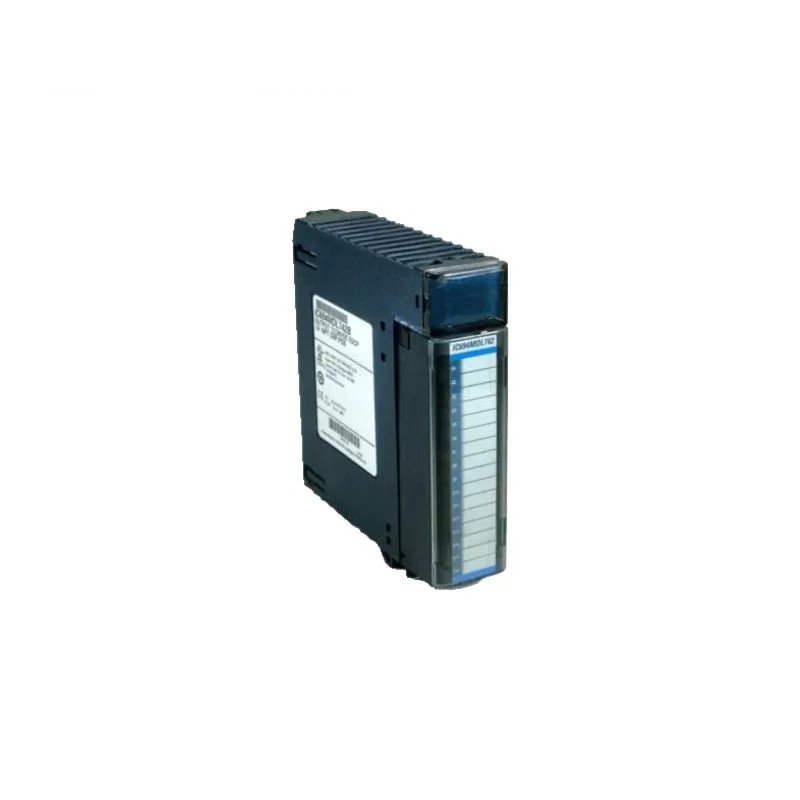
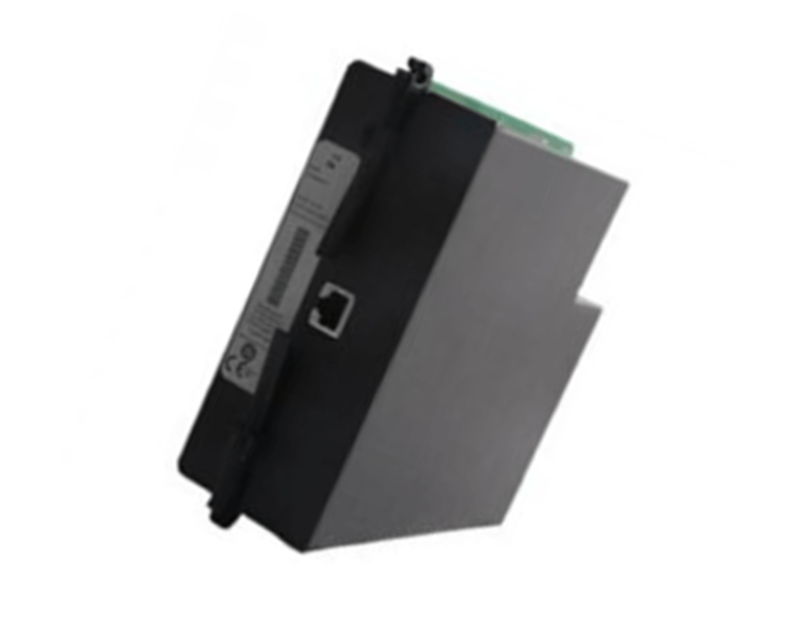
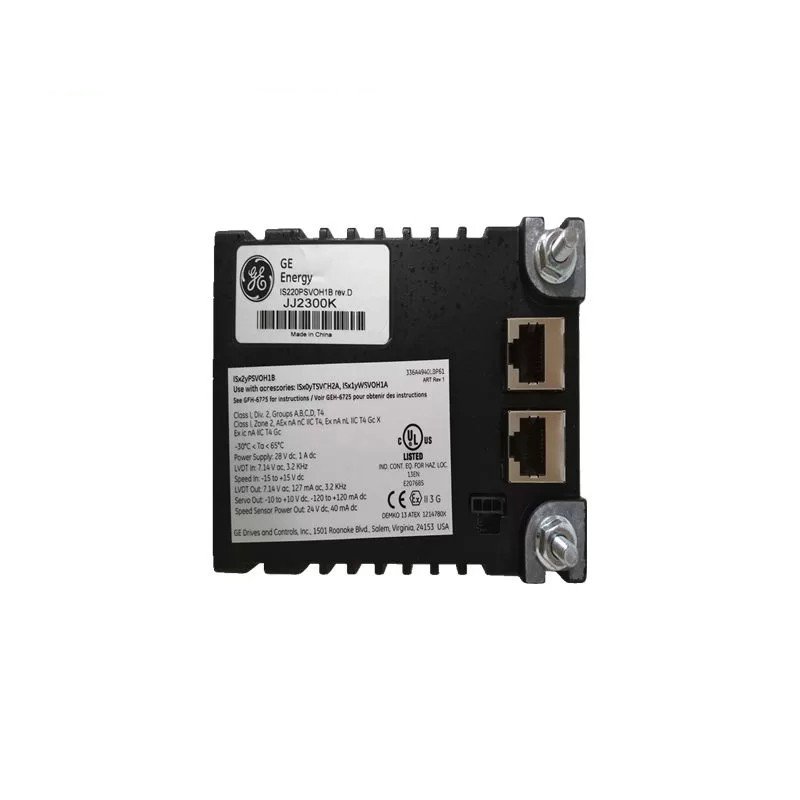
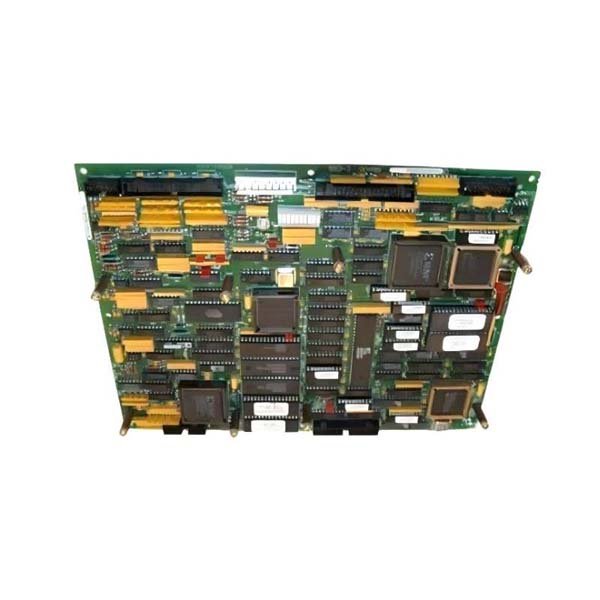
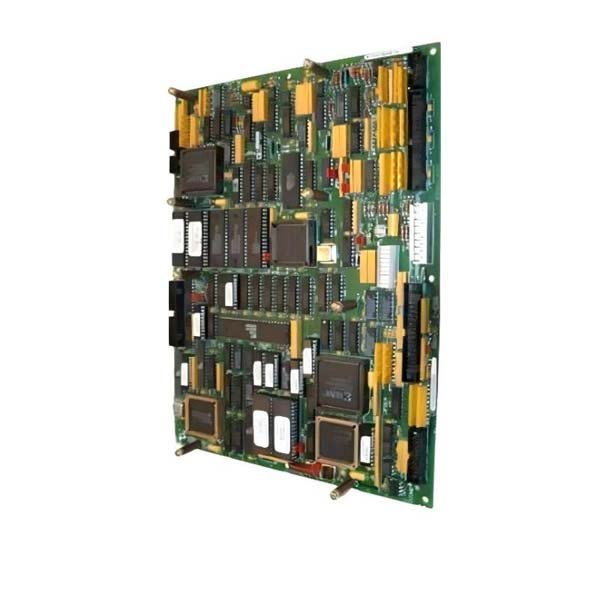
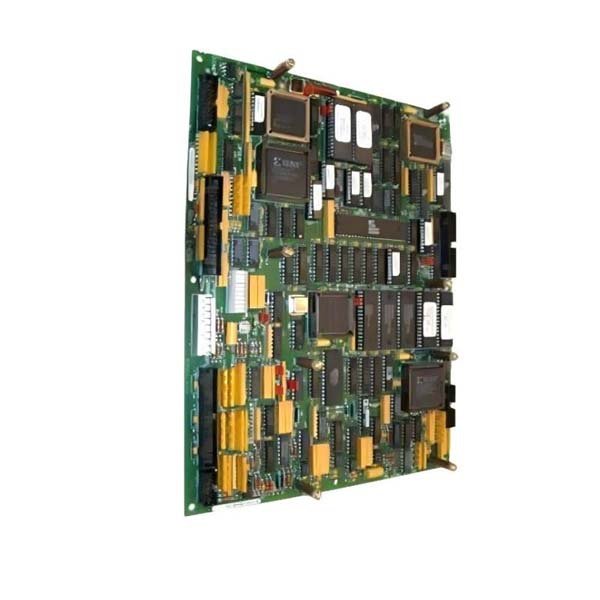
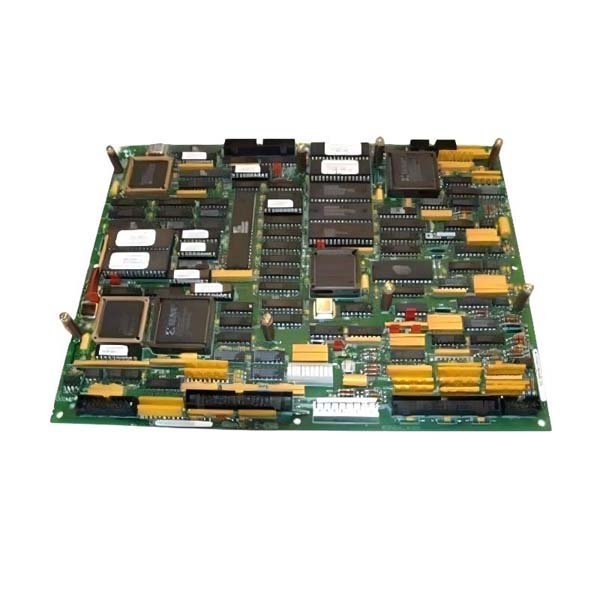
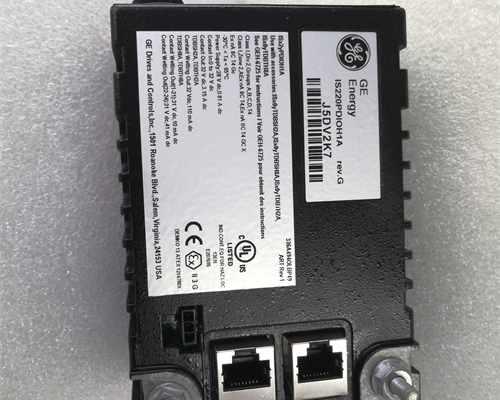
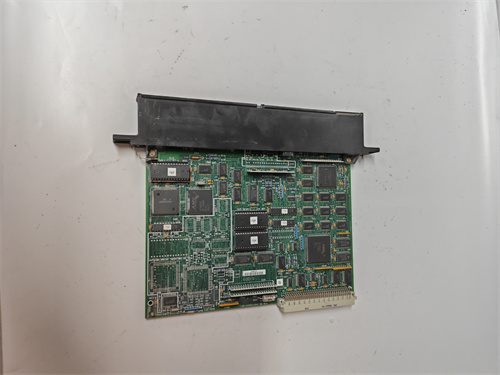
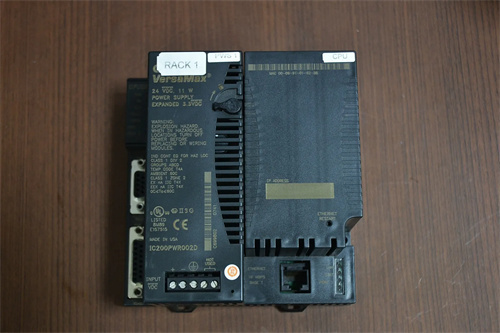
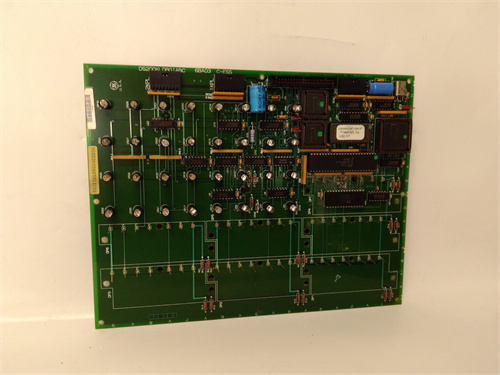
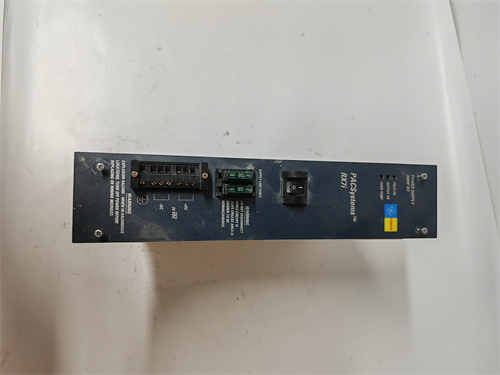
GE Fanuc IS200BICIH1ACA Backplane Communication / Interface Board
Manufacturer:GE Fanuc
Product Number:IS200BICIH1ACA
Product Type:Backplane Communication / Interface Board
Origin:USA
Dimensions:160 mm × 92 mm × 41 mm
Weight:0.70 kg
Views:104
Payment Methods:T/T, PayPal, Western Union
Condition:New & In Stock
Warranty:1 Year
Lead Time:1-3 Working Days
Certificate:COO
Courier partners:DHL, UPS, TNT, FedEx and EMS.
Business hours:7*24
Product Description
The IS200BICIH1ACA is a Backplane Communication & Interface module used across GE Mark VI/VIe control frames. For operators, this board is rarely adjusted directly—but it plays a crucial part in coordinating communication between the controller core and the associated I/O subsystem.
In routine operation, you may notice its role only when communication alarms appear in the HMI. This guide highlights what operators need to know to identify early signs of communication irregularities and how to respond effectively.
Technical Outline for Operator Familiarity
| Parameter | Specification |
|---|---|
| Brand | GE |
| Module Type | Backplane Communication / Interface Board |
| Operating Voltage | 24V DC |
| Signal Architecture | Isolated differential signaling |
| Data Handling | FPGA-assisted bus arbitration |
| Status Indicators | LED-based communication & integrity signals |
| Dimensions (L × W × H) | 160 mm × 92 mm × 41 mm |
| Weight | 0.70 kg |
| Operating Temperature | -20°C to 65°C |
| Storage Temperature | -40°C to 85°C |
| Surge Immunity | Up to 2 kV transient protection |
How It Functions During Plant Operation
When the control system is running, the IS200BICIH1ACA continuously exchanges timing data and communication packets with attached boards. Operators should be aware that:
-
Bus timing is fully automated—no intervention required.
-
LED behavior matters; changes from steady to intermittent blinking can indicate communication congestion.
-
The module buffers data, preventing partial or corrupted packets from reaching the controller.
-
Short noise bursts in the cabinet typically do not impact system performance thanks to isolation circuitry.
Understanding these behaviors helps operators distinguish between minor disturbances and symptoms of broader system faults.
Typical Control Room Use Cases
You will encounter this module in several operational contexts:
-
Turbine control cabinets, where it coordinates sequencing signals.
-
High-density I/O racks, maintaining stable refresh cycles.
-
Redundant controller arrangements, synchronizing communication across paired units.
-
Mixed-signal environments, where isolation prevents digital noise from affecting analog devices.
While the module itself requires no operator adjustments, knowing its role helps during troubleshooting discussions with maintenance teams.
Operational Advantages for On-Shift Personnel
-
Stable communication reduces HMI nuisance alarms.
-
Consistent isolation minimizes false system warnings due to electrical noise.
-
High resistance to thermal drift ensures predictable performance across long operating shifts.
-
Diagnostic LEDs give operators quick visual confirmation of subsystem health.
-
Strong mechanical build prevents loose seating issues after maintenance cycles.
-
Low jitter timing supports smooth controller performance.
These characteristics directly improve operational reliability and reduce unnecessary shutdowns or resets.
FAQs
-
Does this board need operator resets?
No—resets are performed only by maintenance if required.
-
Can faulty wiring cause communication alarms?
Yes, improper grounding or loose connectors can trigger them.
-
Should operators monitor LED patterns?
Yes—irregular blinking may indicate communication congestion.
-
Does this board affect response time to field signals?
Indirectly; it ensures proper data flow to the controller.
-
Is the module sensitive to cabinet temperature?
It remains stable up to 65°C.
-
Do redundant controllers rely on this module?
Yes, especially for synchronization.
-
Is surge protection integrated?
Yes—up to 2 kV immunity.
-
Should operators isolate this module during troubleshooting?
Only with maintenance approval; never remove it live.
-
Are firmware updates required?
Only during plant upgrades, not for routine operation.
-
Does this board handle field I/O directly?
No—it handles the communication layer beneath them.
 Loading comments...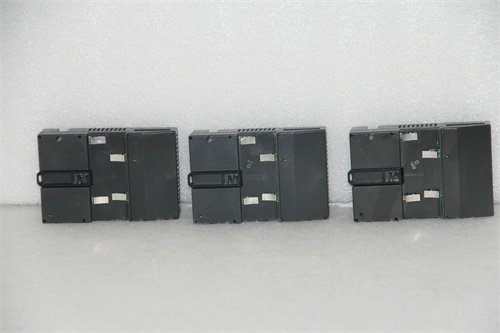
GE Fanuc IS200BICIH1ACA Backplane Communication / Interface Board
Manufacturer:GE Fanuc
Product Number:IS200BICIH1ACA
Product Type:Backplane Communication / Interface Board
Origin:USA
Dimensions:160 mm × 92 mm × 41 mm
Weight:0.70 kg
Views:104
Payment Methods:T/T, PayPal, Western Union
Condition:New & In Stock
Warranty:1 Year
Lead Time:1-3 Working Days
Certificate:COO
Courier partners:DHL, UPS, TNT, FedEx and EMS.
Business hours:7*24
Product Description
The IS200BICIH1ACA is a Backplane Communication & Interface module used across GE Mark VI/VIe control frames. For operators, this board is rarely adjusted directly—but it plays a crucial part in coordinating communication between the controller core and the associated I/O subsystem.
In routine operation, you may notice its role only when communication alarms appear in the HMI. This guide highlights what operators need to know to identify early signs of communication irregularities and how to respond effectively.
Technical Outline for Operator Familiarity
| Parameter | Specification |
|---|---|
| Brand | GE |
| Module Type | Backplane Communication / Interface Board |
| Operating Voltage | 24V DC |
| Signal Architecture | Isolated differential signaling |
| Data Handling | FPGA-assisted bus arbitration |
| Status Indicators | LED-based communication & integrity signals |
| Dimensions (L × W × H) | 160 mm × 92 mm × 41 mm |
| Weight | 0.70 kg |
| Operating Temperature | -20°C to 65°C |
| Storage Temperature | -40°C to 85°C |
| Surge Immunity | Up to 2 kV transient protection |
How It Functions During Plant Operation
When the control system is running, the IS200BICIH1ACA continuously exchanges timing data and communication packets with attached boards. Operators should be aware that:
-
Bus timing is fully automated—no intervention required.
-
LED behavior matters; changes from steady to intermittent blinking can indicate communication congestion.
-
The module buffers data, preventing partial or corrupted packets from reaching the controller.
-
Short noise bursts in the cabinet typically do not impact system performance thanks to isolation circuitry.
Understanding these behaviors helps operators distinguish between minor disturbances and symptoms of broader system faults.
Typical Control Room Use Cases
You will encounter this module in several operational contexts:
-
Turbine control cabinets, where it coordinates sequencing signals.
-
High-density I/O racks, maintaining stable refresh cycles.
-
Redundant controller arrangements, synchronizing communication across paired units.
-
Mixed-signal environments, where isolation prevents digital noise from affecting analog devices.
While the module itself requires no operator adjustments, knowing its role helps during troubleshooting discussions with maintenance teams.
Operational Advantages for On-Shift Personnel
-
Stable communication reduces HMI nuisance alarms.
-
Consistent isolation minimizes false system warnings due to electrical noise.
-
High resistance to thermal drift ensures predictable performance across long operating shifts.
-
Diagnostic LEDs give operators quick visual confirmation of subsystem health.
-
Strong mechanical build prevents loose seating issues after maintenance cycles.
-
Low jitter timing supports smooth controller performance.
These characteristics directly improve operational reliability and reduce unnecessary shutdowns or resets.
FAQs
-
Does this board need operator resets?
No—resets are performed only by maintenance if required.
-
Can faulty wiring cause communication alarms?
Yes, improper grounding or loose connectors can trigger them.
-
Should operators monitor LED patterns?
Yes—irregular blinking may indicate communication congestion.
-
Does this board affect response time to field signals?
Indirectly; it ensures proper data flow to the controller.
-
Is the module sensitive to cabinet temperature?
It remains stable up to 65°C.
-
Do redundant controllers rely on this module?
Yes, especially for synchronization.
-
Is surge protection integrated?
Yes—up to 2 kV immunity.
-
Should operators isolate this module during troubleshooting?
Only with maintenance approval; never remove it live.
-
Are firmware updates required?
Only during plant upgrades, not for routine operation.
-
Does this board handle field I/O directly?
No—it handles the communication layer beneath them.
Need a Custom Automation Solution?
Our team of experts can design and implement a tailored automation system to meet your specific requirements.