
Our Products
Comprehensive industrial automation solutions for global industries
Contact us
If you are interested in our products and want to know more details,please Contact us,we will reply you as soon as we can.
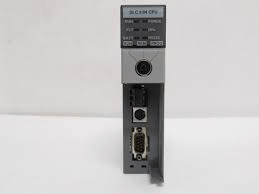
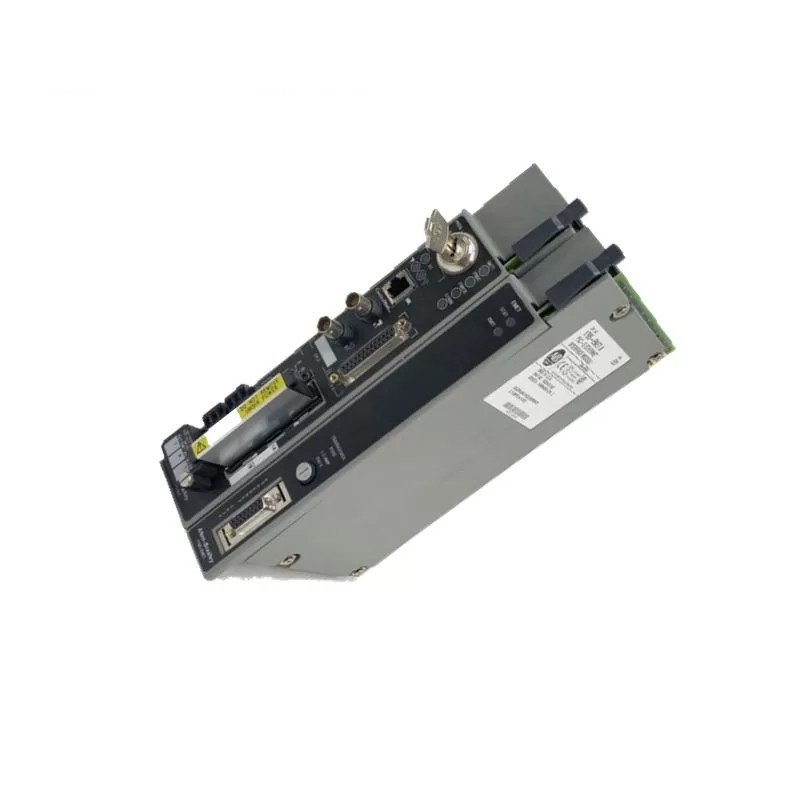
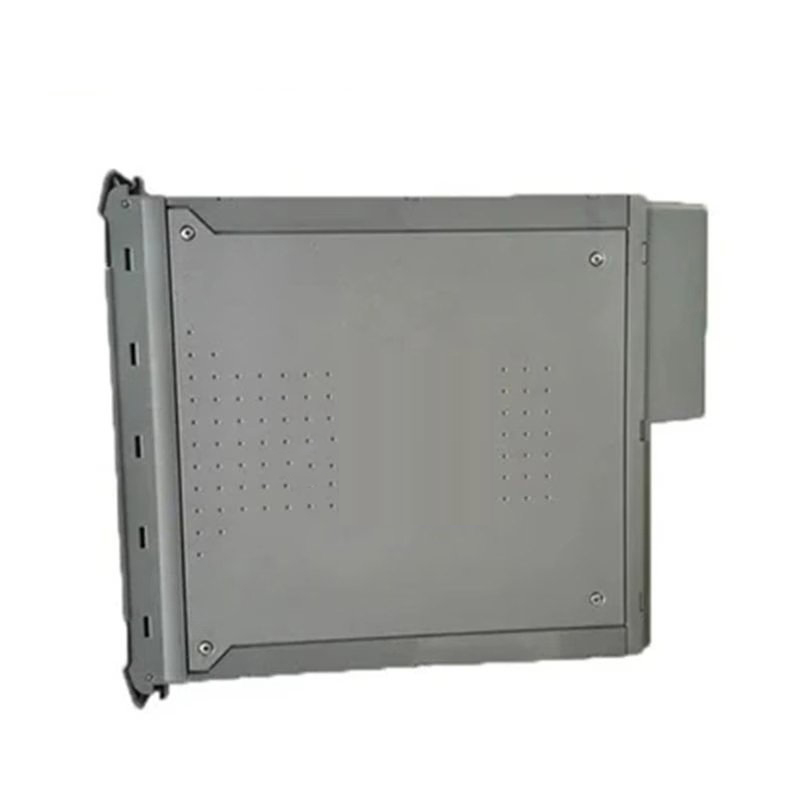
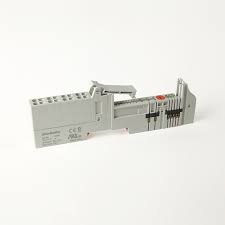
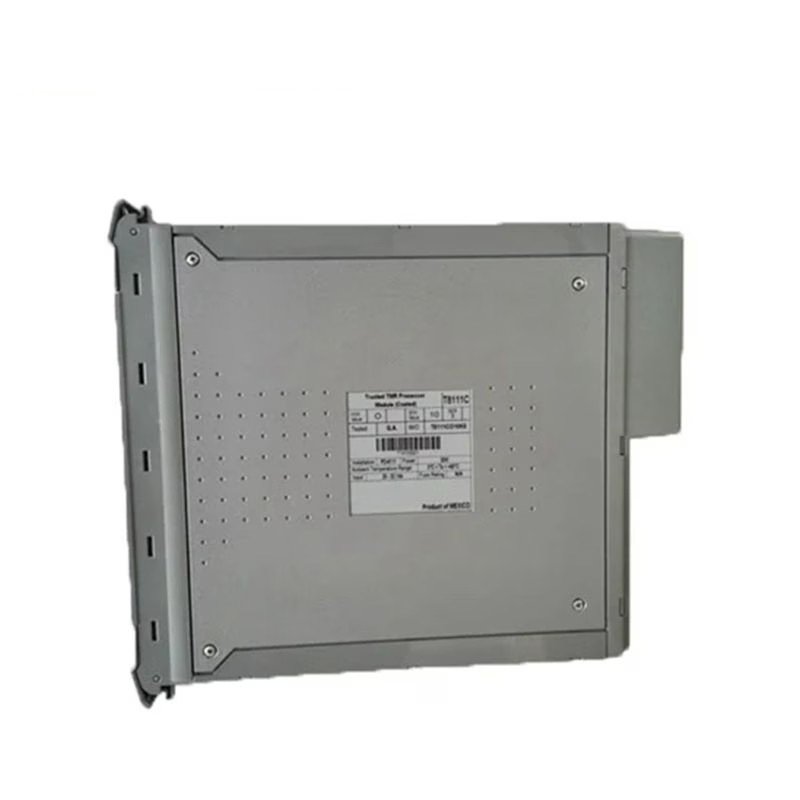
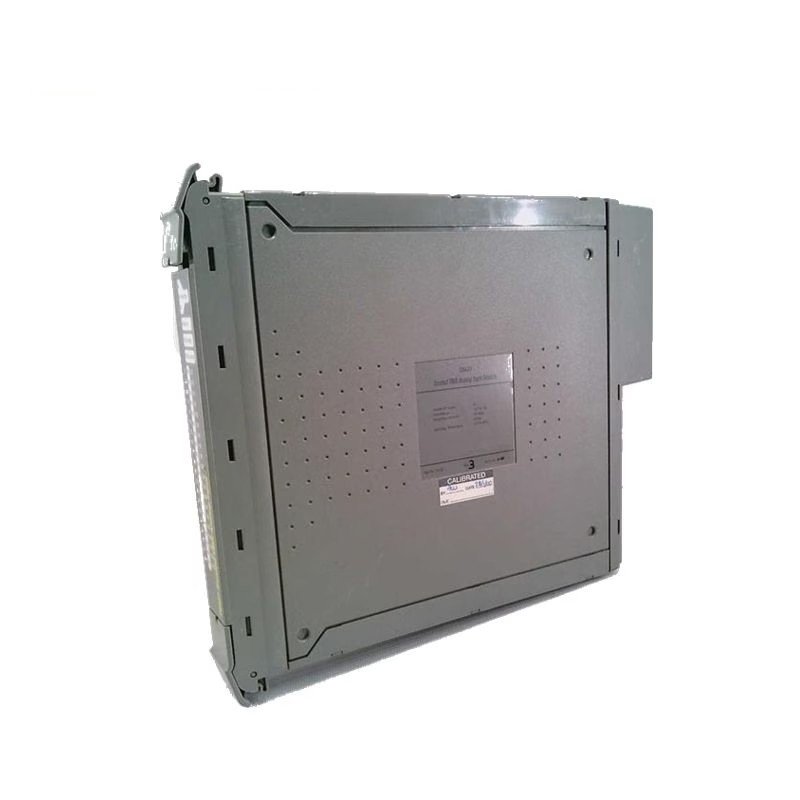
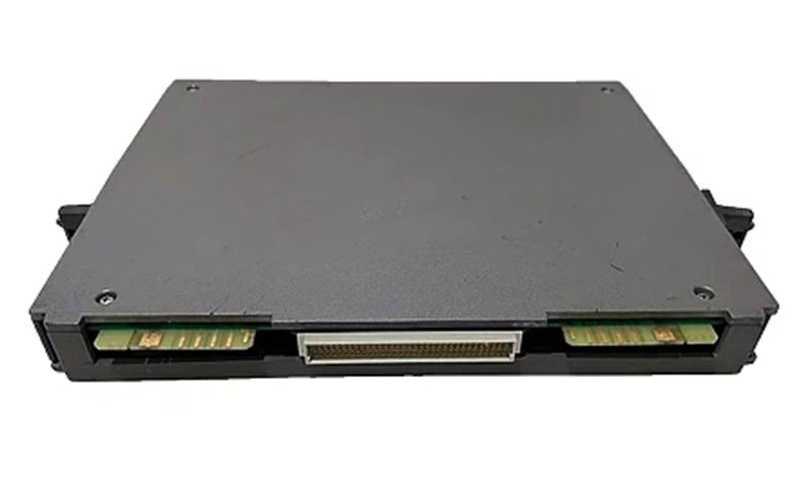
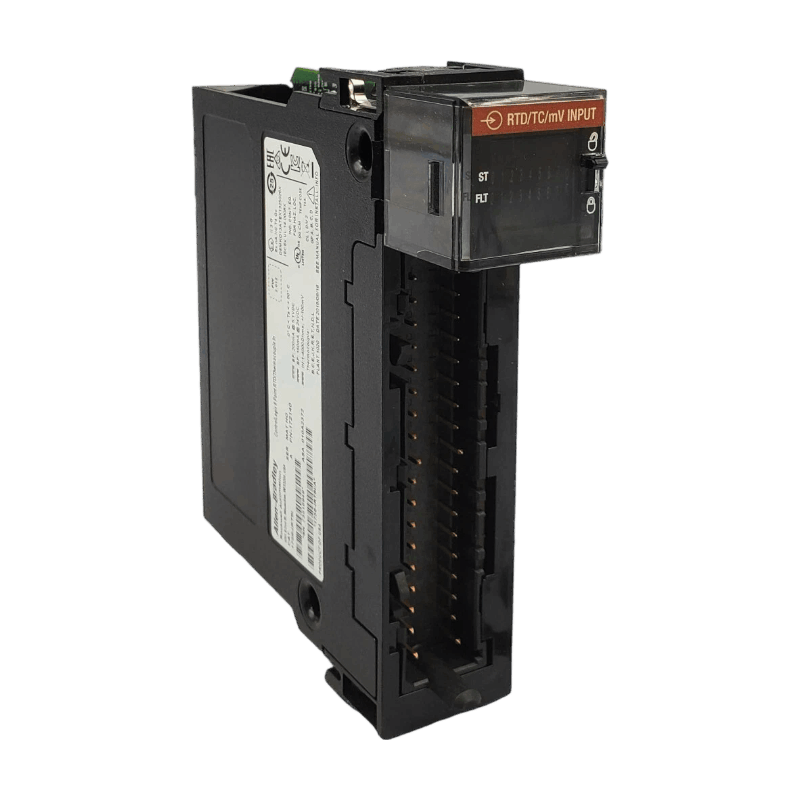
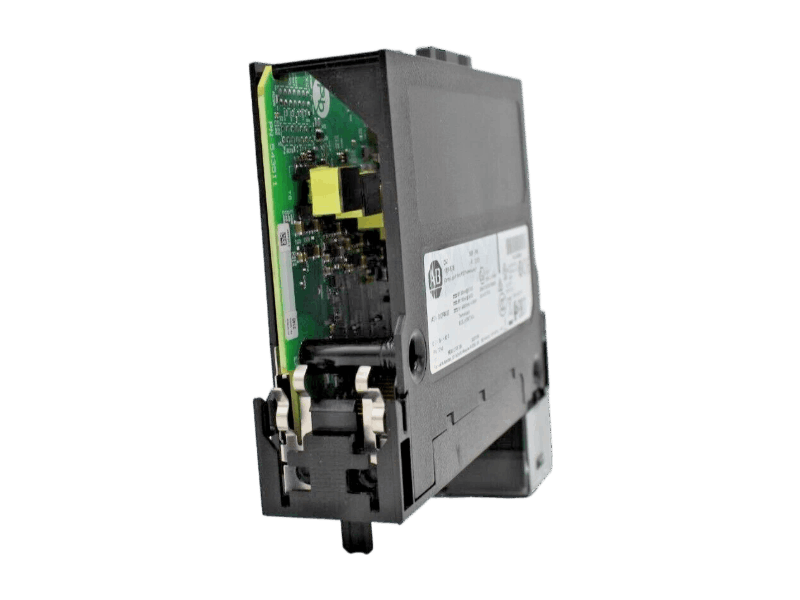
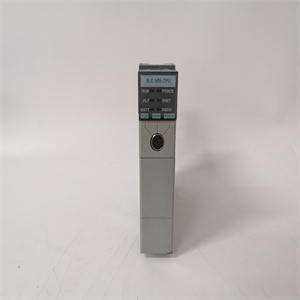
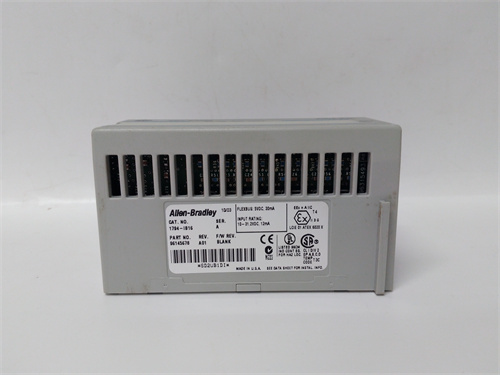
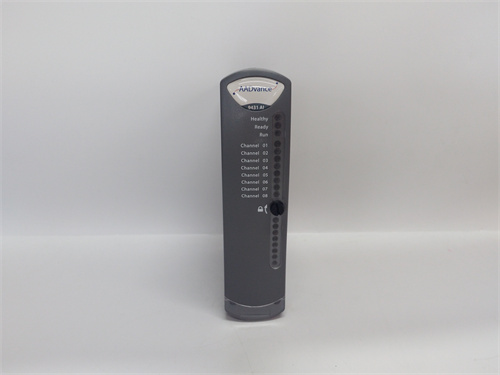
Allen-Bradley 1756-IRT8I RTD/Thermocouple Analog Input Module
Item Number:1756-IRT8I
Brand: Allen-Bradley
Lead Time: In stock
Description:RTD/Thermocouple Analog Input Module
Payment: T/T
Product Description
Allen-Bradley 1756-IRT8I analog input module for the ControlLogix system is used to directly connect thermal resistor (RTD) and thermocouple (Thermocouple) signals for monitoring physical quantities such as temperature.
It converts the resistance or millivolt signal generated by the temperature sensor into a digital value that can be processed by the control system.
Function & Features
- RTD Support: The 1756-IRT8I supports 2-wire, 3-wire, and 4-wire RTDs. For 2-wire applications, short the negative terminal to the C terminal for compensation.
- Thermocouple Support: The 1756-IRT8I supports a variety of thermocouple types (for details, see the 1756-IRT8I manual here, such as J, K, T, E, N, R, S, and B).
- External CJC Sensor: When connecting a thermocouple to the 1756-IRT8I via the Relay Terminal Block (RTB), a 1756-CJC cold junction compensation sensor must be ordered and installed separately. This sensor is installed on CJC 0: terminals 1 and 2; CJC 1: terminals 35 and 36.
- Built-in CJC: If using an IFM frame with terminal functionality, the 1756-IRT8I does not require an external CJC sensor. A CJC sensor cannot be used on only one channel; its configuration depends on the application mode.
Specifications
| Parameter | Details |
|---|---|
| Product Model | 1756-IRT8I |
| Type | RTD/Thermocouple Analog Input Module |
| Power dissipation, max | 4.6 W (15.7 BTU/hr) |
| Thermal dissipation | 15.7 BTU/hr |
| RTD excitation current | 600 μA |
| Input impedance, approx | 1 GΩ |
| Local CJC sensor accuracy | ± 0.3 °C |
| Remote CJC sensor accuracy | ± 0.3 °C |
| Module input scan time, min | 1 ms |
| Module conversion method | Sigma-Delta |
 Loading comments...
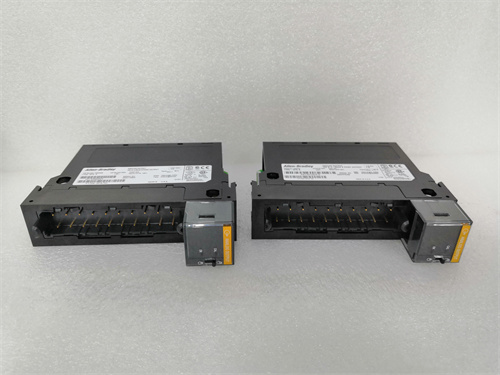
Allen-Bradley 1756-IRT8I RTD/Thermocouple Analog Input Module
Item Number:1756-IRT8I
Brand: Allen-Bradley
Lead Time: In stock
Description:RTD/Thermocouple Analog Input Module
Payment: T/T
Product Description
Allen-Bradley 1756-IRT8I analog input module for the ControlLogix system is used to directly connect thermal resistor (RTD) and thermocouple (Thermocouple) signals for monitoring physical quantities such as temperature.
It converts the resistance or millivolt signal generated by the temperature sensor into a digital value that can be processed by the control system.
Function & Features
- RTD Support: The 1756-IRT8I supports 2-wire, 3-wire, and 4-wire RTDs. For 2-wire applications, short the negative terminal to the C terminal for compensation.
- Thermocouple Support: The 1756-IRT8I supports a variety of thermocouple types (for details, see the 1756-IRT8I manual here, such as J, K, T, E, N, R, S, and B).
- External CJC Sensor: When connecting a thermocouple to the 1756-IRT8I via the Relay Terminal Block (RTB), a 1756-CJC cold junction compensation sensor must be ordered and installed separately. This sensor is installed on CJC 0: terminals 1 and 2; CJC 1: terminals 35 and 36.
- Built-in CJC: If using an IFM frame with terminal functionality, the 1756-IRT8I does not require an external CJC sensor. A CJC sensor cannot be used on only one channel; its configuration depends on the application mode.
Specifications
| Parameter | Details |
|---|---|
| Product Model | 1756-IRT8I |
| Type | RTD/Thermocouple Analog Input Module |
| Power dissipation, max | 4.6 W (15.7 BTU/hr) |
| Thermal dissipation | 15.7 BTU/hr |
| RTD excitation current | 600 μA |
| Input impedance, approx | 1 GΩ |
| Local CJC sensor accuracy | ± 0.3 °C |
| Remote CJC sensor accuracy | ± 0.3 °C |
| Module input scan time, min | 1 ms |
| Module conversion method | Sigma-Delta |
Need a Custom Automation Solution?
Our team of experts can design and implement a tailored automation system to meet your specific requirements.