
Our Products
Comprehensive industrial automation solutions for global industries
Contact us
If you are interested in our products and want to know more details,please Contact us,we will reply you as soon as we can.
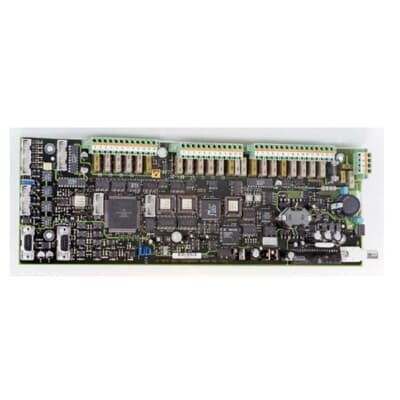
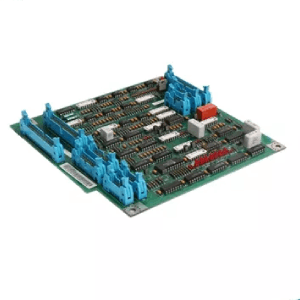
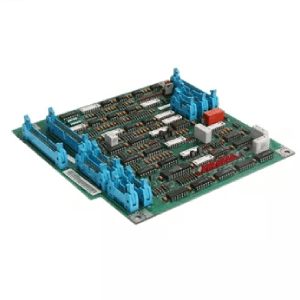
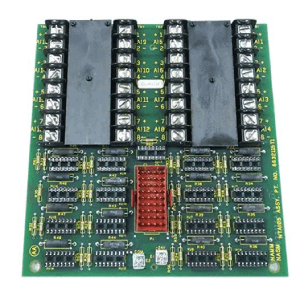
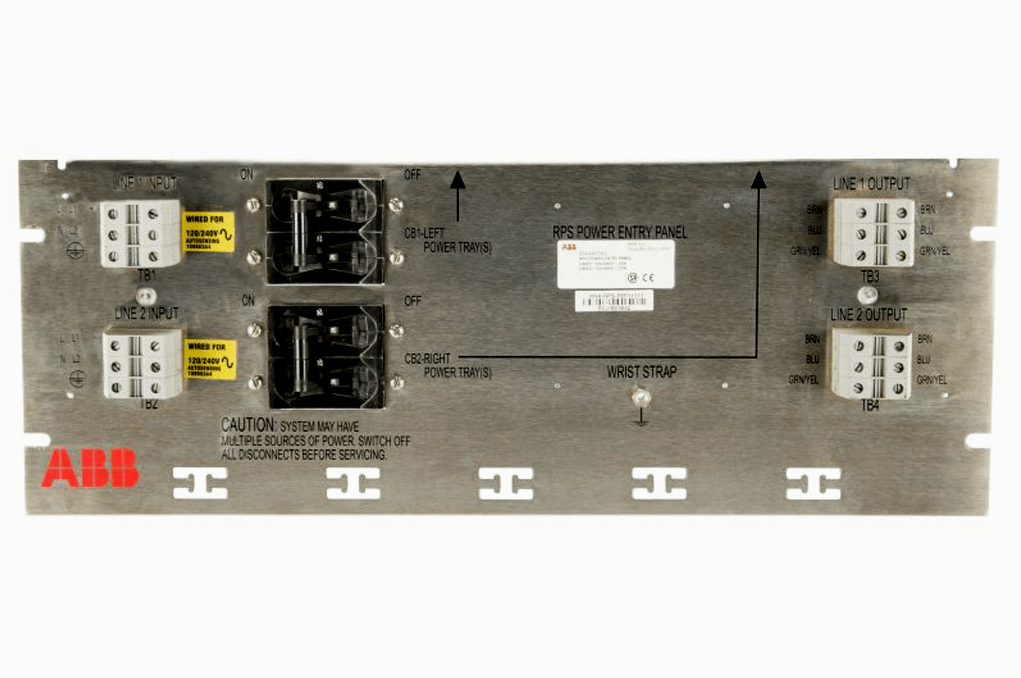
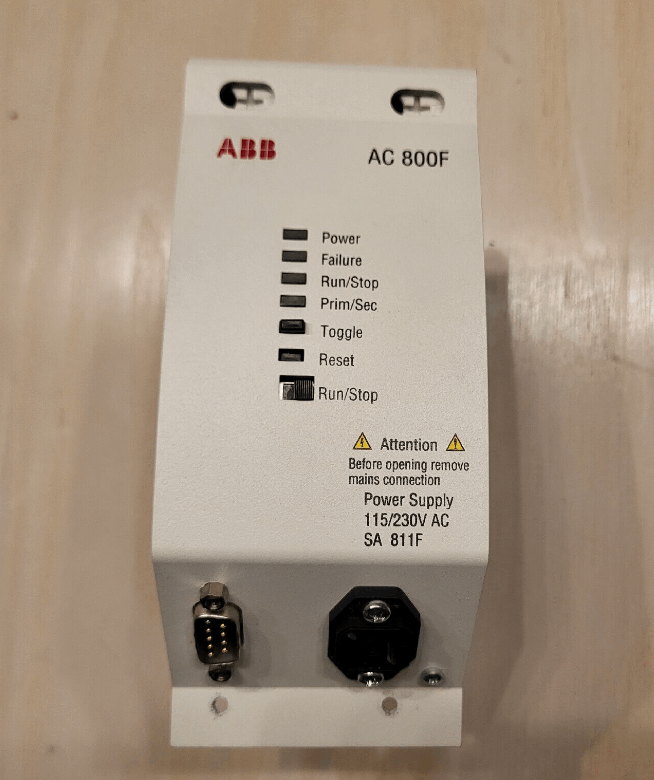
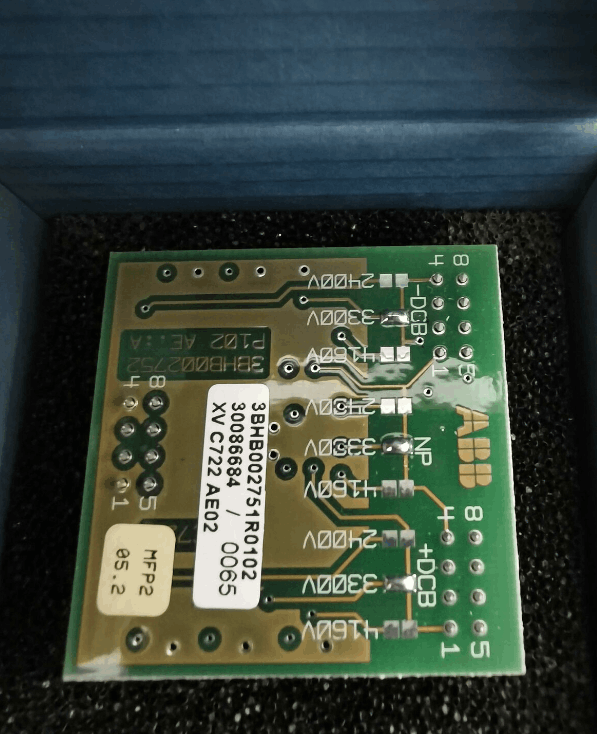
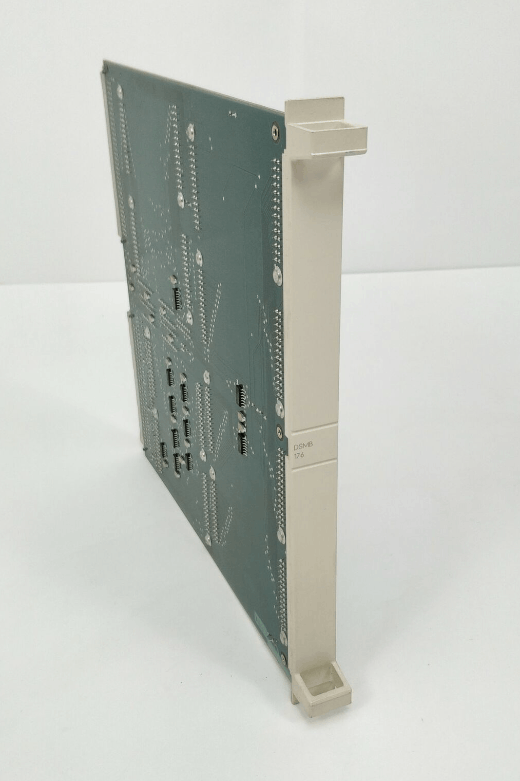
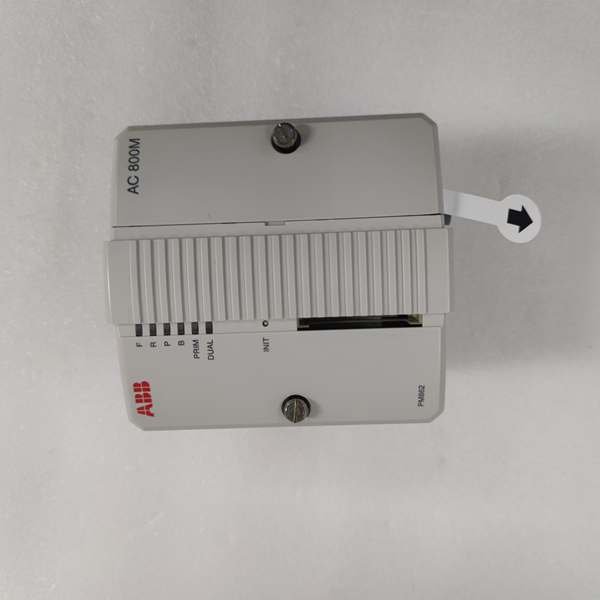
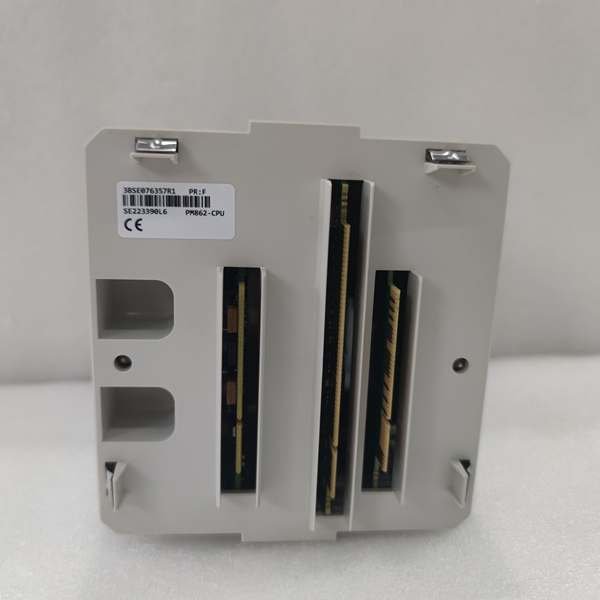
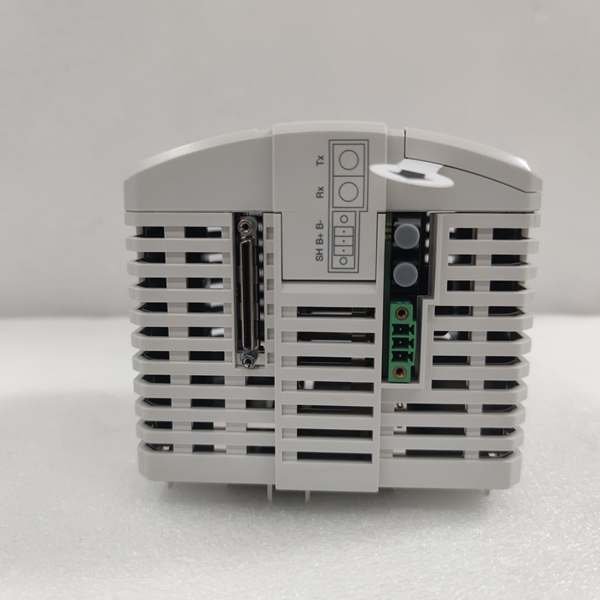
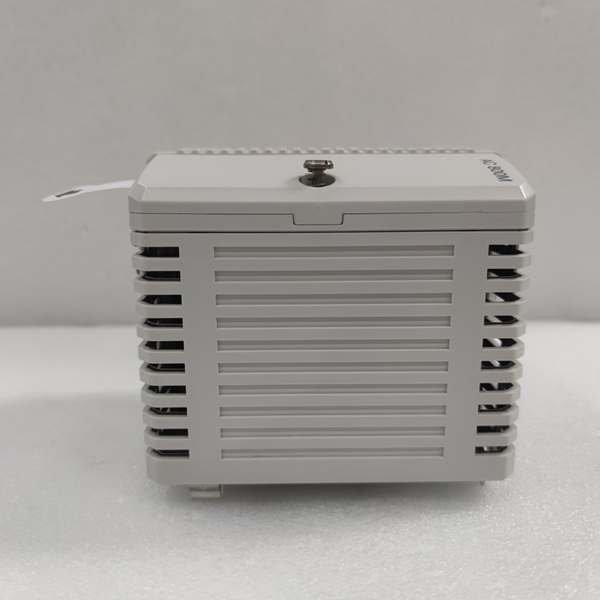
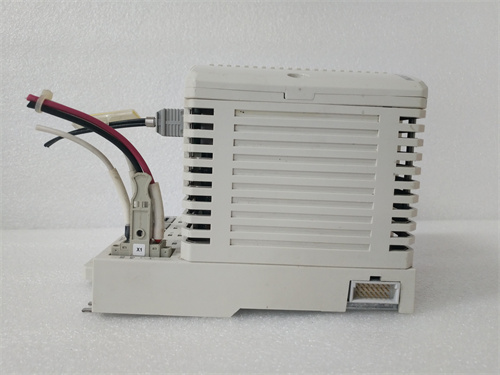
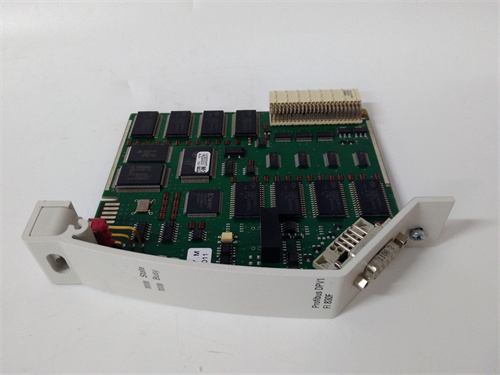
ABB PM862 3BSE081636R1 High-Reliability Controller
Manufacturer:ABB
Product Number:ABB PM862 3BSE081636R1
Payment Methods:T/T, PayPal, Western Union
Condition:New & In Stock
Warranty:1 Year
Lead Time:1-3 Working Days
Certificate:COO
Courier partners:DHL, UPS, TNT, FedEx and EMS.
Business hours:7*24
Product Description
The ABB PM862 3BSE081636R1 is a redundant CPU module engineered for AC800M DCS, designed to eliminate single-point failures in mission-critical processes. At its core, two MPC866 processors operate in hot-standby mode—one active CPU executes control logic, while the standby CPU mirrors all data and diagnostics. If the active CPU fails (hardware fault, power loss), the standby unit takes over in <10ms, with no process disruption or data loss.
Key Technical Specifications
- Model Number: PM862 3BSE081636R1
- Manufacturer: ABB Industrial Automation Division
- CPU Architecture: Dual MPC866 32-bit processors (1+1 hot-standby)
- Memory Configuration: 32MB RAM (23.5MB application-ready), 4MB Flash (firmware)
- Communication Ports: 2 × 10Mbps Ethernet (RJ45), 2 × RS232 serial ports (1 isolated)
- Redundancy Performance: Auto-failover <10ms, dual power inputs, redundant backplane
- I/O Capacity: Up to 84 I/O modules (redundant setup), 7 ModuleBus optical clusters
- Operating Temperature: 0°C to +55°C (32°F to +131°F)
- Power Supply: 24VDC ±10% (19.2-30VDC), 210mA typical / 360mA max current draw
- Isolation Rating: 1kV AC (communication ports to backplane)
- Certifications: CE, UL 61010-1, ATEX Zone 2, ISA Secure, IEC 61131-3
- Compatibility: ABB 800xA DCS v6.0.2+, AC800M I/O modules (AI810, DI810, AO810), communication modules (CI801, CI903F)
- Real-Time Performance: 1000 boolean operations in 0.18ms, minimum cycle time 1ms
Field Application & Problem Solved
In mission-critical industrial processes—refinery distillation units, power plant boiler/turbine control, chemical reactor systems—single-point CPU failures lead to catastrophic downtime. Generic redundant controllers lack seamless integration with ABB AC800M DCS, suffer from slow failover (1-2 seconds), and fail in harsh industrial environments. A Louisiana refinery lost $1.4M in a 14-hour outage when a non-ABB redundant controller failed to switch over, halting a crude oil processing unit. Legacy single-core CPUs also force costly workarounds: a Pennsylvania power plant spent $300k annually on maintenance to mitigate downtime risks in their turbine control system.
You’ll find this redundant CPU module as the core of AC800M DCS racks in: refinery hydrocracking units, coal-fired power plant boiler control loops, and pharmaceutical batch reactors. Its core value is ABB-native redundancy + sub-10ms failover + 800xA ecosystem integration. The dual CPU hot-standby design eliminates single-point failures, while direct DCS integration avoids compatibility issues that plague generic alternatives. For a Texas petrochemical plant, the module’s fast failover prevented an outage during a CPU hardware fault—production continued uninterrupted, saving $220k in potential losses.
Installation & Maintenance Pitfalls
- Redundant Power Wiring: Separate Sources Mandatory: Rookies wire both CPU power inputs to the same 24VDC supply, defeating redundancy. A Michigan paper mill’s boiler control system crashed during a power glitch because of this mistake. Connect each input to independent power supplies (e.g., main and backup UPS) to ensure fault tolerance.
- Firmware Mismatch Between Redundant CPUs: Mixing firmware versions (e.g., v5.1 on one CPU, v6.0 on the other) causes communication errors and failed failover. An Ohio steel mill’s blast furnace control system locked up until both CPUs were updated to the same firmware via Control Builder M. Always batch-update redundant pairs to match.
- Ethernet Port Termination: Don’t Skip 120Ω Resistors: Unterminated Ethernet ports on redundant control networks cause signal reflection and intermittent communication. A Florida chemical plant’s reactor control loops fluctuated until termination resistors were added to the PM862’s Ethernet ports. Verify termination with a network tester.
- I/O Load Exceedance: Stay Below 84 Modules: Rookies connect 90+ I/O modules to a redundant setup, overwhelming the ModuleBus. A North Carolina refinery’s I/O communication dropped offline until excess modules were redistributed to a second rack. Use ABB’s ModuleBus load calculator to avoid overloading.
- Heat Dissipation: Maintain 15mm Clearance: Crowded racks block airflow, leading to CPU overheating and throttling. A Wyoming power plant’s PM862 CPUs rebooted weekly until adjacent modules were repositioned to create 15mm of clearance. Monitor rack temperature via 800xA diagnostics (keep <45°C).
The module communicates with AC800M I/O modules via the redundant ModuleBus, a high-speed backplane that supports up to 7 optical clusters for long-distance I/O deployment. Dual Ethernet ports enable redundant control network connectivity, while 1kV AC isolation blocks electrical interference from VFDs and motor cables—critical for reliability in refineries and power plants.
Unlike generic redundant controllers, the PM862 integrates seamlessly with ABB’s 800xA DCS, sharing the same engineering environment (Control Builder M) and HMI. It supports IEC 61131-3 programming languages and real-time clock synchronization (±1ms accuracy) across multiple controllers, enabling coordinated control of interconnected processes. The 32MB RAM and 4MB Flash provide sufficient capacity for complex control algorithms, while the rugged design (conformal-coated PCB, wide temperature range) withstands dust, vibration, and voltage transients in harsh industrial environments.
What sets it apart is its balance of redundancy, performance, and ecosystem integration—no external gateways or custom drivers are needed to integrate with AC800M I/O and 800xA. For facilities where downtime costs $100k+/hour, this module isn’t just a CPU—it’s a reliability backbone that ensures continuous operation of the most critical industrial processes.
 Loading comments...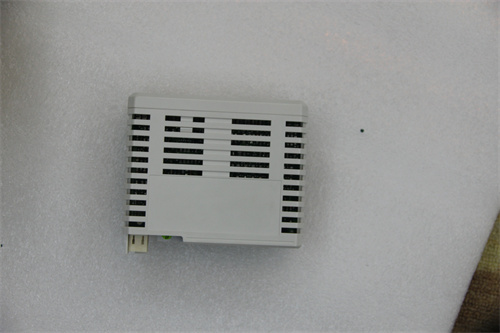
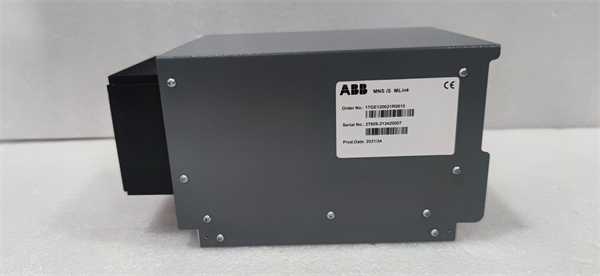
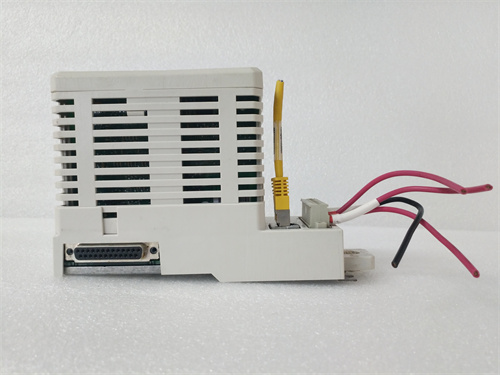
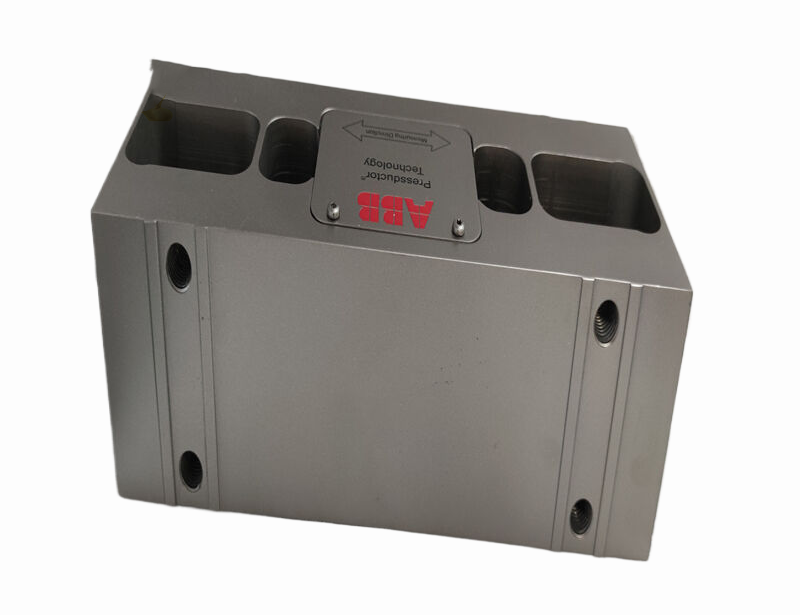
ABB PM862 3BSE081636R1 High-Reliability Controller
Manufacturer:ABB
Product Number:ABB PM862 3BSE081636R1
Payment Methods:T/T, PayPal, Western Union
Condition:New & In Stock
Warranty:1 Year
Lead Time:1-3 Working Days
Certificate:COO
Courier partners:DHL, UPS, TNT, FedEx and EMS.
Business hours:7*24
Product Description
The ABB PM862 3BSE081636R1 is a redundant CPU module engineered for AC800M DCS, designed to eliminate single-point failures in mission-critical processes. At its core, two MPC866 processors operate in hot-standby mode—one active CPU executes control logic, while the standby CPU mirrors all data and diagnostics. If the active CPU fails (hardware fault, power loss), the standby unit takes over in <10ms, with no process disruption or data loss.
Key Technical Specifications
- Model Number: PM862 3BSE081636R1
- Manufacturer: ABB Industrial Automation Division
- CPU Architecture: Dual MPC866 32-bit processors (1+1 hot-standby)
- Memory Configuration: 32MB RAM (23.5MB application-ready), 4MB Flash (firmware)
- Communication Ports: 2 × 10Mbps Ethernet (RJ45), 2 × RS232 serial ports (1 isolated)
- Redundancy Performance: Auto-failover <10ms, dual power inputs, redundant backplane
- I/O Capacity: Up to 84 I/O modules (redundant setup), 7 ModuleBus optical clusters
- Operating Temperature: 0°C to +55°C (32°F to +131°F)
- Power Supply: 24VDC ±10% (19.2-30VDC), 210mA typical / 360mA max current draw
- Isolation Rating: 1kV AC (communication ports to backplane)
- Certifications: CE, UL 61010-1, ATEX Zone 2, ISA Secure, IEC 61131-3
- Compatibility: ABB 800xA DCS v6.0.2+, AC800M I/O modules (AI810, DI810, AO810), communication modules (CI801, CI903F)
- Real-Time Performance: 1000 boolean operations in 0.18ms, minimum cycle time 1ms
Field Application & Problem Solved
In mission-critical industrial processes—refinery distillation units, power plant boiler/turbine control, chemical reactor systems—single-point CPU failures lead to catastrophic downtime. Generic redundant controllers lack seamless integration with ABB AC800M DCS, suffer from slow failover (1-2 seconds), and fail in harsh industrial environments. A Louisiana refinery lost $1.4M in a 14-hour outage when a non-ABB redundant controller failed to switch over, halting a crude oil processing unit. Legacy single-core CPUs also force costly workarounds: a Pennsylvania power plant spent $300k annually on maintenance to mitigate downtime risks in their turbine control system.
You’ll find this redundant CPU module as the core of AC800M DCS racks in: refinery hydrocracking units, coal-fired power plant boiler control loops, and pharmaceutical batch reactors. Its core value is ABB-native redundancy + sub-10ms failover + 800xA ecosystem integration. The dual CPU hot-standby design eliminates single-point failures, while direct DCS integration avoids compatibility issues that plague generic alternatives. For a Texas petrochemical plant, the module’s fast failover prevented an outage during a CPU hardware fault—production continued uninterrupted, saving $220k in potential losses.
Installation & Maintenance Pitfalls
- Redundant Power Wiring: Separate Sources Mandatory: Rookies wire both CPU power inputs to the same 24VDC supply, defeating redundancy. A Michigan paper mill’s boiler control system crashed during a power glitch because of this mistake. Connect each input to independent power supplies (e.g., main and backup UPS) to ensure fault tolerance.
- Firmware Mismatch Between Redundant CPUs: Mixing firmware versions (e.g., v5.1 on one CPU, v6.0 on the other) causes communication errors and failed failover. An Ohio steel mill’s blast furnace control system locked up until both CPUs were updated to the same firmware via Control Builder M. Always batch-update redundant pairs to match.
- Ethernet Port Termination: Don’t Skip 120Ω Resistors: Unterminated Ethernet ports on redundant control networks cause signal reflection and intermittent communication. A Florida chemical plant’s reactor control loops fluctuated until termination resistors were added to the PM862’s Ethernet ports. Verify termination with a network tester.
- I/O Load Exceedance: Stay Below 84 Modules: Rookies connect 90+ I/O modules to a redundant setup, overwhelming the ModuleBus. A North Carolina refinery’s I/O communication dropped offline until excess modules were redistributed to a second rack. Use ABB’s ModuleBus load calculator to avoid overloading.
- Heat Dissipation: Maintain 15mm Clearance: Crowded racks block airflow, leading to CPU overheating and throttling. A Wyoming power plant’s PM862 CPUs rebooted weekly until adjacent modules were repositioned to create 15mm of clearance. Monitor rack temperature via 800xA diagnostics (keep <45°C).
The module communicates with AC800M I/O modules via the redundant ModuleBus, a high-speed backplane that supports up to 7 optical clusters for long-distance I/O deployment. Dual Ethernet ports enable redundant control network connectivity, while 1kV AC isolation blocks electrical interference from VFDs and motor cables—critical for reliability in refineries and power plants.
Unlike generic redundant controllers, the PM862 integrates seamlessly with ABB’s 800xA DCS, sharing the same engineering environment (Control Builder M) and HMI. It supports IEC 61131-3 programming languages and real-time clock synchronization (±1ms accuracy) across multiple controllers, enabling coordinated control of interconnected processes. The 32MB RAM and 4MB Flash provide sufficient capacity for complex control algorithms, while the rugged design (conformal-coated PCB, wide temperature range) withstands dust, vibration, and voltage transients in harsh industrial environments.
What sets it apart is its balance of redundancy, performance, and ecosystem integration—no external gateways or custom drivers are needed to integrate with AC800M I/O and 800xA. For facilities where downtime costs $100k+/hour, this module isn’t just a CPU—it’s a reliability backbone that ensures continuous operation of the most critical industrial processes.
Need a Custom Automation Solution?
Our team of experts can design and implement a tailored automation system to meet your specific requirements.