
Our Products
Comprehensive industrial automation solutions for global industries
Contact us
If you are interested in our products and want to know more details,please Contact us,we will reply you as soon as we can.
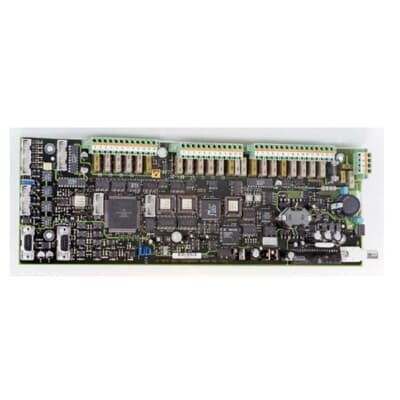
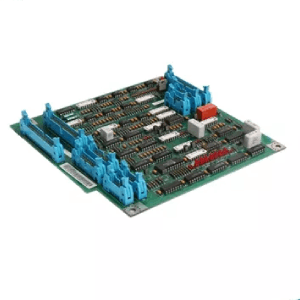
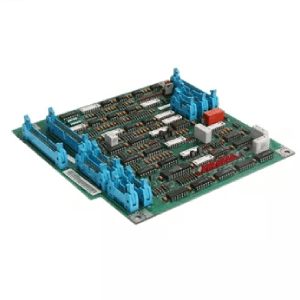
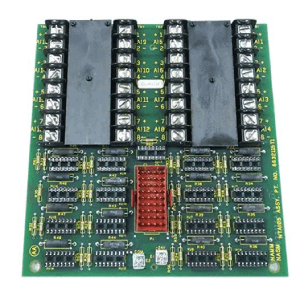
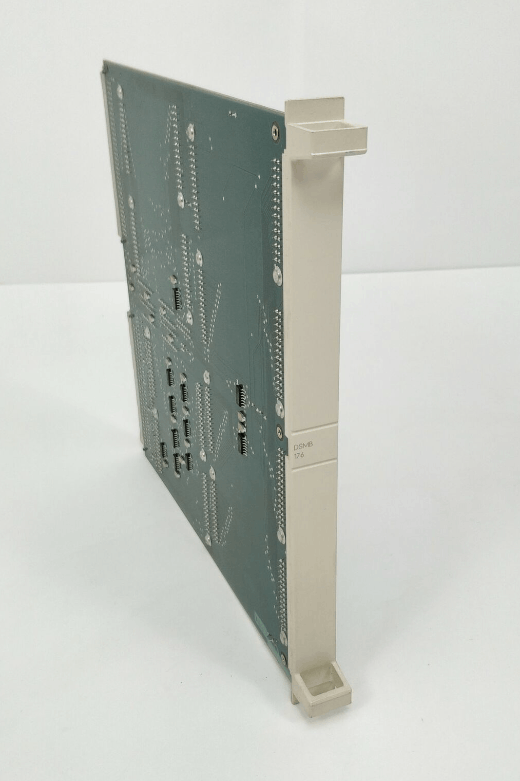
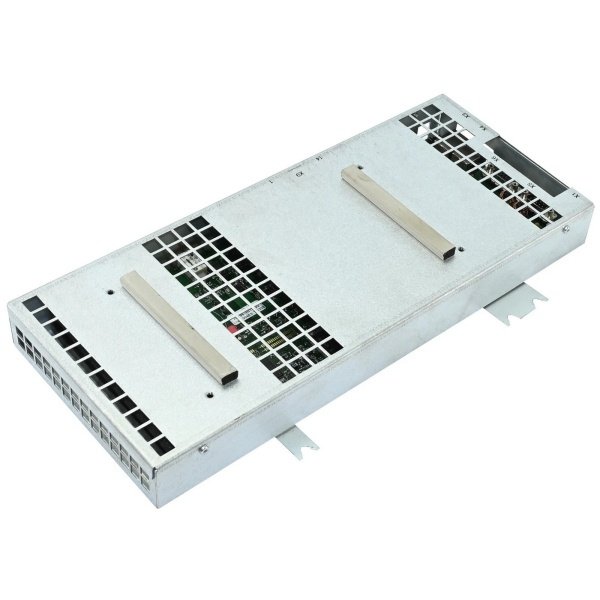
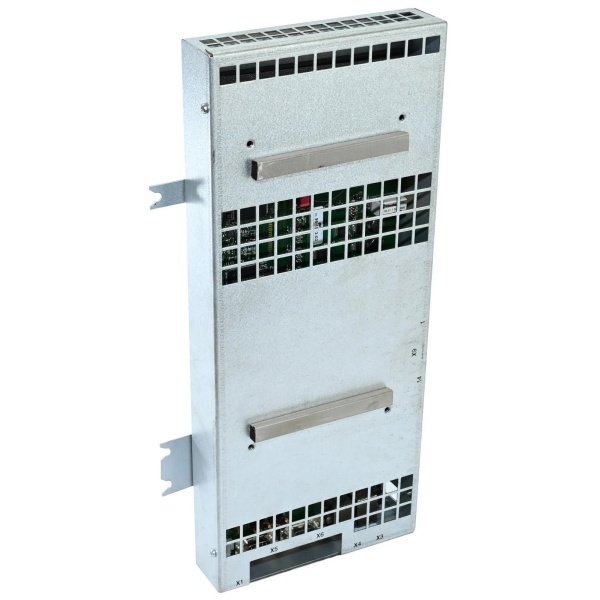
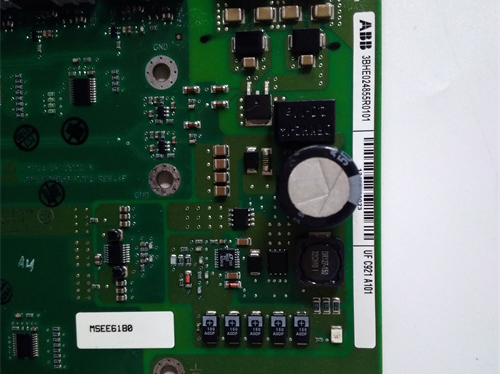
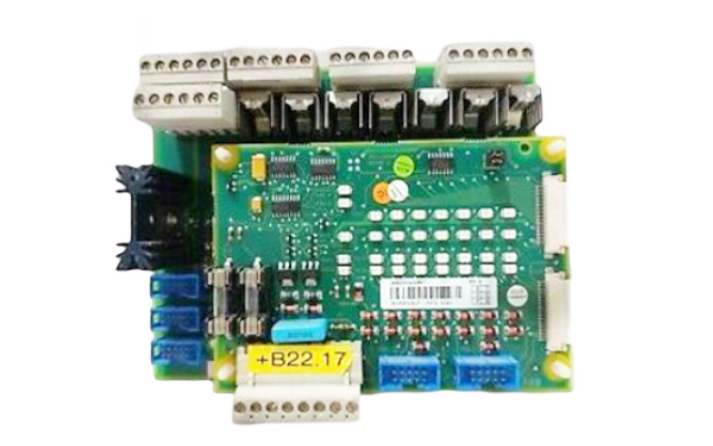
ABB DSQC646 3HAC026271-001 Robot I/O Expansion Unit
Manufacturer:ABB
Product Number:ABB DSQC646 3HAC026271-001
Payment Methods:T/T, PayPal, Western Union
Condition:New & In Stock
Warranty:1 Year
Lead Time:1-3 Working Days
Certificate:COO
Courier partners:DHL, UPS, TNT, FedEx and EMS.
Business hours:7*24
Product Description
The DSQC646 3HAC026271-001 is a robot-specific digital I/O module engineered to extend the ABB IRC5 controller’s interface capabilities while withstanding factory-floor harshness. At its core, a 16-bit microcontroller processes input signals and drives outputs, communicating with the robot’s main CPU via the IRC5 backplane—this eliminates latency from external gateways, ensuring real-time synchronization between I/O and robot motion.
Key Technical Specifications
- Model Number: ABB DSQC646 3HAC026271-001
- Manufacturer: ABB Robotics Division
- Channel Configuration: 16 digital inputs (sinking/sourcing), 16 digital outputs (sourcing)
- Input Rating: 24VDC ±10%, 4-10mA active current; 1ms response time
- Output Rating: 24VDC ±10%, 2A per channel; 8A total module load
- Protection Features: ±2kV surge (IEC 61000-4-5), short-circuit, reverse polarity protection
- Power Supply: 24VDC from IRC5 controller backplane; 0.4A typical draw
- Operating Temperature: 0°C to +45°C (32°F to +113°F)
- Isolation Rating: 500V AC (channel-to-channel); 1kV AC (I/O to backplane)
- Compatibility: ABB IRC5/IRC5 Compact controllers, IRB 4600/6700/7600 robots
- Mechanical Design: Robot cabinet-mount, DIN rail-compatible, conformal-coated PCB
- Certifications: CE, UL 508, IEC 61010-1, ISO 10218-1 (robot safety)
Field Application & Problem Solved
In robot automation—automotive welding lines, electronics assembly, and material handling—generic I/O modules cause two critical issues: noise-induced false signals and poor integration with robot controllers. A Michigan auto plant lost $75k in a single shift when a generic module’s unfiltered inputs picked up EMI from welding robots, triggering false safety stops that halted a production line. Legacy modules also lack channel density: a Texas electronics plant needed 3 separate modules to handle 32 I/O points for a pick-and-place robot, cluttering the cabinet and increasing wiring failures.
You’ll find this module mounted in IRC5 controller cabinets powering critical robot tasks: welding gun position sensors in Ohio auto plants, gripper actuation in California battery factories, and conveyor interlocks in Illinois distribution centers. Its core value is IRC5-native integration plus noise immunity. The built-in EMI filtering fixed the Michigan plant’s false stops, cutting downtime by 90%. At the Texas plant, the 32-channel density replaced 3 generic modules with one DSQC646, reducing wiring by 60% and eliminating module-to-module communication failures.
For a Mexico automotive stamping plant, the module’s surge protection survived a lightning-induced transient that fried 2 generic modules—avoiding $40k in replacement costs and 8 hours of downtime. Its conformal coating also withstood metal dust in a Indiana foundry’s robot cell, outlasting uncoated modules by 2.5x.
Installation & Maintenance Pitfalls
- Input Type Configuration—Match to Sensor Wiring: Rookies leave inputs set to default (sinking) but use sourcing sensors, resulting in no signal detection. A North Carolina packaging plant made this mistake, delaying robot commissioning by 4 hours. Use ABB’s RobotStudio software to configure each input channel (sinking = common -, sourcing = common +) and label terminals clearly. Test with a multimeter: active inputs should draw 4-10mA.
- Output Overloading—Don’t Exceed 2A Per Channel: Driving 3A gripper motors directly through outputs melts internal contacts. A Tennessee automotive plant did this, costing $350 in module repairs and 2 hours of line downtime. Use ABB’s compact contactors (1SBL161001R8001) for loads >2A, and add 2A fuses (1SFA616001R1000) per channel as a backup.
- Shield Grounding—Single Point to Robot Chassis: Daisy-chaining I/O cable shields creates noise loops. A Florida electronics plant’s robot kept false-triggering until we grounded each DSQC646’s shield clamp directly to the IRC5 chassis (not the cabinet ground). Use 360° shield clamps (1SFL500001R0001) to ensure solid contact—loose shields = erratic robot behavior.
- Firmware Compatibility—Sync with IRC5 Controller: Outdated module firmware causes communication drops. A Colorado material handling facility ran a DSQC646 with v2.1 firmware alongside an IRC5 with v3.2—robot I/O status failed to update. Upgrade via RobotStudio’s “Module Firmware Update” tool; always match module firmware to controller firmware (within ±1 version).
Each input channel features a low-pass filter and surge suppression circuit: metal-oxide varistors (MOVs) clamp voltage spikes to <2kV, while RC filtering reduces EMI from welding equipment or VFDs. The 16 sourcing outputs use MOSFET switches (instead of mechanical relays) for fast switching (<1ms) and long life, with auto-reset short-circuit protection that cuts current to faulty channels without affecting the rest.
Ruggedization is tailored for robot cells: the conformal-coated PCB resists oil, coolants, and metal dust, while the 0°C to +45°C operating range handles temperature swings in welding bays. The module’s native IRC5 integration means no custom drivers—RobotStudio automatically detects it, assigns I/O addresses, and lets technicians map channels to robot logic directly.
What sets it apart from generic I/O modules is the tight synchronization with robot motion. The module’s backplane communication ensures I/O signals update in lockstep with robot position (1ms cycle time), critical for tasks like welding seam tracking or precision picking. For plants where robot downtime costs $10k+ per hour, this module isn’t just an I/O expander—it’s a reliability cornerstone that keeps automated lines running smoothly.
 Loading comments...
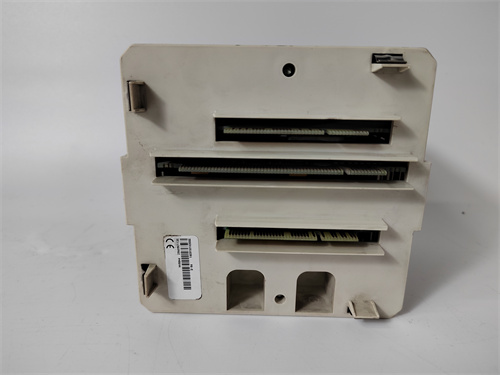
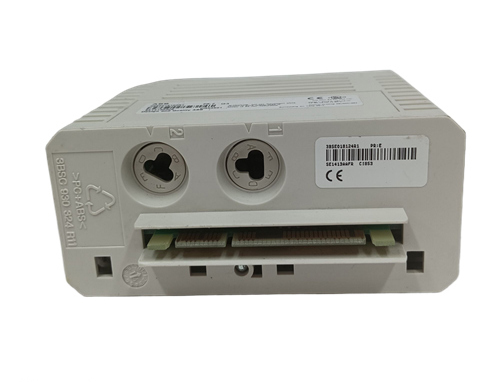
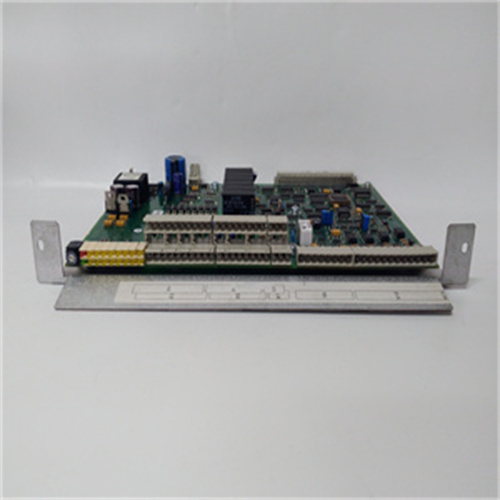
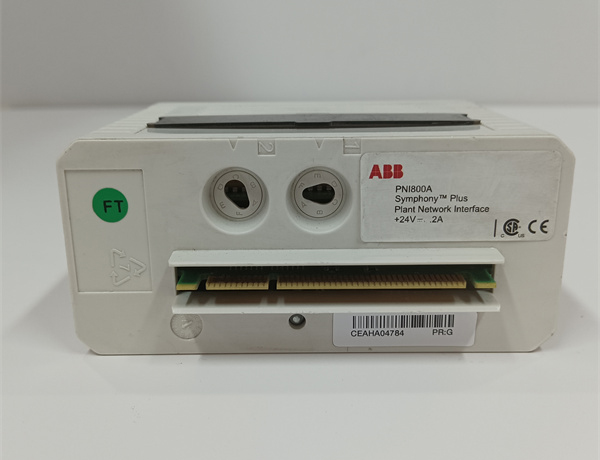
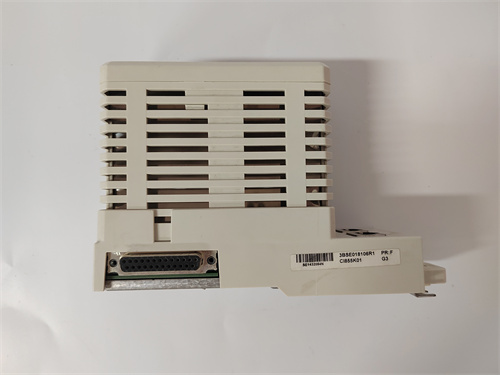
ABB DSQC646 3HAC026271-001 Robot I/O Expansion Unit
Manufacturer:ABB
Product Number:ABB DSQC646 3HAC026271-001
Payment Methods:T/T, PayPal, Western Union
Condition:New & In Stock
Warranty:1 Year
Lead Time:1-3 Working Days
Certificate:COO
Courier partners:DHL, UPS, TNT, FedEx and EMS.
Business hours:7*24
Product Description
The DSQC646 3HAC026271-001 is a robot-specific digital I/O module engineered to extend the ABB IRC5 controller’s interface capabilities while withstanding factory-floor harshness. At its core, a 16-bit microcontroller processes input signals and drives outputs, communicating with the robot’s main CPU via the IRC5 backplane—this eliminates latency from external gateways, ensuring real-time synchronization between I/O and robot motion.
Key Technical Specifications
- Model Number: ABB DSQC646 3HAC026271-001
- Manufacturer: ABB Robotics Division
- Channel Configuration: 16 digital inputs (sinking/sourcing), 16 digital outputs (sourcing)
- Input Rating: 24VDC ±10%, 4-10mA active current; 1ms response time
- Output Rating: 24VDC ±10%, 2A per channel; 8A total module load
- Protection Features: ±2kV surge (IEC 61000-4-5), short-circuit, reverse polarity protection
- Power Supply: 24VDC from IRC5 controller backplane; 0.4A typical draw
- Operating Temperature: 0°C to +45°C (32°F to +113°F)
- Isolation Rating: 500V AC (channel-to-channel); 1kV AC (I/O to backplane)
- Compatibility: ABB IRC5/IRC5 Compact controllers, IRB 4600/6700/7600 robots
- Mechanical Design: Robot cabinet-mount, DIN rail-compatible, conformal-coated PCB
- Certifications: CE, UL 508, IEC 61010-1, ISO 10218-1 (robot safety)
Field Application & Problem Solved
In robot automation—automotive welding lines, electronics assembly, and material handling—generic I/O modules cause two critical issues: noise-induced false signals and poor integration with robot controllers. A Michigan auto plant lost $75k in a single shift when a generic module’s unfiltered inputs picked up EMI from welding robots, triggering false safety stops that halted a production line. Legacy modules also lack channel density: a Texas electronics plant needed 3 separate modules to handle 32 I/O points for a pick-and-place robot, cluttering the cabinet and increasing wiring failures.
You’ll find this module mounted in IRC5 controller cabinets powering critical robot tasks: welding gun position sensors in Ohio auto plants, gripper actuation in California battery factories, and conveyor interlocks in Illinois distribution centers. Its core value is IRC5-native integration plus noise immunity. The built-in EMI filtering fixed the Michigan plant’s false stops, cutting downtime by 90%. At the Texas plant, the 32-channel density replaced 3 generic modules with one DSQC646, reducing wiring by 60% and eliminating module-to-module communication failures.
For a Mexico automotive stamping plant, the module’s surge protection survived a lightning-induced transient that fried 2 generic modules—avoiding $40k in replacement costs and 8 hours of downtime. Its conformal coating also withstood metal dust in a Indiana foundry’s robot cell, outlasting uncoated modules by 2.5x.
Installation & Maintenance Pitfalls
- Input Type Configuration—Match to Sensor Wiring: Rookies leave inputs set to default (sinking) but use sourcing sensors, resulting in no signal detection. A North Carolina packaging plant made this mistake, delaying robot commissioning by 4 hours. Use ABB’s RobotStudio software to configure each input channel (sinking = common -, sourcing = common +) and label terminals clearly. Test with a multimeter: active inputs should draw 4-10mA.
- Output Overloading—Don’t Exceed 2A Per Channel: Driving 3A gripper motors directly through outputs melts internal contacts. A Tennessee automotive plant did this, costing $350 in module repairs and 2 hours of line downtime. Use ABB’s compact contactors (1SBL161001R8001) for loads >2A, and add 2A fuses (1SFA616001R1000) per channel as a backup.
- Shield Grounding—Single Point to Robot Chassis: Daisy-chaining I/O cable shields creates noise loops. A Florida electronics plant’s robot kept false-triggering until we grounded each DSQC646’s shield clamp directly to the IRC5 chassis (not the cabinet ground). Use 360° shield clamps (1SFL500001R0001) to ensure solid contact—loose shields = erratic robot behavior.
- Firmware Compatibility—Sync with IRC5 Controller: Outdated module firmware causes communication drops. A Colorado material handling facility ran a DSQC646 with v2.1 firmware alongside an IRC5 with v3.2—robot I/O status failed to update. Upgrade via RobotStudio’s “Module Firmware Update” tool; always match module firmware to controller firmware (within ±1 version).
Each input channel features a low-pass filter and surge suppression circuit: metal-oxide varistors (MOVs) clamp voltage spikes to <2kV, while RC filtering reduces EMI from welding equipment or VFDs. The 16 sourcing outputs use MOSFET switches (instead of mechanical relays) for fast switching (<1ms) and long life, with auto-reset short-circuit protection that cuts current to faulty channels without affecting the rest.
Ruggedization is tailored for robot cells: the conformal-coated PCB resists oil, coolants, and metal dust, while the 0°C to +45°C operating range handles temperature swings in welding bays. The module’s native IRC5 integration means no custom drivers—RobotStudio automatically detects it, assigns I/O addresses, and lets technicians map channels to robot logic directly.
What sets it apart from generic I/O modules is the tight synchronization with robot motion. The module’s backplane communication ensures I/O signals update in lockstep with robot position (1ms cycle time), critical for tasks like welding seam tracking or precision picking. For plants where robot downtime costs $10k+ per hour, this module isn’t just an I/O expander—it’s a reliability cornerstone that keeps automated lines running smoothly.
Need a Custom Automation Solution?
Our team of experts can design and implement a tailored automation system to meet your specific requirements.