
Our Products
Comprehensive industrial automation solutions for global industries
Contact us
If you are interested in our products and want to know more details,please Contact us,we will reply you as soon as we can.
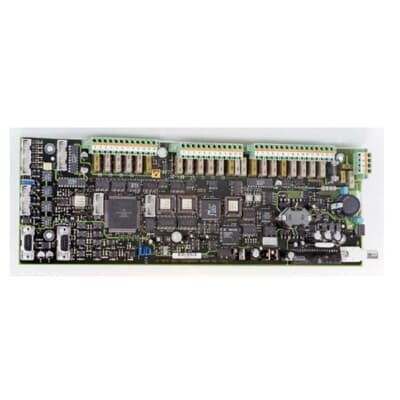
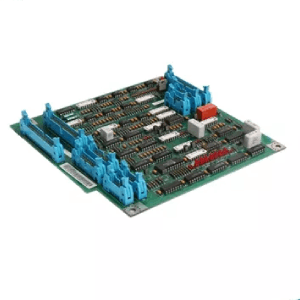
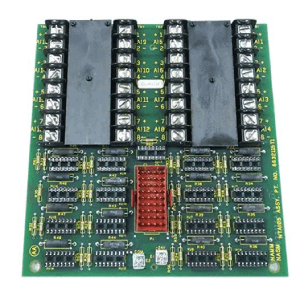
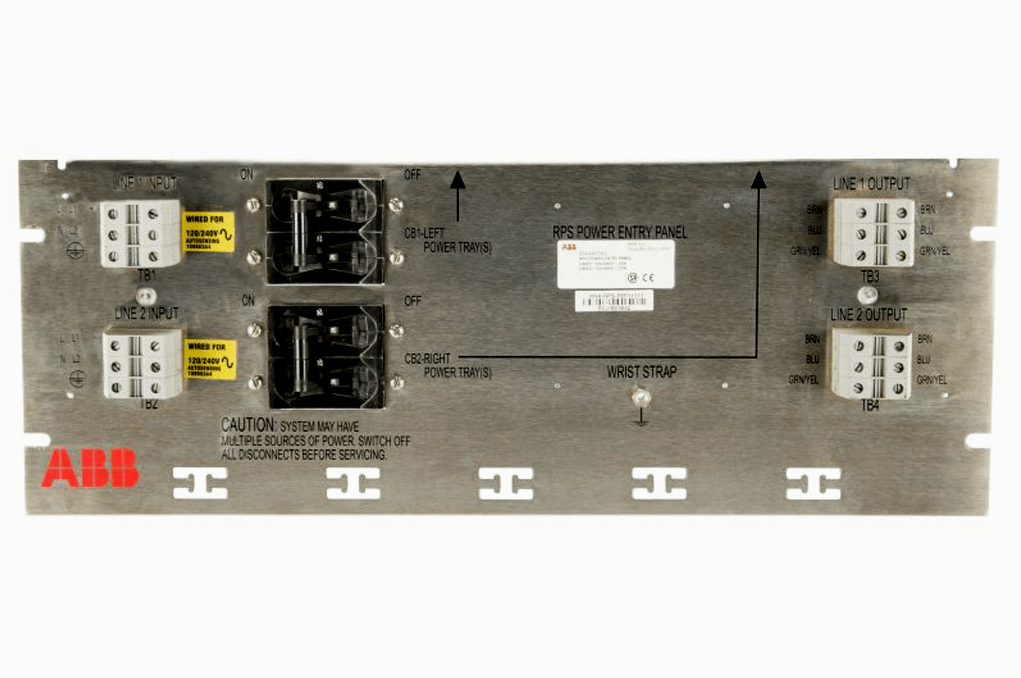
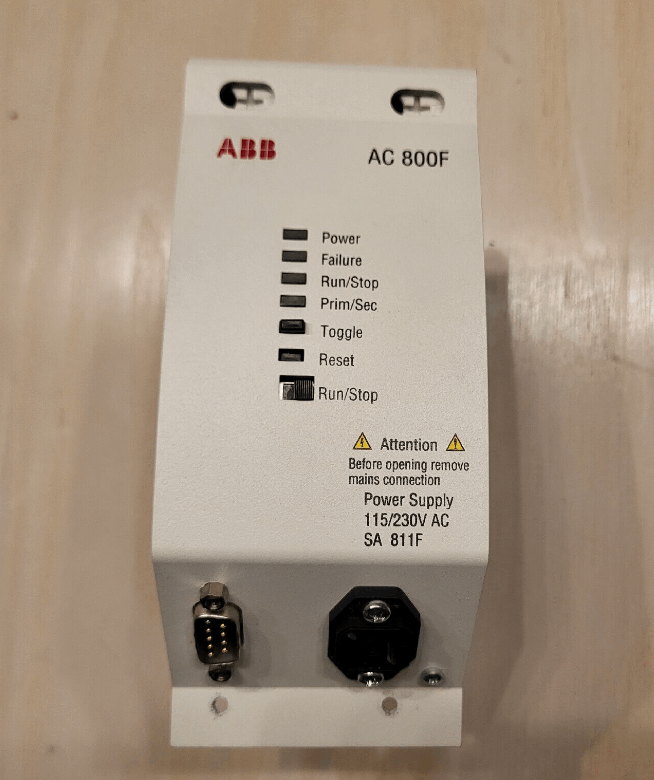
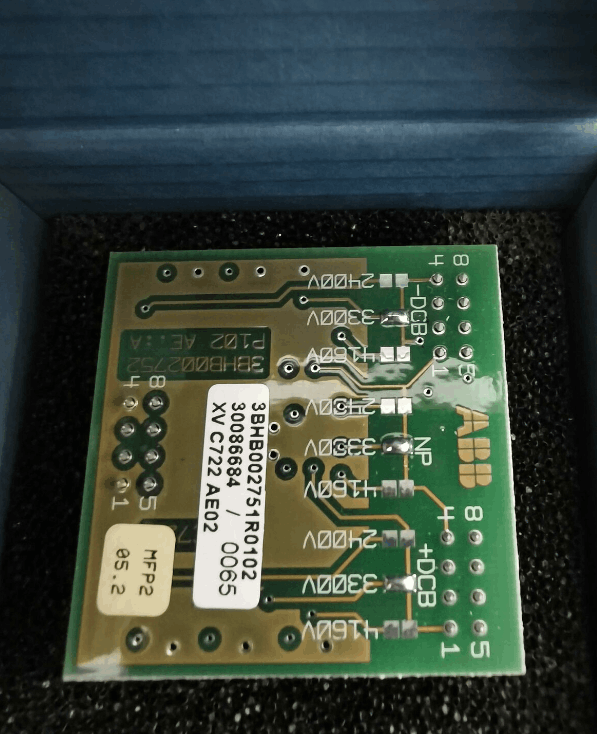
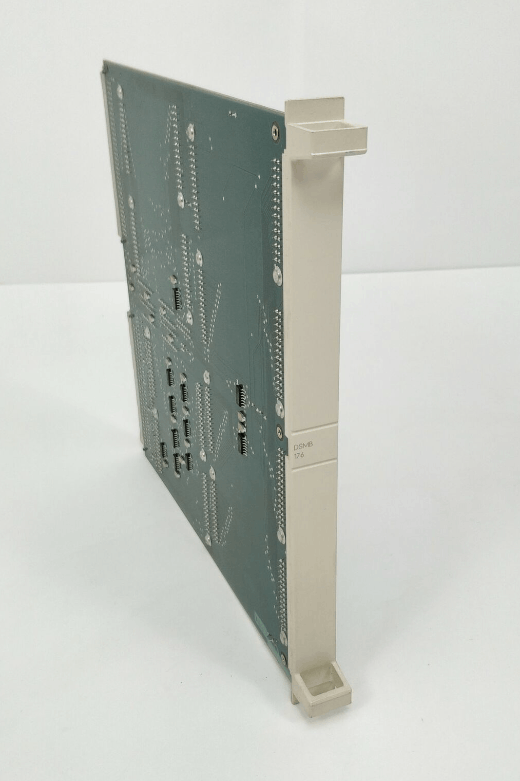
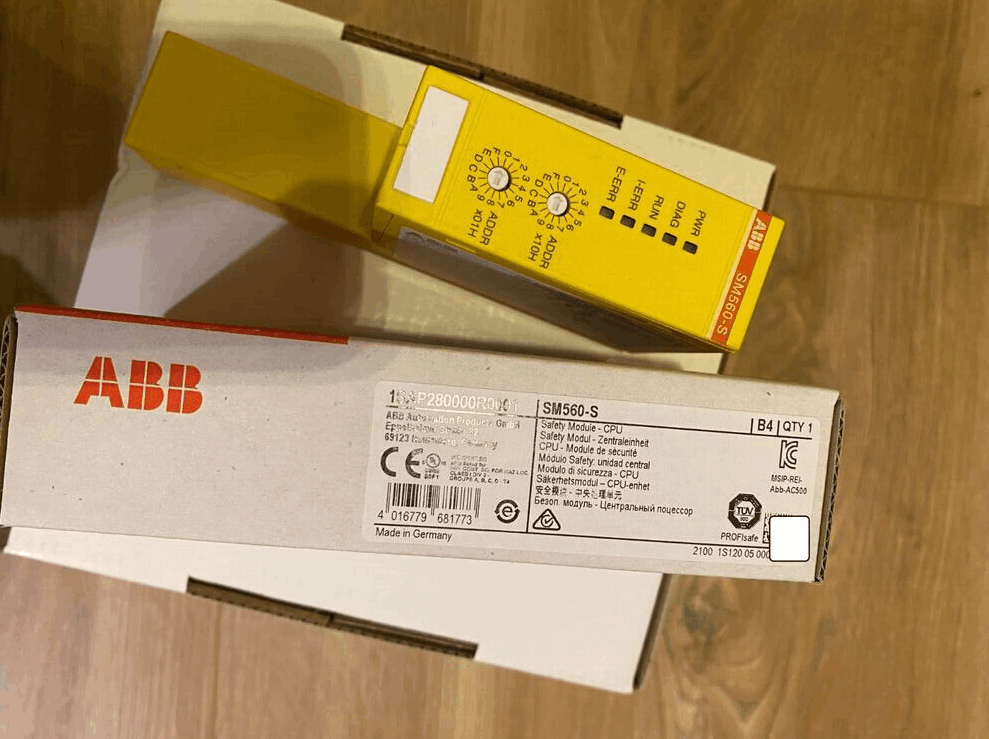
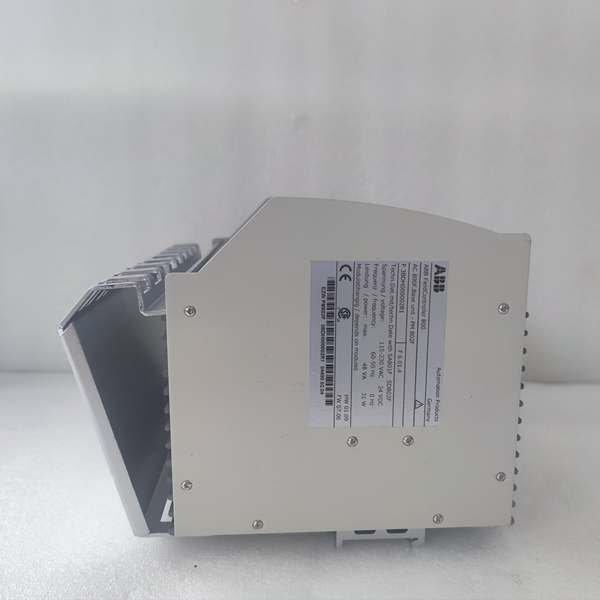
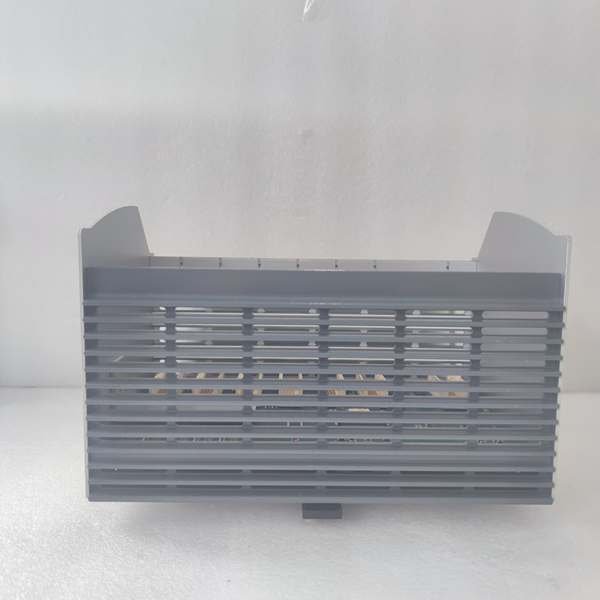
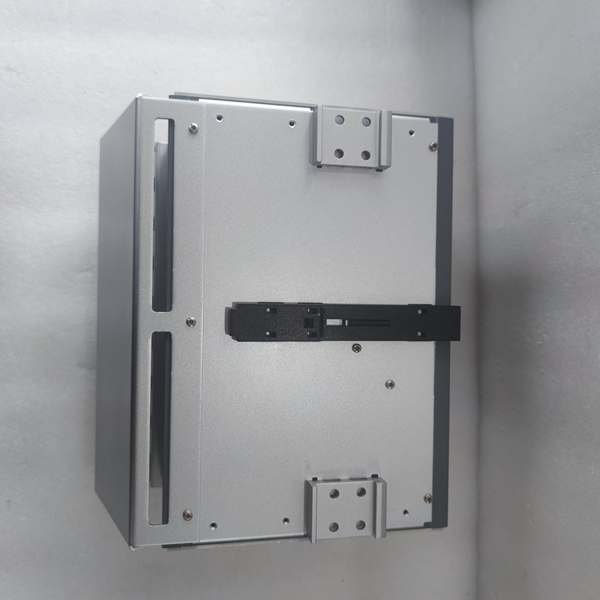
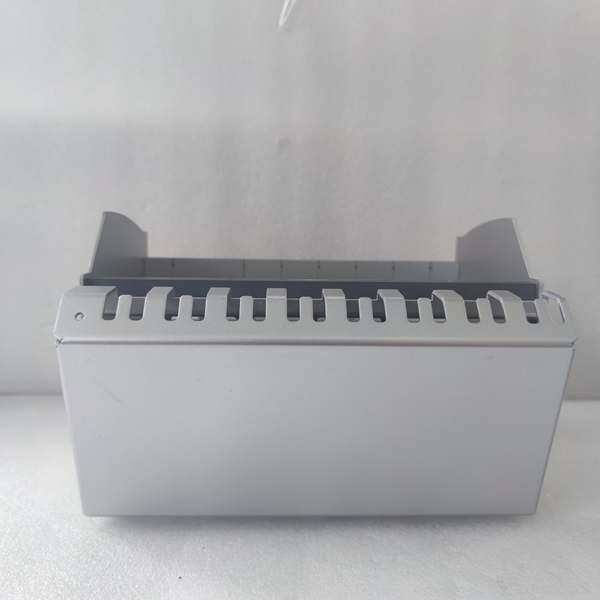
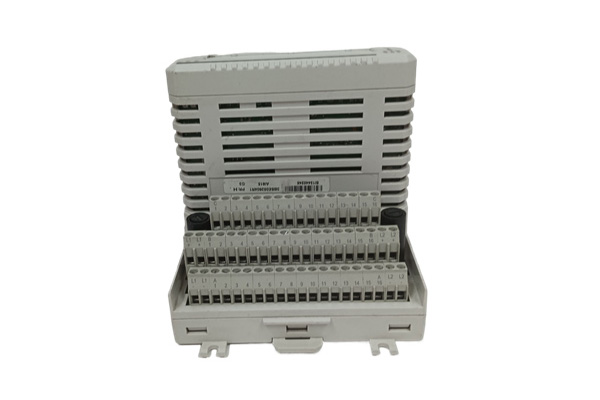
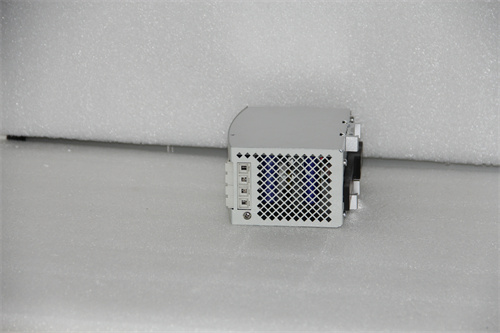
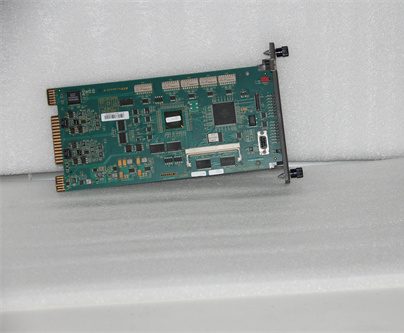
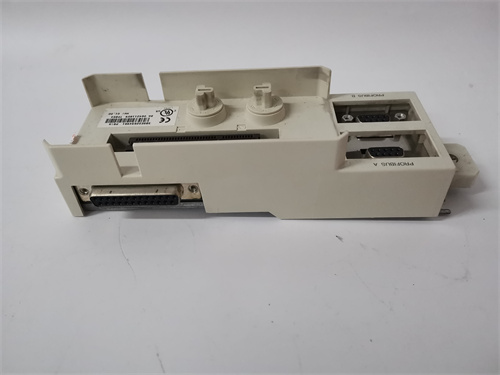
ABB AC800F/PM802F Process Control CPU Module
Manufacturer:ABB
Product Number:ABB AC800F/PM802F
Payment Methods:T/T, PayPal, Western Union
Condition:New & In Stock
Warranty:1 Year
Lead Time:1-3 Working Days
Certificate:COO
Courier partners:DHL, UPS, TNT, FedEx and EMS.
Business hours:7*24
Product Description
The ABB AC800F/PM802F is a mid-range process control CPU module engineered for Freelance DCS, balancing performance, safety, and integration for mid-scale industrial applications. At its core, a 150 MIPS RISC processor executes control logic (PID loops, sequential function charts) and safety interlocks simultaneously, with dedicated hardware for SIL 3 compliance—lockstep processing ensures safety logic is validated against hardware faults, a critical feature missing from generic controllers.
Key Technical Specifications
- Model Number: ABB AC800F/PM802F
- Manufacturer: ABB Industrial Automation Division
- CPU Architecture: 32-bit Super Scalar RISC processor, 150 MIPS (million instructions per second)
- Memory Configuration: 4MB battery-backed RAM (error-correcting), 4MB Flash-EPROM (non-volatile)
- Redundancy Support: 1+1 hot-standby, automatic failover <5ms, sync via dedicated backplane link
- Communication Ports: 2 × 10/100Mbps Ethernet (RJ45), 1 × PROFIBUS-DPV1 port, 1 × CAN bus (backplane)
- Protocol Support: Modbus RTU/TCP, PROFIBUS-DPV1, FOUNDATION Fieldbus HSE (via module), IEC 60870-5-101/104
- Power Supply: 24VDC ±10% (from Freelance backplane), 0.5A typical current draw
- Operating Temperature: 0°C to +60°C (32°F to +140°F)
- Safety Certification: IEC 61508/61511 (SIL 3) for safety-critical control loops
- I/O Capacity: Up to 1,000 I/O points per controller (expandable via fieldbuses)
- Compatibility: ABB Freelance I/O modules (DI810, AI810, AO810), Freelance Engineering Tool, 800xA DCS (via gateway)
- Certifications: CE, UL 508, NAMUR, ISA-S71.04 (G3 environmental severity)
Field Application & Problem Solved
In mid-scale process automation—refinery auxiliary systems, power plant boiler controls, chemical batch reactors—generic controllers fail two critical tests: safety compliance and seamless multi-protocol integration. A Louisiana chemical plant lost $180k in a 4-hour outage when a non-SIL-certified generic controller failed to trigger an emergency shutdown during a reactor overpressure event. Legacy controllers also force costly gateways: a Pennsylvania power plant spent $30k on protocol converters to connect a third-party controller to PROFIBUS sensors and Modbus RTUs, leading to 2 hours of monthly downtime from communication failures.
You’ll find this controller as the backbone of Freelance DCS racks in: small-to-medium refineries (crude distillation auxiliary loops), coal plant boiler feedwater control, and pharmaceutical batch reactors. Its core value is SIL 3 safety compliance + native multi-protocol support + reliable redundancy. The SIL 3 certification ensured the Louisiana plant met OSHA safety standards, avoiding $250k in non-compliance fines. At the power plant, built-in PROFIBUS and Modbus support replaced three gateways, cutting downtime to 15 minutes monthly and saving $24k annually.
For a Minnesota paper mill, the battery-backed RAM preserved control logic during a 3-hour power outage, allowing immediate restart without reconfiguration—something the previous generic controller (non-battery-backed) couldn’t do, costing 8 hours of production pre-upgrade.
Installation & Maintenance Pitfalls
- Redundancy Sync Cable: Use ABB-Certified Only: Rookies use generic Ethernet cables for controller sync, causing failover failures. A Texas refinery did this; the standby controller failed to sync during a voltage sag, triggering a 90-minute shutdown. Use ABB’s 1SFL500003R0001 shielded cable (max length 2m) and secure with strain relief—generic cables can’t handle the sync link’s real-time data requirements.
- Firmware Mismatch Breaks Safety Logic: Outdated PM802F firmware (pre-v5.1) with Freelance Engineering Tool v9.0+ corrupts SIL 3 logic. A North Carolina pharmaceutical plant learned this the hard way when a batch failed due to safety interlock misfires. Update firmware via Ethernet using the Freelance Tool; verify both redundant controllers have identical firmware versions (check ABB’s compatibility matrix).
- Battery Replacement: Don’t Delay Past 5 Years: The RAM backup battery degrades after 5 years, risking logic loss during power outages. A Michigan chemical plant neglected this, losing 3 hours of production when the battery died and control logic was corrupted. Replace with ABB’s 3BSE008510R1 lithium battery annually as preventive maintenance (don’t wait for low-battery alarms).
- Safety I/O Mapping: Validate with Test Kit: Incorrectly mapping safety-related I/O in the Freelance Tool renders SIL 3 certification void. A Florida power plant’s boiler shutdown logic failed during testing because AI channels were assigned to non-safety I/O groups. Use ABB’s 1SVR730700R0000 test kit to verify safety signal paths, and document mappings per OSHA requirements.
The 4MB battery-backed RAM preserves control logic and process data during power outages (up to 72 hours without power), while 4MB Flash-EPROM stores firmware and user programs with wear leveling for long-term reliability. A separate communication processor handles protocol translation and backplane traffic, eliminating bottlenecks that plague single-processor generic controllers—this ensures control loop scan times remain <5ms even when polling 500+ I/O points.
Redundancy is managed via a dedicated backplane sync link: the primary controller transmits real-time data (loop setpoints, I/O status, safety flags) to the standby unit at 1ms intervals. If the primary detects a fault (CPU error, power loss, communication failure), the standby takes over in <5ms—faster than the Freelance I/O’s data hold time, so no process disruption.
What sets it apart from generic controllers is seamless Freelance DCS integration—no custom drivers or scripting required. It’s factory-calibrated to work with Freelance I/O modules and the Freelance Engineering Tool, reducing commissioning time by 40%. For facilities where safety compliance and uptime are non-negotiable, this module isn’t just a controller—it’s a reliable, compliant core that keeps mid-scale processes running safely and efficiently.
 Loading comments...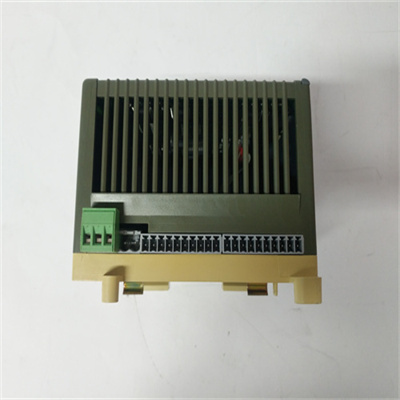
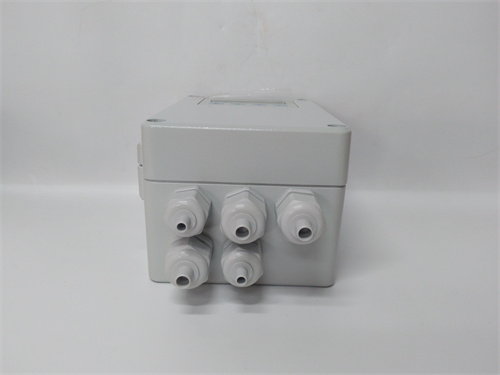
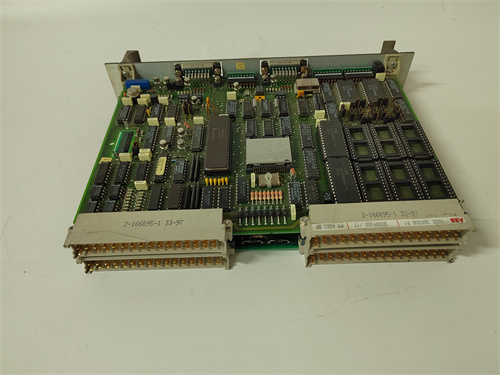
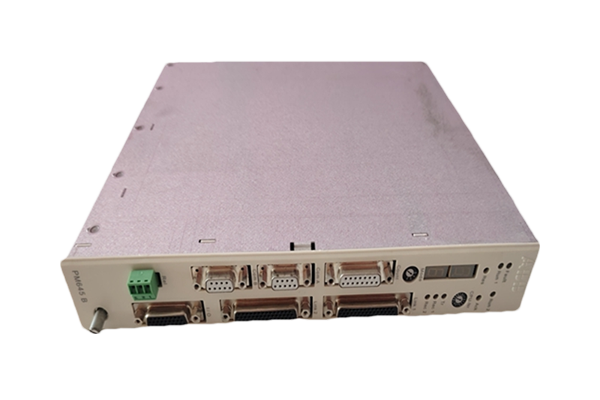
ABB AC800F/PM802F Process Control CPU Module
Manufacturer:ABB
Product Number:ABB AC800F/PM802F
Payment Methods:T/T, PayPal, Western Union
Condition:New & In Stock
Warranty:1 Year
Lead Time:1-3 Working Days
Certificate:COO
Courier partners:DHL, UPS, TNT, FedEx and EMS.
Business hours:7*24
Product Description
The ABB AC800F/PM802F is a mid-range process control CPU module engineered for Freelance DCS, balancing performance, safety, and integration for mid-scale industrial applications. At its core, a 150 MIPS RISC processor executes control logic (PID loops, sequential function charts) and safety interlocks simultaneously, with dedicated hardware for SIL 3 compliance—lockstep processing ensures safety logic is validated against hardware faults, a critical feature missing from generic controllers.
Key Technical Specifications
- Model Number: ABB AC800F/PM802F
- Manufacturer: ABB Industrial Automation Division
- CPU Architecture: 32-bit Super Scalar RISC processor, 150 MIPS (million instructions per second)
- Memory Configuration: 4MB battery-backed RAM (error-correcting), 4MB Flash-EPROM (non-volatile)
- Redundancy Support: 1+1 hot-standby, automatic failover <5ms, sync via dedicated backplane link
- Communication Ports: 2 × 10/100Mbps Ethernet (RJ45), 1 × PROFIBUS-DPV1 port, 1 × CAN bus (backplane)
- Protocol Support: Modbus RTU/TCP, PROFIBUS-DPV1, FOUNDATION Fieldbus HSE (via module), IEC 60870-5-101/104
- Power Supply: 24VDC ±10% (from Freelance backplane), 0.5A typical current draw
- Operating Temperature: 0°C to +60°C (32°F to +140°F)
- Safety Certification: IEC 61508/61511 (SIL 3) for safety-critical control loops
- I/O Capacity: Up to 1,000 I/O points per controller (expandable via fieldbuses)
- Compatibility: ABB Freelance I/O modules (DI810, AI810, AO810), Freelance Engineering Tool, 800xA DCS (via gateway)
- Certifications: CE, UL 508, NAMUR, ISA-S71.04 (G3 environmental severity)
Field Application & Problem Solved
In mid-scale process automation—refinery auxiliary systems, power plant boiler controls, chemical batch reactors—generic controllers fail two critical tests: safety compliance and seamless multi-protocol integration. A Louisiana chemical plant lost $180k in a 4-hour outage when a non-SIL-certified generic controller failed to trigger an emergency shutdown during a reactor overpressure event. Legacy controllers also force costly gateways: a Pennsylvania power plant spent $30k on protocol converters to connect a third-party controller to PROFIBUS sensors and Modbus RTUs, leading to 2 hours of monthly downtime from communication failures.
You’ll find this controller as the backbone of Freelance DCS racks in: small-to-medium refineries (crude distillation auxiliary loops), coal plant boiler feedwater control, and pharmaceutical batch reactors. Its core value is SIL 3 safety compliance + native multi-protocol support + reliable redundancy. The SIL 3 certification ensured the Louisiana plant met OSHA safety standards, avoiding $250k in non-compliance fines. At the power plant, built-in PROFIBUS and Modbus support replaced three gateways, cutting downtime to 15 minutes monthly and saving $24k annually.
For a Minnesota paper mill, the battery-backed RAM preserved control logic during a 3-hour power outage, allowing immediate restart without reconfiguration—something the previous generic controller (non-battery-backed) couldn’t do, costing 8 hours of production pre-upgrade.
Installation & Maintenance Pitfalls
- Redundancy Sync Cable: Use ABB-Certified Only: Rookies use generic Ethernet cables for controller sync, causing failover failures. A Texas refinery did this; the standby controller failed to sync during a voltage sag, triggering a 90-minute shutdown. Use ABB’s 1SFL500003R0001 shielded cable (max length 2m) and secure with strain relief—generic cables can’t handle the sync link’s real-time data requirements.
- Firmware Mismatch Breaks Safety Logic: Outdated PM802F firmware (pre-v5.1) with Freelance Engineering Tool v9.0+ corrupts SIL 3 logic. A North Carolina pharmaceutical plant learned this the hard way when a batch failed due to safety interlock misfires. Update firmware via Ethernet using the Freelance Tool; verify both redundant controllers have identical firmware versions (check ABB’s compatibility matrix).
- Battery Replacement: Don’t Delay Past 5 Years: The RAM backup battery degrades after 5 years, risking logic loss during power outages. A Michigan chemical plant neglected this, losing 3 hours of production when the battery died and control logic was corrupted. Replace with ABB’s 3BSE008510R1 lithium battery annually as preventive maintenance (don’t wait for low-battery alarms).
- Safety I/O Mapping: Validate with Test Kit: Incorrectly mapping safety-related I/O in the Freelance Tool renders SIL 3 certification void. A Florida power plant’s boiler shutdown logic failed during testing because AI channels were assigned to non-safety I/O groups. Use ABB’s 1SVR730700R0000 test kit to verify safety signal paths, and document mappings per OSHA requirements.
The 4MB battery-backed RAM preserves control logic and process data during power outages (up to 72 hours without power), while 4MB Flash-EPROM stores firmware and user programs with wear leveling for long-term reliability. A separate communication processor handles protocol translation and backplane traffic, eliminating bottlenecks that plague single-processor generic controllers—this ensures control loop scan times remain <5ms even when polling 500+ I/O points.
Redundancy is managed via a dedicated backplane sync link: the primary controller transmits real-time data (loop setpoints, I/O status, safety flags) to the standby unit at 1ms intervals. If the primary detects a fault (CPU error, power loss, communication failure), the standby takes over in <5ms—faster than the Freelance I/O’s data hold time, so no process disruption.
What sets it apart from generic controllers is seamless Freelance DCS integration—no custom drivers or scripting required. It’s factory-calibrated to work with Freelance I/O modules and the Freelance Engineering Tool, reducing commissioning time by 40%. For facilities where safety compliance and uptime are non-negotiable, this module isn’t just a controller—it’s a reliable, compliant core that keeps mid-scale processes running safely and efficiently.
Need a Custom Automation Solution?
Our team of experts can design and implement a tailored automation system to meet your specific requirements.