
Our Products
Comprehensive industrial automation solutions for global industries
Contact us
If you are interested in our products and want to know more details,please Contact us,we will reply you as soon as we can.
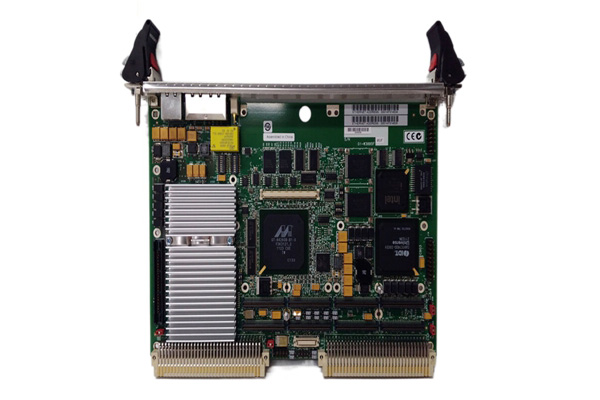
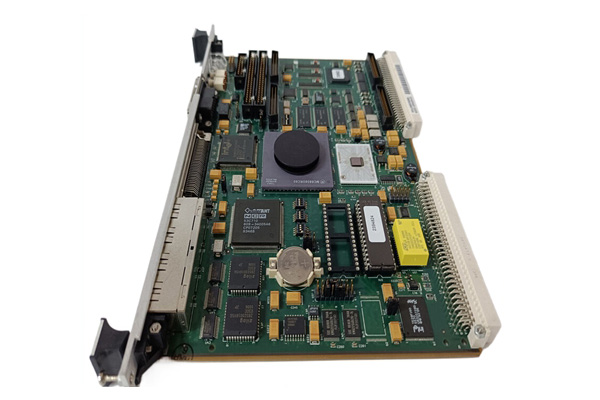
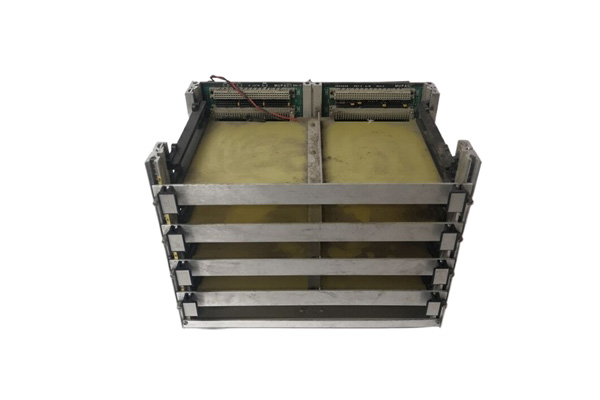
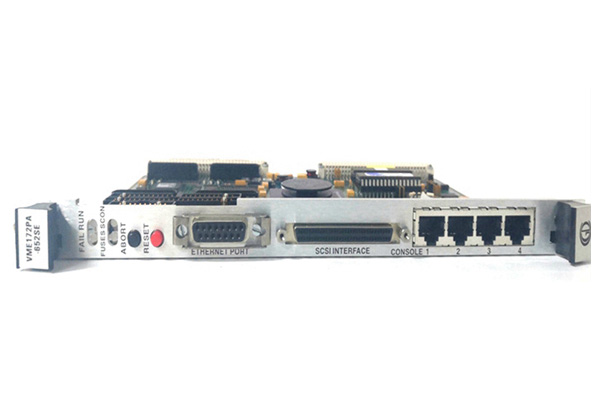
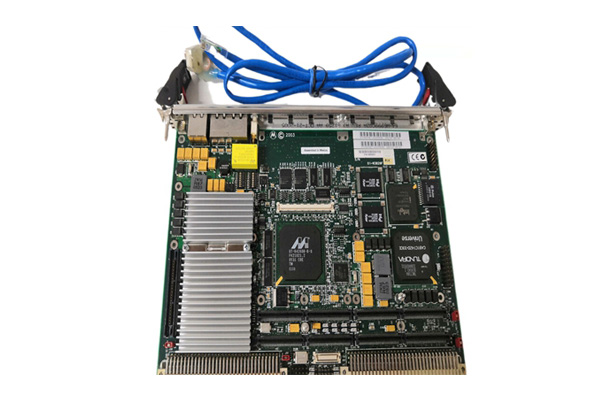
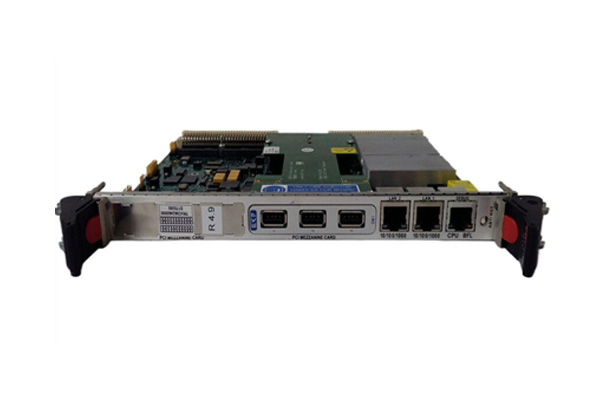
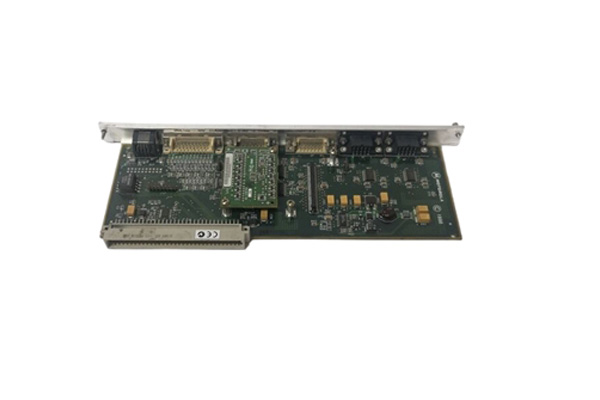
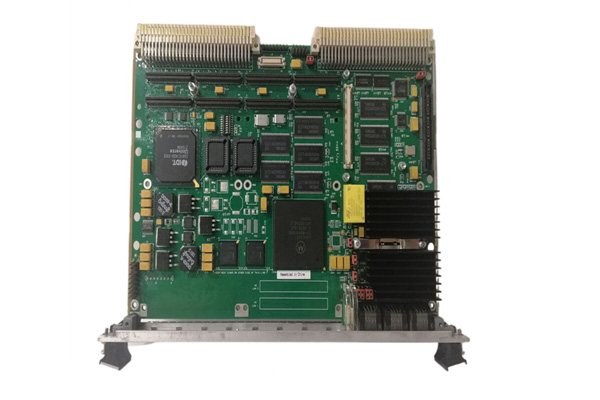
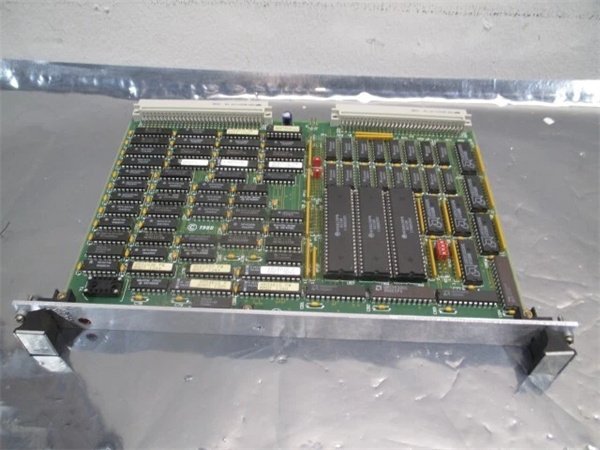
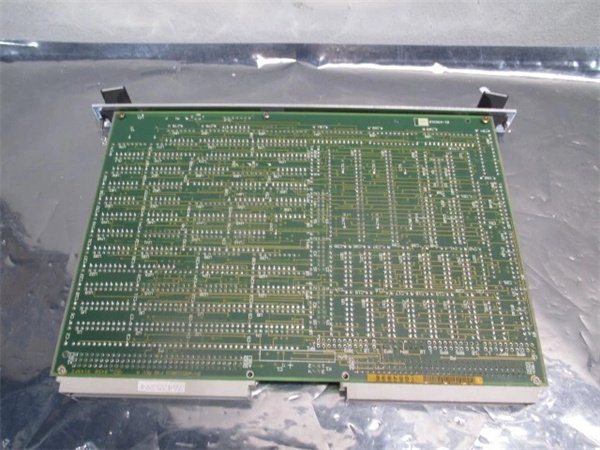
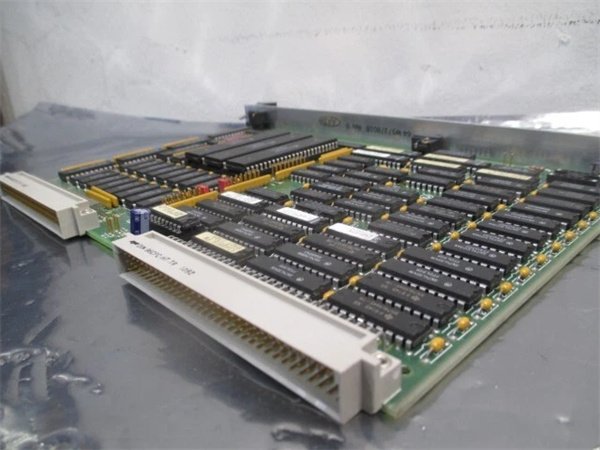
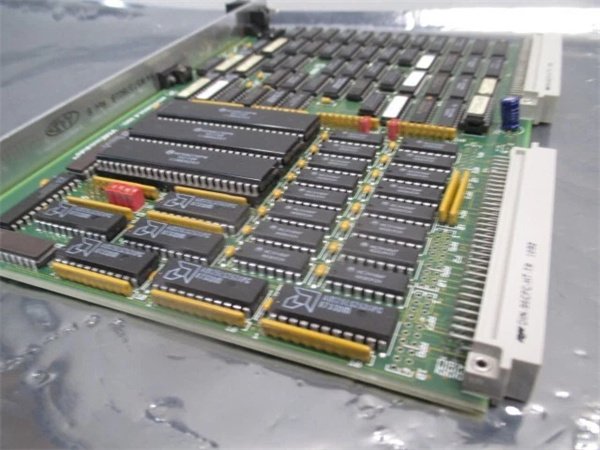
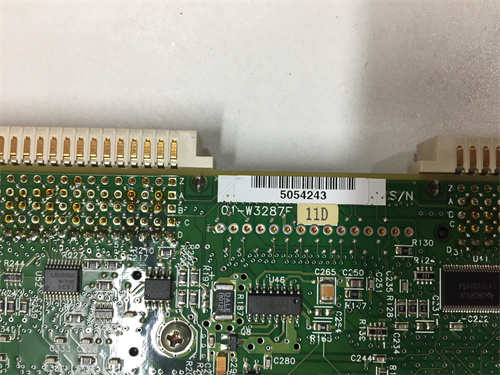
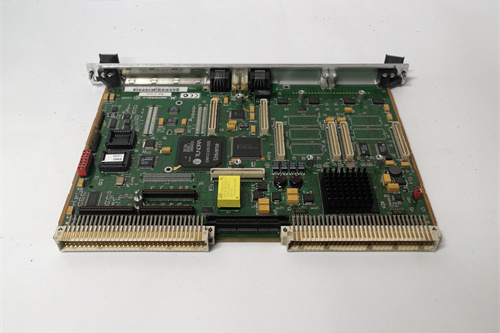
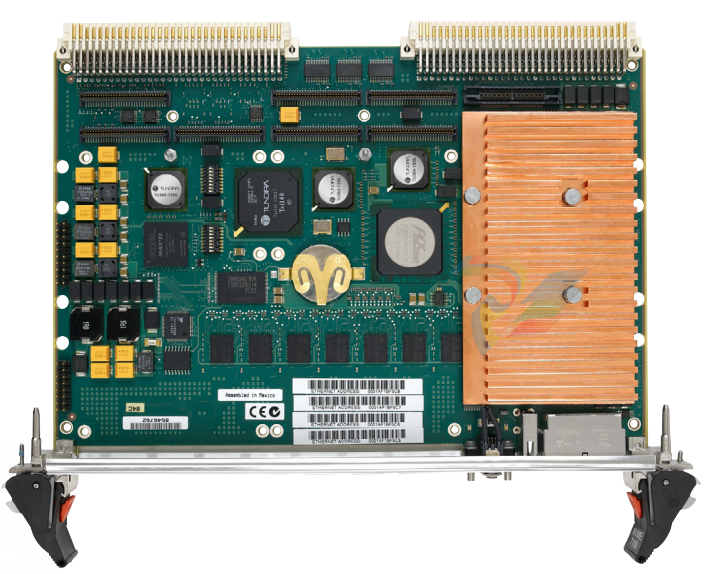
Motorola MVME-340A Foundational Entry-Level Asynchronous Serial Communication Module
Manufacturer:Motorola
Product Number:Motorola MVME-340A
Payment Methods:T/T, PayPal, Western Union
Condition:New & In Stock
Warranty:1 Year
Lead Time:1-3 Working Days
Certificate:COO
Courier partners:DHL, UPS, TNT, FedEx and EMS.
Business hours:7*24
Product Description
The Motorola MVME-340A is a legacy industrial VMEbus foundational entry-level asynchronous serial communication module—serving as the predecessor to the more flexible Motorola MVME-340B. Unlike its successor (which adds RS-422 support and higher speed), Motorola MVME-340A focuses on the most basic serial connectivity needs: 2 fixed RS-232C ports, 4800 bps max speed, and 7-bit data handling—designed for early 1990s-era small-scale industrial systems.
As one of Motorola’s earliest VME serial modules, Motorola MVME-340A acts as a “bare-bones serial link” for legacy host SBCs like Motorola MVME-147-011 or Motorola MVME-147SA-1. Its ability to connect simple low-speed devices (e.g., early dumb terminals, basic thermal printers, 7-bit sensors) made it a staple for entry-level automation setups—for example, a small 1990s-era manufacturing shop using Motorola MVME-340A to log machine runtimes to a serial printer and display statuses on a dumb terminal. Its ultra-compact profile and minimal power draw also suited space-constrained environments like vintage laboratory test equipment or standalone process controllers—where replacing it would require costly retrofitting of legacy 7-bit serial devices.
Detailed Parameter Table
| Parameter name | Parameter value |
| Product model | Motorola MVME-340A |
| Manufacturer | Motorola (now part of Emerson Industrial Automation) |
| Product category | Legacy Industrial VMEbus Foundational Entry-Level Asynchronous Serial Communication Module |
| Serial Ports | 2 fixed RS-232C ports (no RS-422/RS-485 support; non-configurable hardware) |
| Communication Speed | Asynchronous only: 50 bps–4800 bps (max); No synchronous mode support |
| Data Handling | 7-bit data only; 1 stop bit (fixed); Parity (None/Even/Odd, software-selectable); No flow control (XON/XOFF or hardware) |
| Power Requirements | Input voltage: +5V DC (±5%); Power consumption: 1.5 W typical (25°C), 2.8 W maximum |
| VMEbus Compatibility | A16/D8 slave interface (IEEE 1014-1987 compliant); 2 configurable interrupt vectors; Polled mode only (no DMA) |
| Environmental Ratings | Operating temperature: 5°C–50°C (41°F–122°F); Storage temperature: -40°C–85°C (-40°F–185°F); Humidity: 10%–85% (non-condensing); Vibration: 10–1000 Hz, 0.8 g (rms); Shock: 30 g (peak, 1 ms) |
| Physical Dimensions | 3U VMEbus form factor: 100mm × 160mm × 16mm (3.94in × 6.30in × 0.63in); Weight: 250 g (0.55 lbs) |
| Diagnostic Functions | Single LED indicator (power/global transmit/receive; no per-port status); Basic framing error detection |
| Compatible Host SBCs | Motorola MVME-147-011, Motorola MVME-147SA-1, Motorola MVME-166-11A (legacy firmware versions) |
| Operating System Support | OS-9 v2.1, VxWorks 5.0, QNX 4.20; Driver support for basic 7-bit asynchronous serial communication |
| Cable Support | RS-232C: Up to 10 m (32.8 ft) with unshielded twisted-pair cable; 15 m max with shielded cable |
| Product Life Cycle | Discontinued/Obsolete (early 1990s production) |
Core Advantages and Technical Highlights
Foundational Reliability for Legacy 7-Bit Systems: Motorola MVME-340A is engineered to work seamlessly with early 1990s 7-bit serial devices—equipment that Motorola MVME-340B (8-bit capable) may not fully support without firmware modifications. A museum preserving vintage industrial control systems uses Motorola MVME-340A to connect a 1989-era RS-232C dumb terminal (7-bit ASCII only) to Motorola MVME-147-011, ensuring the terminal displays accurate system statuses. The module’s fixed 7-bit data format eliminates configuration errors common with newer modules, maintaining the authenticity and functionality of legacy setups.
Ultra-Low Power + Compact Footprint: With 1.5 W typical power consumption (30% lower than Motorola MVME-340B) and a slim 16mm profile, Motorola MVME-340A is ideal for battery-powered or space-constrained vintage equipment. A portable 1990s-era field test rig uses Motorola MVME-340A to connect 2 RS-232C data loggers to Motorola MVME-147SA-1—its low power draw extending battery life to 8+ hours (vs. 5 hours with Motorola MVME-340B). The module’s lightweight (250 g) also reduces the rig’s overall weight, making it easier to transport to remote test sites.
Cost-Effective for Basic Serial Needs: Motorola MVME-340A delivers essential serial connectivity at a lower cost than both Motorola MVME-340B and Motorola MVME341A, making it suitable for users with minimal requirements. A small rural utility maintaining a 1995-era water pump controller uses Motorola MVME-340A to connect a single RS-232C pressure sensor (4800 bps, 7-bit) to Motorola MVME-166-11A—avoiding the $600+ premium for unused features like RS-422 or 8-bit data. The module’s simplified design also reduces maintenance time, as technicians only need to configure parity (no speed or port mode adjustments).
Typical Application Scenarios
In a vintage automotive component test lab (maintaining 1990s-era equipment), Motorola MVME-340A is paired with Motorola MVME-147-011 to control a legacy torque test rig. It uses 1 RS-232C port to connect a 7-bit torque sensor (4800 bps) that measures component stress, and 1 port to send test results to a 1992-era thermal printer (also 7-bit). The module’s lack of flow control is non-issue for the rig’s slow 2-second data update cycle, while its 5°C–50°C operating range matches the lab’s climate-controlled environment. Motorola MVME-340A’s A16/D8 VME interface ensures compatibility with the SBC’s legacy firmware, avoiding costly firmware upgrades.
For a museum’s industrial heritage exhibit (showcasing 1990s factory automation), Motorola MVME-340A connects Motorola MVME-147SA-1 to a 1988-era RS-232C dumb terminal and a vintage barcode scanner (both 7-bit, 4800 bps). The module’s single power/activity LED lets exhibit visitors see when data is transmitted (blinking) or the system is powered (steady), while its compact size fits in the exhibit’s 2-slot VME chassis. Motorola MVME-340A’s ability to handle 7-bit data ensures the terminal displays correct ASCII characters (e.g., no garbled symbols), preserving the authenticity of the 1990s automation experience.
Installation Commissioning and Maintenance Instructions
Installation preparation: Before installing Motorola MVME-340A, verify the VME chassis has a 3U slot and the host SBC (e.g., Motorola MVME-147-011) supports A16/D8 addressing (critical for compatibility). Confirm the power supply provides +5V DC (±5%)–use a precision multimeter to avoid voltage ripple that corrupts 7-bit serial data. Gather tools: anti-static wristband (protects the module’s delicate early-era transceivers), torque screwdriver (0.3 N·m for mounting), and shielded RS-232C cable (22 AWG, max 10 m). Ensure connected devices are 7-bit RS-232C (4800 bps max)–Motorola MVME-340A will not communicate with 8-bit or higher-speed devices.
Maintenance suggestions: For daily upkeep, check Motorola MVME-340A’s single LED–steady light means power is active; blinking indicates transmit/receive activity. Test communication monthly by sending a 512-byte 7-bit ASCII test packet (e.g., “TEST123”) to connected devices; verify no framing errors. Clean the module’s vents quarterly with compressed air (10 PSI max)–early-era components are more sensitive to dust buildup. If communication fails, check cable continuity (RS-232C pins 2, 3, 5) and device parity settings (must match the module’s configuration); replace the module if cables/devices are functional (no repairable components). Store spare Motorola MVME-340A units in anti-static bags (15°C–25°C, 40%–60% humidity) to preserve early-era serial chips.
 Loading comments...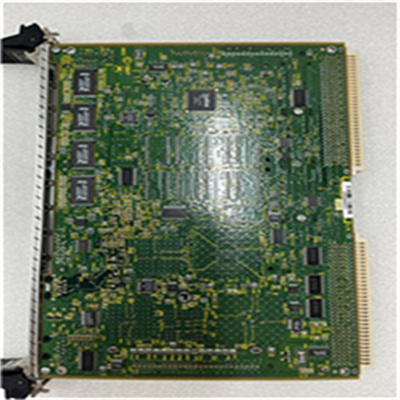
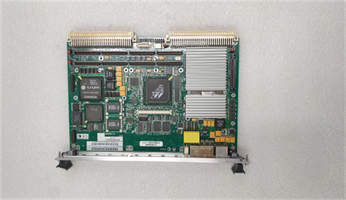
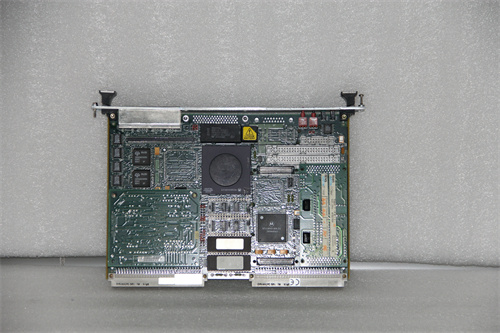
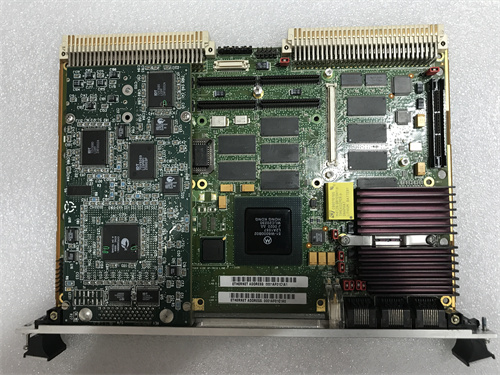
Motorola MVME-340A Foundational Entry-Level Asynchronous Serial Communication Module
Manufacturer:Motorola
Product Number:Motorola MVME-340A
Payment Methods:T/T, PayPal, Western Union
Condition:New & In Stock
Warranty:1 Year
Lead Time:1-3 Working Days
Certificate:COO
Courier partners:DHL, UPS, TNT, FedEx and EMS.
Business hours:7*24
Product Description
The Motorola MVME-340A is a legacy industrial VMEbus foundational entry-level asynchronous serial communication module—serving as the predecessor to the more flexible Motorola MVME-340B. Unlike its successor (which adds RS-422 support and higher speed), Motorola MVME-340A focuses on the most basic serial connectivity needs: 2 fixed RS-232C ports, 4800 bps max speed, and 7-bit data handling—designed for early 1990s-era small-scale industrial systems.
As one of Motorola’s earliest VME serial modules, Motorola MVME-340A acts as a “bare-bones serial link” for legacy host SBCs like Motorola MVME-147-011 or Motorola MVME-147SA-1. Its ability to connect simple low-speed devices (e.g., early dumb terminals, basic thermal printers, 7-bit sensors) made it a staple for entry-level automation setups—for example, a small 1990s-era manufacturing shop using Motorola MVME-340A to log machine runtimes to a serial printer and display statuses on a dumb terminal. Its ultra-compact profile and minimal power draw also suited space-constrained environments like vintage laboratory test equipment or standalone process controllers—where replacing it would require costly retrofitting of legacy 7-bit serial devices.
Detailed Parameter Table
| Parameter name | Parameter value |
| Product model | Motorola MVME-340A |
| Manufacturer | Motorola (now part of Emerson Industrial Automation) |
| Product category | Legacy Industrial VMEbus Foundational Entry-Level Asynchronous Serial Communication Module |
| Serial Ports | 2 fixed RS-232C ports (no RS-422/RS-485 support; non-configurable hardware) |
| Communication Speed | Asynchronous only: 50 bps–4800 bps (max); No synchronous mode support |
| Data Handling | 7-bit data only; 1 stop bit (fixed); Parity (None/Even/Odd, software-selectable); No flow control (XON/XOFF or hardware) |
| Power Requirements | Input voltage: +5V DC (±5%); Power consumption: 1.5 W typical (25°C), 2.8 W maximum |
| VMEbus Compatibility | A16/D8 slave interface (IEEE 1014-1987 compliant); 2 configurable interrupt vectors; Polled mode only (no DMA) |
| Environmental Ratings | Operating temperature: 5°C–50°C (41°F–122°F); Storage temperature: -40°C–85°C (-40°F–185°F); Humidity: 10%–85% (non-condensing); Vibration: 10–1000 Hz, 0.8 g (rms); Shock: 30 g (peak, 1 ms) |
| Physical Dimensions | 3U VMEbus form factor: 100mm × 160mm × 16mm (3.94in × 6.30in × 0.63in); Weight: 250 g (0.55 lbs) |
| Diagnostic Functions | Single LED indicator (power/global transmit/receive; no per-port status); Basic framing error detection |
| Compatible Host SBCs | Motorola MVME-147-011, Motorola MVME-147SA-1, Motorola MVME-166-11A (legacy firmware versions) |
| Operating System Support | OS-9 v2.1, VxWorks 5.0, QNX 4.20; Driver support for basic 7-bit asynchronous serial communication |
| Cable Support | RS-232C: Up to 10 m (32.8 ft) with unshielded twisted-pair cable; 15 m max with shielded cable |
| Product Life Cycle | Discontinued/Obsolete (early 1990s production) |
Core Advantages and Technical Highlights
Foundational Reliability for Legacy 7-Bit Systems: Motorola MVME-340A is engineered to work seamlessly with early 1990s 7-bit serial devices—equipment that Motorola MVME-340B (8-bit capable) may not fully support without firmware modifications. A museum preserving vintage industrial control systems uses Motorola MVME-340A to connect a 1989-era RS-232C dumb terminal (7-bit ASCII only) to Motorola MVME-147-011, ensuring the terminal displays accurate system statuses. The module’s fixed 7-bit data format eliminates configuration errors common with newer modules, maintaining the authenticity and functionality of legacy setups.
Ultra-Low Power + Compact Footprint: With 1.5 W typical power consumption (30% lower than Motorola MVME-340B) and a slim 16mm profile, Motorola MVME-340A is ideal for battery-powered or space-constrained vintage equipment. A portable 1990s-era field test rig uses Motorola MVME-340A to connect 2 RS-232C data loggers to Motorola MVME-147SA-1—its low power draw extending battery life to 8+ hours (vs. 5 hours with Motorola MVME-340B). The module’s lightweight (250 g) also reduces the rig’s overall weight, making it easier to transport to remote test sites.
Cost-Effective for Basic Serial Needs: Motorola MVME-340A delivers essential serial connectivity at a lower cost than both Motorola MVME-340B and Motorola MVME341A, making it suitable for users with minimal requirements. A small rural utility maintaining a 1995-era water pump controller uses Motorola MVME-340A to connect a single RS-232C pressure sensor (4800 bps, 7-bit) to Motorola MVME-166-11A—avoiding the $600+ premium for unused features like RS-422 or 8-bit data. The module’s simplified design also reduces maintenance time, as technicians only need to configure parity (no speed or port mode adjustments).
Typical Application Scenarios
In a vintage automotive component test lab (maintaining 1990s-era equipment), Motorola MVME-340A is paired with Motorola MVME-147-011 to control a legacy torque test rig. It uses 1 RS-232C port to connect a 7-bit torque sensor (4800 bps) that measures component stress, and 1 port to send test results to a 1992-era thermal printer (also 7-bit). The module’s lack of flow control is non-issue for the rig’s slow 2-second data update cycle, while its 5°C–50°C operating range matches the lab’s climate-controlled environment. Motorola MVME-340A’s A16/D8 VME interface ensures compatibility with the SBC’s legacy firmware, avoiding costly firmware upgrades.
For a museum’s industrial heritage exhibit (showcasing 1990s factory automation), Motorola MVME-340A connects Motorola MVME-147SA-1 to a 1988-era RS-232C dumb terminal and a vintage barcode scanner (both 7-bit, 4800 bps). The module’s single power/activity LED lets exhibit visitors see when data is transmitted (blinking) or the system is powered (steady), while its compact size fits in the exhibit’s 2-slot VME chassis. Motorola MVME-340A’s ability to handle 7-bit data ensures the terminal displays correct ASCII characters (e.g., no garbled symbols), preserving the authenticity of the 1990s automation experience.
Installation Commissioning and Maintenance Instructions
Installation preparation: Before installing Motorola MVME-340A, verify the VME chassis has a 3U slot and the host SBC (e.g., Motorola MVME-147-011) supports A16/D8 addressing (critical for compatibility). Confirm the power supply provides +5V DC (±5%)–use a precision multimeter to avoid voltage ripple that corrupts 7-bit serial data. Gather tools: anti-static wristband (protects the module’s delicate early-era transceivers), torque screwdriver (0.3 N·m for mounting), and shielded RS-232C cable (22 AWG, max 10 m). Ensure connected devices are 7-bit RS-232C (4800 bps max)–Motorola MVME-340A will not communicate with 8-bit or higher-speed devices.
Maintenance suggestions: For daily upkeep, check Motorola MVME-340A’s single LED–steady light means power is active; blinking indicates transmit/receive activity. Test communication monthly by sending a 512-byte 7-bit ASCII test packet (e.g., “TEST123”) to connected devices; verify no framing errors. Clean the module’s vents quarterly with compressed air (10 PSI max)–early-era components are more sensitive to dust buildup. If communication fails, check cable continuity (RS-232C pins 2, 3, 5) and device parity settings (must match the module’s configuration); replace the module if cables/devices are functional (no repairable components). Store spare Motorola MVME-340A units in anti-static bags (15°C–25°C, 40%–60% humidity) to preserve early-era serial chips.
Need a Custom Automation Solution?
Our team of experts can design and implement a tailored automation system to meet your specific requirements.