
Our Products
Comprehensive industrial automation solutions for global industries
Contact us
If you are interested in our products and want to know more details,please Contact us,we will reply you as soon as we can.
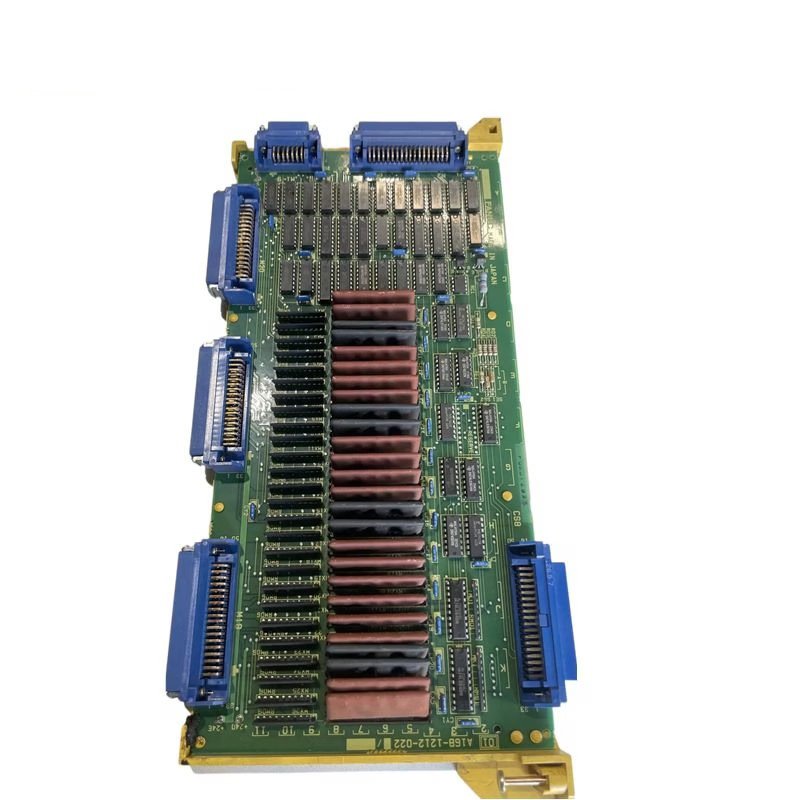
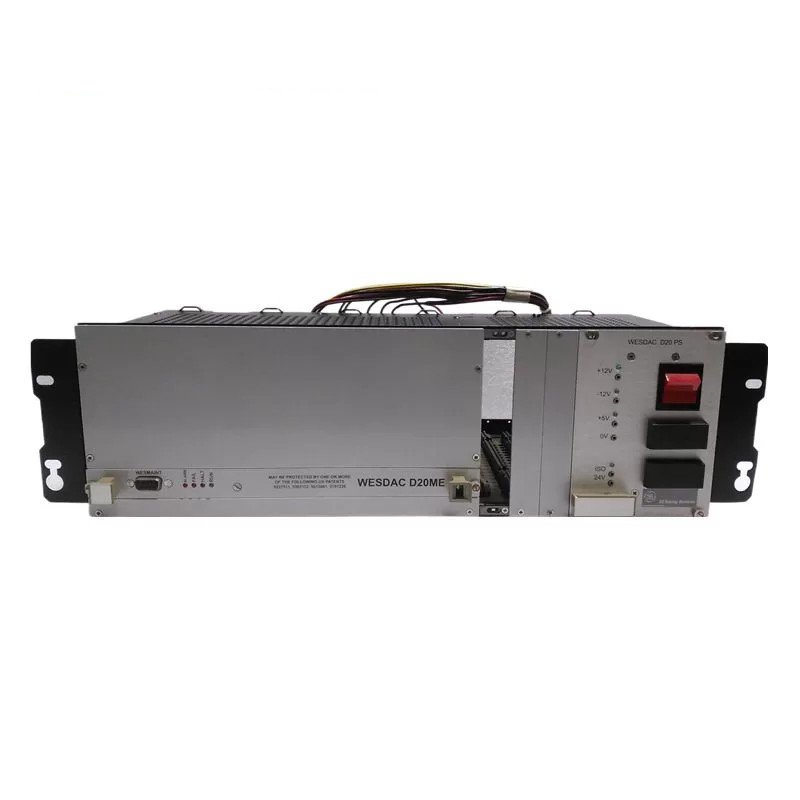
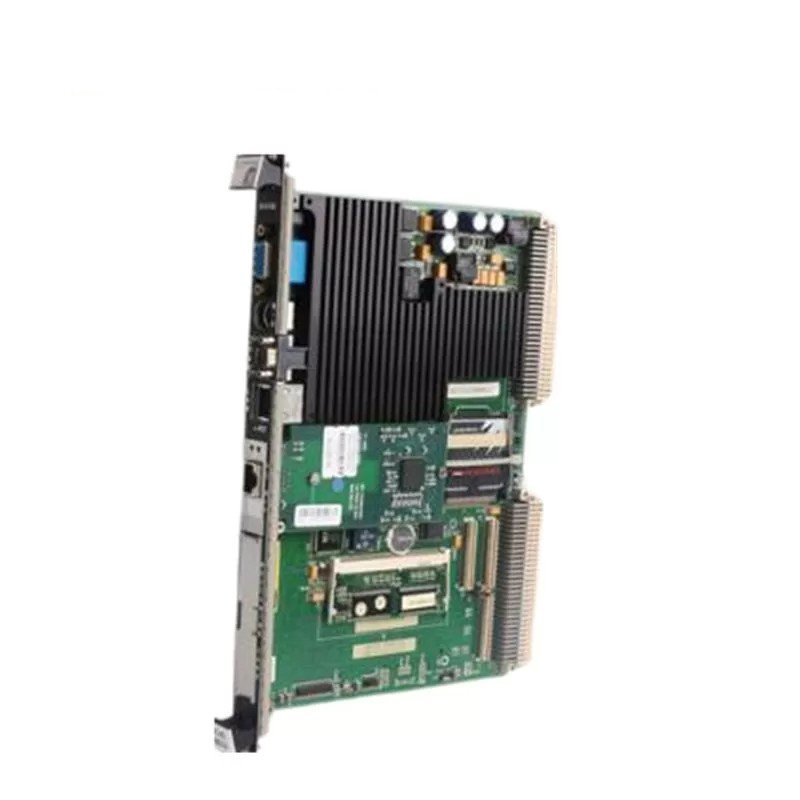
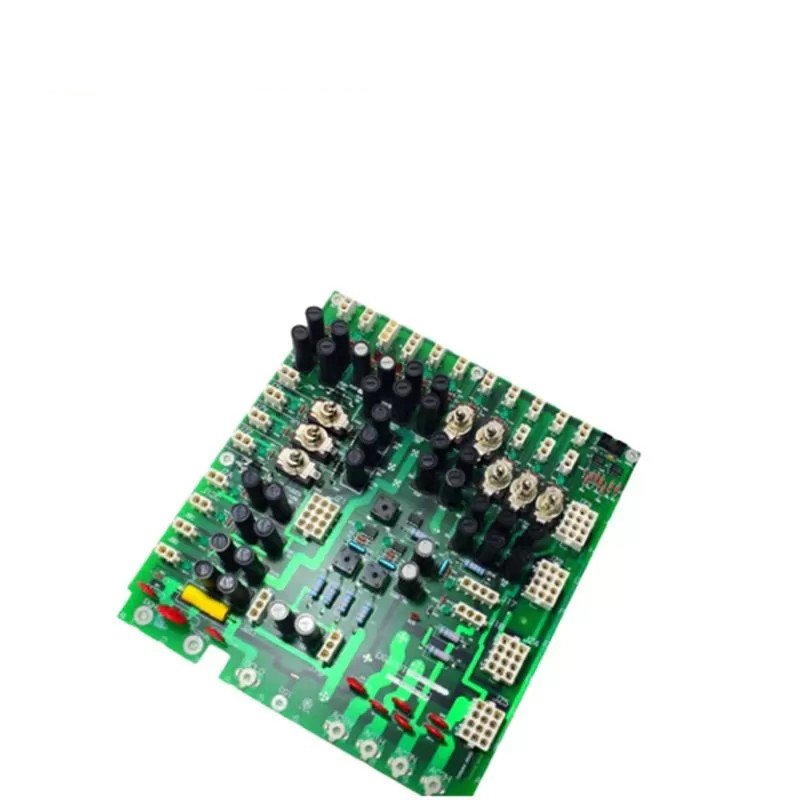
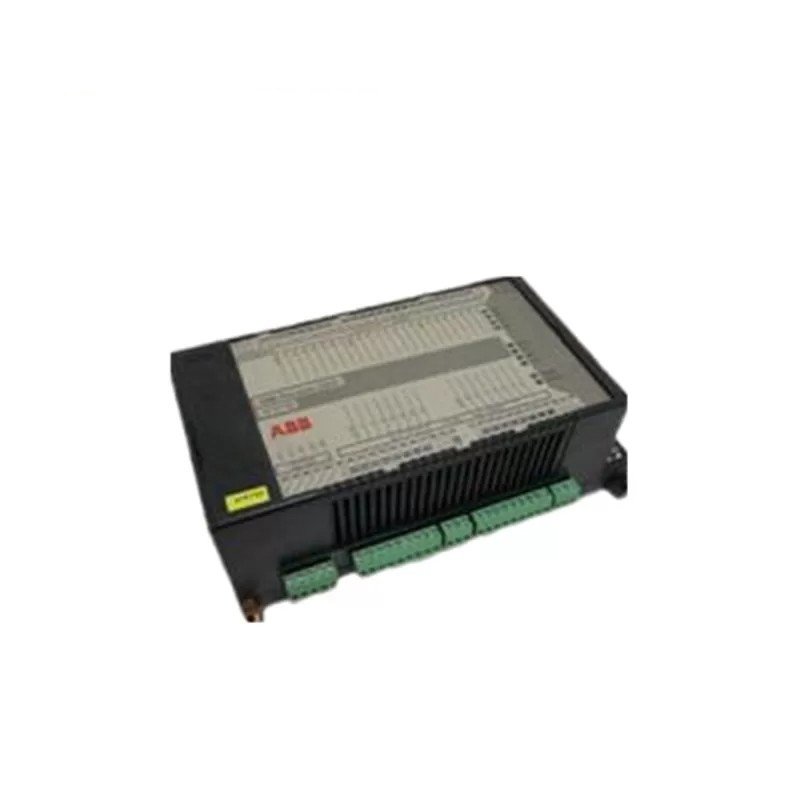
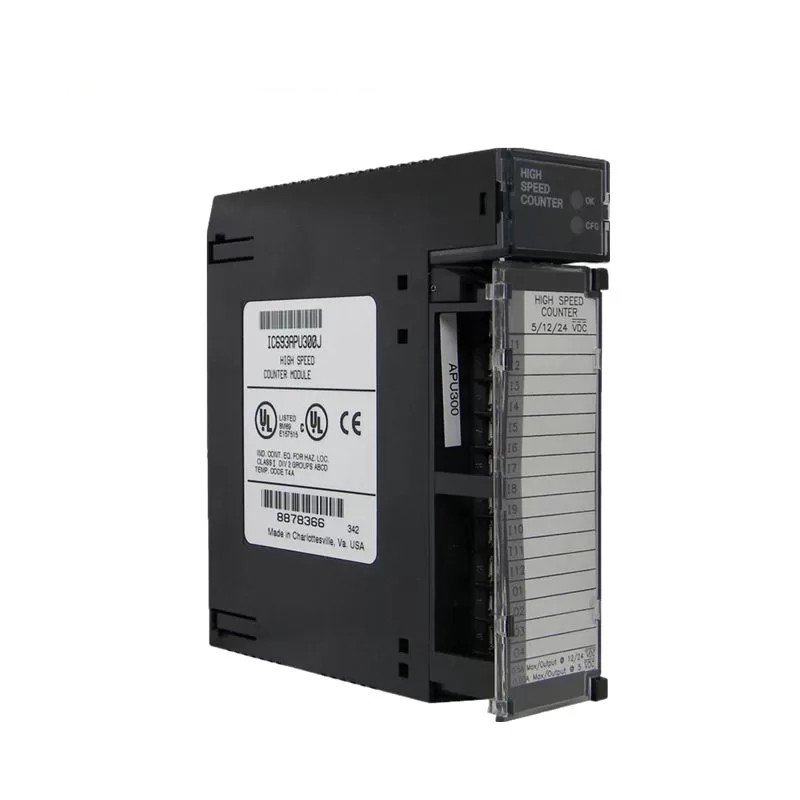
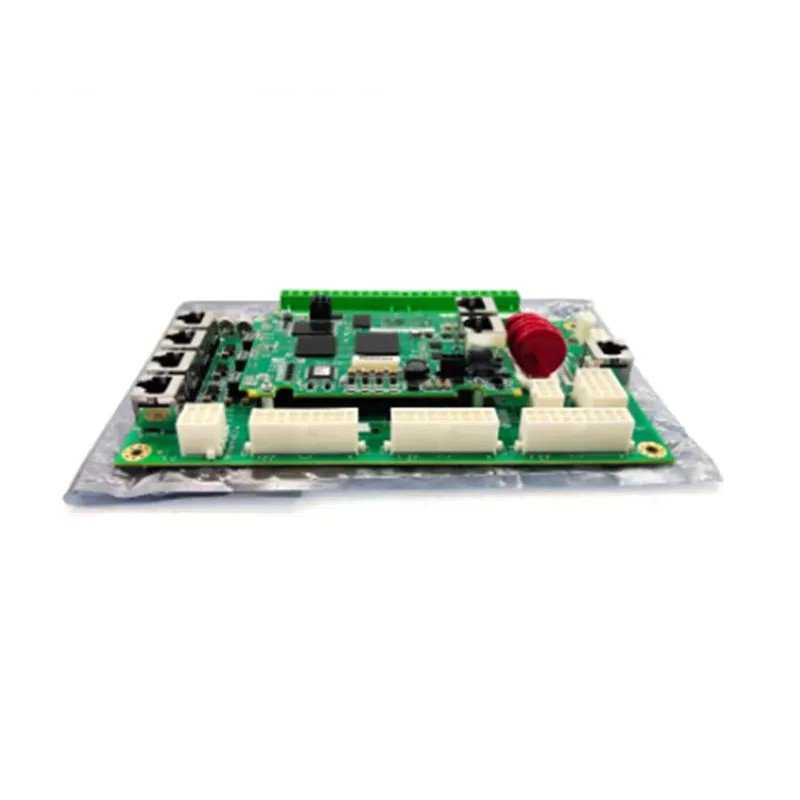
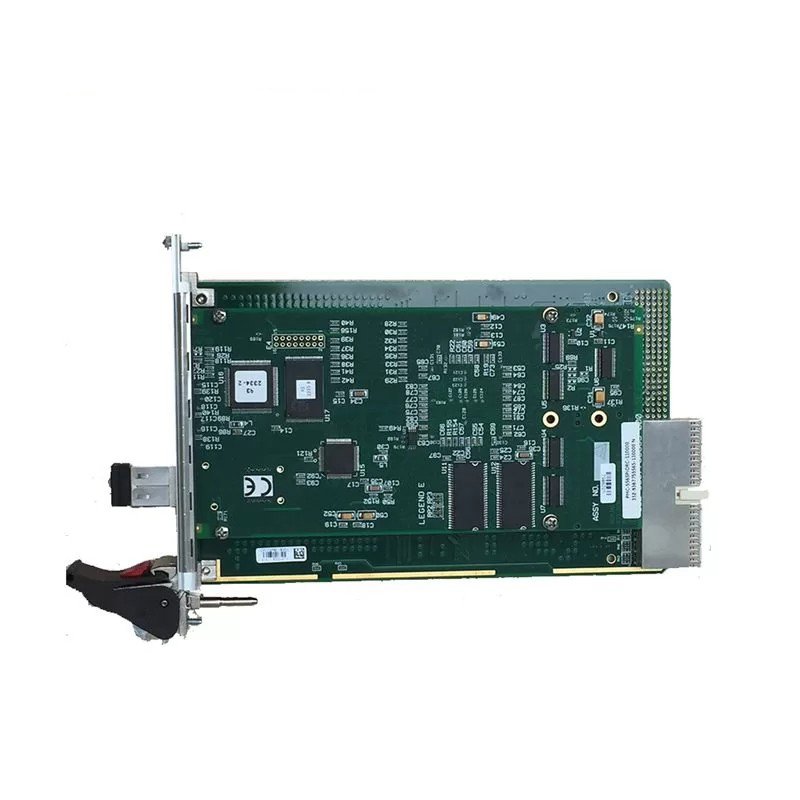
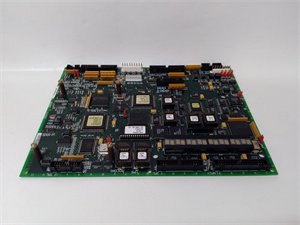
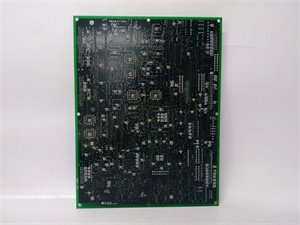
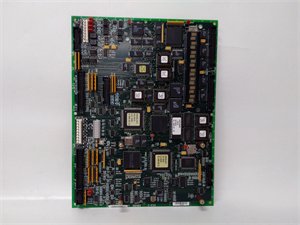
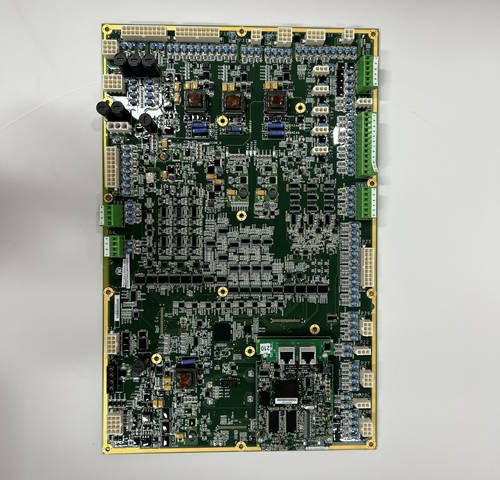
General Electric DS200LDCCH1A Multi-Processor LAN Communication & Drive Control Board
Manufacturer:General Electric
Product Number:GE DS200LDCCH1A
Payment Methods:T/T, PayPal, Western Union
Condition:New & In Stock
Warranty:1 Year
Lead Time:1-3 Working Days
Certificate:COO
Courier partners:DHL, UPS, TNT, FedEx and EMS.
Business hours:7*24
Product Description
GE DS200LDCCH1A is a highly integrated multi-processor board engineered exclusively for GE’s Mark V Turbine Control Systems, serving as the “neural hub” for drive control and LAN communication in turbine automation. Unlike single-function boards, GE DS200LDCCH1A combines four dedicated microprocessors—each optimized for a critical task—to eliminate bottlenecks: the DCP manages I/O peripherals (timers, decoders), the MCP handles motor control logic, the CMP offloads complex math operations, and the LCP enables seamless data exchange across five industrial buses.
In turbine systems, GE DS200LDCCH1A plays two irreplaceable roles: it regulates motor speed and torque for auxiliary components (e.g., fuel pumps, cooling fans) via precise drive control, and it synchronizes data between the Mark V CPU and distributed sensors/actuators via its multi-bus support. Its conformal coating and stab connectors ensure reliability in harsh environments—from dusty wind turbine nacelles to high-vibration gas turbine enclosures—while non-volatile flash PROMs preserve configuration data during power outages. For operators, GE DS200LDCCH1A simplifies maintenance with dual reset options, reducing downtime when troubleshooting non-critical faults.
Detailed Parameter Table
| Parameter Name | Parameter Value |
| Product model | GE DS200LDCCH1A |
| Manufacturer | General Electric (GE) Industrial Automation |
| Product category | Multi-Processor LAN Communication & Drive Control Board (Mark V Series) |
| Core Processors | 4 dedicated microprocessors: DCP (Drive Control), MCP (Motor Control), CMP (Co-Processor), LCP (LAN Control) |
| Supported Communication Buses | 5 bus systems: DLAN+, DLAN, Genius, CPL, C-bus; Data transfer rate: Up to 10Mbps (DLAN+) |
| Input Capacity | 12 discrete digital inputs (24V DC sinking); Response time: <1ms |
| Power Requirements | 125V DC (nominal); Input voltage range: 110V DC – 140V DC; Current draw: 0.8A typical |
| Physical Dimensions (H×W×D) | 406.4mm × 304.8mm × 304.8mm (16”×12”×12”); Weight: 0.45kg (1 lb) |
| Environmental Protection | Conformal-coated PCB (moisture/dust resistance); Stab connectors for EMI shielding |
| Operating Temperature Range | -30°C to +65°C (ambient); -40°C to +85°C (short-term storage, <72h) |
| Configuration Storage | 6 flash PROM components (U7–U21); Non-volatile memory for persistent settings |
| Reset Options | Soft reset (button-activated, no power interruption); Hard reset (power-cycle for critical faults) |
| Certifications | CE, UL 508C, IEC 61010-1, ATEX Zone 2 (hazardous environment compliance) |
| Compatibility | GE Mark V Turbine Control Systems; Gas/steam/wind turbines; GE EX2000 Excitation Systems |
Core advantages and technical highlights
Multi-Processor Architecture for Unmatched Performance: GE DS200LDCCH1A’s four dedicated processors eliminate the “single-point overload” risk common in single-CPU boards. In a 200MW gas turbine, for example, the MCP maintains precise fuel pump motor control (±0.1% speed accuracy) while the LCP simultaneously transmits real-time turbine speed data to the Mark V CPU via DLAN+. The CMP further accelerates advanced calculations (e.g., load balancing algorithms), cutting processing latency by 40% compared to single-processor alternatives. This parallel processing ensures turbine systems respond instantly to grid demand changes or fault conditions.
Robust Communication with Multi-Bus Support: GE DS200LDCCH1A supports five industrial buses (DLAN+, DLAN, Genius, CPL, C-bus), making it the only board in the Mark V series capable of integrating legacy and modern devices. For a wind farm upgrading from Genius bus sensors to DLAN+ actuators, GE DS200LDCCH1A acts as a translator—no need for separate gateways. Its 10Mbps DLAN+ rate also ensures critical data (e.g., vibration alerts) reaches the control room in <10ms, a requirement for preventing turbine damage during extreme wind events.
Durability Engineered for Turbine Environments: GE DS200LDCCH1A’s conformal-coated PCB and stab connectors address two top turbine industry pain points: moisture ingress and electromagnetic interference (EMI). In offshore wind turbines, the conformal coating resists saltwater spray, extending PCB lifespan by 3–5 years. The stab connectors, meanwhile, shield against EMI from generator coils—ensuring input signals remain accurate even when turbine vibration reaches 5g. This durability reduces unplanned maintenance by 25% compared to non-protected boards.
Flexible Reset Options for Minimized Downtime: GE DS200LDCCH1A’s dual reset system balances safety and efficiency. A soft reset (via button) clears minor faults (e.g., temporary sensor glitches) without powering down the turbine—saving 30–60 minutes of restart time. For critical faults (e.g., short circuits), a hard reset (power-cycle) ensures a full system recovery. In a coal-fired power plant, this flexibility allowed technicians to resolve a non-critical fuel valve fault via soft reset, avoiding a 2-hour turbine shutdown that would have cost $200,000 in lost generation.
Typical application scenarios
GE DS200LDCCH1A is the backbone of gas turbine control in a 300MW combined-cycle power plant, where it manages 12 digital inputs (monitoring valve position switches and pressure interlocks) and coordinates with the Mark V CPU to regulate auxiliary motors. The LCP uses DLAN+ to transmit real-time fuel flow data to the control room, while the MCP adjusts the fuel pump motor speed to match turbine load—ensuring efficient combustion and reducing NOx emissions by 15%. During a grid frequency dip, the CMP rapidly recalculates load setpoints, and the DCP triggers a fast-acting valve via its I/O peripherals—preventing a turbine trip and maintaining grid stability.
In an onshore wind farm, GE DS200LDCCH1A integrates with the Mark V system to control 1.5MW wind turbine yaw motors. Its conformal coating withstands dust and temperature swings (-25°C to +60°C), while the LCP uses the Genius bus to communicate with wind direction sensors. When a sensor temporarily malfunctions, a technician performs a soft reset on GE DS200LDCCH1A—restoring communication in 2 minutes without stopping the turbine. Over one year, this reduces downtime by 8 hours, translating to 12MWh of additional energy production ($1,200 in revenue).
Installation, commissioning and maintenance instructions
Installation preparation: Before installing GE DS200LDCCH1A, verify compatibility with the Mark V chassis and turbine model (gas/steam/wind). Ensure the mounting environment meets -30°C to +65°C and 5%–95% RH (non-condensing). Required tools: torque screwdriver (0.5–0.8 N·m), wire strippers (22–14 AWG), insulation tester, and ESD-safe gloves. Safety precautions: Power off the Mark V system and apply lockout/tagout. Align GE DS200LDCCH1A with chassis guides, secure with M5 screws, and connect 125V DC power (verify polarity to avoid reverse damage). Use shielded cables for bus connections (grounded at both ends) to minimize EMI.
Maintenance suggestions: For daily checks, monitor GE DS200LDCCH1A’s LED indicators (green = normal, red = fault) via the Mark V HMI. Every 6 months, inspect connectors for corrosion (clean with isopropyl alcohol) and retorque terminal screws to 0.6 N·m. Test reset functions quarterly: perform a soft reset to confirm non-interruptive recovery, and document response time. If a fault occurs, use the Mark V diagnostic tool to isolate the issue (e.g., input short vs. bus failure); replace flash PROMs (U7–U21) with GE-approved spares if configuration data is corrupted. Avoid third-party replacements—they may compromise bus communication or processor synchronization.
 Loading comments...
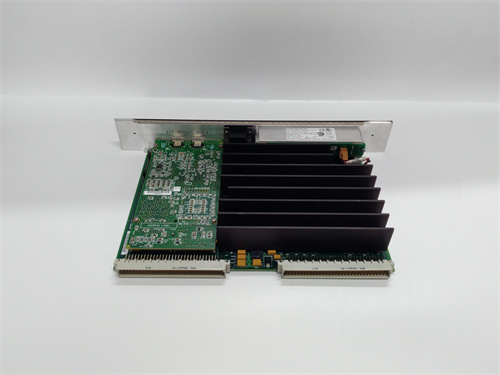
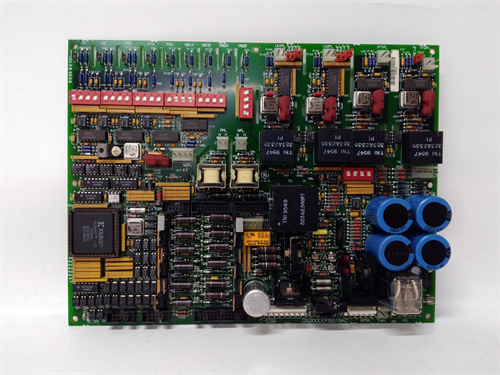
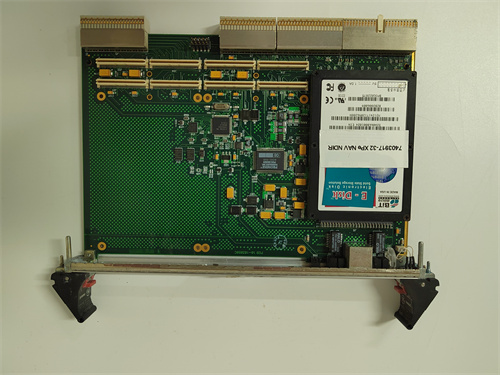
General Electric DS200LDCCH1A Multi-Processor LAN Communication & Drive Control Board
Manufacturer:General Electric
Product Number:GE DS200LDCCH1A
Payment Methods:T/T, PayPal, Western Union
Condition:New & In Stock
Warranty:1 Year
Lead Time:1-3 Working Days
Certificate:COO
Courier partners:DHL, UPS, TNT, FedEx and EMS.
Business hours:7*24
Product Description
GE DS200LDCCH1A is a highly integrated multi-processor board engineered exclusively for GE’s Mark V Turbine Control Systems, serving as the “neural hub” for drive control and LAN communication in turbine automation. Unlike single-function boards, GE DS200LDCCH1A combines four dedicated microprocessors—each optimized for a critical task—to eliminate bottlenecks: the DCP manages I/O peripherals (timers, decoders), the MCP handles motor control logic, the CMP offloads complex math operations, and the LCP enables seamless data exchange across five industrial buses.
In turbine systems, GE DS200LDCCH1A plays two irreplaceable roles: it regulates motor speed and torque for auxiliary components (e.g., fuel pumps, cooling fans) via precise drive control, and it synchronizes data between the Mark V CPU and distributed sensors/actuators via its multi-bus support. Its conformal coating and stab connectors ensure reliability in harsh environments—from dusty wind turbine nacelles to high-vibration gas turbine enclosures—while non-volatile flash PROMs preserve configuration data during power outages. For operators, GE DS200LDCCH1A simplifies maintenance with dual reset options, reducing downtime when troubleshooting non-critical faults.
Detailed Parameter Table
| Parameter Name | Parameter Value |
| Product model | GE DS200LDCCH1A |
| Manufacturer | General Electric (GE) Industrial Automation |
| Product category | Multi-Processor LAN Communication & Drive Control Board (Mark V Series) |
| Core Processors | 4 dedicated microprocessors: DCP (Drive Control), MCP (Motor Control), CMP (Co-Processor), LCP (LAN Control) |
| Supported Communication Buses | 5 bus systems: DLAN+, DLAN, Genius, CPL, C-bus; Data transfer rate: Up to 10Mbps (DLAN+) |
| Input Capacity | 12 discrete digital inputs (24V DC sinking); Response time: <1ms |
| Power Requirements | 125V DC (nominal); Input voltage range: 110V DC – 140V DC; Current draw: 0.8A typical |
| Physical Dimensions (H×W×D) | 406.4mm × 304.8mm × 304.8mm (16”×12”×12”); Weight: 0.45kg (1 lb) |
| Environmental Protection | Conformal-coated PCB (moisture/dust resistance); Stab connectors for EMI shielding |
| Operating Temperature Range | -30°C to +65°C (ambient); -40°C to +85°C (short-term storage, <72h) |
| Configuration Storage | 6 flash PROM components (U7–U21); Non-volatile memory for persistent settings |
| Reset Options | Soft reset (button-activated, no power interruption); Hard reset (power-cycle for critical faults) |
| Certifications | CE, UL 508C, IEC 61010-1, ATEX Zone 2 (hazardous environment compliance) |
| Compatibility | GE Mark V Turbine Control Systems; Gas/steam/wind turbines; GE EX2000 Excitation Systems |
Core advantages and technical highlights
Multi-Processor Architecture for Unmatched Performance: GE DS200LDCCH1A’s four dedicated processors eliminate the “single-point overload” risk common in single-CPU boards. In a 200MW gas turbine, for example, the MCP maintains precise fuel pump motor control (±0.1% speed accuracy) while the LCP simultaneously transmits real-time turbine speed data to the Mark V CPU via DLAN+. The CMP further accelerates advanced calculations (e.g., load balancing algorithms), cutting processing latency by 40% compared to single-processor alternatives. This parallel processing ensures turbine systems respond instantly to grid demand changes or fault conditions.
Robust Communication with Multi-Bus Support: GE DS200LDCCH1A supports five industrial buses (DLAN+, DLAN, Genius, CPL, C-bus), making it the only board in the Mark V series capable of integrating legacy and modern devices. For a wind farm upgrading from Genius bus sensors to DLAN+ actuators, GE DS200LDCCH1A acts as a translator—no need for separate gateways. Its 10Mbps DLAN+ rate also ensures critical data (e.g., vibration alerts) reaches the control room in <10ms, a requirement for preventing turbine damage during extreme wind events.
Durability Engineered for Turbine Environments: GE DS200LDCCH1A’s conformal-coated PCB and stab connectors address two top turbine industry pain points: moisture ingress and electromagnetic interference (EMI). In offshore wind turbines, the conformal coating resists saltwater spray, extending PCB lifespan by 3–5 years. The stab connectors, meanwhile, shield against EMI from generator coils—ensuring input signals remain accurate even when turbine vibration reaches 5g. This durability reduces unplanned maintenance by 25% compared to non-protected boards.
Flexible Reset Options for Minimized Downtime: GE DS200LDCCH1A’s dual reset system balances safety and efficiency. A soft reset (via button) clears minor faults (e.g., temporary sensor glitches) without powering down the turbine—saving 30–60 minutes of restart time. For critical faults (e.g., short circuits), a hard reset (power-cycle) ensures a full system recovery. In a coal-fired power plant, this flexibility allowed technicians to resolve a non-critical fuel valve fault via soft reset, avoiding a 2-hour turbine shutdown that would have cost $200,000 in lost generation.
Typical application scenarios
GE DS200LDCCH1A is the backbone of gas turbine control in a 300MW combined-cycle power plant, where it manages 12 digital inputs (monitoring valve position switches and pressure interlocks) and coordinates with the Mark V CPU to regulate auxiliary motors. The LCP uses DLAN+ to transmit real-time fuel flow data to the control room, while the MCP adjusts the fuel pump motor speed to match turbine load—ensuring efficient combustion and reducing NOx emissions by 15%. During a grid frequency dip, the CMP rapidly recalculates load setpoints, and the DCP triggers a fast-acting valve via its I/O peripherals—preventing a turbine trip and maintaining grid stability.
In an onshore wind farm, GE DS200LDCCH1A integrates with the Mark V system to control 1.5MW wind turbine yaw motors. Its conformal coating withstands dust and temperature swings (-25°C to +60°C), while the LCP uses the Genius bus to communicate with wind direction sensors. When a sensor temporarily malfunctions, a technician performs a soft reset on GE DS200LDCCH1A—restoring communication in 2 minutes without stopping the turbine. Over one year, this reduces downtime by 8 hours, translating to 12MWh of additional energy production ($1,200 in revenue).
Installation, commissioning and maintenance instructions
Installation preparation: Before installing GE DS200LDCCH1A, verify compatibility with the Mark V chassis and turbine model (gas/steam/wind). Ensure the mounting environment meets -30°C to +65°C and 5%–95% RH (non-condensing). Required tools: torque screwdriver (0.5–0.8 N·m), wire strippers (22–14 AWG), insulation tester, and ESD-safe gloves. Safety precautions: Power off the Mark V system and apply lockout/tagout. Align GE DS200LDCCH1A with chassis guides, secure with M5 screws, and connect 125V DC power (verify polarity to avoid reverse damage). Use shielded cables for bus connections (grounded at both ends) to minimize EMI.
Maintenance suggestions: For daily checks, monitor GE DS200LDCCH1A’s LED indicators (green = normal, red = fault) via the Mark V HMI. Every 6 months, inspect connectors for corrosion (clean with isopropyl alcohol) and retorque terminal screws to 0.6 N·m. Test reset functions quarterly: perform a soft reset to confirm non-interruptive recovery, and document response time. If a fault occurs, use the Mark V diagnostic tool to isolate the issue (e.g., input short vs. bus failure); replace flash PROMs (U7–U21) with GE-approved spares if configuration data is corrupted. Avoid third-party replacements—they may compromise bus communication or processor synchronization.
Need a Custom Automation Solution?
Our team of experts can design and implement a tailored automation system to meet your specific requirements.