
Our Products
Comprehensive industrial automation solutions for global industries
Contact us
If you are interested in our products and want to know more details,please Contact us,we will reply you as soon as we can.
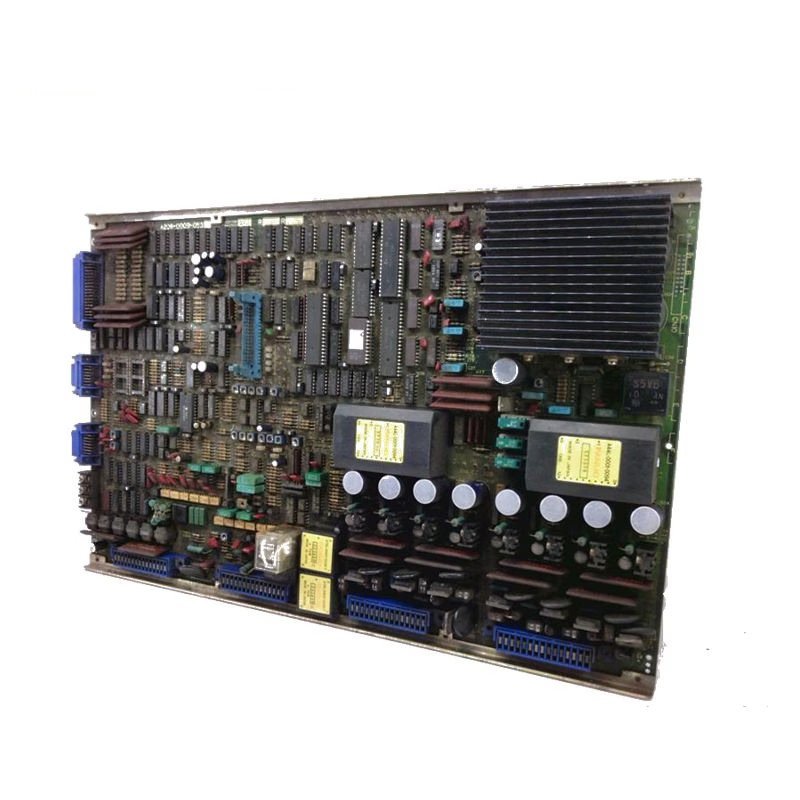
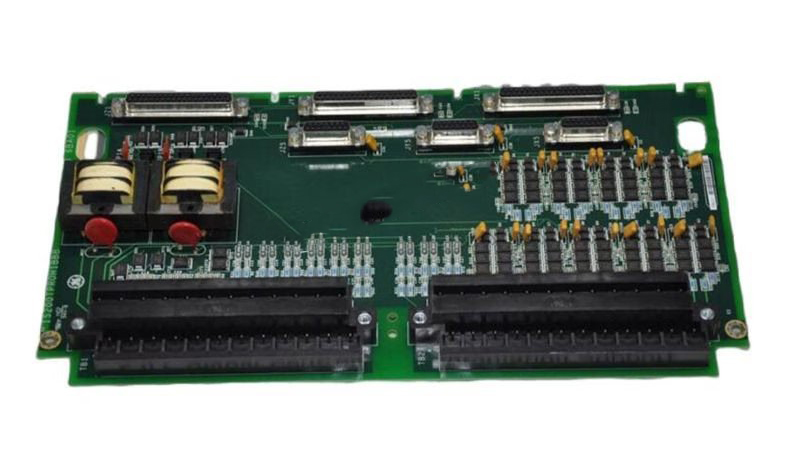
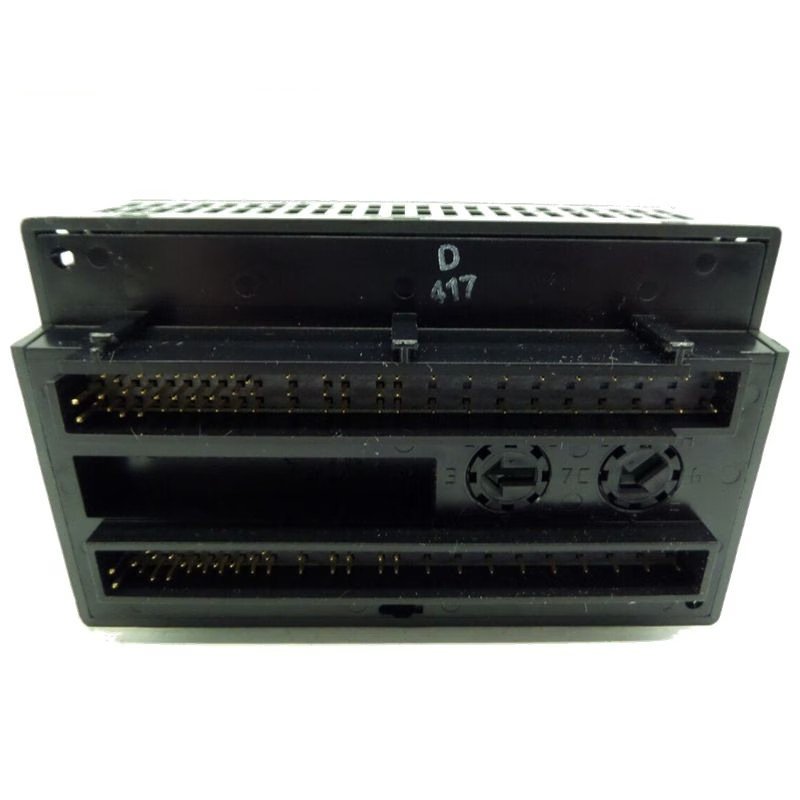
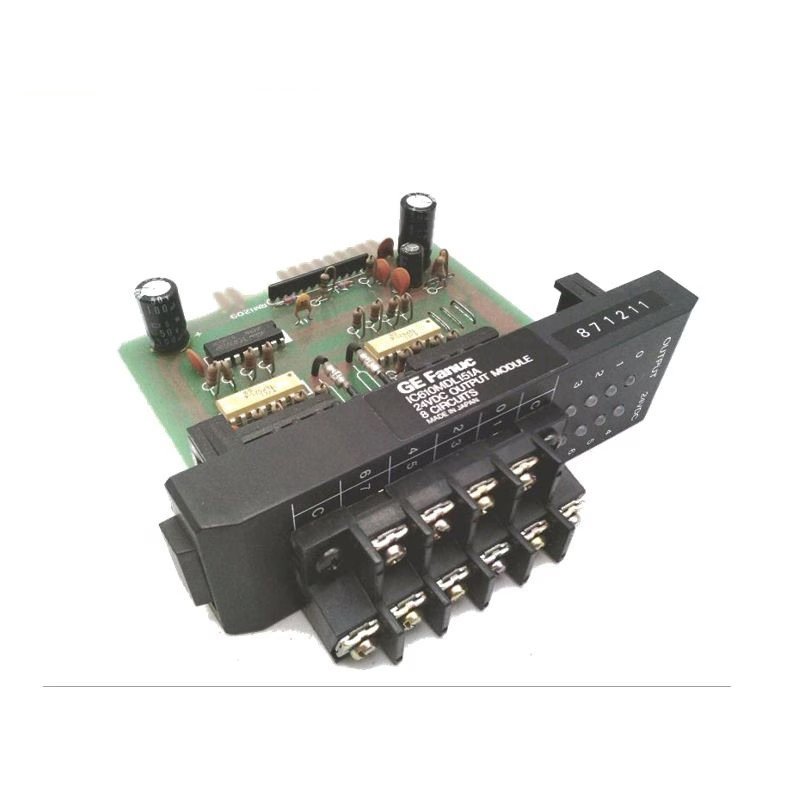
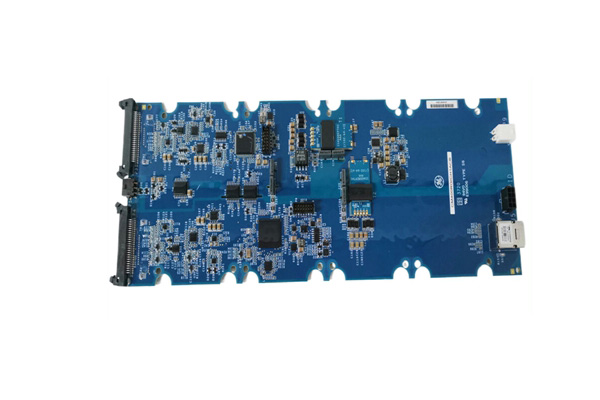
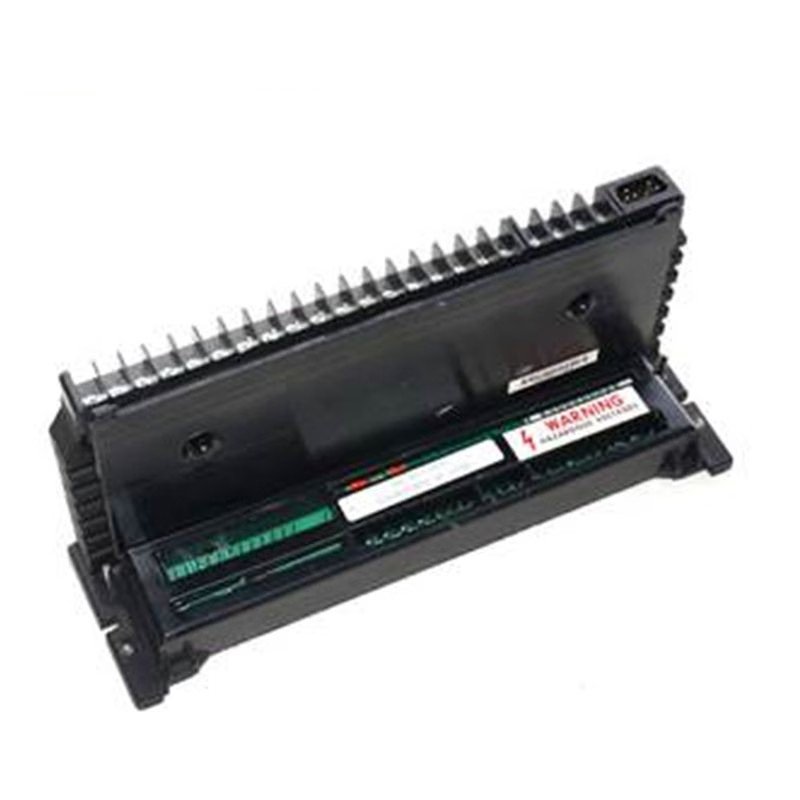
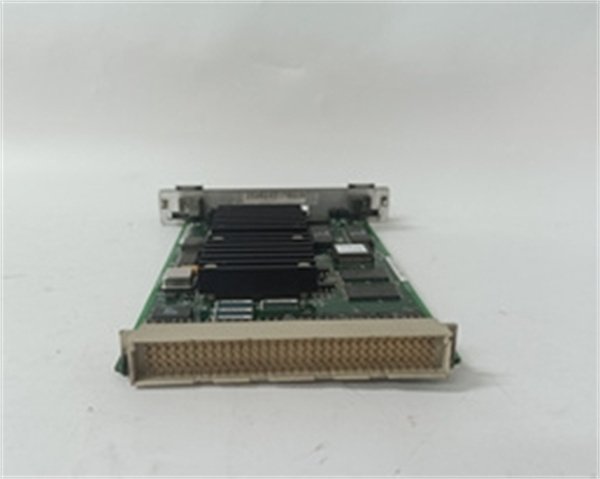
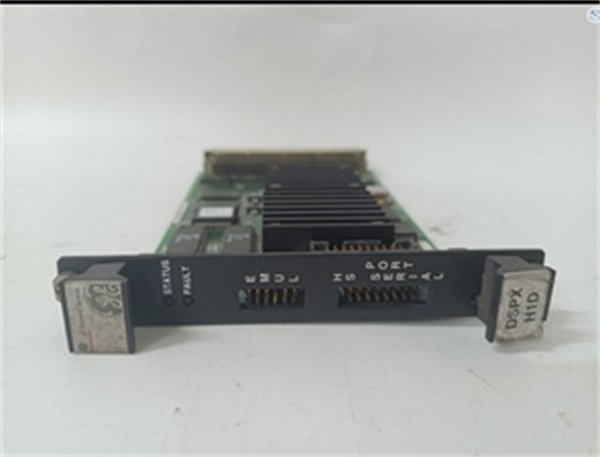
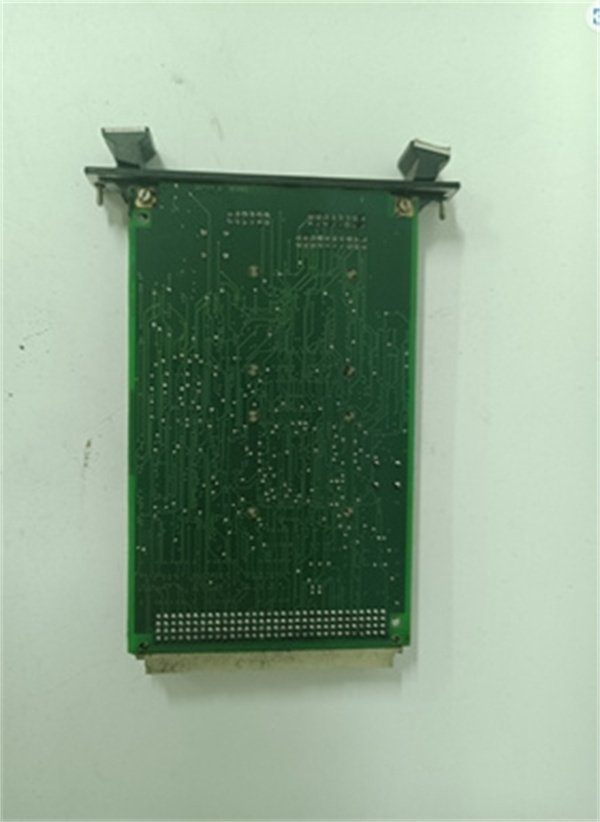
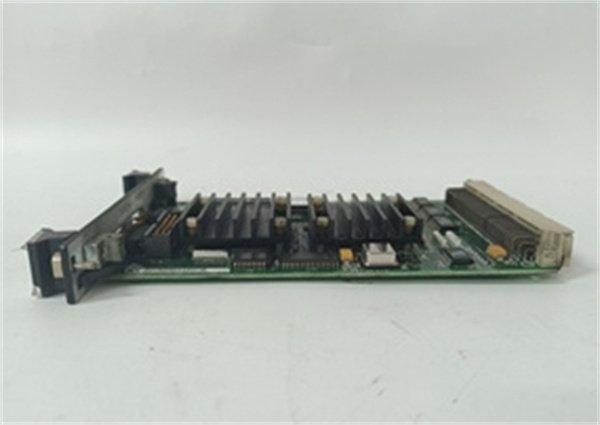
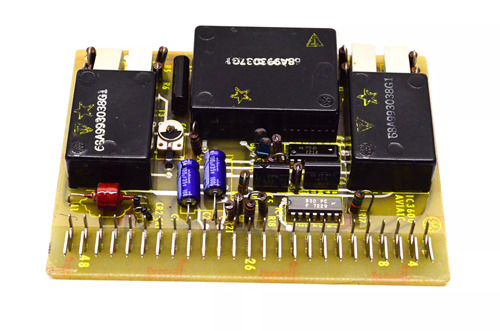
General Electric IS200TRLYH1D Mid-Range Relay Output Terminal Board
Manufacturer: General Electric
Product Number: IS200TRLYH1D
Category: Mid-Range Relay Output Terminal Board
System Compatibility: GE Mark VI/Speedtronic turbine control systems
Architecture: TMR (Triple Modular Redundancy) compatible
Function: Relay output termination bridging entry-level and high-end relay boards
Product Description
The IS200TRLYH1D is a mid-range relay output terminal board developed by GE for Mark VI/Speedtronic turbine control systems, bridging the gap between the entry-level IS200TRLYH1B and high-end IS200TRLYH3E. It retains the core TMR redundancy (3 sections, 12 voted outputs) that makes GE’s relay boards reliable, while upgrading key features like contact current rating (12 A vs. 10 A in 1B) and surge protection—making it ideal for medium-scale turbines (50–200 MW) where safety is critical but extreme capacity or diagnostics are unnecessary.
Unlike the basic IS200TRLYH1B, IS200TRLYH1D supports broader voltage compatibility (250 V DC/230 V AC vs. 125 V DC/115 V AC), enabling direct control of larger devices like 230 V AC lube oil pumps without external contactors. Its enhanced MOV surge suppression (1.2 kV clamping) also withstands higher voltage transients—common in grid-connected power plants or industrial facilities with unstable power.
In GE’s turbine control ecosystem, IS200TRLYH1D acts as a dependable “execution layer” for safety-critical actions. For example, when the Mark VI controller detects a bearing temperature spike, the board’s 3 TMR sections independently validate the “cooling fan start” command; only when all three sections agree does the voted output activate, ensuring the fan runs without false triggers. On-board LEDs simplify troubleshooting—each TMR section has a fault LED, allowing technicians to quickly identify failed sections without accessing the HMI.
Detailed Parameter Table
| Parameter Name | Parameter Value |
| Product model | IS200TRLYH1D |
| Manufacturer | General Electric (GE) Industrial Automation Division |
| Product category | Mid-Range Relay Output Terminal Board (Mark VI/Speedtronic Turbine Control System) |
| Core function | TMR contact voting, medium-current device control, enhanced surge protection, terminal connection |
| Relay configuration | 36 sealed electromechanical relays (3 TMR sections); 12 voted Form A (NO) outputs |
| Contact rating | 12 A per relay (resistive load); 6 A (inductive load); 24/125/250 V DC or 115/230 V AC |
| Input voltage | 24 V DC (coil drive); single power input with backup terminal |
| Terminal design | 48 screw terminals (torque range: 0.5–0.8 N·m); compatible with #12–22 AWG wires |
| Mounting type | DIN rail mounting (35 mm standard rails) |
| Protection features | Enhanced MOV surge suppression (1.2 kV clamping voltage); overcurrent fuses (5 A per TMR section) |
| Diagnostic capabilities | Coil drive current monitoring; TMR section fault indication (LEDs on-board) |
| Physical dimensions | 17.8 cm (W) × 33.0 cm (L) (7.0 in × 13.0 in) |
| Operating temperature range | -30 °C to 70 °C (-22 °F to 158 °F); derated to 60 °C at max current |
| Technology | Surface mount components; RoHS compliant |
| Compatibility | Mark VI/Vie systems; Class 1 Division 2 hazardous locations (limited) |
| Reference manual | GE Publication GEH-6721 C |
| Power distribution | Requires IS200WPDFH1B (single-power distribution board); no hot-swap support |
Core Advantages and Technical Highlights
Balanced Current Capacity for Medium-Scale Needs: IS200TRLYH1D’s 12 A resistive load rating (2 A higher than the 1B model) strikes a balance between cost and performance. A 100 MW natural gas plant used it to control 12 devices: 6 fuel valves (24 V DC, 8 A), 4 cooling fans (230 V AC, 10 A), and 2 emergency solenoids (125 V DC, 3 A)—eliminating the need for external contactors (which added $2,000 per device in the 1B model). The 6 A inductive rating also supports small motors, avoiding the over-sizing required with the 1B’s 5 A limit.
Enhanced Surge Protection for Grid Stability: With a 1.2 kV clamping voltage MOV (vs. 1.0 kV in the 1B), IS200TRLYH1D better withstands voltage spikes from grid fluctuations or switching transients. A coal-fired power plant in India reported zero relay failures in 3 years of operation—compared to 2–3 annual failures with the IS200TRLYH1B—during monsoon season, when grid voltage often spiked to 1.1x nominal. The integrated 5 A fuses per TMR section also prevent damage from short circuits, a feature absent in the 1B model.
Simplified Troubleshooting with On-Board LEDs: IS200TRLYH1D adds LED indicators for each TMR section (green = normal, red = fault), a upgrade from the 1B’s single system LED. During a turbine outage at a waste-to-energy plant, technicians identified a failed TMR section in 5 minutes (via the red LED) vs. 30 minutes with the 1B (which required HMI access). This reduced maintenance time by 80% for routine fault checks, critical for plants with limited staff.
Broad Voltage Compatibility for Global Use: Unlike the IS200TRLYH1B (limited to 125 V DC/115 V AC), IS200TRLYH1D supports 250 V DC and 230 V AC—enabling deployment in European, Asian, and North American markets without region-specific variants. A multinational power company standardized on IS200TRLYH1D for its 150 MW turbines worldwide, reducing inventory costs by 40% (no need to stock 1B and 3E models for different regions).
Typical Application Scenarios
In a 150 MW combined-cycle plant’s gas turbine system, IS200TRLYH1D controls 12 critical devices: 4 natural gas control valves (24 V DC, 6 A), 3 exhaust temperature control dampers (230 V AC, 8 A), 3 lube oil pumps (250 V DC, 10 A), and 2 emergency shutdown solenoids (125 V DC, 4 A). Paired with the IS200WPDFH1B power board, its 3 TMR sections ensure reliable actuation. During a grid voltage dip, the enhanced MOV surge suppression clamped a 1.1 kV transient, protecting the relays from damage. On-board LEDs later alerted technicians to a weak TMR section (red LED), which was repaired during a scheduled shift—avoiding unplanned downtime.
In a pulp mill’s steam turbine system (120 MW), IS200TRLYH1D operates in a Class 1 Division 2 area, controlling 8 process valve solenoids (24 V DC, 5 A) and 4 condensate pump starters (230 V AC, 9 A). Its 12 A contact rating handles the pumps without external contactors, reducing cabinet size by 30% compared to the IS200TRLYH1B. The plant’s maintenance team values the screw terminals—they provide a secure connection in the mill’s dusty environment, with no loose wires reported in 2 years of operation.
In a remote diesel-fired power plant (80 MW), IS200TRLYH1D controls the turbine’s fuel injection valves (24 V DC, 7 A) and cooling system fans (115 V AC, 8 A). Its single power input with backup terminal ensures operation during generator load swings—if the main 24 V DC supply drops, the backup terminal (connected to a battery) maintains coil power. Coil current monitoring also detected a failing fuel valve relay (current dropping from 100 mA to 60 mA), allowing replacement before it failed during peak demand.
Installation Commissioning and Maintenance Instructions
Installation preparation: Before installing IS200TRLYH1D, power off the Mark VI cabinet and use ESD-safe tools. Mount the board on a 35 mm DIN rail, ensuring 10 cm clearance above/below for heat (derate to 60 °C at 12 A). Connect the 24 V DC power input to IS200WPDFH1B, and attach the backup terminal to a 24 V DC battery (optional). For wiring: Use screw terminals—strip wires to 6 mm, tighten to 0.5–0.8 N·m, and label each output (e.g., “Fuel Valve 2 Output”). Verify wire gauge compatibility (#12 AWG for 12 A loads, #22 AWG for low-current devices).
Commissioning & configuration: Use GE’s ToolboxST software (GEH-6721 C) to set TMR voting logic (2-out-of-3). Calibrate coil current thresholds (90–110 mA for healthy relays). Test each output by issuing commands from the Mark VI HMI—confirm the voted output activates only when all 3 TMR relays close, and check on-board LEDs (green = normal, red = fault).
Maintenance suggestions: Inspect terminals quarterly—tighten loose screws and clean debris with a dry brush. Test relay contacts annually with a multimeter (replace if resistance >1 Ω). Monitor coil current via the CPU—alert if current drops below 80 mA or rises above 120 mA. If a TMR section faults (red LED), power off the board, replace the affected relays (GE CR4800), and reset the fuse. Never use non-GE relays—they may not fit the socket or meet current ratings.
 Loading comments...
General Electric IS200TRLYH1D Mid-Range Relay Output Terminal Board
Manufacturer: General Electric
Product Number: IS200TRLYH1D
Category: Mid-Range Relay Output Terminal Board
System Compatibility: GE Mark VI/Speedtronic turbine control systems
Architecture: TMR (Triple Modular Redundancy) compatible
Function: Relay output termination bridging entry-level and high-end relay boards
Product Description
The IS200TRLYH1D is a mid-range relay output terminal board developed by GE for Mark VI/Speedtronic turbine control systems, bridging the gap between the entry-level IS200TRLYH1B and high-end IS200TRLYH3E. It retains the core TMR redundancy (3 sections, 12 voted outputs) that makes GE’s relay boards reliable, while upgrading key features like contact current rating (12 A vs. 10 A in 1B) and surge protection—making it ideal for medium-scale turbines (50–200 MW) where safety is critical but extreme capacity or diagnostics are unnecessary.
Unlike the basic IS200TRLYH1B, IS200TRLYH1D supports broader voltage compatibility (250 V DC/230 V AC vs. 125 V DC/115 V AC), enabling direct control of larger devices like 230 V AC lube oil pumps without external contactors. Its enhanced MOV surge suppression (1.2 kV clamping) also withstands higher voltage transients—common in grid-connected power plants or industrial facilities with unstable power.
In GE’s turbine control ecosystem, IS200TRLYH1D acts as a dependable “execution layer” for safety-critical actions. For example, when the Mark VI controller detects a bearing temperature spike, the board’s 3 TMR sections independently validate the “cooling fan start” command; only when all three sections agree does the voted output activate, ensuring the fan runs without false triggers. On-board LEDs simplify troubleshooting—each TMR section has a fault LED, allowing technicians to quickly identify failed sections without accessing the HMI.
Detailed Parameter Table
| Parameter Name | Parameter Value |
| Product model | IS200TRLYH1D |
| Manufacturer | General Electric (GE) Industrial Automation Division |
| Product category | Mid-Range Relay Output Terminal Board (Mark VI/Speedtronic Turbine Control System) |
| Core function | TMR contact voting, medium-current device control, enhanced surge protection, terminal connection |
| Relay configuration | 36 sealed electromechanical relays (3 TMR sections); 12 voted Form A (NO) outputs |
| Contact rating | 12 A per relay (resistive load); 6 A (inductive load); 24/125/250 V DC or 115/230 V AC |
| Input voltage | 24 V DC (coil drive); single power input with backup terminal |
| Terminal design | 48 screw terminals (torque range: 0.5–0.8 N·m); compatible with #12–22 AWG wires |
| Mounting type | DIN rail mounting (35 mm standard rails) |
| Protection features | Enhanced MOV surge suppression (1.2 kV clamping voltage); overcurrent fuses (5 A per TMR section) |
| Diagnostic capabilities | Coil drive current monitoring; TMR section fault indication (LEDs on-board) |
| Physical dimensions | 17.8 cm (W) × 33.0 cm (L) (7.0 in × 13.0 in) |
| Operating temperature range | -30 °C to 70 °C (-22 °F to 158 °F); derated to 60 °C at max current |
| Technology | Surface mount components; RoHS compliant |
| Compatibility | Mark VI/Vie systems; Class 1 Division 2 hazardous locations (limited) |
| Reference manual | GE Publication GEH-6721 C |
| Power distribution | Requires IS200WPDFH1B (single-power distribution board); no hot-swap support |
Core Advantages and Technical Highlights
Balanced Current Capacity for Medium-Scale Needs: IS200TRLYH1D’s 12 A resistive load rating (2 A higher than the 1B model) strikes a balance between cost and performance. A 100 MW natural gas plant used it to control 12 devices: 6 fuel valves (24 V DC, 8 A), 4 cooling fans (230 V AC, 10 A), and 2 emergency solenoids (125 V DC, 3 A)—eliminating the need for external contactors (which added $2,000 per device in the 1B model). The 6 A inductive rating also supports small motors, avoiding the over-sizing required with the 1B’s 5 A limit.
Enhanced Surge Protection for Grid Stability: With a 1.2 kV clamping voltage MOV (vs. 1.0 kV in the 1B), IS200TRLYH1D better withstands voltage spikes from grid fluctuations or switching transients. A coal-fired power plant in India reported zero relay failures in 3 years of operation—compared to 2–3 annual failures with the IS200TRLYH1B—during monsoon season, when grid voltage often spiked to 1.1x nominal. The integrated 5 A fuses per TMR section also prevent damage from short circuits, a feature absent in the 1B model.
Simplified Troubleshooting with On-Board LEDs: IS200TRLYH1D adds LED indicators for each TMR section (green = normal, red = fault), a upgrade from the 1B’s single system LED. During a turbine outage at a waste-to-energy plant, technicians identified a failed TMR section in 5 minutes (via the red LED) vs. 30 minutes with the 1B (which required HMI access). This reduced maintenance time by 80% for routine fault checks, critical for plants with limited staff.
Broad Voltage Compatibility for Global Use: Unlike the IS200TRLYH1B (limited to 125 V DC/115 V AC), IS200TRLYH1D supports 250 V DC and 230 V AC—enabling deployment in European, Asian, and North American markets without region-specific variants. A multinational power company standardized on IS200TRLYH1D for its 150 MW turbines worldwide, reducing inventory costs by 40% (no need to stock 1B and 3E models for different regions).
Typical Application Scenarios
In a 150 MW combined-cycle plant’s gas turbine system, IS200TRLYH1D controls 12 critical devices: 4 natural gas control valves (24 V DC, 6 A), 3 exhaust temperature control dampers (230 V AC, 8 A), 3 lube oil pumps (250 V DC, 10 A), and 2 emergency shutdown solenoids (125 V DC, 4 A). Paired with the IS200WPDFH1B power board, its 3 TMR sections ensure reliable actuation. During a grid voltage dip, the enhanced MOV surge suppression clamped a 1.1 kV transient, protecting the relays from damage. On-board LEDs later alerted technicians to a weak TMR section (red LED), which was repaired during a scheduled shift—avoiding unplanned downtime.
In a pulp mill’s steam turbine system (120 MW), IS200TRLYH1D operates in a Class 1 Division 2 area, controlling 8 process valve solenoids (24 V DC, 5 A) and 4 condensate pump starters (230 V AC, 9 A). Its 12 A contact rating handles the pumps without external contactors, reducing cabinet size by 30% compared to the IS200TRLYH1B. The plant’s maintenance team values the screw terminals—they provide a secure connection in the mill’s dusty environment, with no loose wires reported in 2 years of operation.
In a remote diesel-fired power plant (80 MW), IS200TRLYH1D controls the turbine’s fuel injection valves (24 V DC, 7 A) and cooling system fans (115 V AC, 8 A). Its single power input with backup terminal ensures operation during generator load swings—if the main 24 V DC supply drops, the backup terminal (connected to a battery) maintains coil power. Coil current monitoring also detected a failing fuel valve relay (current dropping from 100 mA to 60 mA), allowing replacement before it failed during peak demand.
Installation Commissioning and Maintenance Instructions
Installation preparation: Before installing IS200TRLYH1D, power off the Mark VI cabinet and use ESD-safe tools. Mount the board on a 35 mm DIN rail, ensuring 10 cm clearance above/below for heat (derate to 60 °C at 12 A). Connect the 24 V DC power input to IS200WPDFH1B, and attach the backup terminal to a 24 V DC battery (optional). For wiring: Use screw terminals—strip wires to 6 mm, tighten to 0.5–0.8 N·m, and label each output (e.g., “Fuel Valve 2 Output”). Verify wire gauge compatibility (#12 AWG for 12 A loads, #22 AWG for low-current devices).
Commissioning & configuration: Use GE’s ToolboxST software (GEH-6721 C) to set TMR voting logic (2-out-of-3). Calibrate coil current thresholds (90–110 mA for healthy relays). Test each output by issuing commands from the Mark VI HMI—confirm the voted output activates only when all 3 TMR relays close, and check on-board LEDs (green = normal, red = fault).
Maintenance suggestions: Inspect terminals quarterly—tighten loose screws and clean debris with a dry brush. Test relay contacts annually with a multimeter (replace if resistance >1 Ω). Monitor coil current via the CPU—alert if current drops below 80 mA or rises above 120 mA. If a TMR section faults (red LED), power off the board, replace the affected relays (GE CR4800), and reset the fuse. Never use non-GE relays—they may not fit the socket or meet current ratings.
Need a Custom Automation Solution?
Our team of experts can design and implement a tailored automation system to meet your specific requirements.