
Our Products
Comprehensive industrial automation solutions for global industries
Contact us
If you are interested in our products and want to know more details,please Contact us,we will reply you as soon as we can.
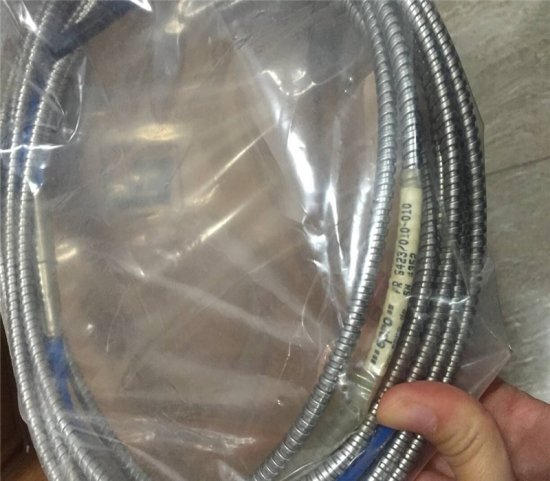
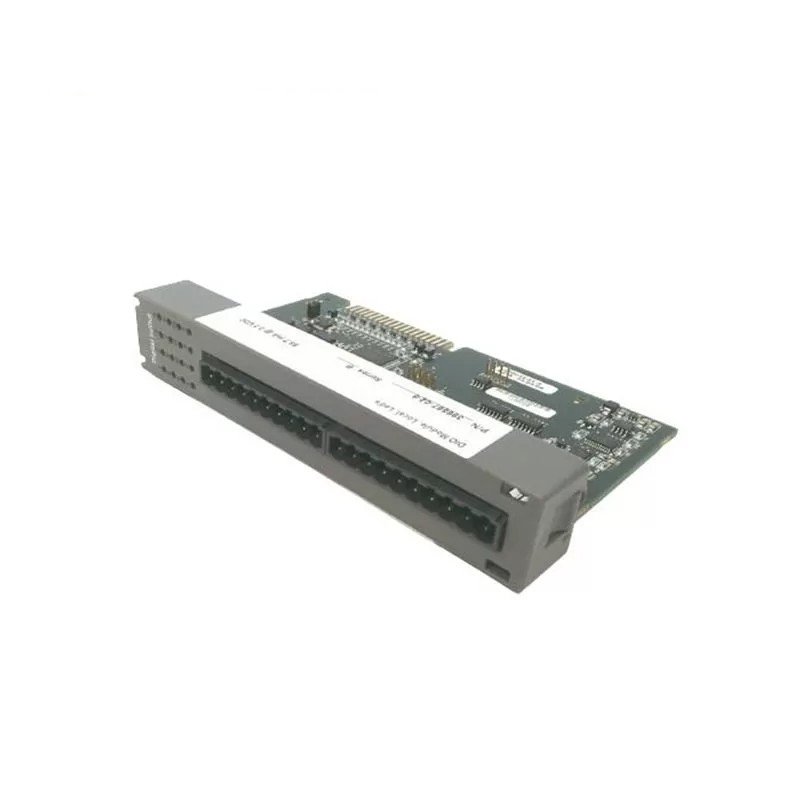
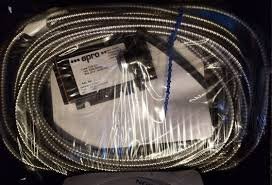
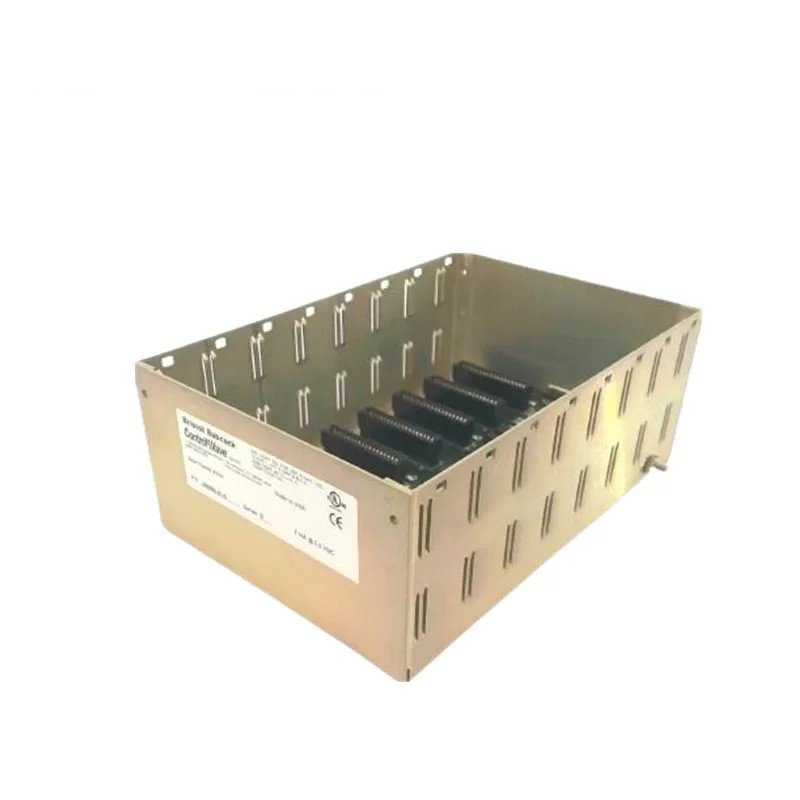

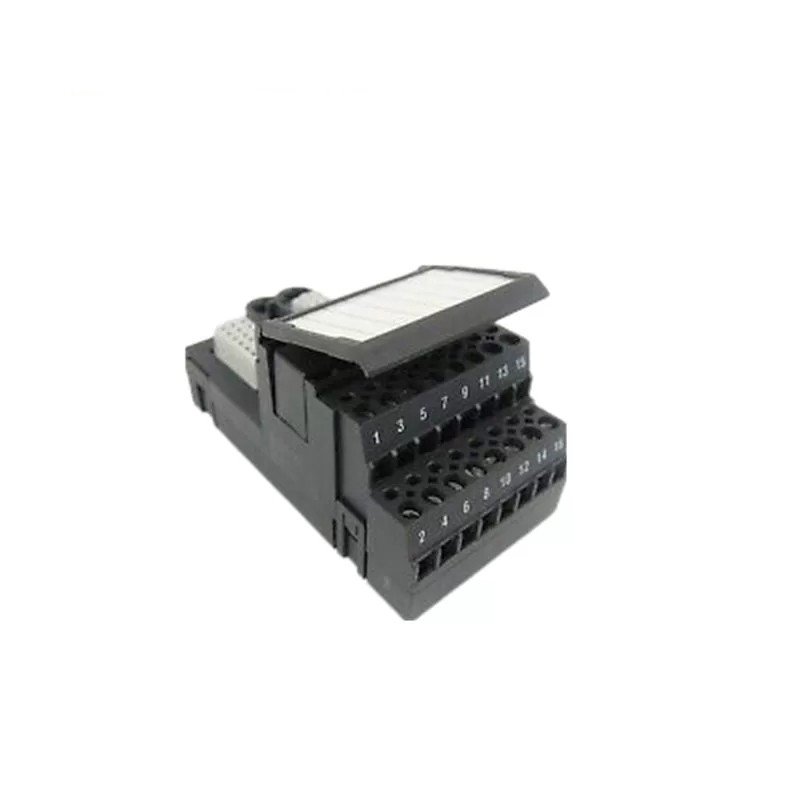
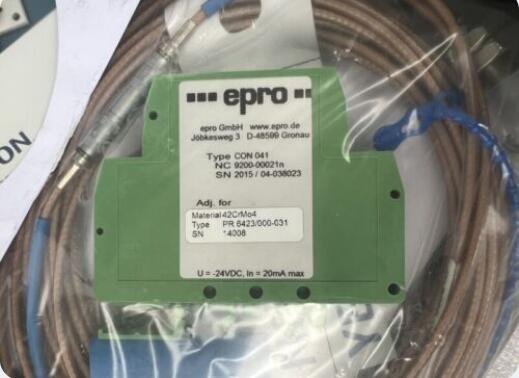
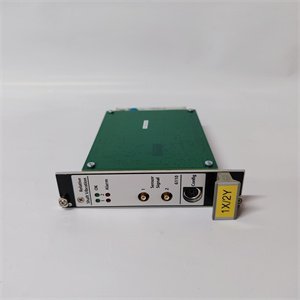
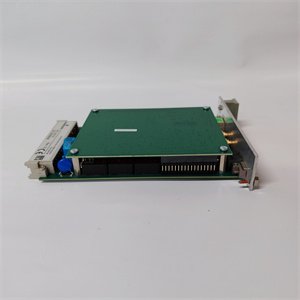
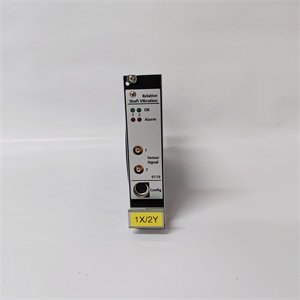
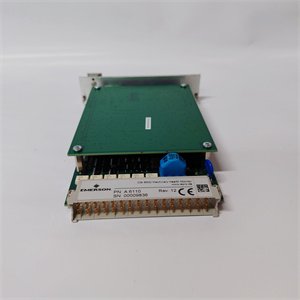
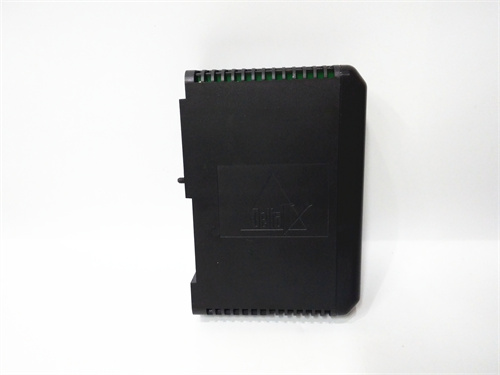
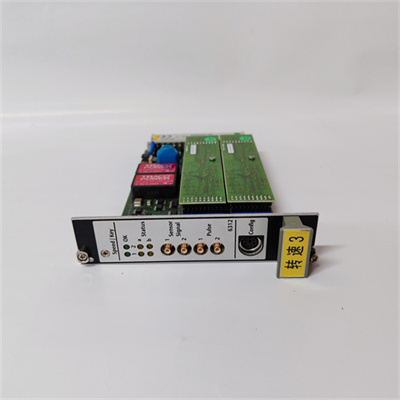
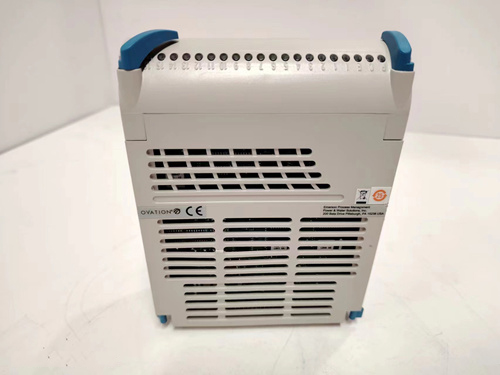
Emerson A6110 Dual-Channel Shaft Relative Vibration Monitor
Manufacturer: Emerson
Product Number: A6110
Category: Dual-Channel Shaft Relative Vibration Monitor
Number of Channels: 2
Application: Power generation, oil & gas, and manufacturing industries requiring real-time monitoring of shaft relative vibration for critical rotating machinery
Product Description
The Emerson A6110 is a high-precision vibration monitoring module designed for critical rotating machinery in industries such as power generation, oil & gas, and manufacturing. This dual-channel system provides real-time monitoring of shaft relative vibration, enabling predictive maintenance and ensuring equipment safety.
The Emerson A6110 monitors shaft vibration in industrial machinery, such as turbines, compressors, and pumps, using eddy current sensors. It supports dual independent channels for X and Y axis measurements, offering zero-to-peak, peak-to-peak, or combined mode analysis. The module is compatible with Emerson’s AMS 6500 Machinery Health Monitor system, providing seamless integration with plant-wide automation systems.
Technical Specifications
| Parameter | Value |
|---|---|
| Input Type | Eddy current differential (-22 VDC to 0 VDC) |
| Measurement Range | 0–500 μm (expandable to 2 mm) |
| Frequency Response | 1–2000 Hz (adjustable) |
| Output Interfaces | 0/4-20 mA, 0-10 VDC, MODBUS RTU |
| Power Supply | 24 VDC ±10% (redundant) |
| Operating Temperature | -25°C to 70°C |
| Environmental Rating | IP20 (front panel), IP00 (module) |
| Dimensions | 16 cm × 16 cm × 12 cm |
| Weight | 0.8 kg |
Key Advantages and Features
- High Precision: Resolves vibrations as small as ±0.1% of full scale, ensuring early detection of bearing wear or misalignment.
- Dual-Channel Redundancy: Supports SIL 2 safety systems with voting logic, reducing false alarms and improving reliability.
- Flexible Integration: Hot-swappable design allows maintenance without system downtime. Compatible with Emerson’s DeltaV™ and Ovation™ DCS systems.
- Advanced Signal Processing: Built-in linearization algorithms and low-pass filters (50–2000 Hz) optimize accuracy in noisy environments.
- Wide Temperature Range: Operates reliably in extreme conditions (-25°C to 70°C), outperforming many competitors.
Applications and Use Cases
Industry Applications
- Power Generation: Monitors turbine shaft vibrations to prevent rotor-stator contact in coal and gas-fired plants.
- Oil & Gas: Tracks compressor rod wear and ensures safe operation in offshore platforms.
- Manufacturing: Optimizes injection molding machines and presses by detecting early-stage mechanical issues.
Case Study
A European power plant reduced unplanned downtime by 40% after deploying the Emerson A6110 on its steam turbines. The module’s real-time vibration analysis identified bearing defects before they caused catastrophic failures, saving over €200,000 annually in maintenance costs.
Competitor Comparison
The Emerson A6110 outperforms comparable solutions in:
- Multi-Functionality: Combines vibration monitoring with temperature and position tracking in a single module.
- Temperature Range: Operates at -25°C to 70°C, whereas many competitors are limited to 0°C to 50°C.
- Integration: Native compatibility with Emerson’s AMS 6500 system reduces engineering effort.
Selection and Maintenance Tips
Selection Criteria
- Compatibility: Verify sensor compatibility (e.g., Emerson PR6422/PR6423) and system integration requirements.
- Safety Standards: Choose SIL 2-rated modules for high-risk applications.
- Environmental Needs: Ensure IP20 rating and temperature range match the installation environment.
Maintenance Recommendations
- Calibration: Perform annual calibration using Emerson’s AMS Machinery Manager software.
- Sensor Checks: Regularly inspect sensor cables for insulation damage.
- Firmware Updates: Keep the module’s firmware updated to access new features and security patches.
Safety and Installation Guidelines
- Electrical Isolation: Ensure galvanic separation from power supplies to prevent interference.
- Sensor Placement: Mount sensors perpendicular to the shaft at a gap of 1.0–1.5 mm.
- EMI/RFI Protection: Route signal cables away from high-voltage lines to minimize noise.
 Loading comments...
Emerson A6110 Dual-Channel Shaft Relative Vibration Monitor
Manufacturer: Emerson
Product Number: A6110
Category: Dual-Channel Shaft Relative Vibration Monitor
Number of Channels: 2
Application: Power generation, oil & gas, and manufacturing industries requiring real-time monitoring of shaft relative vibration for critical rotating machinery
Product Description
The Emerson A6110 is a high-precision vibration monitoring module designed for critical rotating machinery in industries such as power generation, oil & gas, and manufacturing. This dual-channel system provides real-time monitoring of shaft relative vibration, enabling predictive maintenance and ensuring equipment safety.
The Emerson A6110 monitors shaft vibration in industrial machinery, such as turbines, compressors, and pumps, using eddy current sensors. It supports dual independent channels for X and Y axis measurements, offering zero-to-peak, peak-to-peak, or combined mode analysis. The module is compatible with Emerson’s AMS 6500 Machinery Health Monitor system, providing seamless integration with plant-wide automation systems.
Technical Specifications
| Parameter | Value |
|---|---|
| Input Type | Eddy current differential (-22 VDC to 0 VDC) |
| Measurement Range | 0–500 μm (expandable to 2 mm) |
| Frequency Response | 1–2000 Hz (adjustable) |
| Output Interfaces | 0/4-20 mA, 0-10 VDC, MODBUS RTU |
| Power Supply | 24 VDC ±10% (redundant) |
| Operating Temperature | -25°C to 70°C |
| Environmental Rating | IP20 (front panel), IP00 (module) |
| Dimensions | 16 cm × 16 cm × 12 cm |
| Weight | 0.8 kg |
Key Advantages and Features
- High Precision: Resolves vibrations as small as ±0.1% of full scale, ensuring early detection of bearing wear or misalignment.
- Dual-Channel Redundancy: Supports SIL 2 safety systems with voting logic, reducing false alarms and improving reliability.
- Flexible Integration: Hot-swappable design allows maintenance without system downtime. Compatible with Emerson’s DeltaV™ and Ovation™ DCS systems.
- Advanced Signal Processing: Built-in linearization algorithms and low-pass filters (50–2000 Hz) optimize accuracy in noisy environments.
- Wide Temperature Range: Operates reliably in extreme conditions (-25°C to 70°C), outperforming many competitors.
Applications and Use Cases
Industry Applications
- Power Generation: Monitors turbine shaft vibrations to prevent rotor-stator contact in coal and gas-fired plants.
- Oil & Gas: Tracks compressor rod wear and ensures safe operation in offshore platforms.
- Manufacturing: Optimizes injection molding machines and presses by detecting early-stage mechanical issues.
Case Study
A European power plant reduced unplanned downtime by 40% after deploying the Emerson A6110 on its steam turbines. The module’s real-time vibration analysis identified bearing defects before they caused catastrophic failures, saving over €200,000 annually in maintenance costs.
Competitor Comparison
The Emerson A6110 outperforms comparable solutions in:
- Multi-Functionality: Combines vibration monitoring with temperature and position tracking in a single module.
- Temperature Range: Operates at -25°C to 70°C, whereas many competitors are limited to 0°C to 50°C.
- Integration: Native compatibility with Emerson’s AMS 6500 system reduces engineering effort.
Selection and Maintenance Tips
Selection Criteria
- Compatibility: Verify sensor compatibility (e.g., Emerson PR6422/PR6423) and system integration requirements.
- Safety Standards: Choose SIL 2-rated modules for high-risk applications.
- Environmental Needs: Ensure IP20 rating and temperature range match the installation environment.
Maintenance Recommendations
- Calibration: Perform annual calibration using Emerson’s AMS Machinery Manager software.
- Sensor Checks: Regularly inspect sensor cables for insulation damage.
- Firmware Updates: Keep the module’s firmware updated to access new features and security patches.
Safety and Installation Guidelines
- Electrical Isolation: Ensure galvanic separation from power supplies to prevent interference.
- Sensor Placement: Mount sensors perpendicular to the shaft at a gap of 1.0–1.5 mm.
- EMI/RFI Protection: Route signal cables away from high-voltage lines to minimize noise.
Need a Custom Automation Solution?
Our team of experts can design and implement a tailored automation system to meet your specific requirements.