
Our Products
Comprehensive industrial automation solutions for global industries
Contact us
If you are interested in our products and want to know more details,please Contact us,we will reply you as soon as we can.
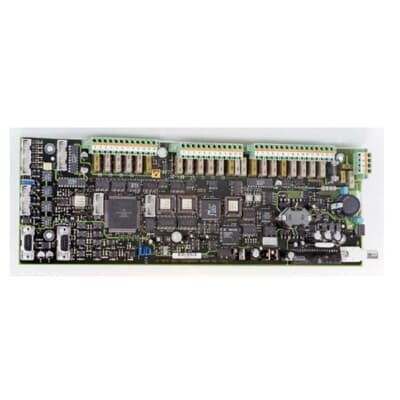
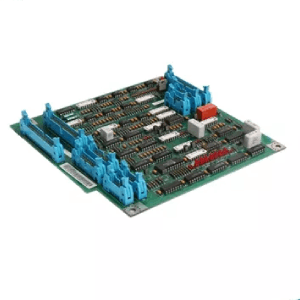
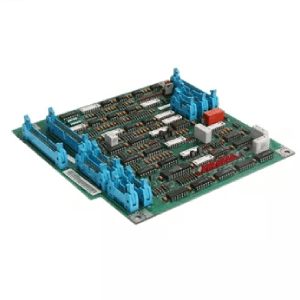
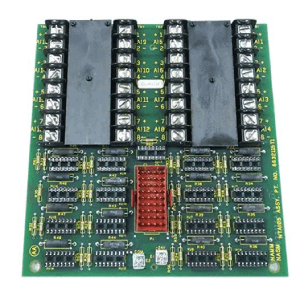
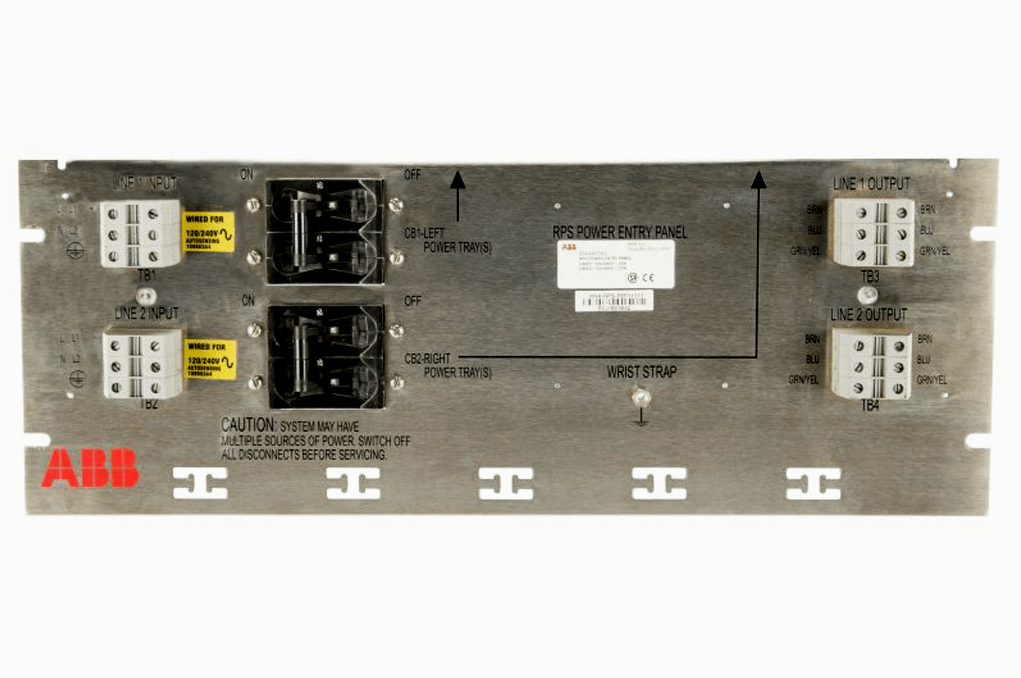
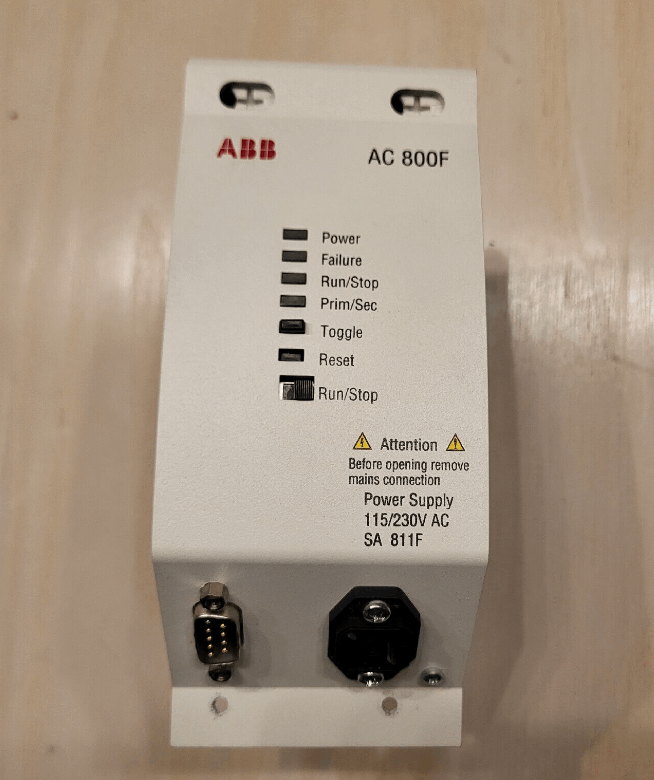
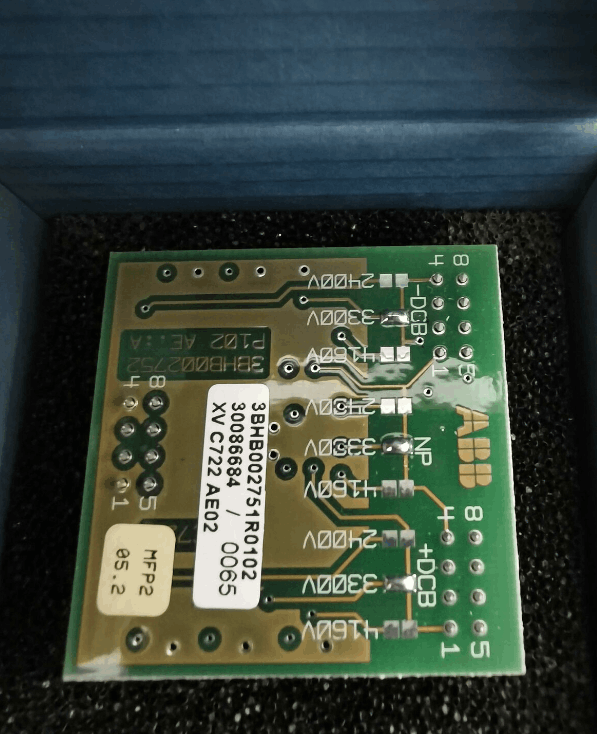
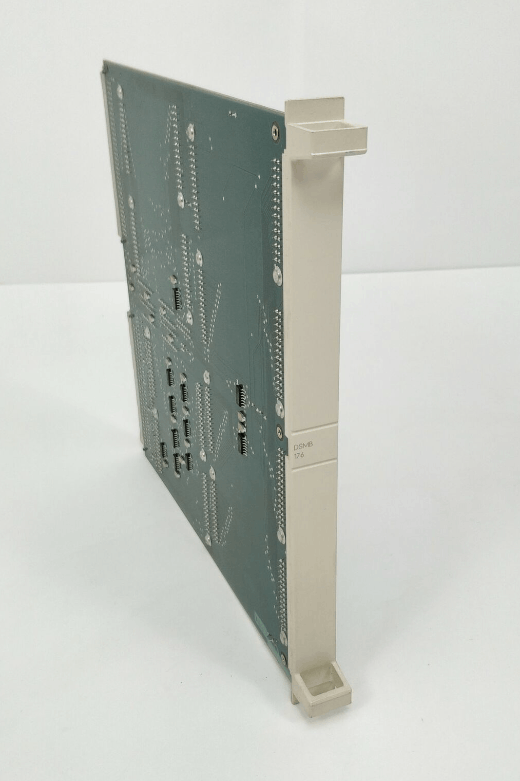
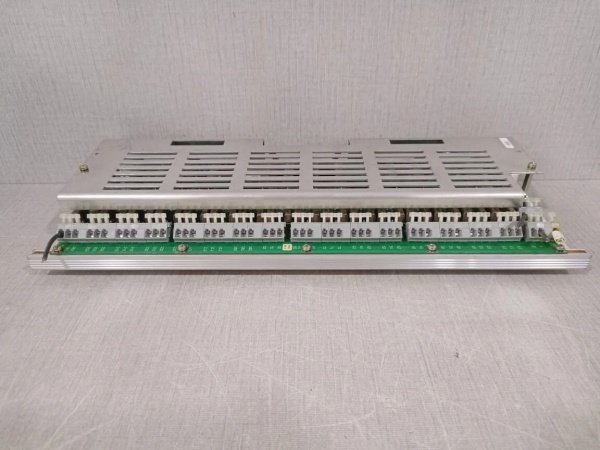
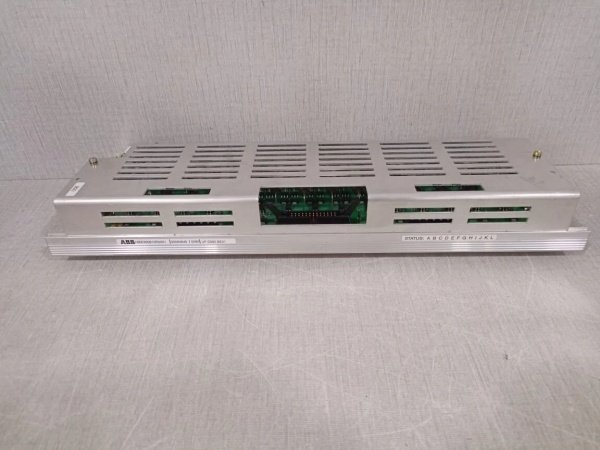
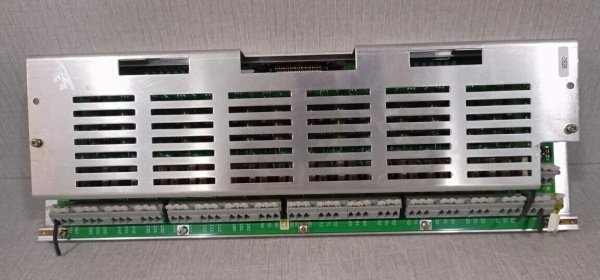
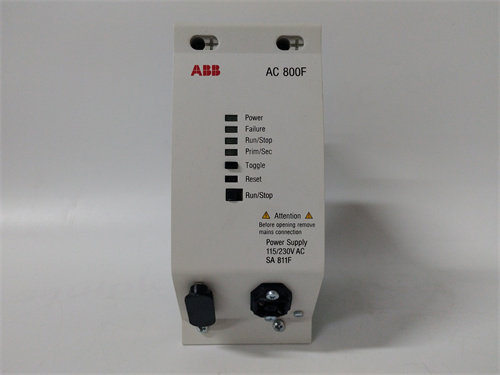
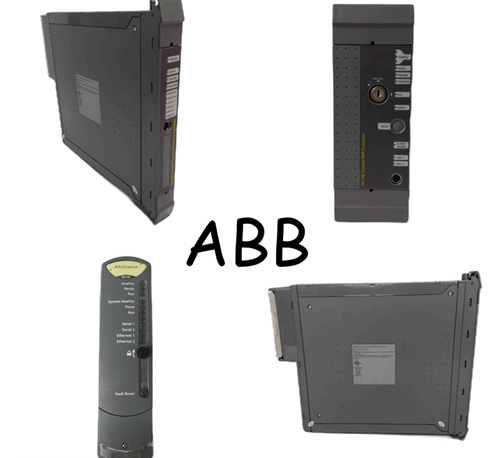
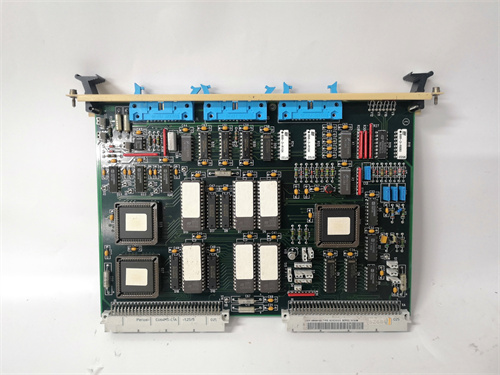
ABB UFC092BE01 HIEE300910R0001 Precision Turbine Load Controller
Manufacturer:ABB
Product Number:ABB HIEE300910R0001 UFC092BE01
Payment Methods:T/T, PayPal, Western Union
Condition:New & In Stock
Warranty:1 Year
Lead Time:1-3 Working Days
Certificate:COO
Courier partners:DHL, UPS, TNT, FedEx and EMS.
Business hours:7*24
Product Description
The ABB HIEE300910R0001 UFC092BE01 is a dedicated gas turbine control unit engineered to deliver precise, redundant speed, load, and fuel regulation for heavy-duty turbines. At its core, dual 32-bit MCUs operate in lockstep: one executes the adaptive PID control algorithm (optimized for turbine dynamic response), while the other validates outputs to prevent drift—critical for SIL 3 compliance. The algorithm adjusts fuel flow in real time based on three key inputs: turbine speed (from magnetic pickups), load setpoint (from DCS), and fuel density (compensated via temperature/pressure sensors).
Key Technical Specifications
- Model Number: ABB HIEE300910R0001 UFC092BE01
- Manufacturer: ABB Power Automation Division
- Control Function: Integrated gas turbine speed, load, and fuel flow regulation
- Speed Control Accuracy: ±0.1% of rated speed (typical 3000 RPM for 50Hz, 3600 RPM for 60Hz)
- Redundancy Configuration: 1+1 hot-standby, automatic failover <5ms
- Response Time: <15ms (speed correction to load demand change)
- Input Signals: 4-20mA (turbine speed, load setpoint, fuel pressure), RTD (fuel temperature), 24VDC discrete (turbine status)
- Output Signals: 4-20mA (fuel valve positioning, governor actuator), 24VDC discrete (fault alarms, enable signals)
- Power Supply: Dual 24VDC ±10% inputs, 1.0A typical per controller
- Operating Temperature: -20°C to +65°C (-4°F to +149°F)
- Isolation Rating: 2kV AC (signal to power); 1kV AC (channel to channel)
- Certifications: IEC 61508 (SIL 3), CE, UL 508, ATEX Zone 2, ISO 13849-1
- Compatibility: ABB Symphony Plus DCS, GT26/GT36 gas turbines, 3BHE series I/O modules, Control Builder M software
Field Application & Problem Solved
In gas turbine operations—power generation, LNG liquefaction, petrochemical cogeneration—speed and load control precision is non-negotiable for efficiency and safety. A Southeast Asian LNG facility lost $380k monthly to excess fuel consumption when a generic controller’s speed regulation drifted by 0.8%, forcing turbines to burn extra gas to maintain load. Legacy units also lack redundancy: a Texas power plant suffered a 12-hour outage ($2.1M loss) when a single-point controller failure shut down a 450MW combined-cycle unit.
You’ll find this unit integrated with Symphony Plus DCS in critical turbine applications: GT36 liquefaction drives in Qatar, GT26 power generation turbines in Germany, and syngas-fired turbines in Louisiana petrochemical plants. Its core value is precision speed/load control + fail-safe redundancy. The ±0.1% accuracy cut the Southeast Asian facility’s fuel waste by 90%, saving $342k monthly. At the Texas plant, the 1+1 hot-standby design eliminated unplanned outages—zero turbine shutdowns due to control failures in 3 years.
For a European power plant, SIL 3 certification ensured compliance with strict grid stability regulations, avoiding $250k in non-compliance fines. Its ability to seamlessly switch between “speed control” and “load control” modes (in <10ms) also proved critical during grid frequency fluctuations, keeping turbines online and preventing $1.3M in production losses.
Installation & Maintenance Pitfalls
- Speed Reference Calibration—Match Turbine Rated Speed: Rookies use default 3000 RPM calibration for 3600 RPM turbines, causing 20% load errors. A Pennsylvania power plant made this mistake during commissioning, leading to turbine overspeed trips. Use Control Builder M to input the turbine’s rated speed (3000/3600 RPM) and verify with a tachometer: controller speed reading must match actual turbine speed within ±0.1%.
- Redundant Power—Separate UPS Sources Are Mandatory: Wiring both controller inputs to one UPS defeats redundancy. A Florida plant did this; a UPS failure took down both units, triggering a 2.5-hour turbine shutdown. Feed Controller A from the turbine’s main UPS, Controller B from the plant’s emergency UPS. Use the unit’s built-in power monitor to alarm if either input drops below 20VDC.
- Signal Scaling—Align with Actuator Range: Incorrect fuel valve signal scaling (e.g., 4-20mA mapped to 0-80% valve stroke) limits turbine load capacity. A North Carolina petrochemical plant’s turbine couldn’t reach full load because the UFC092BE01 was misconfigured. Cross-verify valve stroke (0-100%) with controller output (4-20mA) using a valve positioner tester—ensure 4mA = 0% stroke, 20mA = 100% stroke.
- Filter Maintenance—Quarterly Sensor Filter Checks: Clogged speed pickup or fuel pressure sensor filters cause erratic control. A Wyoming coal plant skipped quarterly checks; sensor blockage led to 0.5% speed fluctuations and increased emissions. Clean inlet filters on speed pickups and fuel pressure sensors every 3 months, and replace O-rings with ABB’s 3BSE048900R1 Viton seals to resist fuel degradation.
Redundancy is baked into every layer: dual power supplies, redundant communication paths to the DCS, and hot-standby processing. The standby controller mirrors the primary’s setpoints, valve positions, and status via a dedicated 100Mbps sync link; if the primary detects a fault (CPU error, signal loss, power failure), the standby takes over in <5ms—faster than the turbine’s mechanical response time, so no speed/load disruption.
The unit communicates with the Symphony Plus DCS via IEC 61850 GOOSE/MMS, enabling remote monitoring, configuration, and fault diagnosis. Its conformal-coated PCB resists fuel vapors, dust, and moisture, while the -20°C to +65°C operating range handles unconditioned turbine enclosures. Unlike generic controllers, it’s factory-calibrated for ABB’s GT26/GT36 turbines, ensuring seamless integration and eliminating custom tuning.
What sets it apart is the balance of precision, redundancy, and safety—critical for applications where turbine downtime costs $20k+ per minute. It doesn’t just control speed and fuel; it acts as a safety-critical link between the DCS and turbine, optimizing efficiency, preventing overspeed/underspeed trips, and ensuring compliance with global power and safety standards.
 Loading comments...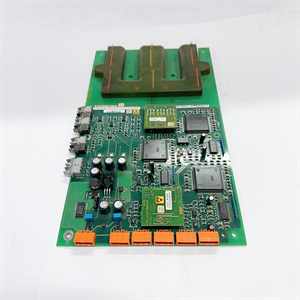
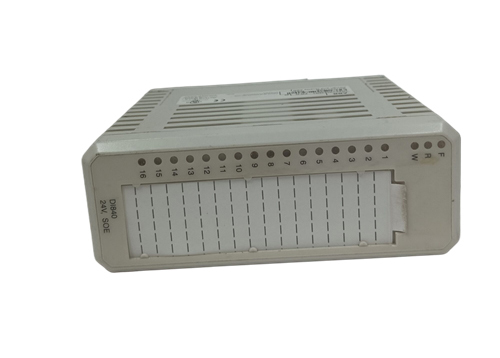
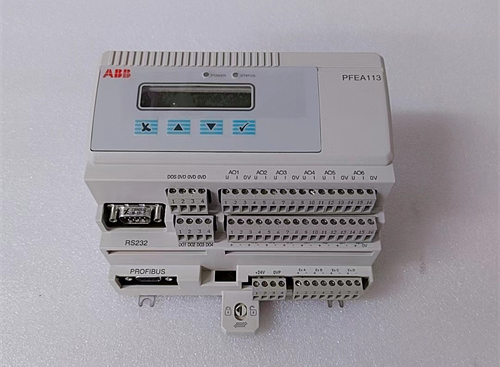
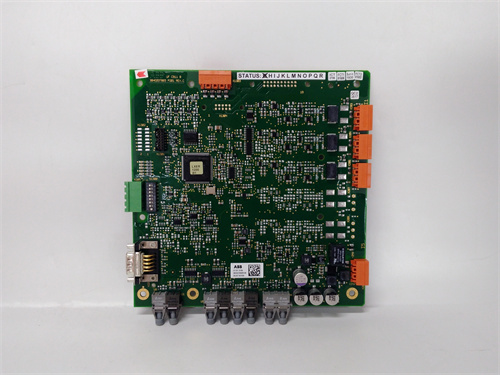
ABB UFC092BE01 HIEE300910R0001 Precision Turbine Load Controller
Manufacturer:ABB
Product Number:ABB HIEE300910R0001 UFC092BE01
Payment Methods:T/T, PayPal, Western Union
Condition:New & In Stock
Warranty:1 Year
Lead Time:1-3 Working Days
Certificate:COO
Courier partners:DHL, UPS, TNT, FedEx and EMS.
Business hours:7*24
Product Description
The ABB HIEE300910R0001 UFC092BE01 is a dedicated gas turbine control unit engineered to deliver precise, redundant speed, load, and fuel regulation for heavy-duty turbines. At its core, dual 32-bit MCUs operate in lockstep: one executes the adaptive PID control algorithm (optimized for turbine dynamic response), while the other validates outputs to prevent drift—critical for SIL 3 compliance. The algorithm adjusts fuel flow in real time based on three key inputs: turbine speed (from magnetic pickups), load setpoint (from DCS), and fuel density (compensated via temperature/pressure sensors).
Key Technical Specifications
- Model Number: ABB HIEE300910R0001 UFC092BE01
- Manufacturer: ABB Power Automation Division
- Control Function: Integrated gas turbine speed, load, and fuel flow regulation
- Speed Control Accuracy: ±0.1% of rated speed (typical 3000 RPM for 50Hz, 3600 RPM for 60Hz)
- Redundancy Configuration: 1+1 hot-standby, automatic failover <5ms
- Response Time: <15ms (speed correction to load demand change)
- Input Signals: 4-20mA (turbine speed, load setpoint, fuel pressure), RTD (fuel temperature), 24VDC discrete (turbine status)
- Output Signals: 4-20mA (fuel valve positioning, governor actuator), 24VDC discrete (fault alarms, enable signals)
- Power Supply: Dual 24VDC ±10% inputs, 1.0A typical per controller
- Operating Temperature: -20°C to +65°C (-4°F to +149°F)
- Isolation Rating: 2kV AC (signal to power); 1kV AC (channel to channel)
- Certifications: IEC 61508 (SIL 3), CE, UL 508, ATEX Zone 2, ISO 13849-1
- Compatibility: ABB Symphony Plus DCS, GT26/GT36 gas turbines, 3BHE series I/O modules, Control Builder M software
Field Application & Problem Solved
In gas turbine operations—power generation, LNG liquefaction, petrochemical cogeneration—speed and load control precision is non-negotiable for efficiency and safety. A Southeast Asian LNG facility lost $380k monthly to excess fuel consumption when a generic controller’s speed regulation drifted by 0.8%, forcing turbines to burn extra gas to maintain load. Legacy units also lack redundancy: a Texas power plant suffered a 12-hour outage ($2.1M loss) when a single-point controller failure shut down a 450MW combined-cycle unit.
You’ll find this unit integrated with Symphony Plus DCS in critical turbine applications: GT36 liquefaction drives in Qatar, GT26 power generation turbines in Germany, and syngas-fired turbines in Louisiana petrochemical plants. Its core value is precision speed/load control + fail-safe redundancy. The ±0.1% accuracy cut the Southeast Asian facility’s fuel waste by 90%, saving $342k monthly. At the Texas plant, the 1+1 hot-standby design eliminated unplanned outages—zero turbine shutdowns due to control failures in 3 years.
For a European power plant, SIL 3 certification ensured compliance with strict grid stability regulations, avoiding $250k in non-compliance fines. Its ability to seamlessly switch between “speed control” and “load control” modes (in <10ms) also proved critical during grid frequency fluctuations, keeping turbines online and preventing $1.3M in production losses.
Installation & Maintenance Pitfalls
- Speed Reference Calibration—Match Turbine Rated Speed: Rookies use default 3000 RPM calibration for 3600 RPM turbines, causing 20% load errors. A Pennsylvania power plant made this mistake during commissioning, leading to turbine overspeed trips. Use Control Builder M to input the turbine’s rated speed (3000/3600 RPM) and verify with a tachometer: controller speed reading must match actual turbine speed within ±0.1%.
- Redundant Power—Separate UPS Sources Are Mandatory: Wiring both controller inputs to one UPS defeats redundancy. A Florida plant did this; a UPS failure took down both units, triggering a 2.5-hour turbine shutdown. Feed Controller A from the turbine’s main UPS, Controller B from the plant’s emergency UPS. Use the unit’s built-in power monitor to alarm if either input drops below 20VDC.
- Signal Scaling—Align with Actuator Range: Incorrect fuel valve signal scaling (e.g., 4-20mA mapped to 0-80% valve stroke) limits turbine load capacity. A North Carolina petrochemical plant’s turbine couldn’t reach full load because the UFC092BE01 was misconfigured. Cross-verify valve stroke (0-100%) with controller output (4-20mA) using a valve positioner tester—ensure 4mA = 0% stroke, 20mA = 100% stroke.
- Filter Maintenance—Quarterly Sensor Filter Checks: Clogged speed pickup or fuel pressure sensor filters cause erratic control. A Wyoming coal plant skipped quarterly checks; sensor blockage led to 0.5% speed fluctuations and increased emissions. Clean inlet filters on speed pickups and fuel pressure sensors every 3 months, and replace O-rings with ABB’s 3BSE048900R1 Viton seals to resist fuel degradation.
Redundancy is baked into every layer: dual power supplies, redundant communication paths to the DCS, and hot-standby processing. The standby controller mirrors the primary’s setpoints, valve positions, and status via a dedicated 100Mbps sync link; if the primary detects a fault (CPU error, signal loss, power failure), the standby takes over in <5ms—faster than the turbine’s mechanical response time, so no speed/load disruption.
The unit communicates with the Symphony Plus DCS via IEC 61850 GOOSE/MMS, enabling remote monitoring, configuration, and fault diagnosis. Its conformal-coated PCB resists fuel vapors, dust, and moisture, while the -20°C to +65°C operating range handles unconditioned turbine enclosures. Unlike generic controllers, it’s factory-calibrated for ABB’s GT26/GT36 turbines, ensuring seamless integration and eliminating custom tuning.
What sets it apart is the balance of precision, redundancy, and safety—critical for applications where turbine downtime costs $20k+ per minute. It doesn’t just control speed and fuel; it acts as a safety-critical link between the DCS and turbine, optimizing efficiency, preventing overspeed/underspeed trips, and ensuring compliance with global power and safety standards.
Need a Custom Automation Solution?
Our team of experts can design and implement a tailored automation system to meet your specific requirements.