
Our Products
Comprehensive industrial automation solutions for global industries
Contact us
If you are interested in our products and want to know more details,please Contact us,we will reply you as soon as we can.
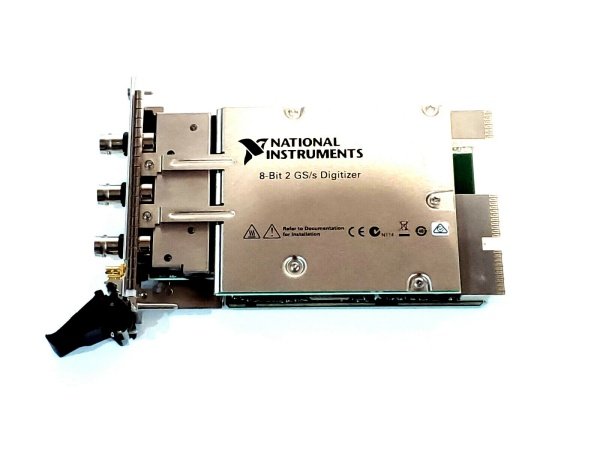
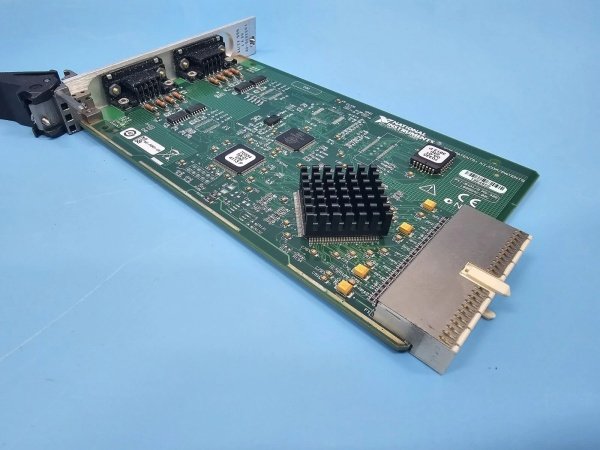
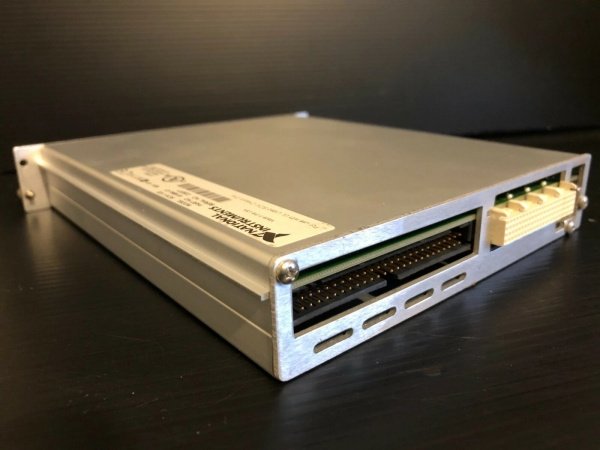
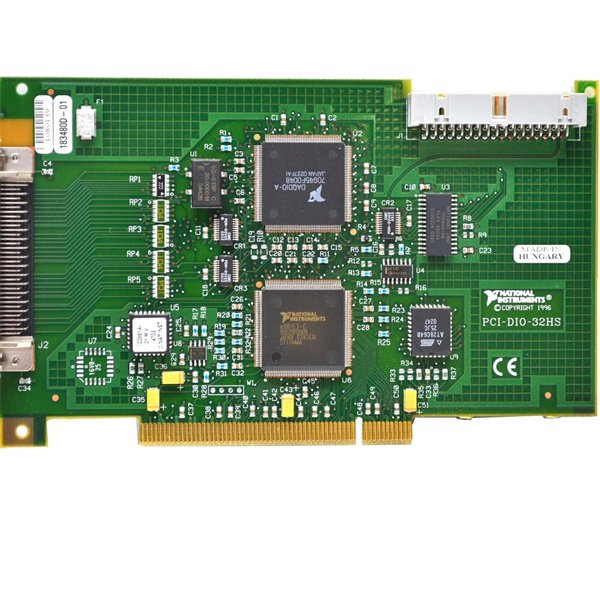
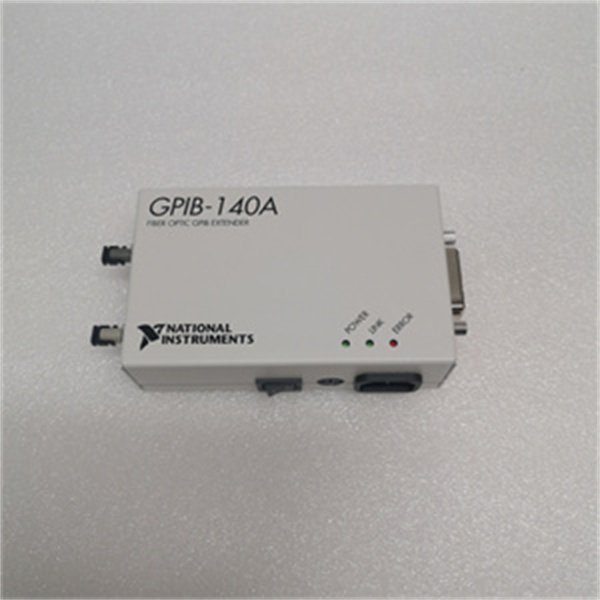
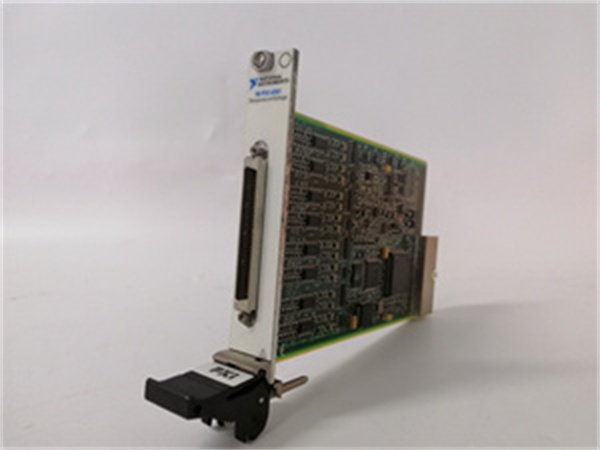
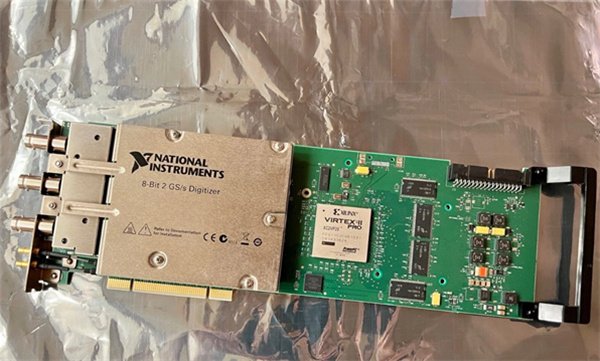
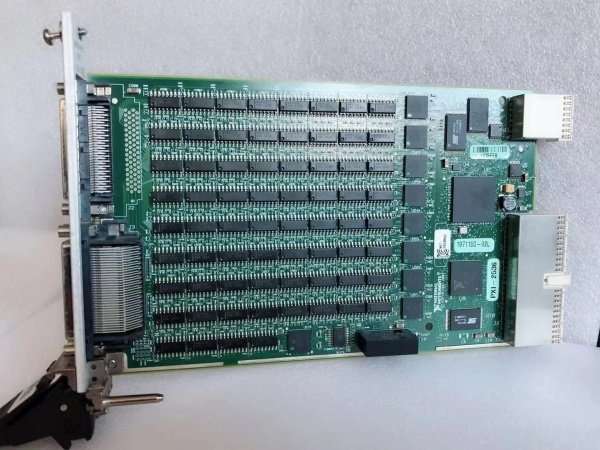
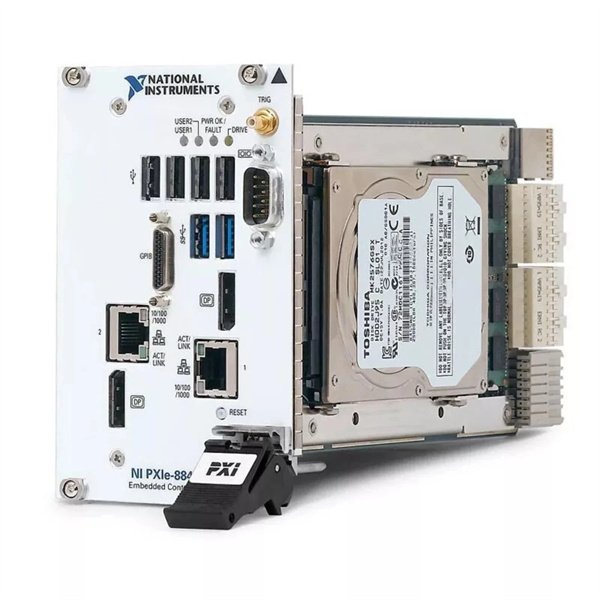
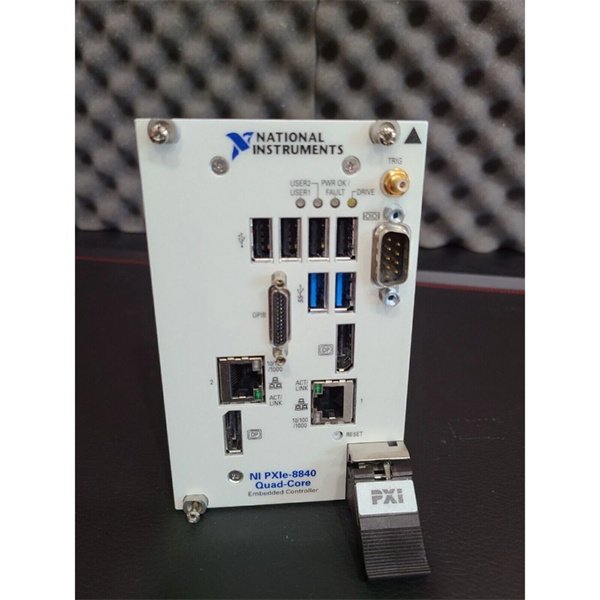
NI PXI-8820 High-Performance PXI Embedded Controller
Manufacturer:NI
Product Number:NI PXI-8820
Payment Methods:T/T, PayPal, Western Union
Condition:New & In Stock
Warranty:1 Year
Lead Time:1-3 Working Days
Certificate:COO
Courier partners:DHL, UPS, TNT, FedEx and EMS.
Business hours:7*24
Product Description
The NI PXI-8820 is a high-performance embedded controller engineered for PXI systems, designed to handle demanding test, measurement, and control applications. As a flagship controller in NI’s PXI lineup, it combines cutting-edge processing power with high-speed connectivity, making it ideal for large-scale automated test systems, real-time control, and data-intensive applications.
Powered by an Intel Core i7-8650U quad-core processor with Turbo Boost up to 4.2 GHz, the PXI-8820 delivers exceptional computing performance, capable of processing large datasets and running complex algorithms with ease. Its 16 GB DDR4 memory (expandable to 32 GB) ensures smooth multitasking, even when running multiple test applications simultaneously. The 512 GB M.2 NVMe SSD provides ultra-fast storage, reducing data access times and enabling quick boot-ups and application launches—critical for high-throughput test environments.
With a PCIe Gen 3 x8 link to the PXI backplane, the controller offers a dedicated bandwidth of up to 64 GB/s, facilitating rapid data transfer between the controller and PXI modules. This high-speed connection is essential for applications like high-speed signal acquisition and real-time processing, where latency and throughput are critical factors. The PXI-8820 also features a rich set of I/O ports, ensuring seamless connectivity with peripherals, networks, and display devices.
Detailed Parameter Table
| Parameter Name | Parameter Value |
| Product Model | PXI-8820 |
| Manufacturer | National Instruments (NI) |
| Product Category | High-Performance PXI Embedded Controller |
| Processor | Intel Core i7-8650U quad-core processor, 1.9 GHz (up to 4.2 GHz with Turbo Boost) |
| Memory | 16 GB DDR4 SDRAM (up to 32 GB) |
| Storage | 512 GB M.2 NVMe SSD; optional 1 TB SSD |
| PXI Interface | PCIe Gen 3 x8 link to PXI backplane |
| Operating System | Windows 10 Enterprise LTSC, LabVIEW Real-Time |
| I/O Ports | 4 USB 3.1 ports, 2 Gigabit Ethernet ports, 1 serial port (RS-232), 1 HDMI port, 1 DisplayPort |
| Expansion Slots | 1 PCIe Mini Card slot, 1 M.2 slot (for additional storage/wireless) |
| Power Consumption | 65 W typical |
| Operating Temperature Range | 0 to 55 °C |
| Storage Temperature Range | -40 to 70 °C |
| Humidity Range | 5 to 95% non-condensing (operating), 5 to 95% non-condensing (storage) |
| Physical Dimensions | 16.5 cm (height) x 10.7 cm (width) x 20.3 cm (depth) |
| Weight | 1.9 kg |
| Compliance | CE, UL, CSA, FCC Part 15 Class B |
| Software Compatibility | LabVIEW, LabWindows/CVI, Measurement Studio, NI TestStand, Visual Studio, MATLAB |
Core Advantages and Technical Highlights
Extreme Processing Power
The Intel Core i7-8650U processor in the PXI-8820 provides quad-core performance with high clock speeds, making it capable of handling the most demanding test and measurement tasks. In automotive radar testing, for example, it can process massive amounts of data from high-speed digitizers (such as the PXIe-5186) in real time, enabling complex signal analysis and object detection algorithms to run without delays. This processing power also allows for parallel execution of test sequences, significantly reducing test time in high-volume manufacturing.
High-Speed Backplane Connectivity
The PCIe Gen 3 x8 link to the PXI backplane delivers unprecedented data transfer rates, ensuring that large volumes of data from modules like high-speed DAQs or RF analyzers are transferred to the controller with minimal latency. In a 5G wireless test system, this high bandwidth enables the PXI-8820 to receive and process wideband RF signals from a vector signal analyzer (PXIe-5668) at gigahertz rates, supporting real-time modulation analysis and compliance testing.
Advanced Storage and Memory
The 512 GB M.2 NVMe SSD offers read/write speeds far exceeding traditional SATA drives, allowing for fast storage and retrieval of test data, waveforms, and test programs. Combined with 16 GB DDR4 memory (expandable to 32 GB), the PXI-8820 can handle large in-memory datasets, such as those generated during long-duration environmental testing or multi-channel vibration analysis. This is particularly valuable in aerospace testing, where storing and processing terabytes of flight simulation data is common.
Flexible Expansion and Connectivity
Equipped with multiple expansion slots and I/O ports, the PXI-8820 adapts to diverse system requirements. The PCIe Mini Card and M.2 slots support adding wireless modules (Wi-Fi 6, Bluetooth 5) or additional storage, enabling remote operation and data logging in field-testing scenarios. Dual Gigabit Ethernet ports facilitate connection to both local test networks and corporate servers, allowing for seamless data sharing and remote monitoring. In a semiconductor fab, this connectivity enables the controller to integrate with factory automation systems, providing real-time test data for process optimization.
Typical Application Scenarios
High-Speed Automated Test Systems
In semiconductor manufacturing, the PXI-8820 powers high-speed test systems for ICs and microprocessors. It controls a suite of PXI modules, including high-speed digital I/O (PXIe-6570), RF signal generators (PXIe-5674), and power meters (PXIe-4140), to perform parametric and functional testing at gigahertz speeds. The controller’s processing power enables it to run complex test algorithms, analyze results, and log data at rates exceeding 10,000 devices per hour, meeting the demands of high-volume production.
Real-Time Control Systems
The PXI-8820 is well-suited for real-time control applications, such as hardware-in-the-loop (HIL) simulation for automotive and aerospace systems. When paired with LabVIEW Real-Time, it delivers deterministic control with microsecond-level latency, essential for simulating dynamic systems like engine control units (ECUs) or flight controllers. For example, in an automotive HIL setup, the controller processes sensor data from a DAQ module (PXIe-6368), runs vehicle dynamics models, and generates actuation signals to test ECU response—all in real time.
Large-Scale Data Acquisition
In energy research, the PXI-8820 manages multi-channel data acquisition systems for smart grid testing. It coordinates hundreds of analog input channels (via PXIe-6368 modules) to monitor voltage, current, and power quality across distributed grid nodes. The controller processes this data to detect anomalies, such as voltage sags or harmonic distortion, and generates reports for grid stability analysis. Its high storage capacity ensures that terabytes of time-series data can be logged for post-processing and long-term trend analysis.
Advanced RF and Wireless Testing
The PXI-8820 is a key component in RF test systems for 5G and beyond. It controls PXIe RF modules to generate and analyze complex waveforms, validate transceiver performance, and test antenna arrays. For example, in a 5G base station test, the controller programs a vector signal generator (PXIe-5674) to produce 5G NR signals, uses a vector signal analyzer (PXIe-5668) to measure the base station’s output, and processes the data to verify compliance with 3GPP standards. The high bandwidth and processing power ensure that even wideband signals (up to 100 MHz) are analyzed in real time.
Installation Commissioning and Maintenance Instructions
Installation Preparation
Power off the PXIe chassis before installing the PXI-8820. Use an anti-static wristband to prevent ESD damage. Align the controller with the system slot guide rails, gently insert it until fully seated, and secure with front panel screws. Connect peripherals (monitor, keyboard, network cables) via the I/O ports. Ensure the chassis is connected to a 100-240 VAC power source with adequate current capacity.
Commissioning Steps
Power on the chassis and launch NI MAX to verify the controller and connected modules are detected. Install the latest NI drivers (NI-DAQmx, NI-RFmx) and software tools. Configure network settings for dual Ethernet ports—one for test system communication and one for corporate network access. Run a system self-test to validate backplane connectivity and module functionality. For real-time applications, install LabVIEW Real-Time and configure deterministic execution settings. Test with a high-bandwidth application (e.g., streaming 1 GB/s from a digitizer module) to confirm data transfer performance.
Maintenance Suggestions
Regularly update firmware, drivers, and operating systems via NI Update Service to ensure compatibility with new modules and security patches. Monitor SSD health using NI MAX or third-party tools to predict drive failures and prevent data loss. Clean the controller’s vents and chassis filters monthly to maintain cooling efficiency, especially in high-temperature environments. Back up critical data and test programs to network storage or external SSDs. If upgrading memory or storage, ensure components are compatible with the controller’s specifications (DDR4-2400 for memory, M.2 NVMe for storage).
 Loading comments...
NI PXI-8820 High-Performance PXI Embedded Controller
Manufacturer:NI
Product Number:NI PXI-8820
Payment Methods:T/T, PayPal, Western Union
Condition:New & In Stock
Warranty:1 Year
Lead Time:1-3 Working Days
Certificate:COO
Courier partners:DHL, UPS, TNT, FedEx and EMS.
Business hours:7*24
Product Description
The NI PXI-8820 is a high-performance embedded controller engineered for PXI systems, designed to handle demanding test, measurement, and control applications. As a flagship controller in NI’s PXI lineup, it combines cutting-edge processing power with high-speed connectivity, making it ideal for large-scale automated test systems, real-time control, and data-intensive applications.
Powered by an Intel Core i7-8650U quad-core processor with Turbo Boost up to 4.2 GHz, the PXI-8820 delivers exceptional computing performance, capable of processing large datasets and running complex algorithms with ease. Its 16 GB DDR4 memory (expandable to 32 GB) ensures smooth multitasking, even when running multiple test applications simultaneously. The 512 GB M.2 NVMe SSD provides ultra-fast storage, reducing data access times and enabling quick boot-ups and application launches—critical for high-throughput test environments.
With a PCIe Gen 3 x8 link to the PXI backplane, the controller offers a dedicated bandwidth of up to 64 GB/s, facilitating rapid data transfer between the controller and PXI modules. This high-speed connection is essential for applications like high-speed signal acquisition and real-time processing, where latency and throughput are critical factors. The PXI-8820 also features a rich set of I/O ports, ensuring seamless connectivity with peripherals, networks, and display devices.
Detailed Parameter Table
| Parameter Name | Parameter Value |
| Product Model | PXI-8820 |
| Manufacturer | National Instruments (NI) |
| Product Category | High-Performance PXI Embedded Controller |
| Processor | Intel Core i7-8650U quad-core processor, 1.9 GHz (up to 4.2 GHz with Turbo Boost) |
| Memory | 16 GB DDR4 SDRAM (up to 32 GB) |
| Storage | 512 GB M.2 NVMe SSD; optional 1 TB SSD |
| PXI Interface | PCIe Gen 3 x8 link to PXI backplane |
| Operating System | Windows 10 Enterprise LTSC, LabVIEW Real-Time |
| I/O Ports | 4 USB 3.1 ports, 2 Gigabit Ethernet ports, 1 serial port (RS-232), 1 HDMI port, 1 DisplayPort |
| Expansion Slots | 1 PCIe Mini Card slot, 1 M.2 slot (for additional storage/wireless) |
| Power Consumption | 65 W typical |
| Operating Temperature Range | 0 to 55 °C |
| Storage Temperature Range | -40 to 70 °C |
| Humidity Range | 5 to 95% non-condensing (operating), 5 to 95% non-condensing (storage) |
| Physical Dimensions | 16.5 cm (height) x 10.7 cm (width) x 20.3 cm (depth) |
| Weight | 1.9 kg |
| Compliance | CE, UL, CSA, FCC Part 15 Class B |
| Software Compatibility | LabVIEW, LabWindows/CVI, Measurement Studio, NI TestStand, Visual Studio, MATLAB |
Core Advantages and Technical Highlights
Extreme Processing Power
The Intel Core i7-8650U processor in the PXI-8820 provides quad-core performance with high clock speeds, making it capable of handling the most demanding test and measurement tasks. In automotive radar testing, for example, it can process massive amounts of data from high-speed digitizers (such as the PXIe-5186) in real time, enabling complex signal analysis and object detection algorithms to run without delays. This processing power also allows for parallel execution of test sequences, significantly reducing test time in high-volume manufacturing.
High-Speed Backplane Connectivity
The PCIe Gen 3 x8 link to the PXI backplane delivers unprecedented data transfer rates, ensuring that large volumes of data from modules like high-speed DAQs or RF analyzers are transferred to the controller with minimal latency. In a 5G wireless test system, this high bandwidth enables the PXI-8820 to receive and process wideband RF signals from a vector signal analyzer (PXIe-5668) at gigahertz rates, supporting real-time modulation analysis and compliance testing.
Advanced Storage and Memory
The 512 GB M.2 NVMe SSD offers read/write speeds far exceeding traditional SATA drives, allowing for fast storage and retrieval of test data, waveforms, and test programs. Combined with 16 GB DDR4 memory (expandable to 32 GB), the PXI-8820 can handle large in-memory datasets, such as those generated during long-duration environmental testing or multi-channel vibration analysis. This is particularly valuable in aerospace testing, where storing and processing terabytes of flight simulation data is common.
Flexible Expansion and Connectivity
Equipped with multiple expansion slots and I/O ports, the PXI-8820 adapts to diverse system requirements. The PCIe Mini Card and M.2 slots support adding wireless modules (Wi-Fi 6, Bluetooth 5) or additional storage, enabling remote operation and data logging in field-testing scenarios. Dual Gigabit Ethernet ports facilitate connection to both local test networks and corporate servers, allowing for seamless data sharing and remote monitoring. In a semiconductor fab, this connectivity enables the controller to integrate with factory automation systems, providing real-time test data for process optimization.
Typical Application Scenarios
High-Speed Automated Test Systems
In semiconductor manufacturing, the PXI-8820 powers high-speed test systems for ICs and microprocessors. It controls a suite of PXI modules, including high-speed digital I/O (PXIe-6570), RF signal generators (PXIe-5674), and power meters (PXIe-4140), to perform parametric and functional testing at gigahertz speeds. The controller’s processing power enables it to run complex test algorithms, analyze results, and log data at rates exceeding 10,000 devices per hour, meeting the demands of high-volume production.
Real-Time Control Systems
The PXI-8820 is well-suited for real-time control applications, such as hardware-in-the-loop (HIL) simulation for automotive and aerospace systems. When paired with LabVIEW Real-Time, it delivers deterministic control with microsecond-level latency, essential for simulating dynamic systems like engine control units (ECUs) or flight controllers. For example, in an automotive HIL setup, the controller processes sensor data from a DAQ module (PXIe-6368), runs vehicle dynamics models, and generates actuation signals to test ECU response—all in real time.
Large-Scale Data Acquisition
In energy research, the PXI-8820 manages multi-channel data acquisition systems for smart grid testing. It coordinates hundreds of analog input channels (via PXIe-6368 modules) to monitor voltage, current, and power quality across distributed grid nodes. The controller processes this data to detect anomalies, such as voltage sags or harmonic distortion, and generates reports for grid stability analysis. Its high storage capacity ensures that terabytes of time-series data can be logged for post-processing and long-term trend analysis.
Advanced RF and Wireless Testing
The PXI-8820 is a key component in RF test systems for 5G and beyond. It controls PXIe RF modules to generate and analyze complex waveforms, validate transceiver performance, and test antenna arrays. For example, in a 5G base station test, the controller programs a vector signal generator (PXIe-5674) to produce 5G NR signals, uses a vector signal analyzer (PXIe-5668) to measure the base station’s output, and processes the data to verify compliance with 3GPP standards. The high bandwidth and processing power ensure that even wideband signals (up to 100 MHz) are analyzed in real time.
Installation Commissioning and Maintenance Instructions
Installation Preparation
Power off the PXIe chassis before installing the PXI-8820. Use an anti-static wristband to prevent ESD damage. Align the controller with the system slot guide rails, gently insert it until fully seated, and secure with front panel screws. Connect peripherals (monitor, keyboard, network cables) via the I/O ports. Ensure the chassis is connected to a 100-240 VAC power source with adequate current capacity.
Commissioning Steps
Power on the chassis and launch NI MAX to verify the controller and connected modules are detected. Install the latest NI drivers (NI-DAQmx, NI-RFmx) and software tools. Configure network settings for dual Ethernet ports—one for test system communication and one for corporate network access. Run a system self-test to validate backplane connectivity and module functionality. For real-time applications, install LabVIEW Real-Time and configure deterministic execution settings. Test with a high-bandwidth application (e.g., streaming 1 GB/s from a digitizer module) to confirm data transfer performance.
Maintenance Suggestions
Regularly update firmware, drivers, and operating systems via NI Update Service to ensure compatibility with new modules and security patches. Monitor SSD health using NI MAX or third-party tools to predict drive failures and prevent data loss. Clean the controller’s vents and chassis filters monthly to maintain cooling efficiency, especially in high-temperature environments. Back up critical data and test programs to network storage or external SSDs. If upgrading memory or storage, ensure components are compatible with the controller’s specifications (DDR4-2400 for memory, M.2 NVMe for storage).
Need a Custom Automation Solution?
Our team of experts can design and implement a tailored automation system to meet your specific requirements.