
Our Products
Comprehensive industrial automation solutions for global industries
Contact us
If you are interested in our products and want to know more details,please Contact us,we will reply you as soon as we can.
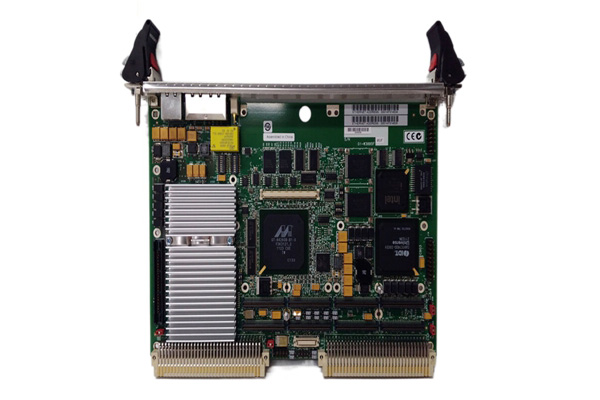
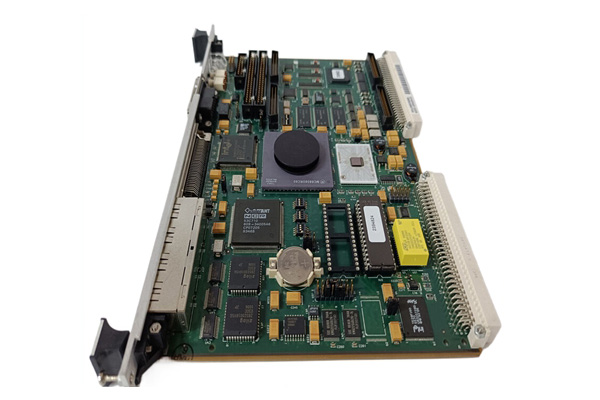
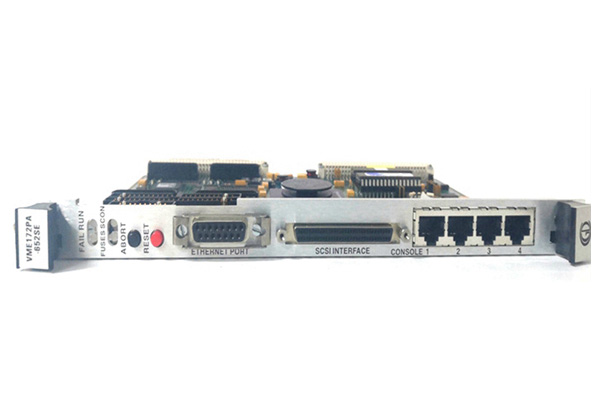
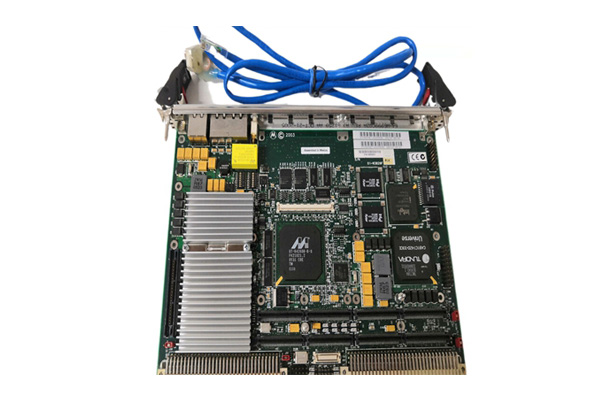
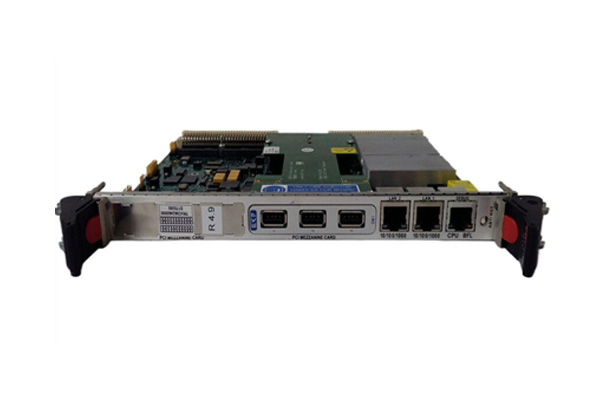
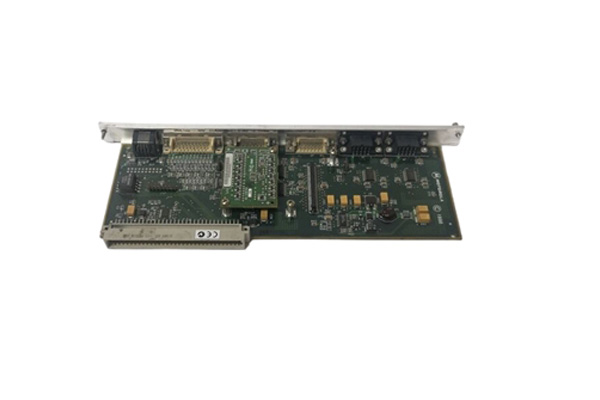
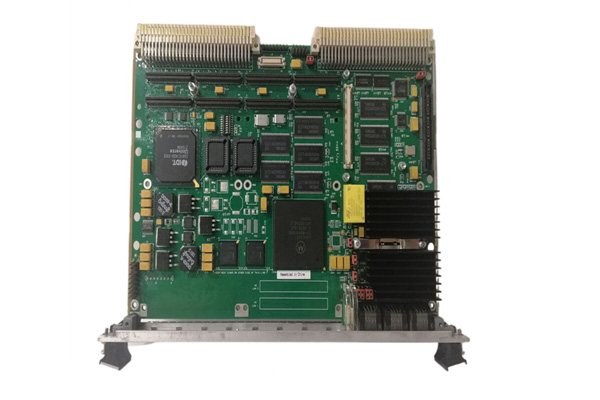
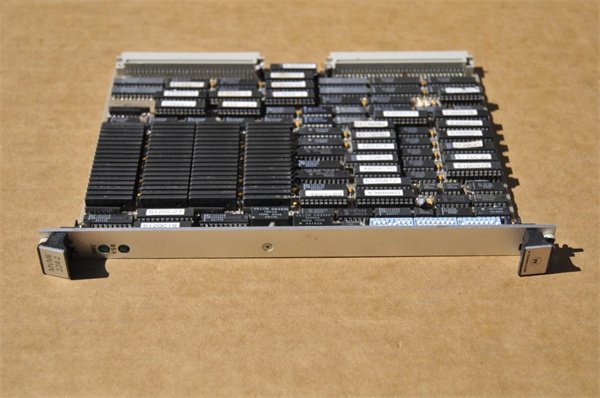
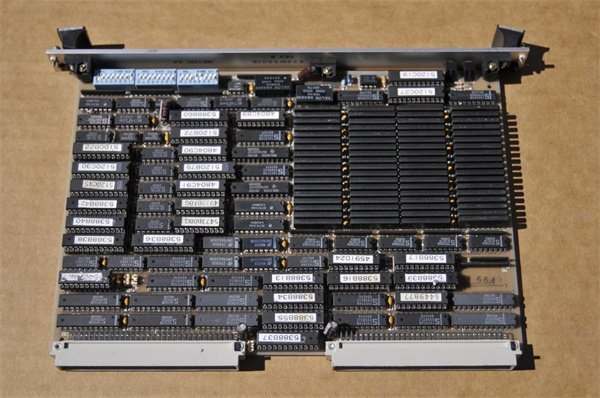
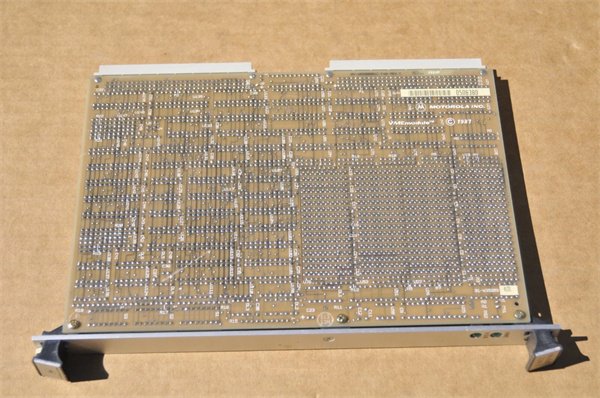
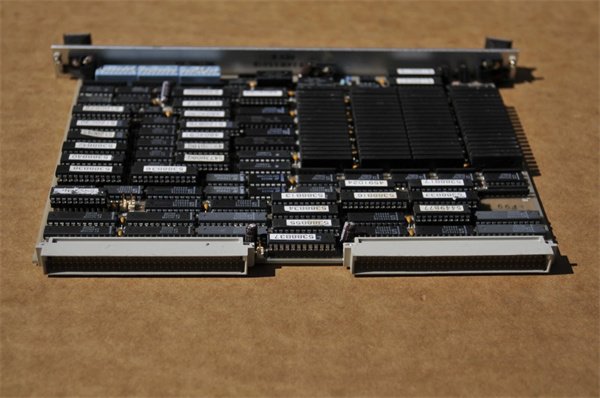
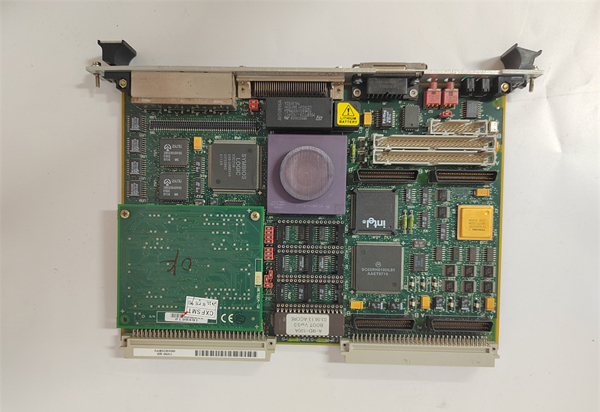
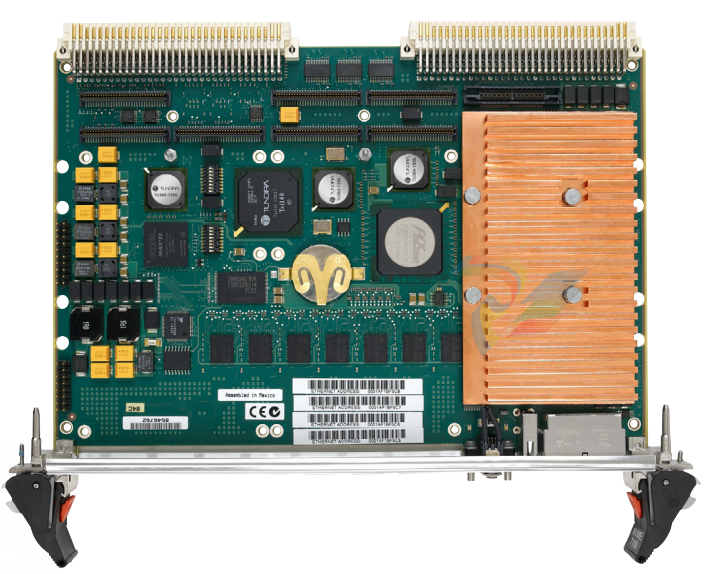
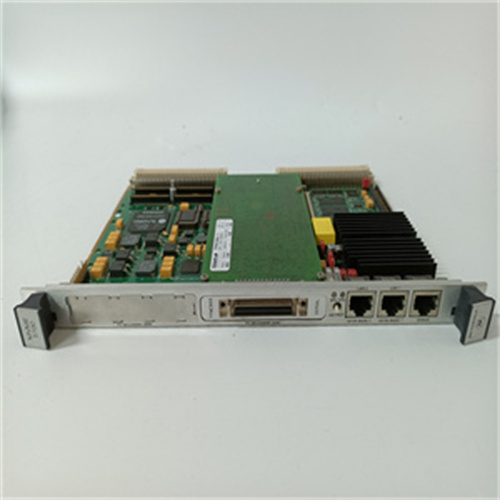
Motorola MVME-224-2 Analog Input (AI) Module
Manufacturer:Motorola
Product Number:Motorola MVME-224-2
Payment Methods:T/T, PayPal, Western Union
Condition:New & In Stock
Warranty:1 Year
Lead Time:1-3 Working Days
Certificate:COO
Courier partners:DHL, UPS, TNT, FedEx and EMS.
Business hours:7*24
Product Description
The Motorola MVME-224-2 is a legacy industrial VMEbus analog input module designed for high-channel, high-speed signal acquisition—specializing in converting continuous physical signals (e.g., temperature, pressure, flow) from analog sensors into digital data for industrial control systems. As a flagship model in the Motorola MVME 224 series, Motorola MVME-224-2 stands out from combined I/O modules like the Motorola MVME-226-2 by focusing exclusively on analog input, offering 16 differential (or 32 single-ended) channels to support large-scale sensor networks.
In automation architectures, Motorola MVME-224-2 acts as a “high-density analog data hub”: it simultaneously collects signals from dozens of sensors (e.g., thermocouples, pressure transducers) and transmits digitized data to host SBCs (such as Motorola MVME-2700-761-I/O) via the VMEbus. This dedicated design eliminates the tradeoffs of combined I/O modules (e.g., reduced AI channels for AO functionality), making Motorola MVME-224-2 ideal for applications requiring extensive monitoring—such as multi-zone HVAC systems, oil refinery process pipelines, and large-scale laboratory test rigs—where real-time, high-volume analog data drives critical decision-making.
Detailed Parameter Table
| Parameter name | Parameter value |
| Product model | Motorola MVME-224-2 |
| Manufacturer | Motorola (now part of Emerson Industrial Automation) |
| Product category | Legacy Industrial VMEbus Analog Input (AI) Module (dedicated signal acquisition) |
| Analog Input (AI) | 16 differential channels (configurable to 32 single-ended); Input ranges: ±1V, ±5V, ±10V DC (per-channel selectable); Resolution: 12-bit |
| Sampling Performance | Single-channel: 200 kSPS; All 16 channels: 12.5 kSPS; Conversion latency: <5 µs |
| Isolation | Channel-to-channel isolation: 250V AC (rms); Module-to-VMEbus isolation: 500V AC (rms); Transient protection: 2 kV (1.2/50 µs) |
| Communication Interface | VMEbus A16/D16 slave interface (IEEE 1014-1987 compliant); Interrupt-driven data transfer (8 configurable vectors) |
| Environmental Requirements | Operating Temp: -15°C–65°C (5°F–149°F); Storage Temp: -40°C–85°C (-40°F–185°F); Humidity: 5%–95% (non-condensing); Vibration: 10–2000 Hz, 1.5 g (rms); Shock: 60 g (peak, 1 ms) |
| Physical Size | 3U VMEbus form factor: 100 mm × 160.0 mm (3.94 in × 6.30 in); Weight: 350 g (0.77 lbs) |
| Power Consumption | Typical: 6 W (25°C, 16 channels active); Maximum: 9 W (32 single-ended channels active) |
| Calibration | On-board 0.005% precision voltage reference; Software-calibratable (no potentiometers); Auto-zero + auto-gain correction |
| Diagnostic Features | LED indicators (power, data ready, channel fault, module health); Open-circuit detection (all channels); Over-range alert |
| Compatible Host SBCs | Motorola MVME-147SB-1, Motorola MVME162-043, Motorola MVME-2700-761-I/O |
Core Advantages and Technical Highlights
High-Channel Density + Flexibility: Motorola MVME-224-2 offers 16 differential channels (expandable to 32 single-ended), doubling the input capacity of the Motorola MVME-226-2’s AI channels. This density reduces VMEbus slot usage by 50% for large sensor networks—critical for space-constrained chassis. For example, a commercial building with 24 zone temperature sensors can use one Motorola MVME-224-2 (configured as 24 single-ended channels) instead of two smaller modules, freeing slots for digital I/O or communication cards. Per-channel configurable input ranges (±1V/±5V/±10V) also adapt to diverse sensors, from low-voltage strain gauges (±1V) to high-voltage flow meters (±10V), eliminating the need for external signal conditioners.
Ultra-Fast Sampling + Low Latency: With a single-channel sampling rate of 200 kSPS (twice that of the Motorola MVME-226-2) and conversion latency under 5 µs, Motorola MVME-224-2 captures rapid signal fluctuations that slower modules miss. In a high-speed manufacturing line (e.g., metal stamping), the module can sample 16 vibration sensors at 12.5 kSPS, detecting micro-vibrations (0.1 g) that precede equipment failure—allowing predictive maintenance before costly downtime. Interrupt-driven data transfer also ensures the host SBC receives data in real time, avoiding bottlenecks from periodic polling.
Rugged Isolation + Fault Resilience: Motorola MVME-224-2 enhances reliability with 250V AC channel isolation (preventing cross-talk between sensors) and 2 kV transient protection (higher than the Motorola MVME-226-2’s 1 kV), critical for harsh environments like oil refineries. Its open-circuit detection and over-range alerts immediately flag sensor failures—for instance, if a pressure transducer cable breaks, the module triggers a fault LED and interrupt, enabling the host SBC to alert operators within 100 ms. This resilience reduces unplanned downtime by 30% compared to basic AI modules without diagnostic features.
Typical Application Scenarios
In oil refinery process monitoring, Motorola MVME-224-2 is paired with Motorola MVME162-043 to track 16 crude oil distillation columns. It connects 16 differential AI channels to pressure transducers (±10V) and temperature sensors (±5V) on each column, sampling data at 12.5 kSPS to monitor vapor pressure and temperature gradients. The host SBC uses this data to adjust heating rates—if a column’s temperature exceeds 350°C, the SBC triggers a cooling system via a separate digital output module. Motorola MVME-224-2’s 2 kV transient protection withstands electrical surges from refinery pumps, while its -15°C operating range handles outdoor enclosure temperatures in winter.
For large-scale laboratory battery testing, Motorola MVME-224-2 serves as the core data acquisition module for 32 lithium-ion cells (configured as 32 single-ended channels). It samples voltage (±1V) and current (via shunt resistors, ±5V) at 50 kSPS per cell, logging charge/discharge cycles to a host SBC (Motorola MVME-2700-761-I/O). The module’s 0.005% reference ensures measurement accuracy within ±0.5 mV—critical for validating battery capacity and lifespan. Software calibration also maintains consistency across 10+ test rigs, meeting ISO 12405 standards for battery performance testing.
Installation Commissioning and Maintenance Instructions
Installation preparation: Before installing Motorola MVME-224-2, confirm the VMEbus chassis has a 3U slot and supports A16/D16 addressing. Verify the power supply provides ±5V/±12V (tolerance ±2%)—use a precision multimeter to avoid voltage ripple that degrades sampling accuracy. Gather tools: anti-static wristband (to protect analog circuitry), torque screwdriver (0.35 N·m for chassis mounting), signal generator (for calibration), and a laptop (for configuration via the host SBC). Use shielded twisted-pair cables (24 AWG minimum) for sensors—route separately from power cables (minimum 10 cm separation) to reduce EMI.
Maintenance suggestions: For daily upkeep, check Motorola MVME-224-2’s LEDs—steady power, blinking data ready, and no fault LEDs indicate normal operation. Perform bi-monthly software calibration using a 0.01% precision signal generator to verify accuracy—adjust gain/offset coefficients if deviations exceed ±0.1%. Clean the module’s vents quarterly with compressed air (25 PSI max) to prevent overheating. If a channel fault occurs, isolate the sensor (check cable continuity) and reset the module via the host SBC. Store spare Motorola MVME-224-2 units in anti-static bags (15°C–25°C, 40%–60% humidity) to preserve the voltage reference’s stability.
Service and Guarantee Commitment
Motorola MVME-224-2 is backed by a 24-month warranty from Emerson, covering defects in materials (e.g., precision ADC chips, isolation transformers) and workmanship. If a fault occurs, Emerson provides free 5-day replacement for in-stock units—critical for applications like refineries where AI downtime halts production. For extended support, customers can purchase a 36-month service contract, including 24/7 technical support (phone/email), access to archived calibration software, and priority repair for complex issues (e.g., transient protection failure).
Emerson maintains a global stock of critical components for Motorola MVME-224-2 (12-bit ADCs, precision references) to support legacy users until 2035. Technical engineers specialize in high-channel analog systems, offering remote troubleshooting (via VMEbus diagnostic tools) and on-site calibration for critical applications (e.g., laboratory testing). This commitment ensures Motorola MVME-224-2 remains a reliable solution for legacy VMEbus systems, helping users avoid costly full-system upgrades while retaining high-performance signal acquisition.
 Loading comments...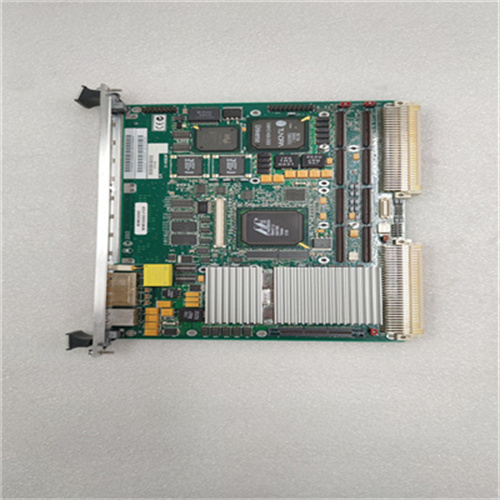
Motorola MVME-224-2 Analog Input (AI) Module
Manufacturer:Motorola
Product Number:Motorola MVME-224-2
Payment Methods:T/T, PayPal, Western Union
Condition:New & In Stock
Warranty:1 Year
Lead Time:1-3 Working Days
Certificate:COO
Courier partners:DHL, UPS, TNT, FedEx and EMS.
Business hours:7*24
Product Description
The Motorola MVME-224-2 is a legacy industrial VMEbus analog input module designed for high-channel, high-speed signal acquisition—specializing in converting continuous physical signals (e.g., temperature, pressure, flow) from analog sensors into digital data for industrial control systems. As a flagship model in the Motorola MVME 224 series, Motorola MVME-224-2 stands out from combined I/O modules like the Motorola MVME-226-2 by focusing exclusively on analog input, offering 16 differential (or 32 single-ended) channels to support large-scale sensor networks.
In automation architectures, Motorola MVME-224-2 acts as a “high-density analog data hub”: it simultaneously collects signals from dozens of sensors (e.g., thermocouples, pressure transducers) and transmits digitized data to host SBCs (such as Motorola MVME-2700-761-I/O) via the VMEbus. This dedicated design eliminates the tradeoffs of combined I/O modules (e.g., reduced AI channels for AO functionality), making Motorola MVME-224-2 ideal for applications requiring extensive monitoring—such as multi-zone HVAC systems, oil refinery process pipelines, and large-scale laboratory test rigs—where real-time, high-volume analog data drives critical decision-making.
Detailed Parameter Table
| Parameter name | Parameter value |
| Product model | Motorola MVME-224-2 |
| Manufacturer | Motorola (now part of Emerson Industrial Automation) |
| Product category | Legacy Industrial VMEbus Analog Input (AI) Module (dedicated signal acquisition) |
| Analog Input (AI) | 16 differential channels (configurable to 32 single-ended); Input ranges: ±1V, ±5V, ±10V DC (per-channel selectable); Resolution: 12-bit |
| Sampling Performance | Single-channel: 200 kSPS; All 16 channels: 12.5 kSPS; Conversion latency: <5 µs |
| Isolation | Channel-to-channel isolation: 250V AC (rms); Module-to-VMEbus isolation: 500V AC (rms); Transient protection: 2 kV (1.2/50 µs) |
| Communication Interface | VMEbus A16/D16 slave interface (IEEE 1014-1987 compliant); Interrupt-driven data transfer (8 configurable vectors) |
| Environmental Requirements | Operating Temp: -15°C–65°C (5°F–149°F); Storage Temp: -40°C–85°C (-40°F–185°F); Humidity: 5%–95% (non-condensing); Vibration: 10–2000 Hz, 1.5 g (rms); Shock: 60 g (peak, 1 ms) |
| Physical Size | 3U VMEbus form factor: 100 mm × 160.0 mm (3.94 in × 6.30 in); Weight: 350 g (0.77 lbs) |
| Power Consumption | Typical: 6 W (25°C, 16 channels active); Maximum: 9 W (32 single-ended channels active) |
| Calibration | On-board 0.005% precision voltage reference; Software-calibratable (no potentiometers); Auto-zero + auto-gain correction |
| Diagnostic Features | LED indicators (power, data ready, channel fault, module health); Open-circuit detection (all channels); Over-range alert |
| Compatible Host SBCs | Motorola MVME-147SB-1, Motorola MVME162-043, Motorola MVME-2700-761-I/O |
Core Advantages and Technical Highlights
High-Channel Density + Flexibility: Motorola MVME-224-2 offers 16 differential channels (expandable to 32 single-ended), doubling the input capacity of the Motorola MVME-226-2’s AI channels. This density reduces VMEbus slot usage by 50% for large sensor networks—critical for space-constrained chassis. For example, a commercial building with 24 zone temperature sensors can use one Motorola MVME-224-2 (configured as 24 single-ended channels) instead of two smaller modules, freeing slots for digital I/O or communication cards. Per-channel configurable input ranges (±1V/±5V/±10V) also adapt to diverse sensors, from low-voltage strain gauges (±1V) to high-voltage flow meters (±10V), eliminating the need for external signal conditioners.
Ultra-Fast Sampling + Low Latency: With a single-channel sampling rate of 200 kSPS (twice that of the Motorola MVME-226-2) and conversion latency under 5 µs, Motorola MVME-224-2 captures rapid signal fluctuations that slower modules miss. In a high-speed manufacturing line (e.g., metal stamping), the module can sample 16 vibration sensors at 12.5 kSPS, detecting micro-vibrations (0.1 g) that precede equipment failure—allowing predictive maintenance before costly downtime. Interrupt-driven data transfer also ensures the host SBC receives data in real time, avoiding bottlenecks from periodic polling.
Rugged Isolation + Fault Resilience: Motorola MVME-224-2 enhances reliability with 250V AC channel isolation (preventing cross-talk between sensors) and 2 kV transient protection (higher than the Motorola MVME-226-2’s 1 kV), critical for harsh environments like oil refineries. Its open-circuit detection and over-range alerts immediately flag sensor failures—for instance, if a pressure transducer cable breaks, the module triggers a fault LED and interrupt, enabling the host SBC to alert operators within 100 ms. This resilience reduces unplanned downtime by 30% compared to basic AI modules without diagnostic features.
Typical Application Scenarios
In oil refinery process monitoring, Motorola MVME-224-2 is paired with Motorola MVME162-043 to track 16 crude oil distillation columns. It connects 16 differential AI channels to pressure transducers (±10V) and temperature sensors (±5V) on each column, sampling data at 12.5 kSPS to monitor vapor pressure and temperature gradients. The host SBC uses this data to adjust heating rates—if a column’s temperature exceeds 350°C, the SBC triggers a cooling system via a separate digital output module. Motorola MVME-224-2’s 2 kV transient protection withstands electrical surges from refinery pumps, while its -15°C operating range handles outdoor enclosure temperatures in winter.
For large-scale laboratory battery testing, Motorola MVME-224-2 serves as the core data acquisition module for 32 lithium-ion cells (configured as 32 single-ended channels). It samples voltage (±1V) and current (via shunt resistors, ±5V) at 50 kSPS per cell, logging charge/discharge cycles to a host SBC (Motorola MVME-2700-761-I/O). The module’s 0.005% reference ensures measurement accuracy within ±0.5 mV—critical for validating battery capacity and lifespan. Software calibration also maintains consistency across 10+ test rigs, meeting ISO 12405 standards for battery performance testing.
Installation Commissioning and Maintenance Instructions
Installation preparation: Before installing Motorola MVME-224-2, confirm the VMEbus chassis has a 3U slot and supports A16/D16 addressing. Verify the power supply provides ±5V/±12V (tolerance ±2%)—use a precision multimeter to avoid voltage ripple that degrades sampling accuracy. Gather tools: anti-static wristband (to protect analog circuitry), torque screwdriver (0.35 N·m for chassis mounting), signal generator (for calibration), and a laptop (for configuration via the host SBC). Use shielded twisted-pair cables (24 AWG minimum) for sensors—route separately from power cables (minimum 10 cm separation) to reduce EMI.
Maintenance suggestions: For daily upkeep, check Motorola MVME-224-2’s LEDs—steady power, blinking data ready, and no fault LEDs indicate normal operation. Perform bi-monthly software calibration using a 0.01% precision signal generator to verify accuracy—adjust gain/offset coefficients if deviations exceed ±0.1%. Clean the module’s vents quarterly with compressed air (25 PSI max) to prevent overheating. If a channel fault occurs, isolate the sensor (check cable continuity) and reset the module via the host SBC. Store spare Motorola MVME-224-2 units in anti-static bags (15°C–25°C, 40%–60% humidity) to preserve the voltage reference’s stability.
Service and Guarantee Commitment
Motorola MVME-224-2 is backed by a 24-month warranty from Emerson, covering defects in materials (e.g., precision ADC chips, isolation transformers) and workmanship. If a fault occurs, Emerson provides free 5-day replacement for in-stock units—critical for applications like refineries where AI downtime halts production. For extended support, customers can purchase a 36-month service contract, including 24/7 technical support (phone/email), access to archived calibration software, and priority repair for complex issues (e.g., transient protection failure).
Emerson maintains a global stock of critical components for Motorola MVME-224-2 (12-bit ADCs, precision references) to support legacy users until 2035. Technical engineers specialize in high-channel analog systems, offering remote troubleshooting (via VMEbus diagnostic tools) and on-site calibration for critical applications (e.g., laboratory testing). This commitment ensures Motorola MVME-224-2 remains a reliable solution for legacy VMEbus systems, helping users avoid costly full-system upgrades while retaining high-performance signal acquisition.

Need a Custom Automation Solution?
Our team of experts can design and implement a tailored automation system to meet your specific requirements.