
Our Products
Comprehensive industrial automation solutions for global industries
Contact us
If you are interested in our products and want to know more details,please Contact us,we will reply you as soon as we can.
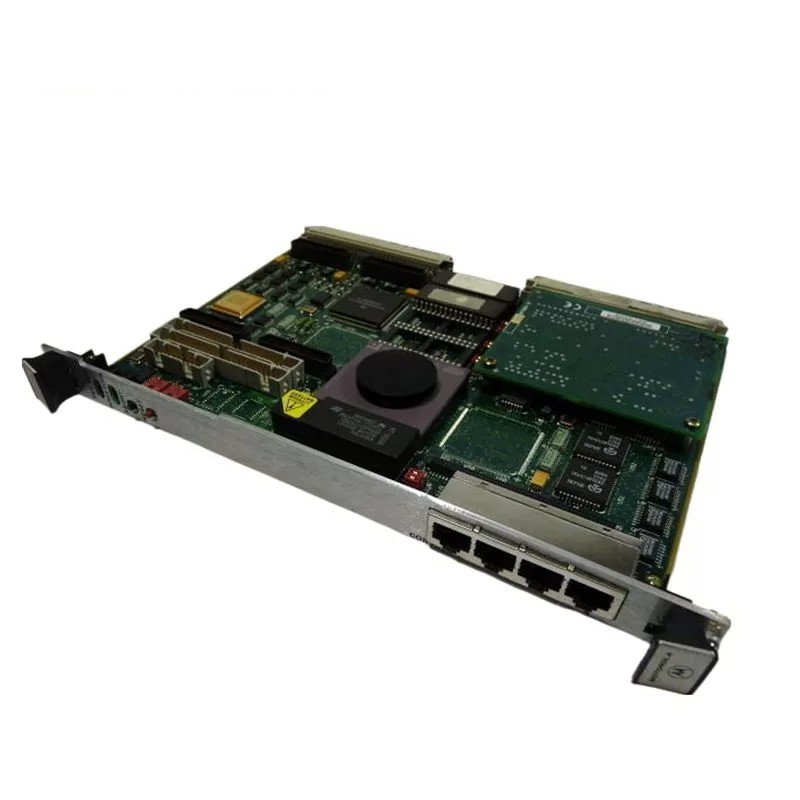
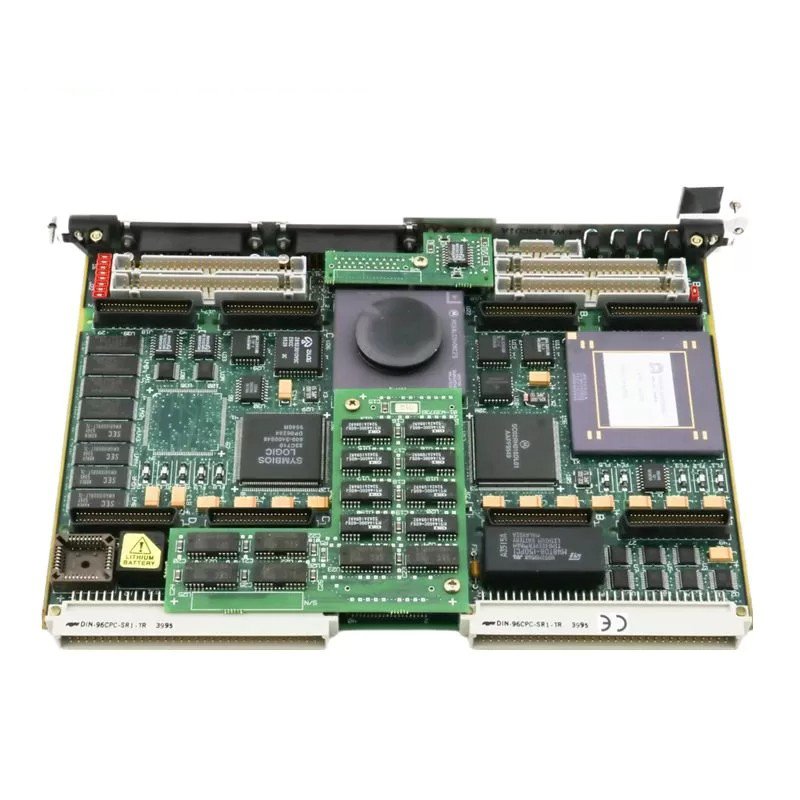
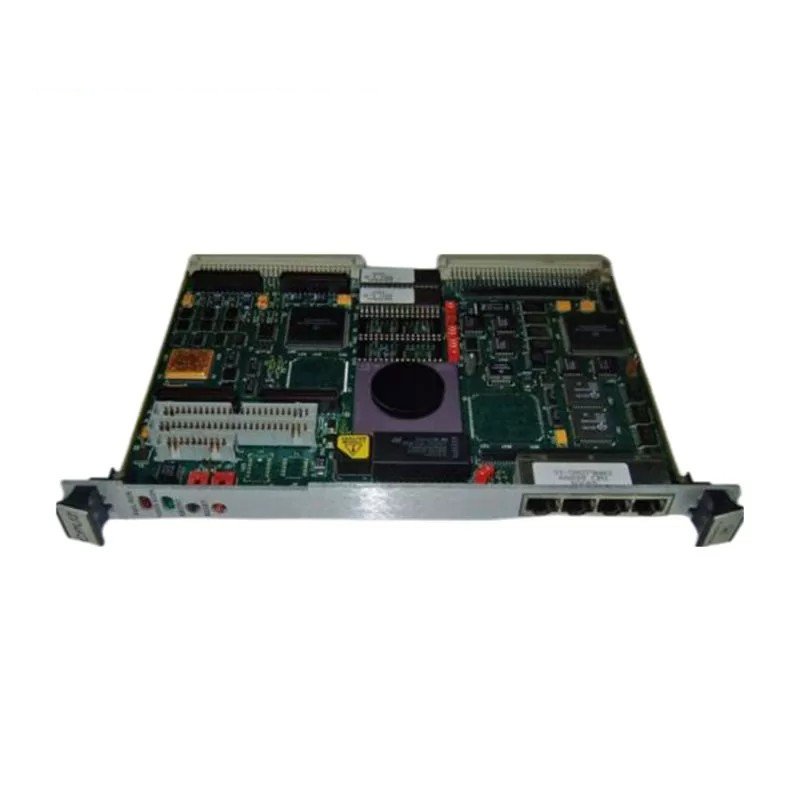
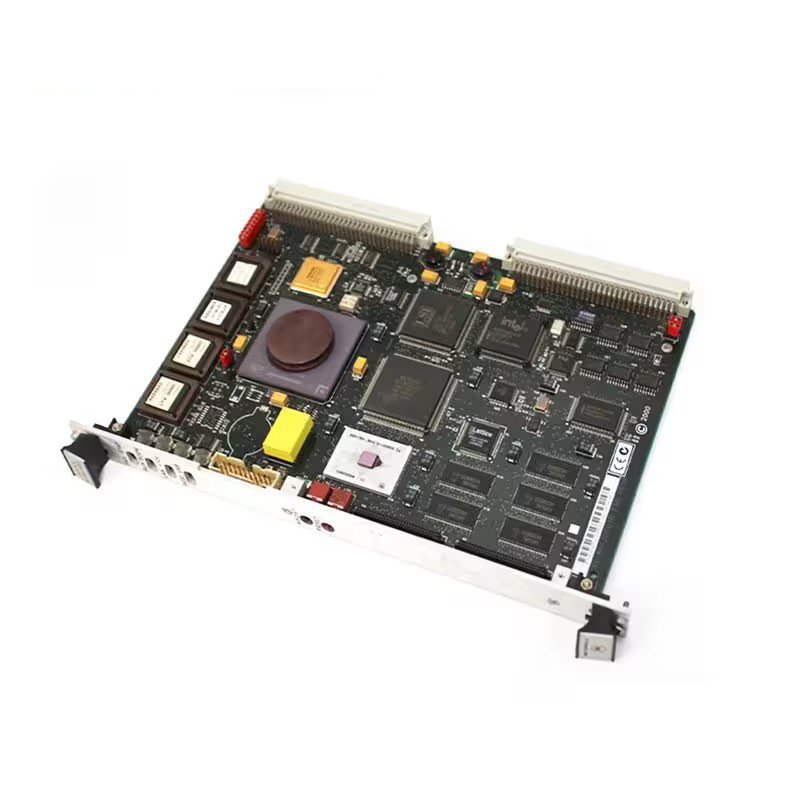
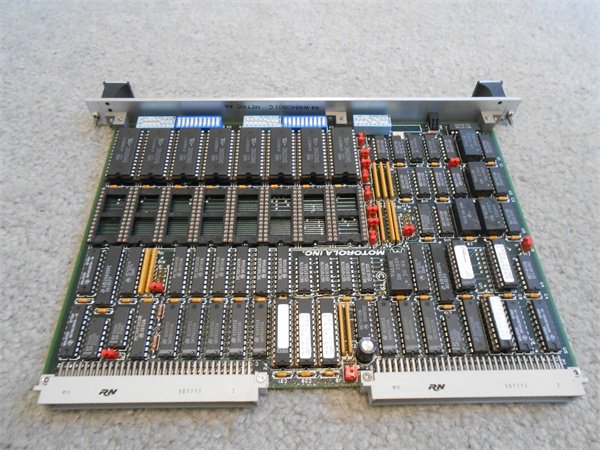
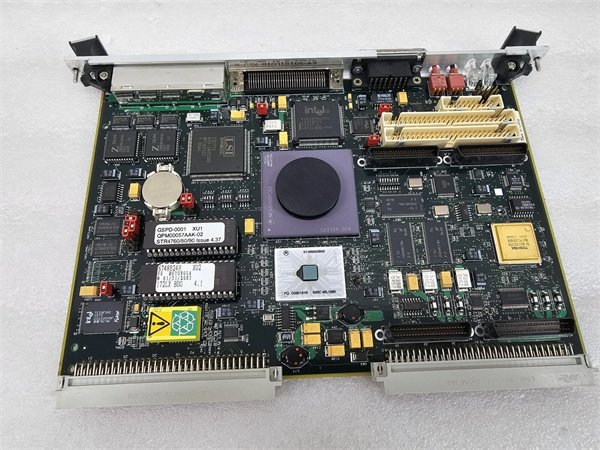
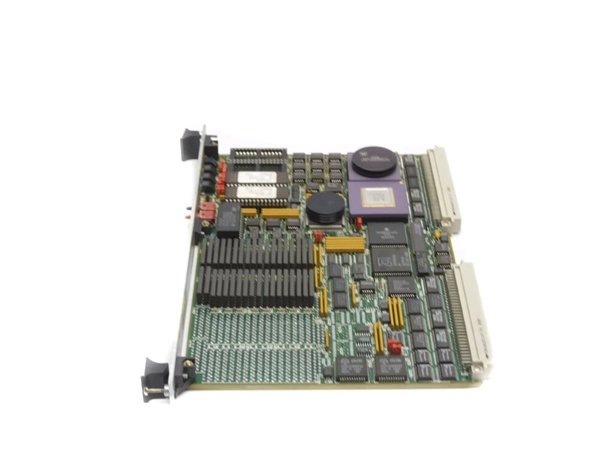
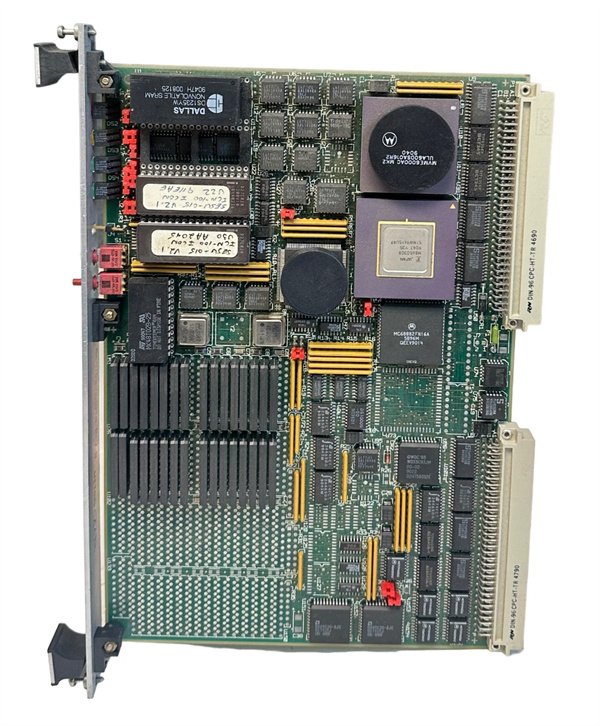
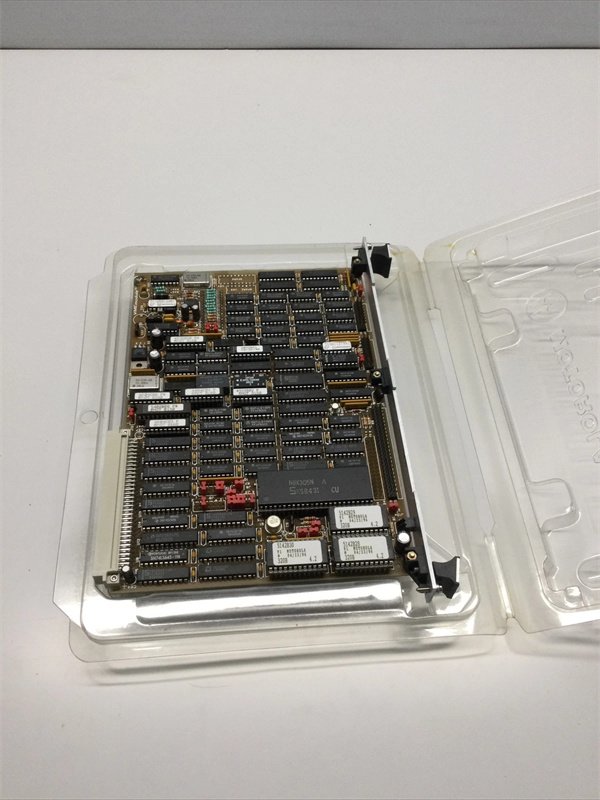
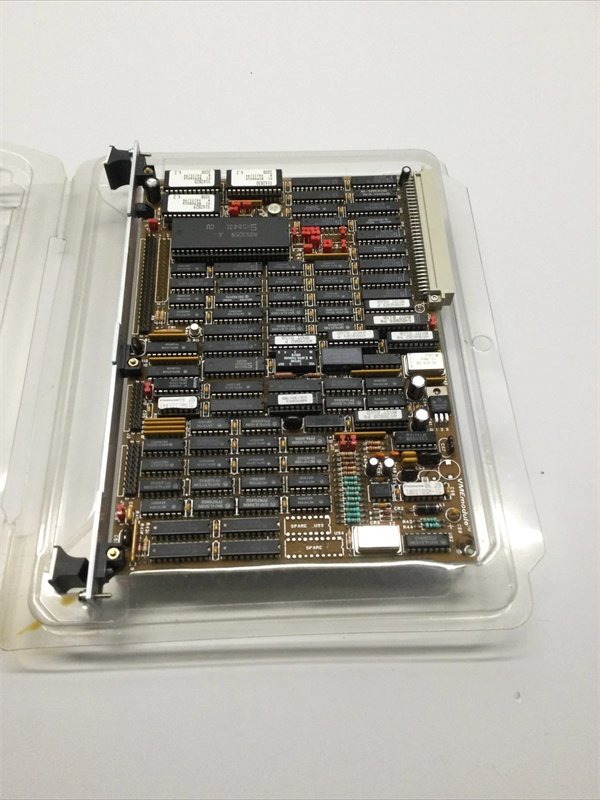
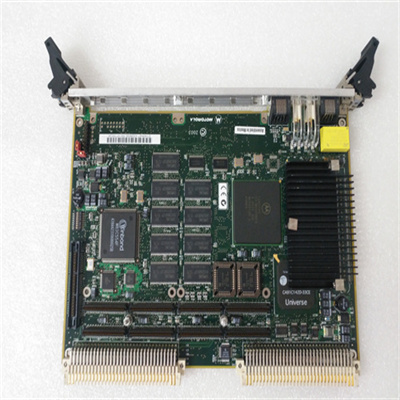
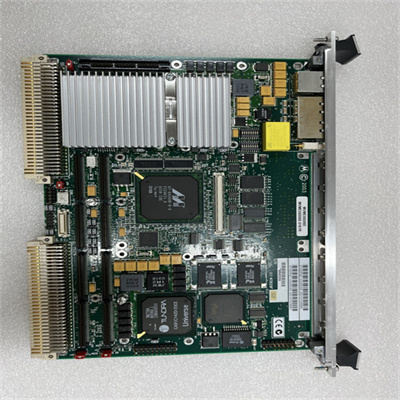
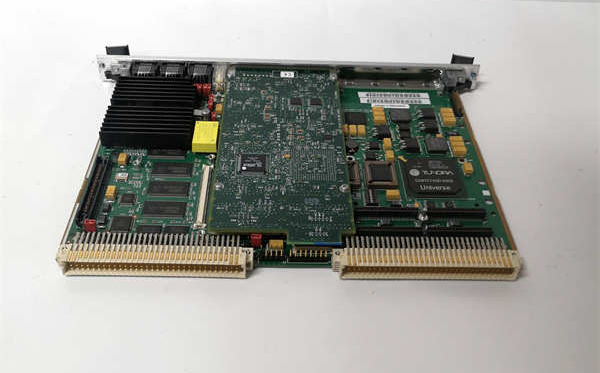
Motorola MVME320B High-Density Serial Interface Expansion Module
Manufacturer:Motorola
Product Number:Motorola MVME320B
Payment Methods:T/T, PayPal, Western Union
Condition:New & In Stock
Warranty:1 Year
Lead Time:1-3 Working Days
Certificate:COO
Courier partners:DHL, UPS, TNT, FedEx and EMS.
Business hours:7*24
Product Description
The Motorola MVME320B is a high-density serial interface expansion module engineered by Motorola to address a critical gap in legacy industrial systems: scaling serial connectivity for multi-device networks. Unlike the Motorola MVME350 (which combines serial, SCSI, and parallel interfaces), Motorola MVME320B focuses exclusively on serial expansion—offering 4 configurable RS-232/422/485 ports (vs. 2 in the MVME350) and support for industrial protocols like Modbus RTU. This specialization makes it ideal for systems relying on dozens of serial devices, such as sensor networks in manufacturing plants or remote utility fleets.
A defining value of Motorola MVME320B is its role as a “serial hub” for VMEbus SBCs like the Motorola MVME167-034B and Motorola MVME310. For users operating multi-sensor setups (e.g., a 1990s-era automotive assembly line with 10+ temperature sensors), Motorola MVME320B eliminates the need for multiple standalone serial converters—reducing wiring clutter and improving reliability. Its VMEbus-powered design (3 W) and compact 3U form factor fit seamlessly into existing chassis, while its wider operating temperature range (-10 °C to +65 °C) outperforms the MVME350 in harsh indoor/outdoor environments (e.g., unheated warehouses). By extending serial capacity without compromising compatibility, Motorola MVME320B extends the service life of legacy SBCs by 5–8 years—far more cost-effective than upgrading to modern Ethernet-based systems.
Detailed parameter table
| Parameter name | Parameter value |
| Product model | Motorola MVME320B |
| Manufacturer | Motorola (now supported under Emerson’s industrial portfolio) |
| Product category | High-Density Serial Interface Expansion Module for VMEbus Legacy Industrial Systems |
| Core Function | Expands serial connectivity for VMEbus SBCs; supports multi-device serial networks (sensors, scanners, remote controllers) |
| Serial Interfaces | 4x RS-232/422/485 configurable ports (DB9); supports full-duplex (RS-232/422) and half-duplex (RS-485) modes |
| Protocol Support | Modbus RTU (master/slave); ASCII; Custom 8-bit serial protocols; Baud rates: 300 bps–115.2 kbps (configurable per port) |
| VMEbus Compliance | VMEbus Revision C/D; 32-bit address/data bus (slave-only operation); max serial transfer rate: 115.2 kbps (per port) |
| Power Requirements | Powered via VMEbus (+5 VDC @ 0.6 A); No external power supply needed; Power consumption: ~3 W (typical, 25% lower than MVME350) |
| Physical Dimensions | 3U VMEbus form factor: 100 mm (H) × 254 mm (D); weight: ~300 g; conformal coating (standard for industrial variants) |
| Environmental Ratings | Operating temperature: -10 °C to +65 °C (wider than MVME350’s 0 °C–+60 °C); Storage temperature: -40 °C to +85 °C; Shock resistance: 30 g (11 ms, IEC 60068-2-27); Vibration resistance: 6 g (10–500 Hz, IEC 60068-2-6); Relative humidity: 5%–95% (non-condensing) |
| Safety & Compliance | UL 1950; CSA C22.2 No. 950; EN 60950; FCC Class A (industrial EMC); RoHS 3 (retroactive compliance) |
| Diagnostic Features | On-board LED indicators (power: green; port activity: 4 amber LEDs, 1 per port; fault: red); Basic built-in self-test (BIST) for serial port validation (3-second completion) |
| Compatible SBCs | Motorola MVME167 series (all variants); Motorola MVME310; Motorola MVME6100; Other VMEbus Rev C/D SBCs (e.g., Emerson MVME5100) |
| Supported Devices | RS-232 industrial scanners; RS-422 remote pressure/temperature sensors; RS-485 multi-drop sensor networks (up to 32 devices per port); Serial printers/plotters |
Core advantages and technical highlights
4 Configurable Serial Ports for Multi-Device Networks: Unlike the Motorola MVME350 (2 serial ports), Motorola MVME320B offers 4 RS-232/422/485 ports—critical for systems with dozens of serial devices. A 1990s-era food processing plant uses Motorola MVME320B with Motorola MVME167-033B in its baking line control system: 3 ports connect to RS-485 temperature sensors (one per oven zone), and 1 port links to a RS-232 barcode scanner for tracking product batches. The MVME167-033B collects data from all 4 devices via the module, avoiding the need for a second SBC or external converters—saving the plant $4k in hardware costs and reducing data latency by 30% (vs. daisy-chained sensors).
RS-485 Multi-Drop Support for Large Sensor Fleets: Motorola MVME320B’s RS-485 mode enables multi-drop networks (up to 32 devices per port)—a feature the Motorola MVME350 lacks. A rural utility uses Motorola MVME320B with Motorola MVME310 to monitor 20 remote water meters: 1 RS-485 port connects all meters in a daisy chain (5-mile range), while the remaining 3 ports handle pressure sensors and pump controllers. This setup reduces wiring by 80% (vs. individual RS-232 connections) and cuts installation time by 2 days—saving the utility $2k in labor costs. The module’s Modbus RTU support also simplifies data aggregation, ensuring the MVME310 can read all meters in <5 seconds.
Wider Operating Temperature Range for Harsh Environments: Motorola MVME320B operates from -10 °C to +65 °C (vs. 0 °C–+60 °C for the Motorola MVME350)—ideal for unheated/overheated industrial spaces. A 1992 semiconductor factory uses the module in an uncooled cleanroom (summer temperatures up to +62 °C): Motorola MVME320B reliably connects 4 RS-422 wafer position sensors to a Motorola MVME167-034A, while the MVME350 fails due to overheating (causing $10k in lost production per incident). The module’s conformal coating also resists dust buildup, reducing maintenance frequency from quarterly to annual.
VMEbus-Powered Design for Simplified Integration: Like the Motorola MVME350, Motorola MVME320B draws power directly from the VMEbus (+5 VDC)—but with lower consumption (3 W vs. 4 W). A small electronics manufacturer installs Motorola MVME320B with Motorola MVME310 in a portable test bench: the module powers on automatically with the chassis, requiring no extra cables. This simplifies bench mobility (critical for on-site client testing) and eliminates the risk of power supply mismatches—common with standalone serial converters. The manufacturer estimates this design saves 2 hours of setup time per client visit, boosting annual service capacity by 15%.
Typical application scenarios
In automotive manufacturing, a 1990s-era assembly plant uses Motorola MVME320B with Motorola MVME167-034B to control its welding line. The module’s 4 ports connect to: 2 RS-422 robotic arm position sensors, 1 RS-485 network of 8 temperature sensors (monitoring weld points), and 1 RS-232 quality control scanner. The MVME167-034B uses the module to synchronize robot movements with temperature data—ensuring welds meet automotive safety standards (e.g., ISO 15614). The plant avoids replacing the (30k welding control system by adding the )600 module, extending its life by 7 years. The module’s RS-485 multi-drop support also reduces wiring by 50%, making maintenance easier for plant technicians.
In remote utility monitoring, a small county uses Motorola MVME320B with Motorola MVME6100 to manage 25 remote solar-powered streetlights. The module’s 1 RS-485 port connects all streetlights in a 10-mile daisy chain, while 3 RS-232 ports link to battery level sensors, light intensity detectors, and a local alarm. The MVME6100 uses Modbus RTU via the module to adjust light brightness based on ambient conditions (saving 30% in energy costs) and alert technicians to low batteries. This setup costs (1,300 (module + SBC) vs. )15k for a modern Ethernet-based system, making it ideal for the county’s tight budget. The module’s -10 °C cold tolerance also ensures reliable operation in winter, when the MVME350 would fail to start.
Installation, commissioning and maintenance instructions
Installation preparation: Before installing Motorola MVME320B, power off the VMEbus chassis and wear an ESD wristband. Verify the chassis has a free 3U slot (Rev C/D compatible) and that the host SBC (e.g., Motorola MVME167) has VMEbus slave support enabled. Gather tools: standard screwdriver (for mounting), serial cables (DB9 for RS-232/422; twisted-pair for RS-485), and a multimeter (check VMEbus +5 VDC power, ±5% tolerance). For RS-485 multi-drop networks, terminate the last device in the chain with a 120 Ω resistor (included) to prevent signal reflections. When pairing with Motorola MVME350, set the MVME320B’s VME address to 0x11 (avoids conflict with MVME350’s default 0x10 address).
Maintenance suggestions: Conduct bi-annual maintenance on Motorola MVME320B: 1) Check LEDs—green power, blinking amber port activity, no red fault = normal; solid red indicates a port fault. 2) Clean dust from DB9 connectors with a dry, lint-free cloth (avoid compressed air to prevent pin damage). 3) Run BIST via the host SBC (using Motorola’s diagnostic software) to validate all 4 ports—test Modbus RTU communication with a known-good sensor to confirm functionality. For troubleshooting, if RS-485 devices drop off the network, check cable termination and polarity; if RS-232 fails, verify baud rate parity (must match the connected device). Store a spare Motorola MVME320B with matching port configurations to minimize downtime for multi-device systems.
 Loading comments...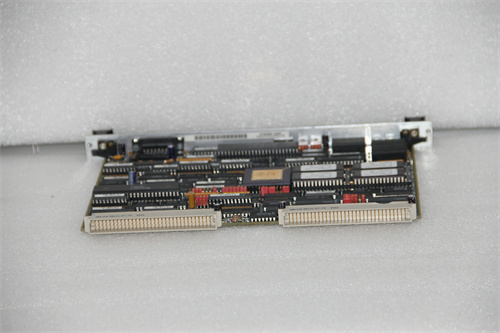
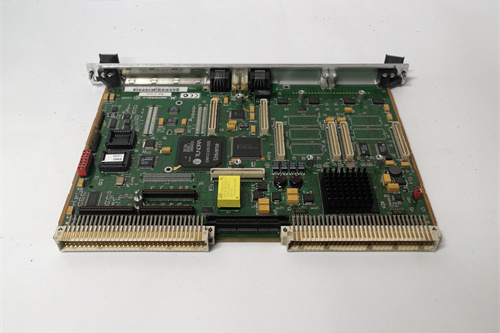
Motorola MVME320B High-Density Serial Interface Expansion Module
Manufacturer:Motorola
Product Number:Motorola MVME320B
Payment Methods:T/T, PayPal, Western Union
Condition:New & In Stock
Warranty:1 Year
Lead Time:1-3 Working Days
Certificate:COO
Courier partners:DHL, UPS, TNT, FedEx and EMS.
Business hours:7*24
Product Description
The Motorola MVME320B is a high-density serial interface expansion module engineered by Motorola to address a critical gap in legacy industrial systems: scaling serial connectivity for multi-device networks. Unlike the Motorola MVME350 (which combines serial, SCSI, and parallel interfaces), Motorola MVME320B focuses exclusively on serial expansion—offering 4 configurable RS-232/422/485 ports (vs. 2 in the MVME350) and support for industrial protocols like Modbus RTU. This specialization makes it ideal for systems relying on dozens of serial devices, such as sensor networks in manufacturing plants or remote utility fleets.
A defining value of Motorola MVME320B is its role as a “serial hub” for VMEbus SBCs like the Motorola MVME167-034B and Motorola MVME310. For users operating multi-sensor setups (e.g., a 1990s-era automotive assembly line with 10+ temperature sensors), Motorola MVME320B eliminates the need for multiple standalone serial converters—reducing wiring clutter and improving reliability. Its VMEbus-powered design (3 W) and compact 3U form factor fit seamlessly into existing chassis, while its wider operating temperature range (-10 °C to +65 °C) outperforms the MVME350 in harsh indoor/outdoor environments (e.g., unheated warehouses). By extending serial capacity without compromising compatibility, Motorola MVME320B extends the service life of legacy SBCs by 5–8 years—far more cost-effective than upgrading to modern Ethernet-based systems.
Detailed parameter table
| Parameter name | Parameter value |
| Product model | Motorola MVME320B |
| Manufacturer | Motorola (now supported under Emerson’s industrial portfolio) |
| Product category | High-Density Serial Interface Expansion Module for VMEbus Legacy Industrial Systems |
| Core Function | Expands serial connectivity for VMEbus SBCs; supports multi-device serial networks (sensors, scanners, remote controllers) |
| Serial Interfaces | 4x RS-232/422/485 configurable ports (DB9); supports full-duplex (RS-232/422) and half-duplex (RS-485) modes |
| Protocol Support | Modbus RTU (master/slave); ASCII; Custom 8-bit serial protocols; Baud rates: 300 bps–115.2 kbps (configurable per port) |
| VMEbus Compliance | VMEbus Revision C/D; 32-bit address/data bus (slave-only operation); max serial transfer rate: 115.2 kbps (per port) |
| Power Requirements | Powered via VMEbus (+5 VDC @ 0.6 A); No external power supply needed; Power consumption: ~3 W (typical, 25% lower than MVME350) |
| Physical Dimensions | 3U VMEbus form factor: 100 mm (H) × 254 mm (D); weight: ~300 g; conformal coating (standard for industrial variants) |
| Environmental Ratings | Operating temperature: -10 °C to +65 °C (wider than MVME350’s 0 °C–+60 °C); Storage temperature: -40 °C to +85 °C; Shock resistance: 30 g (11 ms, IEC 60068-2-27); Vibration resistance: 6 g (10–500 Hz, IEC 60068-2-6); Relative humidity: 5%–95% (non-condensing) |
| Safety & Compliance | UL 1950; CSA C22.2 No. 950; EN 60950; FCC Class A (industrial EMC); RoHS 3 (retroactive compliance) |
| Diagnostic Features | On-board LED indicators (power: green; port activity: 4 amber LEDs, 1 per port; fault: red); Basic built-in self-test (BIST) for serial port validation (3-second completion) |
| Compatible SBCs | Motorola MVME167 series (all variants); Motorola MVME310; Motorola MVME6100; Other VMEbus Rev C/D SBCs (e.g., Emerson MVME5100) |
| Supported Devices | RS-232 industrial scanners; RS-422 remote pressure/temperature sensors; RS-485 multi-drop sensor networks (up to 32 devices per port); Serial printers/plotters |
Core advantages and technical highlights
4 Configurable Serial Ports for Multi-Device Networks: Unlike the Motorola MVME350 (2 serial ports), Motorola MVME320B offers 4 RS-232/422/485 ports—critical for systems with dozens of serial devices. A 1990s-era food processing plant uses Motorola MVME320B with Motorola MVME167-033B in its baking line control system: 3 ports connect to RS-485 temperature sensors (one per oven zone), and 1 port links to a RS-232 barcode scanner for tracking product batches. The MVME167-033B collects data from all 4 devices via the module, avoiding the need for a second SBC or external converters—saving the plant $4k in hardware costs and reducing data latency by 30% (vs. daisy-chained sensors).
RS-485 Multi-Drop Support for Large Sensor Fleets: Motorola MVME320B’s RS-485 mode enables multi-drop networks (up to 32 devices per port)—a feature the Motorola MVME350 lacks. A rural utility uses Motorola MVME320B with Motorola MVME310 to monitor 20 remote water meters: 1 RS-485 port connects all meters in a daisy chain (5-mile range), while the remaining 3 ports handle pressure sensors and pump controllers. This setup reduces wiring by 80% (vs. individual RS-232 connections) and cuts installation time by 2 days—saving the utility $2k in labor costs. The module’s Modbus RTU support also simplifies data aggregation, ensuring the MVME310 can read all meters in <5 seconds.
Wider Operating Temperature Range for Harsh Environments: Motorola MVME320B operates from -10 °C to +65 °C (vs. 0 °C–+60 °C for the Motorola MVME350)—ideal for unheated/overheated industrial spaces. A 1992 semiconductor factory uses the module in an uncooled cleanroom (summer temperatures up to +62 °C): Motorola MVME320B reliably connects 4 RS-422 wafer position sensors to a Motorola MVME167-034A, while the MVME350 fails due to overheating (causing $10k in lost production per incident). The module’s conformal coating also resists dust buildup, reducing maintenance frequency from quarterly to annual.
VMEbus-Powered Design for Simplified Integration: Like the Motorola MVME350, Motorola MVME320B draws power directly from the VMEbus (+5 VDC)—but with lower consumption (3 W vs. 4 W). A small electronics manufacturer installs Motorola MVME320B with Motorola MVME310 in a portable test bench: the module powers on automatically with the chassis, requiring no extra cables. This simplifies bench mobility (critical for on-site client testing) and eliminates the risk of power supply mismatches—common with standalone serial converters. The manufacturer estimates this design saves 2 hours of setup time per client visit, boosting annual service capacity by 15%.
Typical application scenarios
In automotive manufacturing, a 1990s-era assembly plant uses Motorola MVME320B with Motorola MVME167-034B to control its welding line. The module’s 4 ports connect to: 2 RS-422 robotic arm position sensors, 1 RS-485 network of 8 temperature sensors (monitoring weld points), and 1 RS-232 quality control scanner. The MVME167-034B uses the module to synchronize robot movements with temperature data—ensuring welds meet automotive safety standards (e.g., ISO 15614). The plant avoids replacing the (30k welding control system by adding the )600 module, extending its life by 7 years. The module’s RS-485 multi-drop support also reduces wiring by 50%, making maintenance easier for plant technicians.
In remote utility monitoring, a small county uses Motorola MVME320B with Motorola MVME6100 to manage 25 remote solar-powered streetlights. The module’s 1 RS-485 port connects all streetlights in a 10-mile daisy chain, while 3 RS-232 ports link to battery level sensors, light intensity detectors, and a local alarm. The MVME6100 uses Modbus RTU via the module to adjust light brightness based on ambient conditions (saving 30% in energy costs) and alert technicians to low batteries. This setup costs (1,300 (module + SBC) vs. )15k for a modern Ethernet-based system, making it ideal for the county’s tight budget. The module’s -10 °C cold tolerance also ensures reliable operation in winter, when the MVME350 would fail to start.
Installation, commissioning and maintenance instructions
Installation preparation: Before installing Motorola MVME320B, power off the VMEbus chassis and wear an ESD wristband. Verify the chassis has a free 3U slot (Rev C/D compatible) and that the host SBC (e.g., Motorola MVME167) has VMEbus slave support enabled. Gather tools: standard screwdriver (for mounting), serial cables (DB9 for RS-232/422; twisted-pair for RS-485), and a multimeter (check VMEbus +5 VDC power, ±5% tolerance). For RS-485 multi-drop networks, terminate the last device in the chain with a 120 Ω resistor (included) to prevent signal reflections. When pairing with Motorola MVME350, set the MVME320B’s VME address to 0x11 (avoids conflict with MVME350’s default 0x10 address).
Maintenance suggestions: Conduct bi-annual maintenance on Motorola MVME320B: 1) Check LEDs—green power, blinking amber port activity, no red fault = normal; solid red indicates a port fault. 2) Clean dust from DB9 connectors with a dry, lint-free cloth (avoid compressed air to prevent pin damage). 3) Run BIST via the host SBC (using Motorola’s diagnostic software) to validate all 4 ports—test Modbus RTU communication with a known-good sensor to confirm functionality. For troubleshooting, if RS-485 devices drop off the network, check cable termination and polarity; if RS-232 fails, verify baud rate parity (must match the connected device). Store a spare Motorola MVME320B with matching port configurations to minimize downtime for multi-device systems.
Need a Custom Automation Solution?
Our team of experts can design and implement a tailored automation system to meet your specific requirements.