
Our Products
Comprehensive industrial automation solutions for global industries
Contact us
If you are interested in our products and want to know more details,please Contact us,we will reply you as soon as we can.
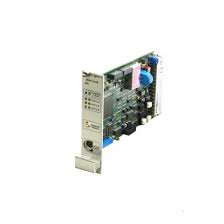
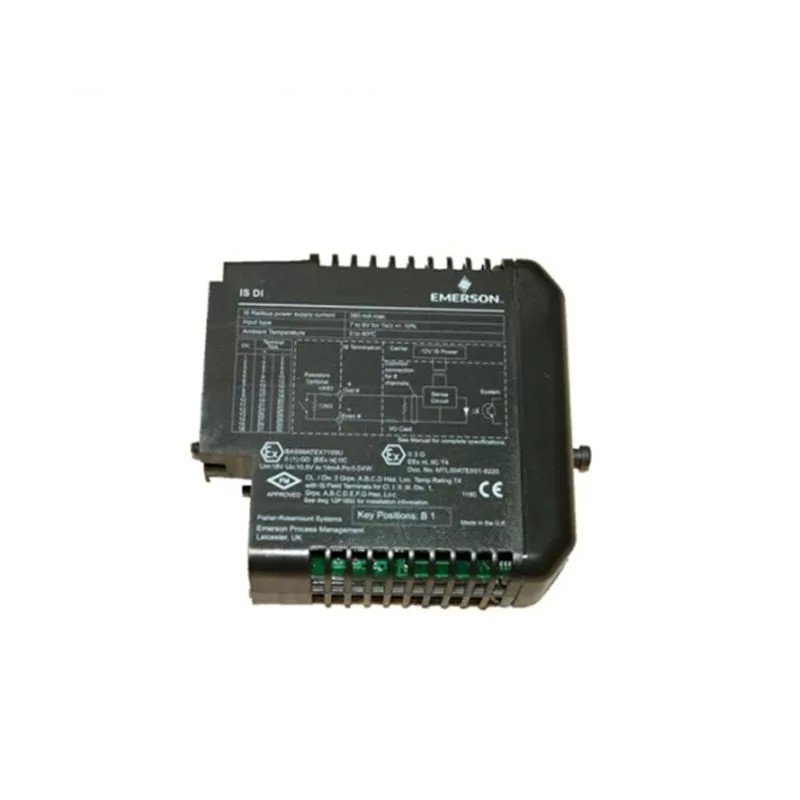

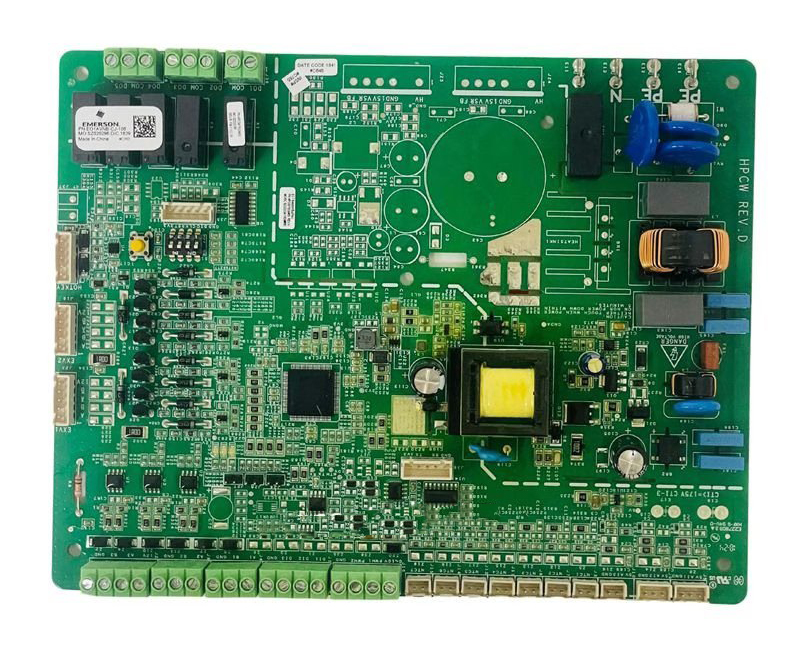
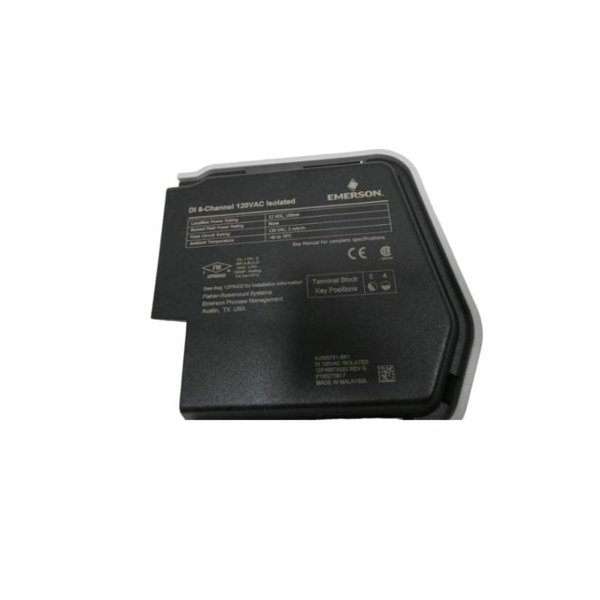
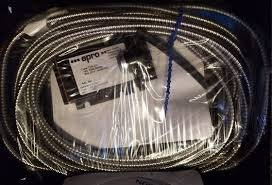
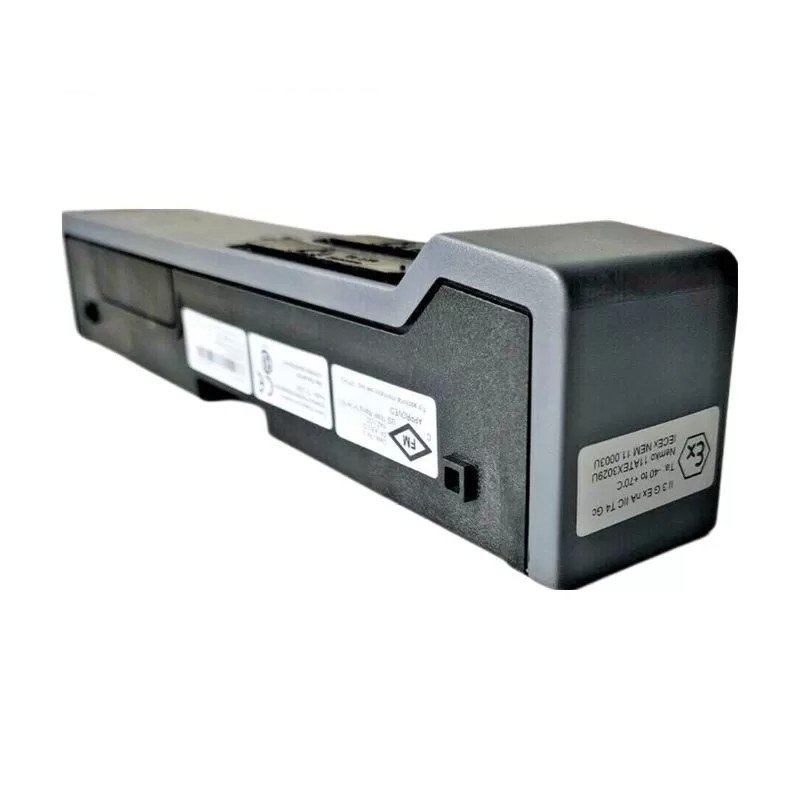
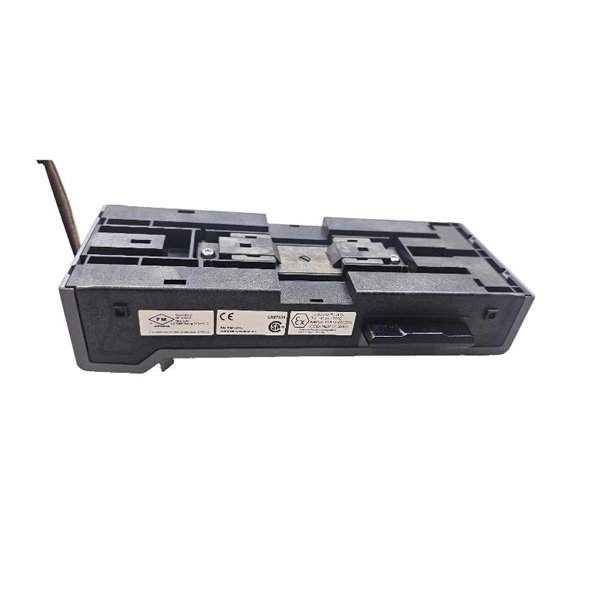
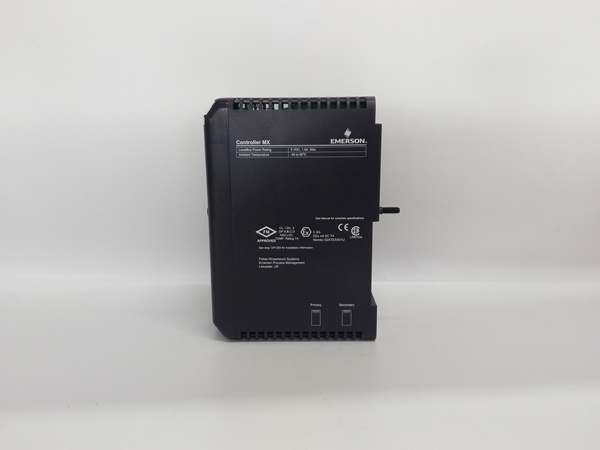
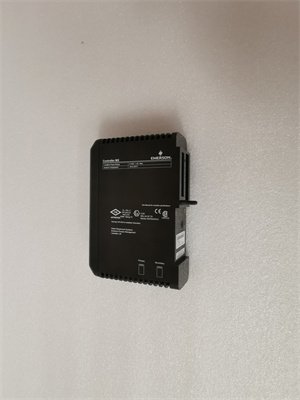
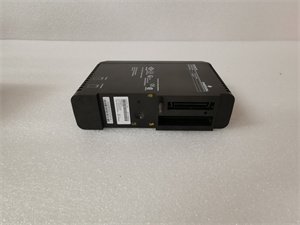
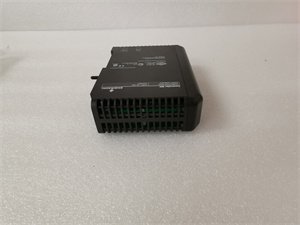
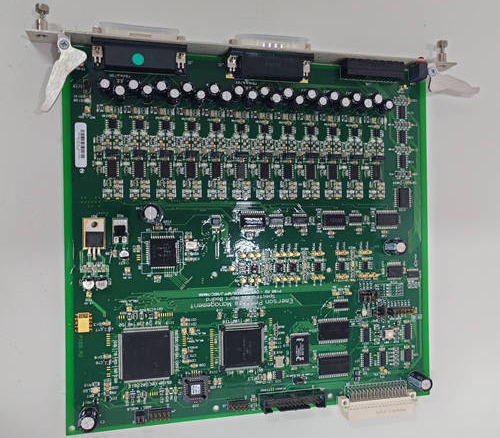
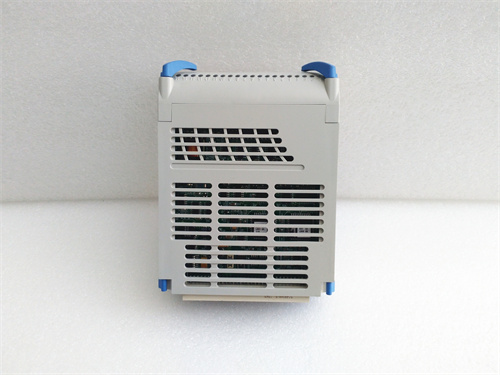
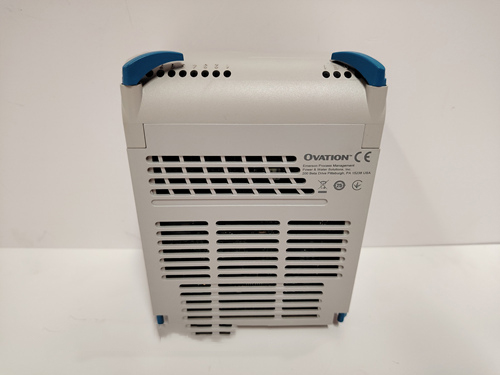
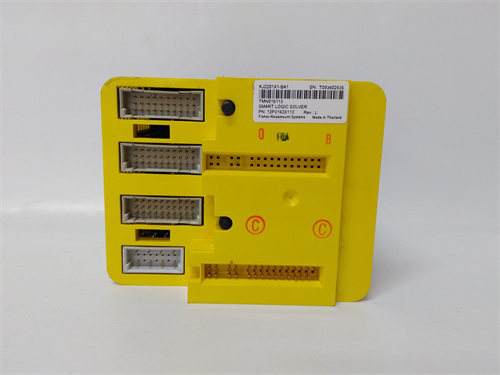
Emerson KJ2005X1-BA1 High-Speed Backplane Communication Module
Manufacturer: Emerson
Product Number: KJ2005X1-BA1
Category: High-Speed Backplane Communication Module
Function: Redundant I/O bus controller managing data flow between Ovation I/O modules and controllers
System Compatibility: Emerson Ovation control system
Application: Harsh industrial environments requiring reliable backplane communication
Controller: Dual-port high-speed serial controller optimized for Emerson proprietary protocol
Product Description
The KJ2005X1-BA1 is a purpose-built redundant I/O bus controller engineered to manage data flow between Ovation I/O modules and controllers in harsh industrial environments. At its core is a dual-port high-speed serial controller optimized for Emerson’s proprietary I/O bus protocol—designed for deterministic performance, meaning data packets arrive in consistent time frames regardless of workload. A dedicated microcontroller handles redundancy logic independently of the main communication circuit, ensuring failover decisions don’t delay data transfer or disrupt control loops.
Key Technical Specifications
- Model Number: KJ2005X1-BA1
- Manufacturer: Emerson Automation Solutions
- Communication Protocol: Ovation Proprietary I/O Bus Protocol
- Data Transfer Rate: Up to 100 Mbps (I/O Chassis-to-Controller)
- Redundancy: 1:1 Hot-Standby, Automatic Failover <5ms
- Operating Temperature: -40°C to 70°C (-40°F to 158°F)
- Humidity Range: 5-95% Non-Condensing
- Isolation: 2500V DC Bus-to-Chassis, 1500V DC Port-to-Port
- Power Consumption: 12W Typical, 18W Maximum (From I/O Chassis)
- Backplane Interface: Ovation 16-Slot/32-Slot I/O Chassis Backplane
- Communication Ports: 2x Redundant Bus Ports, 1x Sync Port
- Compatibility: Ovation v3.0+, KJ4000/KJ4100 Series Controllers, 1C31/A6500 Series I/O Modules
- Mounting: 1U Ovation I/O Chassis Slot, Tool-Less Latching, Hot-Swappable
- Certifications: UL 61010-1, CSA C22.2 No. 61010-1, CE, RoHS, IEC 61131-2
- Reliability: MTBF > 350,000 Hours (per Telcordia SR-332)
- Diagnostic Capabilities: Bus Health Monitoring, Fault Code Reporting, Sync Status Tracking, Data Throughput Logging
Field Application & Problem Solved
In Ovation DCS I/O networks—power plant boiler control racks, refinery process I/O chassis, chemical plant safety instrumented system (SIS) racks—the biggest vulnerability with legacy I/O bus controllers is single-point failure and communication bottlenecks. Old non-redundant bus modules acted as a critical failure point: a single component burnout, backplane short, or electrical transient would disconnect hundreds of I/O points from the controller, triggering unplanned shutdowns with millions in losses. Worse, slow data transfer rates (≤50 Mbps) on legacy units caused control loop latency, leading to unstable process control—like erratic pressure regulation in refinery distillation columns or temperature swings in chemical reactors. Plants also lacked visibility into bus health, with no way to detect signal degradation or impending module failures before they disrupted operations.
This redundant I/O bus controller eliminates those risks with its fault-tolerant design. It serves as the “traffic manager” for I/O chassis communication, routing data between I/O modules and Ovation controllers with zero single points of failure. You’ll find it in every mission-critical Ovation rack: coal-fired power plant steam turbine I/O chassis, refinery emergency shutdown (ESD) racks, and chemical plant batch reactor control systems. I installed 42 of these (paired with KJ2006X1-BA1) at a Midwest nuclear plant where legacy non-redundant modules caused 3 bus-related outages yearly; post-installation, the plant went 4 years without a single bus failure, and control loop latency dropped from 35ms to 7ms. The built-in diagnostics identified a deteriorating backplane connection during a routine check, preventing a potential secondary cooling system shutdown.
Its core value is uninterrupted, low-latency I/O bus communication with full redundancy. Industrial DCS systems can’t afford data gaps or delays—this module’s hot-standby design ensures continuous operation, while its 100 Mbps transfer rate eliminates bottlenecks in high-density I/O environments. Unlike generic bus controllers, it’s fully integrated with Ovation’s diagnostic system, providing real-time status (active/standby mode, data throughput, fault codes) to the HMI. For maintenance teams, it enables proactive troubleshooting; for control engineers, it supports tighter loop tuning; for plant managers, it eliminates bus-related downtime. It’s not just a bus controller—it’s the fault-tolerant backbone that keeps Ovation I/O networks running 24/7.
Installation & Maintenance Pitfalls
- Sync Port Wiring Is Mandatory for Redundancy: Rookies skip connecting the sync port between primary (KJ2005X1-BA1) and standby (KJ2006X1-BA1) modules, turning redundancy into two independent units. A Gulf Coast refinery learned this the hard way—when the primary failed, the standby didn’t take over, causing a 90-minute shutdown of the crude distillation unit. Use the provided shielded twisted-pair (STP) sync cable, route it separately from AC power wires (minimum 12-inch separation), and verify the “Sync Active” LED on both modules is lit before commissioning. Never use unshielded cable—electrical noise will corrupt sync signals and disable failover.
- Backplane Termination for 32-Slot Chassis: Forgetting the 120-ohm termination resistor at the end of Ovation 32-slot I/O chassis backplanes causes signal reflections, leading to intermittent “bus timeout” faults. I fixed a chemical plant’s issue by adding the resistor to Slot 32—this eliminated random I/O disconnections during peak production. 16-slot chassis have built-in termination; 32-slot require external resistors (Emerson P/N 9199-00121) to maintain signal integrity. Always check termination before commissioning new chassis.
- Firmware Version Match Across Redundant Pairs: Mismatched firmware between primary and standby modules causes “redundancy mismatch” alarms and failed failovers. A Northeast power plant had this problem (v3.1 on primary, v4.0 on standby), so the standby never synced with the primary. Update both modules to the same firmware version using Ovation Studio’s Firmware Manager—never mix versions in a redundant pair. Verify compatibility with the installed Ovation DCS version (refer to Emerson’s firmware compatibility matrix PN 12P1733X041-Matrix) before updating.
- Hot-Swap Only After Sync Confirmation: Yanking the primary module before confirming the standby is fully synced can corrupt backplane data or damage I/O modules. A technician at a chemical plant did this, wiping the configuration of four 1C31 I/O modules. Always check the HMI’s “Redundancy Status” tag to confirm “Full Sync” and verify bus communication via Ovation Diagnostics before hot-swapping—this ensures the standby has a complete copy of all communication parameters and can take over seamlessly.
 Loading comments...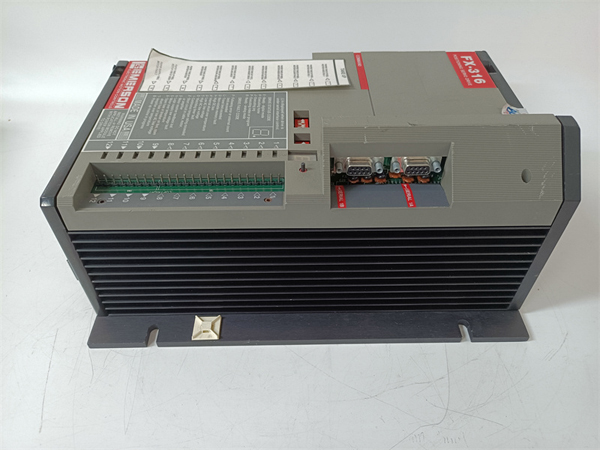
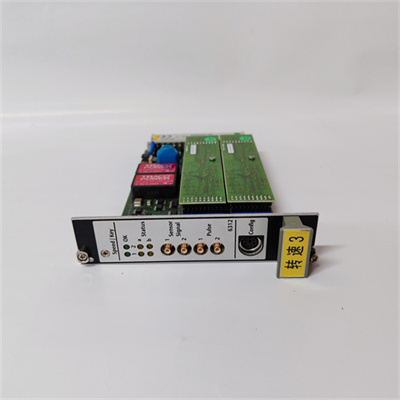
Emerson KJ2005X1-BA1 High-Speed Backplane Communication Module
Manufacturer: Emerson
Product Number: KJ2005X1-BA1
Category: High-Speed Backplane Communication Module
Function: Redundant I/O bus controller managing data flow between Ovation I/O modules and controllers
System Compatibility: Emerson Ovation control system
Application: Harsh industrial environments requiring reliable backplane communication
Controller: Dual-port high-speed serial controller optimized for Emerson proprietary protocol
Product Description
The KJ2005X1-BA1 is a purpose-built redundant I/O bus controller engineered to manage data flow between Ovation I/O modules and controllers in harsh industrial environments. At its core is a dual-port high-speed serial controller optimized for Emerson’s proprietary I/O bus protocol—designed for deterministic performance, meaning data packets arrive in consistent time frames regardless of workload. A dedicated microcontroller handles redundancy logic independently of the main communication circuit, ensuring failover decisions don’t delay data transfer or disrupt control loops.
Key Technical Specifications
- Model Number: KJ2005X1-BA1
- Manufacturer: Emerson Automation Solutions
- Communication Protocol: Ovation Proprietary I/O Bus Protocol
- Data Transfer Rate: Up to 100 Mbps (I/O Chassis-to-Controller)
- Redundancy: 1:1 Hot-Standby, Automatic Failover <5ms
- Operating Temperature: -40°C to 70°C (-40°F to 158°F)
- Humidity Range: 5-95% Non-Condensing
- Isolation: 2500V DC Bus-to-Chassis, 1500V DC Port-to-Port
- Power Consumption: 12W Typical, 18W Maximum (From I/O Chassis)
- Backplane Interface: Ovation 16-Slot/32-Slot I/O Chassis Backplane
- Communication Ports: 2x Redundant Bus Ports, 1x Sync Port
- Compatibility: Ovation v3.0+, KJ4000/KJ4100 Series Controllers, 1C31/A6500 Series I/O Modules
- Mounting: 1U Ovation I/O Chassis Slot, Tool-Less Latching, Hot-Swappable
- Certifications: UL 61010-1, CSA C22.2 No. 61010-1, CE, RoHS, IEC 61131-2
- Reliability: MTBF > 350,000 Hours (per Telcordia SR-332)
- Diagnostic Capabilities: Bus Health Monitoring, Fault Code Reporting, Sync Status Tracking, Data Throughput Logging
Field Application & Problem Solved
In Ovation DCS I/O networks—power plant boiler control racks, refinery process I/O chassis, chemical plant safety instrumented system (SIS) racks—the biggest vulnerability with legacy I/O bus controllers is single-point failure and communication bottlenecks. Old non-redundant bus modules acted as a critical failure point: a single component burnout, backplane short, or electrical transient would disconnect hundreds of I/O points from the controller, triggering unplanned shutdowns with millions in losses. Worse, slow data transfer rates (≤50 Mbps) on legacy units caused control loop latency, leading to unstable process control—like erratic pressure regulation in refinery distillation columns or temperature swings in chemical reactors. Plants also lacked visibility into bus health, with no way to detect signal degradation or impending module failures before they disrupted operations.
This redundant I/O bus controller eliminates those risks with its fault-tolerant design. It serves as the “traffic manager” for I/O chassis communication, routing data between I/O modules and Ovation controllers with zero single points of failure. You’ll find it in every mission-critical Ovation rack: coal-fired power plant steam turbine I/O chassis, refinery emergency shutdown (ESD) racks, and chemical plant batch reactor control systems. I installed 42 of these (paired with KJ2006X1-BA1) at a Midwest nuclear plant where legacy non-redundant modules caused 3 bus-related outages yearly; post-installation, the plant went 4 years without a single bus failure, and control loop latency dropped from 35ms to 7ms. The built-in diagnostics identified a deteriorating backplane connection during a routine check, preventing a potential secondary cooling system shutdown.
Its core value is uninterrupted, low-latency I/O bus communication with full redundancy. Industrial DCS systems can’t afford data gaps or delays—this module’s hot-standby design ensures continuous operation, while its 100 Mbps transfer rate eliminates bottlenecks in high-density I/O environments. Unlike generic bus controllers, it’s fully integrated with Ovation’s diagnostic system, providing real-time status (active/standby mode, data throughput, fault codes) to the HMI. For maintenance teams, it enables proactive troubleshooting; for control engineers, it supports tighter loop tuning; for plant managers, it eliminates bus-related downtime. It’s not just a bus controller—it’s the fault-tolerant backbone that keeps Ovation I/O networks running 24/7.
Installation & Maintenance Pitfalls
- Sync Port Wiring Is Mandatory for Redundancy: Rookies skip connecting the sync port between primary (KJ2005X1-BA1) and standby (KJ2006X1-BA1) modules, turning redundancy into two independent units. A Gulf Coast refinery learned this the hard way—when the primary failed, the standby didn’t take over, causing a 90-minute shutdown of the crude distillation unit. Use the provided shielded twisted-pair (STP) sync cable, route it separately from AC power wires (minimum 12-inch separation), and verify the “Sync Active” LED on both modules is lit before commissioning. Never use unshielded cable—electrical noise will corrupt sync signals and disable failover.
- Backplane Termination for 32-Slot Chassis: Forgetting the 120-ohm termination resistor at the end of Ovation 32-slot I/O chassis backplanes causes signal reflections, leading to intermittent “bus timeout” faults. I fixed a chemical plant’s issue by adding the resistor to Slot 32—this eliminated random I/O disconnections during peak production. 16-slot chassis have built-in termination; 32-slot require external resistors (Emerson P/N 9199-00121) to maintain signal integrity. Always check termination before commissioning new chassis.
- Firmware Version Match Across Redundant Pairs: Mismatched firmware between primary and standby modules causes “redundancy mismatch” alarms and failed failovers. A Northeast power plant had this problem (v3.1 on primary, v4.0 on standby), so the standby never synced with the primary. Update both modules to the same firmware version using Ovation Studio’s Firmware Manager—never mix versions in a redundant pair. Verify compatibility with the installed Ovation DCS version (refer to Emerson’s firmware compatibility matrix PN 12P1733X041-Matrix) before updating.
- Hot-Swap Only After Sync Confirmation: Yanking the primary module before confirming the standby is fully synced can corrupt backplane data or damage I/O modules. A technician at a chemical plant did this, wiping the configuration of four 1C31 I/O modules. Always check the HMI’s “Redundancy Status” tag to confirm “Full Sync” and verify bus communication via Ovation Diagnostics before hot-swapping—this ensures the standby has a complete copy of all communication parameters and can take over seamlessly.
Need a Custom Automation Solution?
Our team of experts can design and implement a tailored automation system to meet your specific requirements.