
Our Products
Comprehensive industrial automation solutions for global industries
Contact us
If you are interested in our products and want to know more details,please Contact us,we will reply you as soon as we can.
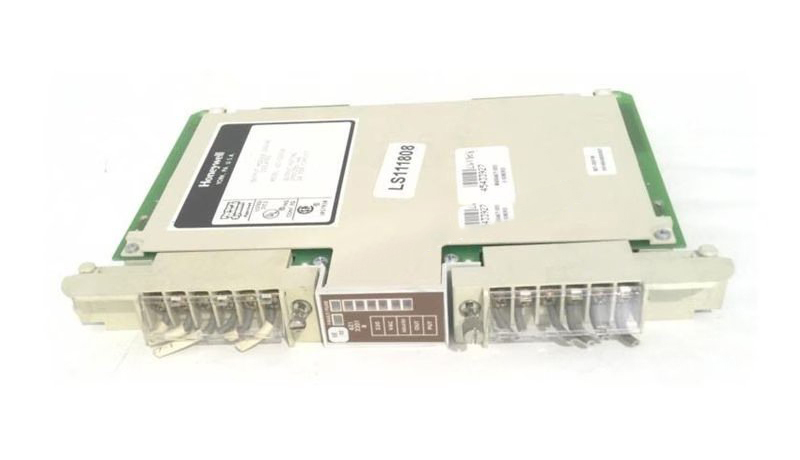
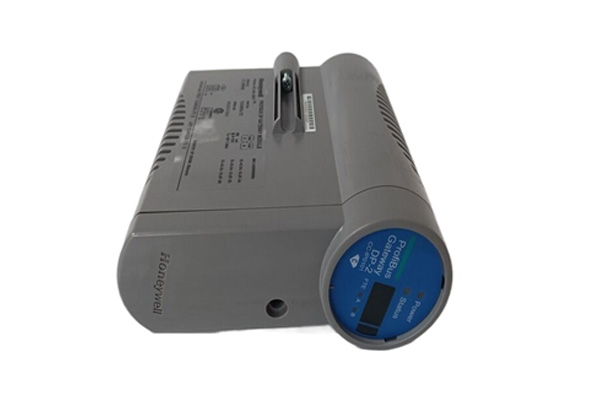
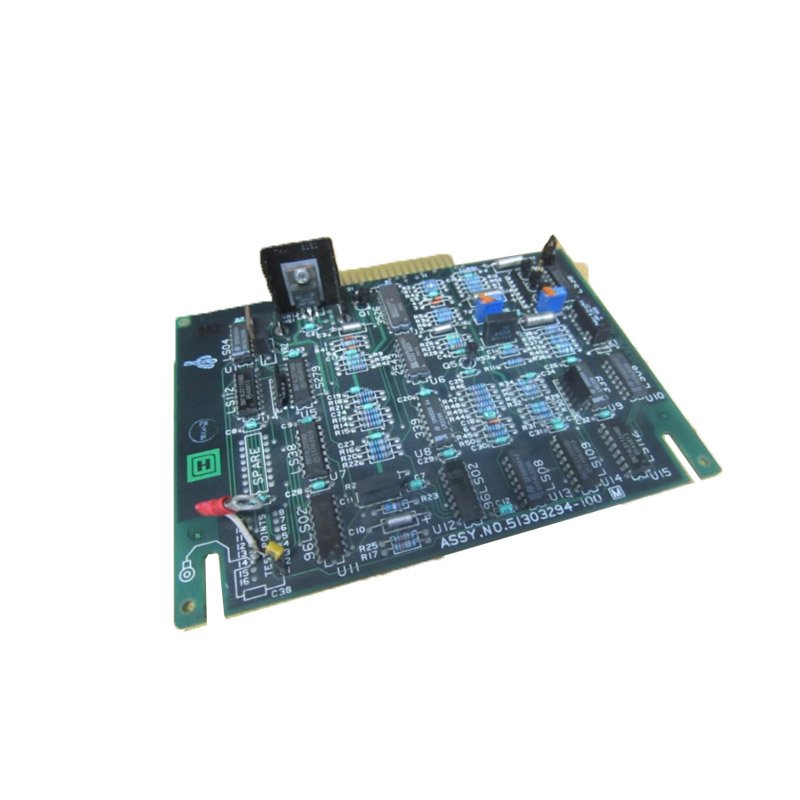
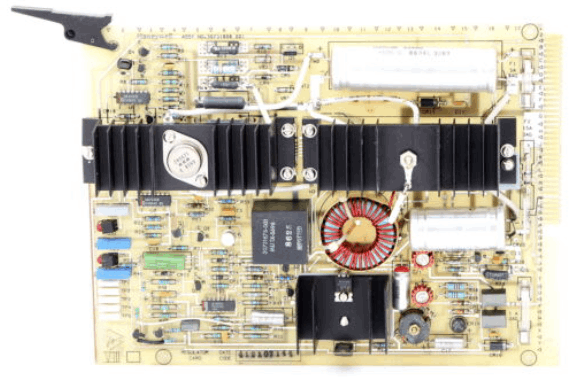
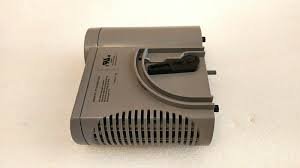
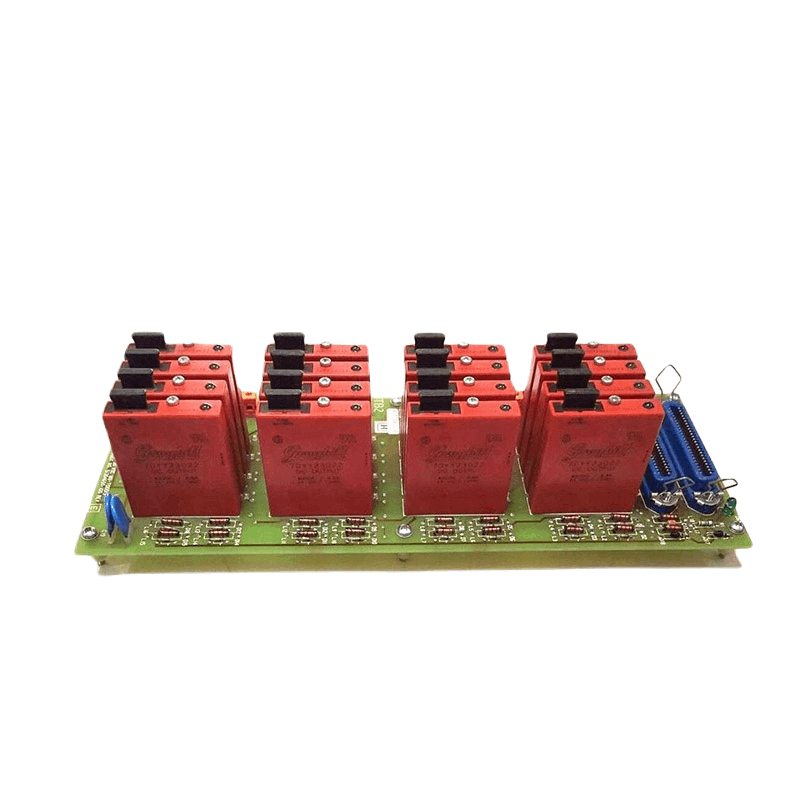
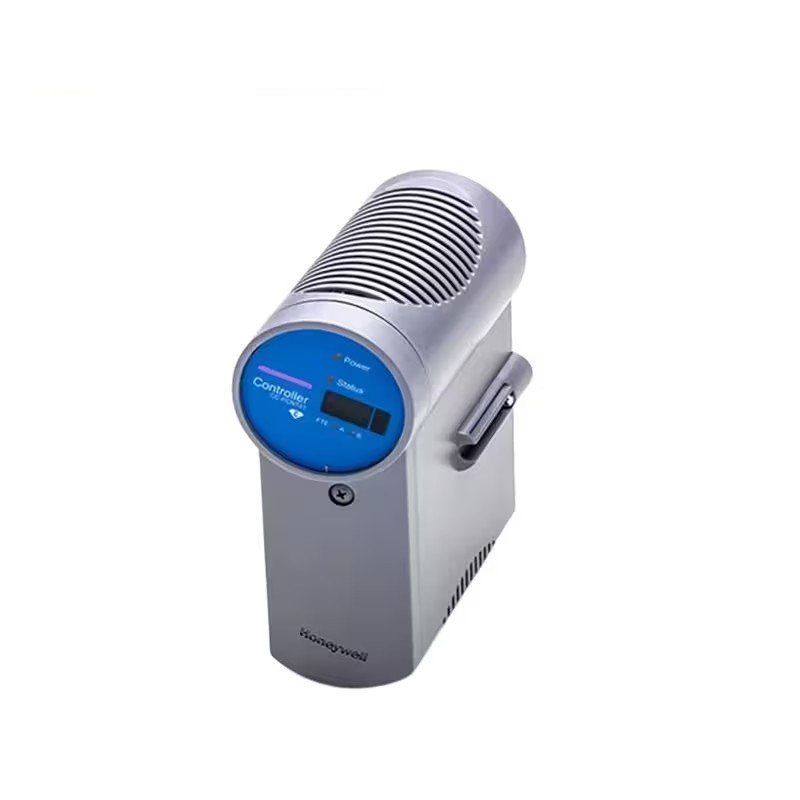
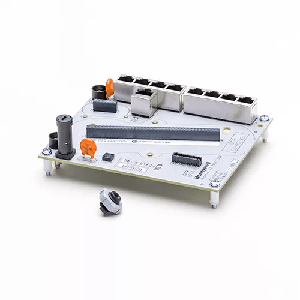
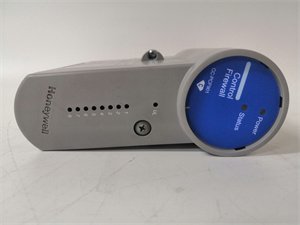
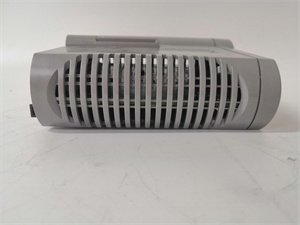
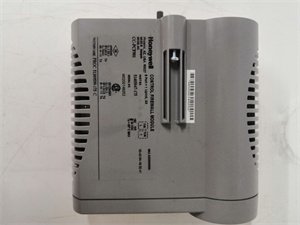
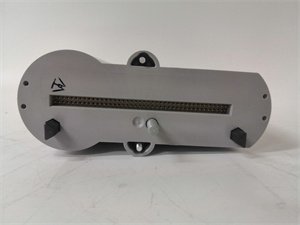
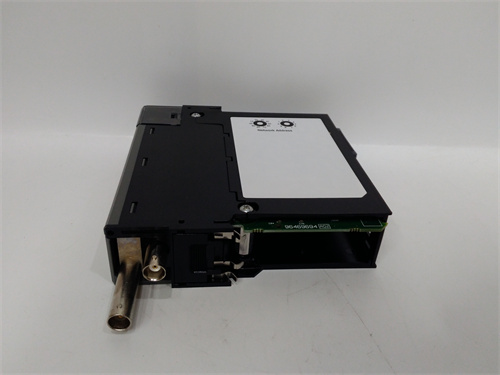
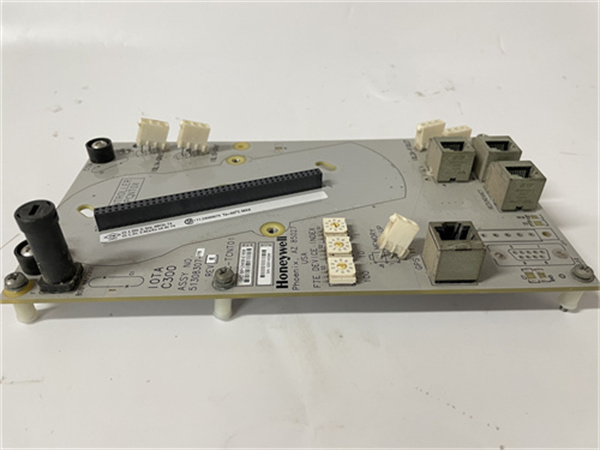
Honeywell CC-PCF901 Fieldbus Communication Interface Module
Manufacturer: Honeywell
Product Number: CC-PCF901
Category: Fieldbus Communication Interface Module
Application: Backbone of industrial automation communication networks
Function: Advanced fieldbus communication interface for Honeywell industrial control solutions
Product Description
The Honeywell CC – PCF901 is a highly advanced fieldbus communication interface module, designed to be the backbone of industrial automation communication networks. As a key product in Honeywell’s extensive portfolio of industrial control solutions, the CC – PCF901 is engineered to bridge the communication gap between various field devices and control systems.
This module serves as a vital link, enabling seamless data exchange between different components in an automation setup. With support for both Profibus DP and Foundation Fieldbus H1 protocols, the CC – PCF901 can interface with a wide array of field instruments, such as sensors, actuators, and transmitters. In an industrial environment, it receives data from these devices, processes it as needed, and then relays it to the central control system. For example, in a large – scale manufacturing plant, the CC – PCF901 can collect real – time data from temperature sensors, flow meters, and pressure transmitters, and send this information to the distributed control system (DCS) for analysis and decision – making. By facilitating reliable and efficient communication, the CC – PCF901 ensures the smooth operation of industrial processes, enhancing productivity and reducing the risk of operational errors.
Detailed parameter table
| Parameter name | Parameter value |
| Product model | CC – PCF901 |
| Manufacturer | Honeywell |
| Product category | Fieldbus Communication Interface Module |
| Power supply voltage | 24 VDC (±10%) |
| Power consumption | 12 W (typical) |
| Communication protocols | Profibus DP, Foundation Fieldbus H1 |
| Data transfer rate | Up to 12 Mbps (Profibus DP), 31.25 kbps (Foundation Fieldbus H1) |
| Operating temperature range | – 40°C to + 70°C |
| Humidity range | 5% – 95% RH (non – condensing) |
| Dimensions (L×W×H) | 180 mm×100 mm×50 mm |
| Weight | 0.8 kg |
| Input / output channels | 1 Profibus DP port, 2 Foundation Fieldbus H1 segments |
| Certifications | CE, UL, CSA, ATEX (for hazardous areas) |
Dual – protocol support
One of the most significant advantages of the Honeywell CC – PCF901 is its dual – protocol support for Profibus DP and Foundation Fieldbus H1. This versatility allows it to integrate with diverse field devices that use different communication standards. In a complex industrial plant, where multiple types of equipment from various manufacturers are in use, the CC – PCF901 can communicate with all of them without the need for additional conversion devices. It simplifies the communication infrastructure, reduces installation costs, and improves the overall compatibility of the automation system.
High – speed and reliable data transfer
The module offers high – speed data transfer capabilities, with a rate of up to 12 Mbps for Profibus DP and 31.25 kbps for Foundation Fieldbus H1. This ensures that large amounts of data can be transmitted quickly and accurately between field devices and the control system. In applications where real – time monitoring and control are crucial, such as in a fast – paced chemical production line, the CC – PCF901 can promptly convey data on process variables like temperature, pressure, and flow rate. Its reliable data transfer mechanism, combined with error – correction and redundancy features, minimizes the chances of data loss or corruption, guaranteeing the integrity of the information exchanged in the automation network.
Robust design for industrial environments
Built to withstand harsh industrial conditions, the CC – PCF901 has an operating temperature range from – 40°C to + 70°C and can handle humidity levels between 5% – 95% RH (non – condensing). It is also certified for use in hazardous areas with ATEX certification, making it suitable for industries such as oil and gas, where explosive atmospheres are present. The rugged construction of the module protects it from dust, moisture, and vibrations, ensuring continuous and stable operation even in the most challenging industrial settings.
Easy integration and configuration
The CC – PCF901 is designed for easy integration into existing industrial control systems. Its standard form factor and interface design allow for straightforward installation in control cabinets. The module also comes with user – friendly configuration software that enables technicians to quickly set up communication parameters, such as baud rate, address, and protocol settings. This ease of integration and configuration reduces the time and effort required for system commissioning, getting industrial processes up and running faster.
Oil and gas industry
In the oil and gas sector, the Honeywell CC – PCF901 is indispensable. In offshore oil platforms, it connects various field devices, including pressure sensors in pipelines, flow meters at wellheads, and level sensors in storage tanks, to the central control system. The module’s ability to support multiple protocols ensures seamless communication with different equipment, regardless of the manufacturer. Real – time data collected through the CC – PCF901 helps operators monitor the production process, detect leaks promptly, and optimize the extraction and transportation of oil and gas. In onshore refineries, it plays a crucial role in controlling the complex refining processes by enabling efficient communication between process control systems and field instruments, ensuring safety and maximizing production efficiency.
Chemical manufacturing
In chemical plants, where precise control of numerous process variables is essential, the CC – PCF901 excels. It can interface with a vast range of field devices, such as temperature sensors in reactors, pH meters in chemical mixing tanks, and flow controllers in pipelines. By facilitating reliable communication, the module enables the control system to adjust process parameters in real – time, ensuring that chemical reactions occur under the optimal conditions. For example, if the temperature in a reactor starts to deviate from the set point, the data transmitted via the CC – PCF901 allows the control system to quickly initiate corrective actions, such as adjusting the cooling or heating systems, preventing potential safety hazards and ensuring product quality.
Power generation
In power plants, the Honeywell CC – PCF901 is used to connect various field devices, including sensors monitoring the performance of turbines, generators, and boilers, to the plant’s distributed control system. It enables the seamless transfer of data on critical parameters like steam pressure, turbine speed, and generator load. This real – time data is essential for operators to optimize power generation, ensure grid stability, and perform preventive maintenance. The module’s ability to work in harsh environments, withstanding high temperatures and electromagnetic interference common in power plants, makes it a reliable choice for ensuring continuous and efficient power production.
Installation preparation
Before installing the Honeywell CC – PCF901 module, ensure that the installation environment temperature is within the range of – 40°C to + 70°C and the humidity is between 5% – 95% RH (non – condensing). Gather the necessary installation tools, including screwdrivers for securing the module to the DIN rail and wire strippers for preparing the communication cables. Disconnect all power sources in the control system to prevent electrical shocks during installation. Verify that the power supply available at the installation site matches the module’s requirements of 24 VDC (±10%). Mount the CC – PCF901 on a suitable DIN rail in the control cabinet, making sure it is firmly secured. Prepare the communication cables according to the specified gauge and length, ensuring proper shielding to minimize electromagnetic interference.
Maintenance suggestions
Regularly inspect the CC – PCF901 module for any signs of physical damage, such as cracks in the casing or loose connections. Monitor the module’s operating temperature during normal operation to ensure it remains within the specified range. Use diagnostic tools provided by Honeywell to check the communication status of the module, including the integrity of data transfer and the performance of the communication protocols. In case of a communication failure, first check the power supply, cable connections, and the configuration settings. If the problem persists, refer to the detailed troubleshooting guide in the product manual. When replacing any components of the module, always use genuine Honeywell parts to maintain the module’s performance and reliability. Keep records of all maintenance activities, including the date of inspection, any issues found, and the actions taken, for future reference.
 Loading comments...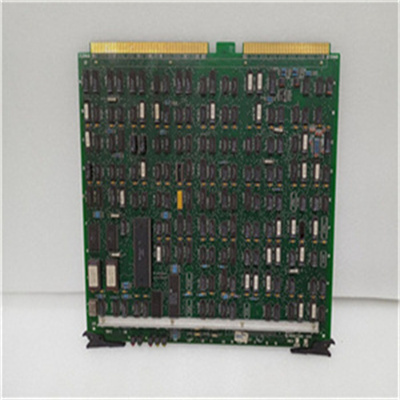
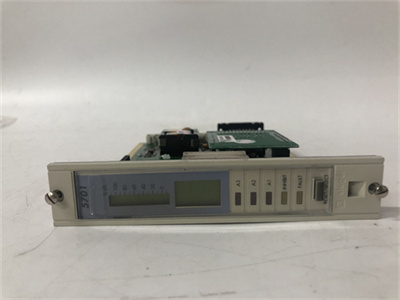
Honeywell CC-PCF901 Fieldbus Communication Interface Module
Manufacturer: Honeywell
Product Number: CC-PCF901
Category: Fieldbus Communication Interface Module
Application: Backbone of industrial automation communication networks
Function: Advanced fieldbus communication interface for Honeywell industrial control solutions
Product Description
The Honeywell CC – PCF901 is a highly advanced fieldbus communication interface module, designed to be the backbone of industrial automation communication networks. As a key product in Honeywell’s extensive portfolio of industrial control solutions, the CC – PCF901 is engineered to bridge the communication gap between various field devices and control systems.
This module serves as a vital link, enabling seamless data exchange between different components in an automation setup. With support for both Profibus DP and Foundation Fieldbus H1 protocols, the CC – PCF901 can interface with a wide array of field instruments, such as sensors, actuators, and transmitters. In an industrial environment, it receives data from these devices, processes it as needed, and then relays it to the central control system. For example, in a large – scale manufacturing plant, the CC – PCF901 can collect real – time data from temperature sensors, flow meters, and pressure transmitters, and send this information to the distributed control system (DCS) for analysis and decision – making. By facilitating reliable and efficient communication, the CC – PCF901 ensures the smooth operation of industrial processes, enhancing productivity and reducing the risk of operational errors.
Detailed parameter table
| Parameter name | Parameter value |
| Product model | CC – PCF901 |
| Manufacturer | Honeywell |
| Product category | Fieldbus Communication Interface Module |
| Power supply voltage | 24 VDC (±10%) |
| Power consumption | 12 W (typical) |
| Communication protocols | Profibus DP, Foundation Fieldbus H1 |
| Data transfer rate | Up to 12 Mbps (Profibus DP), 31.25 kbps (Foundation Fieldbus H1) |
| Operating temperature range | – 40°C to + 70°C |
| Humidity range | 5% – 95% RH (non – condensing) |
| Dimensions (L×W×H) | 180 mm×100 mm×50 mm |
| Weight | 0.8 kg |
| Input / output channels | 1 Profibus DP port, 2 Foundation Fieldbus H1 segments |
| Certifications | CE, UL, CSA, ATEX (for hazardous areas) |
Dual – protocol support
One of the most significant advantages of the Honeywell CC – PCF901 is its dual – protocol support for Profibus DP and Foundation Fieldbus H1. This versatility allows it to integrate with diverse field devices that use different communication standards. In a complex industrial plant, where multiple types of equipment from various manufacturers are in use, the CC – PCF901 can communicate with all of them without the need for additional conversion devices. It simplifies the communication infrastructure, reduces installation costs, and improves the overall compatibility of the automation system.
High – speed and reliable data transfer
The module offers high – speed data transfer capabilities, with a rate of up to 12 Mbps for Profibus DP and 31.25 kbps for Foundation Fieldbus H1. This ensures that large amounts of data can be transmitted quickly and accurately between field devices and the control system. In applications where real – time monitoring and control are crucial, such as in a fast – paced chemical production line, the CC – PCF901 can promptly convey data on process variables like temperature, pressure, and flow rate. Its reliable data transfer mechanism, combined with error – correction and redundancy features, minimizes the chances of data loss or corruption, guaranteeing the integrity of the information exchanged in the automation network.
Robust design for industrial environments
Built to withstand harsh industrial conditions, the CC – PCF901 has an operating temperature range from – 40°C to + 70°C and can handle humidity levels between 5% – 95% RH (non – condensing). It is also certified for use in hazardous areas with ATEX certification, making it suitable for industries such as oil and gas, where explosive atmospheres are present. The rugged construction of the module protects it from dust, moisture, and vibrations, ensuring continuous and stable operation even in the most challenging industrial settings.
Easy integration and configuration
The CC – PCF901 is designed for easy integration into existing industrial control systems. Its standard form factor and interface design allow for straightforward installation in control cabinets. The module also comes with user – friendly configuration software that enables technicians to quickly set up communication parameters, such as baud rate, address, and protocol settings. This ease of integration and configuration reduces the time and effort required for system commissioning, getting industrial processes up and running faster.
Oil and gas industry
In the oil and gas sector, the Honeywell CC – PCF901 is indispensable. In offshore oil platforms, it connects various field devices, including pressure sensors in pipelines, flow meters at wellheads, and level sensors in storage tanks, to the central control system. The module’s ability to support multiple protocols ensures seamless communication with different equipment, regardless of the manufacturer. Real – time data collected through the CC – PCF901 helps operators monitor the production process, detect leaks promptly, and optimize the extraction and transportation of oil and gas. In onshore refineries, it plays a crucial role in controlling the complex refining processes by enabling efficient communication between process control systems and field instruments, ensuring safety and maximizing production efficiency.
Chemical manufacturing
In chemical plants, where precise control of numerous process variables is essential, the CC – PCF901 excels. It can interface with a vast range of field devices, such as temperature sensors in reactors, pH meters in chemical mixing tanks, and flow controllers in pipelines. By facilitating reliable communication, the module enables the control system to adjust process parameters in real – time, ensuring that chemical reactions occur under the optimal conditions. For example, if the temperature in a reactor starts to deviate from the set point, the data transmitted via the CC – PCF901 allows the control system to quickly initiate corrective actions, such as adjusting the cooling or heating systems, preventing potential safety hazards and ensuring product quality.
Power generation
In power plants, the Honeywell CC – PCF901 is used to connect various field devices, including sensors monitoring the performance of turbines, generators, and boilers, to the plant’s distributed control system. It enables the seamless transfer of data on critical parameters like steam pressure, turbine speed, and generator load. This real – time data is essential for operators to optimize power generation, ensure grid stability, and perform preventive maintenance. The module’s ability to work in harsh environments, withstanding high temperatures and electromagnetic interference common in power plants, makes it a reliable choice for ensuring continuous and efficient power production.
Installation preparation
Before installing the Honeywell CC – PCF901 module, ensure that the installation environment temperature is within the range of – 40°C to + 70°C and the humidity is between 5% – 95% RH (non – condensing). Gather the necessary installation tools, including screwdrivers for securing the module to the DIN rail and wire strippers for preparing the communication cables. Disconnect all power sources in the control system to prevent electrical shocks during installation. Verify that the power supply available at the installation site matches the module’s requirements of 24 VDC (±10%). Mount the CC – PCF901 on a suitable DIN rail in the control cabinet, making sure it is firmly secured. Prepare the communication cables according to the specified gauge and length, ensuring proper shielding to minimize electromagnetic interference.
Maintenance suggestions
Regularly inspect the CC – PCF901 module for any signs of physical damage, such as cracks in the casing or loose connections. Monitor the module’s operating temperature during normal operation to ensure it remains within the specified range. Use diagnostic tools provided by Honeywell to check the communication status of the module, including the integrity of data transfer and the performance of the communication protocols. In case of a communication failure, first check the power supply, cable connections, and the configuration settings. If the problem persists, refer to the detailed troubleshooting guide in the product manual. When replacing any components of the module, always use genuine Honeywell parts to maintain the module’s performance and reliability. Keep records of all maintenance activities, including the date of inspection, any issues found, and the actions taken, for future reference.

Need a Custom Automation Solution?
Our team of experts can design and implement a tailored automation system to meet your specific requirements.