
Our Products
Comprehensive industrial automation solutions for global industries
Contact us
If you are interested in our products and want to know more details,please Contact us,we will reply you as soon as we can.
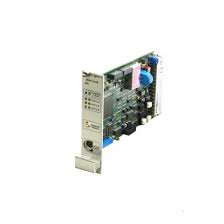
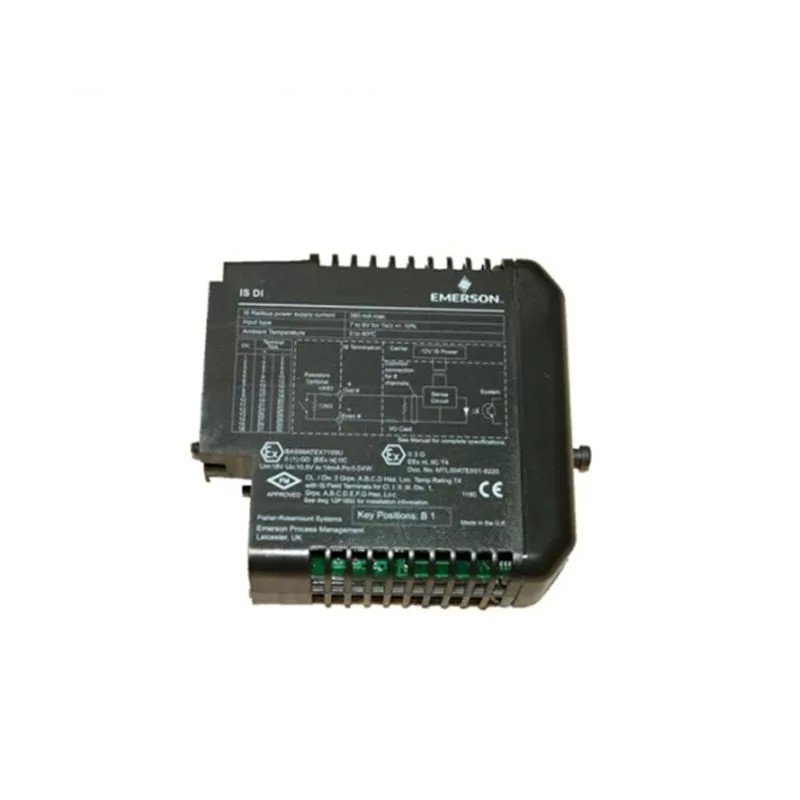

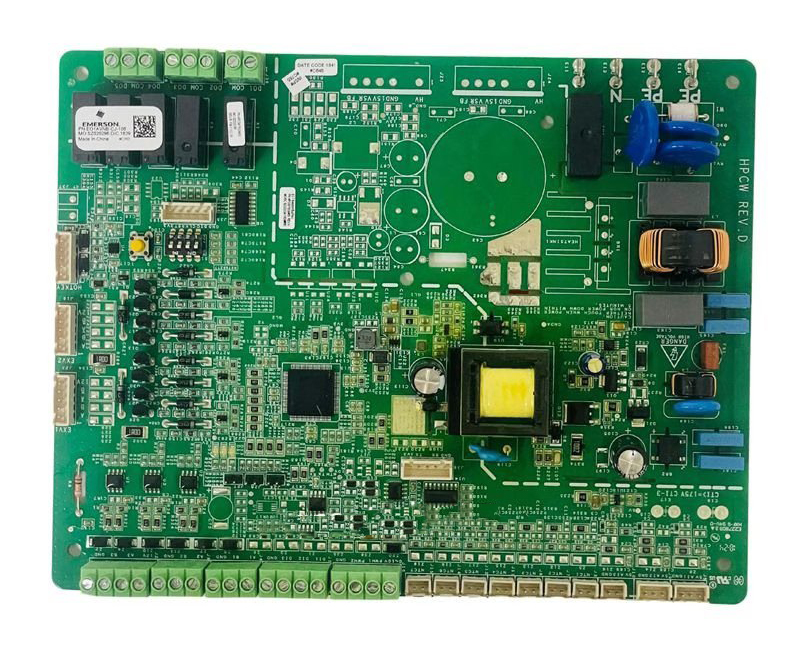
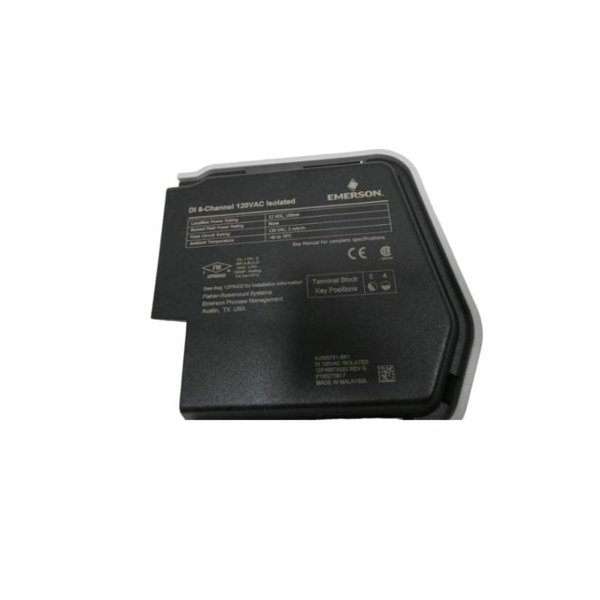
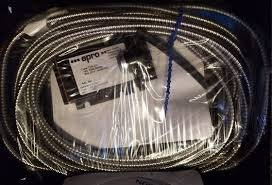
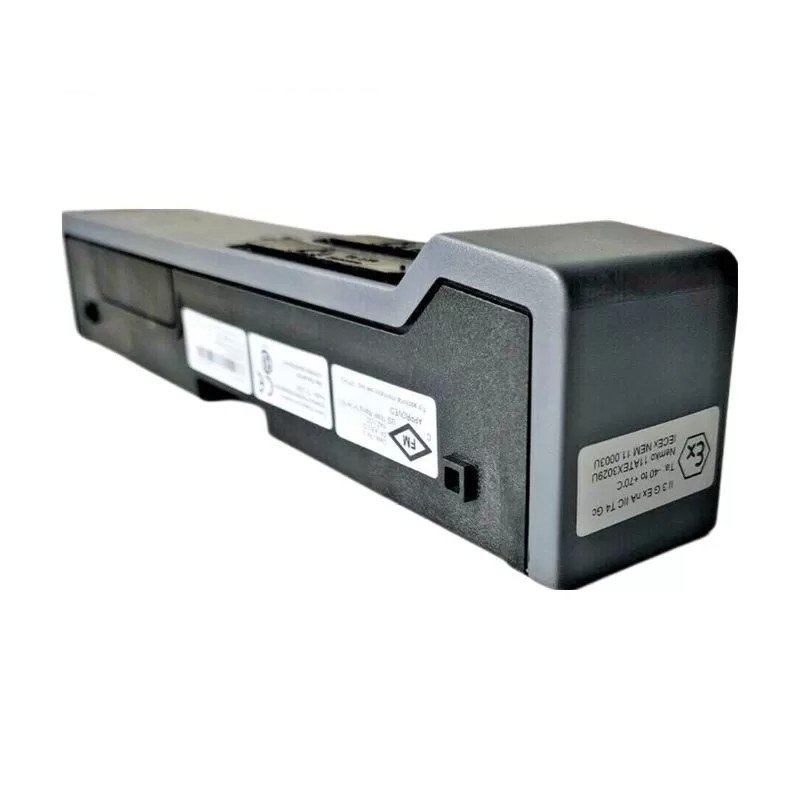
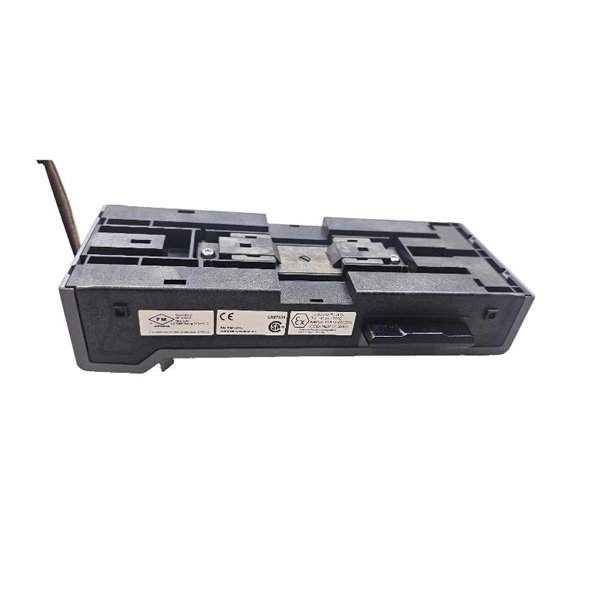
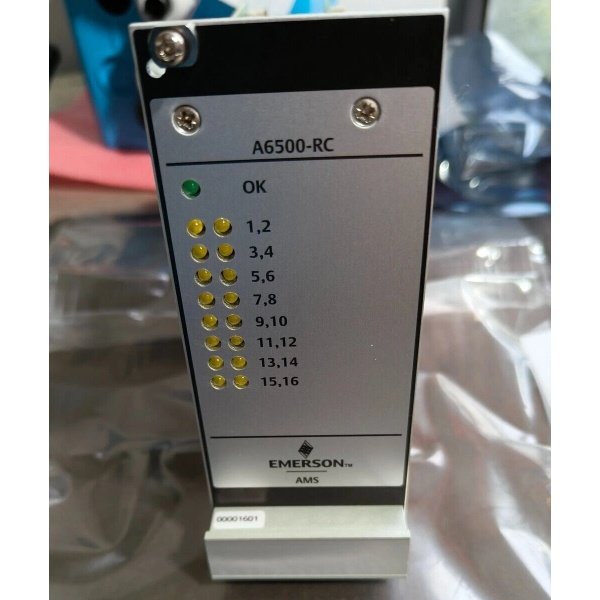
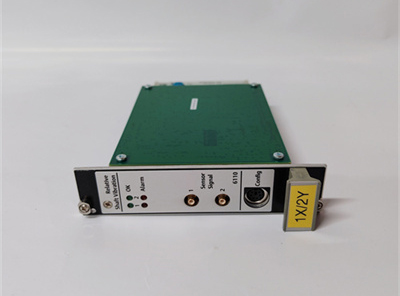
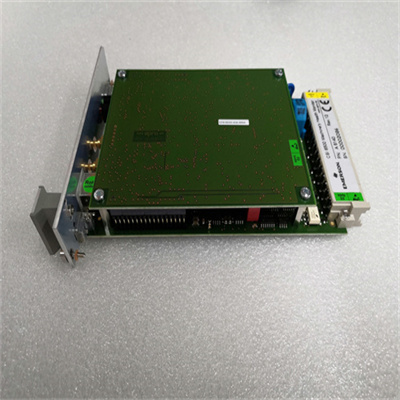
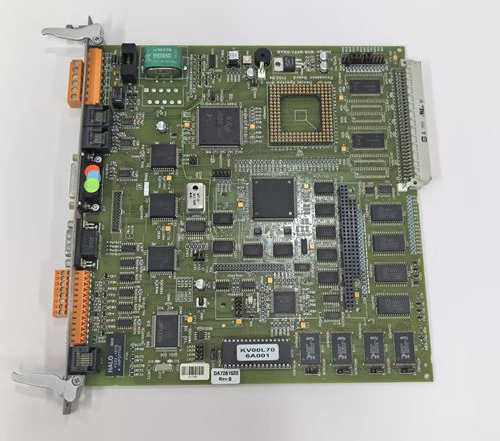
Emerson A6500-RC 16-Channel Relay Output Module
Manufacturer: Emerson
Product Number: A6500-RC
Category: 16-Channel Relay Output Module
Number of Channels: 16
System Compatibility: Emerson CSI 6500 machinery health monitoring system
Application: Critical rotating equipment protection
Function: Provides relay outputs for alarm and control based on machinery health monitoring
Product Description
The A6500-RC is a 16-channel relay output module engineered for critical rotating equipment protection, designed to work with Emerson’s CSI 6500 machinery health monitoring system. At its core is a microcontroller-based logic engine that processes input signals from monitoring modules (e.g., vibration, temperature, oil pressure) and executes programmable safety sequences. Each of the 16 SPDT relays is independently configurable, supporting normally open (NO) or normally closed (NC) operation to match specific safety requirements.
Key Technical Specifications
- Model Number: A6500-RC
- Manufacturer: Emerson Automation Solutions (CSI)
- Relay Configuration: 16 Independent SPDT (Single-Pole Double-Throw) Relays
- Relay Contact Rating: 2A @ 32V DC / 48V AC
- Input Signal Support: 66 Input Interfaces (Normal/Alarm/Danger Status Signals)
- Logic Capabilities: Redundant Relay Configurations (Off/AND/OR Logic), 2-out-of-3 Voting
- Programmable Delay: 0-30 Seconds (Per Relay Output)
- Control Voltage: 13-32V DC
- Operating Temperature: -20°C to 70°C (-4°F to 158°F)
- Mounting: CSI 6500 A6500-SR Rack (3U Form Factor, 2 Slots), Hot-Swappable
- Isolation: 2500V AC Relay Contacts-to-Control Circuit
- Diagnostics: Relay Status LEDs, Fault Logging, AMS Suite Integration
- Certifications: API 670, UL 61010-1, CSA C22.2 No. 14-19, CE, RoHS
- Physical Dimensions: 130mm (W) x 100mm (H) x 220mm (D), Weight: 1.8kg (4.0 lbs)
- Compatibility: CSI 6500 ATG Monitoring Modules, Ovation/DeltaV DCS, AMS Suite
Field Application & Problem Solved
In critical rotating equipment protection—power plant turbines, refinery compressors, chemical plant pumps, and water treatment turbines—the biggest challenge with legacy relay modules is inflexibility, poor redundancy, and non-compliance with industry standards. Old relay modules required hardwired logic, making it impossible to reconfigure safety sequences without rewiring and downtime. Worse, single-point relay failures risked catastrophic equipment damage, as legacy units lacked redundant voting logic (e.g., 2-out-of-3) to prevent false trips. Many legacy modules also failed to meet API 670 requirements, leading to regulatory non-compliance and operational risks.
This configurable relay module solves these pain points with its API 670-compliant design and redundant logic capabilities. It acts as the “safety trigger” for machinery protection systems, translating monitoring module alerts (e.g., high vibration, low oil pressure) into relay actions (e.g., shutdown, alarm, bypass). You’ll find it in combined-cycle power plants protecting gas turbines, refineries safeguarding catalytic compressors, and chemical facilities securing reactor feed pumps. I installed 32 of these at a Gulf Coast refinery where legacy hardwired relays caused 4 false shutdowns yearly; post-installation, false trips dropped to zero, and reconfiguring safety logic for a compressor upgrade took 2 hours instead of 3 days. The 2-out-of-3 voting logic prevented a catastrophic turbine failure at a Midwest power plant by ignoring a faulty vibration sensor signal.
Its core value is reliable, compliant, and flexible machinery protection. Critical rotating equipment can’t afford unplanned downtime or false trips—this module’s redundant logic and programmable delays ensure safe, accurate response to faults. Unlike legacy relays, it integrates seamlessly with modern monitoring systems and DCS, enabling remote logic configuration and diagnostics. For maintenance teams, it simplifies safety system updates; for plant managers, it ensures regulatory compliance and equipment longevity; for operators, it provides confidence in safety system reliability. It’s not just a relay module—it’s a critical safety component that protects high-value rotating equipment.
Installation & Maintenance Pitfalls
- Relay Logic Configuration Before Wiring: Rookies wire relay outputs before programming logic, causing incorrect safety sequences. A chemical plant did this, leading to a false pump shutdown during startup. Use AMS Suite to configure relay logic (e.g., AND/OR voting, delay times) before connecting field wiring. Test logic with a signal simulator—verify that a single sensor fault doesn’t trigger an unwanted shutdown (2-out-of-3 voting should prevent this).
- Redundant Power Wiring for Critical Applications: Connecting both module power inputs to the same source defeats redundancy. A power plant made this mistake, so a single power supply failure disabled the protection system. Wire the module’s dual power inputs to separate 24V DC feeds (e.g., Plant Power and Backup Power). Install inline fuses (2A) for each input and label them clearly to avoid accidental disconnection.
- Relay Contact Load Matching: Exceeding the 2A contact rating (e.g., powering a 3A solenoid directly) burns out relay contacts. A refinery had this issue, with 6 relays failing in 6 months. Use intermediate power relays (Emerson P/N 9199-00205) for loads >2A—wire the A6500-RC to control the intermediate relay coil, and the load to the intermediate relay contact. Calculate total contact current: stay under 1.6A (80% of 2A) for continuous loads.
- Ignoring Relay Contact Degradation: Relay contacts wear over time (100,000+ operations) but show no visible signs of failure. A water treatment plant ignored this, leading to a failed pump shutdown during a critical fault. Inspect relay contacts annually using a multimeter—measure contact resistance (should be <100mΩ) and replace the module if resistance exceeds 500mΩ. Use AMS Suite to track relay operation counts and schedule preventive replacement every 5 years.
 Loading comments...
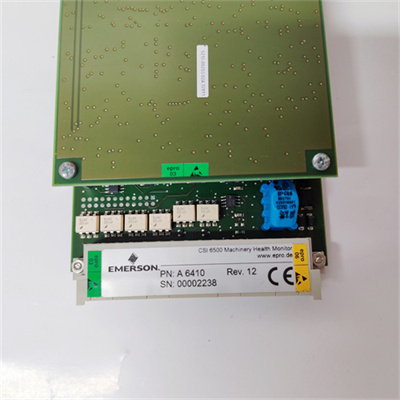
Emerson A6500-RC 16-Channel Relay Output Module
Manufacturer: Emerson
Product Number: A6500-RC
Category: 16-Channel Relay Output Module
Number of Channels: 16
System Compatibility: Emerson CSI 6500 machinery health monitoring system
Application: Critical rotating equipment protection
Function: Provides relay outputs for alarm and control based on machinery health monitoring
Product Description
The A6500-RC is a 16-channel relay output module engineered for critical rotating equipment protection, designed to work with Emerson’s CSI 6500 machinery health monitoring system. At its core is a microcontroller-based logic engine that processes input signals from monitoring modules (e.g., vibration, temperature, oil pressure) and executes programmable safety sequences. Each of the 16 SPDT relays is independently configurable, supporting normally open (NO) or normally closed (NC) operation to match specific safety requirements.
Key Technical Specifications
- Model Number: A6500-RC
- Manufacturer: Emerson Automation Solutions (CSI)
- Relay Configuration: 16 Independent SPDT (Single-Pole Double-Throw) Relays
- Relay Contact Rating: 2A @ 32V DC / 48V AC
- Input Signal Support: 66 Input Interfaces (Normal/Alarm/Danger Status Signals)
- Logic Capabilities: Redundant Relay Configurations (Off/AND/OR Logic), 2-out-of-3 Voting
- Programmable Delay: 0-30 Seconds (Per Relay Output)
- Control Voltage: 13-32V DC
- Operating Temperature: -20°C to 70°C (-4°F to 158°F)
- Mounting: CSI 6500 A6500-SR Rack (3U Form Factor, 2 Slots), Hot-Swappable
- Isolation: 2500V AC Relay Contacts-to-Control Circuit
- Diagnostics: Relay Status LEDs, Fault Logging, AMS Suite Integration
- Certifications: API 670, UL 61010-1, CSA C22.2 No. 14-19, CE, RoHS
- Physical Dimensions: 130mm (W) x 100mm (H) x 220mm (D), Weight: 1.8kg (4.0 lbs)
- Compatibility: CSI 6500 ATG Monitoring Modules, Ovation/DeltaV DCS, AMS Suite
Field Application & Problem Solved
In critical rotating equipment protection—power plant turbines, refinery compressors, chemical plant pumps, and water treatment turbines—the biggest challenge with legacy relay modules is inflexibility, poor redundancy, and non-compliance with industry standards. Old relay modules required hardwired logic, making it impossible to reconfigure safety sequences without rewiring and downtime. Worse, single-point relay failures risked catastrophic equipment damage, as legacy units lacked redundant voting logic (e.g., 2-out-of-3) to prevent false trips. Many legacy modules also failed to meet API 670 requirements, leading to regulatory non-compliance and operational risks.
This configurable relay module solves these pain points with its API 670-compliant design and redundant logic capabilities. It acts as the “safety trigger” for machinery protection systems, translating monitoring module alerts (e.g., high vibration, low oil pressure) into relay actions (e.g., shutdown, alarm, bypass). You’ll find it in combined-cycle power plants protecting gas turbines, refineries safeguarding catalytic compressors, and chemical facilities securing reactor feed pumps. I installed 32 of these at a Gulf Coast refinery where legacy hardwired relays caused 4 false shutdowns yearly; post-installation, false trips dropped to zero, and reconfiguring safety logic for a compressor upgrade took 2 hours instead of 3 days. The 2-out-of-3 voting logic prevented a catastrophic turbine failure at a Midwest power plant by ignoring a faulty vibration sensor signal.
Its core value is reliable, compliant, and flexible machinery protection. Critical rotating equipment can’t afford unplanned downtime or false trips—this module’s redundant logic and programmable delays ensure safe, accurate response to faults. Unlike legacy relays, it integrates seamlessly with modern monitoring systems and DCS, enabling remote logic configuration and diagnostics. For maintenance teams, it simplifies safety system updates; for plant managers, it ensures regulatory compliance and equipment longevity; for operators, it provides confidence in safety system reliability. It’s not just a relay module—it’s a critical safety component that protects high-value rotating equipment.
Installation & Maintenance Pitfalls
- Relay Logic Configuration Before Wiring: Rookies wire relay outputs before programming logic, causing incorrect safety sequences. A chemical plant did this, leading to a false pump shutdown during startup. Use AMS Suite to configure relay logic (e.g., AND/OR voting, delay times) before connecting field wiring. Test logic with a signal simulator—verify that a single sensor fault doesn’t trigger an unwanted shutdown (2-out-of-3 voting should prevent this).
- Redundant Power Wiring for Critical Applications: Connecting both module power inputs to the same source defeats redundancy. A power plant made this mistake, so a single power supply failure disabled the protection system. Wire the module’s dual power inputs to separate 24V DC feeds (e.g., Plant Power and Backup Power). Install inline fuses (2A) for each input and label them clearly to avoid accidental disconnection.
- Relay Contact Load Matching: Exceeding the 2A contact rating (e.g., powering a 3A solenoid directly) burns out relay contacts. A refinery had this issue, with 6 relays failing in 6 months. Use intermediate power relays (Emerson P/N 9199-00205) for loads >2A—wire the A6500-RC to control the intermediate relay coil, and the load to the intermediate relay contact. Calculate total contact current: stay under 1.6A (80% of 2A) for continuous loads.
- Ignoring Relay Contact Degradation: Relay contacts wear over time (100,000+ operations) but show no visible signs of failure. A water treatment plant ignored this, leading to a failed pump shutdown during a critical fault. Inspect relay contacts annually using a multimeter—measure contact resistance (should be <100mΩ) and replace the module if resistance exceeds 500mΩ. Use AMS Suite to track relay operation counts and schedule preventive replacement every 5 years.
Need a Custom Automation Solution?
Our team of experts can design and implement a tailored automation system to meet your specific requirements.