
Our Products
Comprehensive industrial automation solutions for global industries
Contact us
If you are interested in our products and want to know more details,please Contact us,we will reply you as soon as we can.
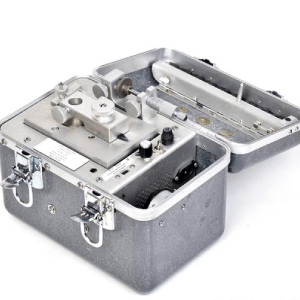
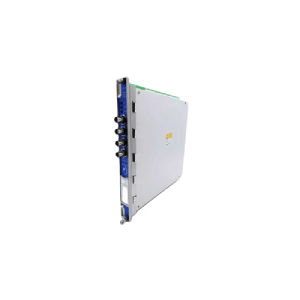
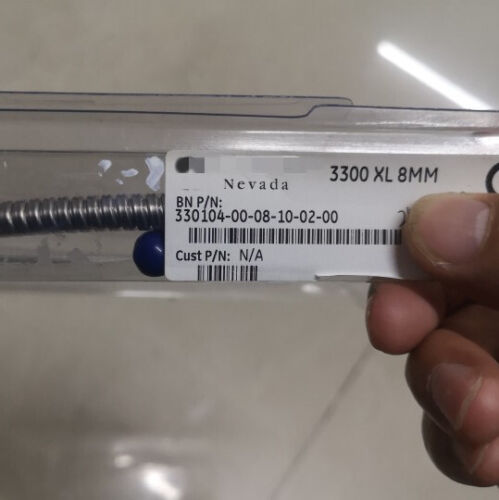
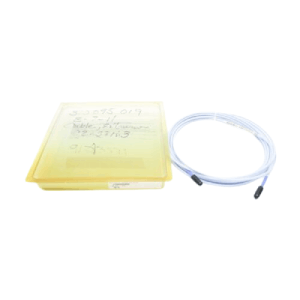
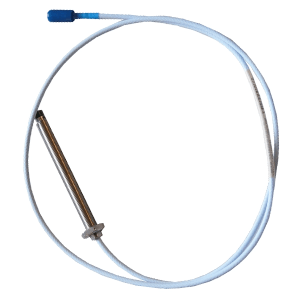
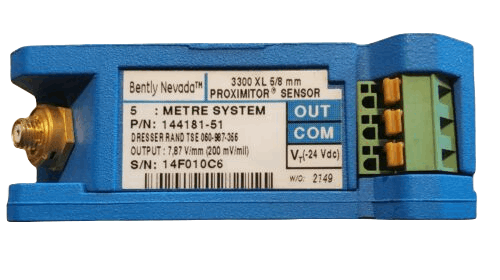
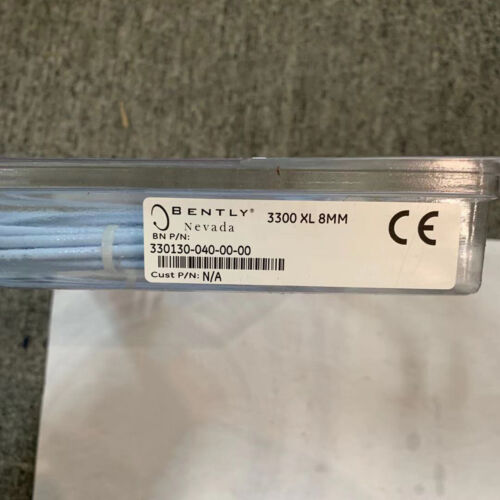
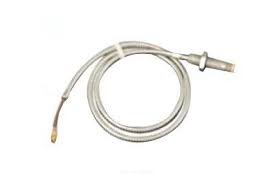
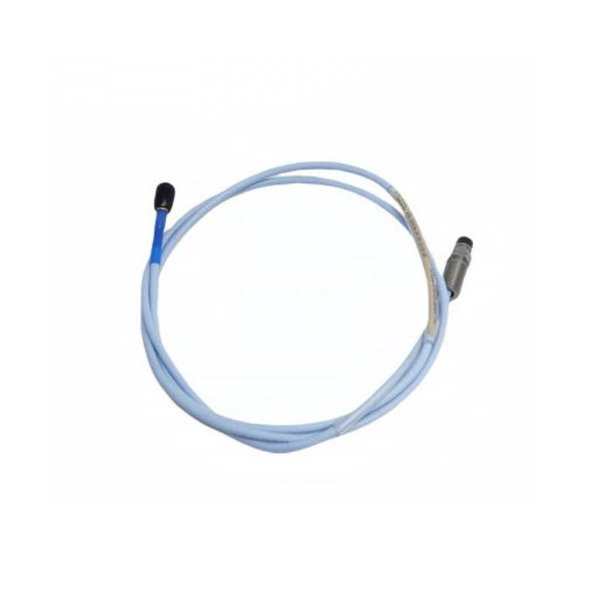
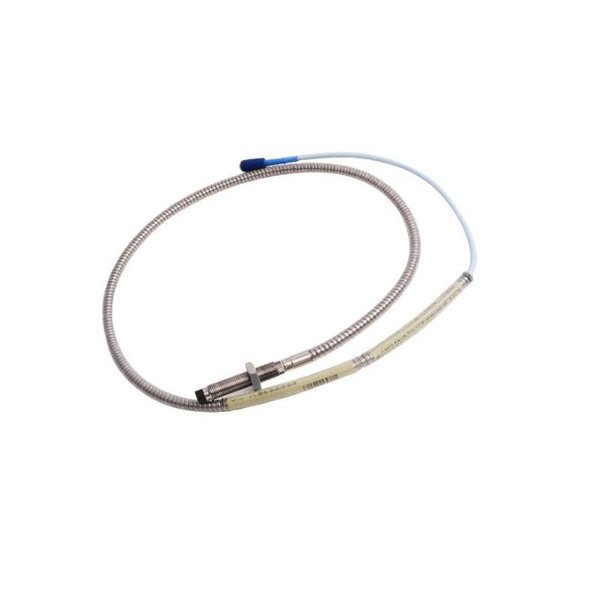
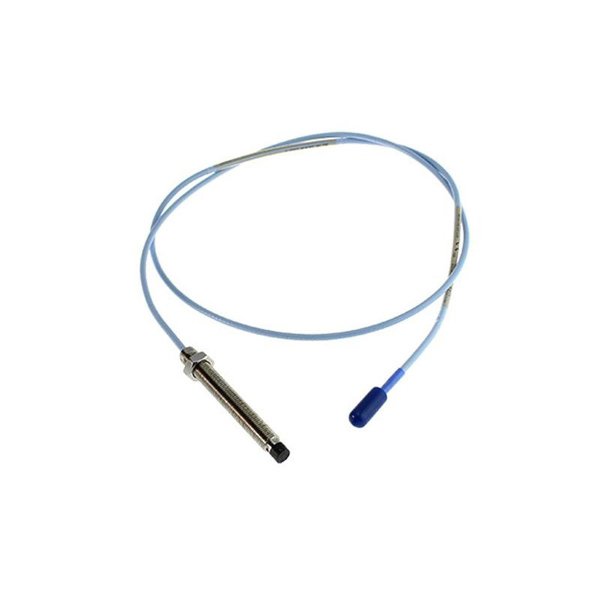
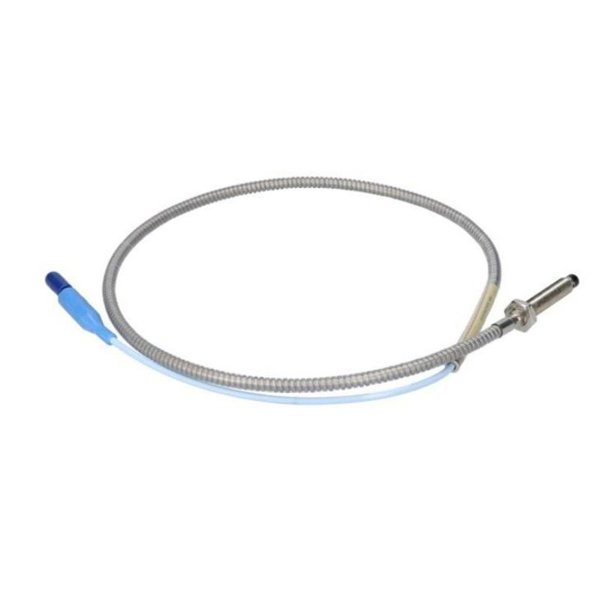
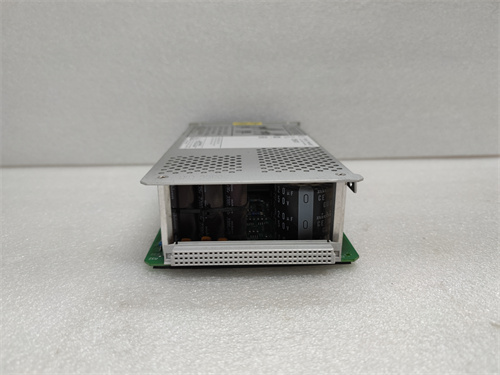
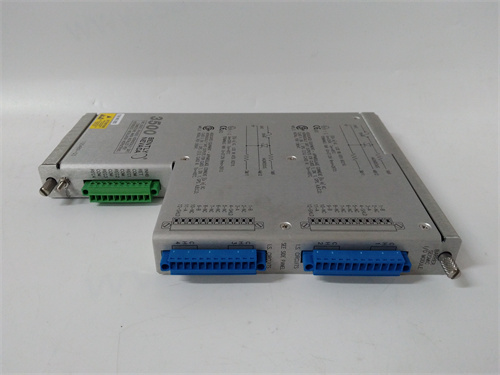
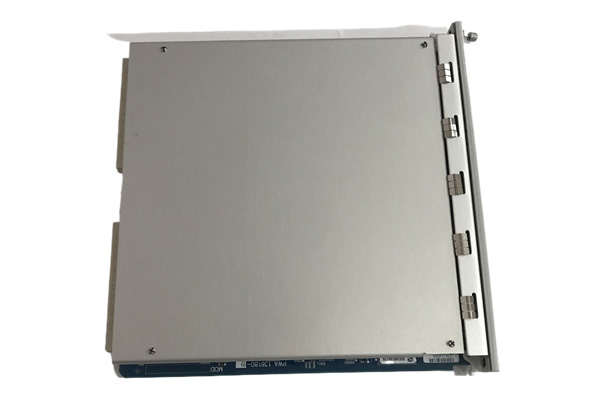
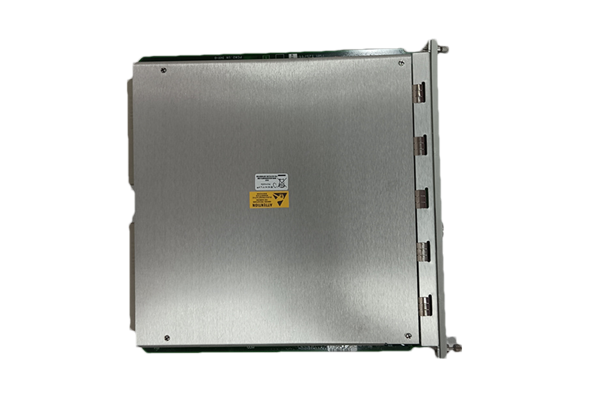
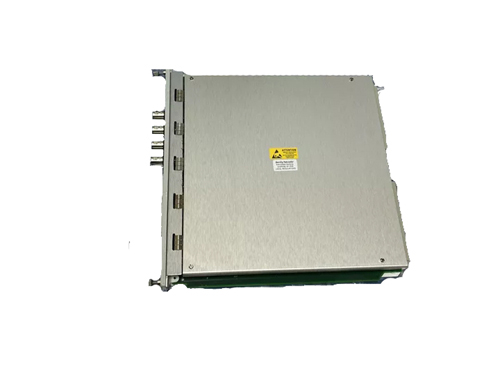
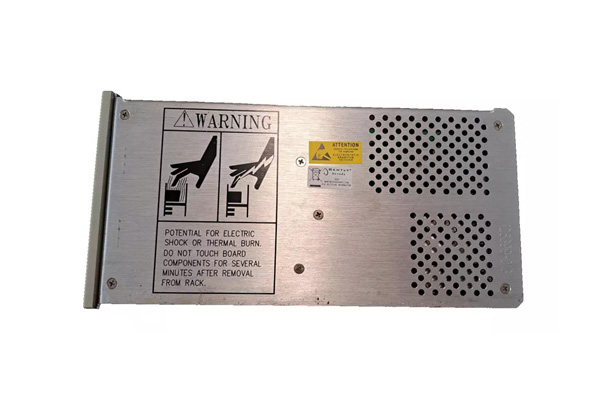
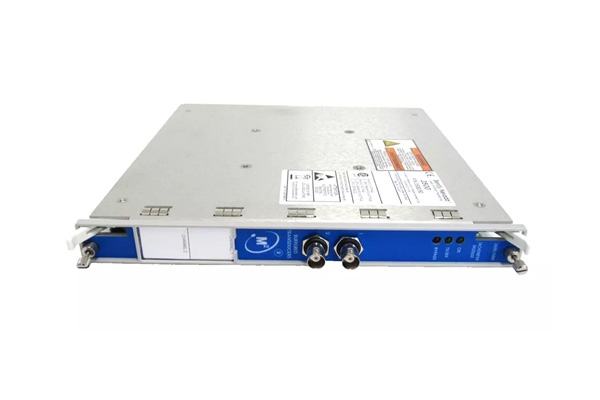
Bently Nevada 330102-00-28-10-02-00 3300 XL 8 mm Proximity Probe
Manufacturer:Bently Nevada
Product Number:330102-00-28-10-02-00
Product Type:3300 XL 8 mm Proximity Probe
Origin:USA
Total Length:1m
Weight :0.323 kg
Views:35
Payment Methods:T/T, PayPal, Western Union
Condition:New & In Stock
Warranty:1 Year
Lead Time:1-3 Working Days
Certificate:COO
Courier partners:DHL, UPS, TNT, FedEx and EMS.
Business hours:7*24
Product Description
The Bently Nevada 330102-00-28-10-02-00 is a complete 8mm proximity transducer system from the 3300 XL series. It serves as the primary sensor for measuring vibration and axial position on critical rotating machinery like turbines, compressors, and pumps. The system works on the eddy current principle to provide accurate, non-contact monitoring, converting physical shaft motion into a precise DC voltage signal for the 3300 XL monitor to interpret.
Product Parameters
| Parameter | Specification |
|---|---|
| System Part Number | 330102-00-28-10-02-00 (10m cable example) |
| Probe Diameter | 8 mm (0.315 in) |
| Linear Range | 2.0 mm (80 mils) |
| Scale Factor | 7.87 V/mm (200 mV/mil) |
| Target Material | AISI 4140 Steel or equivalent |
| Frequency Response | 0 to 10 kHz (-3 dB) |
| Operating Temperature | Probe: -35°C to 177°C (-31°F to 350°F) |
| Output Signal | -2 Vdc to -18 Vdc (gap proportional) |
| Connector | Military-style (MS), environmentally sealed |
| Total Length | 1 m |
| Weight | 0.323kg |
Product Applications
This system is applied in condition monitoring for:
-
Vibration Measurement: On journal bearings to detect imbalance, misalignment, and bearing issues.
-
Axial Position Monitoring: On thrust bearings to prevent catastrophic failure from rotor float.
-
Speed Measurement: When used with a Keyphasor® marker.
-
Critical Asset Protection: On turbines, compressors, large pumps, and motors.
Product Advantages
-
High Reliability: Proven design for critical machinery protection.
-
System Integrity: Pre-connected and sealed cable ensures consistent calibration.
-
Robust Construction: Stainless steel probe and armored cable resist damage and EMI/RFI.
-
Global Standard: Wide compatibility and support within the 3300 XL ecosystem.
FAQ
1. Why is the target material specification critical?
The electrical calibration is specific to steel. Non-standard materials (e.g., stainless, aluminum) will produce inaccurate readings.
2. Can a damaged extension cable be repaired?
No. Any repair changes the cable’s capacitance, distorting the signal. The entire cable must be replaced.
3. What does the negative output voltage indicate?
It is a system convention. A voltage near -2V indicates a small gap, near -18V a large gap, and -24V indicates an open circuit fault.
4. What is electrical runout?
An error signal caused by variations in the shaft material’s magnetic properties, which can be misinterpreted as vibration.
5. How is the system calibrated?
The scale factor is set in the monitor. Field verification is done by measuring the output voltage at a known physical gap.
6. What does a “Probe Gap” fault mean?
This indicates an open circuit or short circuit in the probe system, requiring electrical troubleshooting of the loop.
7. What is the difference between standard and reverse-drive probes?
Standard probes (this model) have electronics in the connector. Reverse-drive models have electronics in the tip for higher temperature applications.
8. Why is the frequency response important?
A 10 kHz range ensures the system can accurately capture high-frequency vibration events common in machinery.
9. Can this probe measure casing vibration?
No. It measures relative shaft displacement. For absolute casing vibration, an accelerometer is required.
10. What is the purpose of the termination resistor?
It prevents signal reflection on the cable. An incorrect value will distort the measurement signal.
 Loading comments...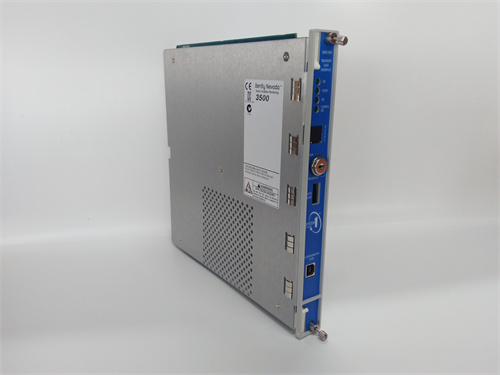
Bently Nevada 330102-00-28-10-02-00 3300 XL 8 mm Proximity Probe
Manufacturer:Bently Nevada
Product Number:330102-00-28-10-02-00
Product Type:3300 XL 8 mm Proximity Probe
Origin:USA
Total Length:1m
Weight :0.323 kg
Views:35
Payment Methods:T/T, PayPal, Western Union
Condition:New & In Stock
Warranty:1 Year
Lead Time:1-3 Working Days
Certificate:COO
Courier partners:DHL, UPS, TNT, FedEx and EMS.
Business hours:7*24
Product Description
The Bently Nevada 330102-00-28-10-02-00 is a complete 8mm proximity transducer system from the 3300 XL series. It serves as the primary sensor for measuring vibration and axial position on critical rotating machinery like turbines, compressors, and pumps. The system works on the eddy current principle to provide accurate, non-contact monitoring, converting physical shaft motion into a precise DC voltage signal for the 3300 XL monitor to interpret.
Product Parameters
| Parameter | Specification |
|---|---|
| System Part Number | 330102-00-28-10-02-00 (10m cable example) |
| Probe Diameter | 8 mm (0.315 in) |
| Linear Range | 2.0 mm (80 mils) |
| Scale Factor | 7.87 V/mm (200 mV/mil) |
| Target Material | AISI 4140 Steel or equivalent |
| Frequency Response | 0 to 10 kHz (-3 dB) |
| Operating Temperature | Probe: -35°C to 177°C (-31°F to 350°F) |
| Output Signal | -2 Vdc to -18 Vdc (gap proportional) |
| Connector | Military-style (MS), environmentally sealed |
| Total Length | 1 m |
| Weight | 0.323kg |
Product Applications
This system is applied in condition monitoring for:
-
Vibration Measurement: On journal bearings to detect imbalance, misalignment, and bearing issues.
-
Axial Position Monitoring: On thrust bearings to prevent catastrophic failure from rotor float.
-
Speed Measurement: When used with a Keyphasor® marker.
-
Critical Asset Protection: On turbines, compressors, large pumps, and motors.
Product Advantages
-
High Reliability: Proven design for critical machinery protection.
-
System Integrity: Pre-connected and sealed cable ensures consistent calibration.
-
Robust Construction: Stainless steel probe and armored cable resist damage and EMI/RFI.
-
Global Standard: Wide compatibility and support within the 3300 XL ecosystem.
FAQ
1. Why is the target material specification critical?
The electrical calibration is specific to steel. Non-standard materials (e.g., stainless, aluminum) will produce inaccurate readings.
2. Can a damaged extension cable be repaired?
No. Any repair changes the cable’s capacitance, distorting the signal. The entire cable must be replaced.
3. What does the negative output voltage indicate?
It is a system convention. A voltage near -2V indicates a small gap, near -18V a large gap, and -24V indicates an open circuit fault.
4. What is electrical runout?
An error signal caused by variations in the shaft material’s magnetic properties, which can be misinterpreted as vibration.
5. How is the system calibrated?
The scale factor is set in the monitor. Field verification is done by measuring the output voltage at a known physical gap.
6. What does a “Probe Gap” fault mean?
This indicates an open circuit or short circuit in the probe system, requiring electrical troubleshooting of the loop.
7. What is the difference between standard and reverse-drive probes?
Standard probes (this model) have electronics in the connector. Reverse-drive models have electronics in the tip for higher temperature applications.
8. Why is the frequency response important?
A 10 kHz range ensures the system can accurately capture high-frequency vibration events common in machinery.
9. Can this probe measure casing vibration?
No. It measures relative shaft displacement. For absolute casing vibration, an accelerometer is required.
10. What is the purpose of the termination resistor?
It prevents signal reflection on the cable. An incorrect value will distort the measurement signal.
Need a Custom Automation Solution?
Our team of experts can design and implement a tailored automation system to meet your specific requirements.