
Our Products
Comprehensive industrial automation solutions for global industries
Contact us
If you are interested in our products and want to know more details,please Contact us,we will reply you as soon as we can.
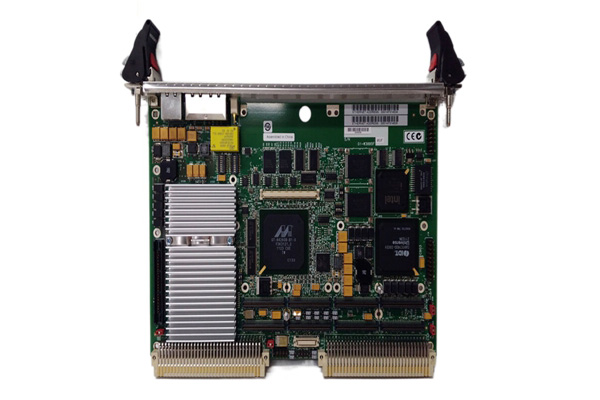
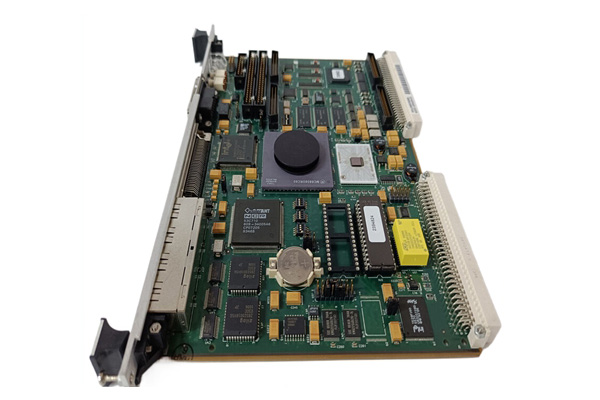
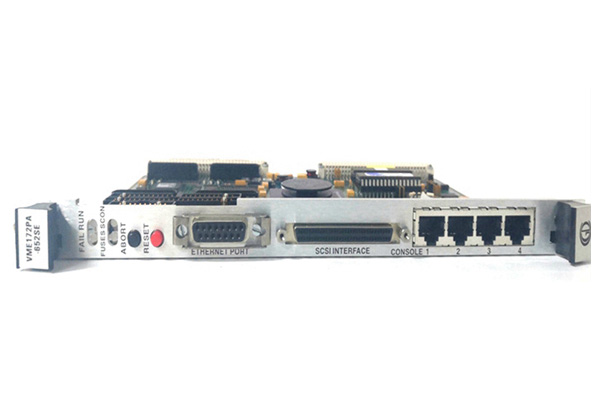
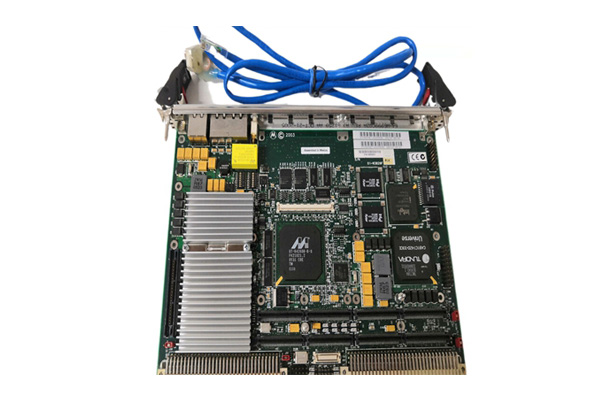
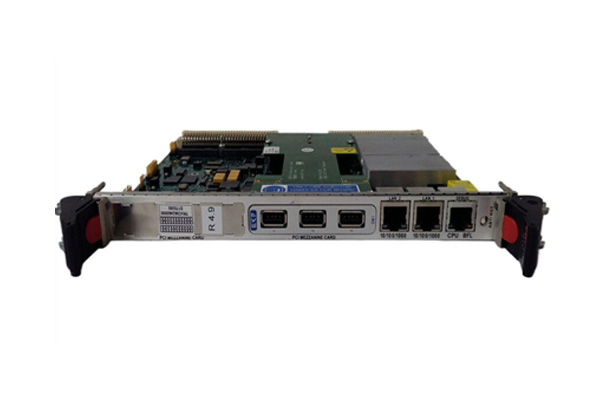
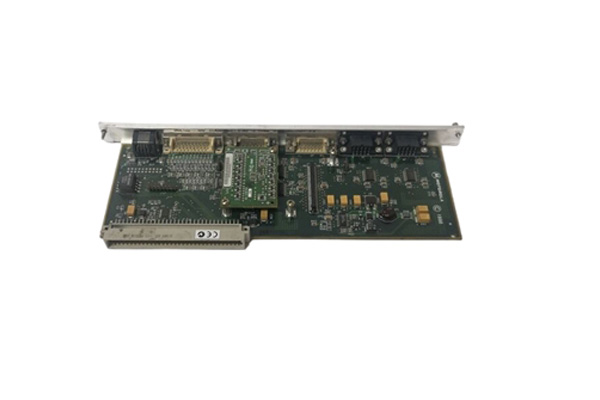
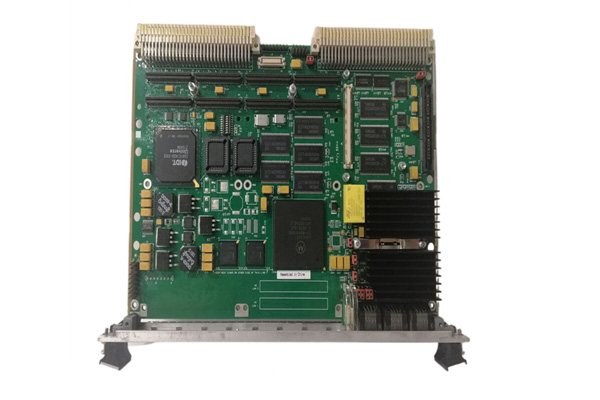
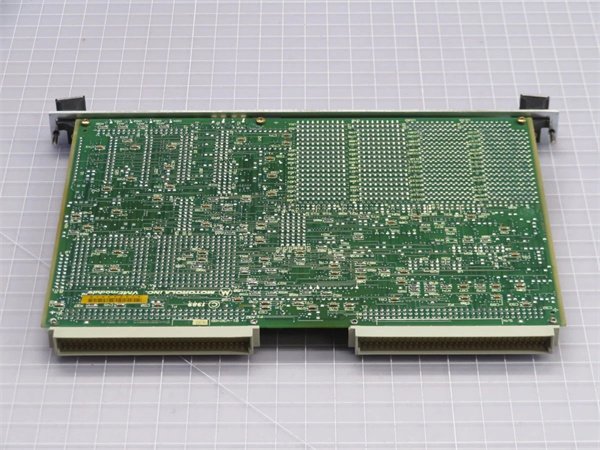
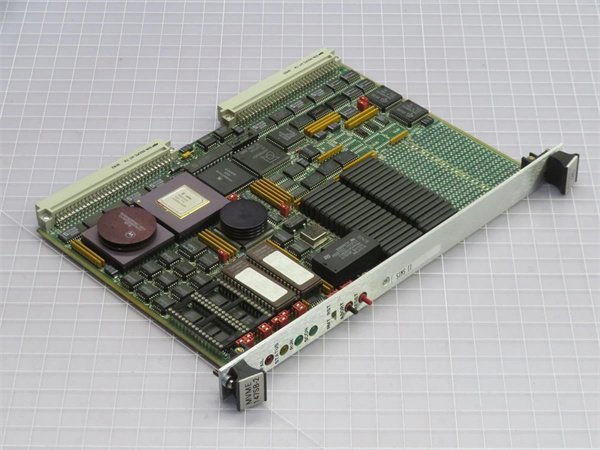
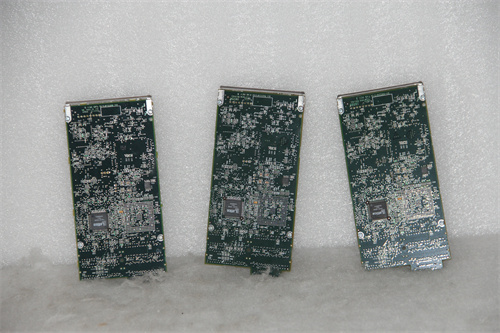
Motorola MVME-147SB-2 VMEbus Single–Board Computer
Manufacturer:Motorola
Product Number:Motorola MVME-147SB-2
Payment Methods:T/T, PayPal, Western Union
Condition:New & In Stock
Warranty:1 Year
Lead Time:1-3 Working Days
Certificate:COO
Courier partners:DHL, UPS, TNT, FedEx and EMS.
Business hours:7*24
Product Description
The Motorola MVME–147SB–2 is a high–performance single–board computer (SBC) designed for industrial and embedded applications. It is part of the MVME–147 series, which is renowned for its reliability and versatility in demanding environments. This particular model, the MVME–147SB–2, offers enhanced features and capabilities that make it a suitable choice for a wide range of industrial control, data acquisition, and communication tasks.
Parameter Table
| Parameter Name | Parameter Value |
| Product Model | Motorola MVME–147SB–2 |
| Manufacturer | Motorola (now under Emerson Industrial Automation) |
| Product Category | VMEbus Single–Board Computer |
| Processor | 33 MHz MC68030 enhanced 32–bit microprocessorOptional: 33.33 MHz MC6888 co–processor |
| Memory | 16 MB DRAM512 KB SRAM with battery backup1 MB flash memory for on–board monitor/debugger or user–installed firmware8 k x 8 NVRAM and time–of–day clock with battery backup |
| Communication Interfaces | Two serial communication ports (console port as EIA–232–D DTE and second port user–configurable for EIA–232–D/EIA–422 (V.36) DTE/DCE)Optional: SCSI bus interface with 32–bit local bus burst DMAOptional: Ethernet transceiver interface with 32–bit local bus DMA |
| Expansion Ports | Four 16–or 32–bit Industry Pack® ports with one DMA channel per port |
| Timers | Six 32–bit timers (four without VMEbus) and watchdog timer |
| VMEbus Interface | A32/D64 VMEbus master/slave interface with system controller functionHigh–performance DMA support for VMEbus D64 and local bus memory burst cycles |
| Interrupt System | Four–level requester, seven–level interrupter, and seven–level interrupt handler for VMEbus |
| Other Features | Remote reset/abort/status control functionsOn–board debugger and diagnostic firmware |
| Physical Dimensions | Dimensions suitable for VMEbus form factor (standard VMEbus board size to fit in common chassis) |
| Power Requirements | Power consumption details to be specified based on the actual configuration (varies with processor and additional interfaces in use) |
| Operating Temperature | Operating Temp:–40°C–85°C (- 40°F–185°F) |
| Storage Temperature | Storage Temp:–55°C–125°C (- 67°F–257°F) |
| Humidity | Humidity: 5%–95% non–condensing |
Core Advantages and Technical Highlights
Powerful Processor Performance: The 33 MHz MC68030 enhanced 32–bit microprocessor, with the option of a 33.33 MHz MC6888 co–processor, provides high–speed processing capabilities. The MC68030 was the first general–purpose microprocessor with on–chip cache memory for both instructions and data. This cache memory significantly increases the processor’s efficiency by 20 to 40 percent. Additionally, it features a complete memory management unit (MMU), which offers software protection and virtual memory functions crucial for many industrial applications. For example, in a complex industrial control system where multiple tasks need to be executed simultaneously, the powerful processor can handle real–time data processing, control algorithms, and communication protocols without significant latency.
Rich Memory Configuration: With 16 MB of DRAM, the MVME–147SB–2 can store and process large amounts of data. The 512 KB SRAM with battery backup ensures that critical data is retained even during power outages. The 1 MB flash memory is used for on–board monitor/debugger or can be utilized for user–installed firmware. The 8 k x 8 NVRAM, along with the time–of–day clock with battery backup, provides a reliable way to store configuration data and keep track of time–sensitive operations. In a data–logging application in an industrial plant, the ample memory can buffer large volumes of sensor data before it is transferred to a more permanent storage medium.
Versatile Communication Interfaces: The two serial communication ports, with one configurable for different standards (EIA–232–D/EIA–422), make it easy to interface with a variety of serial devices. The optional SCSI bus interface, with 32–bit local bus burst DMA, enables high–speed data transfer to and from storage devices such as hard drives or tape drives. The optional Ethernet transceiver interface, also with 32–bit local bus DMA, allows for seamless integration into networked environments, facilitating remote monitoring and control. In a factory automation setting, the MVME–147SB–2 can communicate with legacy serial–based sensors and actuators using the serial ports, while also being able to send data over the network to a central control station via the Ethernet interface.
Flexible Expansion Options: The four 16–or 32–bit Industry Pack® ports, each with its own DMA channel, provide a convenient way to expand the functionality of the board. These ports can be used to connect additional I/O modules, communication interfaces, or specialized processing units. For instance, in a manufacturing process control system, an Industry Pack® module for analog–to–digital conversion can be added to the MVME–147SB–2 to interface with analog sensors, enhancing the system’s ability to monitor and control analog signals.
Typical Application Scenarios
Industrial Process Control: In a chemical manufacturing plant, the MVME–147SB–2 can be used as the central controller. It can receive data from various sensors (such as temperature, pressure, and flow sensors) through its serial ports or analog–to–digital conversion modules connected via the Industry Pack® ports. Based on this data, it can execute control algorithms to adjust the operation of pumps, valves, and other actuators. The Ethernet interface can be used to send real–time process data to a plant–wide monitoring system, allowing operators to remotely monitor and manage the production process. The on–board debugger and diagnostic firmware are valuable for troubleshooting any issues that may arise during the operation of the control system.
Data Acquisition and Monitoring in Power Plants: In a power generation facility, the MVME–147SB–2 can be deployed to acquire data from a large number of sensors distributed across the plant. These sensors may measure parameters such as voltage, current, frequency, and vibration. The SCSI bus interface can be used to connect high–capacity storage devices to store the acquired data for later analysis. The serial ports can be used to communicate with intelligent sensors or other devices that use serial communication protocols. The MVME–147SB–2’s ability to handle multiple tasks simultaneously and its reliable performance in harsh environments (with an operating temperature range of–40°C–85°C) make it suitable for continuous operation in a power plant.
Automated Test Equipment: In an electronics manufacturing factory, the MVME–147SB–2 can be integrated into automated test equipment. It can control the test process, communicate with test instruments (such as oscilloscopes, multimeters, and logic analyzers) via serial or Ethernet interfaces, and analyze the test results. The Industry Pack® ports can be used to connect custom–designed I/O modules for specific test requirements. For example, a module for generating and measuring high–speed digital signals can be added to test the performance of digital integrated circuits. The remote reset/abort/status control functions are useful for remotely controlling the test equipment and monitoring its status.
Compatibility with MVME–332XT
The Motorola MVME–147SB–2 pairs extremely well with the MVME–332XT. The MVME–332XT, with its 8–channel serial control and parallel printer port, can be connected to the MVME–147SB–2 via the serial ports. In an industrial printing and monitoring application, such as in a food packaging plant, the MVME–332XT can collect data from serial–based sensors (like package presence sensors and weight scales) and send this data to the MVME–147SB–2 for further processing. The MVME–147SB–2 can then analyze the data, generate reports, and send the print commands to the parallel printer connected to the MVME–332XT. The MVME–147SB–2’s powerful processing capabilities can handle the data from multiple MVME–332XT units if needed, making it an ideal host for a network of serial–controlled devices.
 Loading comments...

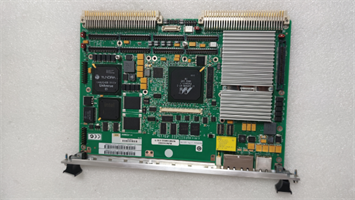
Motorola MVME-147SB-2 VMEbus Single–Board Computer
Manufacturer:Motorola
Product Number:Motorola MVME-147SB-2
Payment Methods:T/T, PayPal, Western Union
Condition:New & In Stock
Warranty:1 Year
Lead Time:1-3 Working Days
Certificate:COO
Courier partners:DHL, UPS, TNT, FedEx and EMS.
Business hours:7*24
Product Description
The Motorola MVME–147SB–2 is a high–performance single–board computer (SBC) designed for industrial and embedded applications. It is part of the MVME–147 series, which is renowned for its reliability and versatility in demanding environments. This particular model, the MVME–147SB–2, offers enhanced features and capabilities that make it a suitable choice for a wide range of industrial control, data acquisition, and communication tasks.
Parameter Table
| Parameter Name | Parameter Value |
| Product Model | Motorola MVME–147SB–2 |
| Manufacturer | Motorola (now under Emerson Industrial Automation) |
| Product Category | VMEbus Single–Board Computer |
| Processor | 33 MHz MC68030 enhanced 32–bit microprocessorOptional: 33.33 MHz MC6888 co–processor |
| Memory | 16 MB DRAM512 KB SRAM with battery backup1 MB flash memory for on–board monitor/debugger or user–installed firmware8 k x 8 NVRAM and time–of–day clock with battery backup |
| Communication Interfaces | Two serial communication ports (console port as EIA–232–D DTE and second port user–configurable for EIA–232–D/EIA–422 (V.36) DTE/DCE)Optional: SCSI bus interface with 32–bit local bus burst DMAOptional: Ethernet transceiver interface with 32–bit local bus DMA |
| Expansion Ports | Four 16–or 32–bit Industry Pack® ports with one DMA channel per port |
| Timers | Six 32–bit timers (four without VMEbus) and watchdog timer |
| VMEbus Interface | A32/D64 VMEbus master/slave interface with system controller functionHigh–performance DMA support for VMEbus D64 and local bus memory burst cycles |
| Interrupt System | Four–level requester, seven–level interrupter, and seven–level interrupt handler for VMEbus |
| Other Features | Remote reset/abort/status control functionsOn–board debugger and diagnostic firmware |
| Physical Dimensions | Dimensions suitable for VMEbus form factor (standard VMEbus board size to fit in common chassis) |
| Power Requirements | Power consumption details to be specified based on the actual configuration (varies with processor and additional interfaces in use) |
| Operating Temperature | Operating Temp:–40°C–85°C (- 40°F–185°F) |
| Storage Temperature | Storage Temp:–55°C–125°C (- 67°F–257°F) |
| Humidity | Humidity: 5%–95% non–condensing |
Core Advantages and Technical Highlights
Powerful Processor Performance: The 33 MHz MC68030 enhanced 32–bit microprocessor, with the option of a 33.33 MHz MC6888 co–processor, provides high–speed processing capabilities. The MC68030 was the first general–purpose microprocessor with on–chip cache memory for both instructions and data. This cache memory significantly increases the processor’s efficiency by 20 to 40 percent. Additionally, it features a complete memory management unit (MMU), which offers software protection and virtual memory functions crucial for many industrial applications. For example, in a complex industrial control system where multiple tasks need to be executed simultaneously, the powerful processor can handle real–time data processing, control algorithms, and communication protocols without significant latency.
Rich Memory Configuration: With 16 MB of DRAM, the MVME–147SB–2 can store and process large amounts of data. The 512 KB SRAM with battery backup ensures that critical data is retained even during power outages. The 1 MB flash memory is used for on–board monitor/debugger or can be utilized for user–installed firmware. The 8 k x 8 NVRAM, along with the time–of–day clock with battery backup, provides a reliable way to store configuration data and keep track of time–sensitive operations. In a data–logging application in an industrial plant, the ample memory can buffer large volumes of sensor data before it is transferred to a more permanent storage medium.
Versatile Communication Interfaces: The two serial communication ports, with one configurable for different standards (EIA–232–D/EIA–422), make it easy to interface with a variety of serial devices. The optional SCSI bus interface, with 32–bit local bus burst DMA, enables high–speed data transfer to and from storage devices such as hard drives or tape drives. The optional Ethernet transceiver interface, also with 32–bit local bus DMA, allows for seamless integration into networked environments, facilitating remote monitoring and control. In a factory automation setting, the MVME–147SB–2 can communicate with legacy serial–based sensors and actuators using the serial ports, while also being able to send data over the network to a central control station via the Ethernet interface.
Flexible Expansion Options: The four 16–or 32–bit Industry Pack® ports, each with its own DMA channel, provide a convenient way to expand the functionality of the board. These ports can be used to connect additional I/O modules, communication interfaces, or specialized processing units. For instance, in a manufacturing process control system, an Industry Pack® module for analog–to–digital conversion can be added to the MVME–147SB–2 to interface with analog sensors, enhancing the system’s ability to monitor and control analog signals.
Typical Application Scenarios
Industrial Process Control: In a chemical manufacturing plant, the MVME–147SB–2 can be used as the central controller. It can receive data from various sensors (such as temperature, pressure, and flow sensors) through its serial ports or analog–to–digital conversion modules connected via the Industry Pack® ports. Based on this data, it can execute control algorithms to adjust the operation of pumps, valves, and other actuators. The Ethernet interface can be used to send real–time process data to a plant–wide monitoring system, allowing operators to remotely monitor and manage the production process. The on–board debugger and diagnostic firmware are valuable for troubleshooting any issues that may arise during the operation of the control system.
Data Acquisition and Monitoring in Power Plants: In a power generation facility, the MVME–147SB–2 can be deployed to acquire data from a large number of sensors distributed across the plant. These sensors may measure parameters such as voltage, current, frequency, and vibration. The SCSI bus interface can be used to connect high–capacity storage devices to store the acquired data for later analysis. The serial ports can be used to communicate with intelligent sensors or other devices that use serial communication protocols. The MVME–147SB–2’s ability to handle multiple tasks simultaneously and its reliable performance in harsh environments (with an operating temperature range of–40°C–85°C) make it suitable for continuous operation in a power plant.
Automated Test Equipment: In an electronics manufacturing factory, the MVME–147SB–2 can be integrated into automated test equipment. It can control the test process, communicate with test instruments (such as oscilloscopes, multimeters, and logic analyzers) via serial or Ethernet interfaces, and analyze the test results. The Industry Pack® ports can be used to connect custom–designed I/O modules for specific test requirements. For example, a module for generating and measuring high–speed digital signals can be added to test the performance of digital integrated circuits. The remote reset/abort/status control functions are useful for remotely controlling the test equipment and monitoring its status.
Compatibility with MVME–332XT
The Motorola MVME–147SB–2 pairs extremely well with the MVME–332XT. The MVME–332XT, with its 8–channel serial control and parallel printer port, can be connected to the MVME–147SB–2 via the serial ports. In an industrial printing and monitoring application, such as in a food packaging plant, the MVME–332XT can collect data from serial–based sensors (like package presence sensors and weight scales) and send this data to the MVME–147SB–2 for further processing. The MVME–147SB–2 can then analyze the data, generate reports, and send the print commands to the parallel printer connected to the MVME–332XT. The MVME–147SB–2’s powerful processing capabilities can handle the data from multiple MVME–332XT units if needed, making it an ideal host for a network of serial–controlled devices.
Need a Custom Automation Solution?
Our team of experts can design and implement a tailored automation system to meet your specific requirements.