
Our Products
Comprehensive industrial automation solutions for global industries
Contact us
If you are interested in our products and want to know more details,please Contact us,we will reply you as soon as we can.
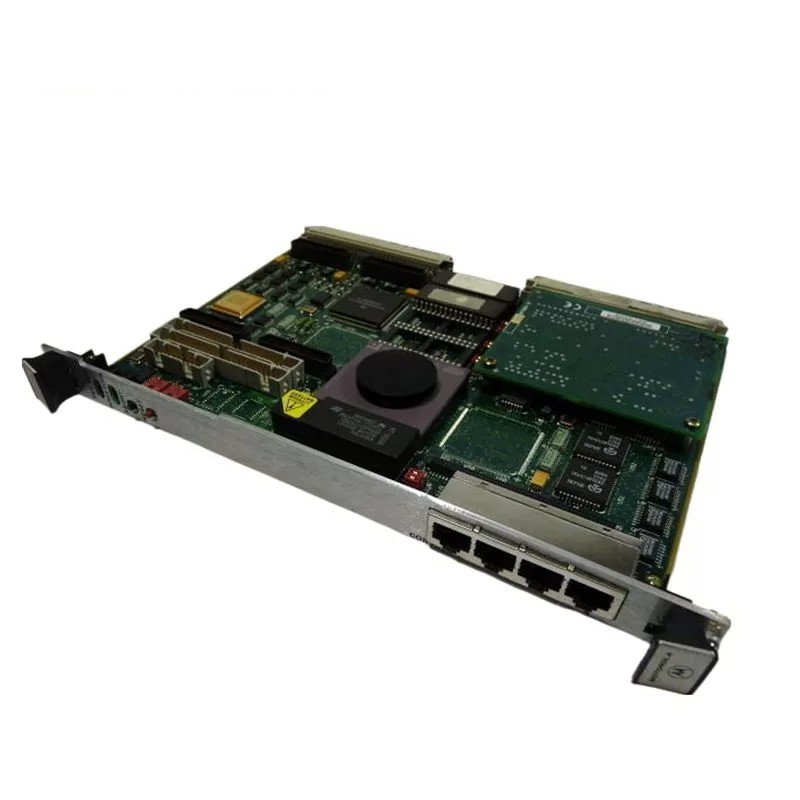
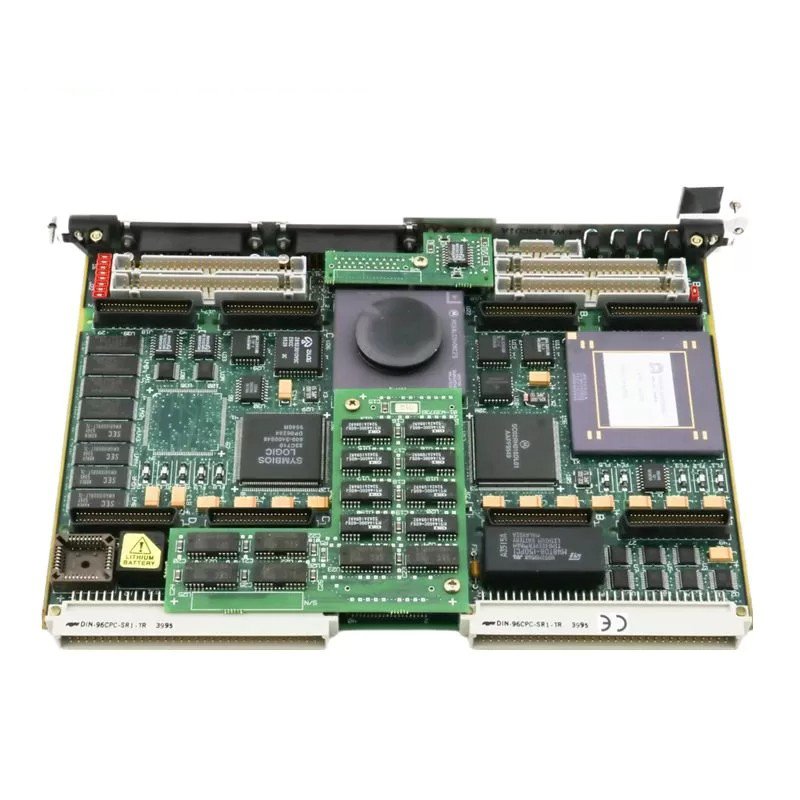
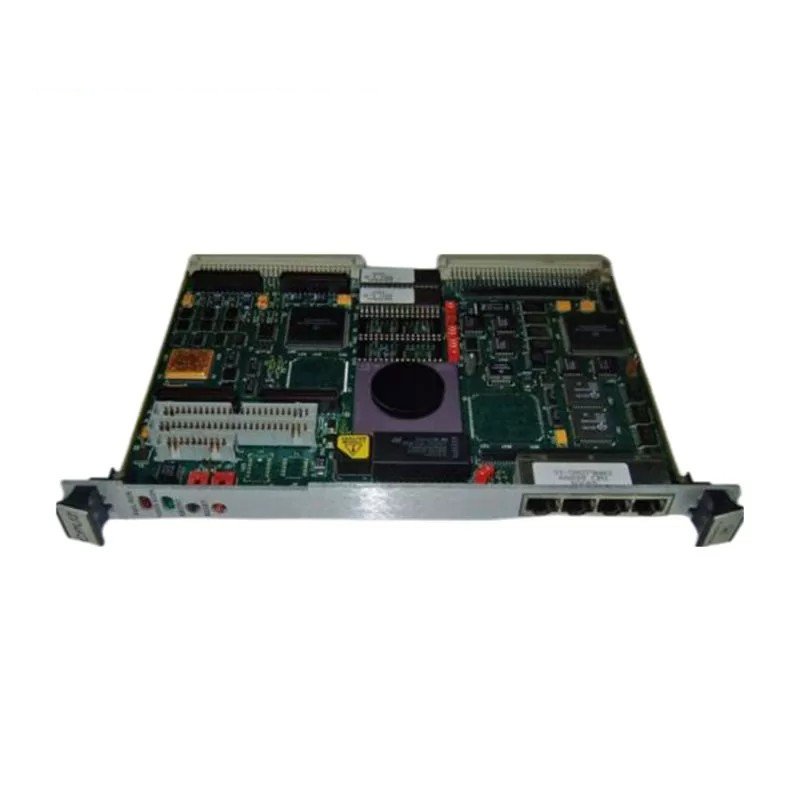
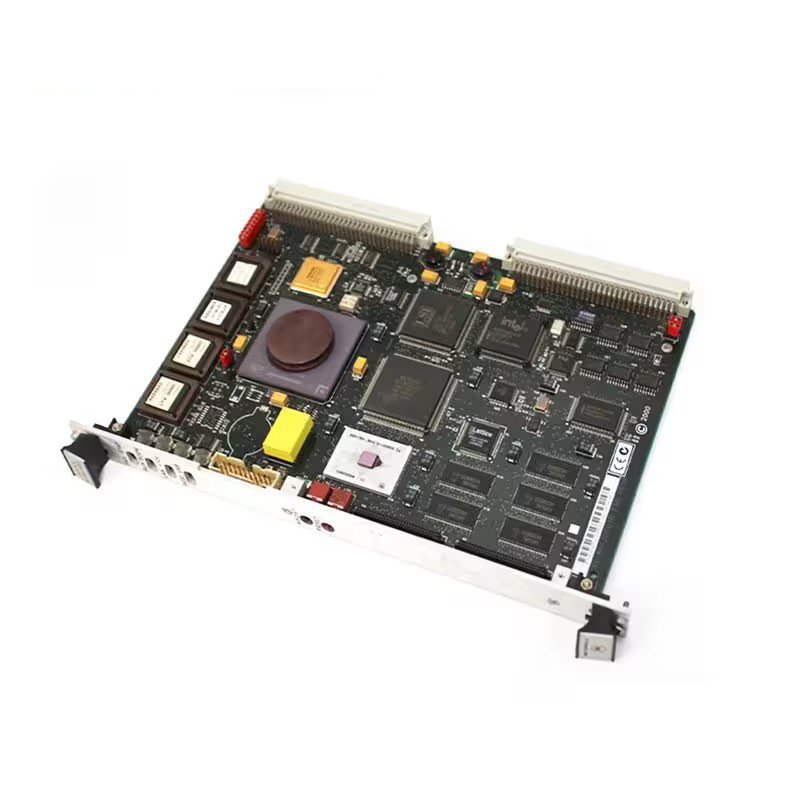
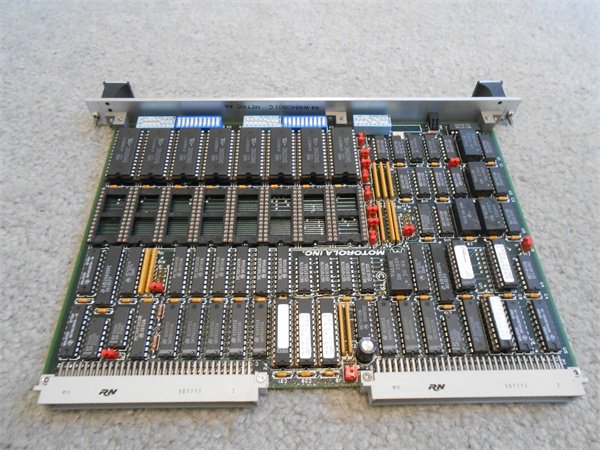
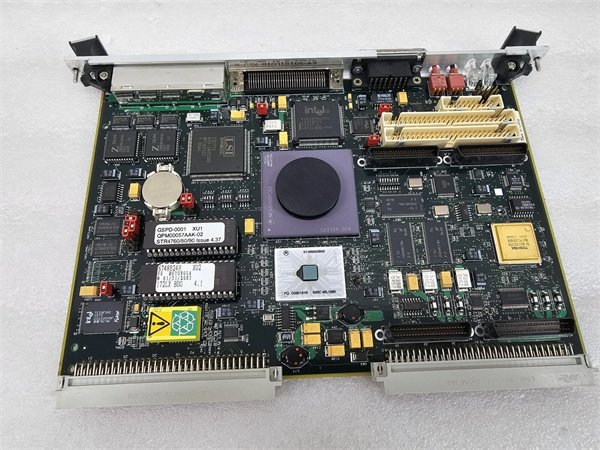
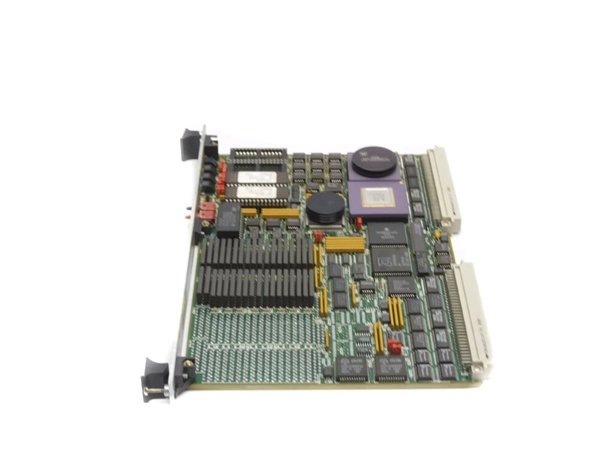
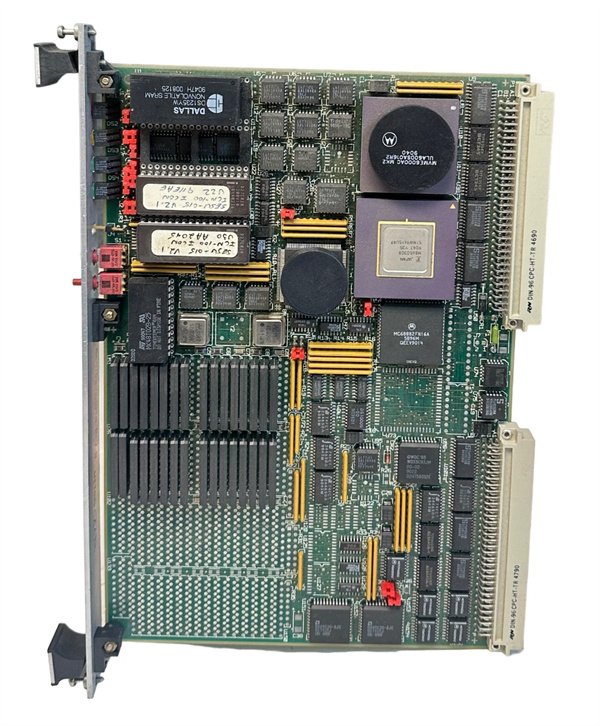
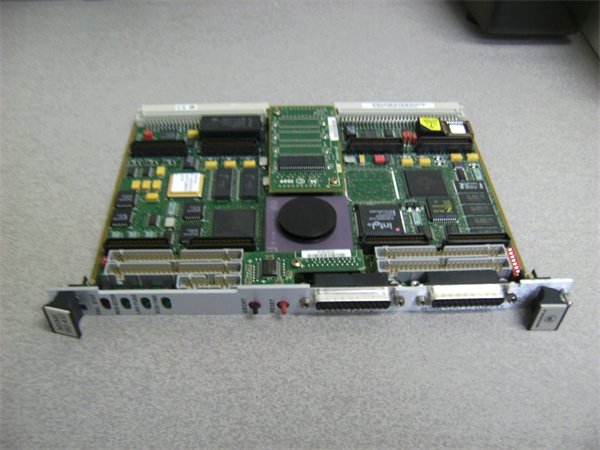
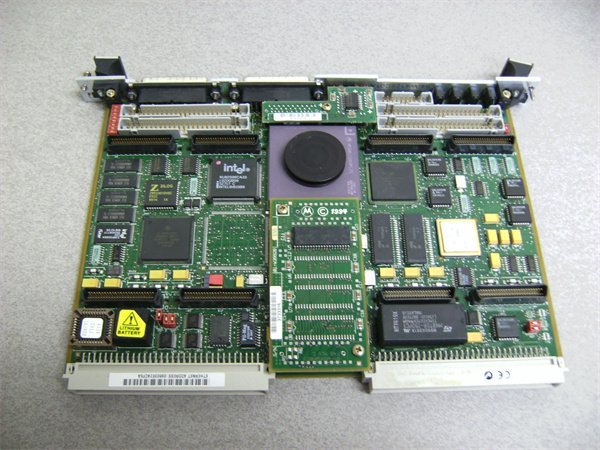
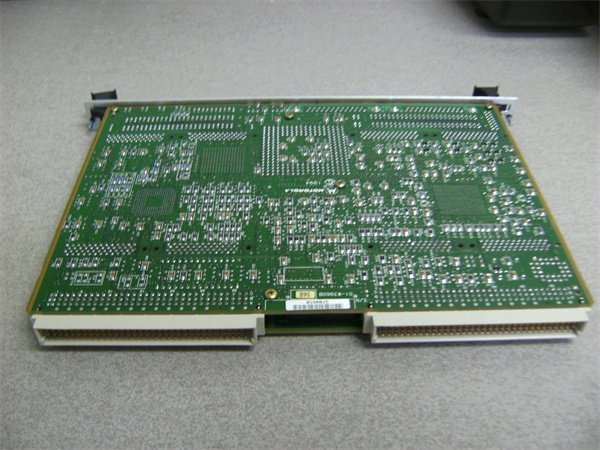
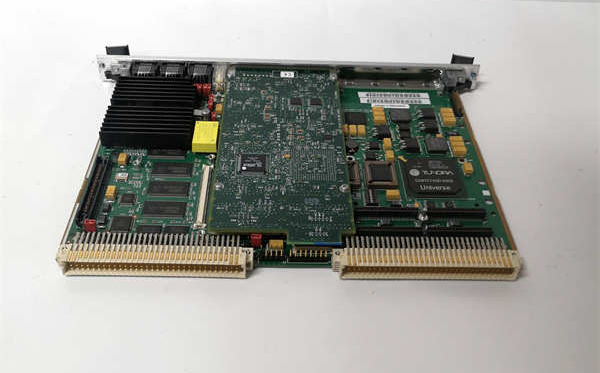
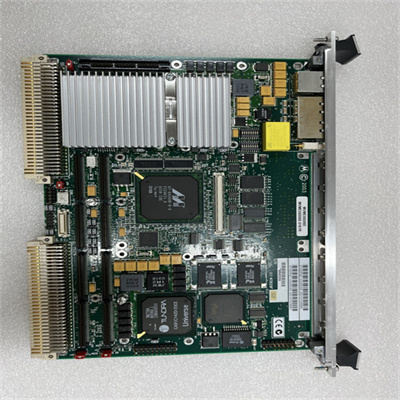
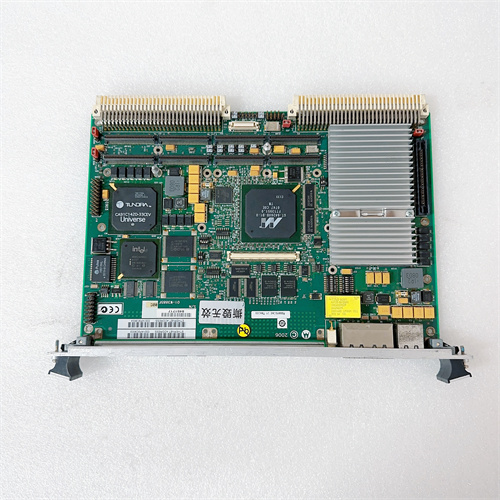
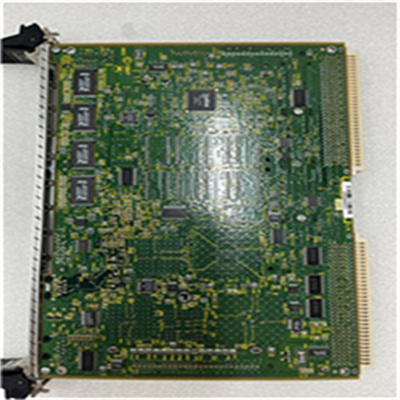
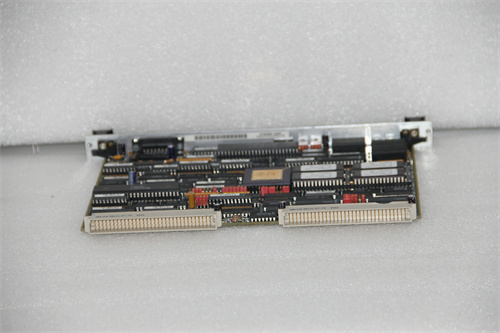
Motorola MVME177-004 High-Precision Analog Input Module
Manufacturer:Motorola
Product Number:Motorola MVME177-004
Payment Methods:T/T, PayPal, Western Union
Condition:New & In Stock
Warranty:1 Year
Lead Time:1-3 Working Days
Certificate:COO
Courier partners:DHL, UPS, TNT, FedEx and EMS.
Business hours:7*24
Product Description
The Motorola MVME177-004 is a legacy industrial VMEbus high-precision analog input module designed to capture accurate sensor data for mid-1990s–2000s real-time control systems. Unlike basic analog modules like Motorola MVME-177-000 (8-bit resolution, limited ranges), Motorola MVME177-004 delivers 16-bit resolution, 16 differential channels, and software-configurable input ranges—making it ideal for pairing with high-performance SBCs such as Motorola MVME-187 to monitor critical process parameters like pressure, temperature, or flow.
As a specialized I/O component in Motorola’s VME lineup, Motorola MVME177-004 acts as a “precision data bridge” between industrial sensors and control systems. It converts analog sensor signals (e.g., 4–20mA from a pressure transducer) into digital data that SBCs like Motorola MVME-187 can process for real-time decision-making. For example, in a mid-1990s chemical plant, Motorola MVME177-004 monitored 16 reactor temperature sensors (±10V range) and sent data to a Motorola MVME-187 SBC—its ±0.01% accuracy ensuring the SBC maintained reaction temperatures within 0.1°C of setpoints. Today, it remains critical for legacy systems where replacing it would require recalibrating entire sensor networks to match newer module specs.
Detailed Parameter Table
| Parameter name | Parameter value |
| Product model | Motorola MVME177-004 |
| Manufacturer | Motorola (now part of Emerson Industrial Automation) |
| Product category | Legacy Industrial VMEbus High-Precision Analog Input Module |
| Input Channels | 16 differential analog input channels (configurable as 32 single-ended channels) |
| Input Range | Software-configurable per channel: ±5V, ±10V, 0–5V, 0–10V, ±20mA (current loop) |
| Resolution | 16-bit ADC (Analog-to-Digital Converter); No missing codes |
| Sampling Rate | 100 kSPS (kilo-samples per second) aggregate; 6.25 kSPS per channel (max) |
| Accuracy | ±0.01% full-scale (FS) at 25°C; ±0.05% FS over operating temperature range |
| Isolation | Channel-to-channel galvanic isolation (250V AC rms); Power isolation (500V AC rms) |
| Communication Interface | VMEbus A16/D16 slave (IEEE 1014-1987 compliant); Interrupt-driven data transfer |
| Environmental Ratings | Operating temperature: -40°C–70°C (-40°F–158°F); Storage temperature: -55°C–125°C (-67°F–257°F); Humidity: 5%–95% (non-condensing); Vibration: 10–2000 Hz, 2.0 g (rms); Shock: 50 g (peak, 1 ms); EMC Compliance: EN 61000-6-2 (immunity), EN 61000-6-4 (emissions) |
| Physical Dimensions | Single-high 3U VME form factor: 100mm × 160mm × 22mm (3.94in × 6.30in × 0.87in); Weight: 350 g (0.77 lbs) |
| Power Consumption | Typical: 5 W (25°C, all channels active); Maximum: 7 W (all channels sampling at max rate) |
| Diagnostic Features | LED indicators (power, module ready, channel overrange); Self-calibration (auto-zero, auto-gain); Overrange detection per channel |
| Compatible SBCs | Motorola MVME-187, Motorola MVME-187-33A, Motorola MVME162-510, Motorola MVME-162-532A |
| Product Life Cycle | Discontinued/Obsolete |
Core Advantages and Technical Highlights
16-Bit Precision for Critical Process Control: Motorola MVME177-004’s 16-bit ADC delivers 65,536 discrete values—16x more resolution than 12-bit analog modules—enabling ultra-accurate measurements for sensitive applications. A mid-1990s pharmaceutical plant used Motorola MVME177-004 to monitor bioreactor pH levels (±5V range): its ±0.01% FS accuracy translated to ±0.0005 pH precision, ensuring compliance with FDA guidelines for vaccine production. This level of accuracy was impossible with lower-resolution modules like Motorola MVME-177-001 (12-bit), which would have introduced ±0.002 pH errors—enough to compromise batch quality.
Flexible Channel Configuration: With 16 differential/32 single-ended channels and software-configurable ranges, Motorola MVME177-004 adapts to mixed-sensor environments. A mid-1990s automotive test lab configured 8 channels as differential (±20mA for torque sensors) and 8 as single-ended (0–5V for temperature sensors) to monitor engine performance. This eliminated the need for two separate analog modules, reducing VME chassis slot usage by 50% and simplifying wiring. For a food processing plant, another Motorola MVME177-004 was set to 0–10V across all 16 channels to track conveyor belt speeds—proving its versatility across industries.
Galvanic Isolation for Noise Immunity: Channel-to-channel and power isolation in Motorola MVME177-004 protects against ground loops and electrical noise—common in industrial environments. A mid-1990s steel mill used Motorola MVME177-004 to monitor furnace temperature sensors near high-voltage motors: its 250V AC isolation prevented noise from corrupting temperature data (which would have caused overheating or underheating of steel batches). Without isolation, a non-isolated module would have introduced ±2°C errors, leading to $10,000+ in wasted material per week.
Typical Application Scenarios
In a mid-1990s oil refinery’s distillation column control system, Motorola MVME177-004 paired with Motorola MVME-187 to monitor 16 temperature sensors (0–10V, single-ended) and 8 pressure transducers (4–20mA, differential). The module sampled data at 5 kSPS per channel, sending real-time readings to the Motorola MVME-187 SBC, which adjusted heating elements and valve positions to maintain optimal distillation conditions. Motorola MVME177-004’s ±0.01% accuracy ensured temperature control within ±0.2°C—critical for producing consistent gasoline grades—while its -40°C–70°C operating range withstood the refinery’s harsh ambient conditions.
For a mid-1990s municipal water treatment plant’s chemical dosing system, Motorola MVME177-004 monitored 12 turbidity sensors (0–5V, differential) and 4 flow meters (±10V, single-ended). It sent data to a Motorola MVME162-532A SBC, which calculated chemical dosages to meet EPA water quality standards. The module’s self-calibration feature ensured accuracy without monthly manual adjustments, reducing maintenance time by 8 hours per month. During a thunderstorm, its galvanic isolation prevented power surges from damaging the module or corrupting sensor data—keeping the plant operational while nearby facilities with non-isolated modules experienced downtime.
Installation Commissioning and Maintenance Instructions
Installation preparation: Before installing Motorola MVME177-004, verify the VME chassis supports 3U single-high modules and A16/D16 addressing (compatible with SBCs like Motorola MVME-187). Confirm the power supply provides +5V DC (±5%) and +12V DC (±10%) – use a precision multimeter to check ripple (<20 mV, critical for ADC accuracy). Gather tools: anti-static wristband (protects ADC components), torque screwdriver (0.3 N·m for 3U mounting), and shielded twisted-pair cables (for differential channels to reduce noise). Label sensor wires by channel and range to avoid misconfiguration; ensure ground connections are secure to maximize isolation effectiveness.
Maintenance suggestions: For daily upkeep, check Motorola MVME177-004’s LEDs – steady power, “module ready” light, and no overrange indicators mean normal operation. Run auto-calibration monthly via the host SBC (e.g., Motorola MVME-187) to maintain ±0.01% accuracy; document calibration results for compliance audits. Inspect wiring quarterly for loose connections or damage (especially near high-noise equipment). Replace the module’s internal calibration trimmer battery every 2 years (3V lithium) during scheduled downtime. Store spare Motorola MVME177-004 units in anti-static bags (15°C–25°C, 40%–60% humidity) to preserve ADC precision—avoid extreme temperatures, which can degrade calibration.
 Loading comments...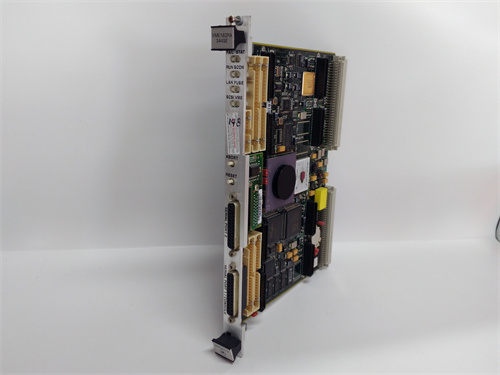
Motorola MVME177-004 High-Precision Analog Input Module
Manufacturer:Motorola
Product Number:Motorola MVME177-004
Payment Methods:T/T, PayPal, Western Union
Condition:New & In Stock
Warranty:1 Year
Lead Time:1-3 Working Days
Certificate:COO
Courier partners:DHL, UPS, TNT, FedEx and EMS.
Business hours:7*24
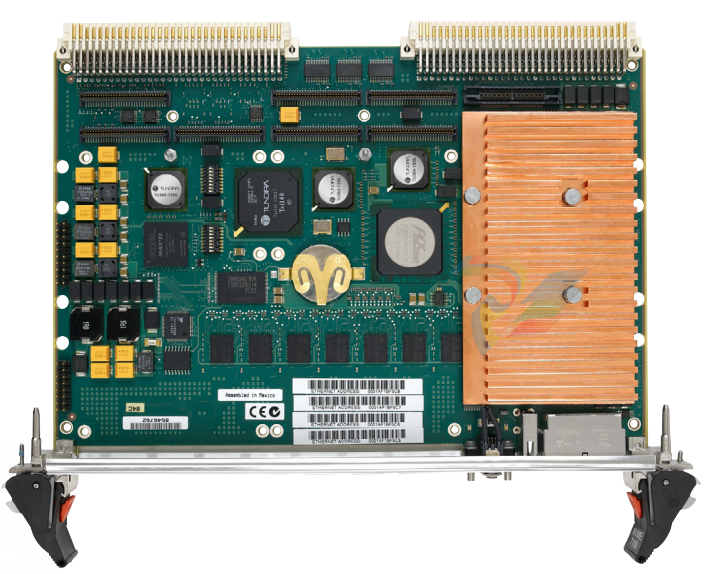
Product Description
The Motorola MVME177-004 is a legacy industrial VMEbus high-precision analog input module designed to capture accurate sensor data for mid-1990s–2000s real-time control systems. Unlike basic analog modules like Motorola MVME-177-000 (8-bit resolution, limited ranges), Motorola MVME177-004 delivers 16-bit resolution, 16 differential channels, and software-configurable input ranges—making it ideal for pairing with high-performance SBCs such as Motorola MVME-187 to monitor critical process parameters like pressure, temperature, or flow.
As a specialized I/O component in Motorola’s VME lineup, Motorola MVME177-004 acts as a “precision data bridge” between industrial sensors and control systems. It converts analog sensor signals (e.g., 4–20mA from a pressure transducer) into digital data that SBCs like Motorola MVME-187 can process for real-time decision-making. For example, in a mid-1990s chemical plant, Motorola MVME177-004 monitored 16 reactor temperature sensors (±10V range) and sent data to a Motorola MVME-187 SBC—its ±0.01% accuracy ensuring the SBC maintained reaction temperatures within 0.1°C of setpoints. Today, it remains critical for legacy systems where replacing it would require recalibrating entire sensor networks to match newer module specs.
Detailed Parameter Table
| Parameter name | Parameter value |
| Product model | Motorola MVME177-004 |
| Manufacturer | Motorola (now part of Emerson Industrial Automation) |
| Product category | Legacy Industrial VMEbus High-Precision Analog Input Module |
| Input Channels | 16 differential analog input channels (configurable as 32 single-ended channels) |
| Input Range | Software-configurable per channel: ±5V, ±10V, 0–5V, 0–10V, ±20mA (current loop) |
| Resolution | 16-bit ADC (Analog-to-Digital Converter); No missing codes |
| Sampling Rate | 100 kSPS (kilo-samples per second) aggregate; 6.25 kSPS per channel (max) |
| Accuracy | ±0.01% full-scale (FS) at 25°C; ±0.05% FS over operating temperature range |
| Isolation | Channel-to-channel galvanic isolation (250V AC rms); Power isolation (500V AC rms) |
| Communication Interface | VMEbus A16/D16 slave (IEEE 1014-1987 compliant); Interrupt-driven data transfer |
| Environmental Ratings | Operating temperature: -40°C–70°C (-40°F–158°F); Storage temperature: -55°C–125°C (-67°F–257°F); Humidity: 5%–95% (non-condensing); Vibration: 10–2000 Hz, 2.0 g (rms); Shock: 50 g (peak, 1 ms); EMC Compliance: EN 61000-6-2 (immunity), EN 61000-6-4 (emissions) |
| Physical Dimensions | Single-high 3U VME form factor: 100mm × 160mm × 22mm (3.94in × 6.30in × 0.87in); Weight: 350 g (0.77 lbs) |
| Power Consumption | Typical: 5 W (25°C, all channels active); Maximum: 7 W (all channels sampling at max rate) |
| Diagnostic Features | LED indicators (power, module ready, channel overrange); Self-calibration (auto-zero, auto-gain); Overrange detection per channel |
| Compatible SBCs | Motorola MVME-187, Motorola MVME-187-33A, Motorola MVME162-510, Motorola MVME-162-532A |
| Product Life Cycle | Discontinued/Obsolete |
Core Advantages and Technical Highlights
16-Bit Precision for Critical Process Control: Motorola MVME177-004’s 16-bit ADC delivers 65,536 discrete values—16x more resolution than 12-bit analog modules—enabling ultra-accurate measurements for sensitive applications. A mid-1990s pharmaceutical plant used Motorola MVME177-004 to monitor bioreactor pH levels (±5V range): its ±0.01% FS accuracy translated to ±0.0005 pH precision, ensuring compliance with FDA guidelines for vaccine production. This level of accuracy was impossible with lower-resolution modules like Motorola MVME-177-001 (12-bit), which would have introduced ±0.002 pH errors—enough to compromise batch quality.
Flexible Channel Configuration: With 16 differential/32 single-ended channels and software-configurable ranges, Motorola MVME177-004 adapts to mixed-sensor environments. A mid-1990s automotive test lab configured 8 channels as differential (±20mA for torque sensors) and 8 as single-ended (0–5V for temperature sensors) to monitor engine performance. This eliminated the need for two separate analog modules, reducing VME chassis slot usage by 50% and simplifying wiring. For a food processing plant, another Motorola MVME177-004 was set to 0–10V across all 16 channels to track conveyor belt speeds—proving its versatility across industries.
Galvanic Isolation for Noise Immunity: Channel-to-channel and power isolation in Motorola MVME177-004 protects against ground loops and electrical noise—common in industrial environments. A mid-1990s steel mill used Motorola MVME177-004 to monitor furnace temperature sensors near high-voltage motors: its 250V AC isolation prevented noise from corrupting temperature data (which would have caused overheating or underheating of steel batches). Without isolation, a non-isolated module would have introduced ±2°C errors, leading to $10,000+ in wasted material per week.
Typical Application Scenarios
In a mid-1990s oil refinery’s distillation column control system, Motorola MVME177-004 paired with Motorola MVME-187 to monitor 16 temperature sensors (0–10V, single-ended) and 8 pressure transducers (4–20mA, differential). The module sampled data at 5 kSPS per channel, sending real-time readings to the Motorola MVME-187 SBC, which adjusted heating elements and valve positions to maintain optimal distillation conditions. Motorola MVME177-004’s ±0.01% accuracy ensured temperature control within ±0.2°C—critical for producing consistent gasoline grades—while its -40°C–70°C operating range withstood the refinery’s harsh ambient conditions.
For a mid-1990s municipal water treatment plant’s chemical dosing system, Motorola MVME177-004 monitored 12 turbidity sensors (0–5V, differential) and 4 flow meters (±10V, single-ended). It sent data to a Motorola MVME162-532A SBC, which calculated chemical dosages to meet EPA water quality standards. The module’s self-calibration feature ensured accuracy without monthly manual adjustments, reducing maintenance time by 8 hours per month. During a thunderstorm, its galvanic isolation prevented power surges from damaging the module or corrupting sensor data—keeping the plant operational while nearby facilities with non-isolated modules experienced downtime.
Installation Commissioning and Maintenance Instructions
Installation preparation: Before installing Motorola MVME177-004, verify the VME chassis supports 3U single-high modules and A16/D16 addressing (compatible with SBCs like Motorola MVME-187). Confirm the power supply provides +5V DC (±5%) and +12V DC (±10%) – use a precision multimeter to check ripple (<20 mV, critical for ADC accuracy). Gather tools: anti-static wristband (protects ADC components), torque screwdriver (0.3 N·m for 3U mounting), and shielded twisted-pair cables (for differential channels to reduce noise). Label sensor wires by channel and range to avoid misconfiguration; ensure ground connections are secure to maximize isolation effectiveness.
Maintenance suggestions: For daily upkeep, check Motorola MVME177-004’s LEDs – steady power, “module ready” light, and no overrange indicators mean normal operation. Run auto-calibration monthly via the host SBC (e.g., Motorola MVME-187) to maintain ±0.01% accuracy; document calibration results for compliance audits. Inspect wiring quarterly for loose connections or damage (especially near high-noise equipment). Replace the module’s internal calibration trimmer battery every 2 years (3V lithium) during scheduled downtime. Store spare Motorola MVME177-004 units in anti-static bags (15°C–25°C, 40%–60% humidity) to preserve ADC precision—avoid extreme temperatures, which can degrade calibration.
Need a Custom Automation Solution?
Our team of experts can design and implement a tailored automation system to meet your specific requirements.