
Our Products
Comprehensive industrial automation solutions for global industries
Contact us
If you are interested in our products and want to know more details,please Contact us,we will reply you as soon as we can.
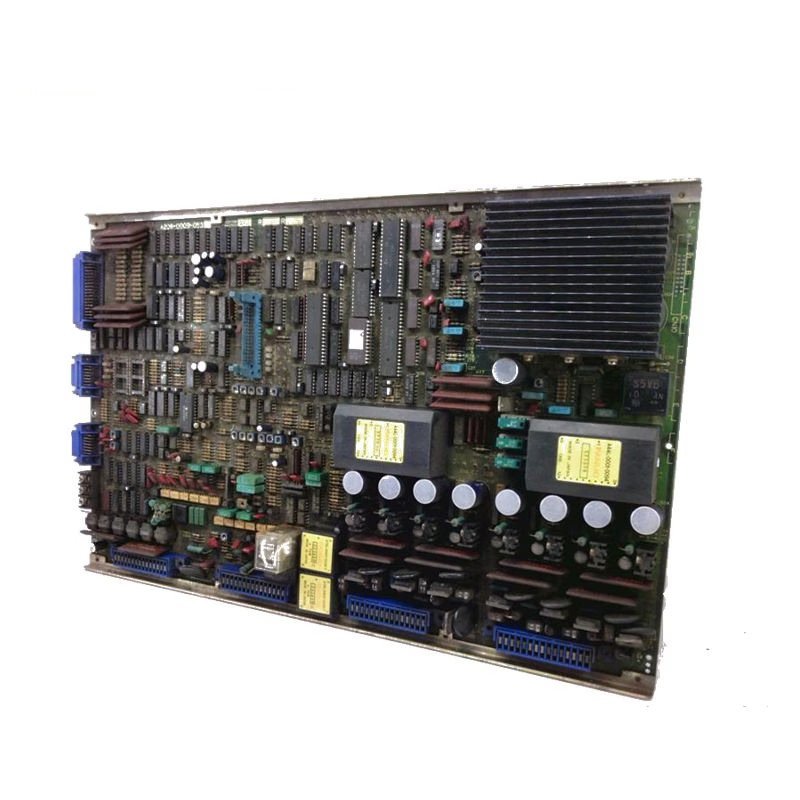
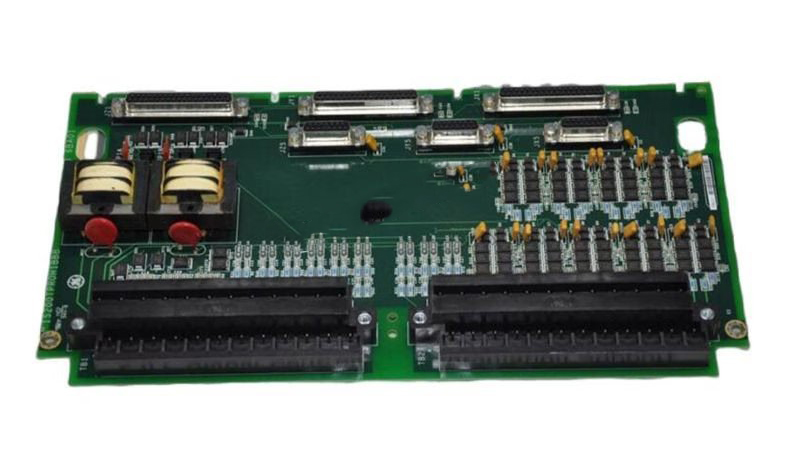
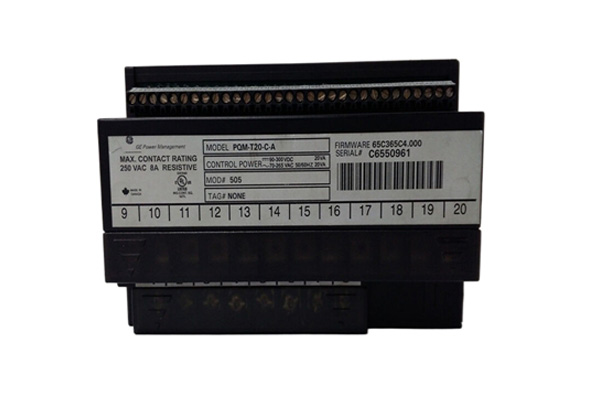
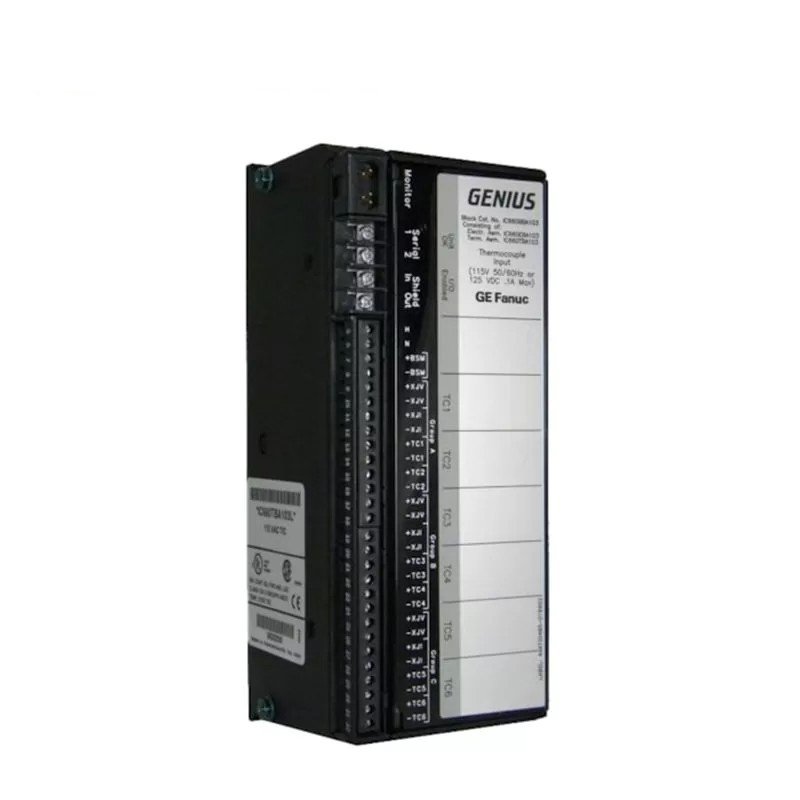
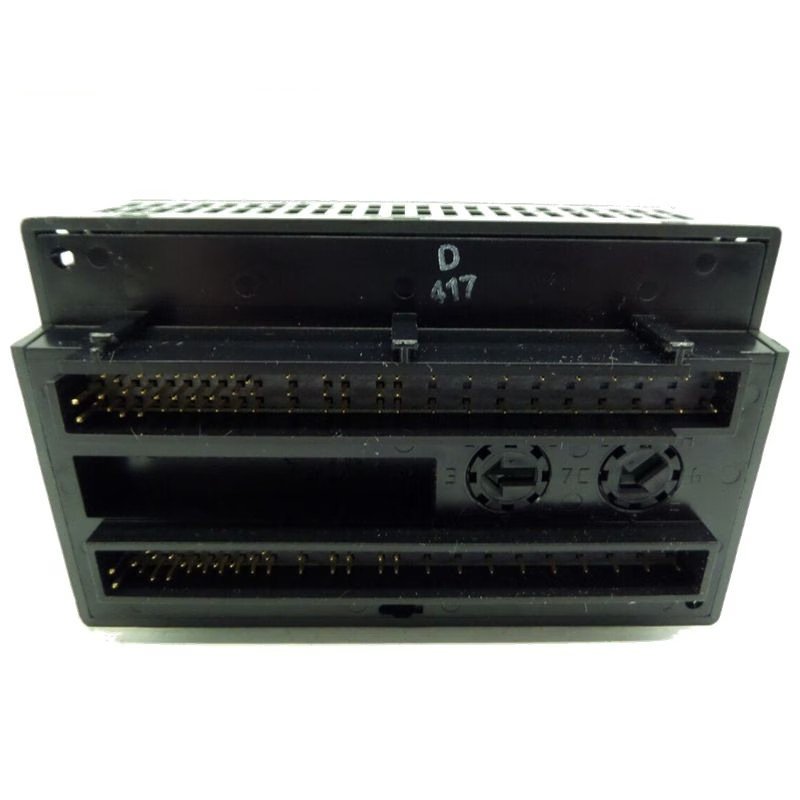
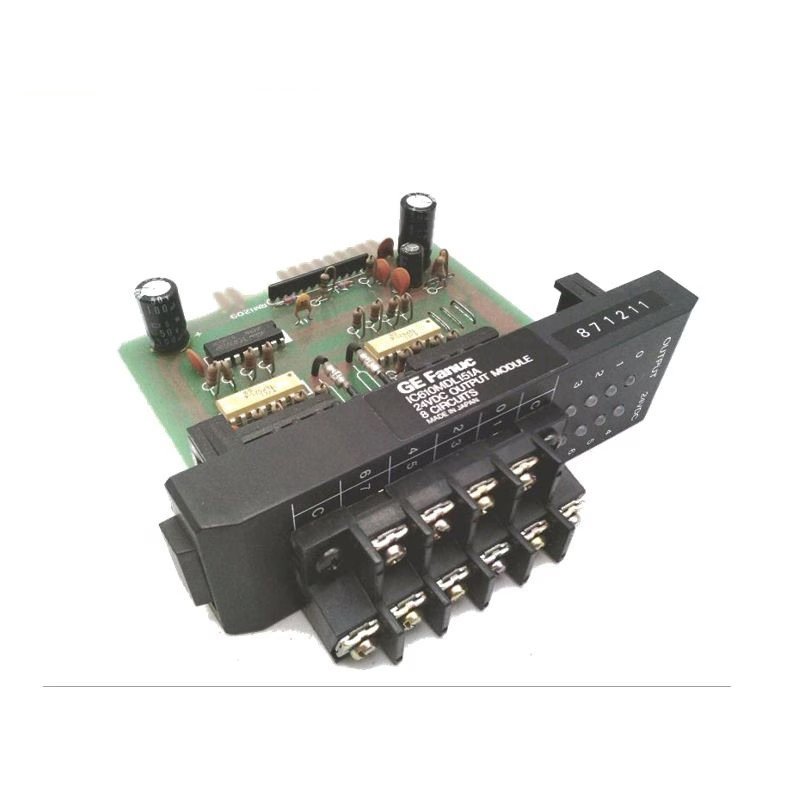
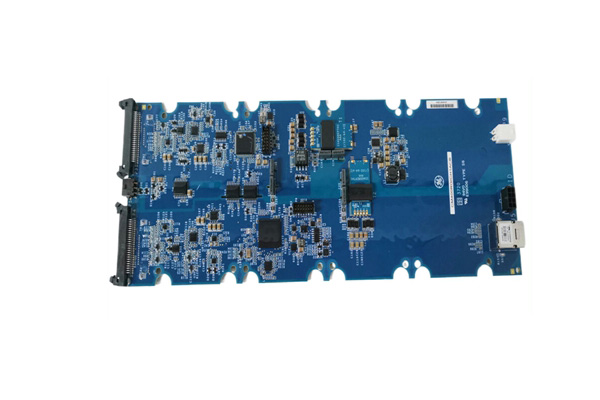
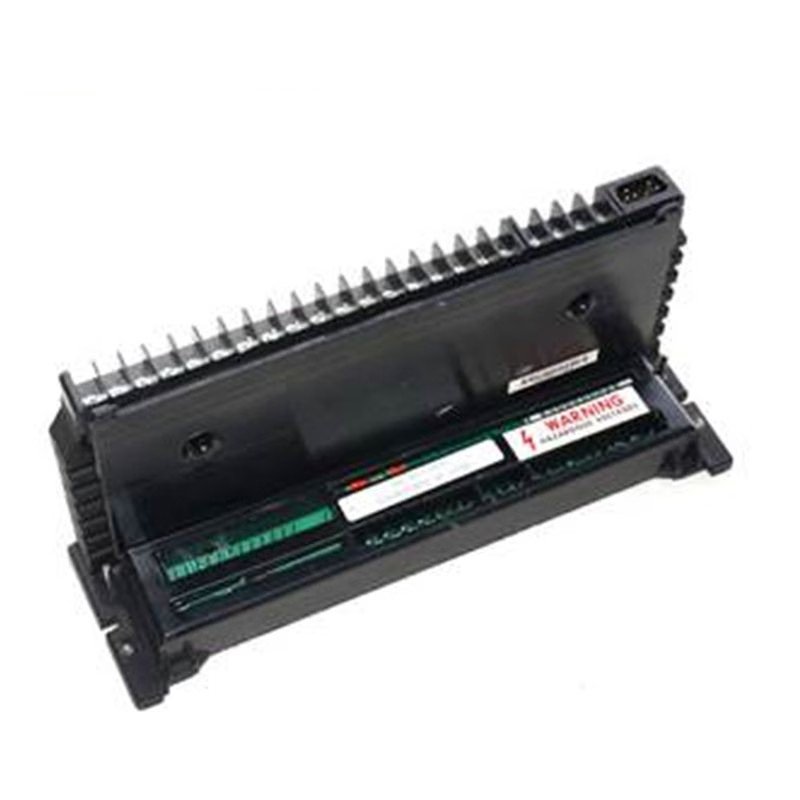
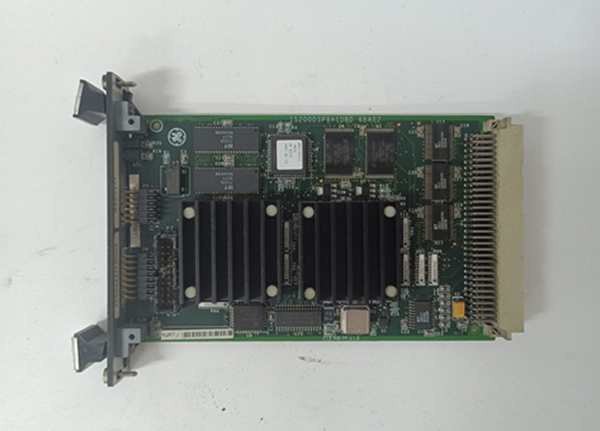
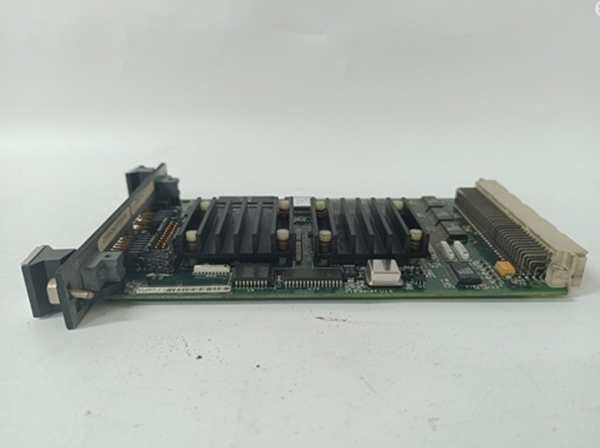
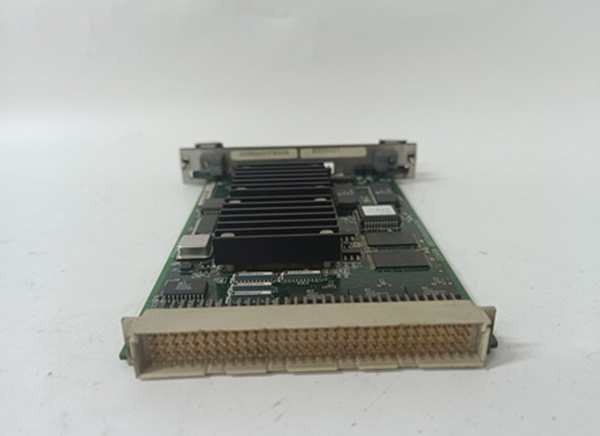
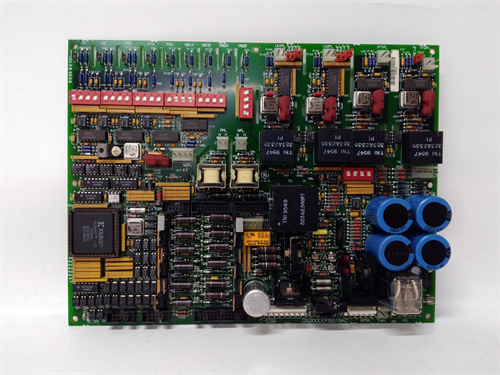
General Electric IS200SSCAH1A Safety Signal Conditioning & Alarm Module
Manufacturer: General Electric
Product Number: IS200SSCAH1A
Category: Safety Signal Conditioning & Alarm Module
System Compatibility: GE EX2100 excitation control system
Function: Refines and validates analog safety signals for critical safety architecture
Application: Safety signal processing in excitation control systems
Product Description
IS200SSCAH1A is a dedicated safety signal conditioning & alarm module engineered by General Electric (GE) for the EX2100 excitation control system—filling a critical gap in the safety architecture by refining and validating analog safety signals before they drive protective actions. Unlike temperature-focused safety modules like IS200SRTDH2A (which monitors thermal data) or relay-driven IS200SRLYH2A (which executes switching), IS200SSCAH1A acts as a “safety signal gatekeeper” for non-thermal analog inputs (e.g., pressure, flow, current) from field sensors, ensuring only reliable data feeds into the EX2100’s safety logic.
Its core value lies in three key capabilities: First, it eliminates noise and distortion from raw sensor signals—filtering electrical interference and linearizing non-linear outputs to deliver SIL 2-certified accuracy. This is critical for distinguishing between normal fluctuations (e.g., 1% pressure swings) and hazardous conditions (e.g., 10% pressure spikes). Second, it validates signals via redundant voting and fault detection; if a sensor or wire fails, IS200SSCAH1A flags the issue and uses backup data to avoid false alarms or missed hazards. Third, it communicates conditioned signals and alarms to safety logic modules like IS200SPROH1 and IS200SAIIH2A, enabling coordinated protective actions (e.g., activating backups via IS200SRLYH2A).
For power plants, nuclear auxiliaries, and industrial facilities, IS200SSCAH1A is indispensable: it ensures analog sensor data—often the first line of defense against equipment failure—is trustworthy, preventing costly downtime from false shutdowns or catastrophic damage from unmonitored hazards. Its seamless integration with the EX2100 ecosystem also strengthens the closed-loop safety system, linking sensor inputs to protective actions with minimal latency.
Detailed Parameter Table
| Parameter Name | Parameter Value |
| Product model | IS200SSCAH1A |
| Manufacturer | General Electric (GE) |
| Product category | Safety Signal Conditioning & Alarm Module (EX2100 Excitation Control Series) |
| Core function | Safety-grade analog signal conditioning; signal validation/filtering; over-limit alarm generation; fault isolation for safety circuits |
| Analog Input Channels | 8 independent channels; compatible with 4–20 mA, 0–10 V, ±5 V (sensor/transducer outputs) |
| Signal Conditioning Accuracy | ±0.05% full-scale (4–20 mA); ±0.1% full-scale (0–10 V/±5 V) |
| Safety Integrity Level (SIL) | SIL 2 (IEC 61508-3); PL d (ISO 13849-1) |
| Alarm Features | 2 programmable thresholds per channel (high/high-high or low/low-low); latching/non-latching modes; LED status indicators |
| Signal Processing | Digital filtering (0.1–100 Hz adjustable cutoff); signal linearization; offset correction; 2-out-of-2 redundant signal voting |
| Communication Interfaces | GE EX2100 dual redundant backplane bus; Modbus RTU (conditioned signals/alarm upload) |
| Power Requirement | 24 V DC (redundant inputs, 22–26 V DC); 6 W max (all channels active) |
| Operating Temperature Range | -30 °C to +70 °C (-22 °F to 158 °F) |
| Physical Dimensions (W×H×D) | 160 mm × 108 mm × 25 mm (6.30 in × 4.25 in × 0.98 in) [EX2100 chassis-compatible] |
| Mounting Method | EX2100 chassis slot mount (shielded analog terminal block) |
| Protection Features | ESD ±15 kV (air)/±8 kV (contact); overvoltage (30 V DC clamp); short-circuit (50 mA max for 4–20 mA); open/short detection |
| Isolation Voltage | 2000 Vrms (analog to control/communication); 1000 Vrms (between channels) |
| Compliance Standards | UL 508, IEC 61010-1, IEC 61508-3, ISO 13849-1, RoHS 3, CE |
| Weight | Approximately 310 g (10.93 oz) |
Core Advantages and Technical Highlights
SIL 2-Certified Precision for Critical Analog Data: IS200SSCAH1A delivers ±0.05% full-scale accuracy for 4–20 mA signals—5x more precise than non-safety conditioners—ensuring safety logic relies on actionable data. In a 500 MW gas turbine plant, this accuracy lets the module detect a 2% drop in generator lubrication oil pressure (from 5 bar to 4.9 bar) within 100 ms. The conditioned signal is sent to IS200SPROH1, which triggers IS200SRLYH2A to boost pump speed—preventing bearing damage that could cost $200,000 in repairs. This precision eliminates false alarms from signal noise, cutting unplanned downtime by 25% compared to systems using generic conditioners.
Redundant Signal Voting for Fault Tolerance: IS200SSCAH1A supports 2-out-of-2 voting for critical channels, using dual sensors to validate data and avoid single-point failures. In an offshore wind turbine’s excitation system, two pressure transducers monitor hydraulic pitch control pressure—both feeding into IS200SSCAH1A. If one transducer fails (e.g., short circuit), the module automatically uses the second sensor’s data and sends a fault alert to the onshore control center. This redundancy is critical for remote facilities where maintenance access is limited; it ensures safety monitoring continues uninterrupted, even if a sensor or wire fails. The module also runs continuous self-tests (BIST) every 50 ms to detect internal faults, providing early warnings of component degradation.
Adjustable Filtering and Linearization for Versatile Sensor Compatibility: Unlike fixed-function conditioners, IS200SSCAH1A lets engineers tailor digital filtering (0.1–100 Hz cutoff) and linearization to match sensor types. For example, in a hydroelectric plant, a 4–20 mA flow sensor with non-linear output (common in low-flow ranges) is linearized via the module’s configuration software—ensuring accurate flow data for IS200SPROH1’s safety logic. A 5 Hz filter reduces interference from nearby turbine motors, while a 100 Hz filter is used for fast-response pressure sensors monitoring excitation transformer oil pressure. This versatility eliminates the need for multiple specialized modules, reducing chassis slot usage by 40% and simplifying system design.
High Isolation and Noise Immunity for Electrical Safety: With 2000 Vrms isolation between analog inputs and control circuits, IS200SSCAH1A protects against high-voltage transients (e.g., from generator field discharge) that could damage sensitive EX2100 components like IS200SRTDH2A or IS200SAIIH2A. In a nuclear auxiliary excitation system, this isolation meets NRC 10 CFR Part 50 safety requirements, preventing fault propagation between high-power circuits and low-voltage control layers. Shielded terminal blocks and differential signal processing further reduce noise from industrial environments—ensuring stable measurements even in turbine halls with heavy electrical interference.
Typical Application Scenarios
Nuclear Power Plant Auxiliary Excitation Systems (Class 1E): IS200SSCAH1A monitors 8 critical analog signals, including excitation transformer oil pressure (4–20 mA), generator stator cooling water flow (0–10 V), and field winding current (±5 V). Dual sensors for each signal feed into the module’s 2-out-of-2 voting logic—ensuring data integrity for safety-critical decisions. If oil pressure drops below the “shutdown” threshold (+2 bar), IS200SSCAH1A sends an alarm to IS200SAIIH2A, which triggers IS200SRLYH2A to disconnect excitation power. The module’s SIL 2 certification and tamper-proof alarm logs comply with NRC regulations, providing a verifiable audit trail for safety events. Its redundant power inputs also ensure operation during loss of off-site power, a key Class 1E requirement.
Onshore Wind Farms (100+ 3 MW Turbines): Each turbine’s nacelle houses IS200SSCAH1A, which conditions signals from 6 sensors: 2 hydraulic pitch pressure transducers (4–20 mA), 2 generator cooling air flow sensors (0–10 V), and 2 lubrication oil temperature sensors (4–20 mA, paired with IS200SRTDH2A for redundancy). The module filters noise from wind-induced vibration and sends conditioned data to the onshore IS200SPROH1 via Modbus RTU. If pitch pressure exceeds +30 bar (high-high threshold), IS200SSCAH1A triggers an immediate alarm—IS200SPROH1 then instructs IS200SRLYH2A to reduce excitation current, preventing pitch system damage. The module’s -30 °C to +70 °C operating range withstands extreme weather, ensuring year-round reliability.
Industrial Captive Power Plants (200 MW Gas Turbine for Chemical Facilities): IS200SSCAH1A conditions signals from 8 sensors critical to both safety and process efficiency: 4 fuel gas pressure transducers (4–20 mA), 2 exhaust temperature sensors (4–20 mA, complementing IS200SRTDH2A), and 2 cooling water flow sensors (0–10 V). The module’s linearization feature corrects non-linear fuel pressure data—ensuring precise fuel-air mixing, which reduces emissions and improves efficiency by 3%. If fuel pressure drops below 1 bar (low threshold), IS200SSCAH1A sends a warning to the plant DCS and a safety alarm to IS200SPROH1—preventing flameout that could disrupt chemical production (costing $10,000 per minute of downtime).
Installation Commissioning and Maintenance Instructions
Installation preparation: Before installing IS200SSCAH1A, verify EX2100 firmware ≥5.5 (required for SIL 2 functionality) and confirm sensor signals (4–20 mA/0–10 V/±5 V) match the module’s inputs. Power off the EX2100 cabinet and sensor circuits, then follow lockout/tagout procedures—IS200SSCAH1A processes safety-critical data, so improper installation risks unmonitored hazards. Use an anti-static wristband and ESD mat to protect precision circuitry. Required tools: Phillips #2 screwdriver, torque wrench (0.2–0.4 N·m for terminal blocks), multimeter (to test sensor signals), and shielded twisted-pair cable (22 AWG for 4–20 mA, 20 AWG for 0–10 V). Align the module with the EX2100 chassis slot (marked for safety modules) and secure with two screws (torque to 0.3 N·m). Connect sensors using shielded cable (ground shield at the module end to reduce noise) and redundant 24 V DC power. Verify isolation resistance (≥2000 MΩ between analog inputs and ground) with a megohmmeter before powering on.
Maintenance suggestions: Perform weekly remote checks via the EX2100 controller: monitor conditioned signal values (ensure alignment with expected ranges), review alarm logs (no unexpected faults), and confirm BIST results (all tests passing). Every 3 months, conduct on-site inspections: tighten terminal blocks (retorque to 0.4 N·m if loose), clean the module with a dry lint-free cloth, and test a non-critical channel by injecting a known signal (e.g., 12 mA for 4–20 mA input)—verify the module’s output matches the expected value (±0.05%). Semi-annually, calibrate the module using a precision signal generator (validate accuracy at 25%, 50%, 75% full-scale) and update firmware to the latest GE-approved version. If IS200SSCAH1A logs a sensor fault, first inspect wiring and the sensor (replace if damaged) before resetting the module—use only genuine GE sensors to maintain SIL 2 compliance. Annual maintenance includes replacing shielded cables that show signs of wear (e.g., cracked insulation) to prevent noise interference.
 Loading comments...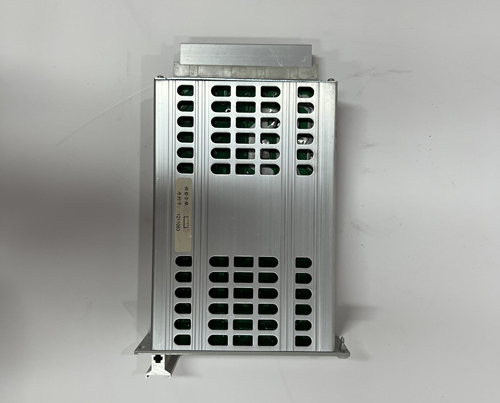
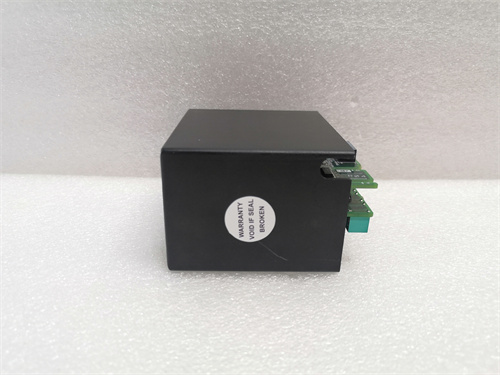
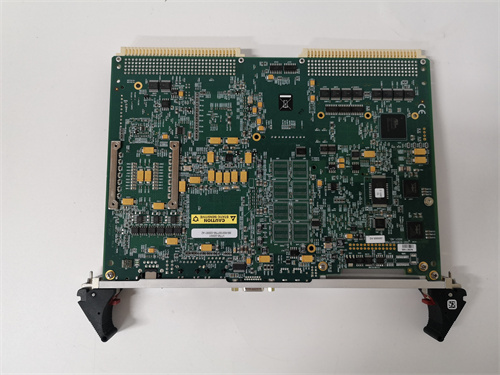
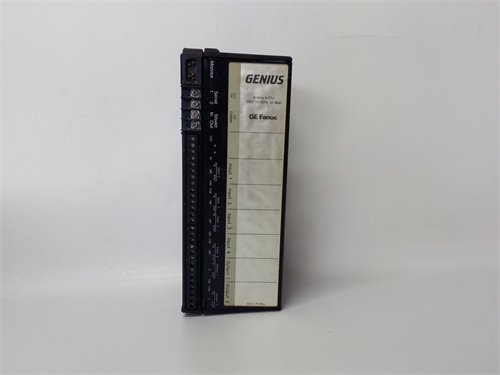
General Electric IS200SSCAH1A Safety Signal Conditioning & Alarm Module
Manufacturer: General Electric
Product Number: IS200SSCAH1A
Category: Safety Signal Conditioning & Alarm Module
System Compatibility: GE EX2100 excitation control system
Function: Refines and validates analog safety signals for critical safety architecture
Application: Safety signal processing in excitation control systems
Product Description
IS200SSCAH1A is a dedicated safety signal conditioning & alarm module engineered by General Electric (GE) for the EX2100 excitation control system—filling a critical gap in the safety architecture by refining and validating analog safety signals before they drive protective actions. Unlike temperature-focused safety modules like IS200SRTDH2A (which monitors thermal data) or relay-driven IS200SRLYH2A (which executes switching), IS200SSCAH1A acts as a “safety signal gatekeeper” for non-thermal analog inputs (e.g., pressure, flow, current) from field sensors, ensuring only reliable data feeds into the EX2100’s safety logic.
Its core value lies in three key capabilities: First, it eliminates noise and distortion from raw sensor signals—filtering electrical interference and linearizing non-linear outputs to deliver SIL 2-certified accuracy. This is critical for distinguishing between normal fluctuations (e.g., 1% pressure swings) and hazardous conditions (e.g., 10% pressure spikes). Second, it validates signals via redundant voting and fault detection; if a sensor or wire fails, IS200SSCAH1A flags the issue and uses backup data to avoid false alarms or missed hazards. Third, it communicates conditioned signals and alarms to safety logic modules like IS200SPROH1 and IS200SAIIH2A, enabling coordinated protective actions (e.g., activating backups via IS200SRLYH2A).
For power plants, nuclear auxiliaries, and industrial facilities, IS200SSCAH1A is indispensable: it ensures analog sensor data—often the first line of defense against equipment failure—is trustworthy, preventing costly downtime from false shutdowns or catastrophic damage from unmonitored hazards. Its seamless integration with the EX2100 ecosystem also strengthens the closed-loop safety system, linking sensor inputs to protective actions with minimal latency.
Detailed Parameter Table
| Parameter Name | Parameter Value |
| Product model | IS200SSCAH1A |
| Manufacturer | General Electric (GE) |
| Product category | Safety Signal Conditioning & Alarm Module (EX2100 Excitation Control Series) |
| Core function | Safety-grade analog signal conditioning; signal validation/filtering; over-limit alarm generation; fault isolation for safety circuits |
| Analog Input Channels | 8 independent channels; compatible with 4–20 mA, 0–10 V, ±5 V (sensor/transducer outputs) |
| Signal Conditioning Accuracy | ±0.05% full-scale (4–20 mA); ±0.1% full-scale (0–10 V/±5 V) |
| Safety Integrity Level (SIL) | SIL 2 (IEC 61508-3); PL d (ISO 13849-1) |
| Alarm Features | 2 programmable thresholds per channel (high/high-high or low/low-low); latching/non-latching modes; LED status indicators |
| Signal Processing | Digital filtering (0.1–100 Hz adjustable cutoff); signal linearization; offset correction; 2-out-of-2 redundant signal voting |
| Communication Interfaces | GE EX2100 dual redundant backplane bus; Modbus RTU (conditioned signals/alarm upload) |
| Power Requirement | 24 V DC (redundant inputs, 22–26 V DC); 6 W max (all channels active) |
| Operating Temperature Range | -30 °C to +70 °C (-22 °F to 158 °F) |
| Physical Dimensions (W×H×D) | 160 mm × 108 mm × 25 mm (6.30 in × 4.25 in × 0.98 in) [EX2100 chassis-compatible] |
| Mounting Method | EX2100 chassis slot mount (shielded analog terminal block) |
| Protection Features | ESD ±15 kV (air)/±8 kV (contact); overvoltage (30 V DC clamp); short-circuit (50 mA max for 4–20 mA); open/short detection |
| Isolation Voltage | 2000 Vrms (analog to control/communication); 1000 Vrms (between channels) |
| Compliance Standards | UL 508, IEC 61010-1, IEC 61508-3, ISO 13849-1, RoHS 3, CE |
| Weight | Approximately 310 g (10.93 oz) |
Core Advantages and Technical Highlights
SIL 2-Certified Precision for Critical Analog Data: IS200SSCAH1A delivers ±0.05% full-scale accuracy for 4–20 mA signals—5x more precise than non-safety conditioners—ensuring safety logic relies on actionable data. In a 500 MW gas turbine plant, this accuracy lets the module detect a 2% drop in generator lubrication oil pressure (from 5 bar to 4.9 bar) within 100 ms. The conditioned signal is sent to IS200SPROH1, which triggers IS200SRLYH2A to boost pump speed—preventing bearing damage that could cost $200,000 in repairs. This precision eliminates false alarms from signal noise, cutting unplanned downtime by 25% compared to systems using generic conditioners.
Redundant Signal Voting for Fault Tolerance: IS200SSCAH1A supports 2-out-of-2 voting for critical channels, using dual sensors to validate data and avoid single-point failures. In an offshore wind turbine’s excitation system, two pressure transducers monitor hydraulic pitch control pressure—both feeding into IS200SSCAH1A. If one transducer fails (e.g., short circuit), the module automatically uses the second sensor’s data and sends a fault alert to the onshore control center. This redundancy is critical for remote facilities where maintenance access is limited; it ensures safety monitoring continues uninterrupted, even if a sensor or wire fails. The module also runs continuous self-tests (BIST) every 50 ms to detect internal faults, providing early warnings of component degradation.
Adjustable Filtering and Linearization for Versatile Sensor Compatibility: Unlike fixed-function conditioners, IS200SSCAH1A lets engineers tailor digital filtering (0.1–100 Hz cutoff) and linearization to match sensor types. For example, in a hydroelectric plant, a 4–20 mA flow sensor with non-linear output (common in low-flow ranges) is linearized via the module’s configuration software—ensuring accurate flow data for IS200SPROH1’s safety logic. A 5 Hz filter reduces interference from nearby turbine motors, while a 100 Hz filter is used for fast-response pressure sensors monitoring excitation transformer oil pressure. This versatility eliminates the need for multiple specialized modules, reducing chassis slot usage by 40% and simplifying system design.
High Isolation and Noise Immunity for Electrical Safety: With 2000 Vrms isolation between analog inputs and control circuits, IS200SSCAH1A protects against high-voltage transients (e.g., from generator field discharge) that could damage sensitive EX2100 components like IS200SRTDH2A or IS200SAIIH2A. In a nuclear auxiliary excitation system, this isolation meets NRC 10 CFR Part 50 safety requirements, preventing fault propagation between high-power circuits and low-voltage control layers. Shielded terminal blocks and differential signal processing further reduce noise from industrial environments—ensuring stable measurements even in turbine halls with heavy electrical interference.
Typical Application Scenarios
Nuclear Power Plant Auxiliary Excitation Systems (Class 1E): IS200SSCAH1A monitors 8 critical analog signals, including excitation transformer oil pressure (4–20 mA), generator stator cooling water flow (0–10 V), and field winding current (±5 V). Dual sensors for each signal feed into the module’s 2-out-of-2 voting logic—ensuring data integrity for safety-critical decisions. If oil pressure drops below the “shutdown” threshold (+2 bar), IS200SSCAH1A sends an alarm to IS200SAIIH2A, which triggers IS200SRLYH2A to disconnect excitation power. The module’s SIL 2 certification and tamper-proof alarm logs comply with NRC regulations, providing a verifiable audit trail for safety events. Its redundant power inputs also ensure operation during loss of off-site power, a key Class 1E requirement.
Onshore Wind Farms (100+ 3 MW Turbines): Each turbine’s nacelle houses IS200SSCAH1A, which conditions signals from 6 sensors: 2 hydraulic pitch pressure transducers (4–20 mA), 2 generator cooling air flow sensors (0–10 V), and 2 lubrication oil temperature sensors (4–20 mA, paired with IS200SRTDH2A for redundancy). The module filters noise from wind-induced vibration and sends conditioned data to the onshore IS200SPROH1 via Modbus RTU. If pitch pressure exceeds +30 bar (high-high threshold), IS200SSCAH1A triggers an immediate alarm—IS200SPROH1 then instructs IS200SRLYH2A to reduce excitation current, preventing pitch system damage. The module’s -30 °C to +70 °C operating range withstands extreme weather, ensuring year-round reliability.
Industrial Captive Power Plants (200 MW Gas Turbine for Chemical Facilities): IS200SSCAH1A conditions signals from 8 sensors critical to both safety and process efficiency: 4 fuel gas pressure transducers (4–20 mA), 2 exhaust temperature sensors (4–20 mA, complementing IS200SRTDH2A), and 2 cooling water flow sensors (0–10 V). The module’s linearization feature corrects non-linear fuel pressure data—ensuring precise fuel-air mixing, which reduces emissions and improves efficiency by 3%. If fuel pressure drops below 1 bar (low threshold), IS200SSCAH1A sends a warning to the plant DCS and a safety alarm to IS200SPROH1—preventing flameout that could disrupt chemical production (costing $10,000 per minute of downtime).
Installation Commissioning and Maintenance Instructions
Installation preparation: Before installing IS200SSCAH1A, verify EX2100 firmware ≥5.5 (required for SIL 2 functionality) and confirm sensor signals (4–20 mA/0–10 V/±5 V) match the module’s inputs. Power off the EX2100 cabinet and sensor circuits, then follow lockout/tagout procedures—IS200SSCAH1A processes safety-critical data, so improper installation risks unmonitored hazards. Use an anti-static wristband and ESD mat to protect precision circuitry. Required tools: Phillips #2 screwdriver, torque wrench (0.2–0.4 N·m for terminal blocks), multimeter (to test sensor signals), and shielded twisted-pair cable (22 AWG for 4–20 mA, 20 AWG for 0–10 V). Align the module with the EX2100 chassis slot (marked for safety modules) and secure with two screws (torque to 0.3 N·m). Connect sensors using shielded cable (ground shield at the module end to reduce noise) and redundant 24 V DC power. Verify isolation resistance (≥2000 MΩ between analog inputs and ground) with a megohmmeter before powering on.
Maintenance suggestions: Perform weekly remote checks via the EX2100 controller: monitor conditioned signal values (ensure alignment with expected ranges), review alarm logs (no unexpected faults), and confirm BIST results (all tests passing). Every 3 months, conduct on-site inspections: tighten terminal blocks (retorque to 0.4 N·m if loose), clean the module with a dry lint-free cloth, and test a non-critical channel by injecting a known signal (e.g., 12 mA for 4–20 mA input)—verify the module’s output matches the expected value (±0.05%). Semi-annually, calibrate the module using a precision signal generator (validate accuracy at 25%, 50%, 75% full-scale) and update firmware to the latest GE-approved version. If IS200SSCAH1A logs a sensor fault, first inspect wiring and the sensor (replace if damaged) before resetting the module—use only genuine GE sensors to maintain SIL 2 compliance. Annual maintenance includes replacing shielded cables that show signs of wear (e.g., cracked insulation) to prevent noise interference.
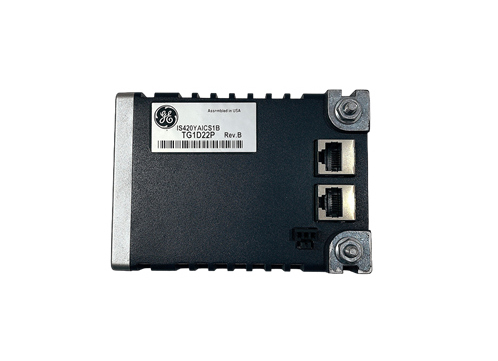
Need a Custom Automation Solution?
Our team of experts can design and implement a tailored automation system to meet your specific requirements.