
Our Products
Comprehensive industrial automation solutions for global industries
Contact us
If you are interested in our products and want to know more details,please Contact us,we will reply you as soon as we can.
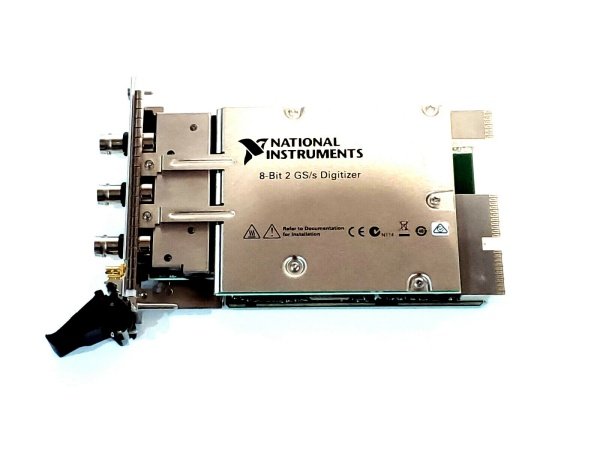
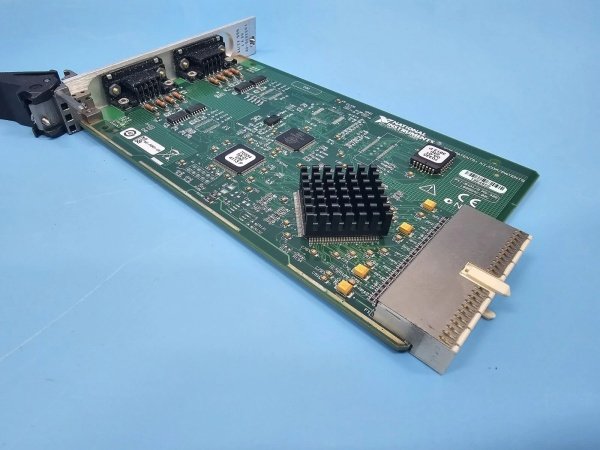
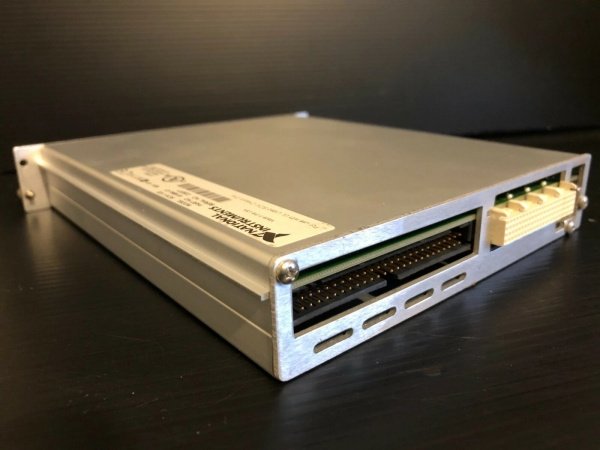
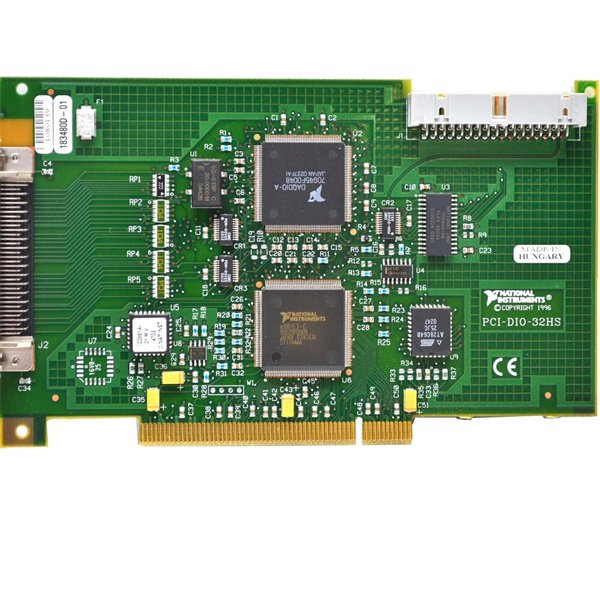
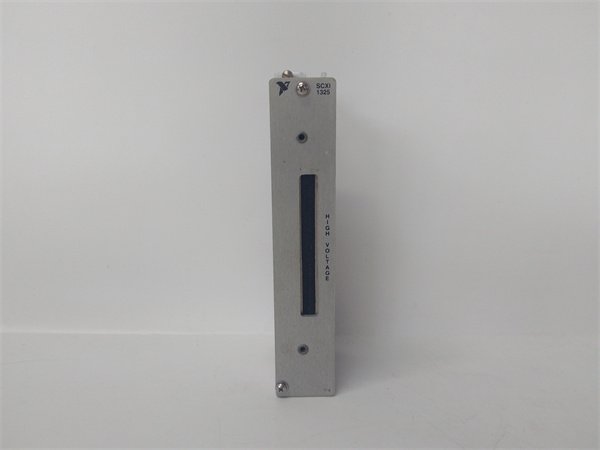
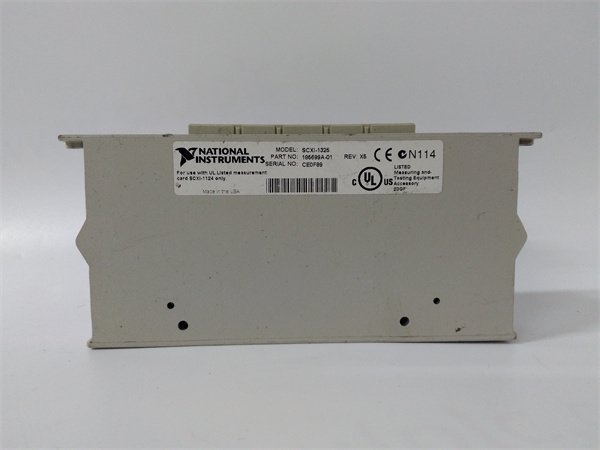
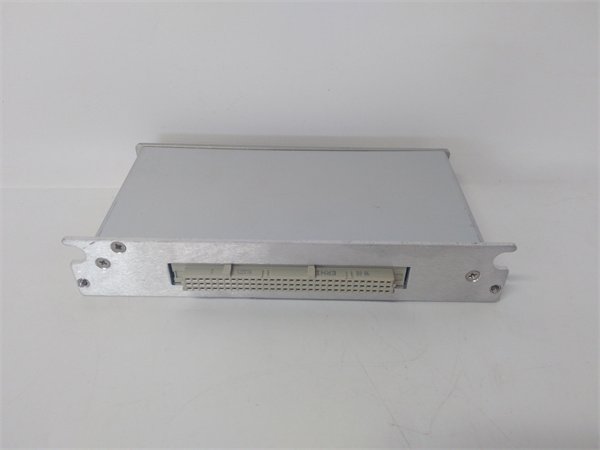
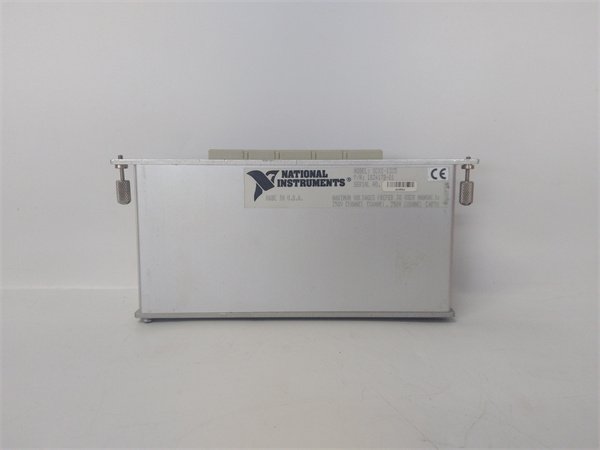
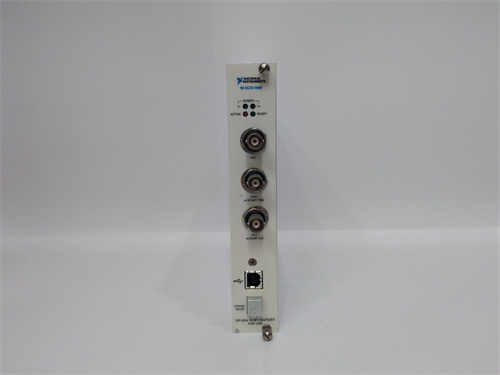
NI SCXI-1325 High–voltage terminal block
Manufacturer: National Instruments (NI)
Product Number: SCXI-1325
Category: High-Voltage Terminal Block
System Compatibility: NI SCXI-1124 analog output module, SCXI platform
Function: Enhances functionality of analog output systems by providing high-voltage connection interface
Product Description
The National Instruments SCXI–1325 is a high–voltage terminal block designed to interface with the NI SCXI–1124 analog output module. As part of the SCXI platform, it plays a crucial role in enhancing the functionality of analog output systems. With 26 screw terminals, it offers a flexible connection layout. Two of these terminals link to the SCXI–1124 chassis ground, while the remaining 24 are for signal connections to the six output channels of the SCXI–1124 module. This allows for easy and secure connection of various devices, enabling seamless signal transfer. The SCXI–1325 is not just a simple connection device; it is a key enabler for accurate and reliable analog output operations in automation systems.
Detailed parameter table
| Parameter name | Parameter value |
| Product model | SCXI–1325 |
| Manufacturer | National Instruments |
| Product category | High–voltage terminal block |
| Screw terminals | 26 (2 for chassis ground, 24 for signal connections) |
| Channel–to–ground isolation | 250 VRMS |
| Channel–to–channel isolation | 250 VRMS |
| DC rejection capacity (1 MΩ common–mode) | ± 50 VDC |
| 1–pole RC corner frequency | 0.16 Hz |
| Maximum field wire gauge | 26–14 AWG |
| Recommended operating temperature | 0 to 50 °C |
| Storage temperature | – 20 to 70 °C |
| Non–condensing relative humidity | 5% to 90% |
| Electrical safety standards |
IEC 61010–1, UL 3111–1, CAN/CSA C22.2 No. 1010.1 |
Core advantages and technical highlights
High–voltage isolation
The NI SCXI–1325 provides an impressive 250 VRMS channel–to–ground and channel–to–channel isolation. In industrial and research environments, electrical interference is a major concern. This high–level isolation effectively shields the signals from external electrical noise sources. For example, in a factory filled with high–voltage motors and other electrical equipment, the isolation feature ensures that the analog output signals from the SCXI–1124 remain clean and accurate, safeguarding the integrity of the control and measurement systems.
Flexible channel configuration
Users can configure each output channel of the SCXI–1124 independently for either current output or voltage output when using the SCXI–1325. Each channel can withstand a common–mode voltage of up to 250 VRMS between itself and the chassis ground or any other channel ground. This independent channel configuration is extremely beneficial in scenarios where different types of devices with varying voltage or current requirements need to be connected to the analog output module, offering great flexibility in system design.
Isothermal construction
To guarantee high–accuracy signal transmission, the NI SCXI–1325 is constructed with an isothermal design. Temperature variations can cause changes in the electrical properties of components, leading to signal distortion. The isothermal construction mitigates this issue, ensuring that the output signals remain accurate over a wide range of ambient temperatures. This makes it suitable for applications where stable signal output is crucial, such as in precision measurement and control systems.
Typical application scenarios
In industrial process control, the NI SCXI–1325 combined with the SCXI–1124 can be used to control motors precisely. By sending accurate voltage or current signals, it can regulate the speed of motors. The high–voltage isolation and independent channel configuration ensure that the control signals are not affected by the noisy industrial environment, maintaining the stability and accuracy of the production process. In laboratory measurement and research, it is useful for emulating sensor outputs. Researchers can connect different sensors or test equipment to the SCXI–1124 through the SCXI–1325 to generate accurate voltage or current signals for testing data acquisition systems or control algorithms. In automation and test systems, its 26–screw–terminal design allows for the connection of multiple sensors or actuators to the SCXI–1124 analog output module, enabling complex test and data acquisition tasks to be carried out efficiently, ensuring the quality and reliability of products being manufactured or tested.
Installation, commissioning and maintenance instructions
Installation preparation
Before installing the NI SCXI–1325, ensure the installation environment is clean and free from excessive dust, moisture, and strong electromagnetic fields. Tools required include a screwdriver for tightening the screw terminals. Safety is of utmost importance. Make sure to disconnect all power sources related to the SCXI–1124 module and other connected equipment. When handling the SCXI–1325, avoid static electricity discharge, as it can damage the sensitive components. Mount it on the front panel of the SCXI–1124 module using the mating connectors carefully, ensuring a secure fit.
Maintenance suggestions
For daily maintenance, regularly inspect the screw terminals for any signs of looseness. If detected, tighten them gently. In case of signal issues, check for any damaged wires or connections. If a component needs replacement, ensure to use genuine spare parts. For example, if a screw terminal is damaged, replace it with a compatible one. Keep the module clean and free from debris. By following these maintenance steps, the long–term performance of the NI SCXI–1325 can be effectively maintained, ensuring its reliable operation in the automation system.
 Loading comments...
NI SCXI-1325 High–voltage terminal block
Manufacturer: National Instruments (NI)
Product Number: SCXI-1325
Category: High-Voltage Terminal Block
System Compatibility: NI SCXI-1124 analog output module, SCXI platform
Function: Enhances functionality of analog output systems by providing high-voltage connection interface
Product Description
The National Instruments SCXI–1325 is a high–voltage terminal block designed to interface with the NI SCXI–1124 analog output module. As part of the SCXI platform, it plays a crucial role in enhancing the functionality of analog output systems. With 26 screw terminals, it offers a flexible connection layout. Two of these terminals link to the SCXI–1124 chassis ground, while the remaining 24 are for signal connections to the six output channels of the SCXI–1124 module. This allows for easy and secure connection of various devices, enabling seamless signal transfer. The SCXI–1325 is not just a simple connection device; it is a key enabler for accurate and reliable analog output operations in automation systems.
Detailed parameter table
| Parameter name | Parameter value |
| Product model | SCXI–1325 |
| Manufacturer | National Instruments |
| Product category | High–voltage terminal block |
| Screw terminals | 26 (2 for chassis ground, 24 for signal connections) |
| Channel–to–ground isolation | 250 VRMS |
| Channel–to–channel isolation | 250 VRMS |
| DC rejection capacity (1 MΩ common–mode) | ± 50 VDC |
| 1–pole RC corner frequency | 0.16 Hz |
| Maximum field wire gauge | 26–14 AWG |
| Recommended operating temperature | 0 to 50 °C |
| Storage temperature | – 20 to 70 °C |
| Non–condensing relative humidity | 5% to 90% |
| Electrical safety standards |
IEC 61010–1, UL 3111–1, CAN/CSA C22.2 No. 1010.1 |
Core advantages and technical highlights
High–voltage isolation
The NI SCXI–1325 provides an impressive 250 VRMS channel–to–ground and channel–to–channel isolation. In industrial and research environments, electrical interference is a major concern. This high–level isolation effectively shields the signals from external electrical noise sources. For example, in a factory filled with high–voltage motors and other electrical equipment, the isolation feature ensures that the analog output signals from the SCXI–1124 remain clean and accurate, safeguarding the integrity of the control and measurement systems.
Flexible channel configuration
Users can configure each output channel of the SCXI–1124 independently for either current output or voltage output when using the SCXI–1325. Each channel can withstand a common–mode voltage of up to 250 VRMS between itself and the chassis ground or any other channel ground. This independent channel configuration is extremely beneficial in scenarios where different types of devices with varying voltage or current requirements need to be connected to the analog output module, offering great flexibility in system design.
Isothermal construction
To guarantee high–accuracy signal transmission, the NI SCXI–1325 is constructed with an isothermal design. Temperature variations can cause changes in the electrical properties of components, leading to signal distortion. The isothermal construction mitigates this issue, ensuring that the output signals remain accurate over a wide range of ambient temperatures. This makes it suitable for applications where stable signal output is crucial, such as in precision measurement and control systems.
Typical application scenarios
In industrial process control, the NI SCXI–1325 combined with the SCXI–1124 can be used to control motors precisely. By sending accurate voltage or current signals, it can regulate the speed of motors. The high–voltage isolation and independent channel configuration ensure that the control signals are not affected by the noisy industrial environment, maintaining the stability and accuracy of the production process. In laboratory measurement and research, it is useful for emulating sensor outputs. Researchers can connect different sensors or test equipment to the SCXI–1124 through the SCXI–1325 to generate accurate voltage or current signals for testing data acquisition systems or control algorithms. In automation and test systems, its 26–screw–terminal design allows for the connection of multiple sensors or actuators to the SCXI–1124 analog output module, enabling complex test and data acquisition tasks to be carried out efficiently, ensuring the quality and reliability of products being manufactured or tested.
Installation, commissioning and maintenance instructions
Installation preparation
Before installing the NI SCXI–1325, ensure the installation environment is clean and free from excessive dust, moisture, and strong electromagnetic fields. Tools required include a screwdriver for tightening the screw terminals. Safety is of utmost importance. Make sure to disconnect all power sources related to the SCXI–1124 module and other connected equipment. When handling the SCXI–1325, avoid static electricity discharge, as it can damage the sensitive components. Mount it on the front panel of the SCXI–1124 module using the mating connectors carefully, ensuring a secure fit.
Maintenance suggestions
For daily maintenance, regularly inspect the screw terminals for any signs of looseness. If detected, tighten them gently. In case of signal issues, check for any damaged wires or connections. If a component needs replacement, ensure to use genuine spare parts. For example, if a screw terminal is damaged, replace it with a compatible one. Keep the module clean and free from debris. By following these maintenance steps, the long–term performance of the NI SCXI–1325 can be effectively maintained, ensuring its reliable operation in the automation system.
Need a Custom Automation Solution?
Our team of experts can design and implement a tailored automation system to meet your specific requirements.