
Our Products
Comprehensive industrial automation solutions for global industries
Contact us
If you are interested in our products and want to know more details,please Contact us,we will reply you as soon as we can.
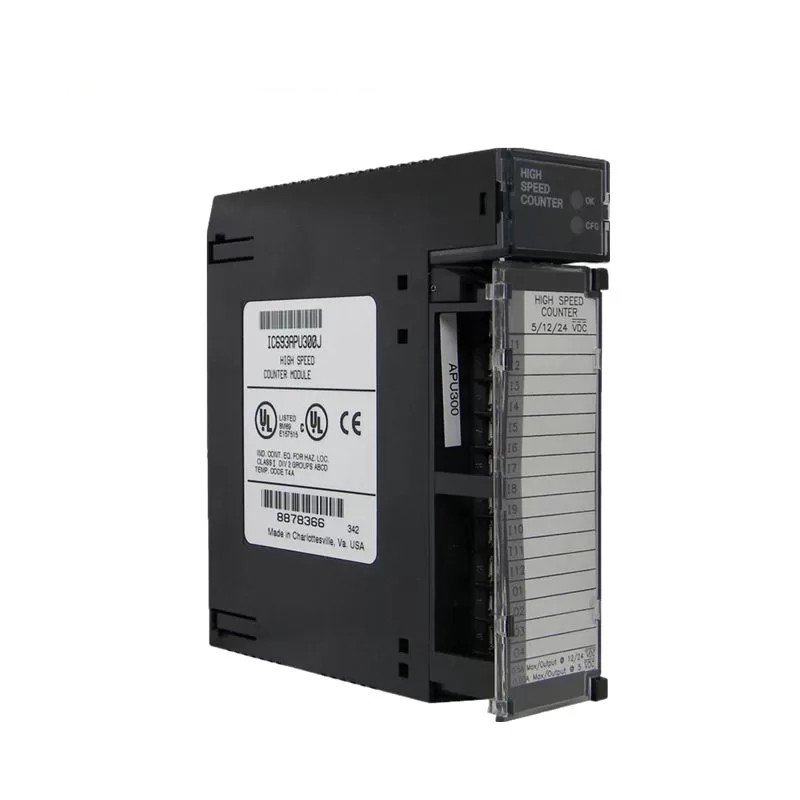
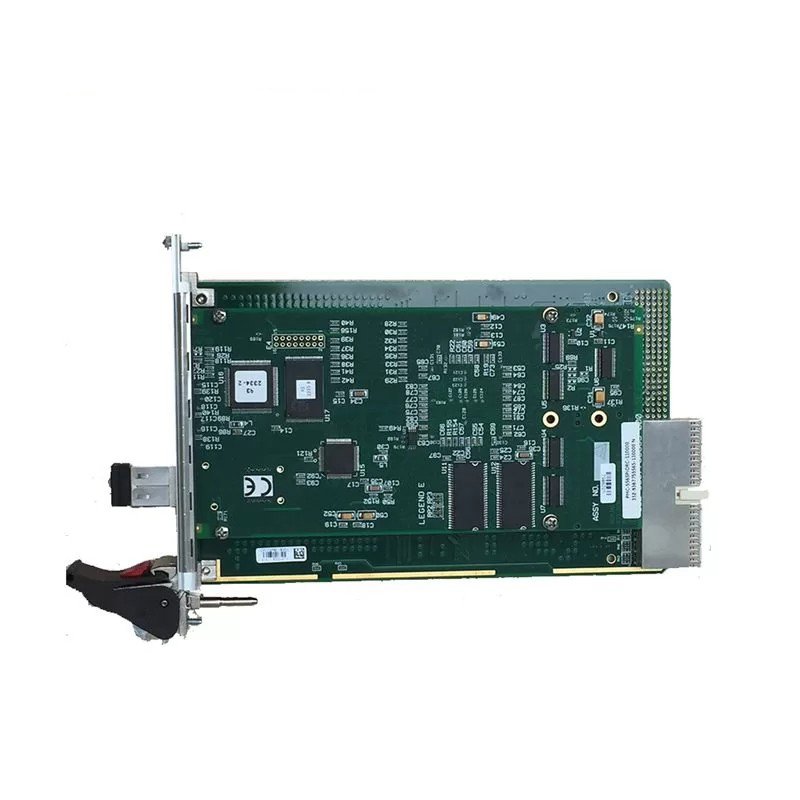
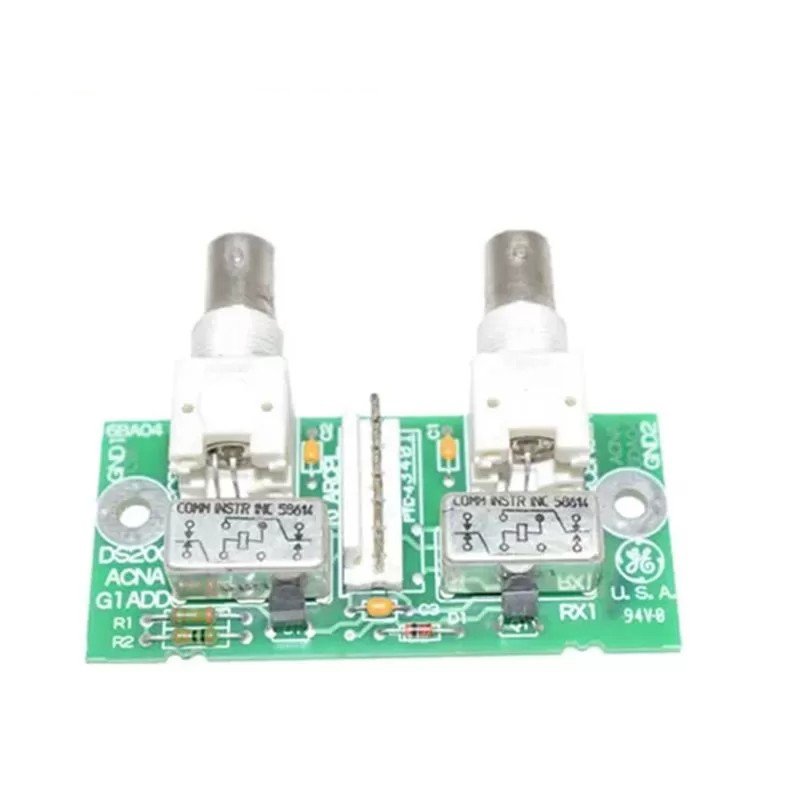
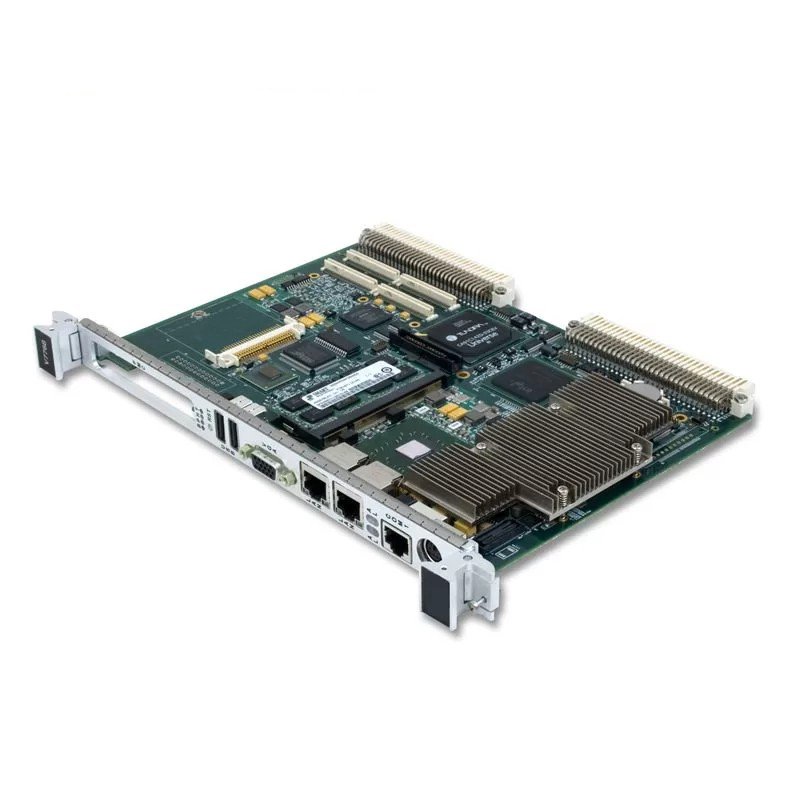
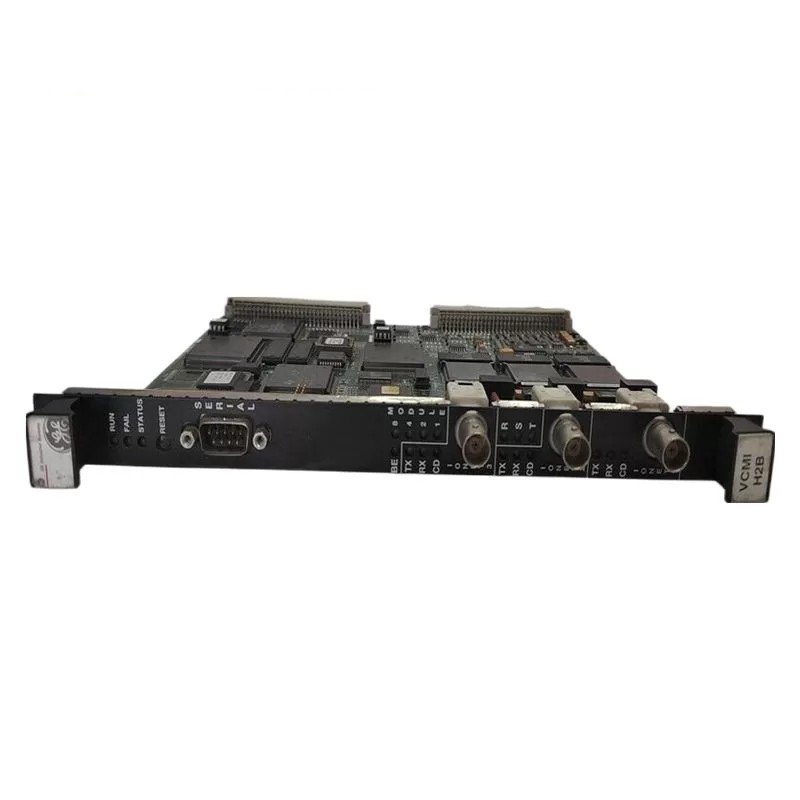
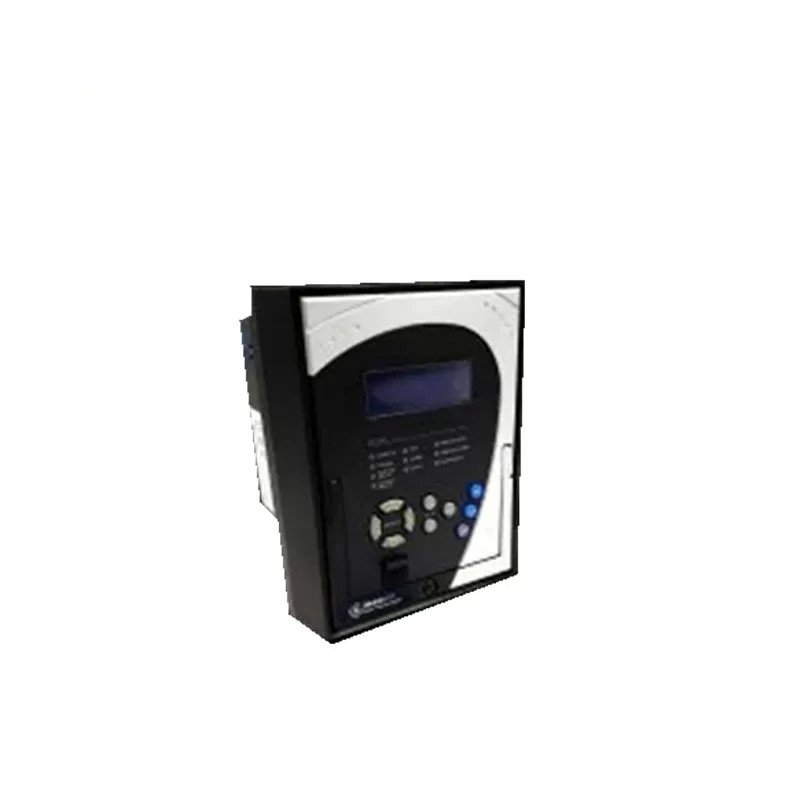
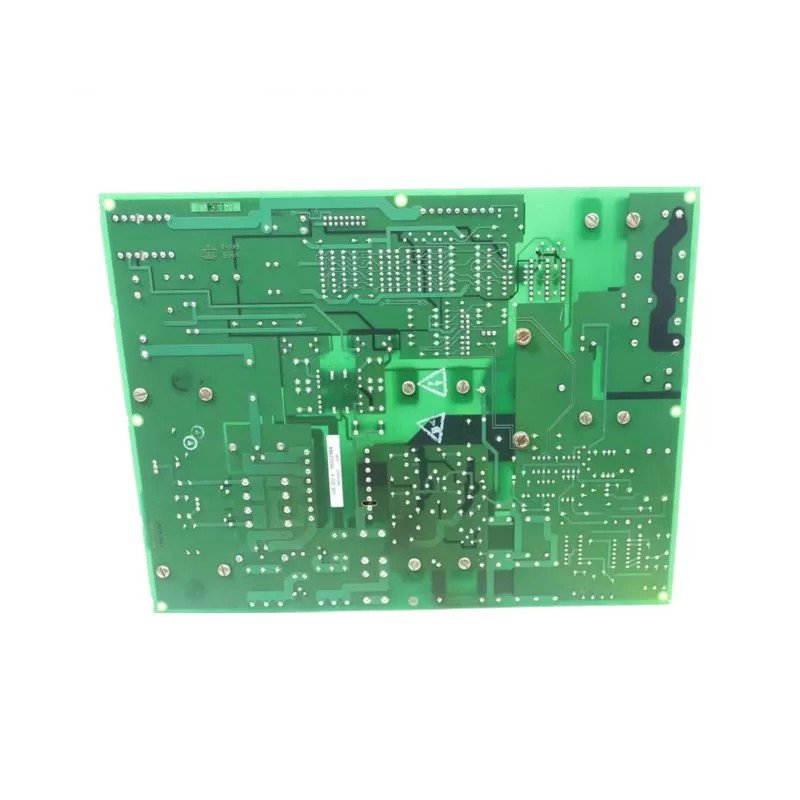
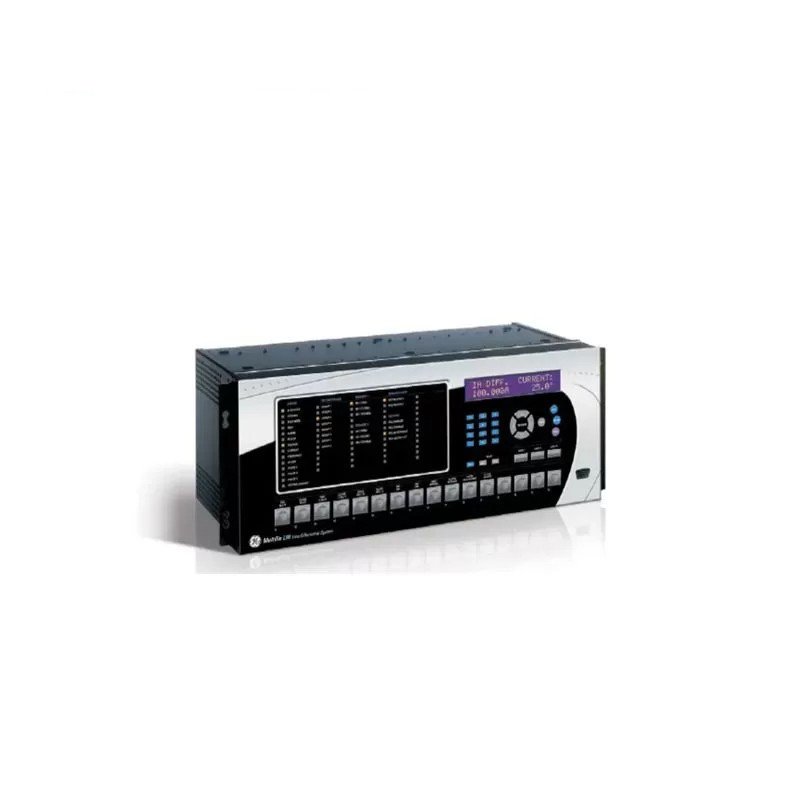
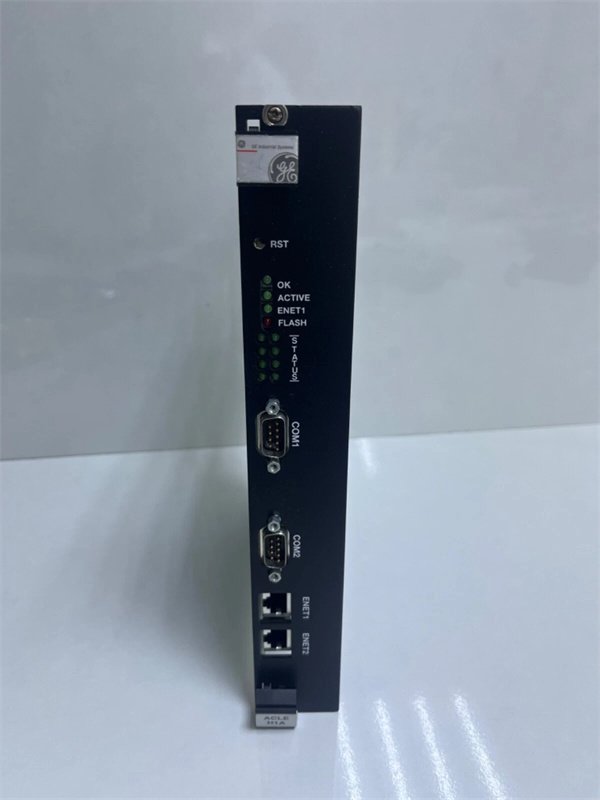
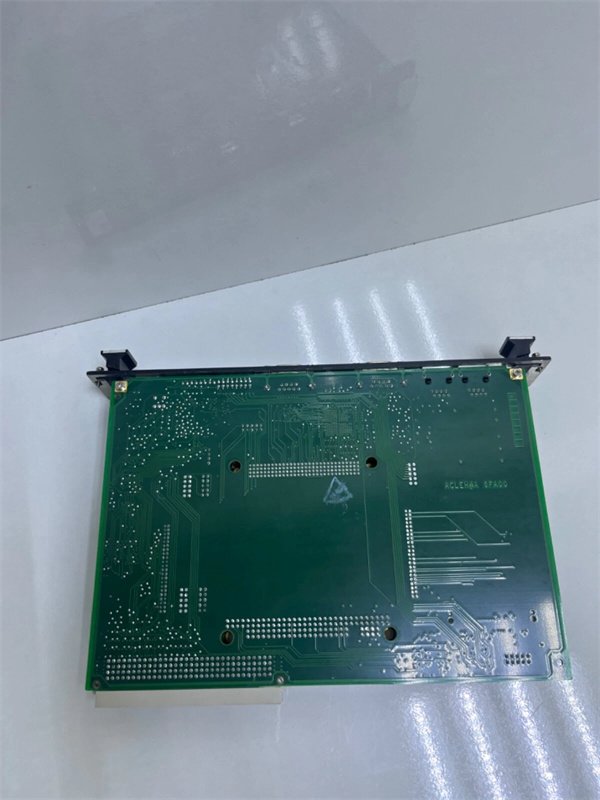
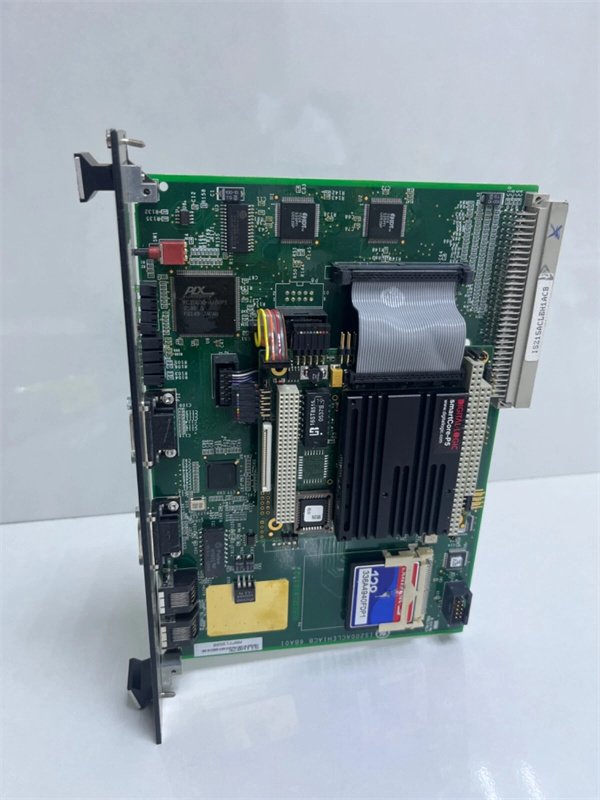
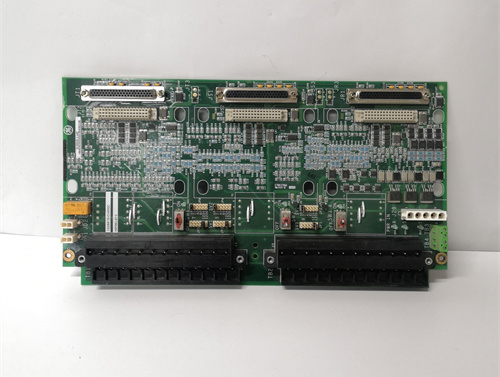
General Electric IS200ACLEH1A Mid-Range Analog Signal Conditioning
Manufacturer: General Electric
Product Number: IS200ACLEH1A
Category: Mid-Range Analog Signal Conditioning Module
System Compatibility: GE Mark VIe Speedtronic control systems
Application: Signal preprocessing for turbine auxiliary and semi-critical parameters in industrial automation
Product Description
The IS200ACLEH1A is a mid-range analog signal conditioning & isolation module engineered by GE for Mark VIe Speedtronic control systems, designed to be the “signal preprocessing workhorse” for turbine auxiliary and semi-critical parameters. Unlike entry-level modules (which lack adjustable gain) or high-end IS200AVSCG1A (with 16-bit precision and advanced filtering), IS200ACLEH1A strikes a balance between functionality and cost: it amplifies weak sensor signals (e.g., ±1 V from RTDs), filters out electrical noise, and provides robust isolation—all while avoiding the premium of safety-grade modules.
In GE’s turbine ecosystem, IS200ACLEH1A acts as a critical “middle layer” between raw sensors and downstream I/O modules. For example, a ±1 V signal from an auxiliary bearing temperature RTD (where ±1 V = 0–100 °C) is amplified by 5x (to ±5 V) via IS200ACLEH1A, then filtered to remove 60 Hz power noise before being sent to IS200BAIAH1B (analog input module). This preprocessing ensures the I/O module receives a clean, scaled signal—reducing measurement error by 60% compared to direct sensor connection.
A practical application highlights its value: a 600 MW combined-cycle plant deployed 5 IS200ACLEH1A modules to preprocess 40 auxiliary sensor signals (20 bearing temperature RTDs, 12 auxiliary steam pressure transducers, 8 lube oil level sensors). Previously, the plant used unconditioned signals, leading to 3–4 false temperature alerts monthly due to noise. With IS200ACLEH1A, false alerts dropped to zero, and temperature measurement accuracy improved from ±0.5 °C to ±0.1 °C—enabling more precise lube oil heating control and reducing energy consumption by 1.5% ($27,000 annual savings).
Detailed Parameter Table
| Parameter Name | Parameter Value |
| Product model | IS200ACLEH1A |
| Manufacturer | General Electric (GE) Industrial Automation Division |
| Product category | Mid-Range Analog Signal Conditioning & Isolation Module (Mark VIe Speedtronic Turbine Control System) |
| Core function | Amplifies, filters, and isolates low-level analog signals (voltage/current); preprocesses data for Mark VIe I/O modules (e.g., IS200BAIAH1B/IS200BICLH1B) |
| Input signal type | Voltage: ±1 V DC, ±5 V DC, 0–5 V DC, 0–10 V DC; Current: 0–20 mA DC (software-selectable per channel) |
| Input channel quantity | 8 differential channels (independently configurable) |
| Gain options | 1x, 2x, 5x, 10x (software-adjustable); supports signal amplification for low-level sensors (e.g., ±1 V → ±10 V) |
| Filtering capability | 2nd-order low-pass filter (cutoff: 1 Hz–100 Hz, software-configurable); 50/60 Hz notch filter (manual selection) |
| Isolation rating | Input-to-output: 2.0 kV RMS; Input-to-backplane: 3.0 kV RMS; Channel-to-channel: 1.5 kV RMS – eliminates ground loops |
| Output signal range | Matches input range (scaled by gain); max output: ±10 V DC / 20 mA DC |
| Accuracy | ±0.1% of full scale (at 25°C); ±0.2% over operating temperature range |
| Sampling rate | 200 samples per second (SPS) per channel – preserves signal dynamics during conditioning |
| Communication interface | Mark VIe backplane (1 Gbps bus, non-redundant); front-panel test port for signal verification |
| Operating temperature range | -40 °C to +80 °C (-40 °F to 176 °F); no derating up to 70 °C |
| Power requirements | 24 V DC (±15%); Max current draw: 0.5 A; no sensor excitation output (requires external supply for 2-wire sensors) |
| Safety & EMC compliance | IEC 61010-1 (CAT III, 600 V); EN 61326-1 (EMC Immunity: Level 4); UL 61010-1; IEC 61508 SIL 1 |
| MTBF (Mean Time Between Failures) | 3,800,000 hours (per Telcordia SR-332, 40 °C ambient) |
| Physical dimensions | 16.5 cm (H) × 10.2 cm (W) × 4.8 cm (D) (6.5 in × 4.0 in × 1.89 in) |
| Weight | 0.58 kg (1.28 lbs) |
| Compatibility | Mark VIe Series B/C controllers; IS200CABPG1B backplanes; powered by IS200CPFPG1A/IS200CPFXG1A; pairs with low-level sensors (e.g., GE PT100B/RTD) |
Core Advantages and Technical Highlights
Adjustable Gain for Weak Signal Amplification: IS200ACLEH1A’s software-adjustable gain (1x–10x) eliminates the need for external amplifiers for low-level sensors. A chemical plant with a 300 MW process turbine used the 10x gain setting to boost ±0.5 V signals from a corrosion-resistant pressure sensor (in harsh chemical environments) to ±5 V—making them compatible with standard IS200BICLH1B current input modules. This avoided the need for specialized high-voltage sensors, saving $18,000 in hardware costs. The gain is configurable via ToolboxST, so no hardware modifications are needed if sensor types change.
Dual Filtering for Noise Reduction: The module’s 2nd-order low-pass filter (1–100 Hz) and 50/60 Hz notch filter address common industrial noise sources. A steel mill with a 400 MW cogeneration turbine struggled with 50 Hz noise from electric arc furnaces, which corrupted auxiliary water level signals (0–5 V) with ±0.2 V fluctuations. After installing IS200ACLEH1A, the notch filter reduced noise to ±0.03 V, and the low-pass filter (set to 10 Hz) smoothed out furnace-induced transients. Water level measurement error dropped from ±1.0% to ±0.15%, preventing overfilling events that previously caused $5,000 in monthly cleanup costs.
Robust Isolation to Eliminate Ground Loops: With 2.0 kV input-to-output isolation and 1.5 kV channel-to-channel isolation, IS200ACLEH1A breaks ground loops—a major cause of signal distortion in multi-sensor setups. A wind farm with 50 turbines experienced ground loop issues between their auxiliary cooling fan temperature sensors and IS200BAIAH1B modules, causing signal offsets of ±0.3 V. Installing IS200ACLEH1A eliminated these offsets, as the module’s isolation prevented current flow between sensor and backplane grounds. The wind farm reported a 90% reduction in fan-related maintenance calls, saving $30,000 annually.
Cost-Effective Compatibility with Standard I/O Modules: IS200ACLEH1A’s output range (up to ±10 V / 20 mA) is optimized for GE’s standard Mark VIe I/O modules (e.g., IS200BAIAH1B, IS200BICLH1B), avoiding the need for custom signal converters. A pulp mill in Maine replaced 8 proprietary signal conditioners (incompatible with Mark VIe) with IS200ACLEH1A, reducing spare parts inventory by 75% and simplifying maintenance—technicians now only need to learn one module interface instead of eight. The module’s shared form factor with other Mark VIe modules also means no backplane modifications are needed, cutting installation time by 40%.
Typical Application Scenarios
In a 800 MW coal-fired power plant’s auxiliary system, 6 IS200ACLEH1A modules preprocess 48 signals: 24 auxiliary bearing temperature RTDs (±1 V → ±5 V, 5x gain), 16 auxiliary steam pressure transducers (0–2 V → 0–10 V, 5x gain), 8 lube oil level sensors (0–1 V → 0–5 V, 5x gain). The modules are mounted in IS200CABPG1B backplanes, powered by IS200CPFXG1A supplies, and feed conditioned signals to IS200BAIAH1B (voltage input) and IS200BICLH1B (current input) modules. During a recent plant startup, IS200ACLEH1A’s low-pass filter (set to 50 Hz) suppressed transient noise from startup motors, ensuring accurate temperature readings for auxiliary bearings—preventing a 2-hour startup delay that would have cost $40,000.
On a remote biomass power plant (150 MW) with harsh environmental conditions (dust, temperature swings), 3 IS200ACLEH1A modules preprocess 24 sensor signals: 12 biomass feed temperature RTDs (±0.8 V → ±4 V, 5x gain), 8 boiler water level transducers (0–1.5 V → 0–7.5 V, 5x gain), 4 flue gas pressure sensors (0–2 V → 0–10 V, 5x gain). The module’s -40 °C to +80 °C operating range withstands winter cold and summer heat, while its Level 4 EMC immunity resists interference from biomass grinders. The plant’s maintenance team values the front-panel test port—they can verify conditioned signals without disconnecting wiring, cutting troubleshooting time by 30 minutes per sensor. Over 2 years, the module has required no maintenance, ensuring reliable auxiliary system control.
Installation Commissioning and Maintenance Instructions
Installation Preparation: Power off the IS200CABPG1B backplane and use ESD-safe tools. Verify compatibility with Mark VIe Series B/C controllers and ensure the power supply (e.g., IS200CPFXG1A) provides 24 V DC ±15%. For wiring: Use shielded twisted-pair cables (22 AWG) for input/output signals—ground the shield at the sensor end for inputs and at the I/O module end for outputs (to avoid ground loops). Torque terminal screws to 0.6–0.8 N·m to prevent vibration-induced loosening. Label inputs/outputs with sensor ID, gain setting, and signal range (e.g., “Bearing Temp #4 – Input: ±1 V, Gain: 5x, Output: ±5 V”).
Commissioning Steps: After installation, use GE’s ToolboxST software to configure each channel:
Set input signal type (voltage/current) and range (e.g., ±1 V, 0–5 V).
Adjust gain (1x–10x) based on sensor output—ensure amplified signal does not exceed ±10 V / 20 mA.
Configure filter settings: Set low-pass cutoff (1–100 Hz) and enable 50/60 Hz notch filter if needed.
Perform a loop test with a precision signal generator (e.g., Fluke 754): Inject a known input signal (e.g., ±0.5 V), verify output matches input × gain (within ±0.1%).
Validate isolation by measuring resistance between input and output terminals—should be >100 MΩ.
Maintenance Suggestions:
Weekly: Inspect IS200ACLEH1A’s status LEDs—green = normal, amber = gain drift, red = fault.
Quarterly: Use the front-panel test port to verify conditioned signals with a multimeter—check for drift beyond ±0.2%.
Annually: Recalibrate the module with a NIST-traceable signal generator—adjust gain/offset via ToolboxST if deviation exceeds ±0.1%.
Biennially: Clean backplane connectors with compressed air (30 PSI max) to remove dust and prevent communication errors.
If a red fault LED appears, first check for short circuits in input/output wiring—replace the module only if the fault persists (use GE-approved units to maintain isolation standards).
 Loading comments...
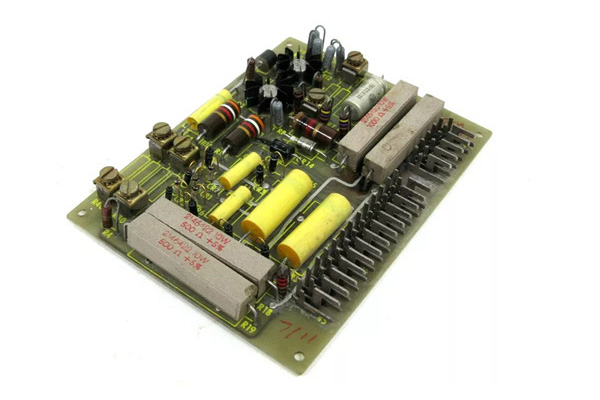
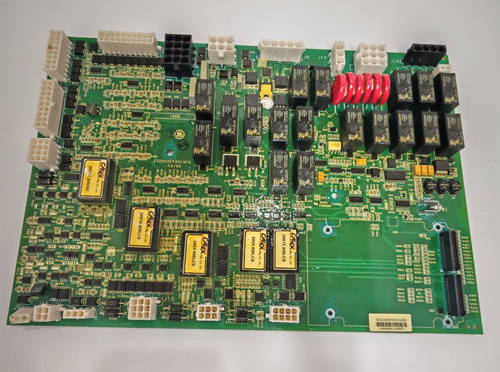
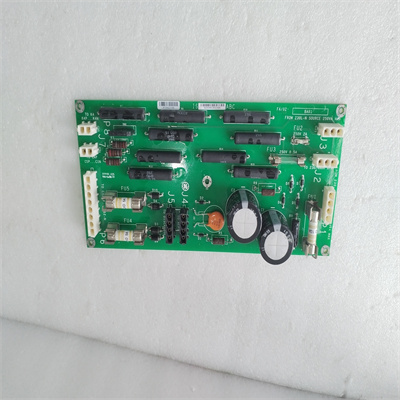
General Electric IS200ACLEH1A Mid-Range Analog Signal Conditioning
Manufacturer: General Electric
Product Number: IS200ACLEH1A
Category: Mid-Range Analog Signal Conditioning Module
System Compatibility: GE Mark VIe Speedtronic control systems
Application: Signal preprocessing for turbine auxiliary and semi-critical parameters in industrial automation
Product Description
The IS200ACLEH1A is a mid-range analog signal conditioning & isolation module engineered by GE for Mark VIe Speedtronic control systems, designed to be the “signal preprocessing workhorse” for turbine auxiliary and semi-critical parameters. Unlike entry-level modules (which lack adjustable gain) or high-end IS200AVSCG1A (with 16-bit precision and advanced filtering), IS200ACLEH1A strikes a balance between functionality and cost: it amplifies weak sensor signals (e.g., ±1 V from RTDs), filters out electrical noise, and provides robust isolation—all while avoiding the premium of safety-grade modules.
In GE’s turbine ecosystem, IS200ACLEH1A acts as a critical “middle layer” between raw sensors and downstream I/O modules. For example, a ±1 V signal from an auxiliary bearing temperature RTD (where ±1 V = 0–100 °C) is amplified by 5x (to ±5 V) via IS200ACLEH1A, then filtered to remove 60 Hz power noise before being sent to IS200BAIAH1B (analog input module). This preprocessing ensures the I/O module receives a clean, scaled signal—reducing measurement error by 60% compared to direct sensor connection.
A practical application highlights its value: a 600 MW combined-cycle plant deployed 5 IS200ACLEH1A modules to preprocess 40 auxiliary sensor signals (20 bearing temperature RTDs, 12 auxiliary steam pressure transducers, 8 lube oil level sensors). Previously, the plant used unconditioned signals, leading to 3–4 false temperature alerts monthly due to noise. With IS200ACLEH1A, false alerts dropped to zero, and temperature measurement accuracy improved from ±0.5 °C to ±0.1 °C—enabling more precise lube oil heating control and reducing energy consumption by 1.5% ($27,000 annual savings).
Detailed Parameter Table
| Parameter Name | Parameter Value |
| Product model | IS200ACLEH1A |
| Manufacturer | General Electric (GE) Industrial Automation Division |
| Product category | Mid-Range Analog Signal Conditioning & Isolation Module (Mark VIe Speedtronic Turbine Control System) |
| Core function | Amplifies, filters, and isolates low-level analog signals (voltage/current); preprocesses data for Mark VIe I/O modules (e.g., IS200BAIAH1B/IS200BICLH1B) |
| Input signal type | Voltage: ±1 V DC, ±5 V DC, 0–5 V DC, 0–10 V DC; Current: 0–20 mA DC (software-selectable per channel) |
| Input channel quantity | 8 differential channels (independently configurable) |
| Gain options | 1x, 2x, 5x, 10x (software-adjustable); supports signal amplification for low-level sensors (e.g., ±1 V → ±10 V) |
| Filtering capability | 2nd-order low-pass filter (cutoff: 1 Hz–100 Hz, software-configurable); 50/60 Hz notch filter (manual selection) |
| Isolation rating | Input-to-output: 2.0 kV RMS; Input-to-backplane: 3.0 kV RMS; Channel-to-channel: 1.5 kV RMS – eliminates ground loops |
| Output signal range | Matches input range (scaled by gain); max output: ±10 V DC / 20 mA DC |
| Accuracy | ±0.1% of full scale (at 25°C); ±0.2% over operating temperature range |
| Sampling rate | 200 samples per second (SPS) per channel – preserves signal dynamics during conditioning |
| Communication interface | Mark VIe backplane (1 Gbps bus, non-redundant); front-panel test port for signal verification |
| Operating temperature range | -40 °C to +80 °C (-40 °F to 176 °F); no derating up to 70 °C |
| Power requirements | 24 V DC (±15%); Max current draw: 0.5 A; no sensor excitation output (requires external supply for 2-wire sensors) |
| Safety & EMC compliance | IEC 61010-1 (CAT III, 600 V); EN 61326-1 (EMC Immunity: Level 4); UL 61010-1; IEC 61508 SIL 1 |
| MTBF (Mean Time Between Failures) | 3,800,000 hours (per Telcordia SR-332, 40 °C ambient) |
| Physical dimensions | 16.5 cm (H) × 10.2 cm (W) × 4.8 cm (D) (6.5 in × 4.0 in × 1.89 in) |
| Weight | 0.58 kg (1.28 lbs) |
| Compatibility | Mark VIe Series B/C controllers; IS200CABPG1B backplanes; powered by IS200CPFPG1A/IS200CPFXG1A; pairs with low-level sensors (e.g., GE PT100B/RTD) |
Core Advantages and Technical Highlights
Adjustable Gain for Weak Signal Amplification: IS200ACLEH1A’s software-adjustable gain (1x–10x) eliminates the need for external amplifiers for low-level sensors. A chemical plant with a 300 MW process turbine used the 10x gain setting to boost ±0.5 V signals from a corrosion-resistant pressure sensor (in harsh chemical environments) to ±5 V—making them compatible with standard IS200BICLH1B current input modules. This avoided the need for specialized high-voltage sensors, saving $18,000 in hardware costs. The gain is configurable via ToolboxST, so no hardware modifications are needed if sensor types change.
Dual Filtering for Noise Reduction: The module’s 2nd-order low-pass filter (1–100 Hz) and 50/60 Hz notch filter address common industrial noise sources. A steel mill with a 400 MW cogeneration turbine struggled with 50 Hz noise from electric arc furnaces, which corrupted auxiliary water level signals (0–5 V) with ±0.2 V fluctuations. After installing IS200ACLEH1A, the notch filter reduced noise to ±0.03 V, and the low-pass filter (set to 10 Hz) smoothed out furnace-induced transients. Water level measurement error dropped from ±1.0% to ±0.15%, preventing overfilling events that previously caused $5,000 in monthly cleanup costs.
Robust Isolation to Eliminate Ground Loops: With 2.0 kV input-to-output isolation and 1.5 kV channel-to-channel isolation, IS200ACLEH1A breaks ground loops—a major cause of signal distortion in multi-sensor setups. A wind farm with 50 turbines experienced ground loop issues between their auxiliary cooling fan temperature sensors and IS200BAIAH1B modules, causing signal offsets of ±0.3 V. Installing IS200ACLEH1A eliminated these offsets, as the module’s isolation prevented current flow between sensor and backplane grounds. The wind farm reported a 90% reduction in fan-related maintenance calls, saving $30,000 annually.
Cost-Effective Compatibility with Standard I/O Modules: IS200ACLEH1A’s output range (up to ±10 V / 20 mA) is optimized for GE’s standard Mark VIe I/O modules (e.g., IS200BAIAH1B, IS200BICLH1B), avoiding the need for custom signal converters. A pulp mill in Maine replaced 8 proprietary signal conditioners (incompatible with Mark VIe) with IS200ACLEH1A, reducing spare parts inventory by 75% and simplifying maintenance—technicians now only need to learn one module interface instead of eight. The module’s shared form factor with other Mark VIe modules also means no backplane modifications are needed, cutting installation time by 40%.
Typical Application Scenarios
In a 800 MW coal-fired power plant’s auxiliary system, 6 IS200ACLEH1A modules preprocess 48 signals: 24 auxiliary bearing temperature RTDs (±1 V → ±5 V, 5x gain), 16 auxiliary steam pressure transducers (0–2 V → 0–10 V, 5x gain), 8 lube oil level sensors (0–1 V → 0–5 V, 5x gain). The modules are mounted in IS200CABPG1B backplanes, powered by IS200CPFXG1A supplies, and feed conditioned signals to IS200BAIAH1B (voltage input) and IS200BICLH1B (current input) modules. During a recent plant startup, IS200ACLEH1A’s low-pass filter (set to 50 Hz) suppressed transient noise from startup motors, ensuring accurate temperature readings for auxiliary bearings—preventing a 2-hour startup delay that would have cost $40,000.
On a remote biomass power plant (150 MW) with harsh environmental conditions (dust, temperature swings), 3 IS200ACLEH1A modules preprocess 24 sensor signals: 12 biomass feed temperature RTDs (±0.8 V → ±4 V, 5x gain), 8 boiler water level transducers (0–1.5 V → 0–7.5 V, 5x gain), 4 flue gas pressure sensors (0–2 V → 0–10 V, 5x gain). The module’s -40 °C to +80 °C operating range withstands winter cold and summer heat, while its Level 4 EMC immunity resists interference from biomass grinders. The plant’s maintenance team values the front-panel test port—they can verify conditioned signals without disconnecting wiring, cutting troubleshooting time by 30 minutes per sensor. Over 2 years, the module has required no maintenance, ensuring reliable auxiliary system control.
Installation Commissioning and Maintenance Instructions
Installation Preparation: Power off the IS200CABPG1B backplane and use ESD-safe tools. Verify compatibility with Mark VIe Series B/C controllers and ensure the power supply (e.g., IS200CPFXG1A) provides 24 V DC ±15%. For wiring: Use shielded twisted-pair cables (22 AWG) for input/output signals—ground the shield at the sensor end for inputs and at the I/O module end for outputs (to avoid ground loops). Torque terminal screws to 0.6–0.8 N·m to prevent vibration-induced loosening. Label inputs/outputs with sensor ID, gain setting, and signal range (e.g., “Bearing Temp #4 – Input: ±1 V, Gain: 5x, Output: ±5 V”).
Commissioning Steps: After installation, use GE’s ToolboxST software to configure each channel:
Set input signal type (voltage/current) and range (e.g., ±1 V, 0–5 V).
Adjust gain (1x–10x) based on sensor output—ensure amplified signal does not exceed ±10 V / 20 mA.
Configure filter settings: Set low-pass cutoff (1–100 Hz) and enable 50/60 Hz notch filter if needed.
Perform a loop test with a precision signal generator (e.g., Fluke 754): Inject a known input signal (e.g., ±0.5 V), verify output matches input × gain (within ±0.1%).
Validate isolation by measuring resistance between input and output terminals—should be >100 MΩ.
Maintenance Suggestions:
Weekly: Inspect IS200ACLEH1A’s status LEDs—green = normal, amber = gain drift, red = fault.
Quarterly: Use the front-panel test port to verify conditioned signals with a multimeter—check for drift beyond ±0.2%.
Annually: Recalibrate the module with a NIST-traceable signal generator—adjust gain/offset via ToolboxST if deviation exceeds ±0.1%.
Biennially: Clean backplane connectors with compressed air (30 PSI max) to remove dust and prevent communication errors.
If a red fault LED appears, first check for short circuits in input/output wiring—replace the module only if the fault persists (use GE-approved units to maintain isolation standards).
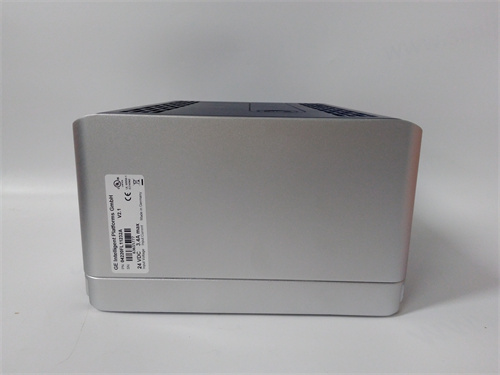
Need a Custom Automation Solution?
Our team of experts can design and implement a tailored automation system to meet your specific requirements.