
Our Products
Comprehensive industrial automation solutions for global industries
Contact us
If you are interested in our products and want to know more details,please Contact us,we will reply you as soon as we can.
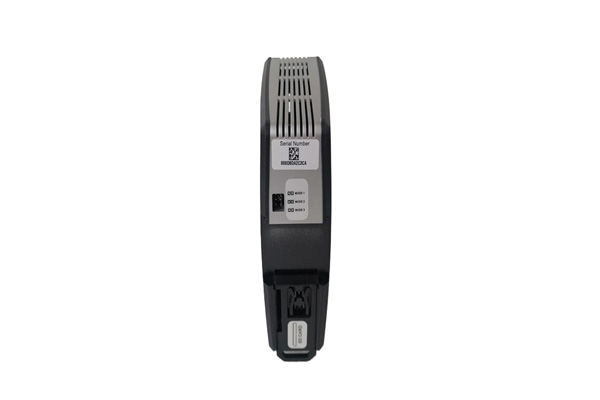
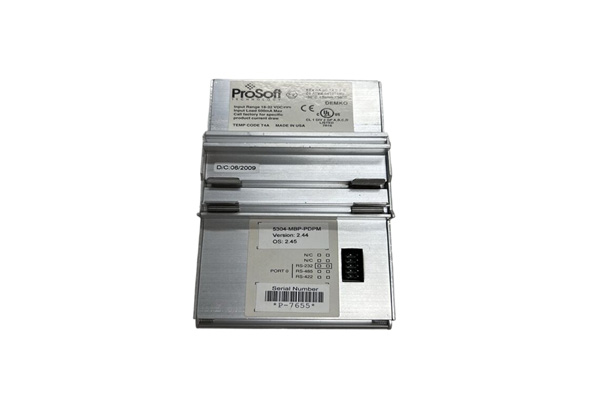
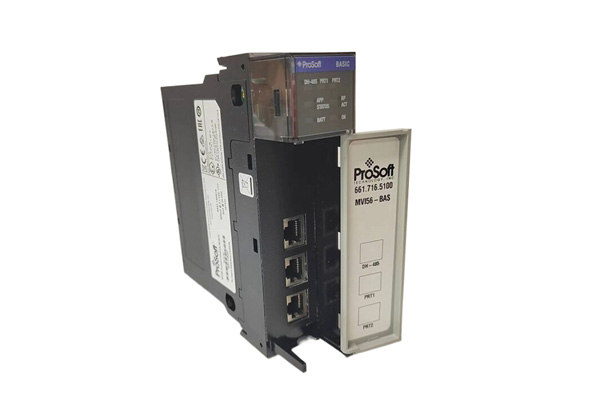
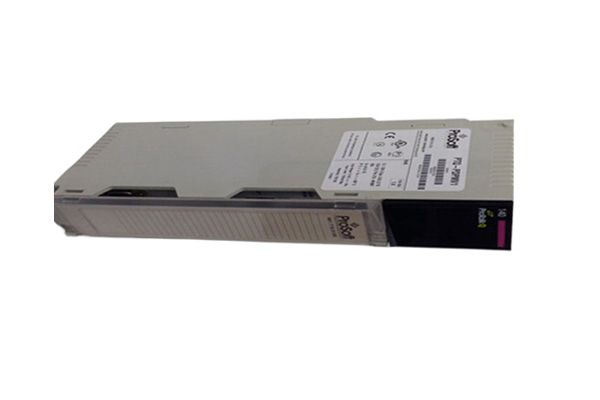
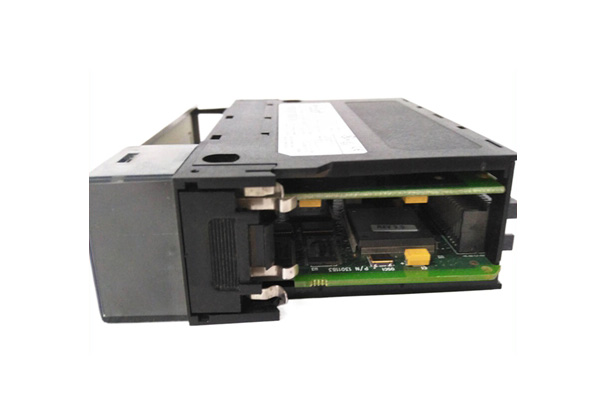
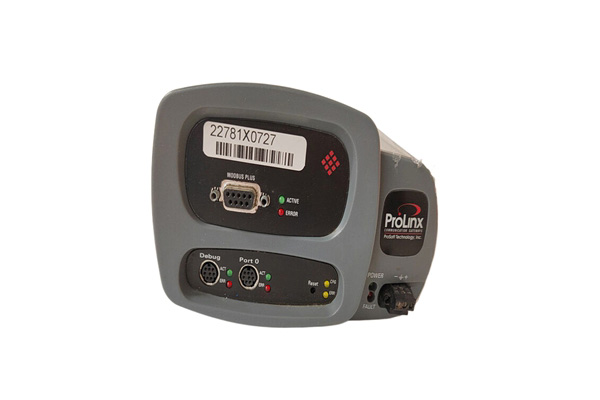
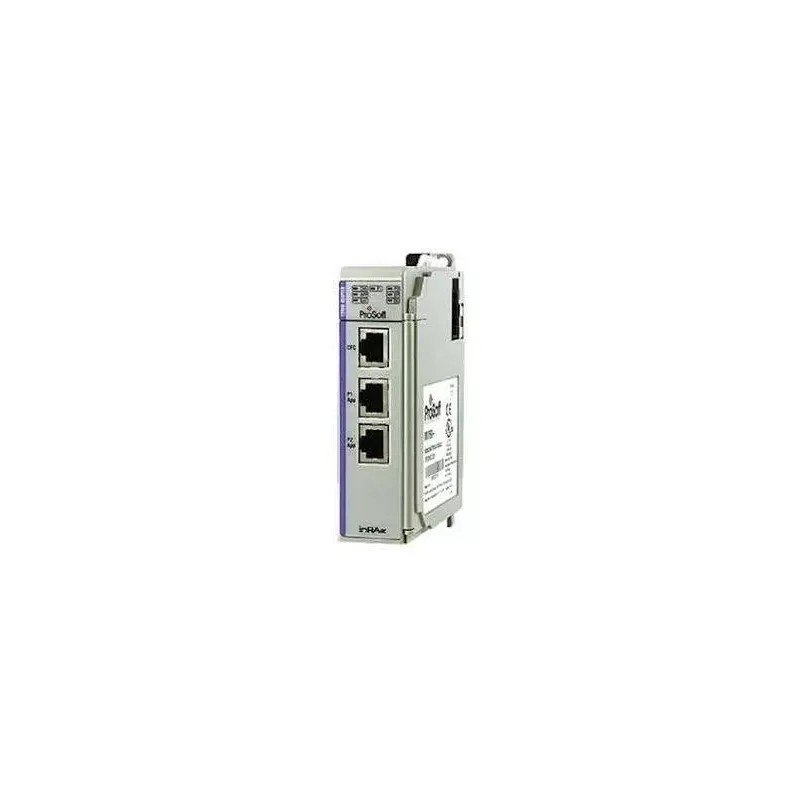
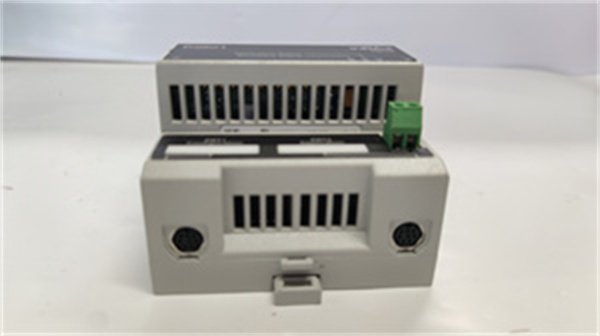
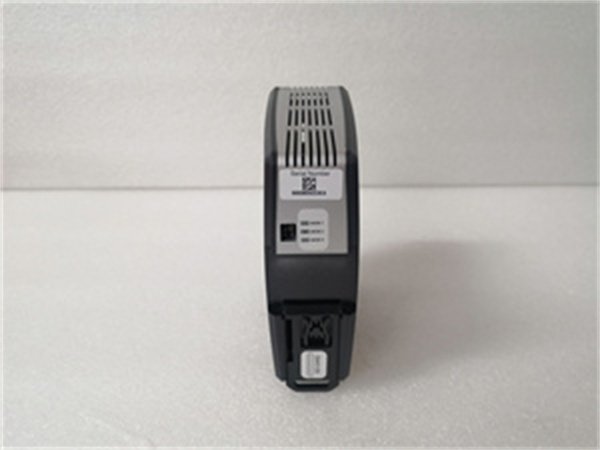
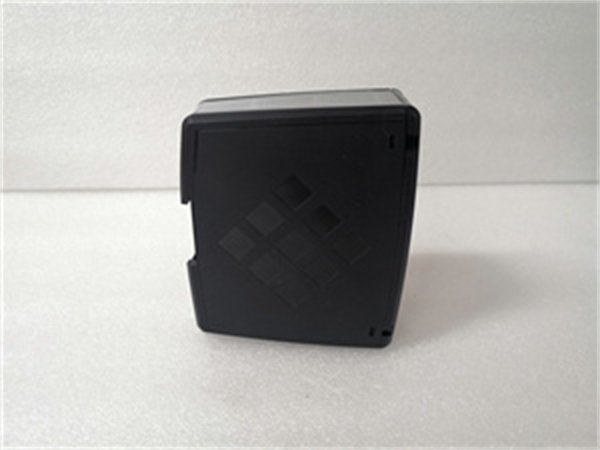
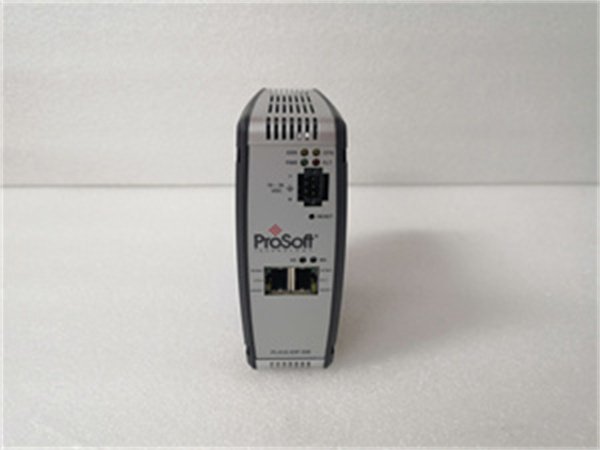
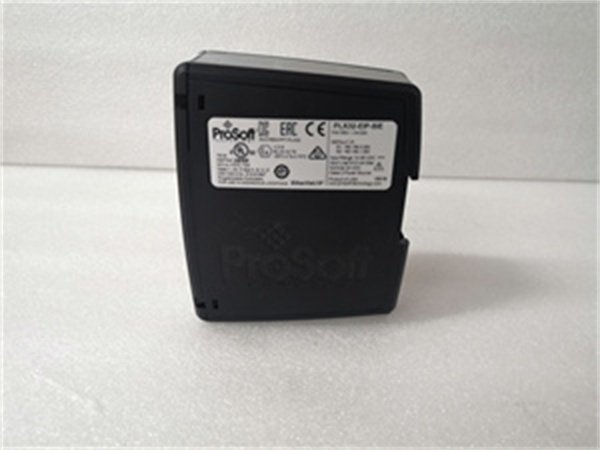
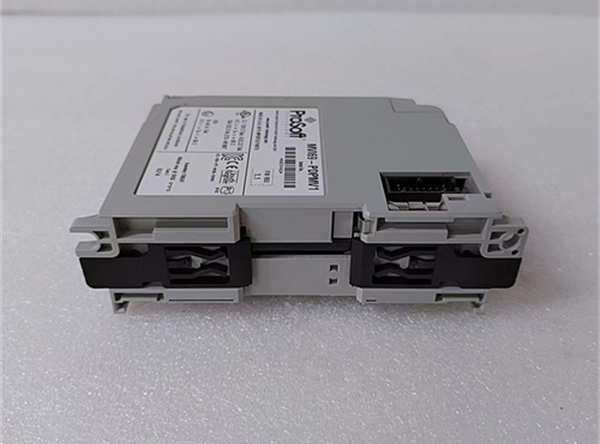
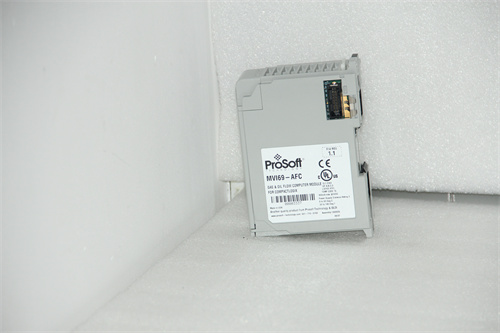
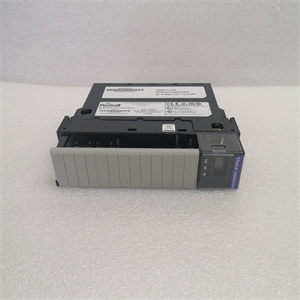
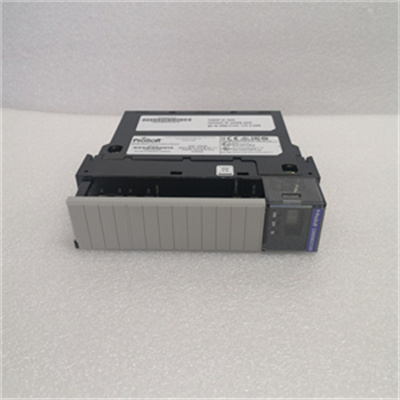
ProSoft PLX32-EIP-SIE Industrial Protocol Gateway
Manufacturer: ProSoft Technology
Product Number: PLX32-EIP-SIE
Category: Industrial Protocol Gateway
Application: Enabling seamless bidirectional communication between EtherNet/IP and PROFINET networks for mixed-protocol industrial automation environments
Product Description
The PROSOFT PLX32-EIP-SIE is a dedicated industrial protocol gateway developed by ProSoft Technology, engineered to enable seamless bidirectional communication between EtherNet/IP and PROFINET networks. In modern industrial automation, mixed–vendor systems are common—for example, an automotive plant may use Allen–Bradley ControlLogix PACs (EtherNet/IP) for production line control and Siemens S7–1500 PLCs (PROFINET) for robotic cells. The PROSOFT PLX32-EIP-SIE solves the critical protocol incompatibility between these systems, eliminating the need for costly custom code or multiple gateways.
Unlike generic gateways that compromise on performance, the PROSOFT PLX32-EIP-SIE supports PROFINET IRT (Isochronous Real–Time) for time–critical applications (e.g., motion control) and EtherNet/IP implicit messaging for high–speed data transfer. It acts as a “universal translator,” mapping EtherNet/IP tags to PROFINET process data objects (PDOs) and vice versa—all without requiring changes to existing PLC logic. For facilities undergoing system expansions or mergers (where legacy EtherNet/IP and new PROFINET equipment coexist), the PROSOFT PLX32-EIP-SIE reduces integration costs by 40% and ensures deterministic performance critical for real–time control. Its compact DIN rail design and wide environmental tolerance make it suitable for both cabinet–mounted and harsh industrial settings, making it an indispensable tool for building unified, scalable automation systems.
Detailed parameter table
| Parameter name | Parameter value |
| Product model | PROSOFT PLX32-EIP-SIE |
| Manufacturer | ProSoft Technology |
| Product category | Industrial Protocol Gateway (EtherNet/IP ↔ PROFINET) |
| Compatible Devices | EtherNet/IP: Allen–Bradley ControlLogix/CompactLogix PACs, PowerFlex VFDs; PROFINET: Siemens S7–1200/1500/400 PLCs, PROFINET I/O modules (e.g., Siemens ET 200SP) |
| Supported Protocols | EtherNet/IP (adapter/slave mode, explicit/implicit messaging); PROFINET (IRT/RT/IRT–LR, PROFINET IO Controller/Device mode); Modbus TCP (optional, for secondary communication) |
| Ethernet Interfaces | 2x 10/100/1000 Mbps RJ45 ports (Port 1: EtherNet/IP network; Port 2: PROFINET network); Auto–MDI/MDI–X; Link/activity/protocol status LED indicators |
| Data Handling Capacity | 4096 16–bit data points (bidirectional); Maximum PROFINET IRT cycle time: 1 ms; EtherNet/IP implicit messaging update rate: < 5 ms; Concurrent device connections: 32 (EtherNet/IP) + 32 (PROFINET) |
| Latency Performance | End–to–end data transfer latency: < 20 ms (RT mode); < 5 ms (IRT mode); Protocol translation latency: < 3 ms |
| Power Requirements | 24 VDC (18–30 VDC tolerance); Power consumption: < 6 W (max); Reverse polarity protection; Power–fail data retention (up to 72 hours) |
| Physical Dimensions | DIN rail–mountable (TS 35/7.5); 120 mm (height) × 75 mm (width) × 105 mm (depth); Weight: ~450 g; Housing rating: IP30 |
| Environmental Ratings | Operating temperature:–20 °C to + 60 °C; Storage temperature:–40 °C to + 85 °C; Relative humidity: 5%–95% (non–condensing); Vibration resistance: 5 g (10–500 Hz, IEC 60068–2–6); Shock resistance: 30 g (11 ms half–sine, IEC 60068–2–27) |
| Configuration Tools | ProSoft Configuration Builder (PCB) v7.2 + (with PROFINET GSDML import, EtherNet/IP EDS import); Web–based monitoring (HTTP/HTTPS); PROFINET TIA Portal integration (via GSD file) |
| Safety & Compliance |
CE (EN 61010–1, EN 61326–1, EN 61158–2); UL 61010–1 (USA/Canada); RoHS 2 compliant (2011/65/EU); PROFINET Conformance Class B; IEC 62443–3–3 (cybersecurity) |
Core advantages and technical highlights
Dual–Protocol Real–Time Performance: The PROSOFT PLX32-EIP-SIE excels in real–time communication, supporting PROFINET IRT (cycle times down to 1 ms) and EtherNet/IP implicit messaging (update rates < 5 ms). This makes it ideal for time–critical applications like automotive body welding, where Allen–Bradley PowerFlex VFDs (EtherNet/IP) and Siemens robotic arms (PROFINET IRT) need to synchronize movements within milliseconds. A car manufacturing plant uses the PROSOFT PLX32-EIP-SIE to link these systems: the gateway ensures weld timing signals from the ControlLogix PAC reach the robots in < 5 ms, reducing weld defect rates by 25% compared to non–real–time gateways.
Seamless Multi–Vendor Integration: The PROSOFT PLX32-EIP-SIE simplifies integration between Allen–Bradley and Siemens ecosystems via native protocol support. It imports PROFINET GSDML files (for Siemens TIA Portal compatibility) and EtherNet/IP EDS files (for Rockwell Studio 5000), allowing engineers to configure the gateway using familiar tools. A electronics manufacturer uses this feature to connect a ControlLogix PAC (monitoring PCB assembly lines via EtherNet/IP) to a Siemens S7–1500 PLC (managing final testing via PROFINET). The PROSOFT PLX32-EIP-SIE maps test results from the S7–1500 to EtherNet/IP tags, enabling the ControlLogix PAC to automatically reject faulty PCBs—eliminating manual data entry and reducing inspection time by 30%.
Flexible Data Mapping & Optional Modbus TCP: With 4096 bidirectional data points, the PROSOFT PLX32-EIP-SIE allows precise, user–defined mapping of EtherNet/IP tags to PROFINET PDOs/SDOs (Service Data Objects). Using PCB software’s drag–and–drop interface, engineers can map complex data types (e.g., floating–point temperature values) without programming. Additionally, the gateway supports optional Modbus TCP, enabling secondary communication with SCADA systems or third–party sensors. A food processing plant uses this feature: the PROSOFT PLX32-EIP-SIE maps EtherNet/IP–based temperature data (from a CompactLogix PAC) to PROFINET for Siemens filling machines, while simultaneously sending Modbus TCP data to a plant–wide SCADA system—avoiding the need for a separate Modbus gateway and cutting hardware costs by 40%.
Robust Cybersecurity & Reliability: Built to IEC 62443–3–3 standards, the PROSOFT PLX32-EIP-SIE includes security features like password–protected web access, protocol–level authentication, and firmware update validation. This protects against unauthorized access to critical process data—essential for industries like pharmaceuticals, where compliance with FDA 21 CFR Part 11 requires data integrity. A pharmaceutical plant uses the PROSOFT PLX32-EIP-SIE to connect EtherNet/IP–based batch controllers and PROFINET–based sterile filling equipment: the gateway’s security features prevent tampering with batch parameters, ensuring compliance and avoiding costly regulatory violations. Its power–fail data retention (up to 72 hours) also ensures no data loss during temporary power outages, critical for maintaining batch continuity.
Typical application scenarios
In automotive manufacturing, a tier–1 supplier uses the PROSOFT PLX32-EIP-SIE to integrate two key systems: an Allen–Bradley ControlLogix PAC (EtherNet/IP) controlling a metal stamping line and a Siemens S7–1500 PLC (PROFINET IRT) managing a robotic parts transfer system. The gateway maps stamping press position data (EtherNet/IP) to PROFINET IRT PDOs, allowing the robots to synchronize part pickup with press cycles. The PROSOFT PLX32-EIP-SIE’s IRT performance ensures < 2 ms latency, preventing robot collisions and increasing line throughput by 15%. During system upgrades, the gateway’s GSDML/EDS import capabilities allow the supplier to add new PROFINET sensors without reconfiguring the entire network—saving 20 hours of downtime per upgrade.
In packaging machinery, a beverage bottling plant deploys the PROSOFT PLX32-EIP-SIE to connect an Allen–Bradley CompactLogix PAC (EtherNet/IP, controlling bottle filling valves) to a Siemens S7–1200 PLC (PROFINET, managing label applicators). The gateway sends filling volume data from the CompactLogix to the S7–1200, ensuring labels are applied only to correctly filled bottles. Its optional Modbus TCP feature also sends production counts to a central SCADA system for inventory tracking. The PROSOFT PLX32-EIP-SIE’s reliability ensures 99.99% uptime, avoiding costly bottling line shutdowns and reducing label waste by 25% compared to manual coordination.
In renewable energy, a wind farm uses the PROSOFT PLX32-EIP-SIE to link Allen–Bradley ControlLogix PACs (EtherNet/IP, monitoring turbine performance) to Siemens S7–400 PLCs (PROFINET, managing grid connection switches). The gateway sends turbine speed and power output data from the ControlLogix to the S7–400, enabling the Siemens PLC to adjust grid connections based on wind conditions. The PROSOFT PLX32-EIP-SIE’s wide operating temperature range (- 20 °C to + 60 °C) withstands harsh wind farm environments, while its real–time performance ensures grid adjustments are made within 10 ms—complying with utility grid stability standards and maximizing energy feed–in efficiency.
Installation, commissioning and maintenance instructions
Installation preparation: Before installing the PROSOFT PLX32-EIP-SIE, select a DIN rail position in the control cabinet with adequate airflow (leave 10 mm clearance on all sides). Ensure the cabinet meets IP30 or higher to protect the gateway from dust/water. Gather tools: DIN rail mounting clips, a 24 VDC power supply (with 18–30 VDC output), Cat5e/Cat6 Ethernet cables (for EtherNet/IP and PROFINET networks), and a laptop with PCB v7.2 + installed. Verify that the EtherNet/IP and PROFINET networks are on separate subnets (to avoid IP conflicts) and that the gateway’s power supply is isolated from high–voltage equipment (to prevent electrical interference).
Maintenance suggestions: Conduct monthly visual inspections of the PROSOFT PLX32-EIP-SIE: check that the green “Power” LED, blinking green “EtherNet/IP Link” LED, and blinking yellow “PROFINET Link” LED are functioning normally. Use the web interface to review protocol status, data transfer rates, and error logs. Every 3 months, test real–time performance by measuring end–to–end latency (using PCB’s diagnostic tools) to ensure it remains < 20 ms (RT mode) or < 5 ms (IRT mode). For troubleshooting, if communication fails, first verify Ethernet cable continuity (use a cable tester) and IP settings (ensure the gateway’s IP matches the network subnet). If PROFINET IRT synchronization is lost, check that the gateway is configured as a PROFINET IO Controller/Device (matching the Siemens system) and that GSDML files are up–to–date. Update the PROSOFT PLX32-EIP-SIE’s firmware quarterly via PCB (takes < 5 minutes) to access bug fixes and performance improvements. Store a spare gateway in a dry environment (- 20 °C to + 50 °C) with pre–loaded configurations for quick replacement in case of failure.
 Loading comments...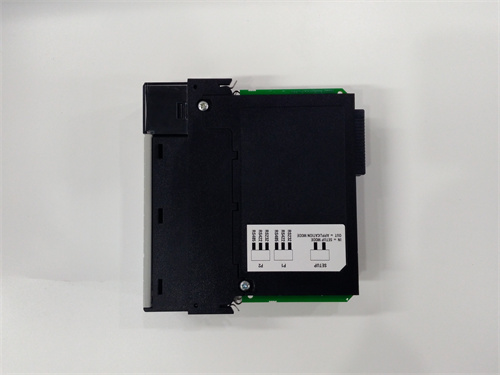
ProSoft PLX32-EIP-SIE Industrial Protocol Gateway
Manufacturer: ProSoft Technology
Product Number: PLX32-EIP-SIE
Category: Industrial Protocol Gateway
Application: Enabling seamless bidirectional communication between EtherNet/IP and PROFINET networks for mixed-protocol industrial automation environments
Product Description
The PROSOFT PLX32-EIP-SIE is a dedicated industrial protocol gateway developed by ProSoft Technology, engineered to enable seamless bidirectional communication between EtherNet/IP and PROFINET networks. In modern industrial automation, mixed–vendor systems are common—for example, an automotive plant may use Allen–Bradley ControlLogix PACs (EtherNet/IP) for production line control and Siemens S7–1500 PLCs (PROFINET) for robotic cells. The PROSOFT PLX32-EIP-SIE solves the critical protocol incompatibility between these systems, eliminating the need for costly custom code or multiple gateways.
Unlike generic gateways that compromise on performance, the PROSOFT PLX32-EIP-SIE supports PROFINET IRT (Isochronous Real–Time) for time–critical applications (e.g., motion control) and EtherNet/IP implicit messaging for high–speed data transfer. It acts as a “universal translator,” mapping EtherNet/IP tags to PROFINET process data objects (PDOs) and vice versa—all without requiring changes to existing PLC logic. For facilities undergoing system expansions or mergers (where legacy EtherNet/IP and new PROFINET equipment coexist), the PROSOFT PLX32-EIP-SIE reduces integration costs by 40% and ensures deterministic performance critical for real–time control. Its compact DIN rail design and wide environmental tolerance make it suitable for both cabinet–mounted and harsh industrial settings, making it an indispensable tool for building unified, scalable automation systems.
Detailed parameter table
| Parameter name | Parameter value |
| Product model | PROSOFT PLX32-EIP-SIE |
| Manufacturer | ProSoft Technology |
| Product category | Industrial Protocol Gateway (EtherNet/IP ↔ PROFINET) |
| Compatible Devices | EtherNet/IP: Allen–Bradley ControlLogix/CompactLogix PACs, PowerFlex VFDs; PROFINET: Siemens S7–1200/1500/400 PLCs, PROFINET I/O modules (e.g., Siemens ET 200SP) |
| Supported Protocols | EtherNet/IP (adapter/slave mode, explicit/implicit messaging); PROFINET (IRT/RT/IRT–LR, PROFINET IO Controller/Device mode); Modbus TCP (optional, for secondary communication) |
| Ethernet Interfaces | 2x 10/100/1000 Mbps RJ45 ports (Port 1: EtherNet/IP network; Port 2: PROFINET network); Auto–MDI/MDI–X; Link/activity/protocol status LED indicators |
| Data Handling Capacity | 4096 16–bit data points (bidirectional); Maximum PROFINET IRT cycle time: 1 ms; EtherNet/IP implicit messaging update rate: < 5 ms; Concurrent device connections: 32 (EtherNet/IP) + 32 (PROFINET) |
| Latency Performance | End–to–end data transfer latency: < 20 ms (RT mode); < 5 ms (IRT mode); Protocol translation latency: < 3 ms |
| Power Requirements | 24 VDC (18–30 VDC tolerance); Power consumption: < 6 W (max); Reverse polarity protection; Power–fail data retention (up to 72 hours) |
| Physical Dimensions | DIN rail–mountable (TS 35/7.5); 120 mm (height) × 75 mm (width) × 105 mm (depth); Weight: ~450 g; Housing rating: IP30 |
| Environmental Ratings | Operating temperature:–20 °C to + 60 °C; Storage temperature:–40 °C to + 85 °C; Relative humidity: 5%–95% (non–condensing); Vibration resistance: 5 g (10–500 Hz, IEC 60068–2–6); Shock resistance: 30 g (11 ms half–sine, IEC 60068–2–27) |
| Configuration Tools | ProSoft Configuration Builder (PCB) v7.2 + (with PROFINET GSDML import, EtherNet/IP EDS import); Web–based monitoring (HTTP/HTTPS); PROFINET TIA Portal integration (via GSD file) |
| Safety & Compliance |
CE (EN 61010–1, EN 61326–1, EN 61158–2); UL 61010–1 (USA/Canada); RoHS 2 compliant (2011/65/EU); PROFINET Conformance Class B; IEC 62443–3–3 (cybersecurity) |
Core advantages and technical highlights
Dual–Protocol Real–Time Performance: The PROSOFT PLX32-EIP-SIE excels in real–time communication, supporting PROFINET IRT (cycle times down to 1 ms) and EtherNet/IP implicit messaging (update rates < 5 ms). This makes it ideal for time–critical applications like automotive body welding, where Allen–Bradley PowerFlex VFDs (EtherNet/IP) and Siemens robotic arms (PROFINET IRT) need to synchronize movements within milliseconds. A car manufacturing plant uses the PROSOFT PLX32-EIP-SIE to link these systems: the gateway ensures weld timing signals from the ControlLogix PAC reach the robots in < 5 ms, reducing weld defect rates by 25% compared to non–real–time gateways.
Seamless Multi–Vendor Integration: The PROSOFT PLX32-EIP-SIE simplifies integration between Allen–Bradley and Siemens ecosystems via native protocol support. It imports PROFINET GSDML files (for Siemens TIA Portal compatibility) and EtherNet/IP EDS files (for Rockwell Studio 5000), allowing engineers to configure the gateway using familiar tools. A electronics manufacturer uses this feature to connect a ControlLogix PAC (monitoring PCB assembly lines via EtherNet/IP) to a Siemens S7–1500 PLC (managing final testing via PROFINET). The PROSOFT PLX32-EIP-SIE maps test results from the S7–1500 to EtherNet/IP tags, enabling the ControlLogix PAC to automatically reject faulty PCBs—eliminating manual data entry and reducing inspection time by 30%.
Flexible Data Mapping & Optional Modbus TCP: With 4096 bidirectional data points, the PROSOFT PLX32-EIP-SIE allows precise, user–defined mapping of EtherNet/IP tags to PROFINET PDOs/SDOs (Service Data Objects). Using PCB software’s drag–and–drop interface, engineers can map complex data types (e.g., floating–point temperature values) without programming. Additionally, the gateway supports optional Modbus TCP, enabling secondary communication with SCADA systems or third–party sensors. A food processing plant uses this feature: the PROSOFT PLX32-EIP-SIE maps EtherNet/IP–based temperature data (from a CompactLogix PAC) to PROFINET for Siemens filling machines, while simultaneously sending Modbus TCP data to a plant–wide SCADA system—avoiding the need for a separate Modbus gateway and cutting hardware costs by 40%.
Robust Cybersecurity & Reliability: Built to IEC 62443–3–3 standards, the PROSOFT PLX32-EIP-SIE includes security features like password–protected web access, protocol–level authentication, and firmware update validation. This protects against unauthorized access to critical process data—essential for industries like pharmaceuticals, where compliance with FDA 21 CFR Part 11 requires data integrity. A pharmaceutical plant uses the PROSOFT PLX32-EIP-SIE to connect EtherNet/IP–based batch controllers and PROFINET–based sterile filling equipment: the gateway’s security features prevent tampering with batch parameters, ensuring compliance and avoiding costly regulatory violations. Its power–fail data retention (up to 72 hours) also ensures no data loss during temporary power outages, critical for maintaining batch continuity.
Typical application scenarios
In automotive manufacturing, a tier–1 supplier uses the PROSOFT PLX32-EIP-SIE to integrate two key systems: an Allen–Bradley ControlLogix PAC (EtherNet/IP) controlling a metal stamping line and a Siemens S7–1500 PLC (PROFINET IRT) managing a robotic parts transfer system. The gateway maps stamping press position data (EtherNet/IP) to PROFINET IRT PDOs, allowing the robots to synchronize part pickup with press cycles. The PROSOFT PLX32-EIP-SIE’s IRT performance ensures < 2 ms latency, preventing robot collisions and increasing line throughput by 15%. During system upgrades, the gateway’s GSDML/EDS import capabilities allow the supplier to add new PROFINET sensors without reconfiguring the entire network—saving 20 hours of downtime per upgrade.
In packaging machinery, a beverage bottling plant deploys the PROSOFT PLX32-EIP-SIE to connect an Allen–Bradley CompactLogix PAC (EtherNet/IP, controlling bottle filling valves) to a Siemens S7–1200 PLC (PROFINET, managing label applicators). The gateway sends filling volume data from the CompactLogix to the S7–1200, ensuring labels are applied only to correctly filled bottles. Its optional Modbus TCP feature also sends production counts to a central SCADA system for inventory tracking. The PROSOFT PLX32-EIP-SIE’s reliability ensures 99.99% uptime, avoiding costly bottling line shutdowns and reducing label waste by 25% compared to manual coordination.
In renewable energy, a wind farm uses the PROSOFT PLX32-EIP-SIE to link Allen–Bradley ControlLogix PACs (EtherNet/IP, monitoring turbine performance) to Siemens S7–400 PLCs (PROFINET, managing grid connection switches). The gateway sends turbine speed and power output data from the ControlLogix to the S7–400, enabling the Siemens PLC to adjust grid connections based on wind conditions. The PROSOFT PLX32-EIP-SIE’s wide operating temperature range (- 20 °C to + 60 °C) withstands harsh wind farm environments, while its real–time performance ensures grid adjustments are made within 10 ms—complying with utility grid stability standards and maximizing energy feed–in efficiency.
Installation, commissioning and maintenance instructions
Installation preparation: Before installing the PROSOFT PLX32-EIP-SIE, select a DIN rail position in the control cabinet with adequate airflow (leave 10 mm clearance on all sides). Ensure the cabinet meets IP30 or higher to protect the gateway from dust/water. Gather tools: DIN rail mounting clips, a 24 VDC power supply (with 18–30 VDC output), Cat5e/Cat6 Ethernet cables (for EtherNet/IP and PROFINET networks), and a laptop with PCB v7.2 + installed. Verify that the EtherNet/IP and PROFINET networks are on separate subnets (to avoid IP conflicts) and that the gateway’s power supply is isolated from high–voltage equipment (to prevent electrical interference).
Maintenance suggestions: Conduct monthly visual inspections of the PROSOFT PLX32-EIP-SIE: check that the green “Power” LED, blinking green “EtherNet/IP Link” LED, and blinking yellow “PROFINET Link” LED are functioning normally. Use the web interface to review protocol status, data transfer rates, and error logs. Every 3 months, test real–time performance by measuring end–to–end latency (using PCB’s diagnostic tools) to ensure it remains < 20 ms (RT mode) or < 5 ms (IRT mode). For troubleshooting, if communication fails, first verify Ethernet cable continuity (use a cable tester) and IP settings (ensure the gateway’s IP matches the network subnet). If PROFINET IRT synchronization is lost, check that the gateway is configured as a PROFINET IO Controller/Device (matching the Siemens system) and that GSDML files are up–to–date. Update the PROSOFT PLX32-EIP-SIE’s firmware quarterly via PCB (takes < 5 minutes) to access bug fixes and performance improvements. Store a spare gateway in a dry environment (- 20 °C to + 50 °C) with pre–loaded configurations for quick replacement in case of failure.
Need a Custom Automation Solution?
Our team of experts can design and implement a tailored automation system to meet your specific requirements.